Howard Lutnick Mentioned in Epstein Files
On February 10, 2026, United States Commerce Secretary Howard Lutnick faced questioning before the Senate Appropriations Subcommittee after the release of documents connected to the Jeffr...
Explore event →History does not happen in isolation. Explore world events across time, follow the connections between them, and investigate the threads that reveal how one event can lead to another.
TheTimeMap currently follows events across 95 countries and 268 years of history — building a connected archive designed for people who want to look beyond the headline.
We oppose antisemitism, racism, and dehumanization — everywhere.
When people stop feeling, injustice becomes easy.
On February 10, 2026, United States Commerce Secretary Howard Lutnick faced questioning before the Senate Appropriations Subcommittee after the release of documents connected to the Jeffr...
Explore event →

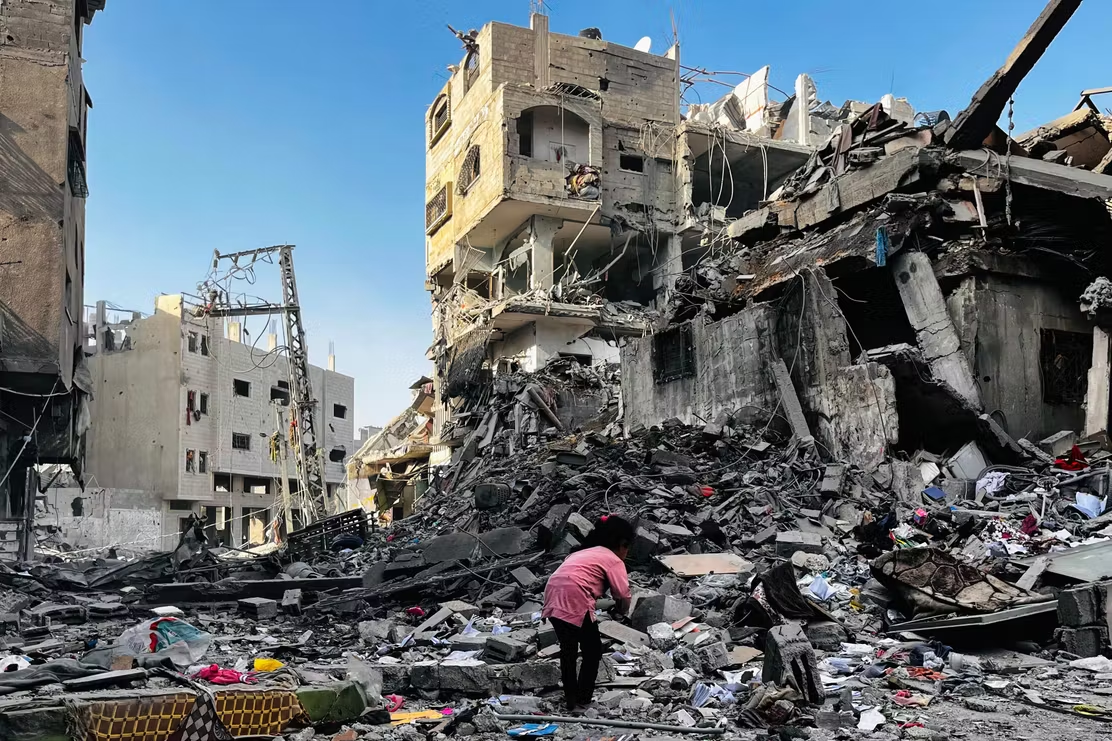
Recent Israeli military operations in Gaza have resulted in strikes on a wide range of civilian and non-military sites. Documented target types include mosques, churches, schools, kinderg...
Explore event →
On January 24, 2026, American heiress Tanya Dick-Stock and her husband Darrin Stock filed a $12 billion lawsuit against major banks including Barclays, HSBC entities, and Jersey trust Zed...
Explore event →
On January 23, 2026, U.S. lawmakers released an investigation accusing China of being the world’s largest perpetrator of illegal, unreported, and unregulated (IUU) fishing. The report was...
Explore event →
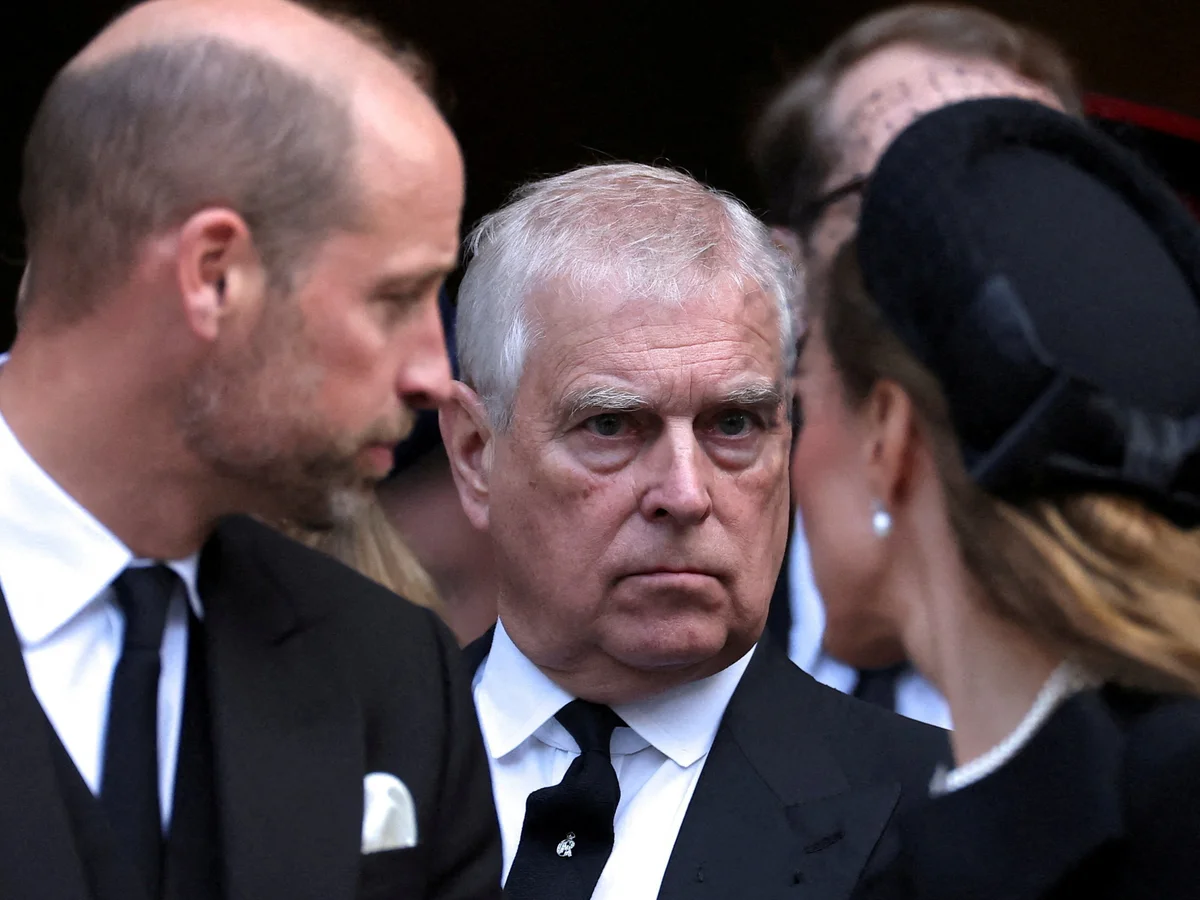
In 2019, following the widely criticised BBC interview in which Prince Andrew addressed his relationship with convicted sex offender Jeffrey Epstein, Prince William reportedly began pushi...
Explore event →
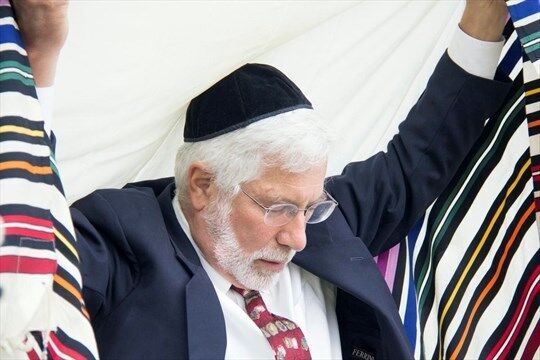
In May 2019, Rabbi David Mivasair, a Canadian citizen from Hamilton, Ontario, was detained by Israeli military forces in the South Hebron Hills region of the West Bank while participating...
Explore event →
Harvey Weinstein, an American film producer and co-founder of Miramax and The Weinstein Company, was arrested on October 10, 2017, in New York following numerous allegations of sexual har...
Explore event →
Chaim Halpern is an Orthodox rabbi based in Golders Green, London, England, United Kingdom. He has led a synagogue and has been described in reporting as a prominent figure within segment...
Explore event →
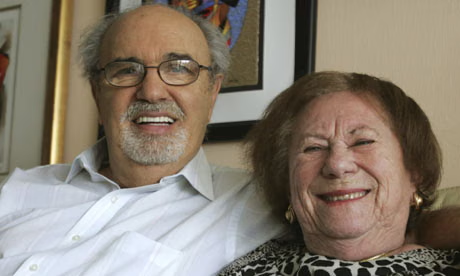
Herman Rosenblat publicly acknowledged in December 2008 that key elements of his Holocaust survival story were fabricated. Rosenblat had claimed that while imprisoned at the Schlieben sub...
Explore event →
On October 20, 2001, American musician Kid Rock appeared as a guest on the television show Saturday Night Live (SNL). During his appearance, Kid Rock made a remark regarding actresses Mar...
Explore event →
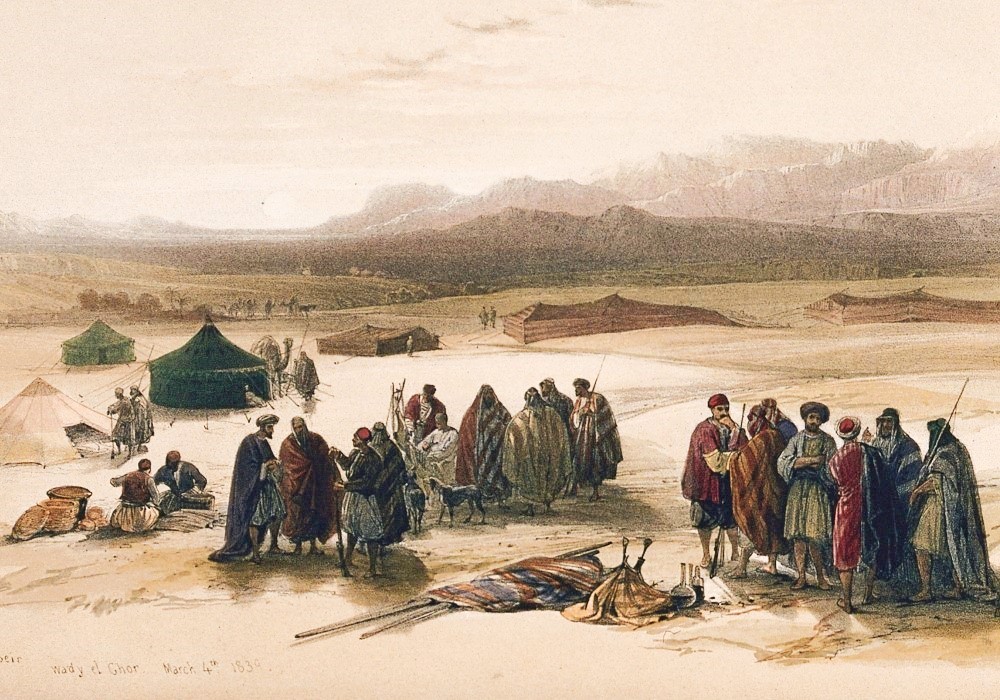
The Edomites, also known in later sources as Idumeans, were an ancient Semitic people who lived in the region south of Judea, historically associated with the descendants of Esau in bibli...
Explore event →
Event Timeline body { font-family: Arial, sans-serif; background-color: #f4f4f9; margin: 0; padding: 0; } .timeline-container { max-width: 800px; margin: 50px auto; p...
Explore event →
30 BCE — Octavian captures Alexandria after the deaths of Antony and Cleopatra. Egypt becomes a Roman province under unusually close imperial supervision because of its enormous agricultu...
Explore published research →
30 BCE–395 CE — Egypt remains one of the Roman Empire's wealthiest provinces. Alexandria continues as a major commercial and intellectual center while traditional Egyptian temples functio...
Explore published research →
30 BCE — Ancient writers indicate that Cleopatra and Mark Antony were buried together, but their burial place has never been securely identified. Archaeologists have explored several poss...
Explore published research →
2 September 31 BCE — The fleet of Octavian defeats the forces of Mark Antony and Cleopatra near Actium in western Greece. Antony and Cleopatra retreat to Egypt. Their final defeat destroy...
Explore published research →
51–30 BCE — Cleopatra VII becomes the final active ruler of the Ptolemaic dynasty. She navigates the expanding power of Rome through alliances and relationships first with Julius Caesar a...
Explore published research →
146 BCE — Corinth is destroyed and Roman domination of Greece becomes decisive.
Explore published research →
c. 146–120 BCE — Roman engineers develop the Via Egnatia from the Adriatic coast through Macedonia toward Byzantium. Dyrrachium becomes one of the principal western gateways of the route....
Explore published research →
168 BCE — Roman forces defeat King Gentius near Scodra after a short campaign. His capture effectively ends the last major independent Illyrian monarchy in the region. Roman influence now...
Explore published research →
Untitled168 BCE–395 CE — The lands of modern Albania are gradually integrated into Roman provincial systems. Cities expand, Latin and Greek cultural influences deepen, roads connect inlan...
Explore published research →
229–228 BCE — Rome sends military forces across the Adriatic against Queen Teuta's kingdom. The war marks Rome's first major armed intervention on the eastern Adriatic coast and begins a ...
Explore published research →
305–30 BCE — The Macedonian Ptolemaic dynasty rules Egypt after the fragmentation of Alexander's empire. Its kings present themselves simultaneously as Hellenistic monarchs and Egyptian p...
Explore published research →
331 BCE — Alexander establishes Alexandria on Egypt's Mediterranean coast. Under his successors, the city becomes one of the greatest centers of trade and scholarship in the ancient world...
Explore published research →
332 BCE — Alexander enters Egypt during his campaign against the Persian Empire and is welcomed as its new ruler. He participates in Egyptian royal and religious traditions while integrat...
Explore published research →
334–323 BCE — Alexander destroys the Persian Empire and campaigns as far as northwestern India.
Explore published research →
338 BCE — Philip II defeats a coalition led by Athens and Thebes.
Explore published research →
Powerful Illyrian ruler of the 4th century BCE who built a kingdom capable of challenging Macedonia.
Explore published research →
4th–3rd centuries BCE — Several Illyrian dynasties consolidate larger kingdoms across the western Balkans. Their rulers compete with Macedonia, Epirus and Greek coastal cities while becom...
Explore published research →
404 BCE — Sparta and its allies defeat Athens, ending the Peloponnesian War.
Explore published research →
431–404 BCE — Athens and Sparta lead rival alliances in a devastating war across the Greek world.
Explore published research →
447–432 BCE — The Parthenon is constructed on the Athenian Acropolis.
Explore published research →
480 BCE — Greek naval forces defeat the Persian fleet near Salamis.
Explore published research →
480 BCE — Leonidas and a Greek force resist Xerxes' invasion at the pass of Thermopylae.
Explore published research →
490 BCE — Athenian-led forces defeat a Persian invasion army at Marathon.
Explore published research →
c. 500 BCE–1100 CE — Investigate geography, language, population continuity and ancient names while recognizing the severe lack of surviving Illyrian texts.
Explore published research →
c. 500 BCE–1100 CE — Modern Albanian is generally considered an ancient Balkan Indo-European language, but its precise ancient ancestor remains uncertain. Continuity from some Illyrian-sp...
Explore published research →
508–507 BCE — Cleisthenes introduces reforms that become foundational to Athenian democracy.
Explore published research →
525 BCE — Cambyses II of the Achaemenid Persian Empire defeats Pharaoh Psamtik III and incorporates Egypt into the Persian imperial system. Persian kings adopt pharaonic titles while gove...
Explore published research →
c. 588 BCE — Greek settlers establish Apollonia near the lower Vjosa River. The city grows into an important commercial and intellectual center connecting the Adriatic coast with inland B...
Explore published research →
594 BCE — Solon introduces major political and social reforms in Athens.
Explore published research →
627 BCE — Greek colonists establish Epidamnos on the Adriatic coast, later known as Dyrrachium and modern Durrës. The settlement becomes a major commercial link between Mediterranean trad...
Explore published research →
664–525 BCE — Rulers of the Twenty-Sixth Dynasty reunify Egypt from their base at Sais. They encourage trade with the Greek world, employ foreign mercenaries and revive older Egyptian art...
Explore published research →
671 BCE — Assyrian king Esarhaddon invades Egypt and captures Memphis. Further campaigns follow as Assyria struggles against Kushite attempts to regain authority. Egypt becomes drawn into...
Explore published research →
Untitledc. 747–656 BCE — Kings from the Nubian kingdom of Kush expand north and eventually control Egypt as the Twenty-Fifth Dynasty. They deliberately present themselves as restorers of ...
Explore published research →
776 BCE — Traditional date for the first recorded Olympic Games at Olympia.
Explore published research →
c. 1000 BCE–1100 CE — Separate archaeology, language, ancient ethnonyms and medieval written evidence rather than forcing them into one uninterrupted national story.
Explore published research →
c. 1000–500 BCE — Iron Age communities later identified by Greek and Roman writers as Illyrian become visible across much of the western Balkans. Illyrians were not one centralized nation...
Explore published research →
c. 1070 BCE — Central royal authority weakens while powerful priestly institutions and regional rulers gain influence. Egypt loses much of its empire in the Levant and increasingly fragme...
Explore published research →
c. 1070–664 BCE — Political power is divided among several dynasties and regional centers. Libyan-descended ruling families establish dynasties in northern Egypt, while powerful religious...
Explore published research →
c. 1177 BCE — During the reign of Ramesses III, Egyptian inscriptions describe major battles against groups arriving by land and sea. These groups are traditionally called the Sea Peoples...
Explore published research →
Around 1200 BCE — Major palace centers are destroyed or abandoned during the wider Bronze Age Collapse.
Explore published research →
c. 1259 BCE — Egypt and the Hittite Empire formalize a peace agreement after decades of competition in the Levant. Surviving versions of the treaty preserve commitments involving peace, m...
Explore published research →
c. 1274 BCE — Egyptian forces under Ramesses II fight the Hittite army near Kadesh in Syria. Egyptian inscriptions present the battle as a spectacular personal victory for Ramesses, altho...
Explore published research →
1279–1213 BCE — Ramesses II rules for more than six decades and becomes one of Egypt's most prolific builders. His monuments appear throughout Egypt and Nubia, including Abu Simbel and ma...
Explore published research →
c. 1323 BCE — The young king's mummy has been subjected to extensive medical and genetic analysis. Proposed explanations have included injury, malaria, inherited disorders and complicatio...
Explore published research →
c. 1332–1323 BCE — Tutankhamun becomes king while still a child during the political aftermath of Akhenaten's religious revolution. His government restores traditional temples and moves t...
Explore published research →
c. 1353–1336 BCE — Amenhotep IV changes his name to Akhenaten and promotes extraordinary devotion to the solar deity Aten. He establishes a new royal capital at Akhetaten, modern Amarna, ...
Explore published research →
c. 1353–1336 BCE — Akhenaten's religious revolution gives the Aten unprecedented royal prominence and suppresses major traditional cults. Some scholars have described this as monotheism, ...
Explore published research →
c. 1457 BCE — Thutmose III defeats a coalition of Levantine rulers near Megiddo. Egyptian inscriptions provide one of history's earliest detailed military campaign narratives. Victory str...
Explore published research →
c. 1479–1458 BCE — Hatshepsut begins as regent for the young Thutmose III but eventually assumes full pharaonic titles. Royal imagery increasingly depicts her with traditional male symbol...
Explore published research →
c. 1479–1425 BCE — Thutmose III initially shares the throne during Hatshepsut's rule and later becomes one of Egypt's most successful military pharaohs. Repeated campaigns extend Egyptian...
Explore published research →
c. 1550–1525 BCE — Ahmose I completes the Theban war against the Hyksos and captures their capital at Avaris. His campaigns reunify Egypt and extend Egyptian power into Nubia and the sout...
Explore published research →
c. 1550–1070 BCE — Egypt becomes one of the great imperial powers of the Late Bronze Age. Pharaohs campaign into Nubia and the Levant while wealth flows into enormous temple complexes, ro...
Explore published research →
c. 1650–1550 BCE — A dynasty of rulers of largely western Asian origin controls much of northern Egypt from Avaris in the Nile Delta. Egyptian sources later portray them as foreign occupi...
Explore published research →
Around 1900 BCE — Monumental palace complexes flourish on Crete.
Explore published research →
c. 2055–1650 BCE — Reunified Egypt experiences renewed royal authority, extensive building programs and military expansion into Nubia. Literature flourishes and Egyptian administration be...
Explore published research →
c. 2061–2010 BCE — Mentuhotep II rules from Thebes and defeats the northern rival kingdom. His victory reunifies most of Egypt and establishes the political foundation of the Middle Kingd...
Explore published research →
c. 2181–2055 BCE — Egypt is politically divided among competing centers, especially Herakleopolis in the north and Thebes in the south. Provincial rulers exercise greater independence tha...
Explore published research →
c. 2200–2181 BCE — Central royal authority weakens as powerful provincial elites gain greater independence. Low Nile floods and climatic instability may have intensified economic stress a...
Explore published research →
c. 2300–2055 BCE — Investigate weakening royal authority, powerful provincial elites, low Nile floods, climate stress and administrative fragmentation. None of these factors alone fully e...
Explore published research →
c. 2580–2560 BCE — Khufu's Great Pyramid rises at Giza and becomes the largest pyramid ever constructed in Egypt. Originally about 146.6 meters high, it contains millions of stone blocks ...
Explore published research →
c. 2600–2500 BCE — Archaeology points toward organized Egyptian labor forces rather than armies of foreign slaves. Workers lived in settlements near Giza, received food and supplies and w...
Explore published research →
c. 2613–2589 BCE — Sneferu, founder of the Fourth Dynasty, oversees an extraordinary period of pyramid experimentation. Projects associated with his reign include the Meidum Pyramid, Bent...
Explore published research →
c. 2650 BCE — Djoser's Step Pyramid complex represents a revolutionary leap in monumental stone architecture. Traditionally associated with the official Imhotep, the project begins as a m...
Explore published research →
c. 2667–2648 BCE — Djoser rules during Egypt's Third Dynasty and is associated with one of the greatest architectural transformations in ancient history. His funerary complex at Saqqara r...
Explore published research →
c. 2686–2181 BCE — The Old Kingdom becomes the classic age of pyramid construction and highly centralized kingship. The royal court controls extensive agricultural resources and commands ...
Explore published research →
c. 3000–1100 BCE — Fortified settlements, metallurgy, regional trade and tumulus burial traditions develop across the western Balkans. Social differences become increasingly visible in gr...
Explore published research →
c. 3100–2686 BCE — The first dynasties strengthen royal authority and expand administrative control across Egypt. Royal tombs become increasingly elaborate, especially at Abydos and Saqqa...
Explore published research →
c. 3100 BCE — Political consolidation produces a state extending across most of the Nile Valley and Delta. A royal court, taxation system, organized labor force and increasingly sophistic...
Explore published research →
c. 3100 BCE–2026 CE — Egypt has been governed by native pharaohs, Nubian kings, Persians, Macedonians, Romans, Byzantines, Arab caliphates, Fatimids, Ayyubids, Mamluks, Ottomans, Muhammad...
Explore published research →
c. 3100 BCE — Narmer is one of the earliest Egyptian rulers associated with the political consolidation of Upper and Lower Egypt. The famous Narmer Palette depicts him wearing crowns asso...
Explore published research →
c. 3100 BCE–2026 CE — Modern Egyptians live in the same Nile landscape that supported pharaonic civilization, but language, religion, political institutions and population connections hav...
Explore published research →
c. 3300–3000 BCE — Later royal ideology presents unification as a foundational act, but archaeology points toward a longer process of competition, alliance and conquest among regional pow...
Explore published research →
c. 3300–3100 BCE — Larger political systems emerge in the Nile Valley and Delta. Later Egyptian tradition remembers the country as two lands: Upper Egypt in the south and Lower Egypt in t...
Explore published research →
c. 4000–3100 BCE — Powerful communities develop across Upper Egypt during the Naqada periods. Trade expands, elite burials become richer and political centers such as Hierakonpolis gain i...
Explore published research →
c. 4400–4000 BCE — Communities in Upper Egypt produce distinctive pottery, stone tools and increasingly elaborate burials. Grave goods suggest growing differences in wealth and social sta...
Explore published research →
c. 6000–4400 BCE — Communities along the Nile increasingly depend on farming, fishing, animal husbandry and seasonal river resources. The Nile creates a narrow fertile corridor through an...
Explore published research →
c. 6500–5500 BCE — Farming, livestock keeping and permanent villages become established in parts of the territory of modern Albania. Communities increasingly depend on cultivated crops an...
Explore published research →
c. 6500 BCE–2026 CE — The territory and people of modern Albania were shaped by prehistoric Balkan societies, Illyrian political formations, Rome, Byzantium, medieval Albanian principalit...
Explore published research →