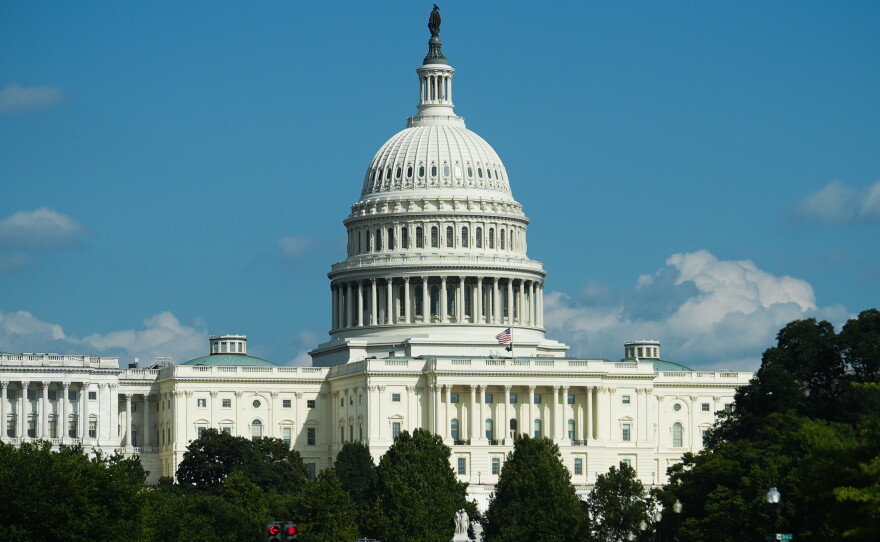
US House extends government funding
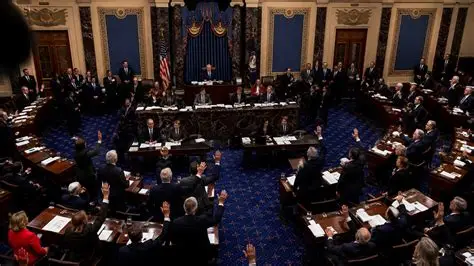
The United States House of Representatives approved legislation on September 1, 2026, extending federal government funding and reducing the immediate risk of a government shutdown. The...
Explore event →History does not happen in isolation. Explore world events across time, follow the connections between them, and investigate the threads that reveal how one event can lead to another.
TheTimeMap currently follows events across 95 countries and 268 years of history — building a connected archive designed for people who want to look beyond the headline.
We oppose antisemitism, racism, and dehumanization — everywhere.
When people stop feeling, injustice becomes easy.
The United States House of Representatives approved legislation on September 1, 2026, extending federal government funding and reducing the immediate risk of a government shutdown. The...
Explore event →
A United States federal judge struck down a Trump administration policy on August 21, 2026, that suspended the issuance of immigrant visas to applicants from 75 countries. U.S. District J...
Explore event →
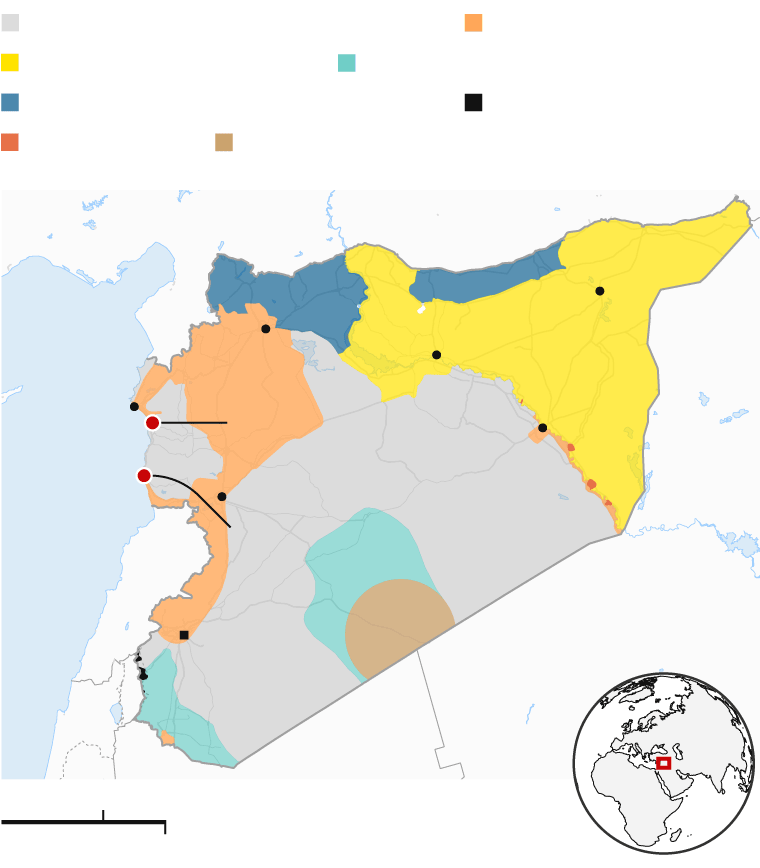
Syria and Russia reached an agreement on August 9, 2026, restructuring Russia's presence at the Hmeimim air base and Tartous naval facility. The memorandum followed approximately 18 month...
Explore event →
The United States Senate passed legislation on August 7, 2026, expanding economic sanctions against Russia and maintaining sanctions involving Iran. The measure passed by a vote of 86 to ...
Explore event →
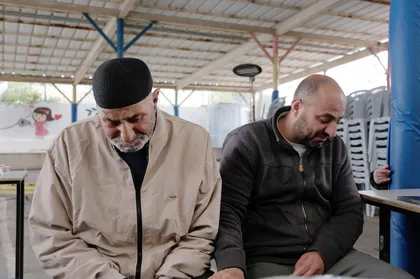
A Palestinian farmer was shot and killed by Israeli settlers on his family’s land in the West Bank on April 5, 2026, according to reports from local sources. The incident occurred in the ...
Explore event →
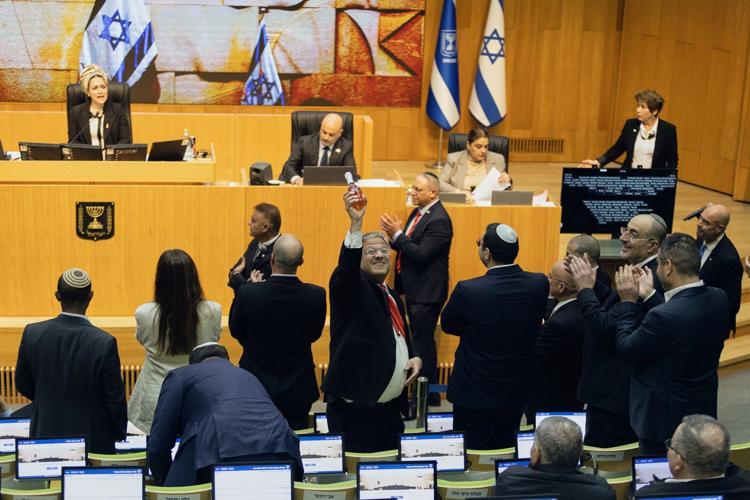
On March 30, 2026, Israel’s parliament passed a law authorising the death penalty for Palestinians convicted of lethal attacks, particularly those involving the killing of Israelis. The l...
Explore event →
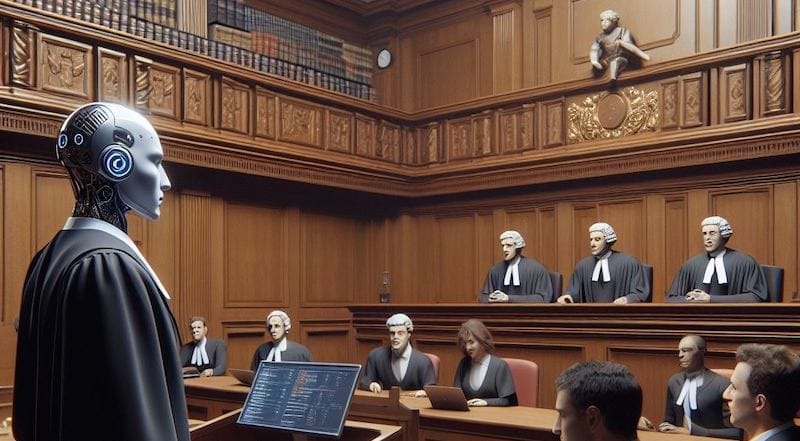
An artificial intelligence pilot program in Los Angeles County courts is being introduced to assist judges in drafting rulings in certain cases, according to officials familiar with the i...
Explore event →
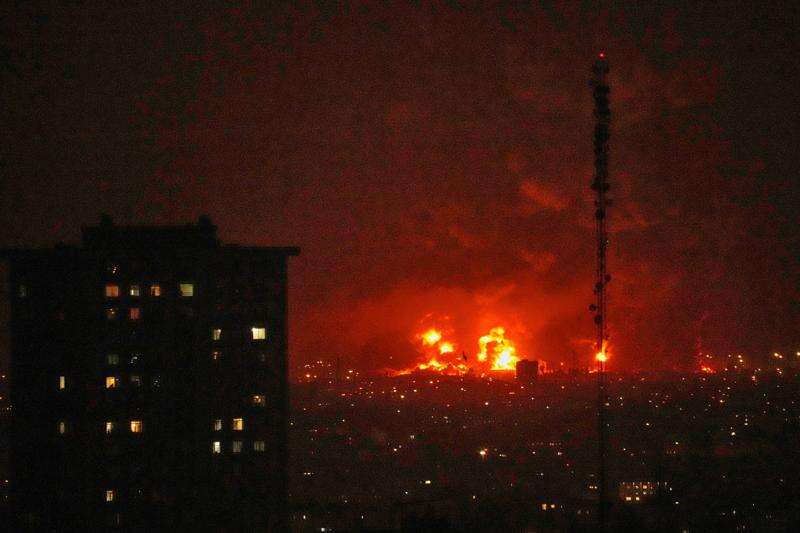
Iran names new supreme leader during Tehran airstrike fires On March 8, 2026, Iran’s Assembly of Experts announced the selection of Mojtaba Khamenei as the new Supreme Leader of the Isla...
Explore event →
ICE Training Shortcuts Allegations On February 23, 2026, whistleblowers and congressional testimony revealed that the United States Immigration and Customs Enforcement (ICE) had signific...
Explore event →
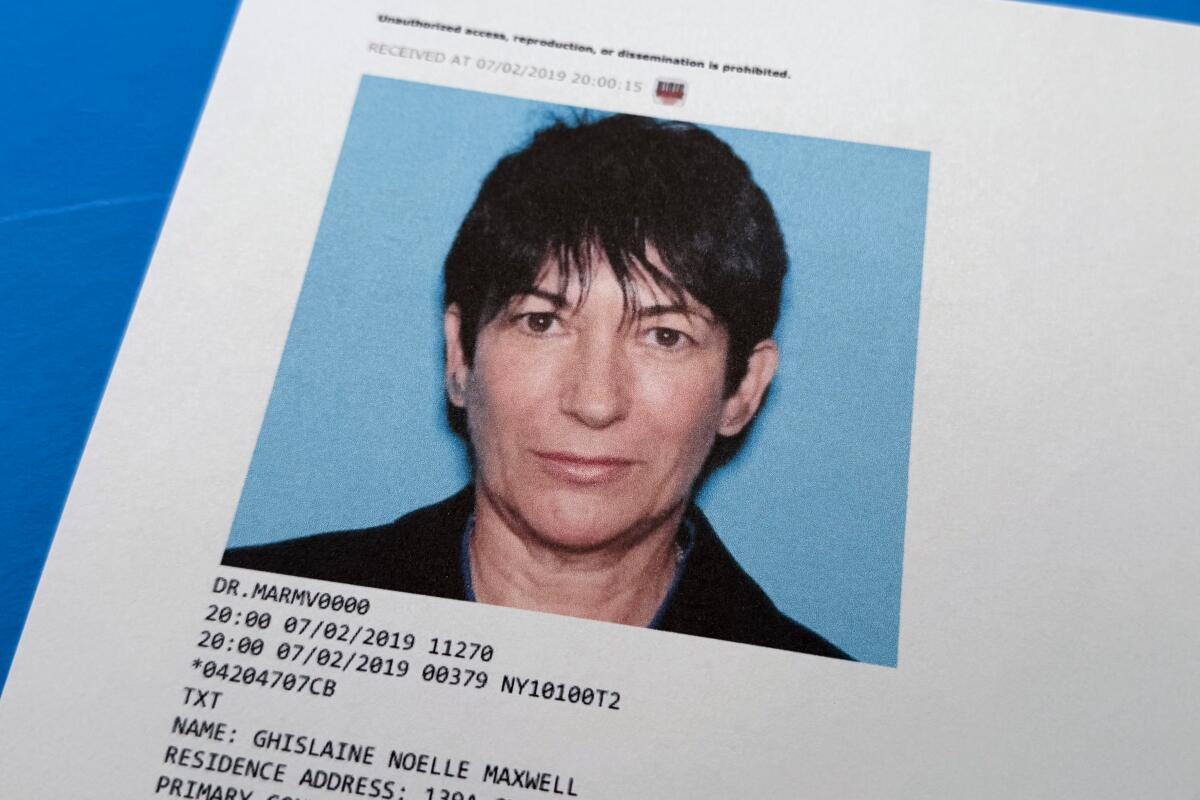
Ghislaine Maxwell challenges release of Epstein documents On February 21, 2026, lawyers for imprisoned British socialite Ghislaine Maxwell filed legal papers in Manhattan federal court s...
Explore event →
On February 14, 2026, former US President Donald Trump issued a presidential pardon to Wanda Vázquez Garced, former Governor of Puerto Rico. The pardon absolves Vázquez Garced of legal pe...
Explore event →

On February 11, 2026, the U.S. Department of Justice, under the Trump administration, abruptly fired Donald T. Kinsella as U.S. Attorney for the Northern District of New York just hours a...
Explore event →
Bill Gates’ influence in global health, food supply, and population programs Bill Gates, co‑founder of Microsoft and a private philanthropist, has been a major funder of global...
Explore event →

Japan expands state secrets law classification powers In February 2026, Japan’s government approved revisions to its State Secrecy Law that broaden the scope of information eli...
Explore event →
U.S. Congress quietly extends secrecy deadlines on federal records requests In late January 2026, congressional committees approved procedural measures allowing federal agencie...
Explore event →
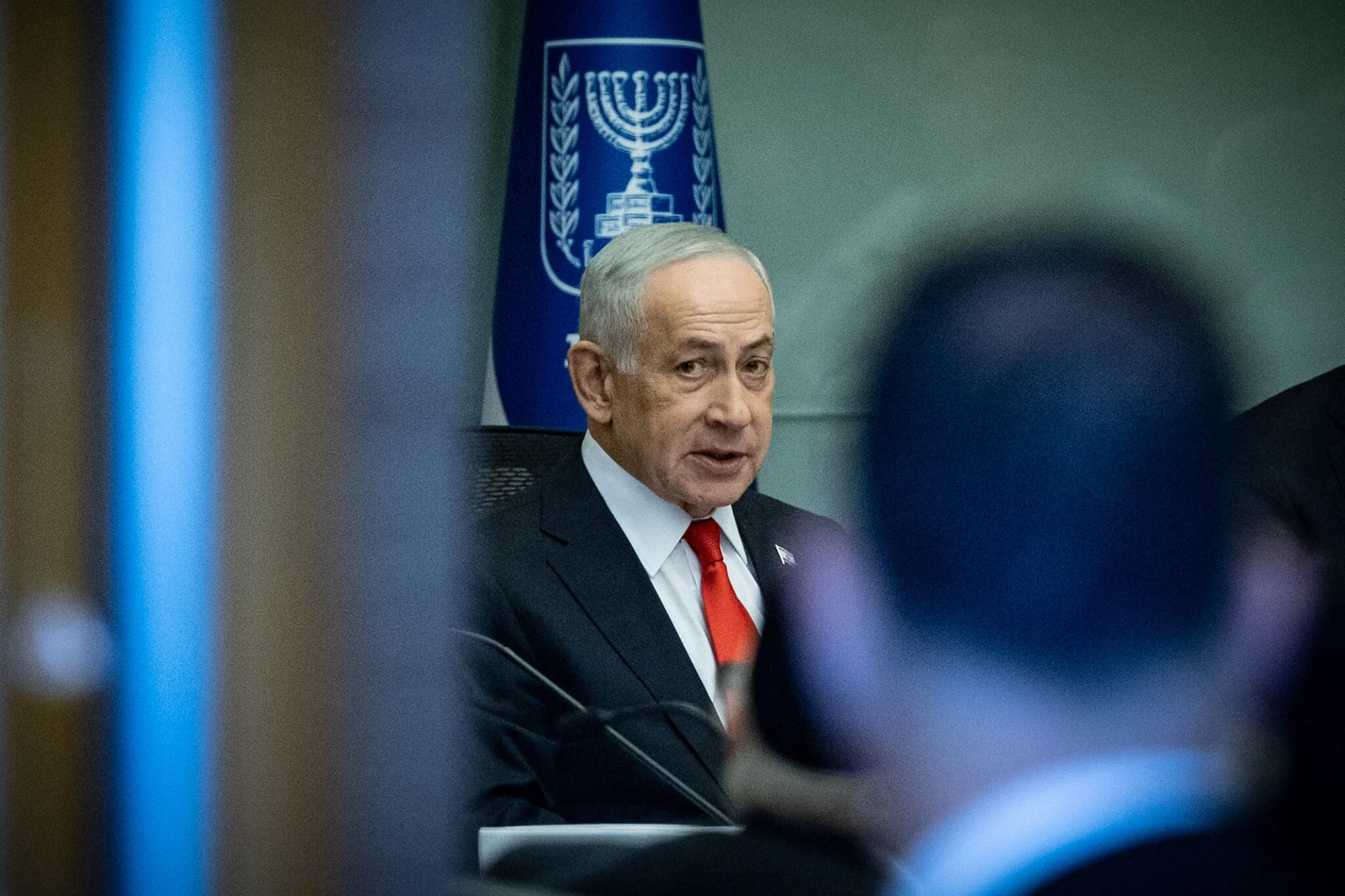
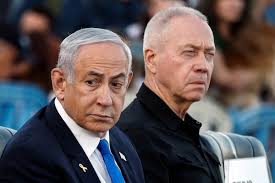
Netanyahu Releases His Answers to State Comptroller’s October 7 Investigation On February 5, 2026, Israeli Prime Minister Benjamin Netanyahu publicly released a 55-page document containi...
Explore event →

PA Accuses Israel of ‘Slow Execution’ of Palestinian Prisoner Who Died a Week After Release The Palestinian Authority’s Commission of Detainees Affairs and the Palestinian Pris...
Explore event →
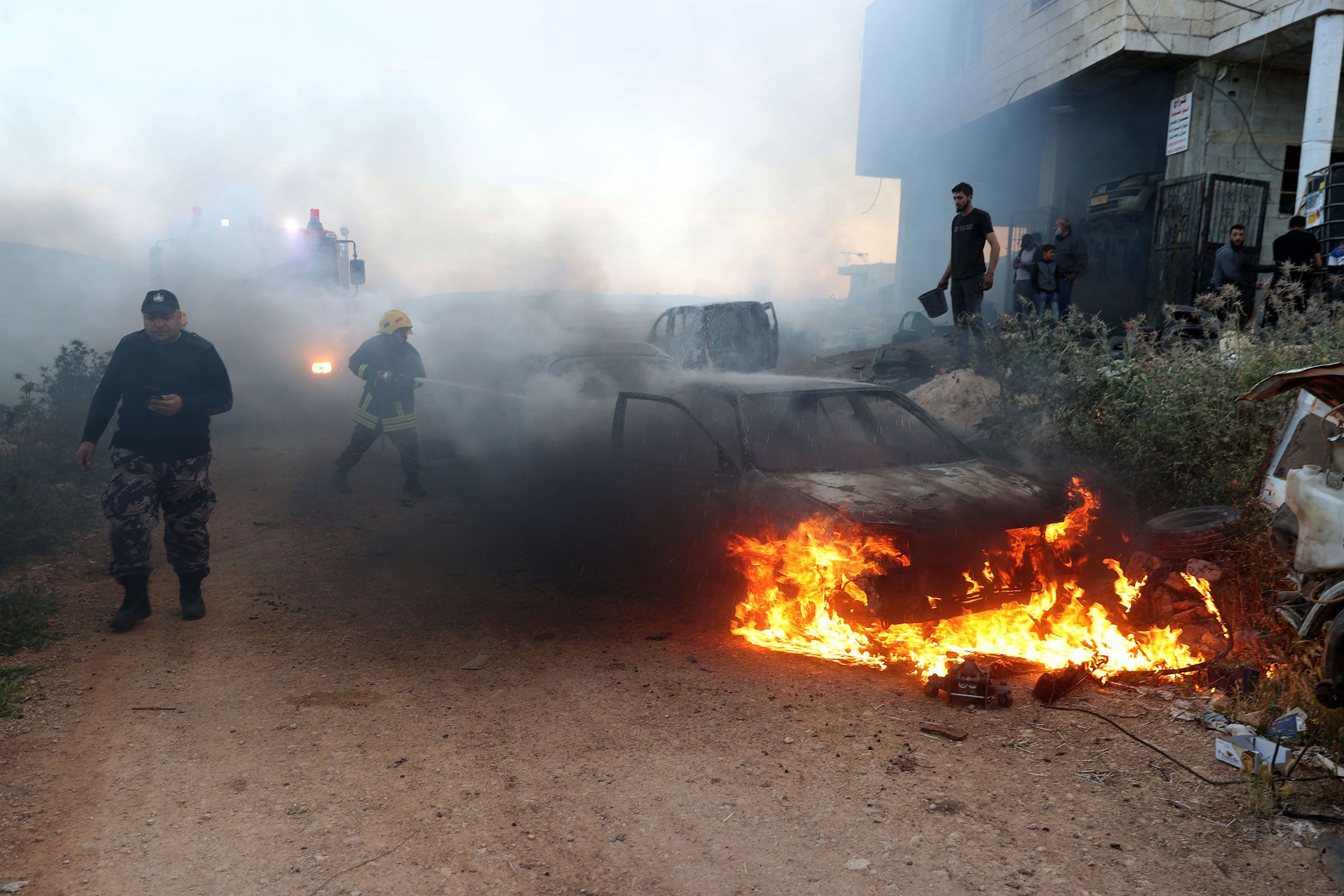
Israeli settlers attacked the Palestinian village of Khirbet al-Sidra in the occupied West Bank late on January 18–19, 2026, setting fire to homes and vehicles and injuring residents, acc...
Explore event →

The Panama Canal Authority revised vessel transit regulations following prolonged drought conditions that significantly lowered water levels in Gatun Lake, according to official notices i...
Explore event →
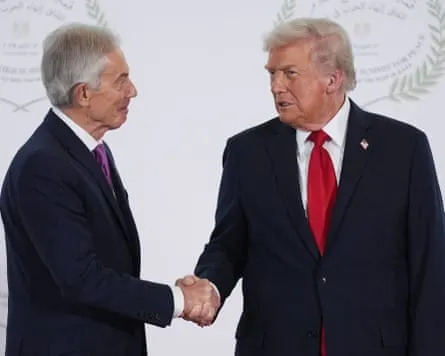
Board of Peace for Gaza Date: Ongoing as of January 2026 Description: The Board of Peace is a U.S.-led international body announced by President Donald Trump to oversee governance,...
Explore event →
On January 15, 2026, U.S. federal authorities signaled potential consideration of the Insurrection Act following escalating unrest in Minneapolis related to federal law enforcement operat...
Explore event →
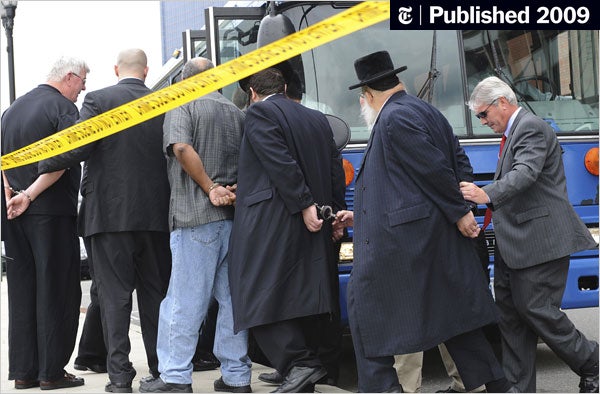
Haim Yosef David Abergel is an Israeli rabbi from Netivot, Israel, and the son of Rabbi Yoram Abergel. He is associated with Haredi religious communities and has been involved in educatio...
Explore event →
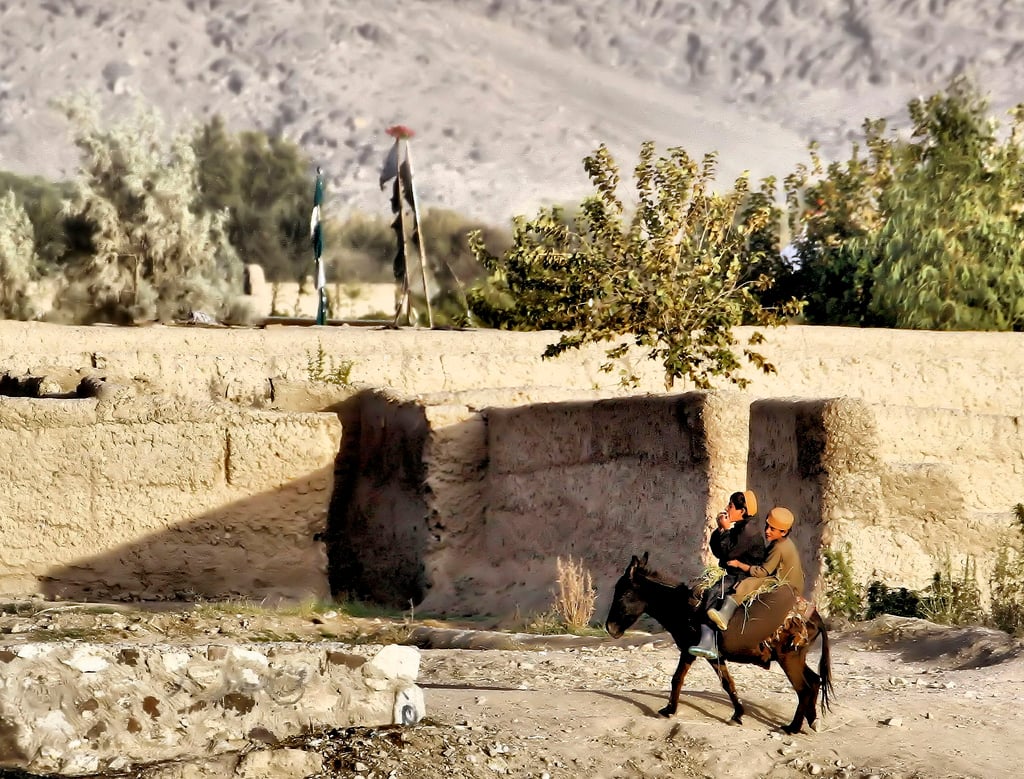
Netanyahu declared an ICC war crimes suspect On November 21, 2024, the International Criminal Court (ICC) in The Hague issued an arrest warrant for Israeli Prime Minister Benjamin Netany...
Explore event →
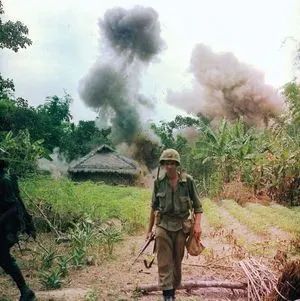
In late 2022, Iraqi authorities intensified investigations into one of the country's largest alleged corruption cases, involving the disappearance of billions of dollars from tax authorit...
Explore event →
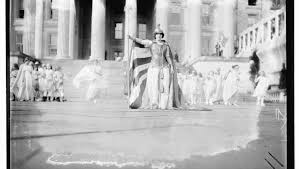
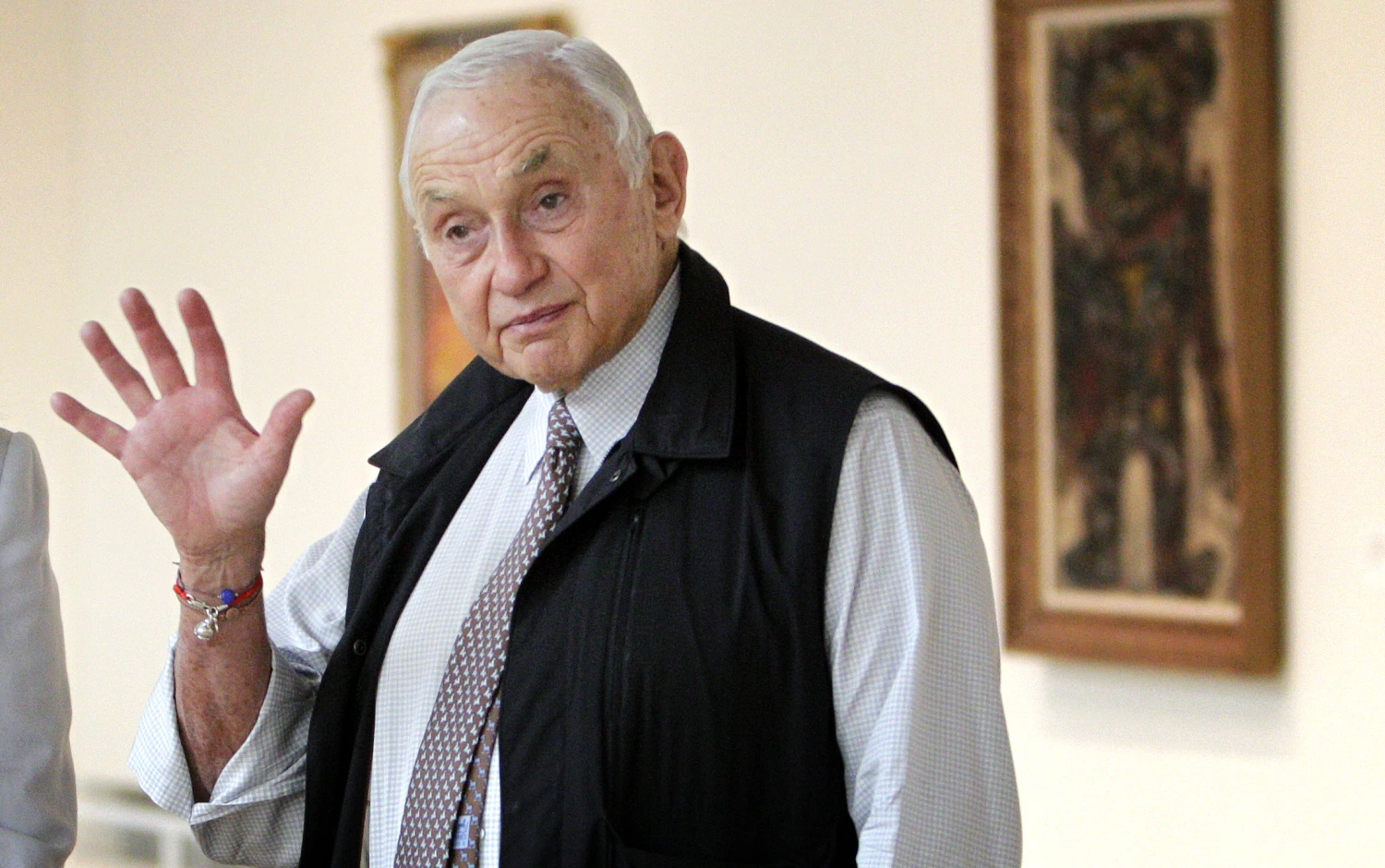
In July 2019, public reporting revisited the long-standing financial relationship between billionaire retail executive Leslie Wexner and financier Jeffrey Epstein. Wexner granted Epstein ...
Explore event →
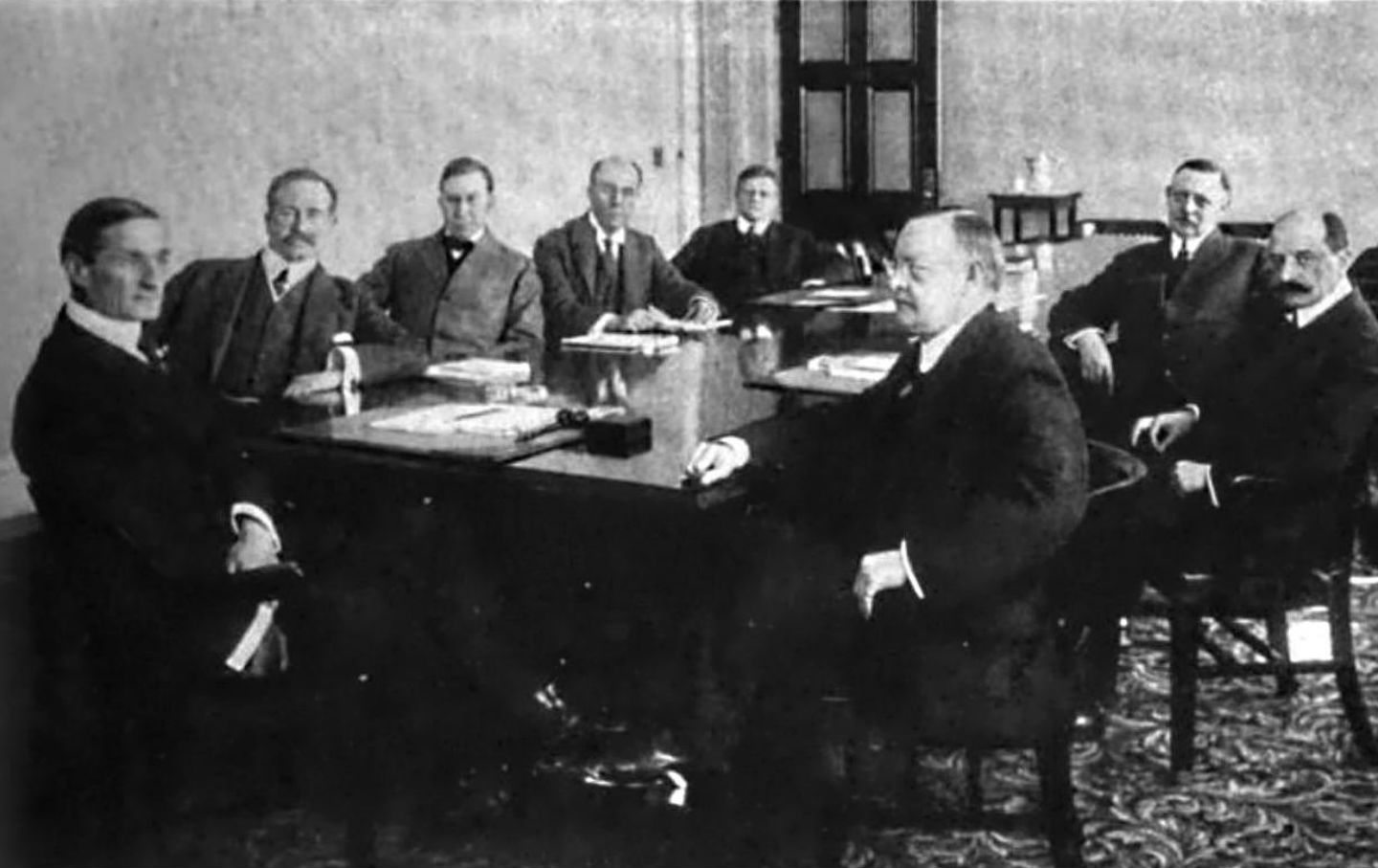
Washington, D.C., United StatesRabbi Bernard “Barry” Freundel was arrested in Washington, D.C., on October 14, 2014, after police began investigating allegations that he had secretly reco...
Explore event →
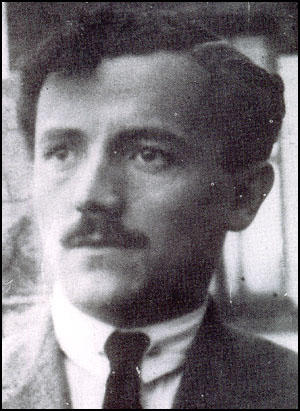
Mordechai Elon was a prominent Religious Zionist rabbi in Israel, known for his leadership roles in yeshivot, public lectures, and media appearances. He was considered an influential reli...
Explore event →
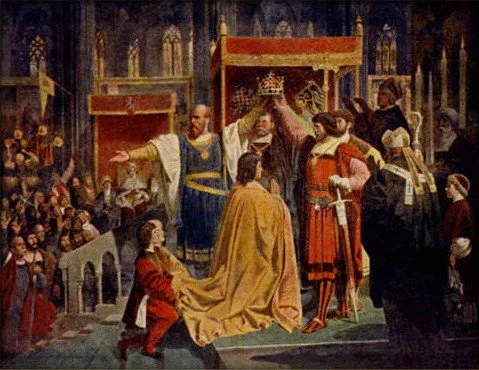
All Dogs Are Bad And Their Owners Accursed, Israeli City’s Rabbis Rule More than a dozen rabbis in the city of Elad, located near Tel Aviv, issued a religious edict declaring that all do...
Explore event →
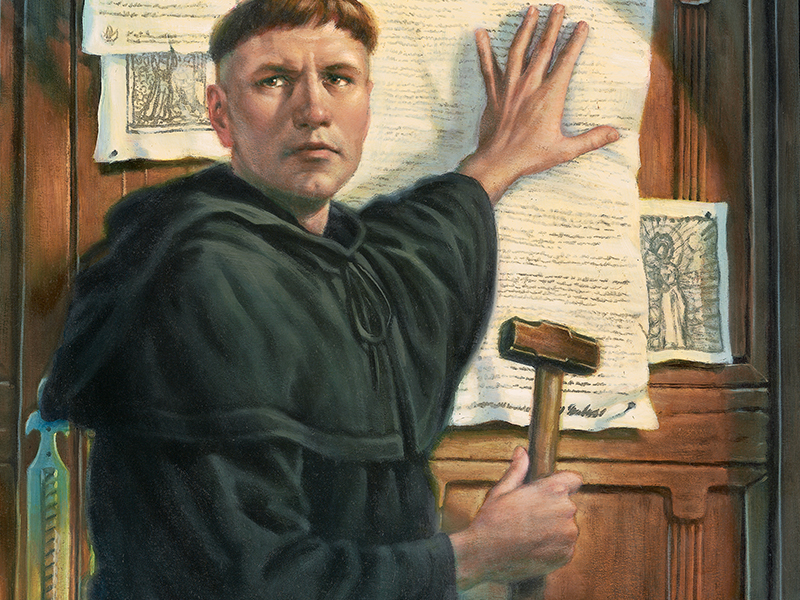
Amendment of the Smith–Mundt Act in the National Defense Authorization Act On 28 December 2012, President Barack Obama signed the National Defense Authorization Act for Fiscal ...
Explore event →
11 February 2011 — Vice President Omar Suleiman announces that Hosni Mubarak has stepped down and transferred authority to the Supreme Council of the Armed Forces. Celebrations erupt acro...
Explore published research →
2010 sermon statements attributed to Rabbi Ovadia Yosef 2010 sermon statements attributed to Rabbi Ovadia Yosef on gentiles In 2010, Rabbi Ovadia Yos...
Explore event →
Michael Jackson, the “King of Pop,” died on June 25, 2009, at the age of 50 in Los Angeles, California, from acute propofol and benzodiazepine intoxication administered by his personal ph...
Explore event →
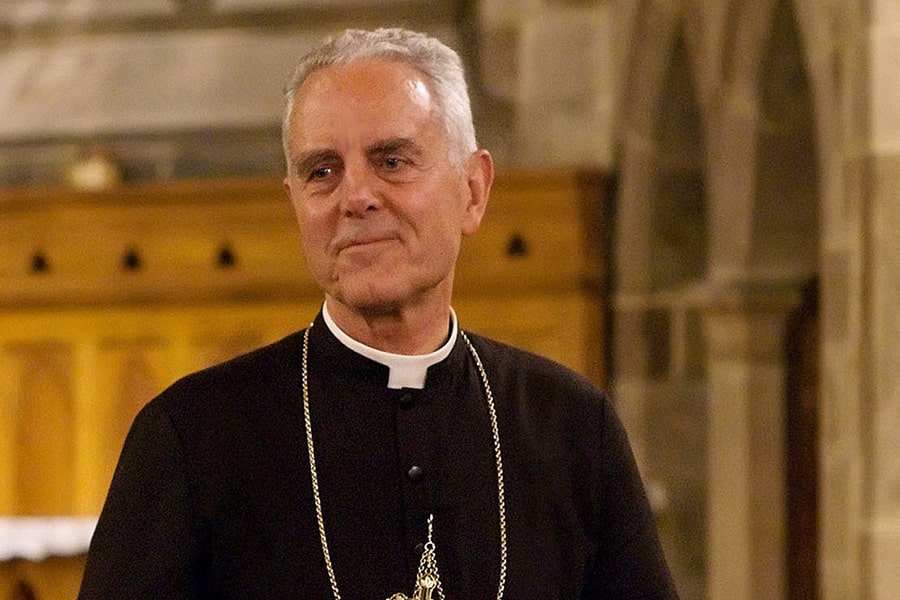
Richard Williamson was a British traditionalist Catholic bishop who became widely known for his involvement in controversies related to the Catholic Church and his public statements about...
Explore event →
Operation Bid Rig was a federal investigation into public corruption and related criminal activity in New Jersey conducted by the Federal Bureau of Investigation, the Internal Revenue Ser...
Explore event →
January–August 1997 — The collapse of enormous fraudulent investment schemes wipes out the savings of hundreds of thousands of Albanians. Armed rebellion spreads, military arsenals are lo...
Explore published research →
1990–1998 — Investigate economic collapse, weak institutions, mass migration, political confrontation, pyramid schemes and the rebuilding of Albanian state authority.
Explore published research →
Anfal Genocide On February 23, 1988, the Iraqi government launched the Anfal campaign against Kurdish populations in northern Iraq during the final phase of the Iran–Iraq War. The campai...
Explore event →
The Vietnam War was a prolonged armed conflict fought primarily between North Vietnam, led by the Communist Party under Ho Chi Minh, and South Vietnam, supported by the United States and ...
Explore event →
23 July 1952 — Egyptian military officers overthrow King Farouk's government. The movement is driven by dissatisfaction with corruption, political inequality, British influence and Egypt'...
Explore published research →
31 January 1925 — Albania formally becomes a republic with Ahmet Zogu as president. Zogu uses the presidency to consolidate central authority after years of political instability.
Explore published research →
3 November 1918 — Sailors at Kiel revolt after naval leaders attempt to send the fleet into a final battle. The mutiny spreads into a wider revolutionary movement as workers' and soldiers...
Explore published research →
8 March 1917 — Demonstrations, strikes and bread shortages in Petrograd begin the revolutionary crisis that destroys the imperial government. Soldiers increasingly refuse orders to suppre...
Explore published research →
1913 – Foundations of the Modern World body { font-family: Arial, sans-serif; background-color: #f4f4f9; margin: 0; padding: 0; } .timeline-container { max-width: 900...
Explore event →
The creation of the Federal Reserve System on December 23, 1913, established the central banking authority of the United States. It was enacted through the Federal Reserve Act, signed int...
Explore event →
January–August 1912 — Albanian insurgents launch a major revolt against Ottoman authority. Rebel forces eventually enter Skopje and force the Ottoman government to accept substantial conc...
Explore published research →
Alexander Orlov, born Lev Lazarevich Feldbin on 21 August 1895 in Bobruisk, was a Soviet NKVD officer from an Orthodox Jewish family. He later operated under several aliases, including Le...
Explore event →
1788–1822 — Ali Pasha controls Ioannina and expands his authority across Epirus, southern Albania and surrounding regions. His court becomes a major political center while maintaining ext...
Explore published research →
1757–1831 — The Bushati family builds a powerful semi-autonomous political center around Shkodër while formally remaining within the Ottoman Empire. At its height, Bushati authority stret...
Explore published research →
Expulsion of Jews from the Kingdom of Naples In 1540, Jewish communities in the Kingdom of Naples were expelled as the region came under the control of the Spanish crown and became subje...
Explore event →
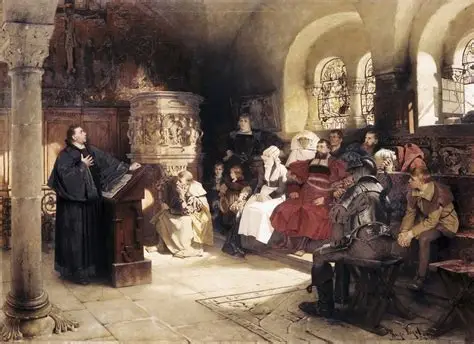
The Ninety-Five Theses body { font-family: Arial, Helvetica, sans-serif; line-height: 1.6; margin: 40px; background-colo...
Explore event →
Martin Luther challenged Church practices by publishing his Ninety-Five Theses. The movement questioned papal authority and emphasized scripture and faith. This permanently altered Chri...
Explore event →
1517–1798 CE — Egypt remains formally part of the Ottoman Empire for centuries while powerful local military households gain substantial autonomy. Agricultural taxes and Red Sea trade rem...
Explore published research →
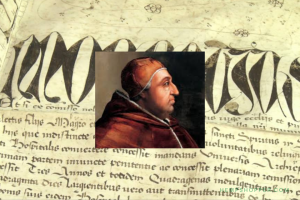
The Tome of Leo was issued as a formal declaration by Pope Leo I articulating the doctrinal position of the Church concerning the divine and human natures of Christ. This document was ins...
Explore event →
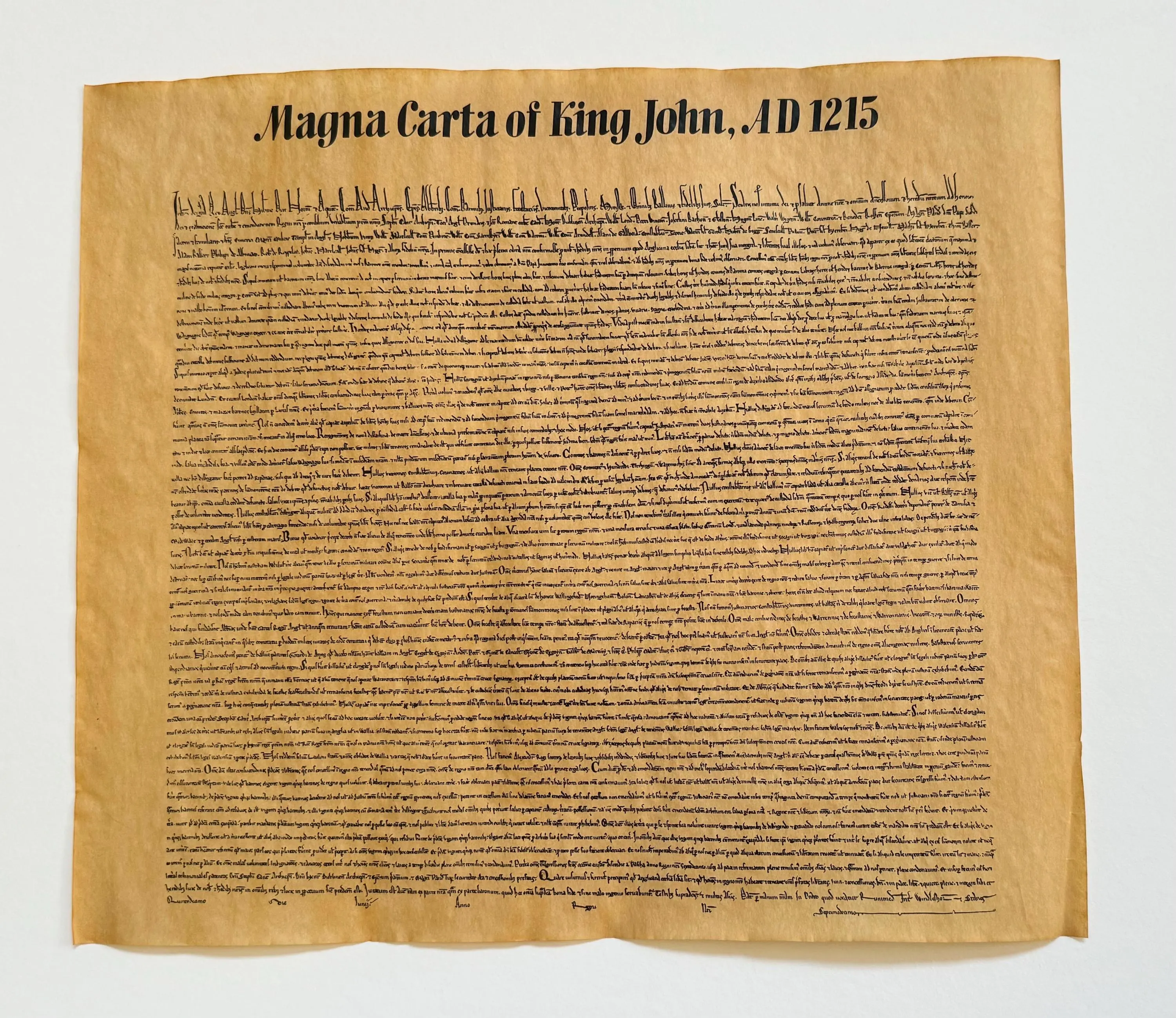
The Magna Carta was signed by King John of England, limiting royal authority and establishing early principles of legal rights for subjects, laying the foundation for constitutional law.
Explore event →
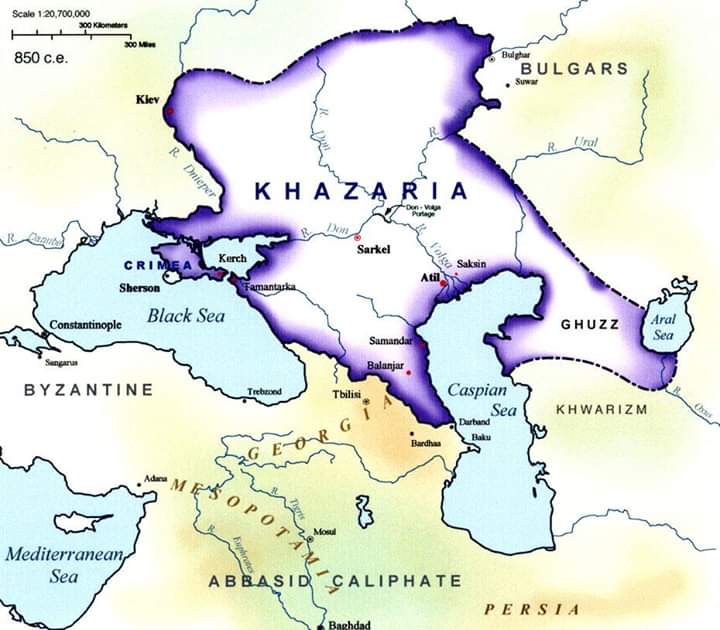
The Khazarian Empire: History, Territory, and Conversion to Judaism The Khazar Empire was a Turkic polity that emerged in the mid-seventh century and became a major regional po...
Explore event →
Chang’an, the capital of the Tang dynasty, was violently sacked by rebel forces led by Huang Chao. The siege resulted in widespread destruction and the collapse of central Tang authority ...
Explore event →
Jerome, a prominent Byzantine official during the Gothic War, was assassinated in the Imperial Palace at Ravenna. His death marked a significant turning point in the conflict between the ...
Explore event →
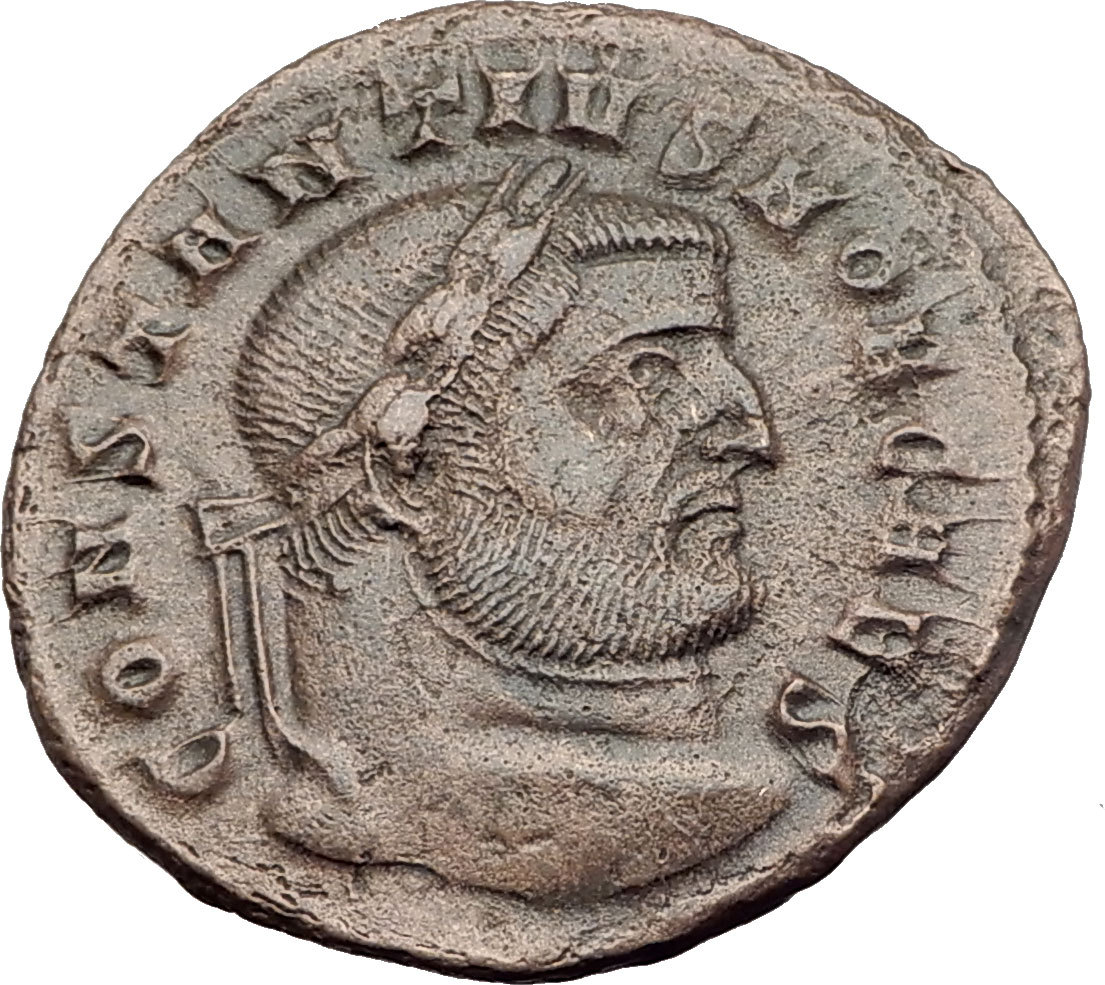
Constantius Chlorus was elevated to the rank of Augustus on May 1st, 305, following the abdication of the previous Tetrarchs, Diocletian and Maximian. This event marked a significant tran...
Explore event →
Emperor Diocletian formally abdicated the throne, marking a rare voluntary withdrawal from power by a Roman emperor. This significant event occurred as part of the Tetrarchy system he had...
Explore event →
Galerius was appointed Caesar by Emperor Diocletian as part of the tetrarchy reform intended to stabilize and govern the Roman Empire more effectively. His promotion marked a key moment i...
Explore event →
Carausius, a Roman naval commander, declared himself emperor in Britain and northern Gaul after seizing power around 286 CE. His revolt challenged the authority of the central Roman Empir...
Explore event →
Carus was proclaimed emperor of the Roman Empire shortly after the death of Emperor Probus. His accession marked a shift in imperial policy as he sought to stabilize the empire's borders ...
Explore event →
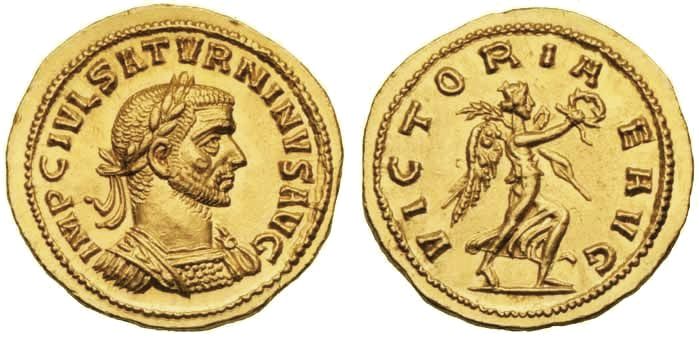
The revolt led by Lucius Antonius Saturninus was an important military uprising against Emperor Probus within the Roman Empire. It began in Moesia Superior, where Saturninus was stationed...
Explore event →
Marcus Aurelius Probus was proclaimed Roman Emperor by his troops in September 276 after the death of Emperor Florianus. His accession marked a period of efforts to restore stability with...
Explore event →
Tacitus was proclaimed Roman Emperor following the death of Emperor Aurelian. His ascension marked a brief but significant moment in the Crisis of the Third Century, reflecting ongoing in...
Explore event →
The Battle of Châlons was fought between the forces of the Roman Emperor Aurelian and the Gallic usurper Tetricus. This conflict was a decisive engagement aimed at restoring Roman authori...
Explore event →
The Crisis of the Third Century marked a period of severe instability within the Roman Empire beginning in 235 AD. This era saw widespread political chaos, military defeats, and economic ...
Explore event →
Macrinus, formerly a praetorian prefect, became Roman Emperor following the assassination of Caracalla. This marked a significant shift in imperial authority as Macrinus was the first emp...
Explore event →
Publius Septimius Geta, son of Emperor Septimius Severus, was granted the title of Augustus, marking him as co-emperor alongside his father and brother Caracalla. This political move aime...
Explore event →
Publius Septimius Geta, son of Emperor Septimius Severus, was granted the title of Augustus by the Roman Senate. This elevated Geta to co-emperor status alongside his father and his broth...
Explore event →
Caracalla officially took the title of Augustus, marking his elevation to co-emperor alongside his father, Septimius Severus. This move solidified his position within the Severan dynasty ...
Explore event →
Clodius Albinus, governor of Britannia, declared himself Caesar in a bid to claim imperial power during the turbulent Year of the Five Emperors. His proclamation challenged the authority ...
Explore event →
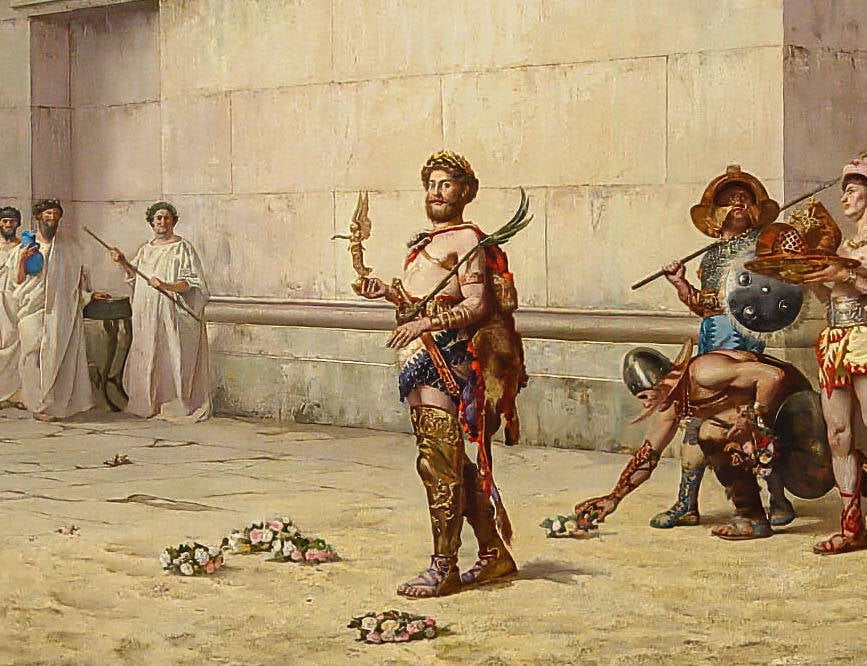
Emperor Commodus, known for his unconventional rule, famously participated in gladiatorial combats in Rome. Unlike previous emperors, he openly fought as a gladiator, staging public spect...
Explore event →
Roman Emperor Marcus Aurelius officially declared his son Commodus as co-emperor, sharing imperial authority.This political move marked the first time a biological son was directly elevat...
Explore event →
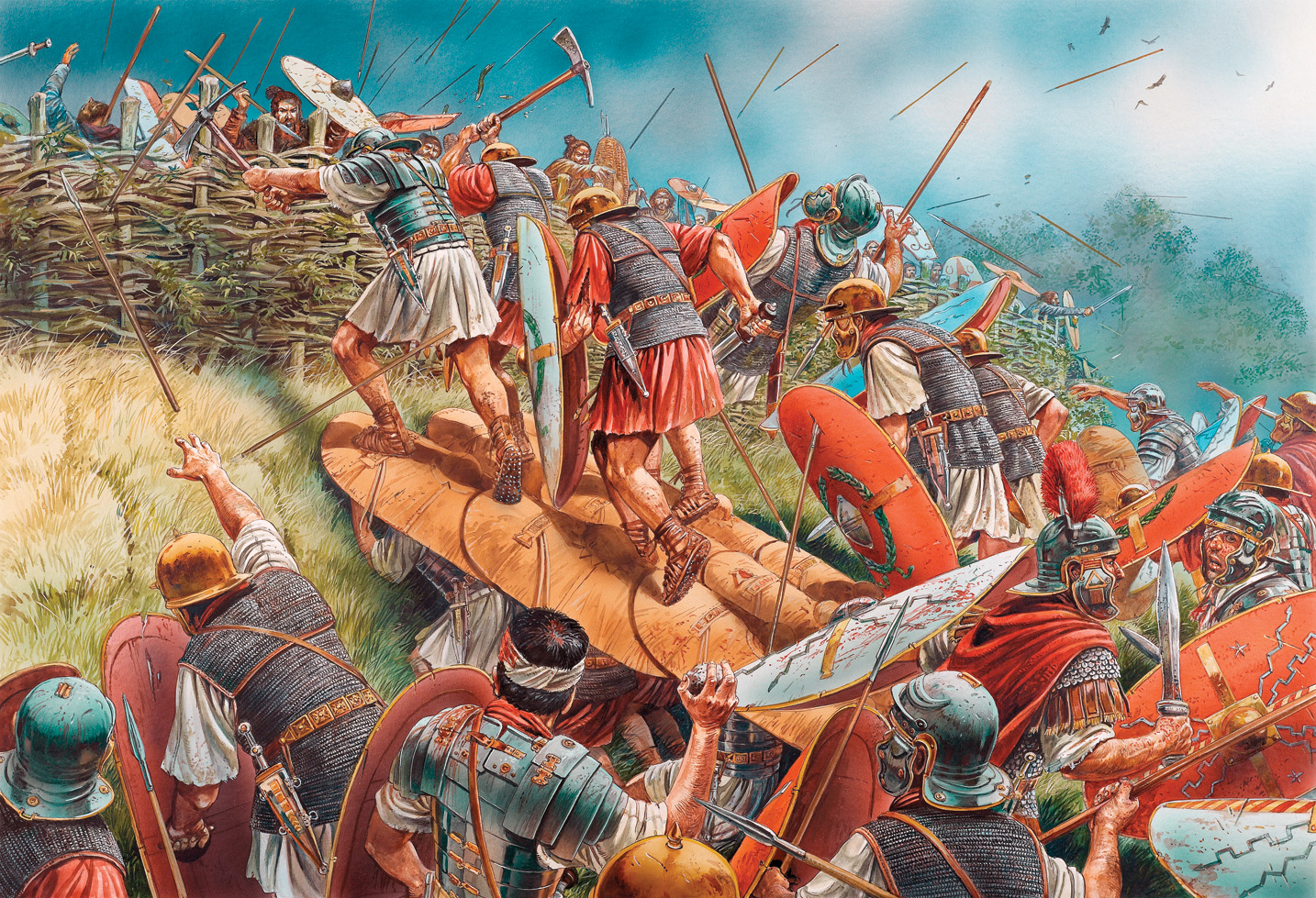
The Marcomannic Wars began as a series of conflicts between the Roman Empire and various Germanic tribes, including the Marcomanni, along the Danube frontier. The wars marked a significan...
Explore event →
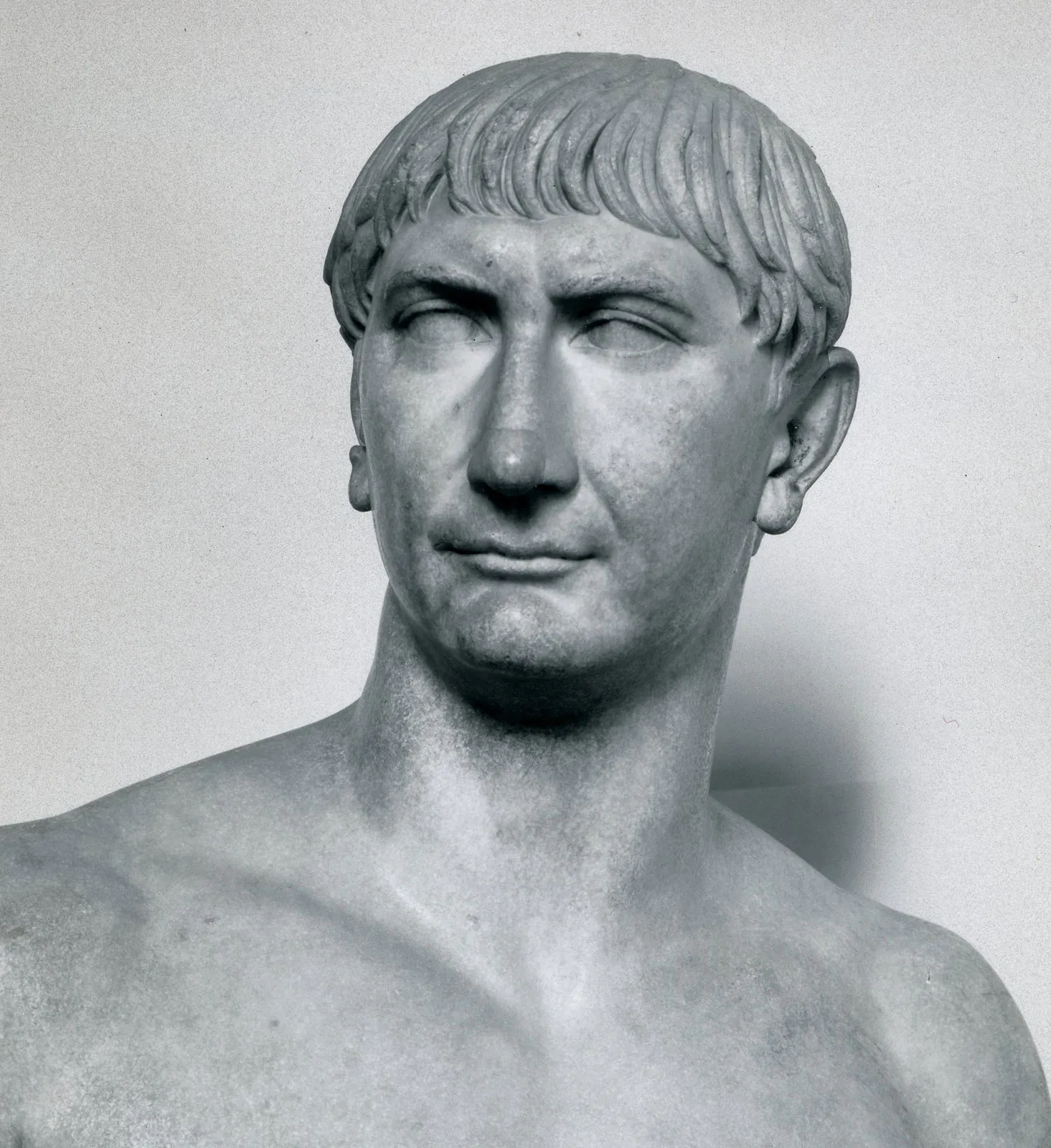
Emperor Nerva formally adopted Trajan as his heir in a move to secure the imperial succession and stabilize the Roman Empire. This adoption marked the beginning of the era of the "Five Go...
Explore event →
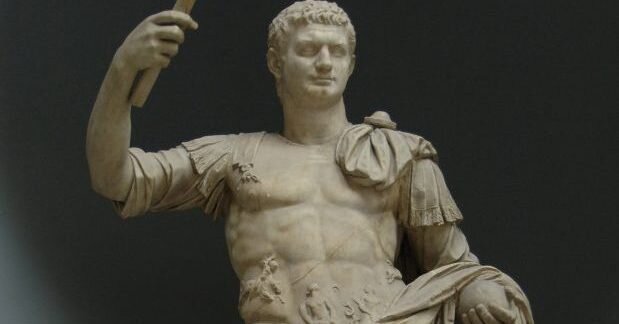
Following the death of Emperor Titus, Domitian, his younger brother, ascended to the throne of the Roman Empire. The accession occurred peacefully, marking the continuation of the Flavian...
Explore event →
Titus succeeded his father Vespasian as Roman Emperor following Vespasian's death in Rome. His accession marked the continuation of the Flavian dynasty.Titus's rule initially consolidated...
Explore event →
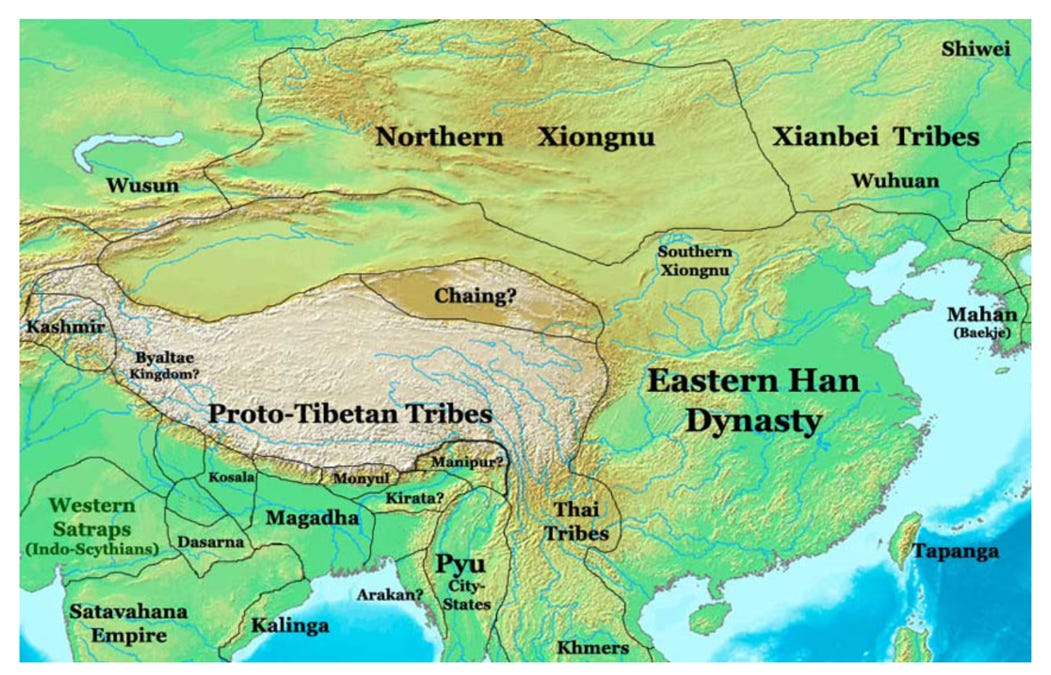
Ban Chao, a general under the Han Dynasty, initiated a series of military campaigns to assert Chinese control over the Western Regions. These expeditions were aimed at securing trade rout...
Explore event →
In the mid-first century, Emperor Nero initiated systematic persecution of Christians in Rome following the Great Fire of 64 AD. Christians were blamed for the disaster and subjected to b...
Explore event →
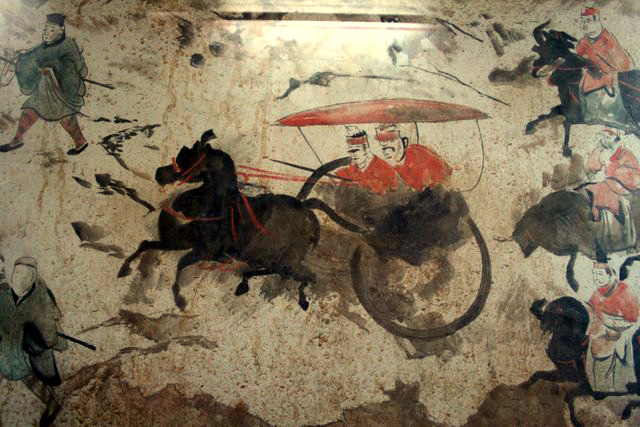
Ma Yuan was a prominent Han dynasty general who led campaigns in the southern regions of China to consolidate Han authority over the Nanyue Kingdom. His military expeditions were aimed at...
Explore event →
Event Timeline body { font-family: Arial, sans-serif; background-color: #f4f4f9; margin: 0; padding: 0; } .timeline-container { max-width: 800px; margin: 50px auto; p...
Explore event →
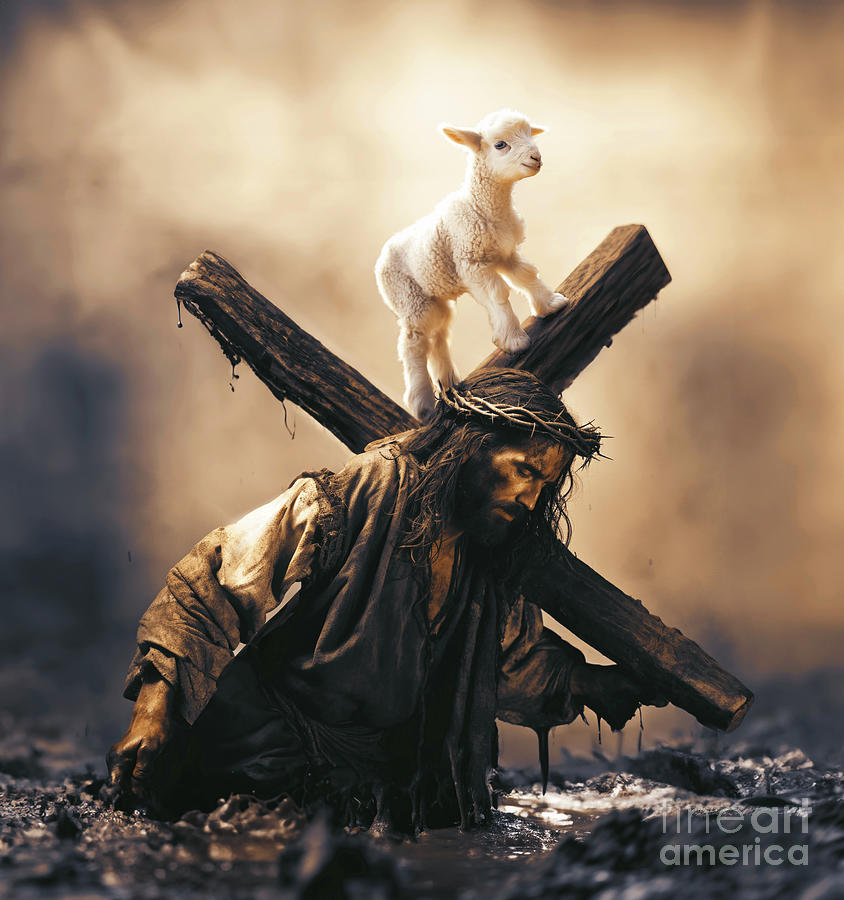
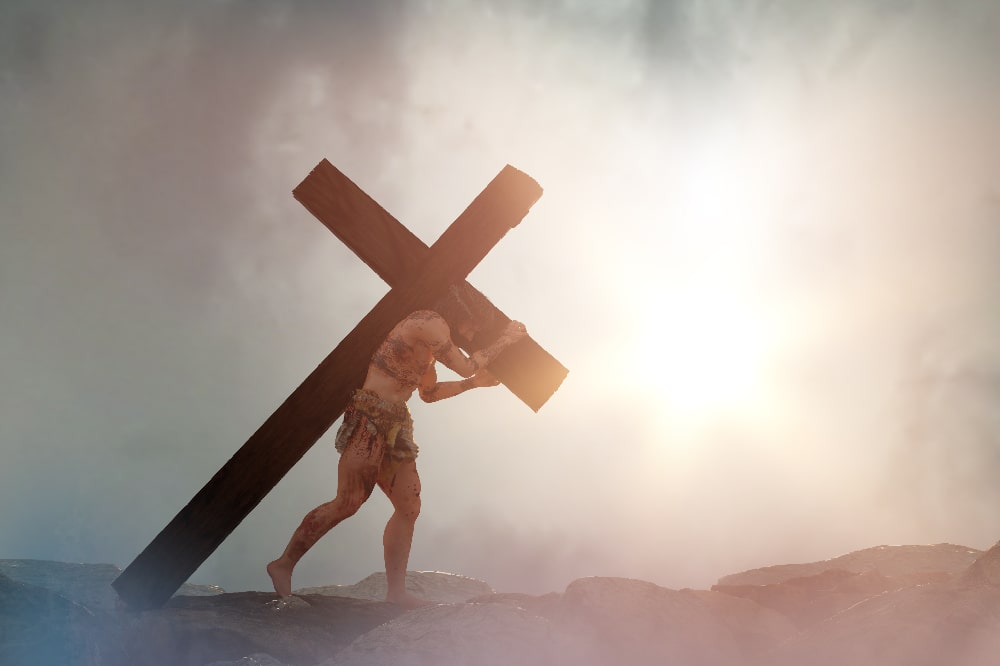
Jesus of Nazareth was executed by crucifixion under Roman governor Pontius Pilate in Jerusalem, during the period of Roman occupation of Judea. The event is documented in the canonical Go...
Explore event →
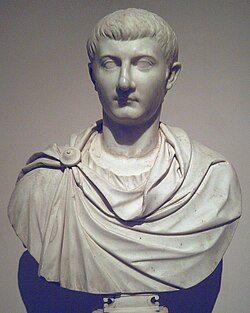
Lucius Aelius Sejanus, the powerful prefect of the Praetorian Guard, was arrested and executed after losing favor with Emperor Tiberius. His fall marked a dramatic shift in Roman imperial...
Explore event →
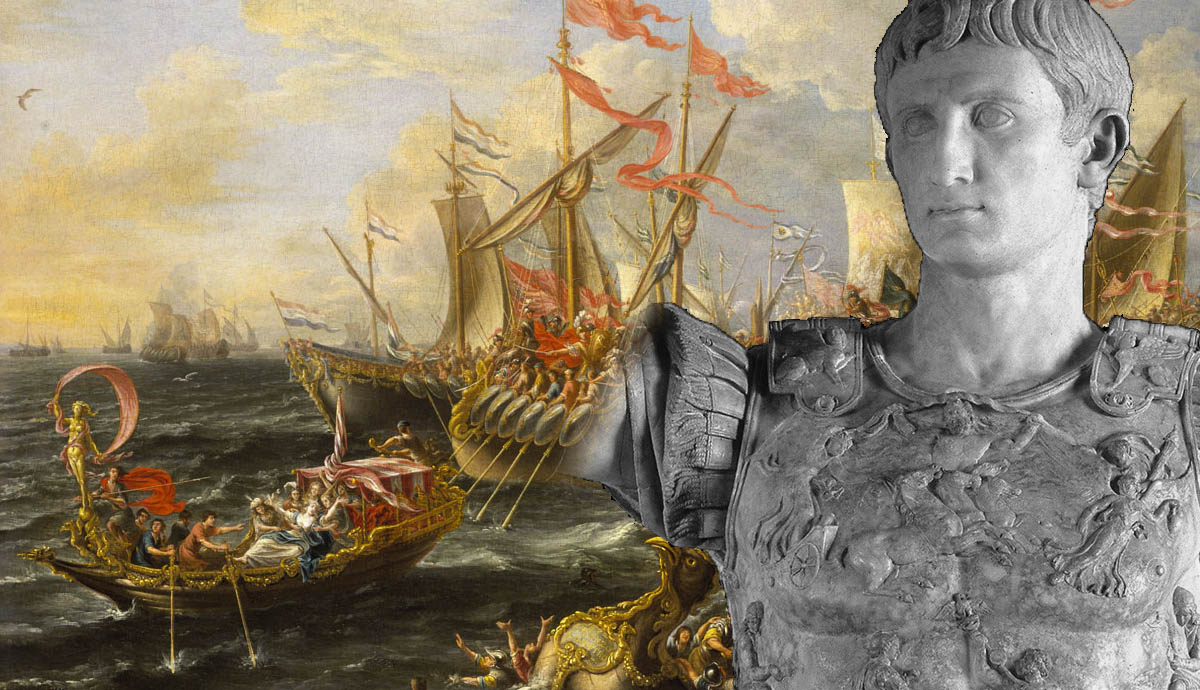
On January 16, the Roman Senate granted Octavian the title Augustus, marking his official accession as the sole ruler of Rome. This event symbolized the transition from the Roman Republic...
Explore event →
After a prolonged period of civil war and the collapse of the Western Han, Liu Xiu successfully reestablished imperial authority, marking the beginning of the Eastern Han dynasty.He conso...
Explore event →
The Xin dynasty's rule ended after widespread revolts erupted against Wang Mang's government. These uprisings were fueled by famine, flooding, and political unrest that plagued the realm....
Explore event →
525 BCE — Cambyses II of the Achaemenid Persian Empire defeats Pharaoh Psamtik III and incorporates Egypt into the Persian imperial system. Persian kings adopt pharaonic titles while gove...
Explore published research →
671 BCE — Assyrian king Esarhaddon invades Egypt and captures Memphis. Further campaigns follow as Assyria struggles against Kushite attempts to regain authority. Egypt becomes drawn into...
Explore published research →
c. 1070 BCE — Central royal authority weakens while powerful priestly institutions and regional rulers gain influence. Egypt loses much of its empire in the Levant and increasingly fragme...
Explore published research →
c. 1457 BCE — Thutmose III defeats a coalition of Levantine rulers near Megiddo. Egyptian inscriptions provide one of history's earliest detailed military campaign narratives. Victory str...
Explore published research →
c. 2055–1650 BCE — Reunified Egypt experiences renewed royal authority, extensive building programs and military expansion into Nubia. Literature flourishes and Egyptian administration be...
Explore published research →
c. 2200–2181 BCE — Central royal authority weakens as powerful provincial elites gain greater independence. Low Nile floods and climatic instability may have intensified economic stress a...
Explore published research →
c. 2300–2055 BCE — Investigate weakening royal authority, powerful provincial elites, low Nile floods, climate stress and administrative fragmentation. None of these factors alone fully e...
Explore published research →
c. 3100–2686 BCE — The first dynasties strengthen royal authority and expand administrative control across Egypt. Royal tombs become increasingly elaborate, especially at Abydos and Saqqa...
Explore published research →