Poland and Baltics fortify infrastructure
Poland, Lithuania, Latvia, and Estonia increased security around critical infrastructure amid warnings on August 10, 2026, concerning possible sabotage or staged attacks connected to regi...
Explore event →History does not happen in isolation. Explore world events across time, follow the connections between them, and investigate the threads that reveal how one event can lead to another.
TheTimeMap currently follows events across 95 countries and 268 years of history — building a connected archive designed for people who want to look beyond the headline.
We oppose antisemitism, racism, and dehumanization — everywhere.
When people stop feeling, injustice becomes easy.
Poland, Lithuania, Latvia, and Estonia increased security around critical infrastructure amid warnings on August 10, 2026, concerning possible sabotage or staged attacks connected to regi...
Explore event →

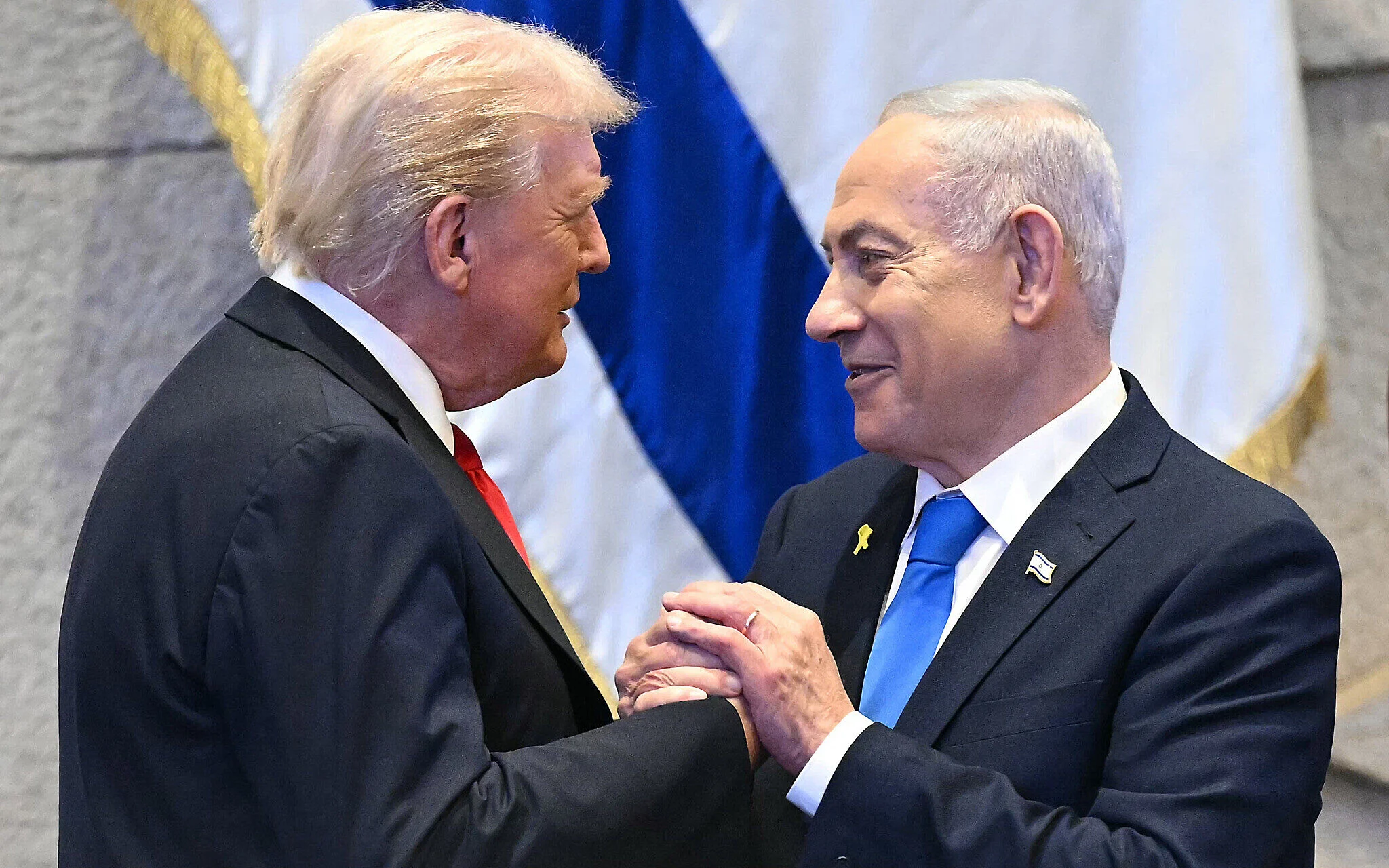
On February 12, 2026, U.S. President Donald Trump publicly demanded that Israeli President Isaac Herzog grant a pardon to Prime Minister Benjamin Netanyahu, thrusting himself into one of ...
Explore event →
Bill Gates’ influence in global health, food supply, and population programs Bill Gates, co‑founder of Microsoft and a private philanthropist, has been a major funder of global...
Explore event →
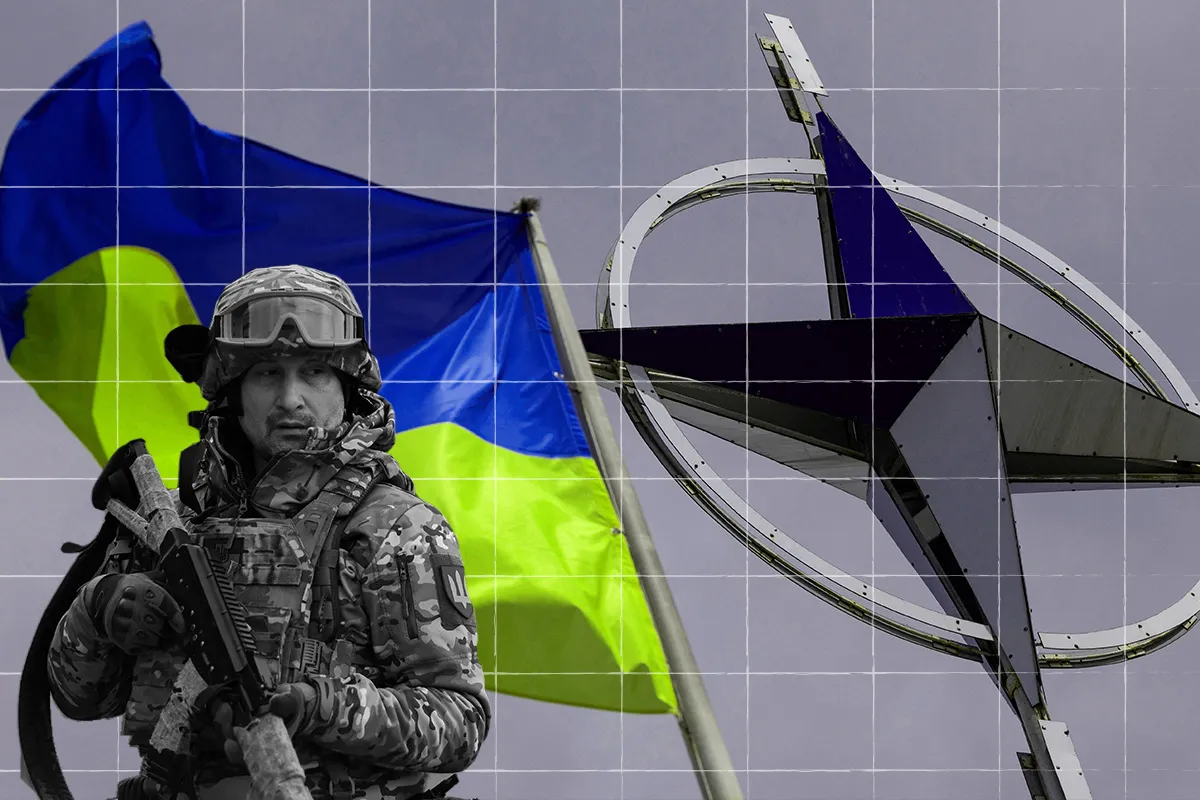
European Parliament raises concerns over NATO military transparency In early February 2026, members of the European Parliament raised concerns during committee discussions rega...
Explore event →
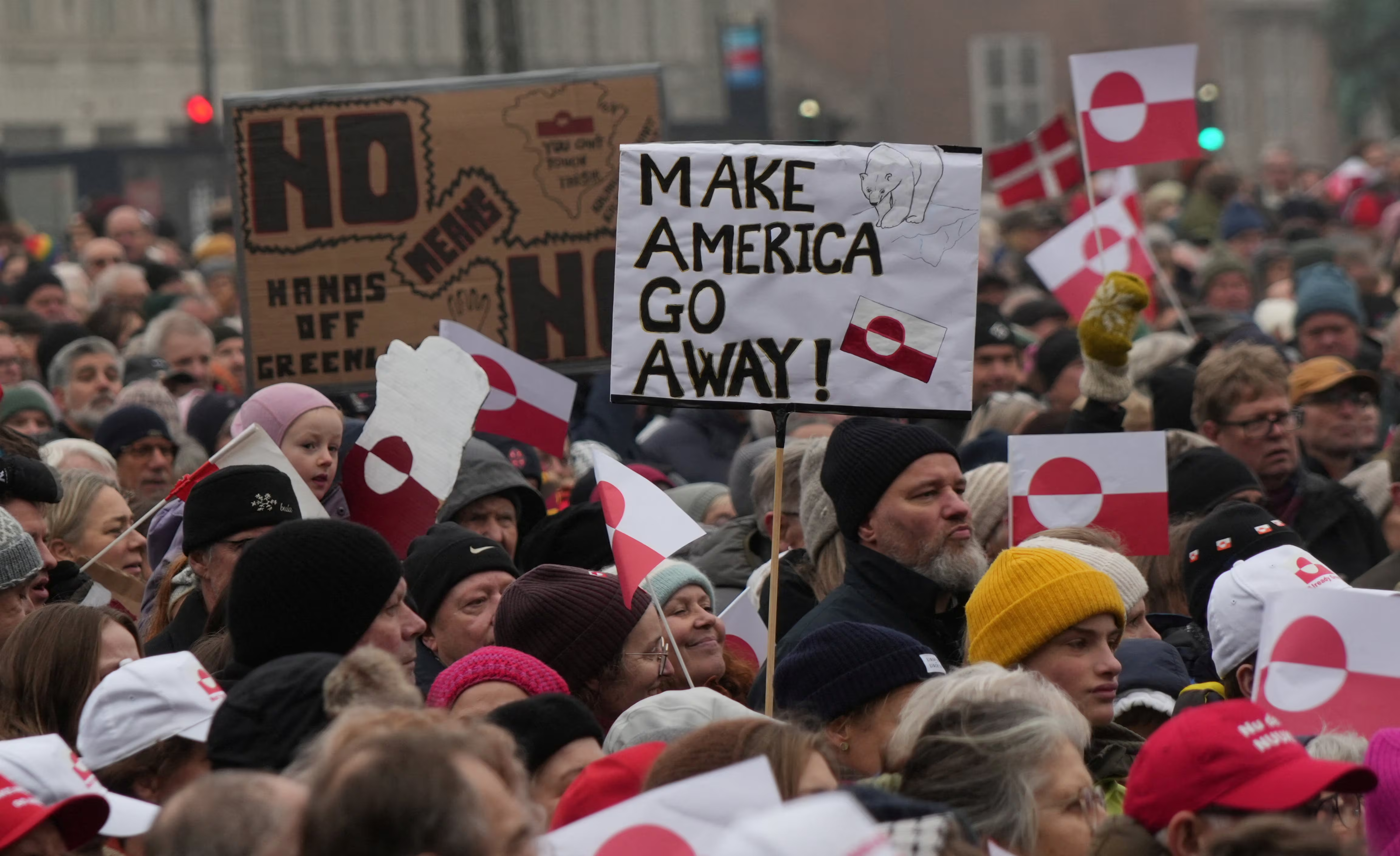
Danish Protests Erupt Over Trump Remarks and Greenland Dispute On January 31, 2026, large protests took place in Copenhagen, Denmark, and other Danish cities in response to rec...
Explore event →
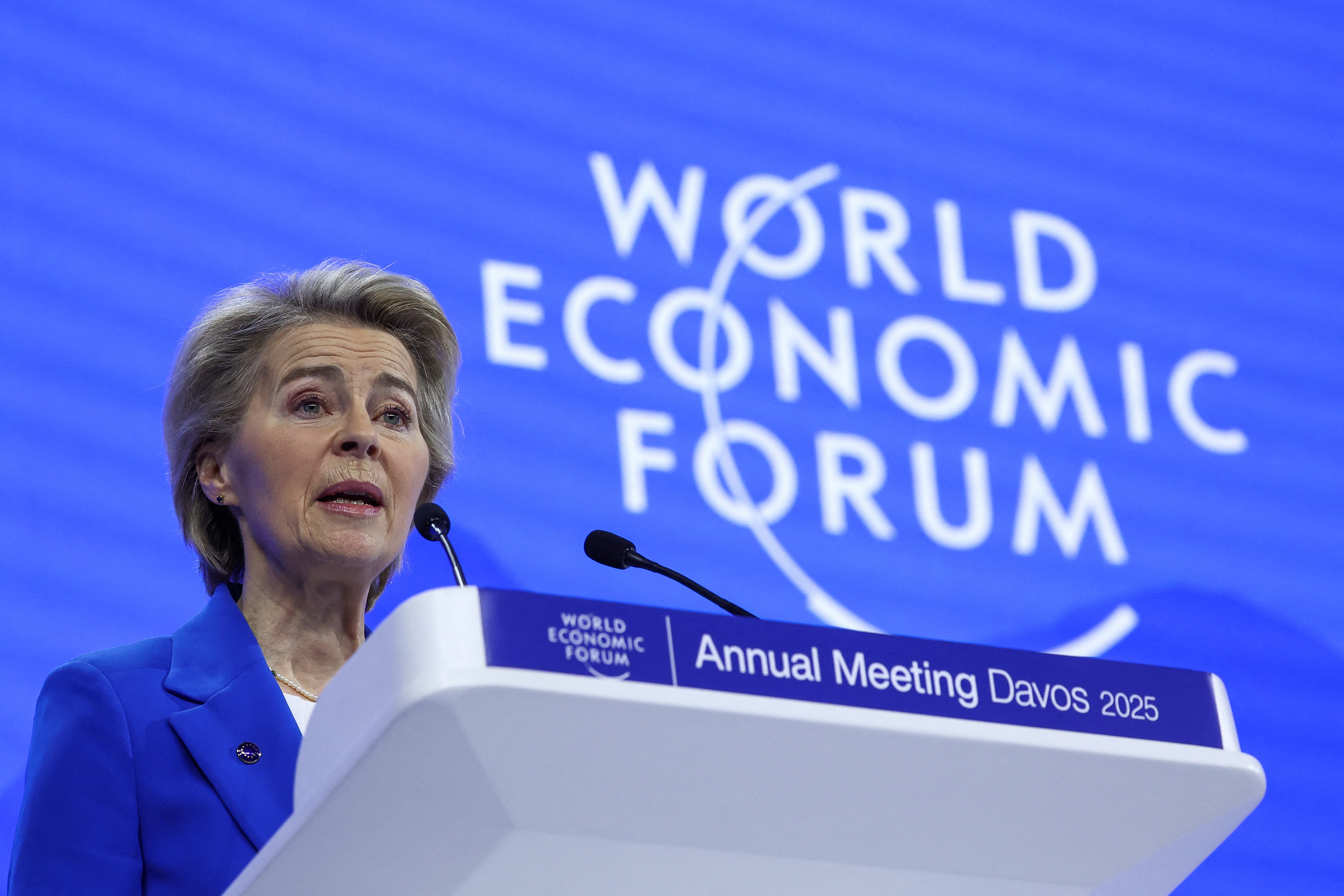
Political tensions intensified today at the World Economic Forum in Davos as disagreements between the United States and several European nations dominated discussions. Controversial stat...
Explore event →
2025 NATO Summit in The Hague Focuses on Defence Spending and Strategic Cooperation The North Atlantic Treaty Organization (NATO) held its 2025 summit in The Hague, Netherlands, on June ...
Explore event →
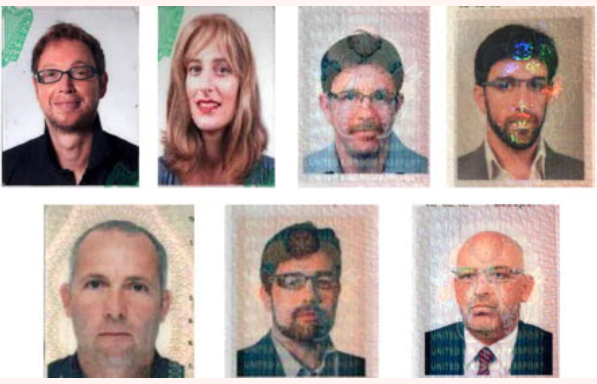
One of the clearest documented cases of Israeli intelligence activity that damaged relations with allies involves the use of forged or cloned passports belonging to citizens of friendly c...
Explore event →
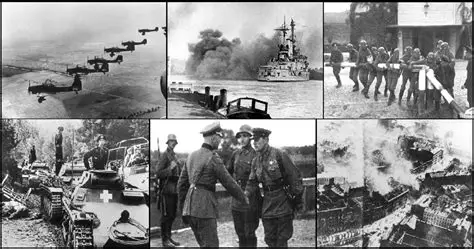
World War II Begins body { font-family: Arial, Helvetica, sans-serif; line-height: 1.6; margin: 40px; background-color: ...
Explore event →
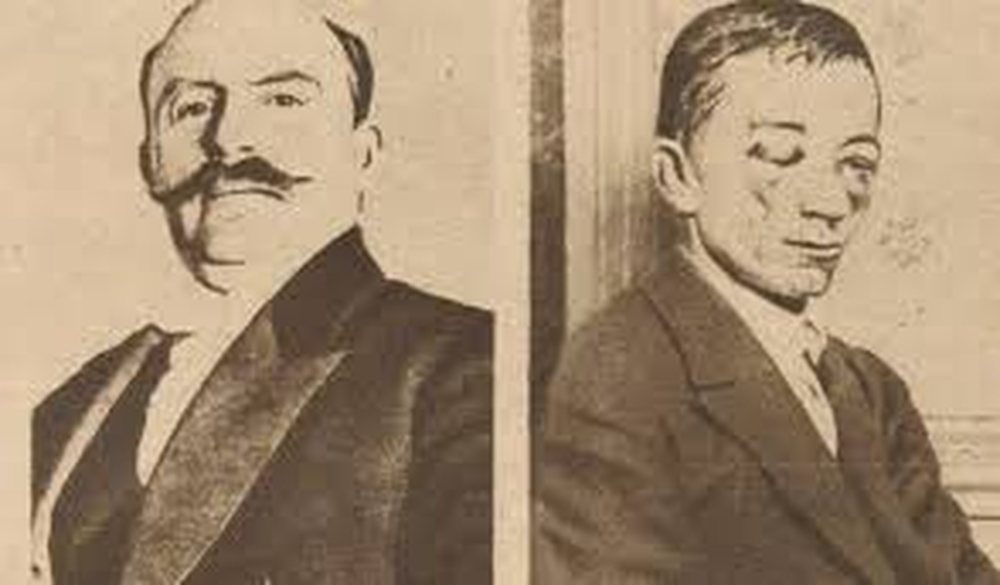
On June 13, 1920, Albanian political activist Avni Rustemi shot and killed Essad Pasha Toptani in Paris, France. Essad Pasha was an Albanian Ottoman-era political and military figure who ...
Explore event →
1894–1914 — France and Russia are formally allied, while Britain develops strategic understandings with France and Russia. Germany remains closely aligned with Austria-Hungary. Alliances ...
Explore published research →
17 January 1468 — Gjergj Kastrioti Skanderbeg dies at Lezhë after more than two decades as the central figure of Albanian resistance to Ottoman expansion. His leadership had helped unite ...
Explore published research →
2 March 1444 — Albanian nobles gather at Lezhë and form a military alliance under Skanderbeg's leadership. The League coordinates forces against Ottoman expansion while its member familie...
Explore published research →
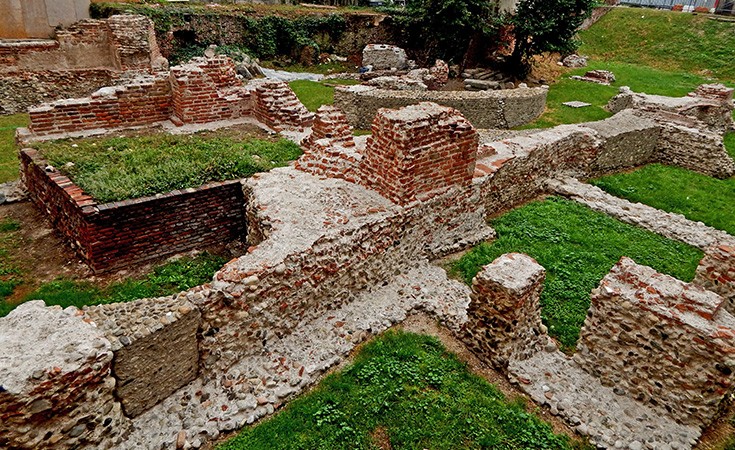
The imperial court transferred its seat to Milan, marking a significant shift in political power within the region. This relocation allowed closer control over northern Italian territorie...
Explore event →
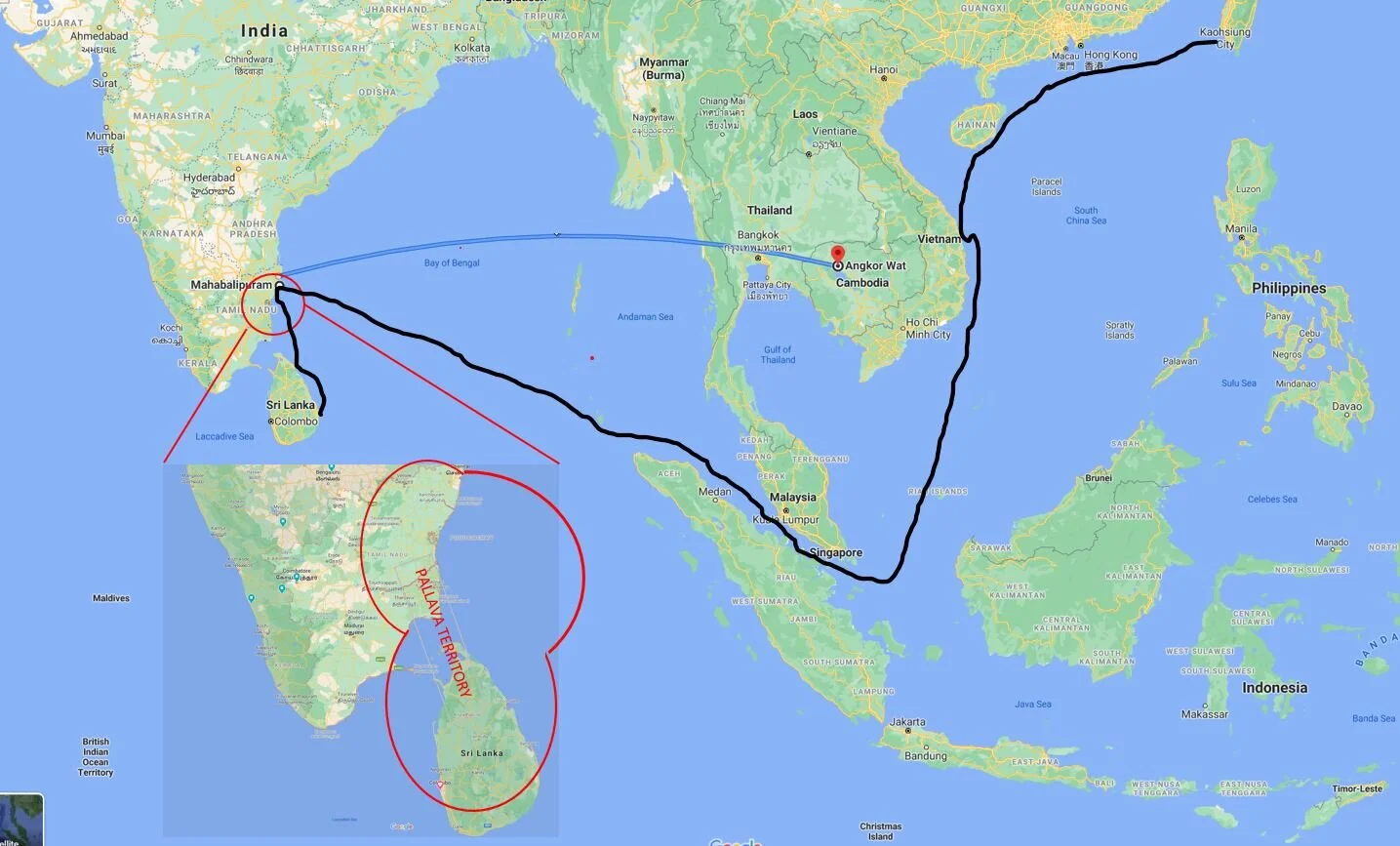
The Pallava dynasty emerged as a dominant power in South India during the early medieval period. Centered around the city of Kanchipuram, they established a strong political and military ...
Explore event →
51–30 BCE — Cleopatra VII becomes the final active ruler of the Ptolemaic dynasty. She navigates the expanding power of Rome through alliances and relationships first with Julius Caesar a...
Explore published research →
431–404 BCE — Athens and Sparta lead rival alliances in a devastating war across the Greek world.
Explore published research →
c. 3300–3000 BCE — Later royal ideology presents unification as a foundational act, but archaeology points toward a longer process of competition, alliance and conquest among regional pow...
Explore published research →