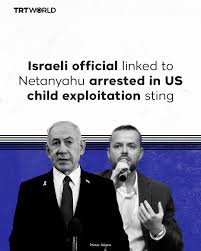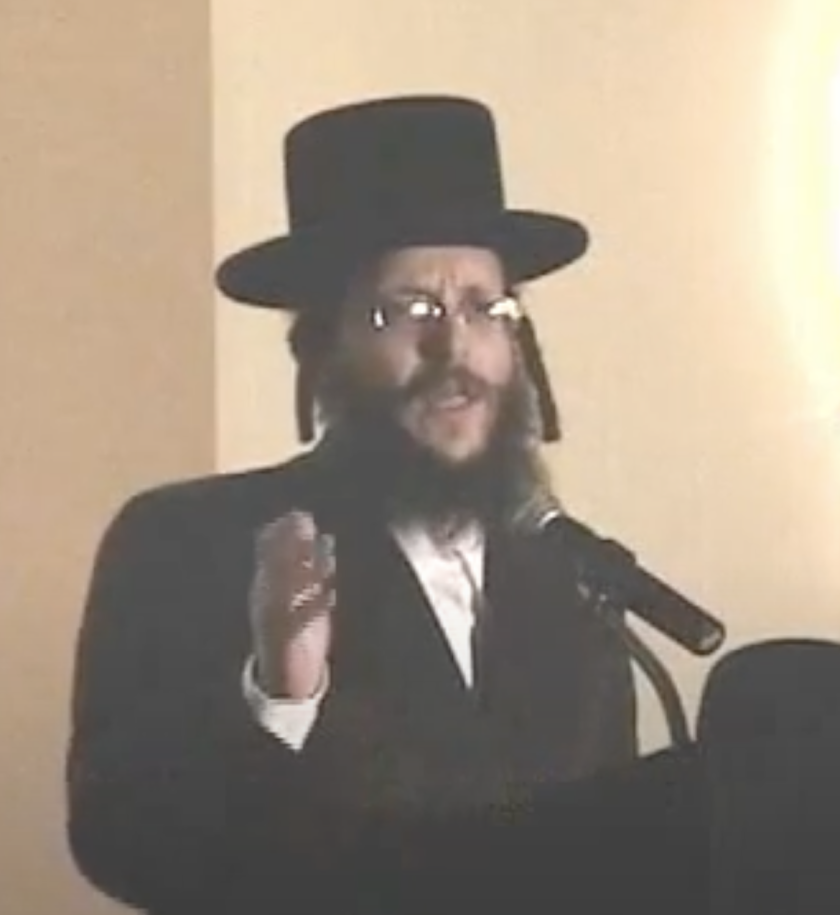
Dovid Akiva Shenkman, a former Chicago resident, pleaded guilty to federal charges involving possession and transportation of child pornography and was sentenced in September 2025 to nearly eight years in federal prison. He had been arrested in November 2024 while returning to the United States from Canada at the Ambassador Bridge near Detroit.
According to federal court records cited by the Chicago Sun-Times, agents searching Shenkman's electronic devices found child sexual abuse material. Prosecutors said some of the material depicted rape, torture, infants, and bestiality. Prosecutors also alleged that Shenkman participated in online conversations concerning child sexual abuse and sought additional material.
Shenkman was not charged with hands-on sexual abuse of children. However, a prosecutor asserted in court records that Shenkman had claimed in social-media conversations to have committed such abuse. Those statements were presented as part of the government's evidence in the federal case.
Federal authorities arrested Shenkman on November 24, 2024, after he crossed from Canada into the United States in the Detroit area. Investigators searched two cellphones he was carrying and found exchanges involving child sexual abuse material through Telegram, an encrypted messaging application.
Prosecutors said Shenkman's interest in child sexual abuse material had persisted since at least 2021. Court records also described communications in which Shenkman allegedly discussed obtaining or producing additional material.
After his arrest, Shenkman was held in federal custody pending trial. A federal judge cited evidence of what the court described as a longstanding sexual interest in children when ordering that he remain detained.
Shenkman subsequently pleaded guilty to possession and transportation of child pornography. In September 2025, he was sentenced in a federal courtroom in Michigan to nearly eight years in prison.
Before sentencing, several religious figures connected to Chicago's Orthodox Jewish community submitted letters to U.S. District Judge Matthew Leitman seeking leniency. Among the writers were Rabbi Moshe Yosef Unger, Rabbi Yitzchak Shkop, and Esther Shkop.
Unger is the spiritual leader of Congregation Shearis Yisroel in Chicago and oversees Yeshiva Ohr Boruch-The Veitzener Cheder, an Orthodox Jewish school in West Rogers Park serving children from prekindergarten through eighth grade. In his letter, Unger described Shenkman as someone he had known since Shenkman was young and said he believed Shenkman posed no danger to others.
Unger did not identify his connection to the school in the letter, instead identifying himself as the spiritual leader of Congregation Shearis Yisroel, which Shenkman and his family attended after moving to Chicago. When contacted by the Chicago Sun-Times, Unger confirmed that he had written the letter.
Esther Shkop identified herself in her letter as director of the Wisdom of Torah Institute and as a former dean and professor at Hebrew Theological College. She also identified herself as Shenkman's aunt. Shkop acknowledged that Shenkman's conduct was reprehensible but argued that he had not harmed others and asked the court to allow him to rebuild his life.
Rabbi Yitzchak Shkop, writing from Skokie, Illinois, also asked the judge to impose leniency. He described Shenkman as remorseful and said he believed Shenkman would not harm anyone or repeat his conduct.
Federal prosecutors disputed the characterization of the offenses as victimless. The government argued that child sexual abuse material documents the exploitation of children and that the possession and distribution of such material contributes to a market for the sexual abuse of minors.
A psychological report prepared for Shenkman's defense stated that he had experienced sexual abuse by a babysitter while growing up in an Orthodox Jewish environment. The report suggested that his childhood experiences may have contributed to the conduct underlying his criminal case. These statements were presented as part of the defense's sentencing materials.
Court records also described a telephone conversation Shenkman had from jail with a man believed to be a relative shortly after his arrest. Prosecutors interpreted Shenkman's discussion of food in his apartment as a possible coded request to remove evidence. According to the records, men were later observed entering Shenkman's apartment and removing items.
The case drew attention in Chicago because individuals holding religious and educational positions in the Orthodox Jewish community submitted letters supporting Shenkman before his sentencing. The letters became part of the public record in the federal criminal proceedings.
Shenkman's criminal case established his guilt on the federal charges to which he pleaded guilty. Allegations concerning additional conduct that did not result in criminal charges remained separate from the offenses covered by his guilty plea.
The case also raised questions about how religious communities and institutions respond when individuals associated with them face serious criminal allegations. The Chicago Sun-Times reported on the relationships between Shenkman and the religious figures who submitted letters to the court, as well as the contents of those letters.
Shenkman's nearly eight-year federal prison sentence followed his guilty plea and represented the criminal penalty imposed for the federal offenses. The case was prosecuted in federal court in Michigan after his arrest at the U.S.-Canada border.