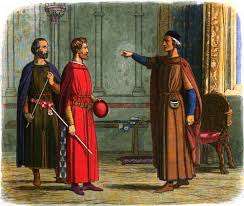
Expulsion of Jews from England
Expulsion of Jews from England On July 18, 1290, King Edward I issued the Edict of Expulsion, ordering all Jews to leave the Kingdom of England. The decree affected J...
Explore event →History does not happen in isolation. Explore world events across time, follow the connections between them, and investigate the threads that reveal how one event can lead to another.
TheTimeMap currently follows events across 95 countries and 268 years of history — building a connected archive designed for people who want to look beyond the headline.
We oppose antisemitism, racism, and dehumanization — everywhere.
When people stop feeling, injustice becomes easy.
Expulsion of Jews from England On July 18, 1290, King Edward I issued the Edict of Expulsion, ordering all Jews to leave the Kingdom of England. The decree affected J...
Explore event →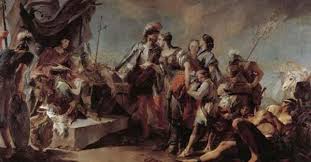
Emperor Aurelian, a prominent ruler of the Roman Empire known for his military prowess, was assassinated by his own soldiers in late September. The assassination occur...
Explore event →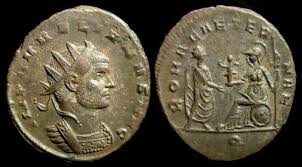
Emperor Aurelian implemented a major monetary reform aimed at stabilizing the Roman currency system after years of debasement. The reform introduced new silver coins w...
Explore event →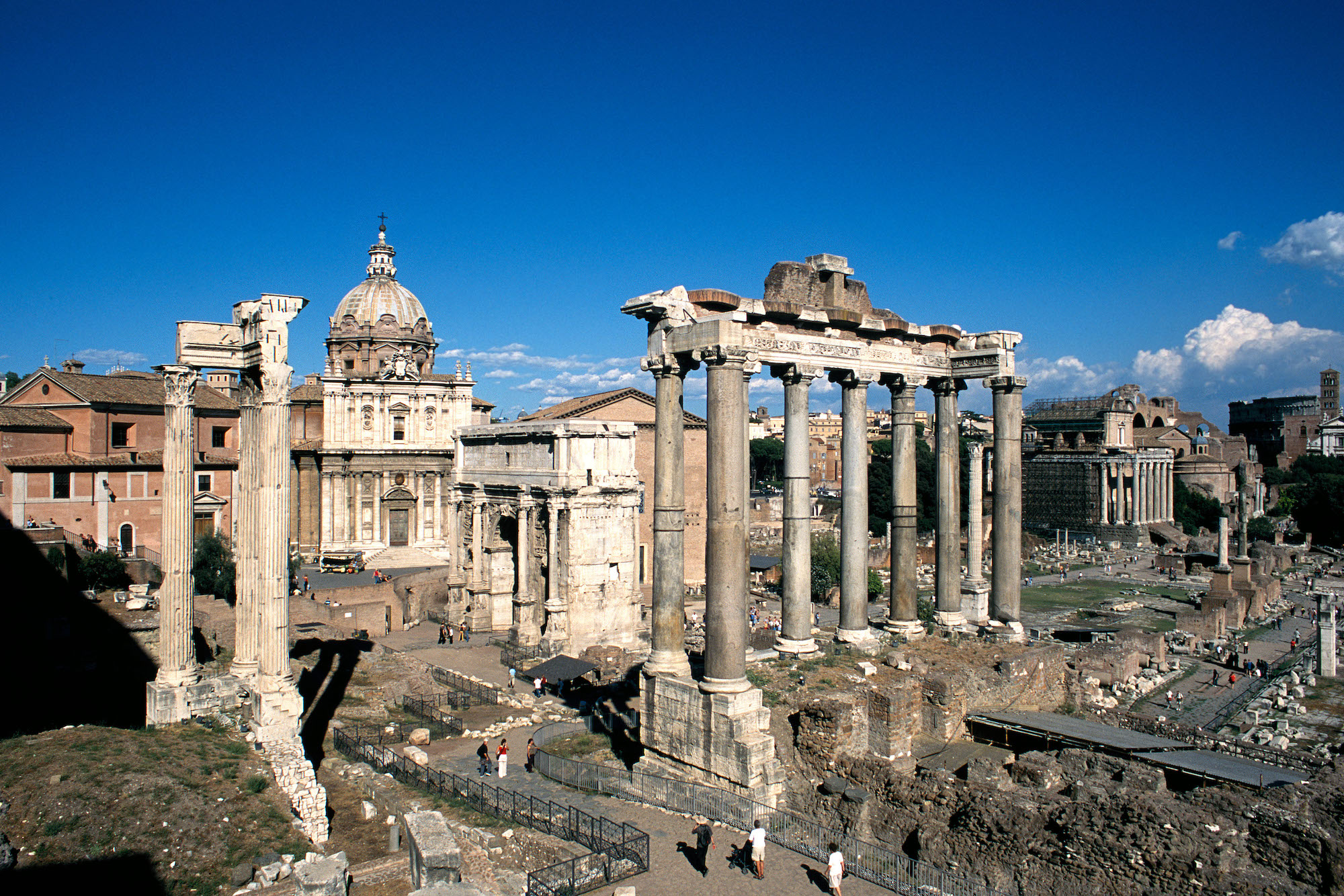
Valerian was proclaimed Roman Emperor following the death of his predecessor Aemilianus. His accession marked a significant change in leadership during a period fraugh...
Explore event →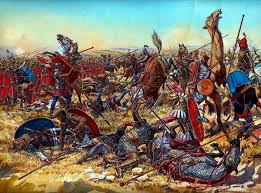
The Roman forces under the command of Lucius Verus launched a major campaign against the Parthian Empire, culminating in the capture of their capital city, Ctesiphon. ...
Explore event →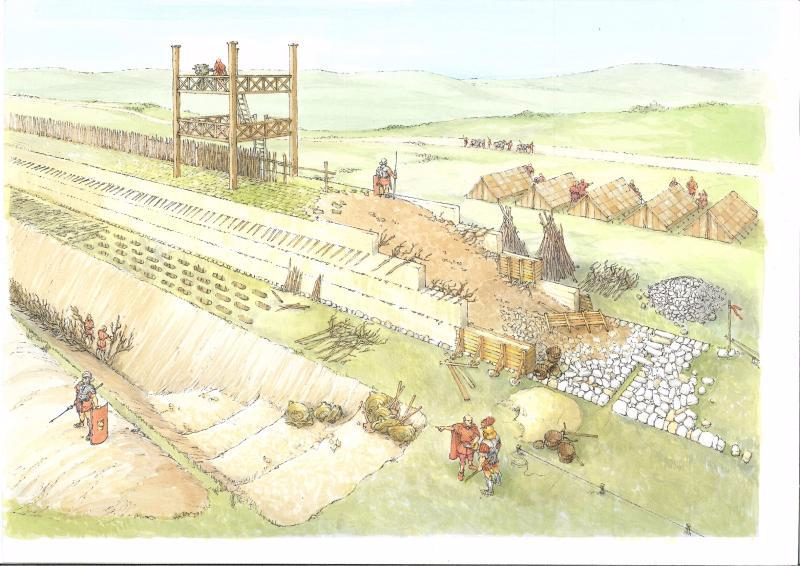
The Antonine Wall, built by the Romans to mark the northernmost boundary of their empire in Britain, was abandoned in the mid-2nd century AD.The Romans retreated south...
Explore event →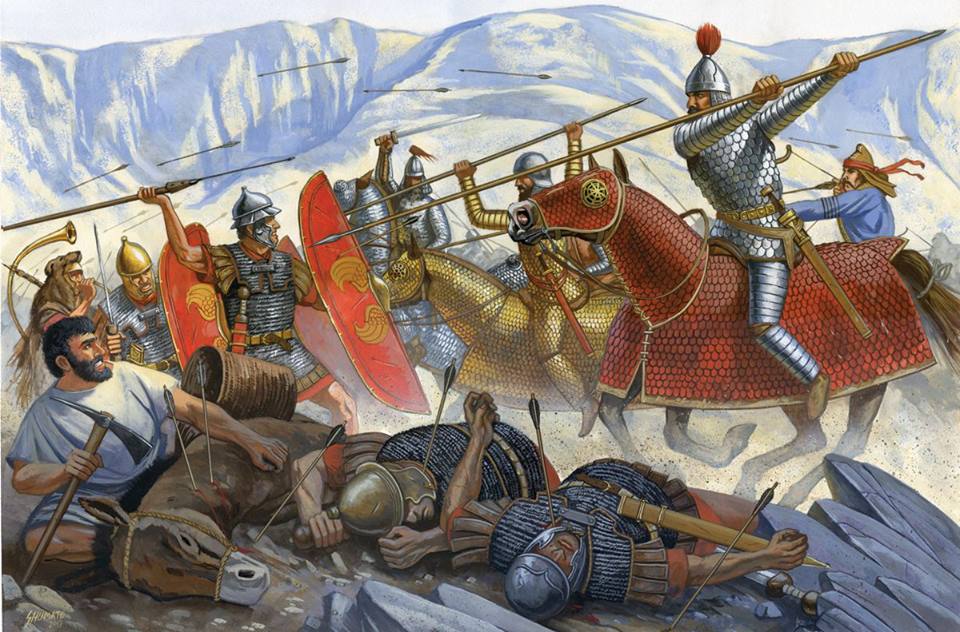
The Parthian War under Roman Emperor Lucius Verus began as tensions escalated between the Roman Empire and the Parthian Empire. This conflict was marked by Roman milit...
Explore event →
The Siege and Fall of Betar marked a decisive moment in the Bar Kokhba revolt against Roman rule in Judea. The fortress held out for months before falling to Roman for...
Explore event →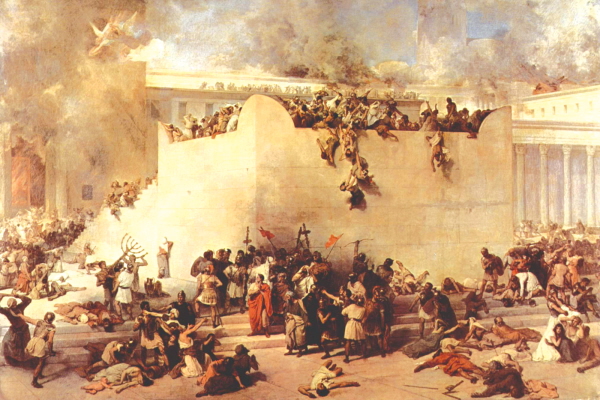
The Bar Kokhba revolt was a major Jewish uprising against the Roman Empire in the province of Judaea. The rebellion started under the leadership of Simon Bar Kokhba wh...
Explore event →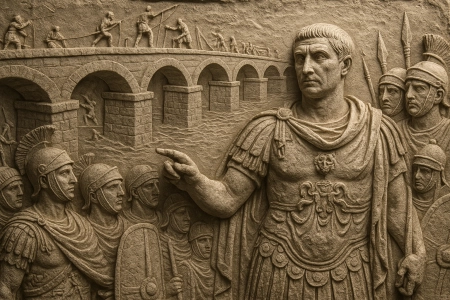
After years of fierce conflict, Dacian King Decebalus ultimately surrendered to the Roman Emperor Trajan. This marked the end of the Dacian Wars, resulting in the anne...
Explore event →
The Great Fire broke out in the city of Rome, spreading rapidly through wooden structures and thatched roofs. The blaze lasted several days, destroying vast parts of t...
Explore event →
The Trung Sisters led a major rebellion against Chinese rule in the Red River Delta region of Vietnam. Their uprising marked a significant moment of resistance against...
Explore event →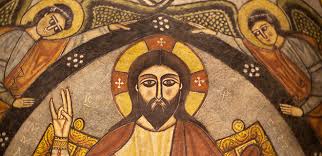
Coptic Christianity, one of the oldest Christian traditions, has seen notable growth within Egypt in recent years. Rooted deeply in Egyptian history, the Coptic commun...
Explore event →
Jesus of Nazareth, the central figure of Christianity, is traditionally believed to have been born in Bethlehem during the final years of the reign of Herod the Great....
Explore event →
1978 — Chinese economic and military assistance ends after years of growing ideological disagreement. Albania loses its final major communist ally and enters an extrao...
Explore research
Klaus Schwab later stated that he met Henry Kissinger while Schwab was at Harvard. The World Economic Forum described the meeting as occurring more than 50 years befor...
Explore research
31 January 1925 — Albania formally becomes a republic with Ahmet Zogu as president. Zogu uses the presidency to consolidate central authority after years of political ...
Explore research
August–September 1914 — Germany concentrates major forces against France and advances through Belgium. The operational scheme derives from years of German planning ass...
Explore research
1 July 1798 — French forces under Napoleon Bonaparte land in Egypt. The invasion aims to weaken British access to India while expanding French influence in the eastern...
Explore research
30 BCE — Octavian captures Alexandria after the deaths of Antony and Cleopatra. Egypt becomes a Roman province under unusually close imperial supervision because of it...
Explore research
c. 1332–1323 BCE — Tutankhamun becomes king while still a child during the political aftermath of Akhenaten's religious revolution. His government restores traditional...
Explore research
c. 3100 BCE–2026 CE — Egypt has been governed by native pharaohs, Nubian kings, Persians, Macedonians, Romans, Byzantines, Arab caliphates, Fatimids, Ayyubids, Mamluks...
Explore research
c. 3100 BCE–2026 CE — Modern Egyptians live in the same Nile landscape that supported pharaonic civilization, but language, religion, political institutions and popula...
Explore research
c. 6000–4400 BCE — Communities along the Nile increasingly depend on farming, fishing, animal husbandry and seasonal river resources. The Nile creates a narrow fertile...
Explore research
Farming villages existed in the Aegean world thousands of years before Greek-speaking states emerged.
Explore research
1916–1922 as British prime minister — Lloyd George leads Britain during the final two years of the war and the peace conference. His government intensifies national ec...
Explore research
16 August 1924 — The Dawes Plan restructures German reparations payments and facilitates large flows of American capital into Germany. The arrangement helps stabilize ...
Explore research
During its early years, the Trilateral Commission concentrated substantially on international trade, finance, monetary reform, energy and relations among the major ind...
Explore research
1906–1917 senior military influence — Conrad serves as chief of the Austro-Hungarian General Staff for most of the years preceding and during the early war. Before 191...
Explore research
15 November 1923 — Germany introduces the Rentenmark during the final phase of the hyperinflation crisis. Years of wartime debt, fiscal instability, reparations pressu...
Explore research
In May 2022, Klaus Schwab interviewed Henry Kissinger at the World Economic Forum concerning geopolitical tensions, China, Russia, Ukraine and the future international...
Explore research
22 June 1944 — Exactly three years after Barbarossa, the Soviet Union launches Operation Bagration against German Army Group Centre in Belarus. Soviet forces achieve d...
Explore research
Beginning in 1977, David Rockefeller served as chairman of the Trilateral Commission's North American group. He remained associated with that leadership position for m...
Explore research
1909–1917 — Bethmann Hollweg serves as German chancellor through the July Crisis and most of the first three years of war. He confirms Germany's strong support for Aus...
Explore research
Mycenaean kingdoms, poleis, Macedon, Rome, Byzantium, Ottoman rule and the modern state belong to one landscape but very different political worlds.
Explore research
28 June 1919 — Germany and the Allied powers sign the Treaty of Versailles exactly five years after Franz Ferdinand's assassination. Germany accepts territorial losses...
Explore research
15 August 1945 — Japan's surrender followed Hiroshima, Soviet entry into the war, Nagasaki, severe economic strangulation and years of conventional military defeat. Hi...
Explore research