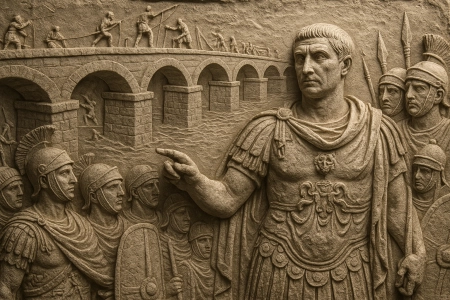
Decebalus Submits to Roman Emperor
After years of fierce conflict, Dacian King Decebalus ultimately surrendered to the Roman Emperor Trajan. This marked the end of the Dacian Wars, resulting in the anne...
Explore event →History does not happen in isolation. Explore world events across time, follow the connections between them, and investigate the threads that reveal how one event can lead to another.
TheTimeMap currently follows events across 95 countries and 268 years of history — building a connected archive designed for people who want to look beyond the headline.
We oppose antisemitism, racism, and dehumanization — everywhere.
When people stop feeling, injustice becomes easy.
After years of fierce conflict, Dacian King Decebalus ultimately surrendered to the Roman Emperor Trajan. This marked the end of the Dacian Wars, resulting in the anne...
Explore event →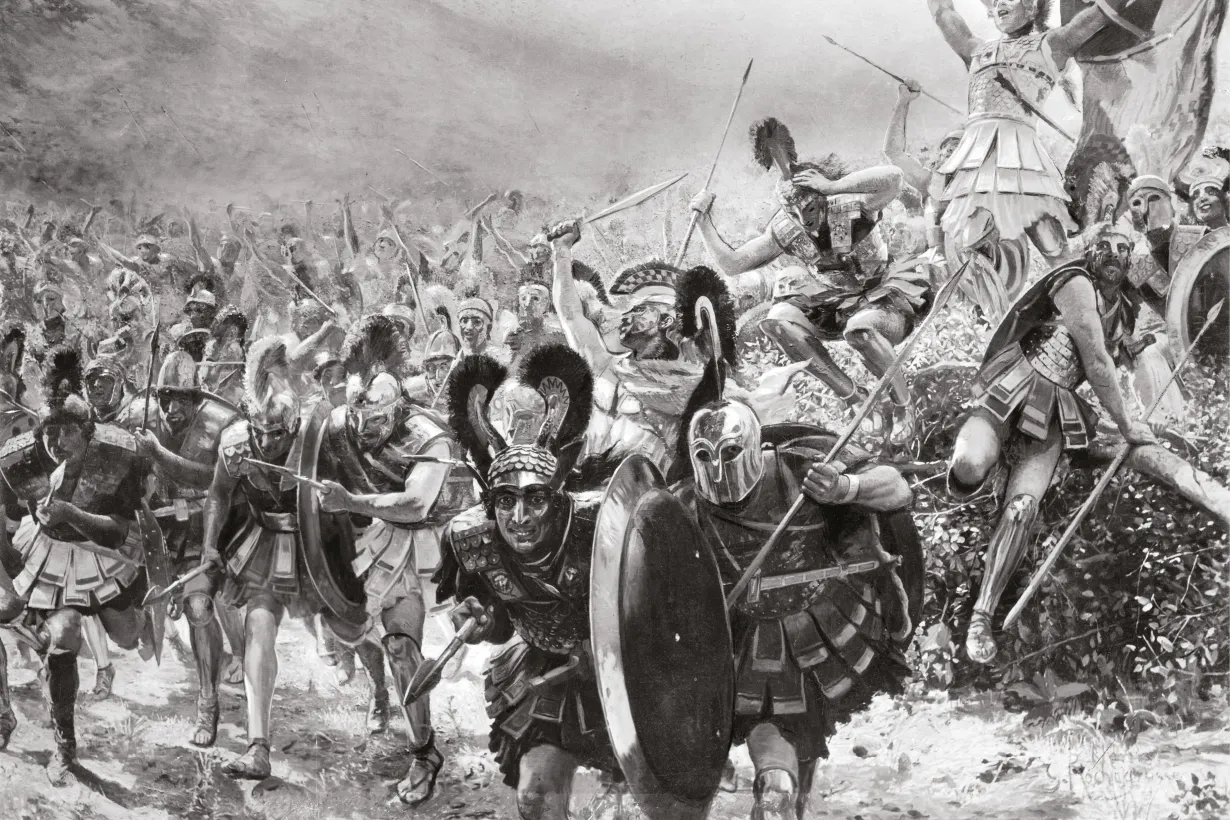
The Battle of Ikh Bayan was a critical conflict between the Mongol Empire and the allied forces of the Southern Song dynasty and their allies. Fought in mid-July, the ...
Explore event →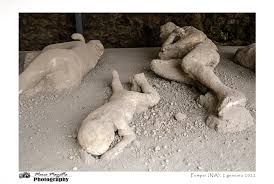
Mount Vesuvius erupted violently, burying the Roman cities of Pompeii and Herculaneum under layers of ash and pumice. The catastrophic event caused widespread destruct...
Explore event →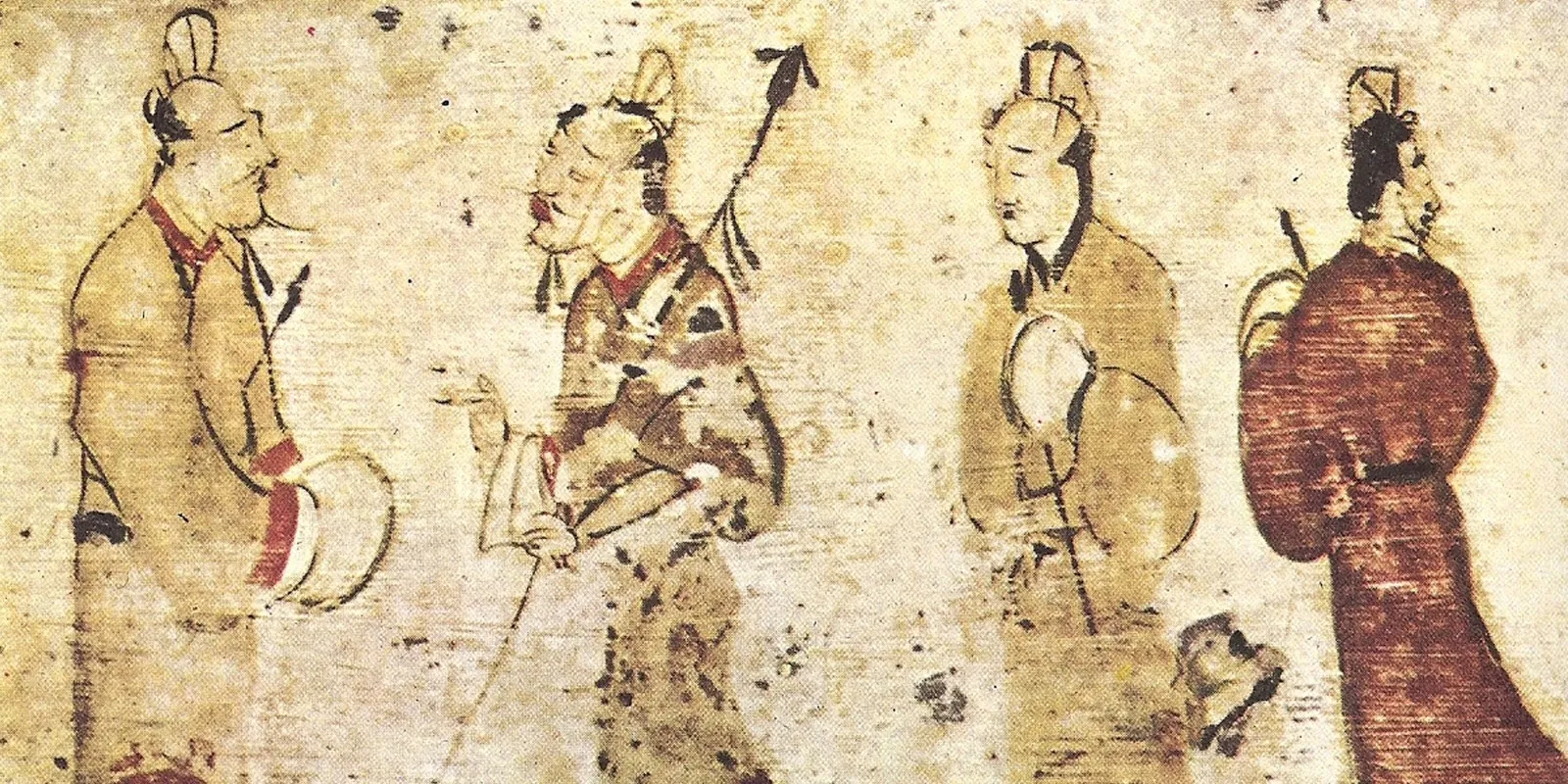
Ban Chao, a general under the Han Dynasty, initiated a series of military campaigns to assert Chinese control over the Western Regions. These expeditions were aimed at...
Explore event →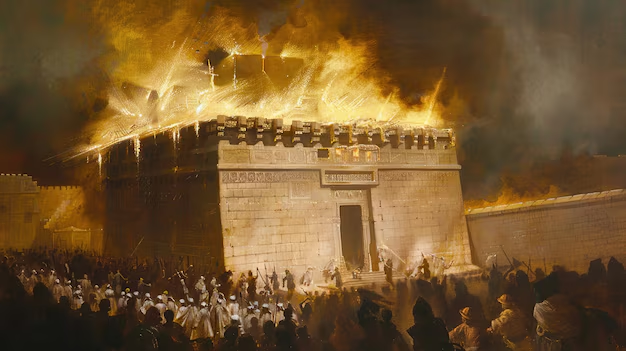
Roman forces led by Titus destroyed the Second Temple in Jerusalem during the Jewish revolt. This event transformed Judaism, ending temple-based worship and accelerat...
Explore event →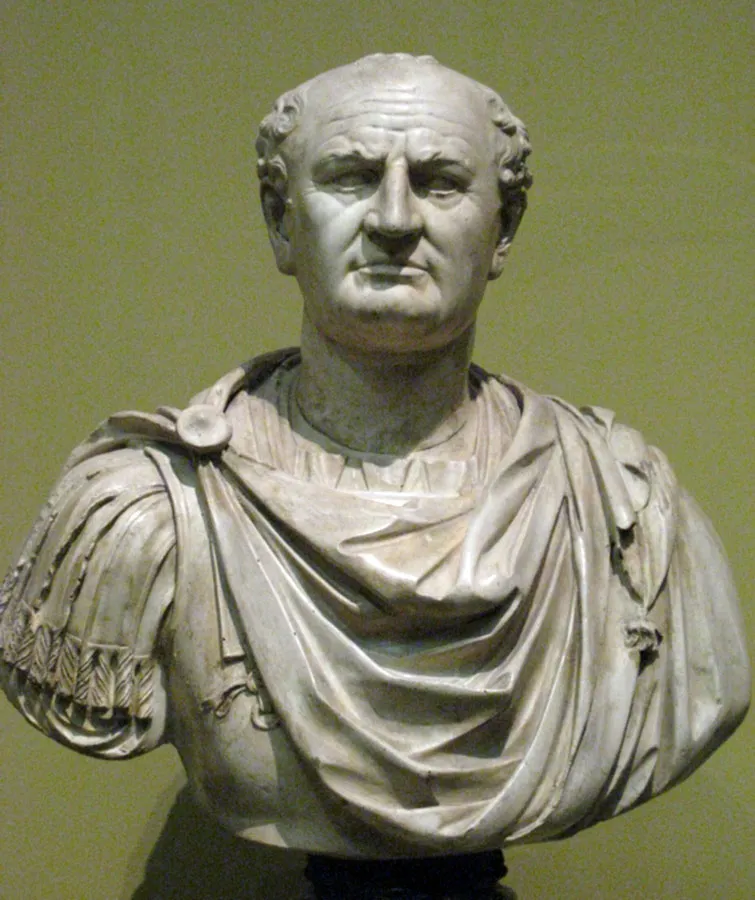
Following a year of civil war known as the Year of the Four Emperors, Vespasian emerged as the uncontested ruler of the Roman Empire. His rise marked the end of the Ju...
Explore event →
Vitellius was declared emperor by the legions of Germania during the chaotic Year of the Four Emperors. After the death of Emperor Otho, Vitellius marched to Rome wher...
Explore event →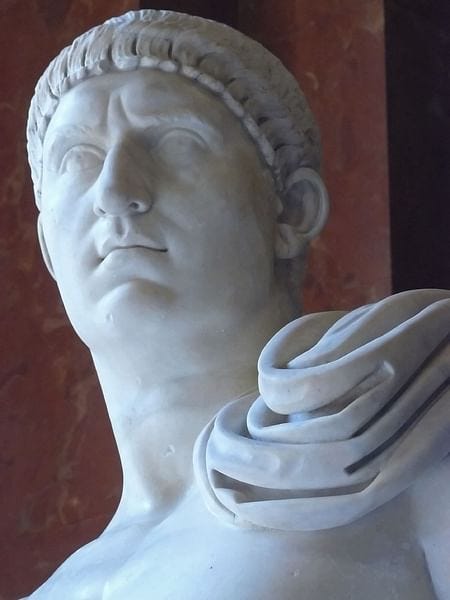
Following the death of Emperor Galba, Otho swiftly ascended to power in Rome, marking a critical juncture in the Year of the Four Emperors. His accession was character...
Explore event →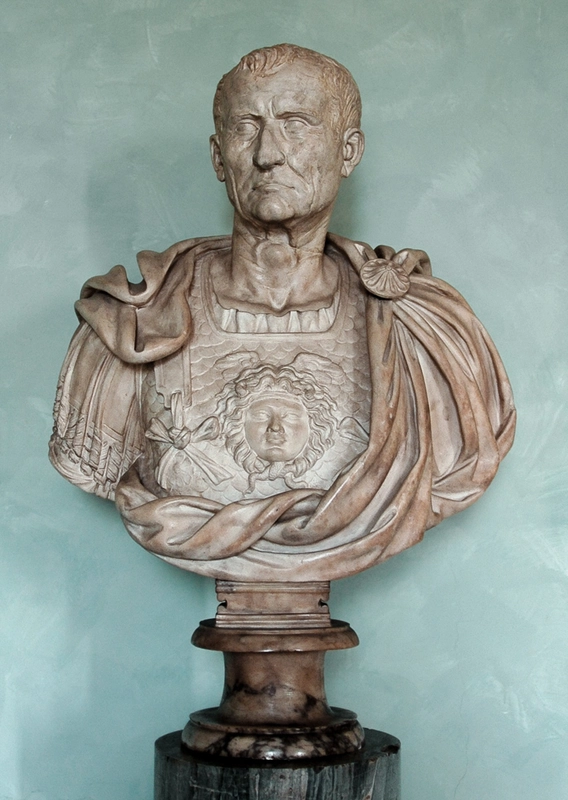
Galba was declared Roman Emperor following the assassination of Nero, marking the end of the Julio-Claudian dynasty. His accession was largely supported by the Senate ...
Explore event →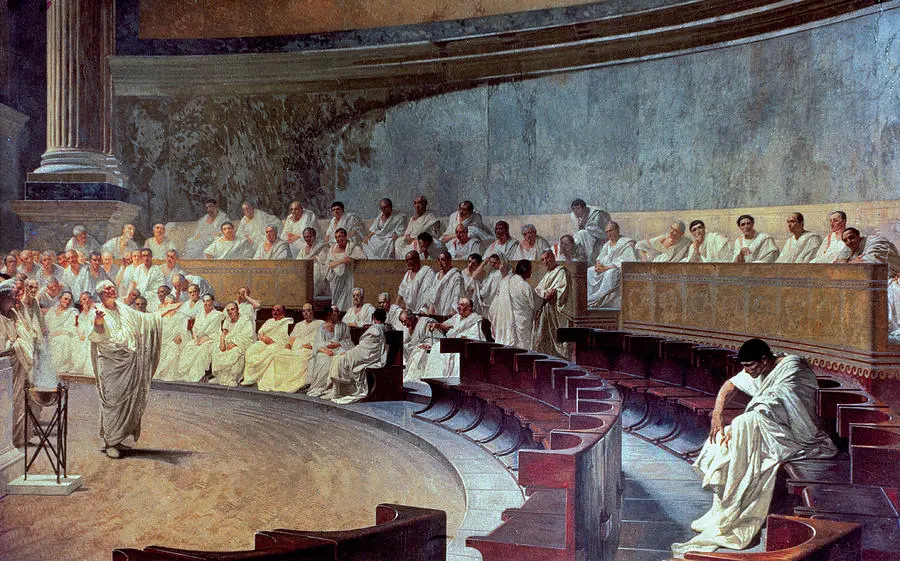
The Year of the Four Emperors was a tumultuous period marking rapid succession of Roman emperors after the fall of Nero. It involved the rise and fall of Galba, Otho, ...
Explore event →
The Great Fire of Rome began in the night and quickly spread through the city, causing extensive destruction. The fire lasted for six days and destroyed many neighborh...
Explore event →
The Great Fire broke out in the city of Rome, spreading rapidly through wooden structures and thatched roofs. The blaze lasted several days, destroying vast parts of t...
Explore event →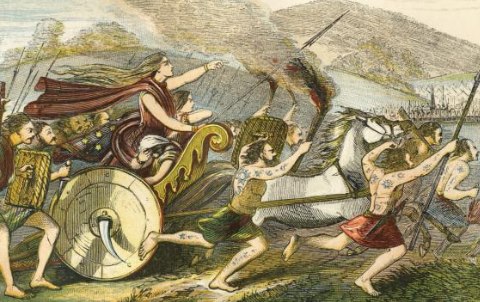
The Roman conquest of Britain began under Emperor Claudius with the landing of Roman forces at Richborough in Kent. This marked the start of a prolonged campaign to br...
Explore event →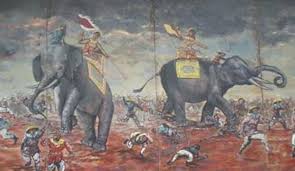
The Trung Sisters led a major rebellion against Chinese rule in the Red River Delta region of Vietnam. Their uprising marked a significant moment of resistance against...
Explore event →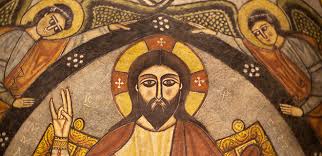
Coptic Christianity, one of the oldest Christian traditions, has seen notable growth within Egypt in recent years. Rooted deeply in Egyptian history, the Coptic commun...
Explore event →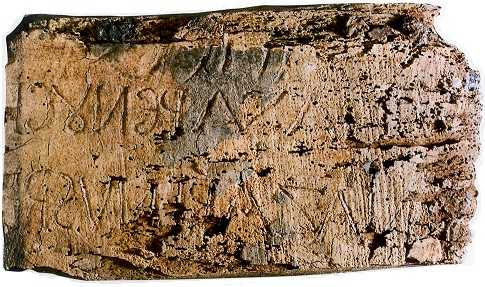
Titulus Above Jesus on the Cross According to the New Testament, Pontius Pilate ordered a sign to be placed above Jesus during his crucifixion. The Gospels ...
Explore event →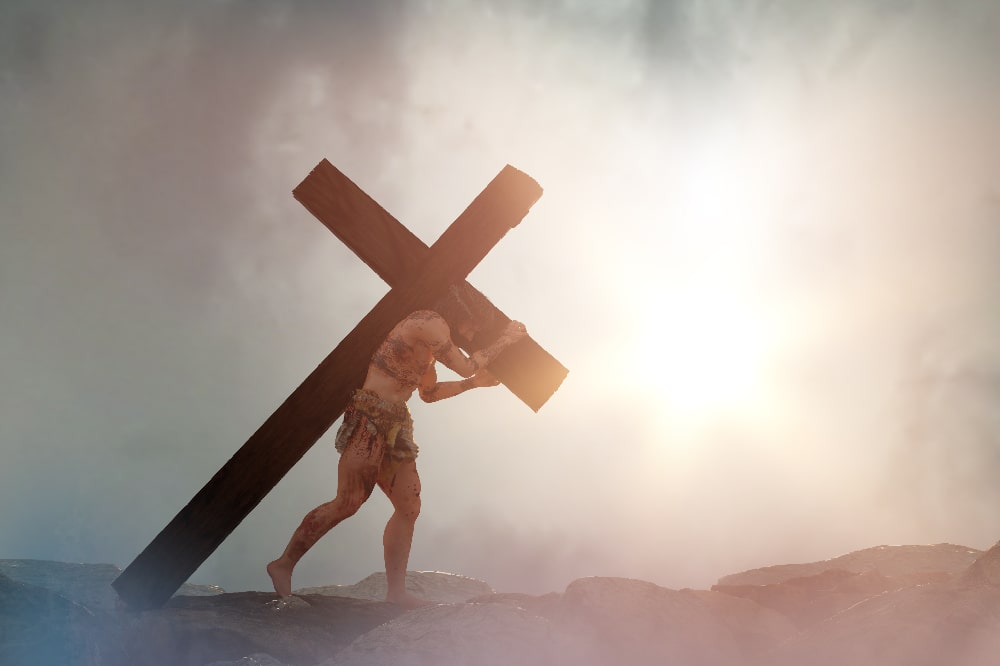
Jesus of Nazareth was executed by crucifixion under Roman governor Pontius Pilate in Jerusalem, during the period of Roman occupation of Judea. The event is documented...
Explore event →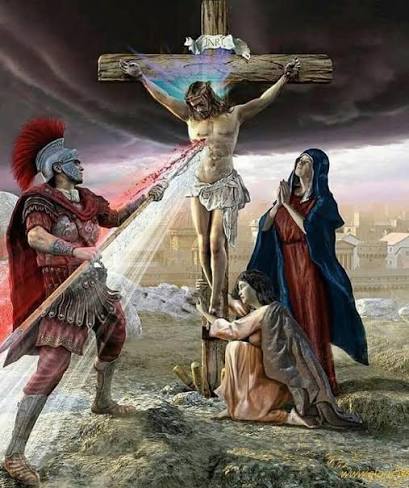
Longinus is the name given in later Christian tradition to the Roman soldier said to have pierced the side of Jesus during the crucifixion with a spear, as described i...
Explore event →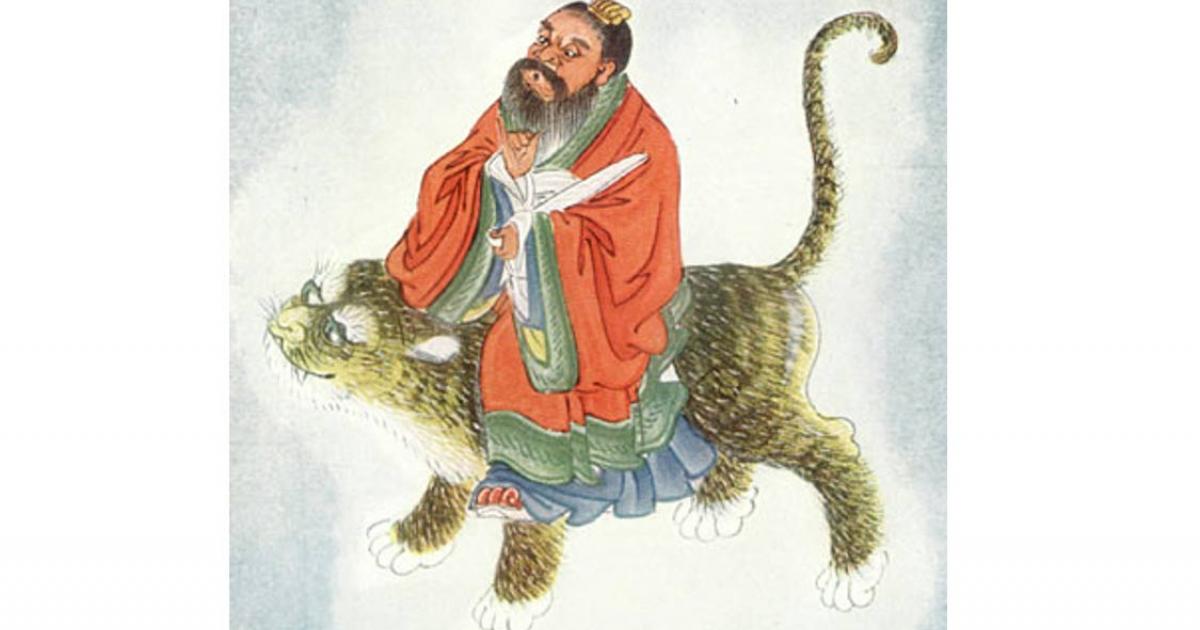
The Five Pecks of Rice movement, also known as the Way of the Celestial Masters, began in the Sichuan region of China. Founded by Zhang Daoling, it became one of the e...
Explore event →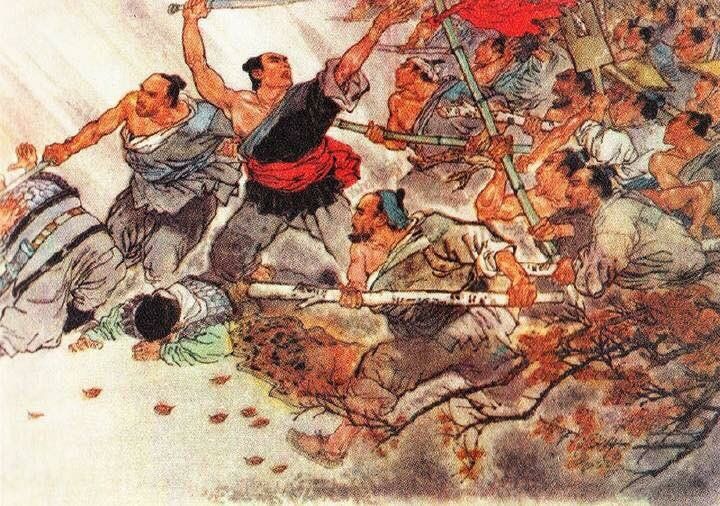
The Red Eyebrows rebellion began as a peasant uprising against the ruling Wang Mang regime. Originating in the Henan region, discontent over heavy taxation and natural...
Explore event →
Jesus of Nazareth, the central figure of Christianity, is traditionally believed to have been born in Bethlehem during the final years of the reign of Herod the Great....
Explore event →
11 February 2011 — Vice President Omar Suleiman announces that Hosni Mubarak has stepped down and transferred authority to the Supreme Council of the Armed Forces. Cel...
Explore research
1978 — Chinese economic and military assistance ends after years of growing ideological disagreement. Albania loses its final major communist ally and enters an extrao...
Explore research
Klaus Schwab later stated that he met Henry Kissinger while Schwab was at Harvard. The World Economic Forum described the meeting as occurring more than 50 years befor...
Explore research
31 January 1925 — Albania formally becomes a republic with Ahmet Zogu as president. Zogu uses the presidency to consolidate central authority after years of political ...
Explore research
21 February 1916 — Germany launches a major offensive against the fortified Verdun region. French forces commit enormous manpower and artillery to prevent the fortress...
Explore research
August–September 1914 — Germany concentrates major forces against France and advances through Belgium. The operational scheme derives from years of German planning ass...
Explore research
1 July 1798 — French forces under Napoleon Bonaparte land in Egypt. The invasion aims to weaken British access to India while expanding French influence in the eastern...
Explore research
30 BCE — Octavian captures Alexandria after the deaths of Antony and Cleopatra. Egypt becomes a Roman province under unusually close imperial supervision because of it...
Explore research
146 BCE — Corinth is destroyed and Roman domination of Greece becomes decisive.
Explore research
Around 1200 BCE — Major palace centers are destroyed or abandoned during the wider Bronze Age Collapse.
Explore research
c. 1332–1323 BCE — Tutankhamun becomes king while still a child during the political aftermath of Akhenaten's religious revolution. His government restores traditional...
Explore research
c. 3100 BCE–2026 CE — Egypt has been governed by native pharaohs, Nubian kings, Persians, Macedonians, Romans, Byzantines, Arab caliphates, Fatimids, Ayyubids, Mamluks...
Explore research
c. 3100 BCE–2026 CE — Modern Egyptians live in the same Nile landscape that supported pharaonic civilization, but language, religion, political institutions and popula...
Explore research
c. 6000–4400 BCE — Communities along the Nile increasingly depend on farming, fishing, animal husbandry and seasonal river resources. The Nile creates a narrow fertile...
Explore research
c. 6500 BCE–2026 CE — The territory and people of modern Albania were shaped by prehistoric Balkan societies, Illyrian political formations, Rome, Byzantium, medieval ...
Explore research
25 November 1936 — Germany and Japan sign an agreement publicly directed against the Communist International. Italy joins the following year. The pact reflects growing...
Explore research
11 November 1918 — German representatives sign the armistice at Compiègne. Fighting ends on the Western Front at 11:00 a.m. Germany accepts evacuation requirements and...
Explore research
28 July 1914 — Austria-Hungary declares war on Serbia exactly one month after the Sarajevo assassination. Artillery soon targets Belgrade. What Vienna hopes to treat a...
Explore research
26 August 1914 — German forces under Paul von Hindenburg and Erich Ludendorff begin the decisive phase of the Battle of Tannenberg against Russia's Second Army in East...
Explore research
8 January 1942 — Soviet offensives expand around the Rzhev-Vyazma salient west of Moscow. Fighting in the region becomes prolonged and extraordinarily costly. The sali...
Explore research
Farming villages existed in the Aegean world thousands of years before Greek-speaking states emerged.
Explore research
1916–1922 as British prime minister — Lloyd George leads Britain during the final two years of the war and the peace conference. His government intensifies national ec...
Explore research
16 August 1924 — The Dawes Plan restructures German reparations payments and facilitates large flows of American capital into Germany. The arrangement helps stabilize ...
Explore research
28 June 1919 — Versailles created genuine political grievances and became a powerful symbol in German nationalist politics. Yet there were many possible paths after 19...
Explore research