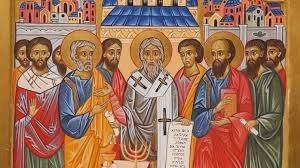
Apostolic Council Decision in Jerusalem
The Council of Jerusalem was a pivotal assembly of early Christian leaders who convened to discuss the integration of Gentile converts into the predominantly Jewish Ch...
Explore event →History does not happen in isolation. Explore world events across time, follow the connections between them, and investigate the threads that reveal how one event can lead to another.
TheTimeMap currently follows events across 95 countries and 268 years of history — building a connected archive designed for people who want to look beyond the headline.
We oppose antisemitism, racism, and dehumanization — everywhere.
When people stop feeling, injustice becomes easy.
The Council of Jerusalem was a pivotal assembly of early Christian leaders who convened to discuss the integration of Gentile converts into the predominantly Jewish Ch...
Explore event →
Ma Yuan was a prominent Han dynasty general who led campaigns in the southern regions of China to consolidate Han authority over the Nanyue Kingdom. His military exped...
Explore event →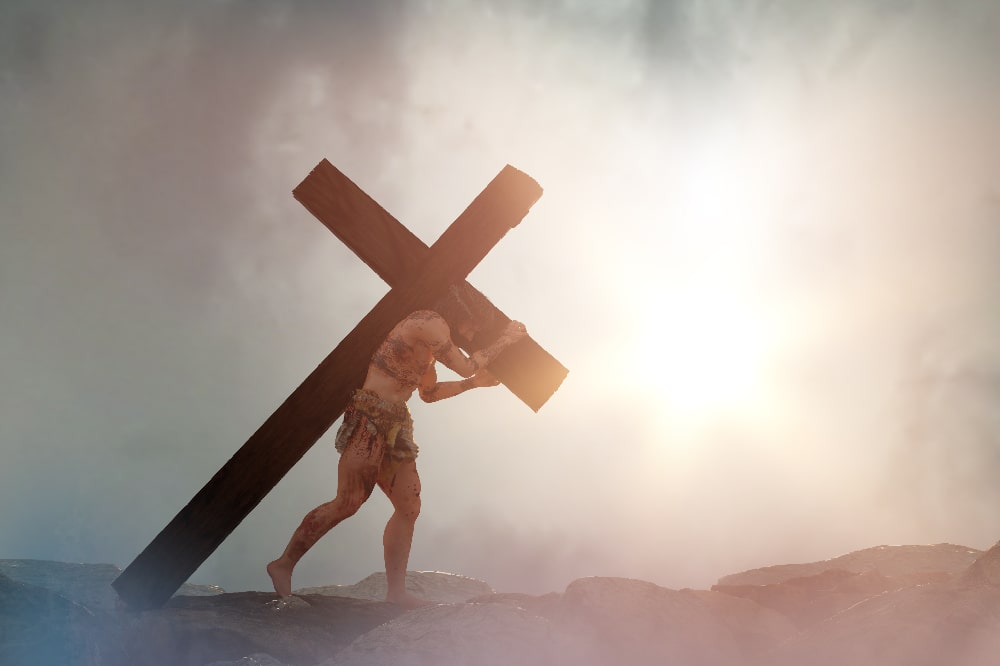
Jesus of Nazareth was executed by crucifixion under Roman governor Pontius Pilate in Jerusalem, during the period of Roman occupation of Judea. The event is documented...
Explore event →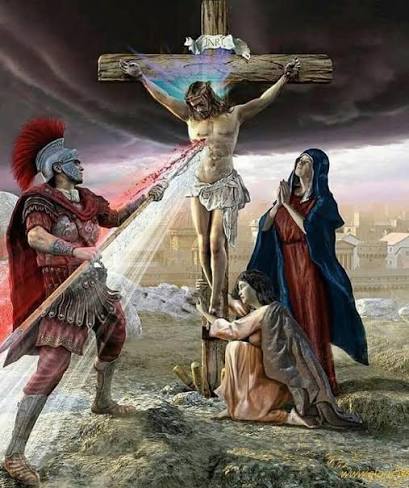
Longinus is the name given in later Christian tradition to the Roman soldier said to have pierced the side of Jesus during the crucifixion with a spear, as described i...
Explore event →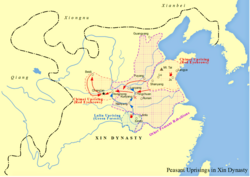
The Xin dynasty was established by Wang Mang, who usurped the throne from the Han dynasty. This marked a significant political shift in ancient China, interrupting the...
Explore event →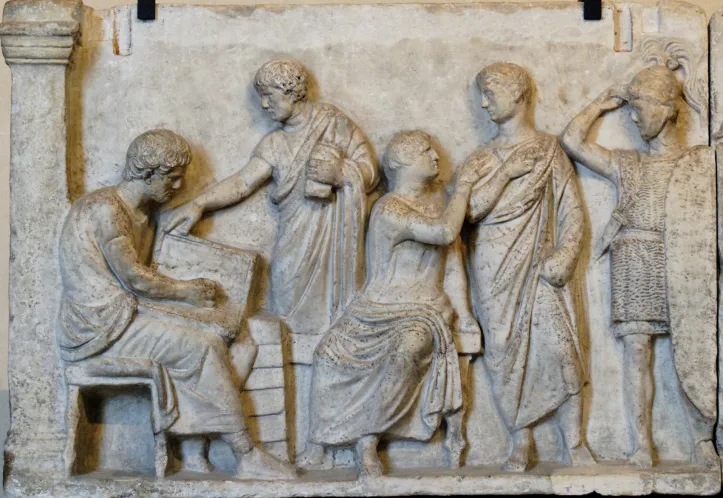
The census conducted under Publius Sulpicius Quirinius was ordered by the Roman Empire as part of administrative reorganization following the annexation of Judea as a ...
Explore event →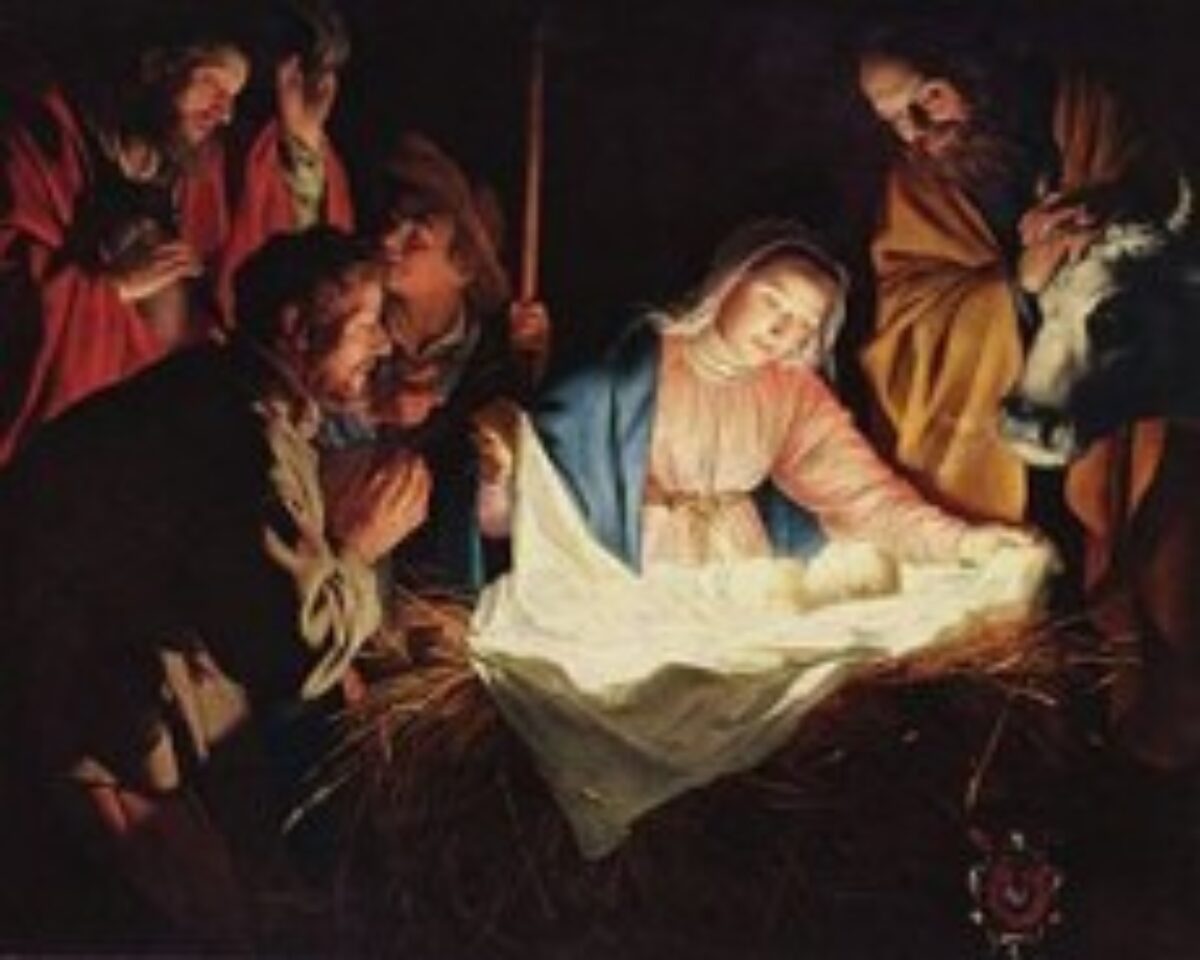
Jesus of Nazareth, the central figure of Christianity, is traditionally believed to have been born in Bethlehem during the final years of the reign of Herod the Great....
Explore event →
Egyptian president whose nearly three decades in power ended after eighteen days of mass demonstrations.
Explore research
German-born economist and engineer who founded the European Management Symposium, later known as the World Economic Forum, and served as its principal leader.
Explore research
28 June–4 August 1914 — Sarajevo creates the crisis, but successive decisions by Austria-Hungary, Germany, Russia, France and Britain determine how far it spreads. The...
Explore research
1914–1918 wartime production — Schneider is a major French heavy-industrial and armaments producer whose factories supply artillery and military material to the French...
Explore research
1914–1918 — Armaments companies, explosives producers and other industrial suppliers receive enormous wartime orders. Some businesses benefit heavily while others suff...
Explore research
Communist leader who dominates Albania from the end of World War II until his death in 1985.
Explore research
Dominant interwar politician who becomes president and later King Zog I.
Explore research
Powerful Ottoman-Albanian ruler who builds an effectively autonomous state centered on Ioannina.
Explore research
Albanian noble and military commander who led a prolonged resistance against Ottoman expansion.
Explore research
Illyrian ruler whose kingdom came into direct conflict with the expanding Roman Republic.
Explore research
Powerful Illyrian ruler of the 4th century BCE who built a kingdom capable of challenging Macedonia.
Explore research
c. 1259 BCE — Egypt and the Hittite Empire formalize a peace agreement after decades of competition in the Levant. Surviving versions of the treaty preserve commitment...
Explore research
Fourth Dynasty pharaoh whose reign is associated with construction of the Great Pyramid at Giza.
Explore research
c. 2600–2500 BCE — Archaeology points toward organized Egyptian labor forces rather than armies of foreign slaves. Workers lived in settlements near Giza, received foo...
Explore research
Macedonian king whose conquests spread Greek language and culture across a vast Hellenistic world.
Explore research
27 January 1945 — Soviet troops enter the Auschwitz concentration and extermination complex. They find thousands of surviving prisoners whom the SS had been unable to ...
Explore research
U.S. president whose administration responded to warnings about atomic weapons and eventually authorized the massive wartime development program.
Explore research
Bosnian Serb nationalist who assassinated Franz Ferdinand and Sophie in Sarajevo on 28 June 1914.
Explore research
5 July 1914 — Austro-Hungarian envoy Alexander Hoyos receives powerful assurances in Berlin that Germany will support Vienna if it acts against Serbia, even if Russian...
Explore research
8 September 1943 — Italy publicly announces an armistice with the Allies. German forces quickly occupy much of Italy, disarm many Italian units and rescue Mussolini, w...
Explore research
German-born economist and engineer who founded the European Management Symposium, later known as the World Economic Forum, and served as its principal leader.
Explore research
30 June 1934 — Hitler orders the killing of SA leaders and other perceived political enemies. Ernst Röhm and numerous others are murdered without trial. The purge reas...
Explore research
Macedonian king who transforms his army and brings most Greek city-states under Macedonian dominance.
Explore research
British foreign secretary who attempted to organize international mediation during the crisis.
Explore research