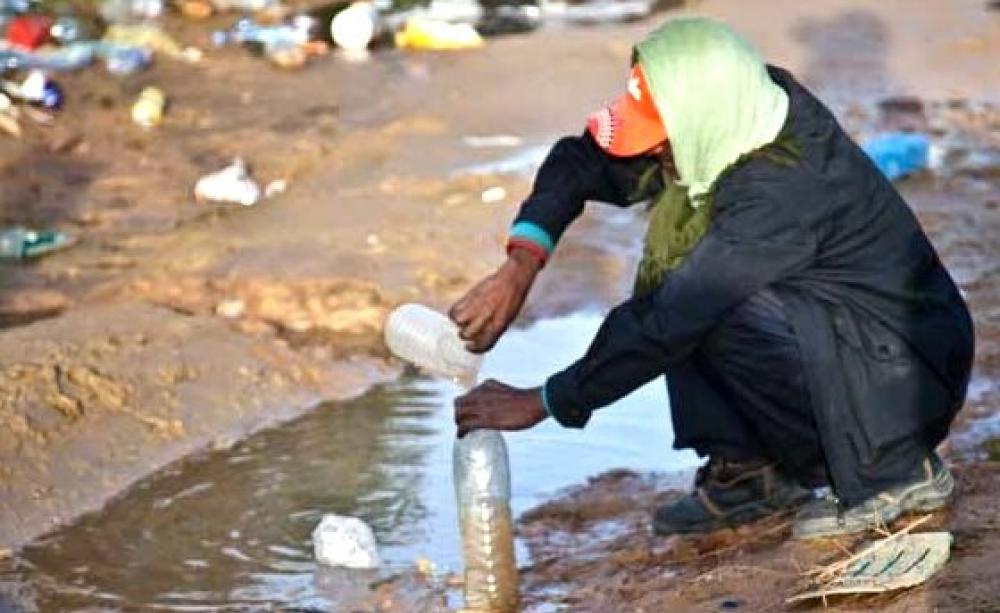
NATO and Libya's water system
On 22 July 2011, during the Libyan Civil War, NATO aircraft struck a facility in Brega that manufactured large-diameter pipes used in Libya's Great Man-Made River wate...
Explore event →History does not happen in isolation. Explore world events across time, follow the connections between them, and investigate the threads that reveal how one event can lead to another.
TheTimeMap currently follows events across 95 countries and 268 years of history — building a connected archive designed for people who want to look beyond the headline.
We oppose antisemitism, racism, and dehumanization — everywhere.
When people stop feeling, injustice becomes easy.
On 22 July 2011, during the Libyan Civil War, NATO aircraft struck a facility in Brega that manufactured large-diameter pipes used in Libya's Great Man-Made River wate...
Explore event →
They hate white people “The goal of abolishing the White race is, on its face, so desirable that some may find i...
Explore event →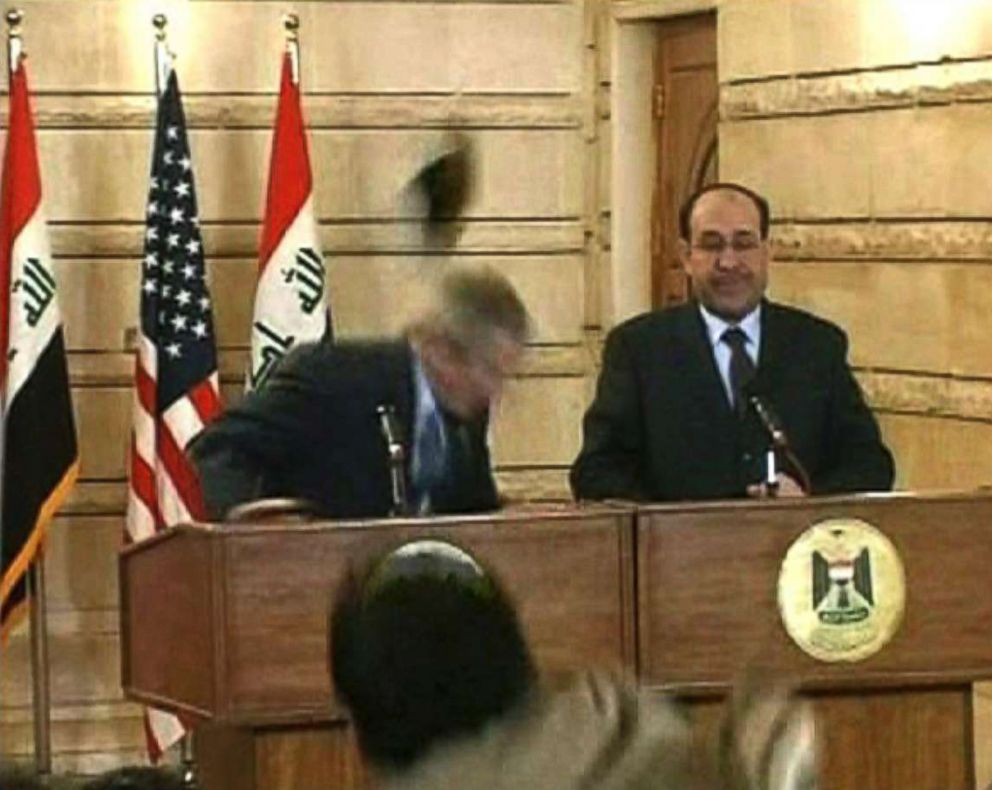
Iraqi journalist throws shoes at U.S. President George W. Bush during Baghdad visit On December 14, 2008, Iraqi journalist Muntadhar al-Zaidi threw two shoe...
Explore event →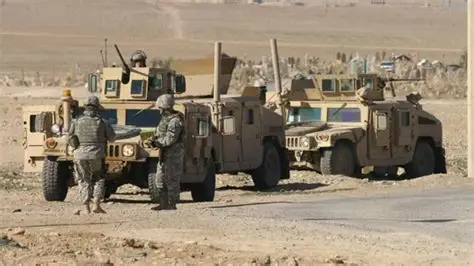
Background and Decision-Makers On March 20, 2003, the United States, the United Kingdom, and coalition allies launched a military invasion of Iraq. The primary jus...
Explore event →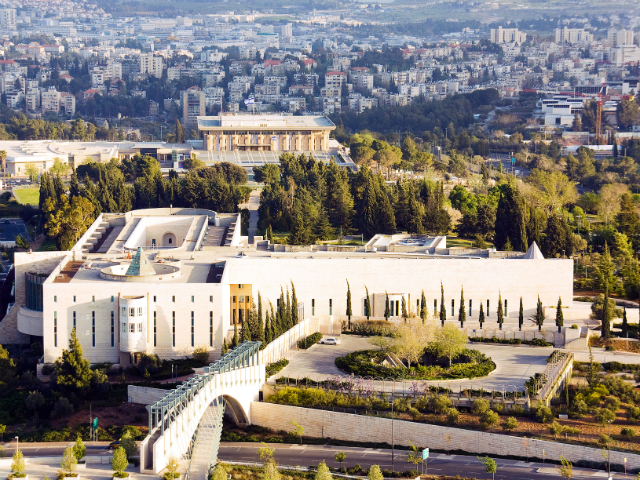
During the Bosnian War from 1992 to 1995, reports and court filings alleged that weapons of Israeli origin were transferred to Serbian forces. In 2016, Israeli huma...
Explore event →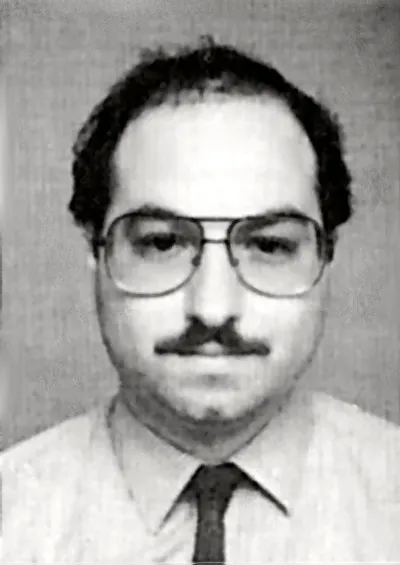
Jonathan Pollard, an American Jew and civilian intelligence analyst for the U.S. Navy, pleaded guilty to passing classified military and nuclear documents to Israel in...
Explore event →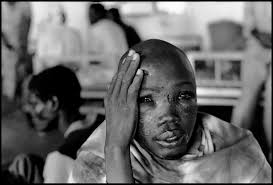
Rwandan Genocide On April 7, 1994, following the assassination of Rwandan President Juvénal Habyarimana, widespread violence erupted against the Tutsi population in R...
Explore event →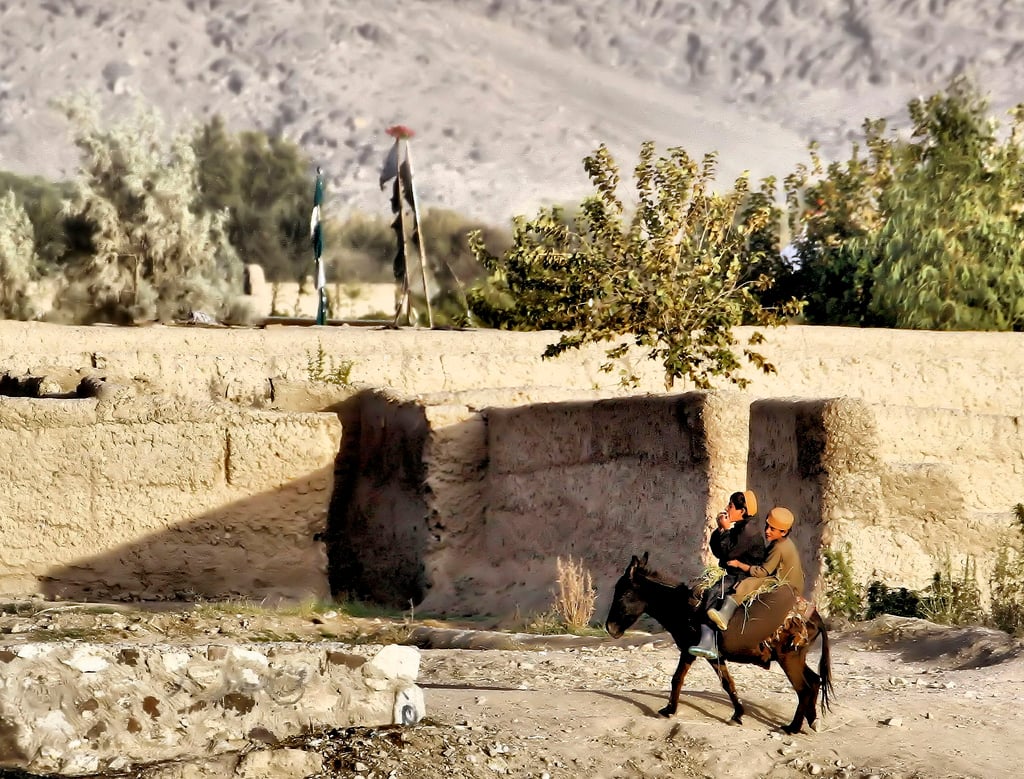
Anfal Genocide On February 23, 1988, the Iraqi government launched the Anfal campaign against Kurdish populations in northern Iraq during the final phase of the Iran–...
Explore event →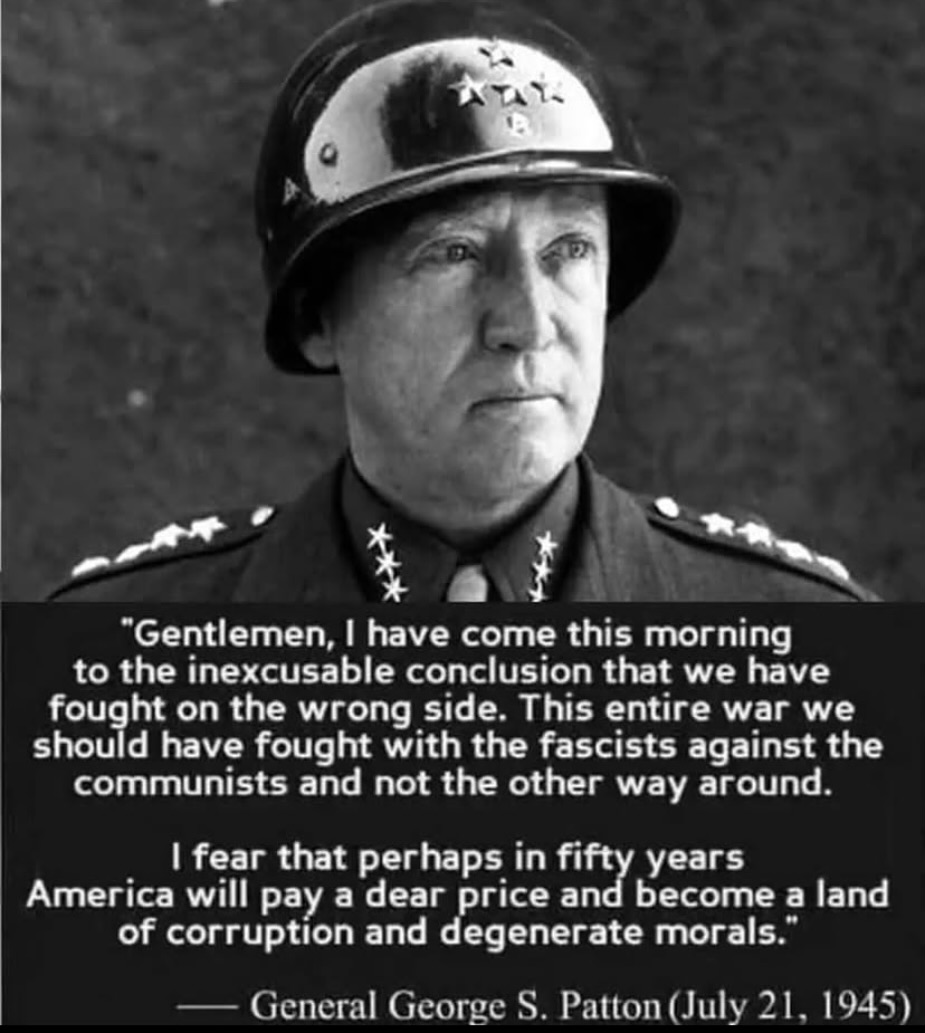
General George S. Patton, a senior U.S. Army officer in World War II, died on December 21, 1945, in Heidelberg, Germany, following injuries sustained in a car accident...
Explore event →
May–June 1914 — Members of the assassination conspiracy obtain pistols, bombs and assistance through contacts associated with Serbian nationalist and military-intellig...
Explore research
1914–1919 — The Royal Navy progressively restricts German access to food, fertilizer, metals, chemicals and overseas trade. Neutral shipping is increasingly subjected ...
Explore research
1911–1917 — Unification or Death, commonly called the Black Hand, is a secret Serbian nationalist organization containing influential military officers. Individuals as...
Explore research
28 June 1914 — Archduke Franz Ferdinand, heir to the Austro-Hungarian throne, and his wife Sophie are assassinated during an official visit to Sarajevo. Gavrilo Princi...
Explore research
6 August 1945 — An American B-29 drops the uranium bomb Little Boy on Hiroshima. The explosion and fire destroy much of the city and kill tens of thousands of people i...
Explore research
2 September 1945 — The defeat of Germany and Japan leaves the United States and Soviet Union as the dominant military powers. Soviet control across Eastern Europe, Ame...
Explore research
U.S. president whose administration responded to warnings about atomic weapons and eventually authorized the massive wartime development program.
Explore research
15 March 1939 — The occupation of the Czech lands gives Germany control over a major Central European industrial base, including important arms factories such as Škoda...
Explore research
Physicist selected by Groves to direct the Los Alamos laboratory, where scientists designed and assembled the atomic weapons.
Explore research
2 September 1945 — Japanese representatives sign the Instrument of Surrender aboard USS Missouri in Tokyo Bay. The ceremony formally ends the Second World War. Germany...
Explore research
In the mid-1950s, Henry Kissinger became involved with the Council on Foreign Relations and led a study group concerning nuclear weapons and foreign policy. The work c...
Explore research
In 1956, Henry Kissinger became director of a Council on Foreign Relations study group examining nuclear weapons and foreign policy. The work contributed to the develo...
Explore research
1 January 1944 — By 1944 large numbers of American trucks, locomotives, food supplies and communications equipment are supporting Soviet logistics. Soviet weapons prod...
Explore research
13 August 1942 — The U.S. Army formally establishes the Manhattan Engineer District, the administrative framework that becomes the Manhattan Project. Scientific labora...
Explore research
Henry Kissinger's Nuclear Weapons and Foreign Policy was published in 1957 following his work with the Council on Foreign Relations study group. The book examined nucl...
Explore research
17 July 1936 — A military uprising against Spain's Republican government begins a prolonged civil war. Nazi Germany and Fascist Italy support Francisco Franco's Nation...
Explore research
16 July 1945 — The United States detonates the world's first nuclear device at the Trinity test site in New Mexico. The successful plutonium implosion test proves that...
Explore research
16 March 1935 — German rearmament creates enormous military demand for steel, chemicals, vehicles, weapons and fuel substitutes. Industrial firms benefit from governme...
Explore research