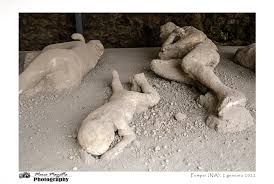
Destruction of Roman Cities by Volcano
Mount Vesuvius erupted violently, burying the Roman cities of Pompeii and Herculaneum under layers of ash and pumice. The catastrophic event caused widespread destruct...
Explore event →History does not happen in isolation. Explore world events across time, follow the connections between them, and investigate the threads that reveal how one event can lead to another.
TheTimeMap currently follows events across 95 countries and 268 years of history — building a connected archive designed for people who want to look beyond the headline.
We oppose antisemitism, racism, and dehumanization — everywhere.
When people stop feeling, injustice becomes easy.
Mount Vesuvius erupted violently, burying the Roman cities of Pompeii and Herculaneum under layers of ash and pumice. The catastrophic event caused widespread destruct...
Explore event →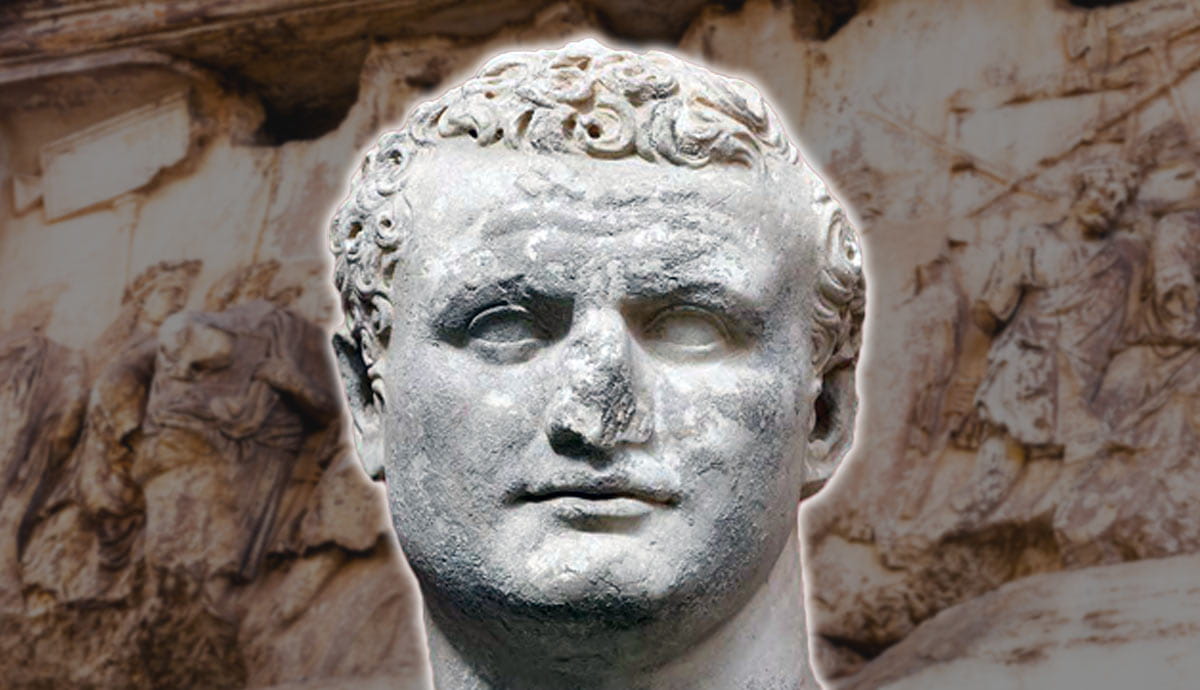
Titus succeeded his father Vespasian as Roman Emperor following Vespasian's death in Rome. His accession marked the continuation of the Flavian dynasty.Titus's rule in...
Explore event →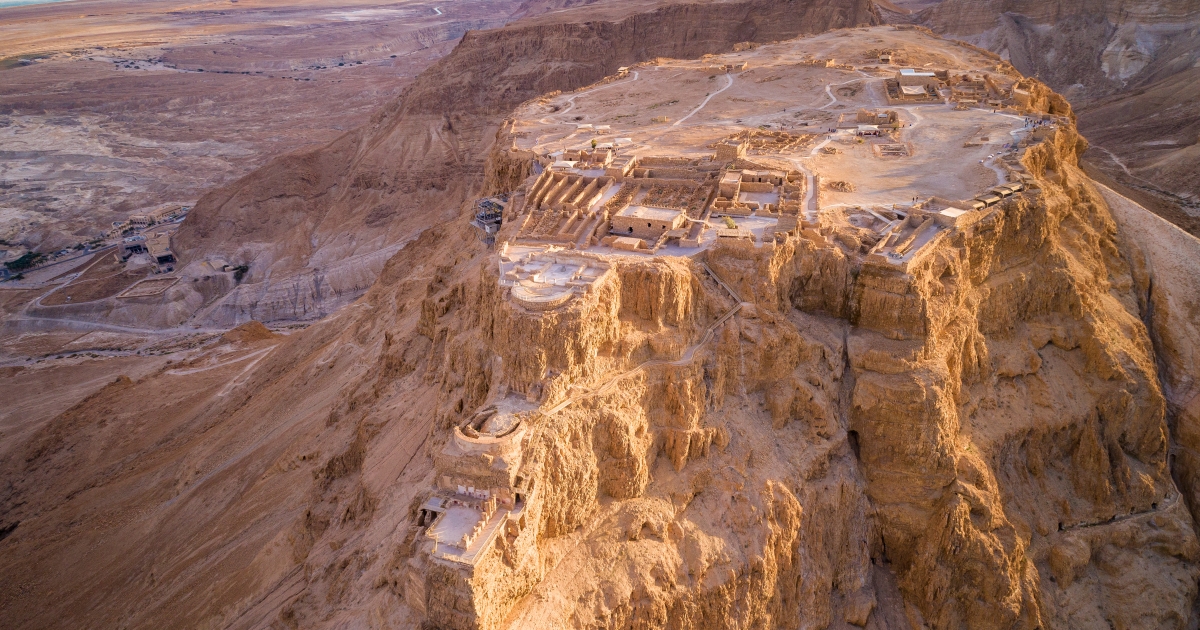
The Siege of Masada was the last stronghold of the Jewish rebels during the First Jewish–Roman War. Roman forces laid siege to the fortress located on a plateau near t...
Explore event →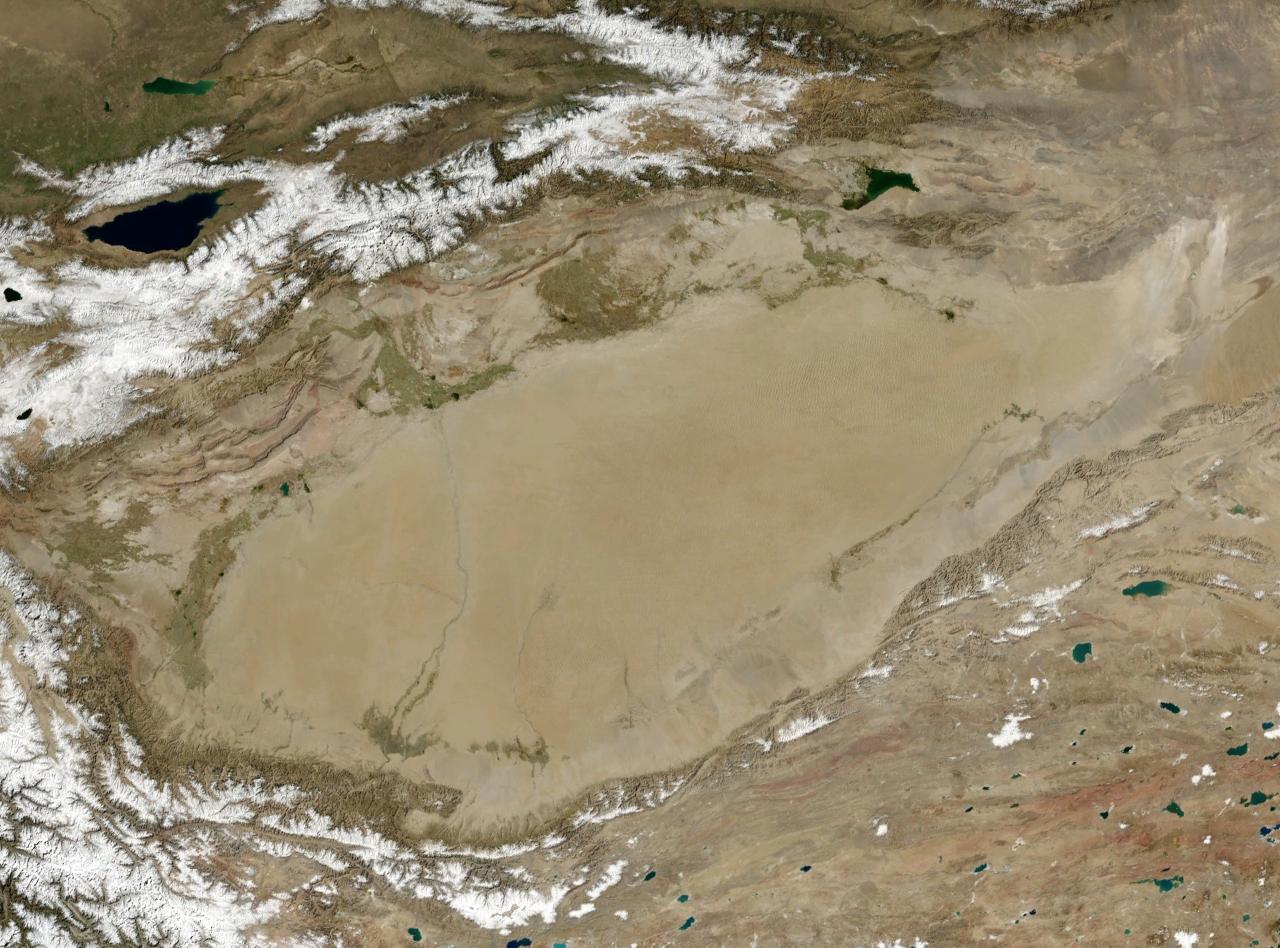
Ban Chao, a renowned Chinese general and explorer of the Eastern Han dynasty, led a significant military and diplomatic expedition to the Tarim Basin. His journey was ...
Explore event →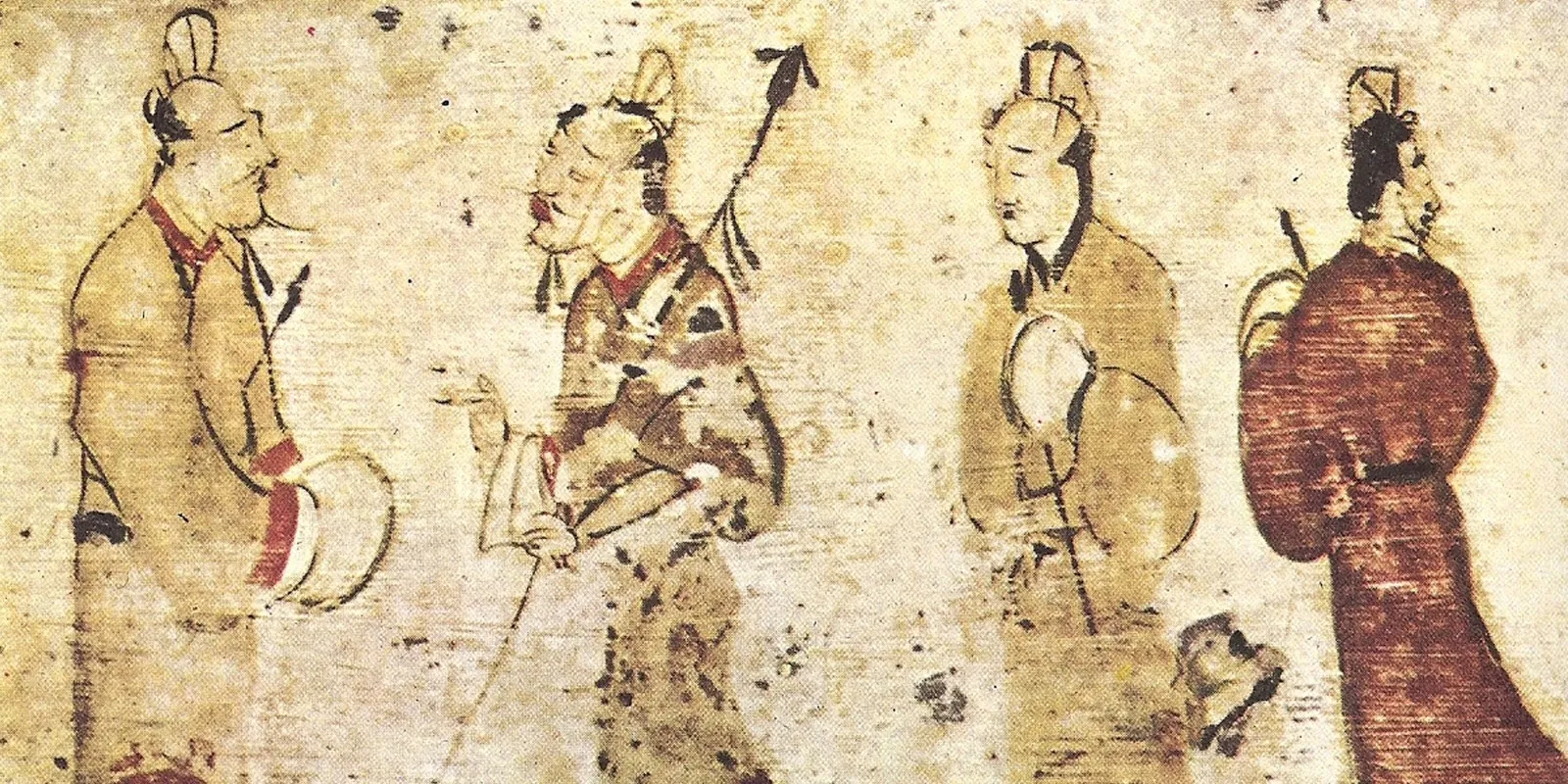
Ban Chao, a general under the Han Dynasty, initiated a series of military campaigns to assert Chinese control over the Western Regions. These expeditions were aimed at...
Explore event →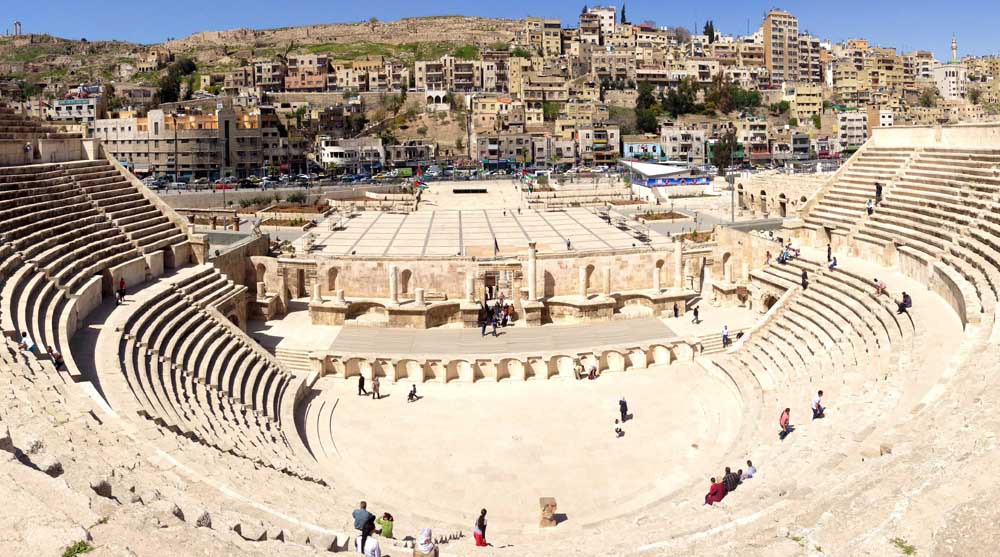
Construction of the Roman amphitheater known as the Colosseum began under Emperor Vespasian. This monumental structure was designed to host a variety of public spectac...
Explore event →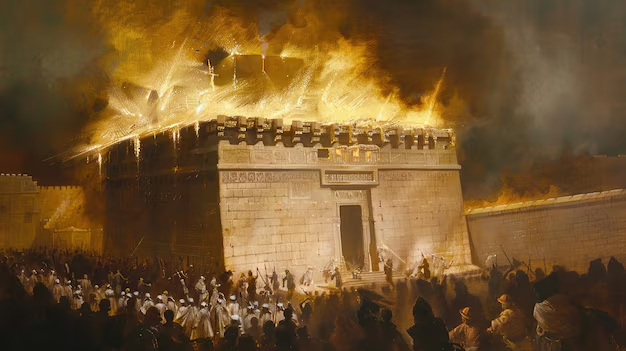
Roman forces led by Titus destroyed the Second Temple in Jerusalem during the Jewish revolt. This event transformed Judaism, ending temple-based worship and accelerat...
Explore event →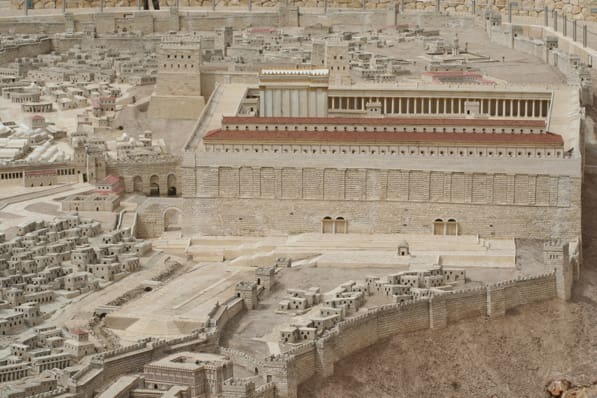
The Roman army, led by Titus, besieged Jerusalem during the First Jewish–Roman War, culminating in the destruction of the Second Temple.The Temple was set ablaze and r...
Explore event →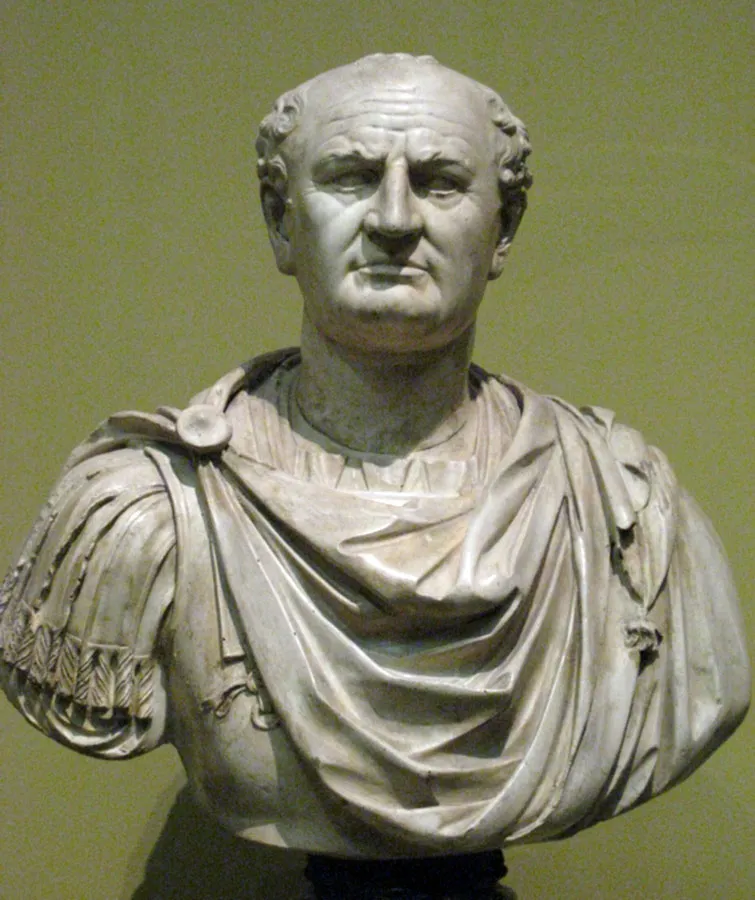
Following a year of civil war known as the Year of the Four Emperors, Vespasian emerged as the uncontested ruler of the Roman Empire. His rise marked the end of the Ju...
Explore event →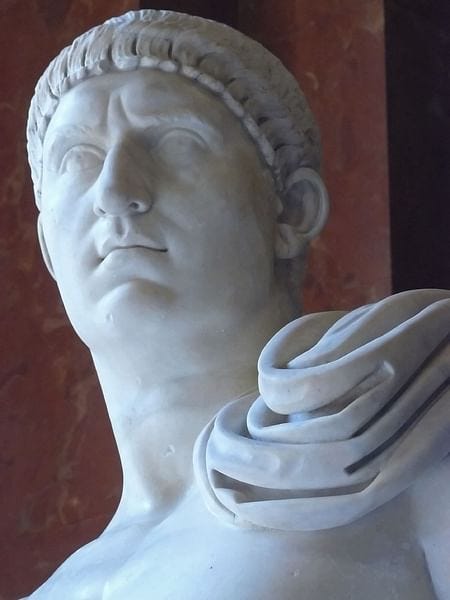
Following the death of Emperor Galba, Otho swiftly ascended to power in Rome, marking a critical juncture in the Year of the Four Emperors. His accession was character...
Explore event →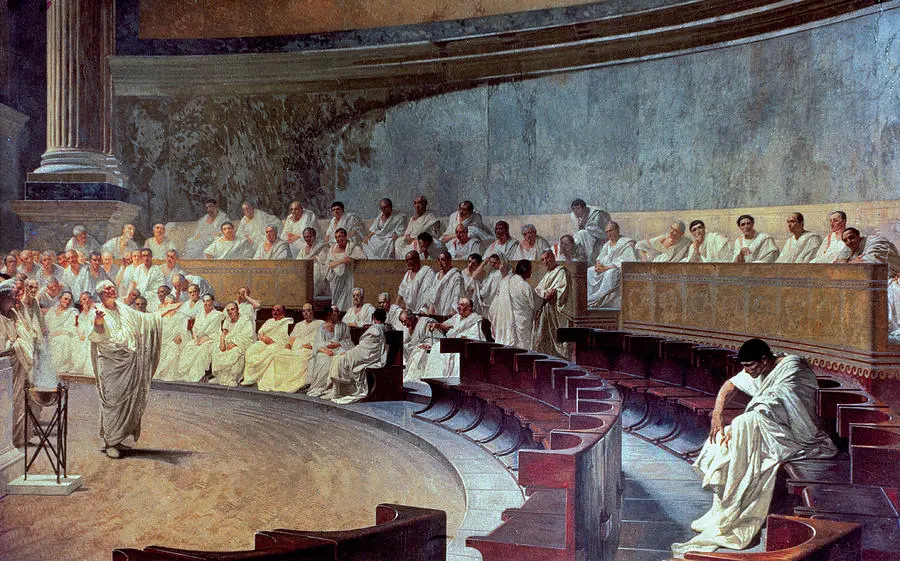
The Year of the Four Emperors was a tumultuous period marking rapid succession of Roman emperors after the fall of Nero. It involved the rise and fall of Galba, Otho, ...
Explore event →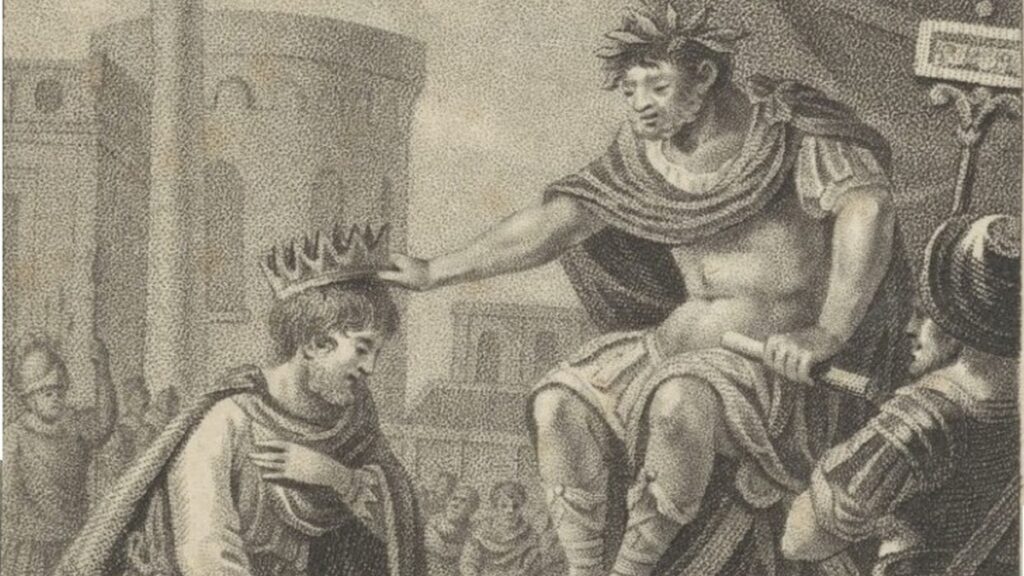
Tiridates I was crowned King of Armenia in the city of Artaxata, solidifying Roman influence in the region. His coronation marked the beginning of a dynasty recognized...
Explore event →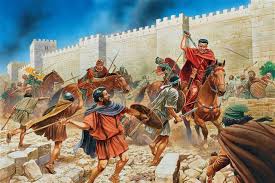
The First Jewish–Roman War, also known as the Great Revolt, began in April 66 CE in the Roman province of Judaea. Jewish rebels rose up against the Roman administratio...
Explore event →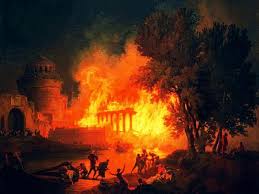
The Great Fire of Rome began in the night and quickly spread through the city, causing extensive destruction. The fire lasted for six days and destroyed many neighborh...
Explore event →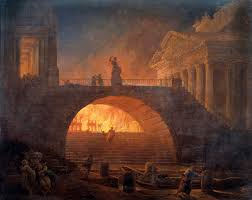
The Great Fire broke out in the city of Rome, spreading rapidly through wooden structures and thatched roofs. The blaze lasted several days, destroying vast parts of t...
Explore event →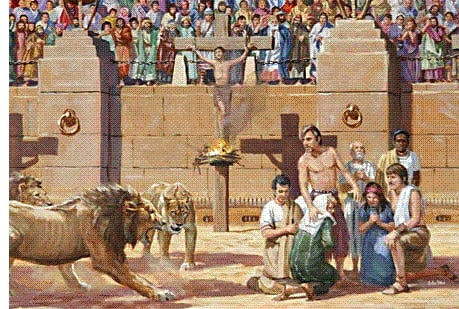
In the mid-first century, Emperor Nero initiated systematic persecution of Christians in Rome following the Great Fire of 64 AD. Christians were blamed for the disaste...
Explore event →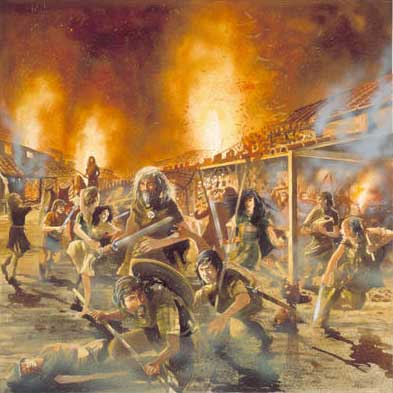
The Iceni tribe, led by Queen Boudica, launched a major revolt against Roman occupation in Britannia. The uprising was provoked by Roman mistreatment following the dea...
Explore event →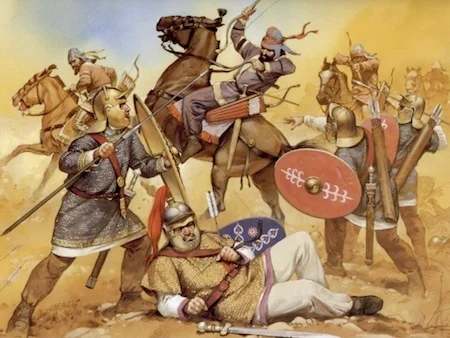
Roman military campaigns against the Parthian Empire resumed under the rule of Emperor Nero, seeking to assert control over the eastern frontier. These efforts aimed t...
Explore event →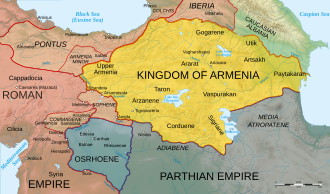
The Roman general Corbulo initiated a military campaign against the Armenian kingdom as part of Rome's efforts to expand influence in the East. This campaign marked th...
Explore event →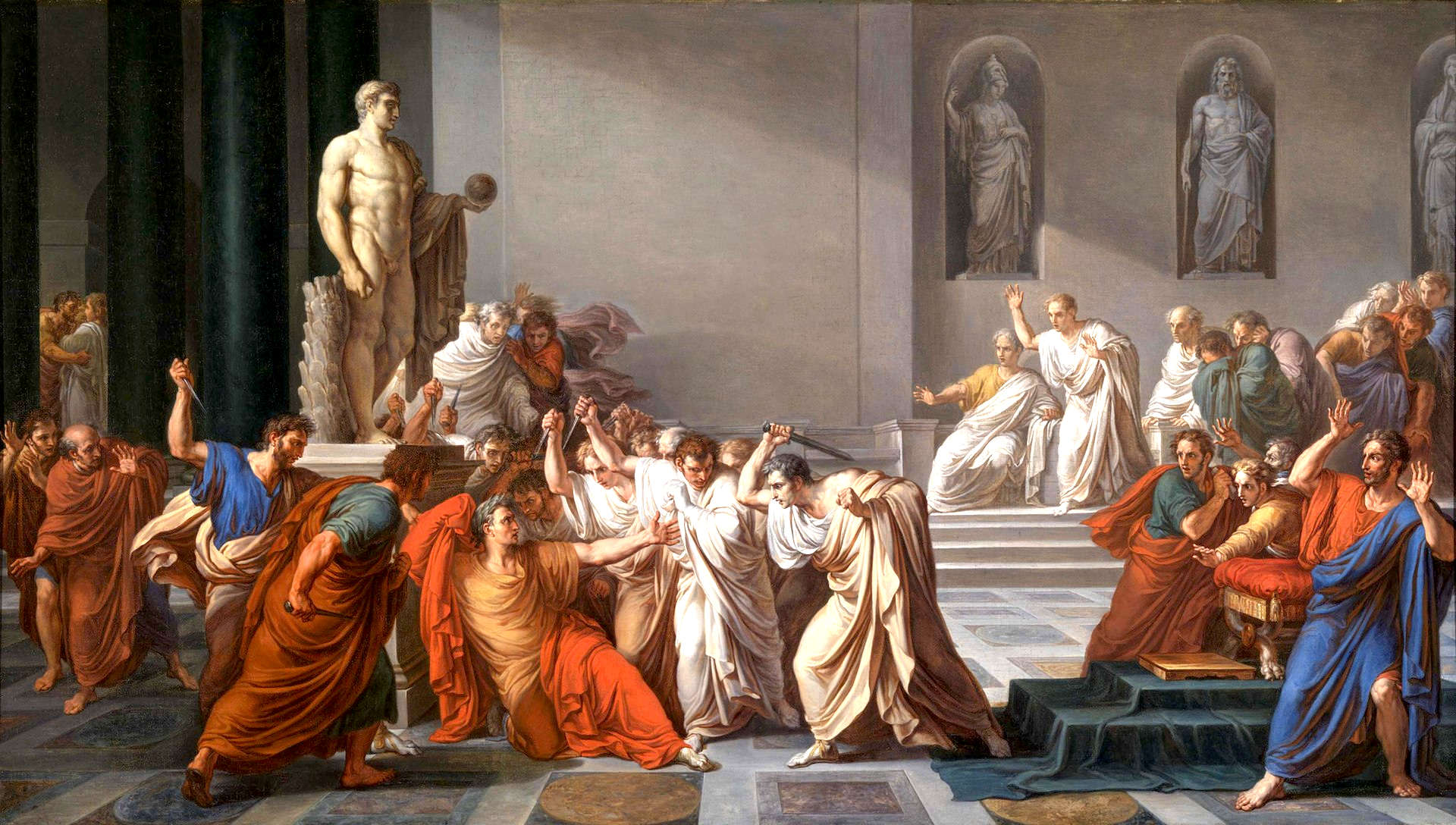
Following the death of Emperor Claudius, Nero Claudius Caesar Augustus Germanicus was declared Roman Emperor. His rise to power was orchestrated largely by his mother,...
Explore event →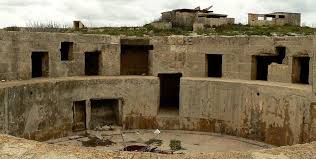
The Russian Empire intensified its fortification efforts along the Amur River frontier, aiming to secure its eastern borders against potential threats. New forts were ...
Explore event →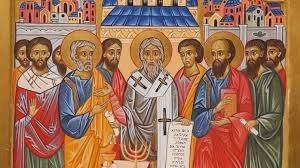
The Council of Jerusalem was a pivotal assembly of early Christian leaders who convened to discuss the integration of Gentile converts into the predominantly Jewish Ch...
Explore event →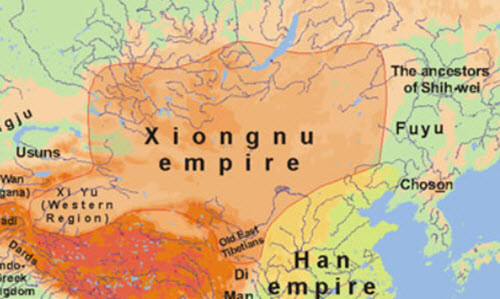
The Southern Xiongnu, a nomadic tribal confederation, migrated and settled within the borders of the Han dynasty during the first century. This movement was part of th...
Explore event →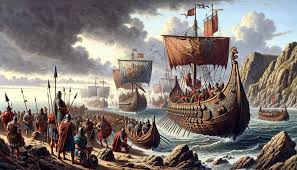
The Roman Emperor Claudius led the invasion of Britain, landing at the port near Richborough in southeastern England. This marked the beginning of the Roman conquest o...
Explore event →
2026 onward — How will European integration, migration, population decline, regional relations, tourism and economic development reshape Albania over the next generation?
Explore research
17 November 2025 — Albania opens the final accession negotiating cluster, bringing all negotiating chapters into the accession process.
Explore research
19 July 2022 — Albania and the European Union hold their first intergovernmental conference, formally opening accession negotiations.
Explore research
Klaus Schwab hosted a conversation with Henry Kissinger at the World Economic Forum Annual Meeting in Davos in 2022. Schwab discussed his earlier meeting with Kissinge...
Explore research
6 August 2015 — Egypt inaugurates a major expansion of the Suez Canal involving a new parallel channel along part of the route and widening of existing sections. The g...
Explore research
27 June 2014 — Albania receives candidate status for membership in the European Union. Judicial reform, corruption, organized crime, public administration and rule of ...
Explore research
2014–2026 — Former defense minister Abdel Fattah el-Sisi becomes president after playing the central military role in Morsi's removal. His government emphasizes securi...
Explore research
3 July 2013 — Following enormous demonstrations against President Morsi, the Egyptian military removes him from office and suspends the constitution. Supporters descri...
Explore research
30 June 2012 — Mohamed Morsi, associated with the Muslim Brotherhood's political movement, becomes Egypt's first president elected after the 2011 uprising. His governm...
Explore research
25 January–11 February 2011 — Mass demonstrations erupt against police brutality, corruption, economic frustration and authoritarian government. Cairo's Tahrir Square ...
Explore research
2011–2014 — Mubarak's fall opens competitive elections and unprecedented political participation, but the transition rapidly produces institutional conflict, polarizat...
Explore research
28 November 1998 — Albania adopts a new constitution after the instability of the early post-communist period. It establishes the fundamental institutional framework o...
Explore research
January–August 1997 — The collapse of enormous fraudulent investment schemes wipes out the savings of hundreds of thousands of Albanians. Armed rebellion spreads, mili...
Explore research
29 April 1991 — New constitutional provisions formally establish the Republic of Albania during the transition away from communist government. The country begins rebui...
Explore research
31 March 1991 — Albania holds its first competitive multiparty parliamentary elections since the communist takeover. The former communist Party of Labour wins, but the...
Explore research
1991–2026 — Albania develops as a parliamentary republic after the collapse of communist rule. It joins NATO, pursues European Union membership and undergoes rapid urb...
Explore research
11 December 1990 — Albania's communist leadership accepts the legalization of independent political parties. The decision effectively ends the political monopoly creat...
Explore research
1990–1998 — Investigate economic collapse, weak institutions, mass migration, political confrontation, pyramid schemes and the rebuilding of Albanian state authority.
Explore research
11 April 1985 — Hoxha dies after more than four decades at the center of Albanian communist power. Ramiz Alia succeeds him and gradually introduces limited reforms as ...
Explore research
6 October 1981 — Islamist militants within the Egyptian military assassinate President Anwar Sadat during a military parade commemorating the 1973 war. The attack foll...
Explore research
Henry Kissinger delivered the opening address at the European Management Symposium in Davos in 1980. The World Economic Forum identifies this as his first appearance a...
Explore research
26 March 1979 — Egypt and Israel sign a formal peace treaty in Washington. Israel agrees to withdraw from Sinai, which is gradually returned to Egyptian control. Egypt...
Explore research
17 September 1978 — Sadat and Israeli Prime Minister Menachem Begin sign agreements negotiated under U.S. President Jimmy Carter. The accords establish the framework f...
Explore research
National Security Decision Memorandum 314 concerned U.S. population policy following the NSSM 200 study. President Gerald Ford approved the associated policy decision ...
Explore research