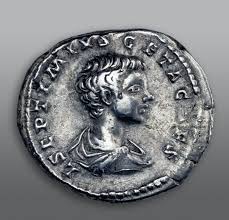
Geta Elevated to Augustus Title
Publius Septimius Geta, son of Emperor Septimius Severus, was granted the title of Augustus, marking him as co-emperor alongside his father and brother Caracalla. This...
Explore event →History does not happen in isolation. Explore world events across time, follow the connections between them, and investigate the threads that reveal how one event can lead to another.
TheTimeMap currently follows events across 95 countries and 268 years of history — building a connected archive designed for people who want to look beyond the headline.
We oppose antisemitism, racism, and dehumanization — everywhere.
When people stop feeling, injustice becomes easy.
Publius Septimius Geta, son of Emperor Septimius Severus, was granted the title of Augustus, marking him as co-emperor alongside his father and brother Caracalla. This...
Explore event →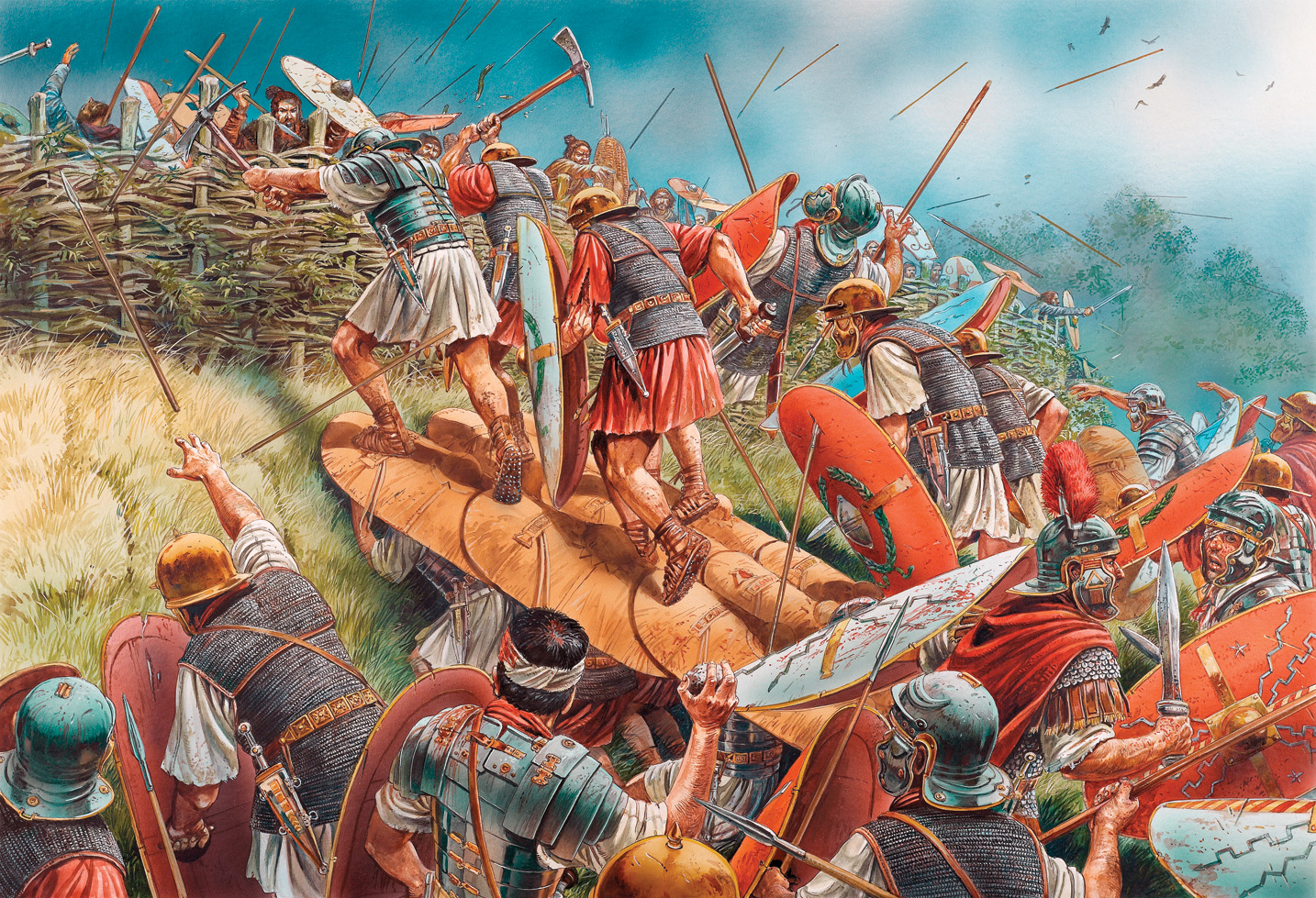
The Marcomannic Wars began as a series of conflicts between the Roman Empire and various Germanic tribes, including the Marcomanni, along the Danube frontier. The wars...
Explore event →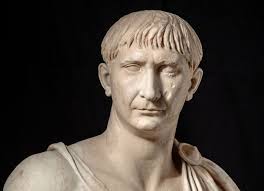
Trajan, one of Rome's most respected emperors known for his military conquests and extensive public works, died in the summer months during a campaign in Mesopotamia. ...
Explore event →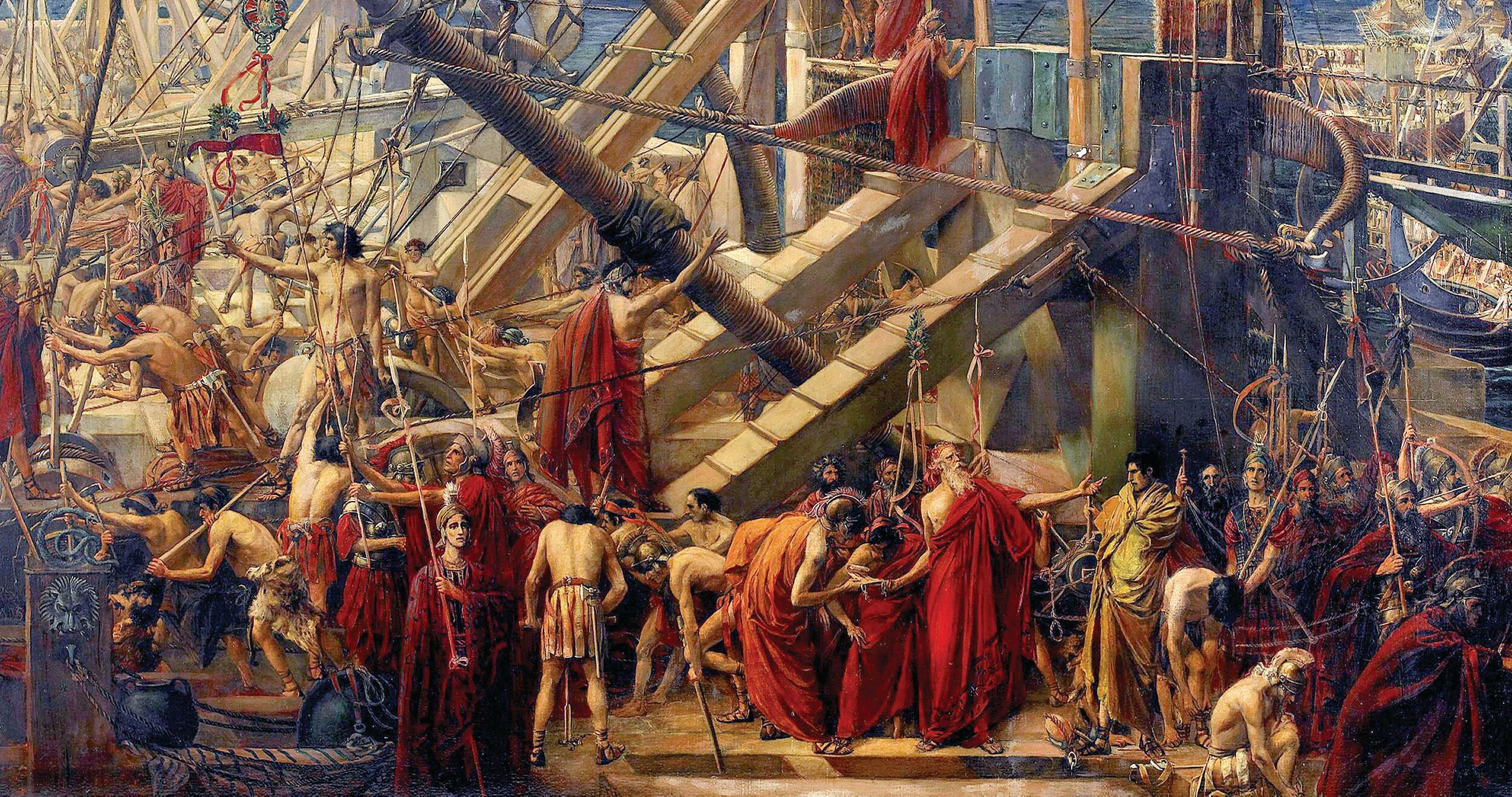
The Roman forces led by Emperor Trajan launched a military campaign across Mesopotamia, culminating in the siege and capture of Seleucia. This event marked a significa...
Explore event →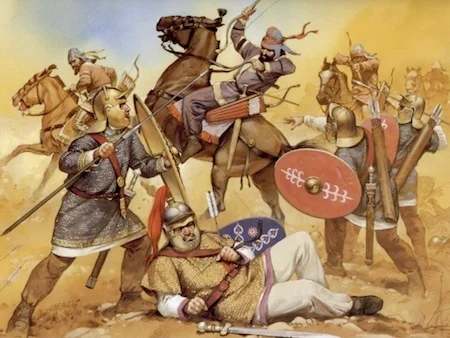
Roman military campaigns against the Parthian Empire resumed under the rule of Emperor Nero, seeking to assert control over the eastern frontier. These efforts aimed t...
Explore event →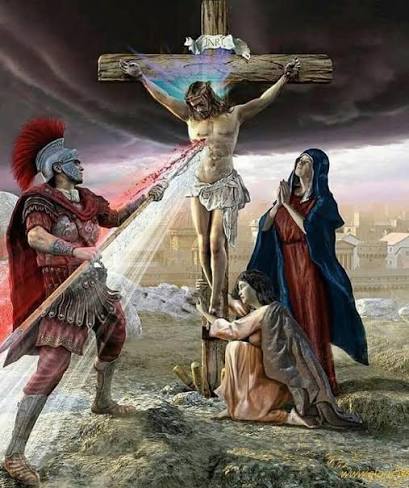
Longinus is the name given in later Christian tradition to the Roman soldier said to have pierced the side of Jesus during the crucifixion with a spear, as described i...
Explore event →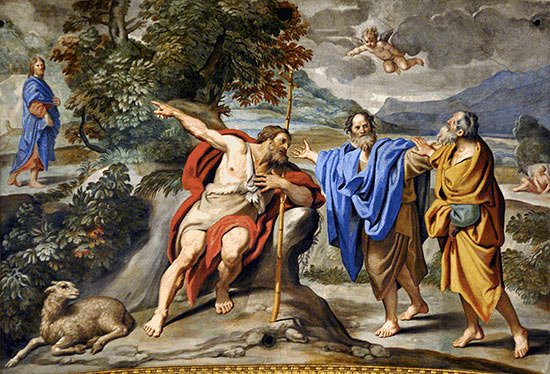
The ministry of John the Baptist marked a significant religious movement in Judea. He preached repentance and baptized followers in the Jordan River.His call for moral...
Explore event →
38th president of the United States. Ford succeeded Nixon in 1974 and subsequently approved a National Security Decision Memorandum concerning population policy.
Explore research
29 July 1913 — The Great Powers recognize an independent Albanian principality. The borders they establish leave substantial Albanian-speaking populations outside the ...
Explore research
January–August 1912 — Albanian insurgents launch a major revolt against Ottoman authority. Rebel forces eventually enter Skopje and force the Ottoman government to acc...
Explore research
1517–1798 CE — Egypt remains formally part of the Ottoman Empire for centuries while powerful local military households gain substantial autonomy. Agricultural taxes a...
Explore research
16th–18th centuries — Islam spreads substantially among Albanian populations under Ottoman rule. Conversion varies greatly by region and period. Catholic communities r...
Explore research
c. 1259 BCE — Egypt and the Hittite Empire formalize a peace agreement after decades of competition in the Levant. Surviving versions of the treaty preserve commitment...
Explore research
c. 2181–2055 BCE — Egypt is politically divided among competing centers, especially Herakleopolis in the north and Thebes in the south. Provincial rulers exercise grea...
Explore research
1942–1945 armaments leadership — Albert Speer becomes Reich Minister of Armaments and War Production in 1942. His ministry attempts to rationalize industrial output, s...
Explore research
1942–1945 armaments leadership — Albert Speer becomes Reich Minister of Armaments and War Production in 1942. His ministry attempts to rationalize industrial output, s...
Explore research
11 November 1918 — German representatives sign the armistice at Compiègne. Fighting ends on the Western Front at 11:00 a.m. Germany accepts evacuation requirements and...
Explore research
23 July 1914 — Austria-Hungary presents Serbia with a severe ultimatum designed to suppress anti-Habsburg activity and permit substantial Austro-Hungarian involvement ...
Explore research
July 1974 — A Greek-backed coup in Cyprus and subsequent Turkish intervention trigger the collapse of the military regime.
Explore research
David Rockefeller became chairman of the Council on Foreign Relations in 1970, beginning a period of substantial Rockefeller involvement in the organization's leadersh...
Explore research
David Rockefeller was a principal founder of the Trilateral Commission and subsequently held a senior leadership position within its North American group. His role pro...
Explore research
During its early years, the Trilateral Commission concentrated substantially on international trade, finance, monetary reform, energy and relations among the major ind...
Explore research
15 March 1939 — The occupation of the Czech lands gives Germany control over a major Central European industrial base, including important arms factories such as Škoda...
Explore research
5 July 1914 — Austro-Hungarian envoy Alexander Hoyos receives powerful assurances in Berlin that Germany will support Vienna if it acts against Serbia, even if Russian...
Explore research
Henry Kissinger became U.S. Secretary of State on 09/22/1973, while continuing to serve as national security adviser for a period. His simultaneous positions gave him ...
Explore research
NSSM 200 became U.S. policy after review and approval during the Ford administration. The study subsequently influenced U.S. population-assistance policy.
Explore research
David Rockefeller's documented roles connected banking, the Council on Foreign Relations, Bilderberg meetings and the Trilateral Commission. These overlapping institut...
Explore research
17 September 1939 — Soviet forces cross Poland's eastern frontier while the Polish state is already collapsing under German attack. The invasion follows the secret ter...
Explore research
16 March 1935 — German rearmament creates enormous military demand for steel, chemicals, vehicles, weapons and fuel substitutes. Industrial firms benefit from governme...
Explore research