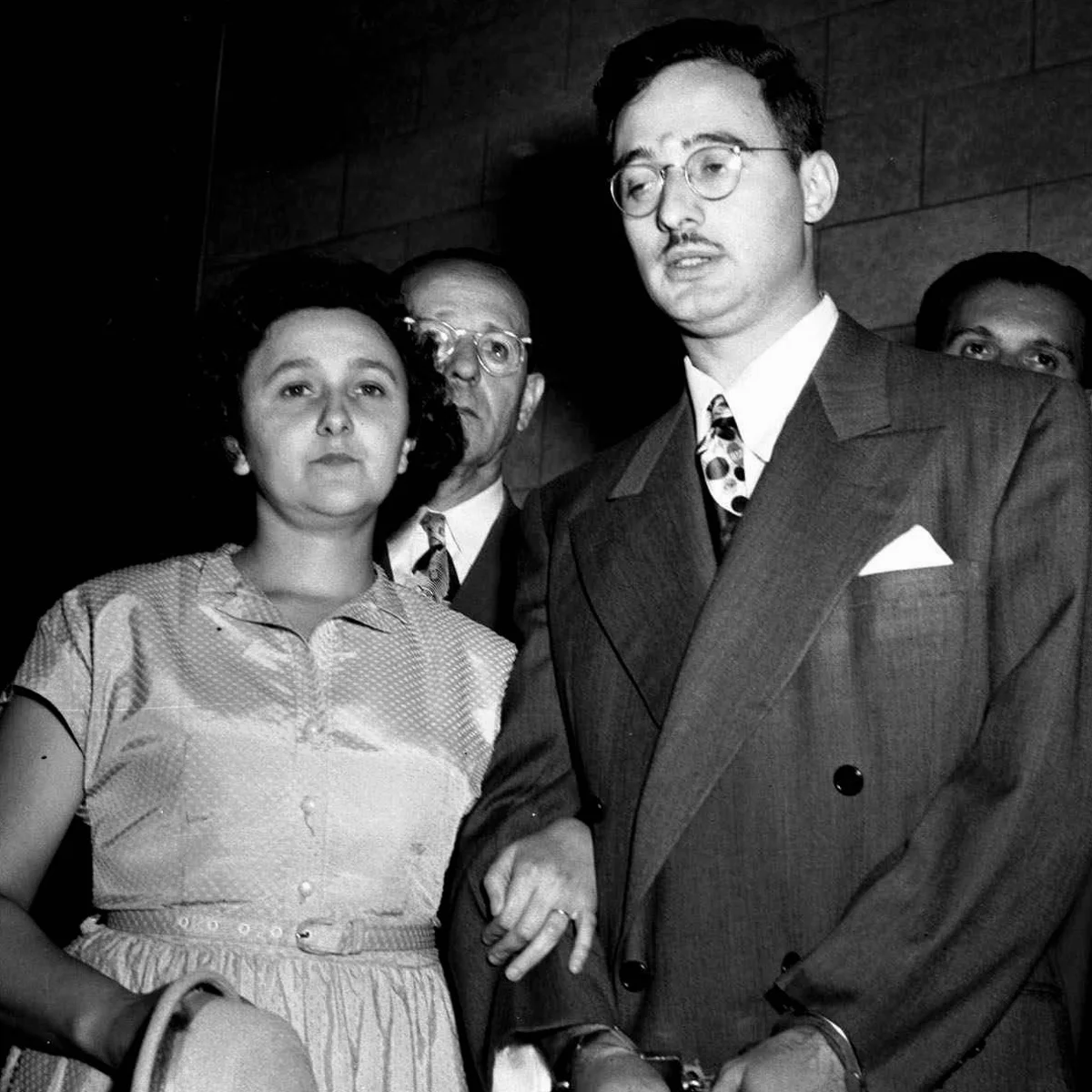
Julius and Ethel Rosenberg Executed for Espionage
Julius and Ethel Rosenberg Executed for Espionage On June 19, 1953, Julius Rosenberg and Ethel Rosenberg were executed at Sing Sing Prison in Ossining, New York, afte...
Explore event →History does not happen in isolation. Explore world events across time, follow the connections between them, and investigate the threads that reveal how one event can lead to another.
TheTimeMap currently follows events across 95 countries and 268 years of history — building a connected archive designed for people who want to look beyond the headline.
We oppose antisemitism, racism, and dehumanization — everywhere.
When people stop feeling, injustice becomes easy.
Julius and Ethel Rosenberg Executed for Espionage On June 19, 1953, Julius Rosenberg and Ethel Rosenberg were executed at Sing Sing Prison in Ossining, New York, afte...
Explore event →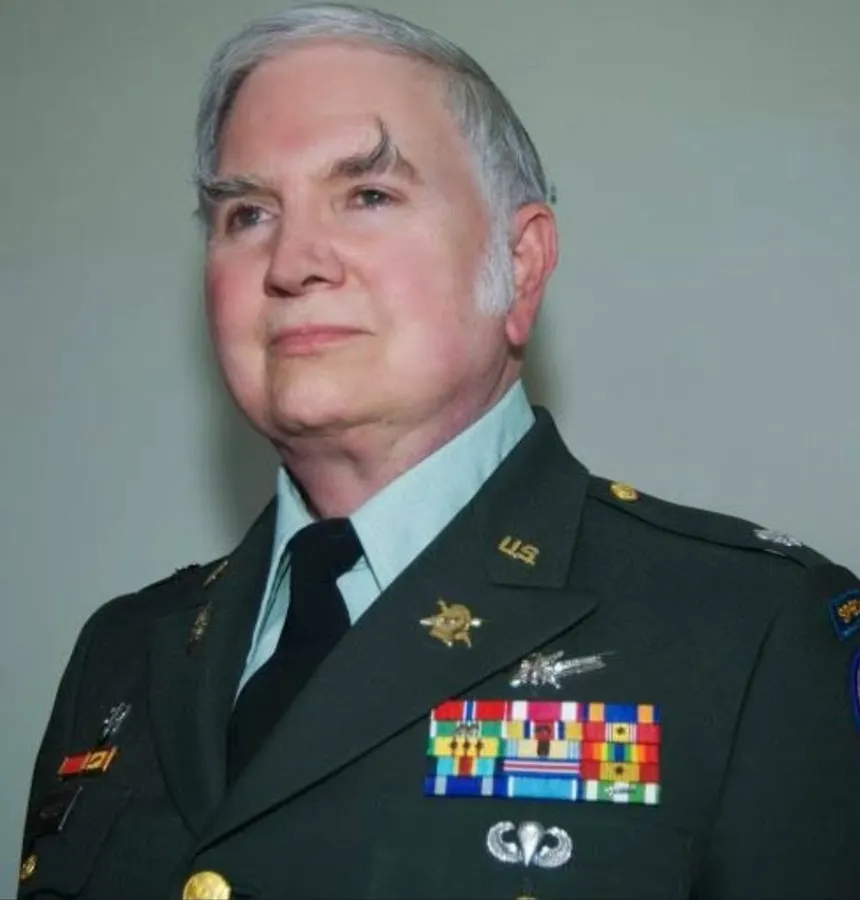
Michael A. Aquino Jr. (October 16, 1946 – September 1, 2019) was an American political scientist, military officer, and religious founder. He served as a specialist in...
Explore event →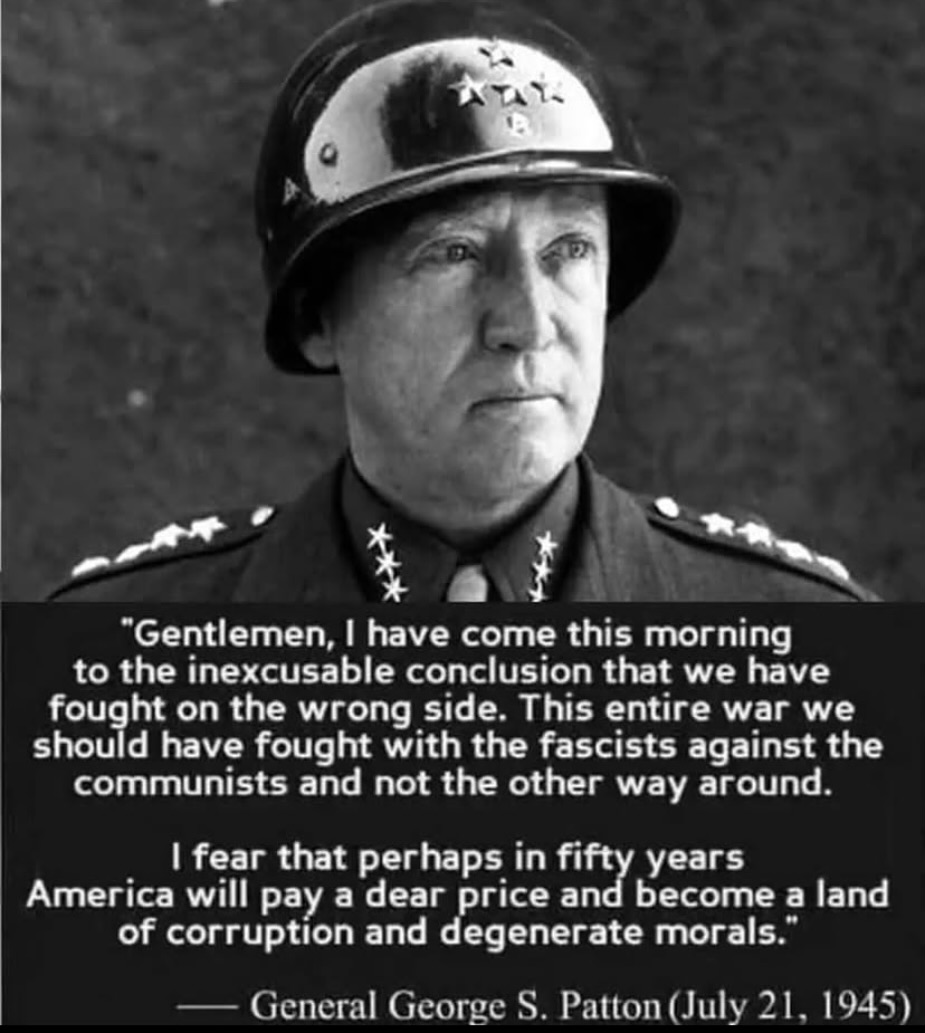
General George S. Patton, a senior U.S. Army officer in World War II, died on December 21, 1945, in Heidelberg, Germany, following injuries sustained in a car accident...
Explore event →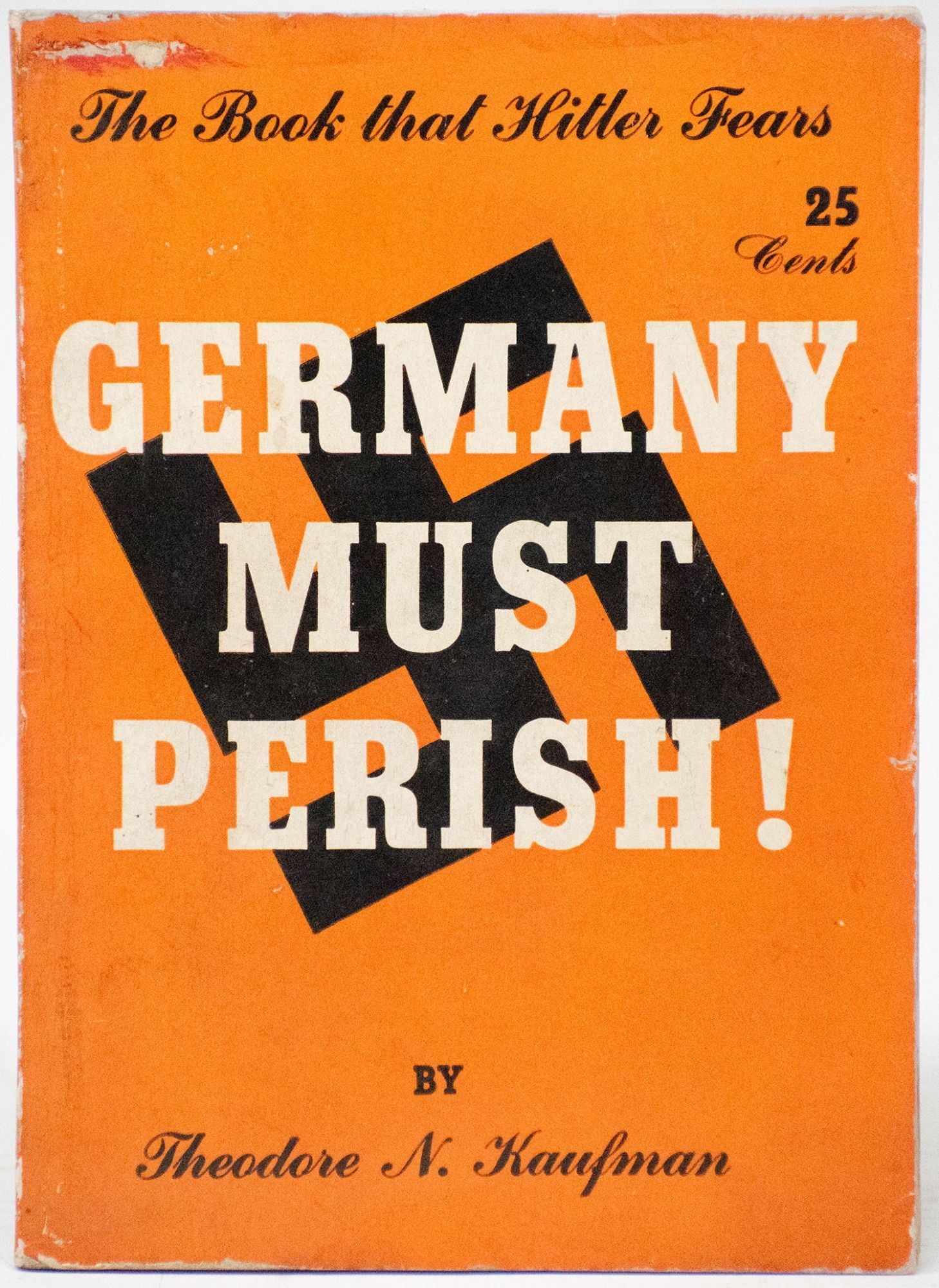
Publication of *Germany Must Perish!* by Theodore Kaufman On February 28, 1941, American author Theodore N. Kaufman self‑published a book titled *Germany Mu...
Explore event →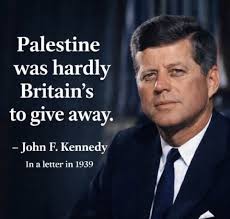
JFK Wrote in 1939 That Palestine Was Hardly Britain's to Give Away In July 1939, John F. Kennedy, then a 22-year-old Harvard student, visited Palestine duri...
Explore event →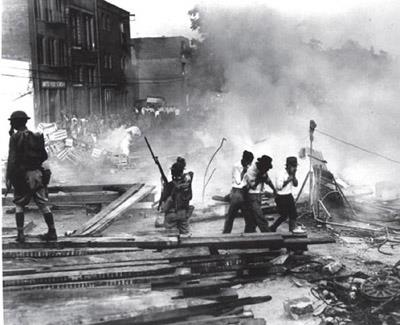
Bonus army removed from Washington In the spring and summer of 1932, approximately 17,000 to 25,000 World War I veterans, along with their families and supporters, as...
Explore event →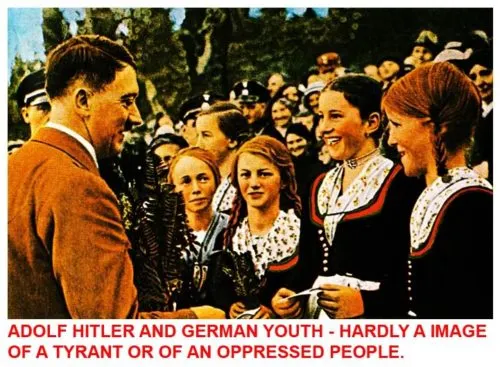
Before Hitler rose to power, major banks and financiers profited from high interest rates in Germany. During the Weimar Republic, government bonds often carried 6-10% ...
Explore event →
1913 – Foundations of the Modern World body { font-family: Arial, sans-serif; background-color: #f4f4f9; margin: 0; padding: 0; } .timeline-container { ...
Explore event →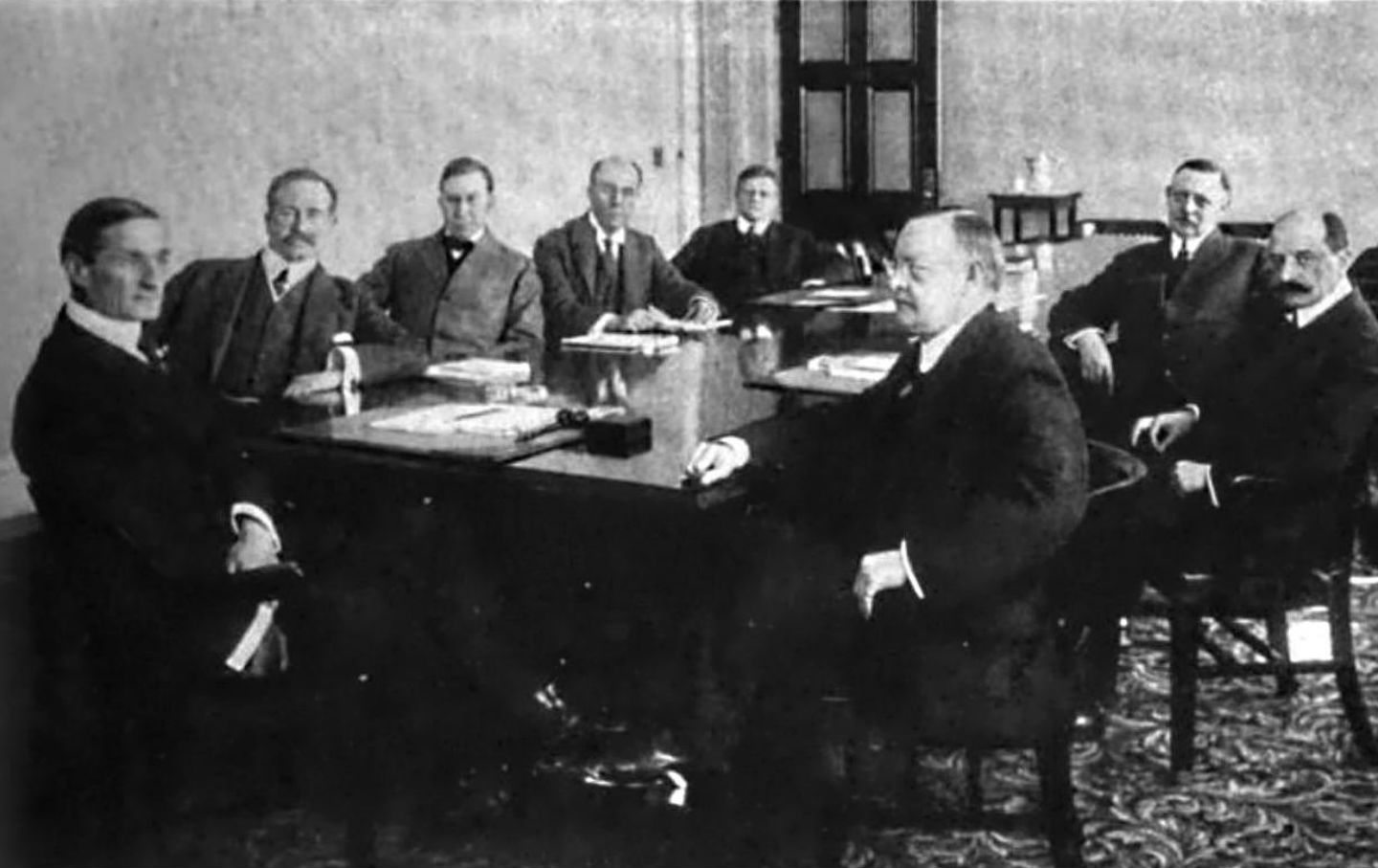
The creation of the Federal Reserve System on December 23, 1913, established the central banking authority of the United States. It was enacted through the Federal Res...
Explore event →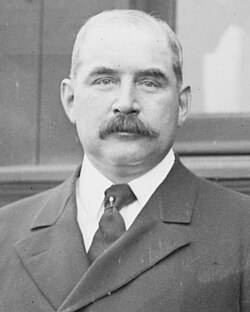
The Titanic sank on April 15, 1912, during its maiden voyage from Southampton to New York. Among the planned passengers was financier J.P. Morgan, head of the Internat...
Explore event →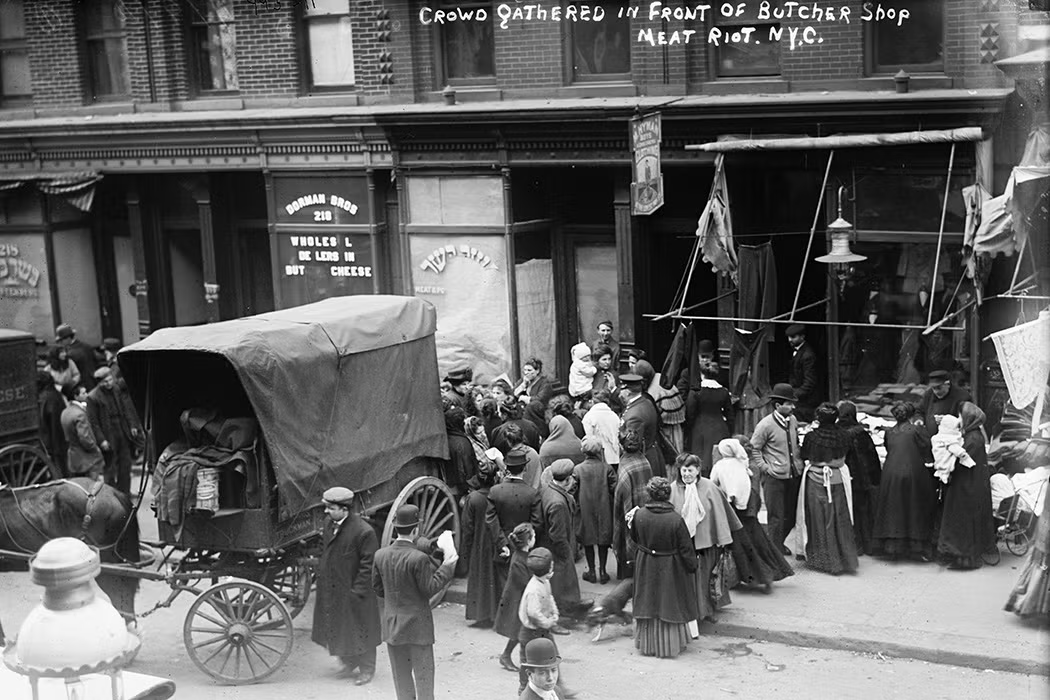
In early 1900s New York, rising kosher meat prices led Jewish immigrant women to organize a boycott, involving thousands of participants. This protest was a significan...
Explore event →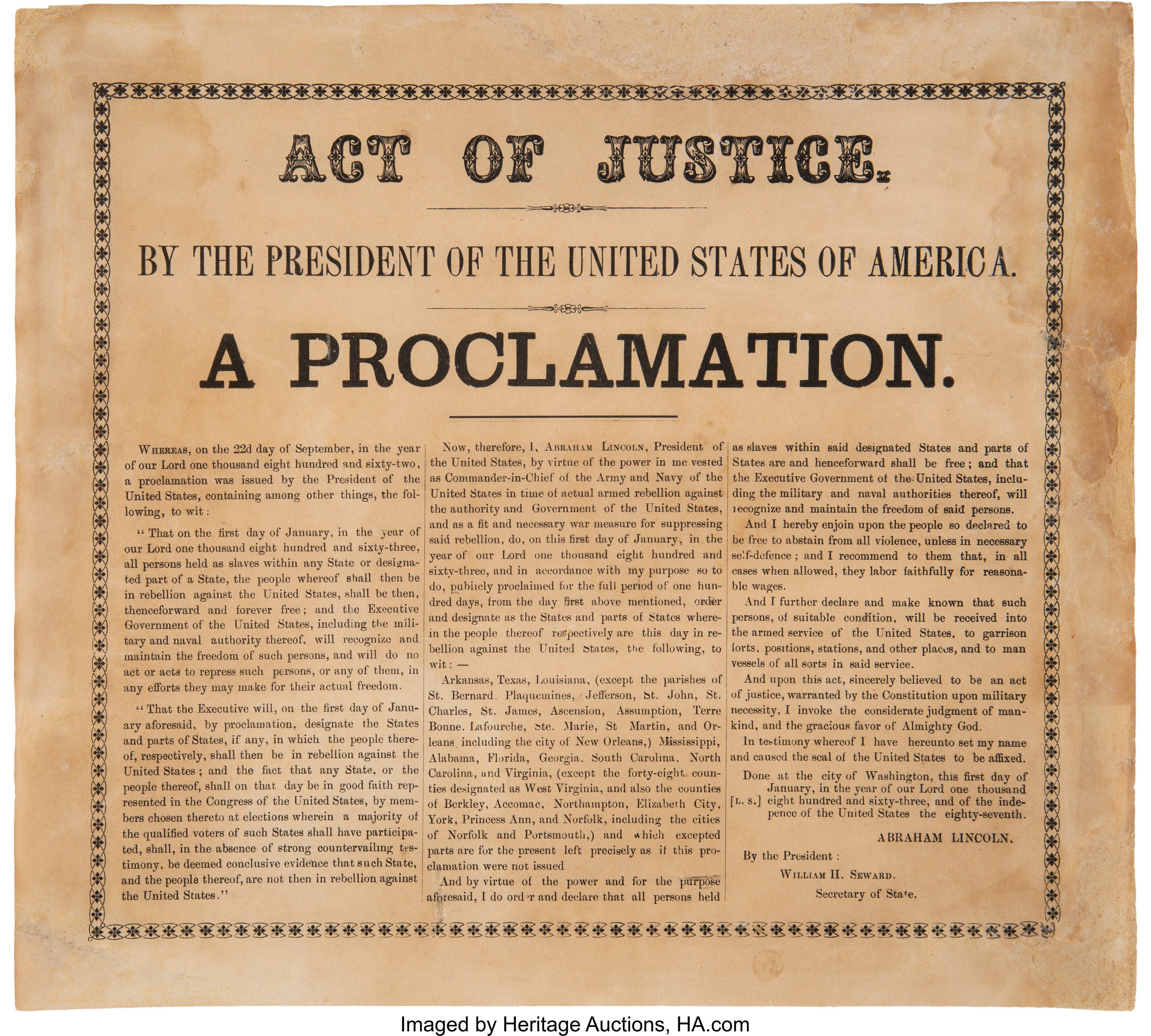
U.S. President Abraham Lincoln issued the Emancipation Proclamation, declaring freedom for enslaved people in Confederate states and redefining the Civil War as a stru...
Explore event →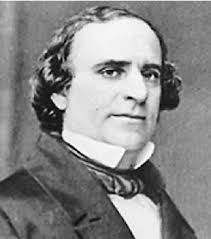
On December 1, 1845, David Levy Yulee was sworn in as one of the first two United States senators from the newly admitted State of Florida, marking a notable moment in...
Explore event →
17 September 1978 — Sadat and Israeli Prime Minister Menachem Begin sign agreements negotiated under U.S. President Jimmy Carter. The accords establish the framework f...
Explore research
National Security Decision Memorandum 314 concerned U.S. population policy following the NSSM 200 study. President Gerald Ford approved the associated policy decision ...
Explore research
The completed National Security Study Memorandum 200 examined worldwide population growth, food supplies, minerals and fuel, economic development, population pressures...
Explore research
National Security Study Memorandum 200, issued April 24, 1974, directed a study of worldwide population growth and its implications for U.S. security and overseas inte...
Explore research
1914–1918 wartime production — DuPont becomes one of the most striking American industrial beneficiaries of wartime demand because explosives and propellants are requi...
Explore research
4 June 1942 — American carrier forces intercept a Japanese operation aimed at Midway Atoll. U.S. cryptanalytic intelligence allows Admiral Chester Nimitz to position c...
Explore research
Chase Manhattan Bank was a major U.S. financial institution led by David Rockefeller during a period of significant international expansion. The bank maintained intern...
Explore research
Chase Manhattan Bank was a major U.S. financial institution led by David Rockefeller during a period of significant international expansion. The bank maintained intern...
Explore research
U.S. president whose administration responded to warnings about atomic weapons and eventually authorized the massive wartime development program.
Explore research
U.S. president after Roosevelt's death. Truman inherited the Manhattan Project and authorized the wartime use of atomic bombs against Japan.
Explore research
7 December 1941 — Japanese carrier aircraft strike the U.S. Pacific Fleet at Pearl Harbor in Hawaii. Japan seeks to cripple American naval power long enough to seize t...
Explore research
In December 1974, Secretary of State Henry Kissinger hosted members of the Trilateral Commission at the State Department. The meeting illustrates a documented interact...
Explore research
Henry Kissinger became U.S. Secretary of State on 09/22/1973, while continuing to serve as national security adviser for a period. His simultaneous positions gave him ...
Explore research
Henry Kissinger became U.S. Secretary of State in September 1973 while continuing to serve as national security adviser. This placed him simultaneously within the Stat...
Explore research
Henry Kissinger requested a study of the implications of worldwide population growth for U.S. security and overseas interests. The resulting study became National Secu...
Explore research
Kissinger requested preparation of a National Security Study Memorandum examining the implications of worldwide population growth for U.S. security and overseas intere...
Explore research
During the 1970s, Kissinger occupied senior U.S. government positions while maintaining relationships with prominent figures and institutions in international policy c...
Explore research
13 August 1942 — The U.S. Army formally establishes the Manhattan Engineer District, the administrative framework that becomes the Manhattan Project. Scientific labora...
Explore research
U.S. executive branch body responsible for coordinating national security policy. During the Nixon administration, Kissinger's NSC staff became central to foreign-poli...
Explore research
U.S. executive branch body responsible for coordinating national security policy. During the Nixon administration, Kissinger's NSC staff became central to foreign-poli...
Explore research
National Security Study Memorandum 200 was a U.S. government policy study concerning the implications of population growth in developing countries for U.S. security an...
Explore research
NSSM 200 became U.S. policy after review and approval during the Ford administration. The study subsequently influenced U.S. population-assistance policy.
Explore research
The National Security Study Memorandum 200 study was completed in December 1974. It examined population growth in developing countries and considered possible conseque...
Explore research
Following interagency review, NSSM 200 became part of the U.S. policy process concerning population assistance and demographic issues during the Ford administration.
Explore research