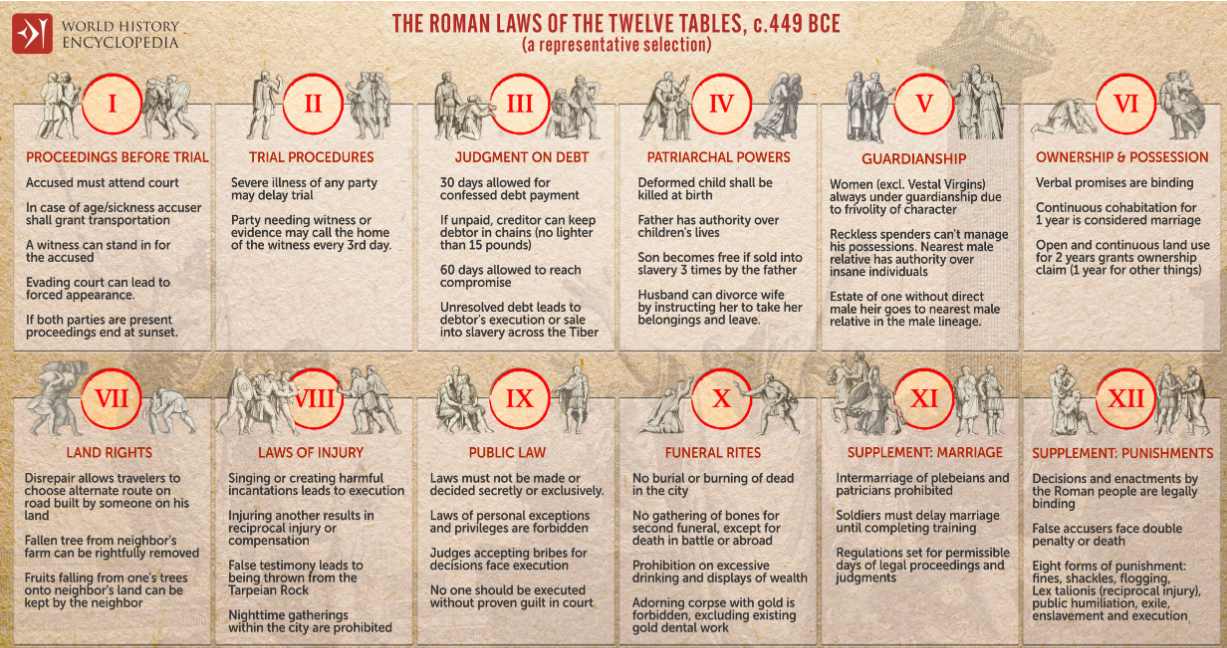
Development of Roman Legal Codification
Roman law saw significant advancements in codification through the efforts of distinguished jurists during the Republic and early Empire. These legal experts compiled ...
Explore event →History does not happen in isolation. Explore world events across time, follow the connections between them, and investigate the threads that reveal how one event can lead to another.
TheTimeMap currently follows events across 95 countries and 268 years of history — building a connected archive designed for people who want to look beyond the headline.
We oppose antisemitism, racism, and dehumanization — everywhere.
When people stop feeling, injustice becomes easy.
Roman law saw significant advancements in codification through the efforts of distinguished jurists during the Republic and early Empire. These legal experts compiled ...
Explore event →
1952–1970 — The Free Officers end the monarchy, reduce British influence, redistribute land and create a powerful developmental state. At the same time, political part...
Explore research
June–September 1920 — Albanian fighters challenge Italian forces occupying the Vlorë region. The conflict contributes to an agreement under which Italy withdraws from ...
Explore research
1917–1918 — German forces develop increasingly sophisticated methods based on short intense bombardments, assault detachments and infiltration around strongpoints. The...
Explore research
1914–1919 — The Royal Navy progressively restricts German access to food, fertilizer, metals, chemicals and overseas trade. Neutral shipping is increasingly subjected ...
Explore research
1914–1919 — Room 40 is the British Admiralty's cryptanalytic organization responsible for intercepting and decoding important German communications. Its intelligence c...
Explore research
17 November 1869 — The Suez Canal officially opens, connecting the Mediterranean and Red Seas without requiring ships to sail around Africa. The canal transforms globa...
Explore research
c. 1274 BCE — Egyptian forces under Ramesses II fight the Hittite army near Kadesh in Syria. Egyptian inscriptions present the battle as a spectacular personal victory...
Explore research
c. 1479–1425 BCE — Thutmose III initially shares the throne during Hatshepsut's rule and later becomes one of Egypt's most successful military pharaohs. Repeated campa...
Explore research
25 November 1936 — Germany and Japan sign an agreement publicly directed against the Communist International. Italy joins the following year. The pact reflects growing...
Explore research
23 August 1941 — German forces intensify operations that culminate in one of the largest encirclements in military history around Kyiv. Hitler diverts armored forces s...
Explore research
8 April 1944 — Soviet forces attack German and Romanian troops in Crimea. Axis defenses collapse rapidly and Sevastopol falls in May. The Soviet victory removes an imp...
Explore research
16 August 1924 — The Dawes Plan restructures German reparations payments and facilitates large flows of American capital into Germany. The arrangement helps stabilize ...
Explore research
24 November 1942 — Manstein receives command of Army Group Don during the Stalingrad crisis. He attempts to organize relief of the Sixth Army and later conducts the su...
Explore research
15 November 1923 — Germany introduces the Rentenmark during the final phase of the hyperinflation crisis. Years of wartime debt, fiscal instability, reparations pressu...
Explore research
c. 1928–1953 — Stalin controls the Soviet political system during the entire war. His prewar purges severely damage parts of the officer corps, while his misjudgment o...
Explore research
c. 1928–1953 — Stalin controls the Soviet political system during the entire war. His prewar purges severely damage parts of the officer corps, while his misjudgment o...
Explore research
c. 1928–1953 — Stalin controls the Soviet political system during the entire war. His prewar purges severely damage parts of the officer corps, while his misjudgment o...
Explore research
In the mid-1950s, Henry Kissinger became involved with the Council on Foreign Relations and led a study group concerning nuclear weapons and foreign policy. The work c...
Explore research
In 1956, Henry Kissinger became director of a Council on Foreign Relations study group examining nuclear weapons and foreign policy. The work contributed to the develo...
Explore research
23 August 1942 — German aircraft conduct devastating attacks on Stalingrad as ground forces approach. Large areas are destroyed and many civilians are killed. The bomb...
Explore research
1 June 1944 — Soviet commanders employ deception techniques including camouflage, false radio traffic and concealed force concentrations. German intelligence underesti...
Explore research
14 September 1930 — The Nazi Party wins more than one hundred seats in the Reichstag, transforming it from a marginal movement into one of Germany's largest political ...
Explore research
14 September 1941 — Soviet intelligence agent Richard Sorge reports from Tokyo that Japan is unlikely to attack the Soviet Union in the immediate future. His reporting...
Explore research
1 November 1941 — Soviet formations from eastern regions increasingly reinforce the Moscow front after intelligence reduces fears of an immediate Japanese attack from ...
Explore research