
John McAfee: Life, Legal Issues, Death, and Online Claims
John David McAfee (September 18, 1945 – June 23, 2021) was a British‑American programmer and businessman best known for founding the McAfee antivirus software company....
Explore event →History does not happen in isolation. Explore world events across time, follow the connections between them, and investigate the threads that reveal how one event can lead to another.
TheTimeMap currently follows events across 95 countries and 268 years of history — building a connected archive designed for people who want to look beyond the headline.
We oppose antisemitism, racism, and dehumanization — everywhere.
When people stop feeling, injustice becomes easy.
John David McAfee (September 18, 1945 – June 23, 2021) was a British‑American programmer and businessman best known for founding the McAfee antivirus software company....
Explore event →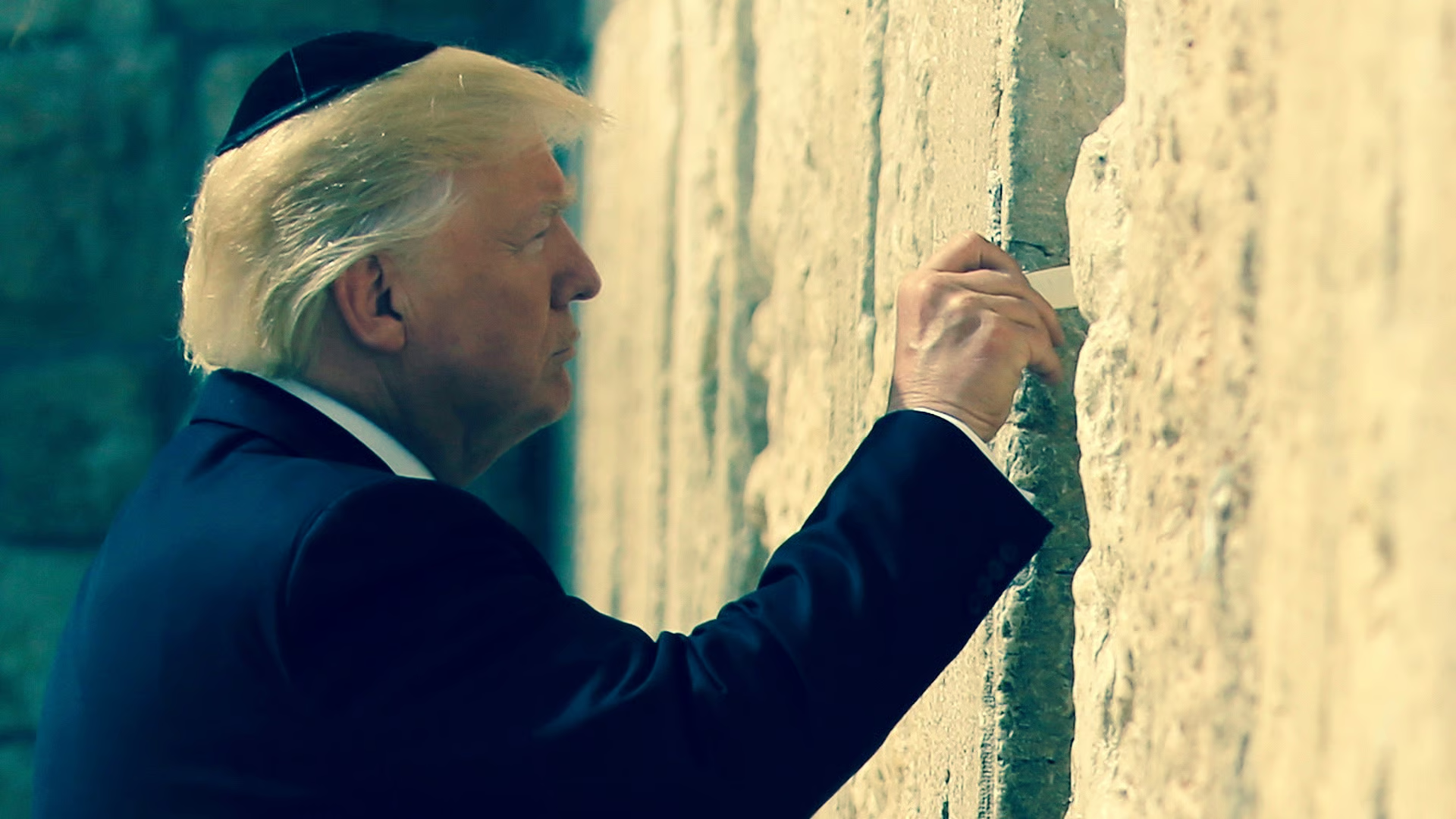
On May 22, 2017, President Donald Trump visited the Western Wall in Jerusalem, Israel, during his first foreign trip as president. He placed a written note into the cr...
Explore event →
Mendel Tevel is a rabbi who worked at a Jewish youth community center in Beverly Hills, California, United States. He previously worked as a youth worker in Brooklyn, ...
Explore event →
In October 2011, Earl Seth David, a Toronto-based individual who had also used the name Avraham David and presented himself as a rabbi, was arrested in Toronto in conn...
Explore event →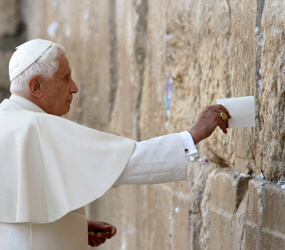
On May 11, 2009, Pope Benedict XVI visited the Western Wall in Jerusalem during a papal trip to the Holy Land. He touched the stones of the wall and offered prayers, f...
Explore event →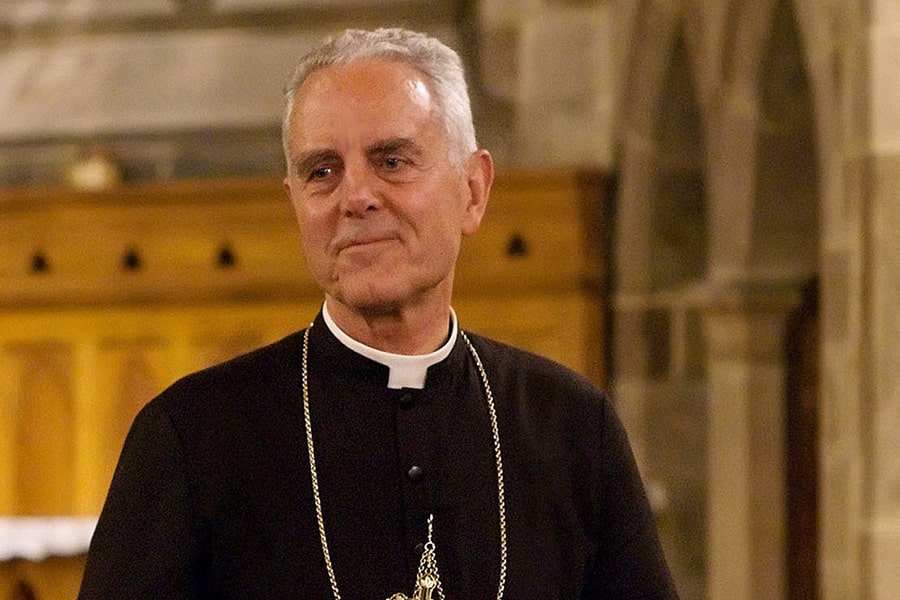
Richard Williamson was a British traditionalist Catholic bishop who became widely known for his involvement in controversies related to the Catholic Church and his pub...
Explore event →
The United States allows meat and milk from cloned animals to enter the food supply without special labeling requirements. The policy follows a decision by federal reg...
Explore event →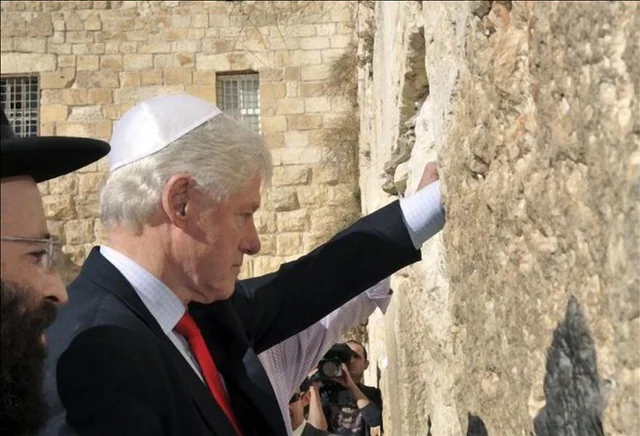
On July 23, 1994, President Bill Clinton visited Jerusalem, Israel, during an official presidential trip. As part of his visit, he went to the Western Wall, also known...
Explore event →
Rennet is an enzyme used in cheesemaking to curdle milk and separate it into curds and whey. Traditionally, rennet was extracted from the stomachs of young calves, but...
Explore event →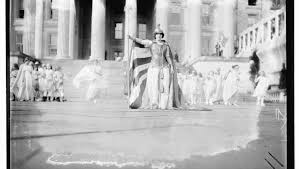
1913 – Foundations of the Modern World body { font-family: Arial, sans-serif; background-color: #f4f4f9; margin: 0; padding: 0; } .timeline-container { ...
Explore event →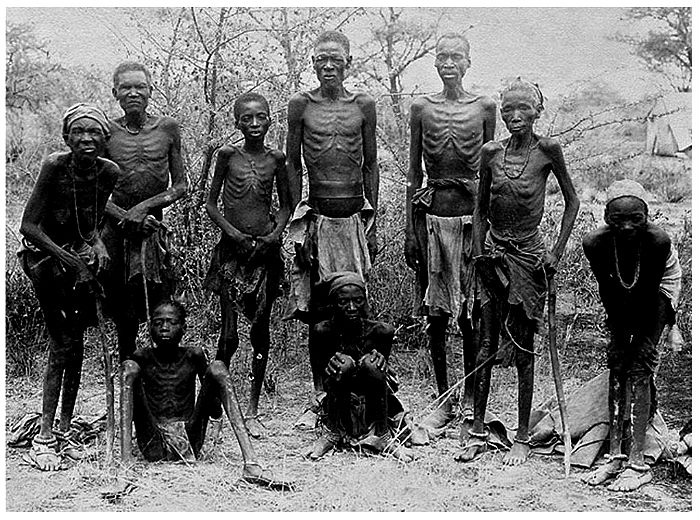
The Khoisan genocide refers to the systematic killings and displacement of the indigenous Khoisan peoples of Southern Africa during the 18th and 19th centuries. This g...
Explore event →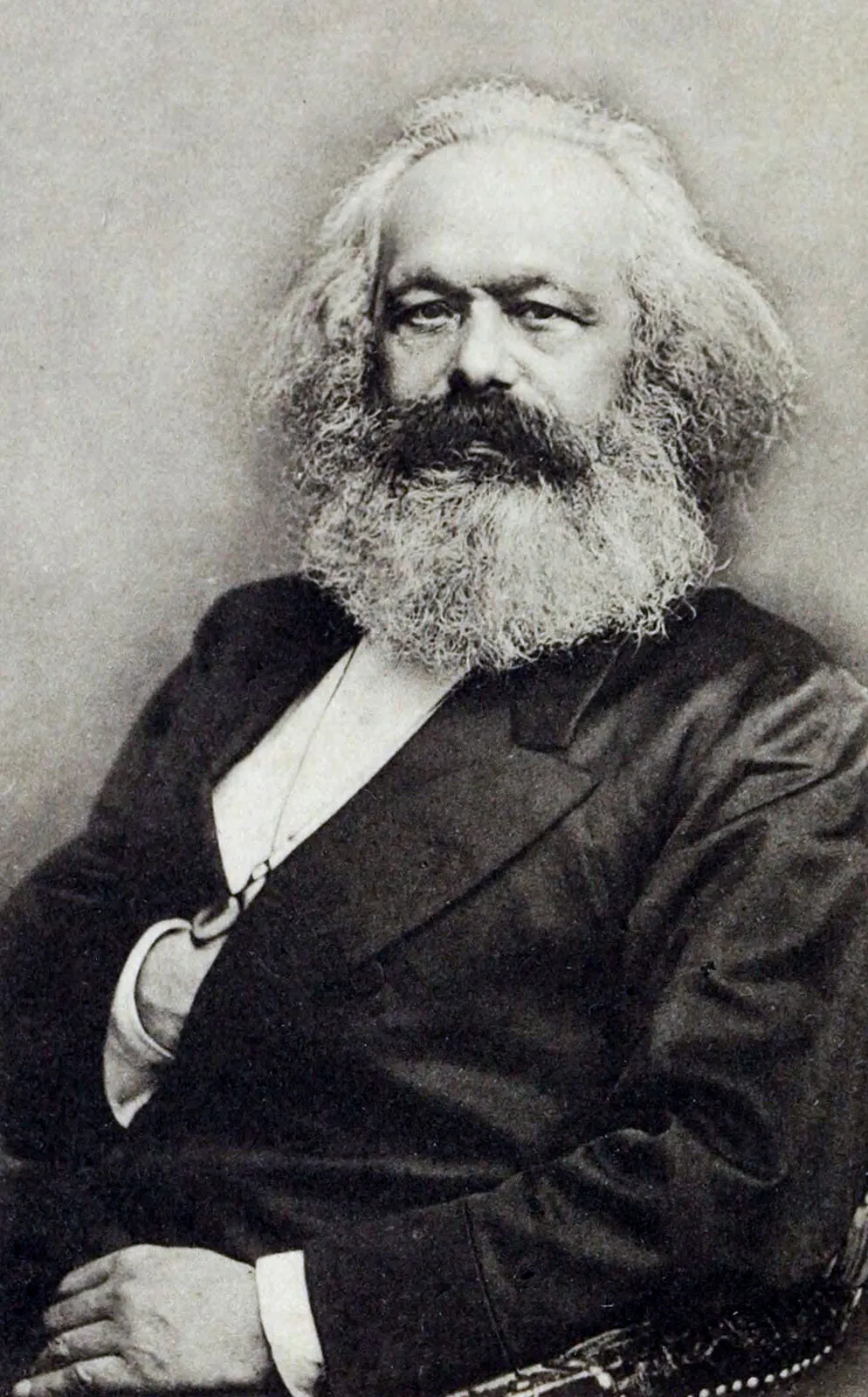
Karl Marx was a German philosopher, economist, and political theorist born in Trier, Prussia, in 1818. His work contributed to the development of socialist and communi...
Explore event →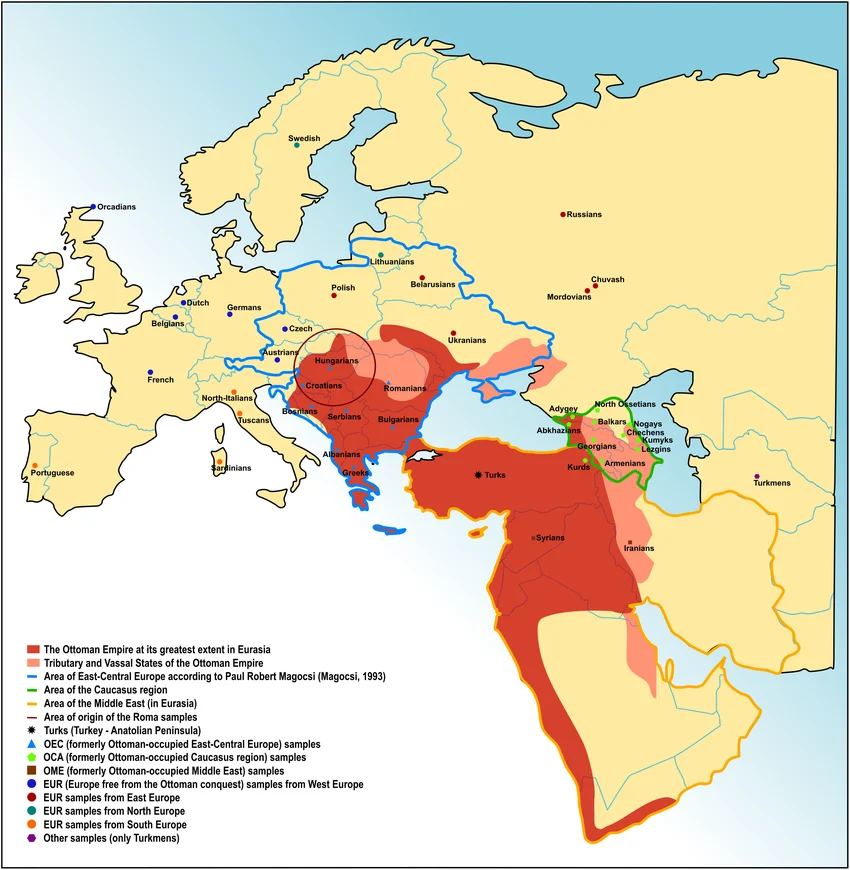
The Ottoman Empire expanded from a small Anatolian principality into one of the largest empires in history. Between the fourteenth and early twentieth centuries, Ottom...
Explore event →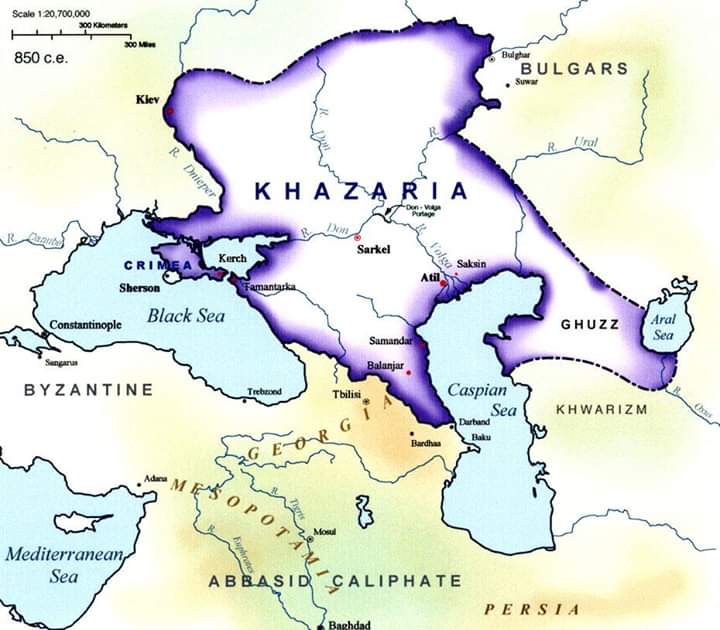
The Khazarian Empire: History, Territory, and Conversion to Judaism The Khazar Empire was a Turkic polity that emerged in the mid-seventh century and became...
Explore event →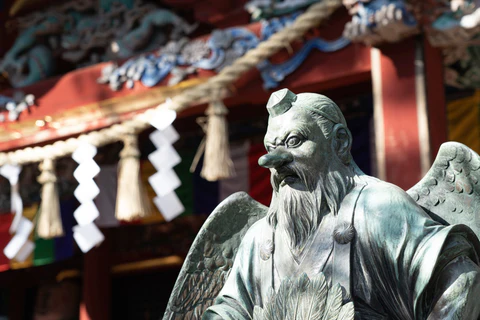
The Tengu are supernatural beings from Japanese mythology known for their association with mountains, forests, and spiritual power. They have been part of traditional ...
Explore event →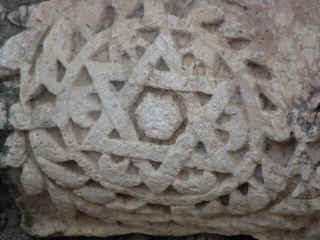
The “Star of Remphan” is a phrase found in the New Testament in the Book of Acts (Acts 7:43), where Stephen references Israelite idolatry while quoting from earlier He...
Explore event →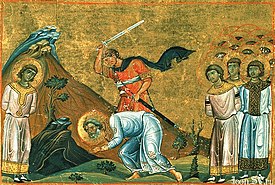
Najran Massacre 523 AD In 523 AD, the Himyarite king Yusuf Asar Dhu Nuwas, a Jewish ruler of the Himyarite Kingdom in present day Yemen, targeted the Christia...
Explore event →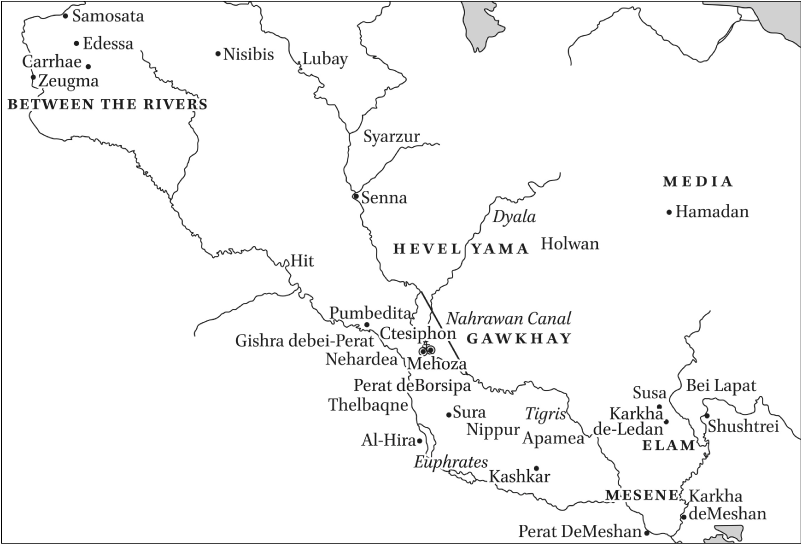
During the early centuries of the Common Era, Talmudic academies in Babylonia underwent significant expansion. These centers of Jewish learning became pivotal in the d...
Explore event →
The compilation of the Babylonian Talmud marked a significant advancement in Jewish legal and theological scholarship. Completed around the 5th century CE, this work s...
Explore event →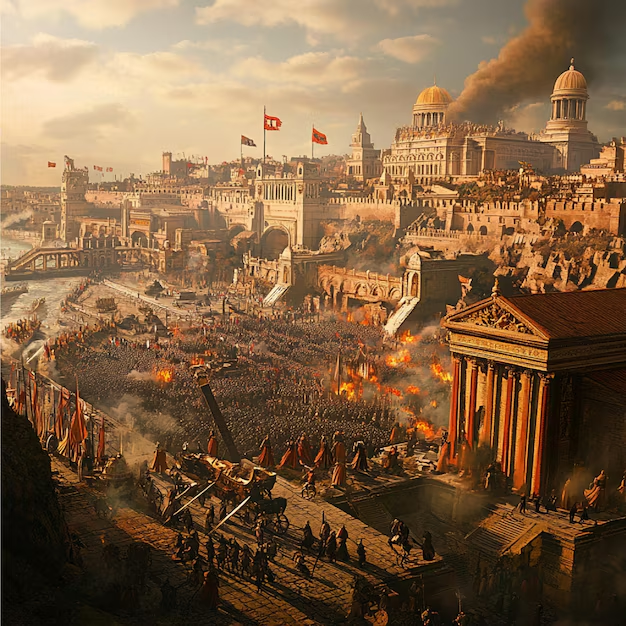
The last Western Roman emperor, Romulus Augustulus, was deposed. This event traditionally marks the end of ancient Rome and the beginning of the Middle Ages. Christi...
Explore event →
Syriac Christian literature experienced a significant rise in the region of Upper Mesopotamia, particularly centered in the city of Edessa. This body of work included ...
Explore event →
The resurrection of Jesus Christ marks a central event in Christian belief, symbolizing his victory over death. Following his crucifixion, accounts describe Jesus risi...
Explore event →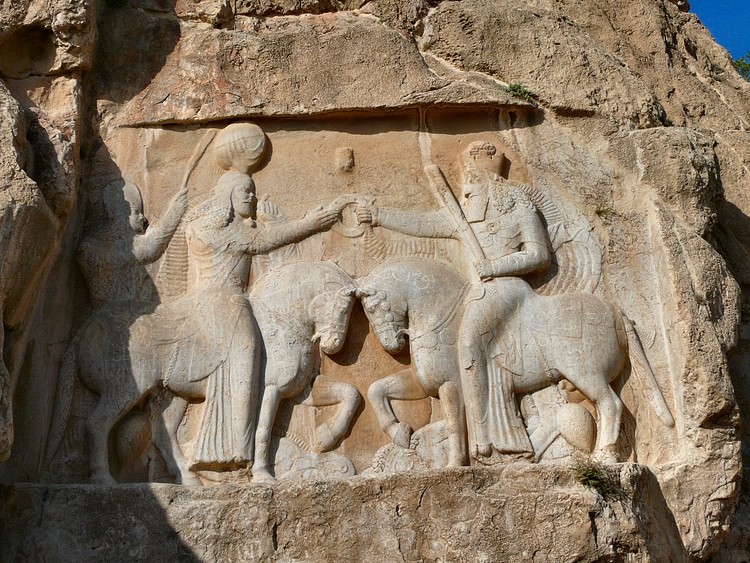
Ardashir I, the founder of the Sasanian Empire, defeated Artabanus IV, the last ruler of the Parthian Empire, at the battle near Hormozdgan. This victory marked the en...
Explore event →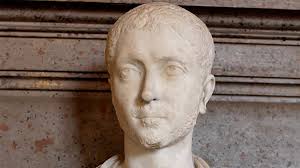
Severus Alexander was proclaimed Roman Emperor following the assassination of Elagabalus. The Roman Senate officially endorsed his accession, marking a return to more ...
Explore event →
1917–1918 — Woodrow Wilson increasingly presents American participation as part of a larger project to restructure international relations. His Fourteen Points call fo...
Explore research
15th–16th centuries — Waves of Albanian-speaking migrants settle in southern Italy and Sicily during the expansion of Ottoman rule. Their descendants, known as the Arb...
Explore research
7th–10th centuries — Arabic increasingly replaces Greek and Coptic in government and eventually becomes the dominant spoken language. Conversion to Islam occurs over g...
Explore research
1st–4th centuries CE — Christianity spreads widely through Egypt and produces one of the ancient world's most important Christian traditions. Egyptian monasticism prof...
Explore research
30 BCE–395 CE — Egypt remains one of the Roman Empire's wealthiest provinces. Alexandria continues as a major commercial and intellectual center while traditional Egyp...
Explore research
51–30 BCE — Cleopatra VII becomes the final active ruler of the Ptolemaic dynasty. She navigates the expanding power of Rome through alliances and relationships first ...
Explore research
305–30 BCE — The Macedonian Ptolemaic dynasty rules Egypt after the fragmentation of Alexander's empire. Its kings present themselves simultaneously as Hellenistic mon...
Explore research
332 BCE — Alexander enters Egypt during his campaign against the Persian Empire and is welcomed as its new ruler. He participates in Egyptian royal and religious tradi...
Explore research
664–525 BCE — Rulers of the Twenty-Sixth Dynasty reunify Egypt from their base at Sais. They encourage trade with the Greek world, employ foreign mercenaries and reviv...
Explore research
Untitledc. 747–656 BCE — Kings from the Nubian kingdom of Kush expand north and eventually control Egypt as the Twenty-Fifth Dynasty. They deliberately present themsel...
Explore research
776 BCE — Traditional date for the first recorded Olympic Games at Olympia.
Explore research
c. 1000–500 BCE — Iron Age communities later identified by Greek and Roman writers as Illyrian become visible across much of the western Balkans. Illyrians were not on...
Explore research
c. 1177 BCE — During the reign of Ramesses III, Egyptian inscriptions describe major battles against groups arriving by land and sea. These groups are traditionally ca...
Explore research
c. 1332–1323 BCE — Tutankhamun becomes king while still a child during the political aftermath of Akhenaten's religious revolution. His government restores traditional...
Explore research
c. 1353–1336 BCE — Amenhotep IV changes his name to Akhenaten and promotes extraordinary devotion to the solar deity Aten. He establishes a new royal capital at Akheta...
Explore research
c. 1353–1336 BCE — Akhenaten's religious revolution gives the Aten unprecedented royal prominence and suppresses major traditional cults. Some scholars have described ...
Explore research
c. 1479–1458 BCE — Hatshepsut begins as regent for the young Thutmose III but eventually assumes full pharaonic titles. Royal imagery increasingly depicts her with tra...
Explore research
c. 1650–1550 BCE — A dynasty of rulers of largely western Asian origin controls much of northern Egypt from Avaris in the Nile Delta. Egyptian sources later portray th...
Explore research
c. 2650 BCE — Djoser's Step Pyramid complex represents a revolutionary leap in monumental stone architecture. Traditionally associated with the official Imhotep, the p...
Explore research
c. 2667–2648 BCE — Djoser rules during Egypt's Third Dynasty and is associated with one of the greatest architectural transformations in ancient history. His funerary ...
Explore research
c. 3000–1100 BCE — Fortified settlements, metallurgy, regional trade and tumulus burial traditions develop across the western Balkans. Social differences become increa...
Explore research
c. 3300–3100 BCE — Larger political systems emerge in the Nile Valley and Delta. Later Egyptian tradition remembers the country as two lands: Upper Egypt in the south ...
Explore research
c. 6500–5500 BCE — Farming, livestock keeping and permanent villages become established in parts of the territory of modern Albania. Communities increasingly depend on...
Explore research