
Japan and US support yen
Japan and the United States conducted coordinated currency intervention on July 31, 2026, to support the Japanese yen after it fell to its weakest level in approximate...
Explore event →History does not happen in isolation. Explore world events across time, follow the connections between them, and investigate the threads that reveal how one event can lead to another.
TheTimeMap currently follows events across 95 countries and 268 years of history — building a connected archive designed for people who want to look beyond the headline.
We oppose antisemitism, racism, and dehumanization — everywhere.
When people stop feeling, injustice becomes easy.
Japan and the United States conducted coordinated currency intervention on July 31, 2026, to support the Japanese yen after it fell to its weakest level in approximate...
Explore event →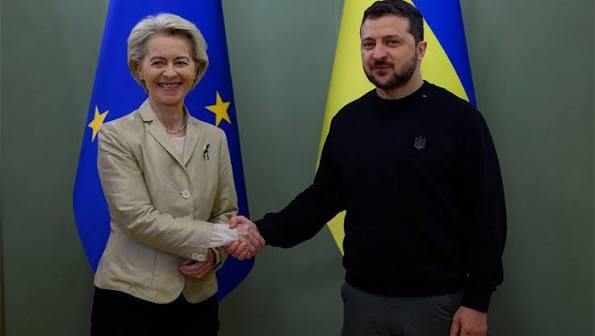
The European Commission proposed changes to the European Union's temporary protection scheme that would exclude Ukrainian men aged 23 to 60 who are not legally permitt...
Explore event →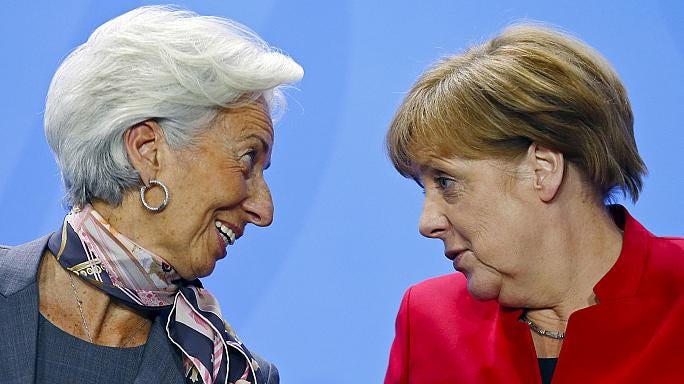
The International Monetary Fund said on June 22, 2026, that it was expanding financial support for several African countries affected by economic disruptions linked to...
Explore event →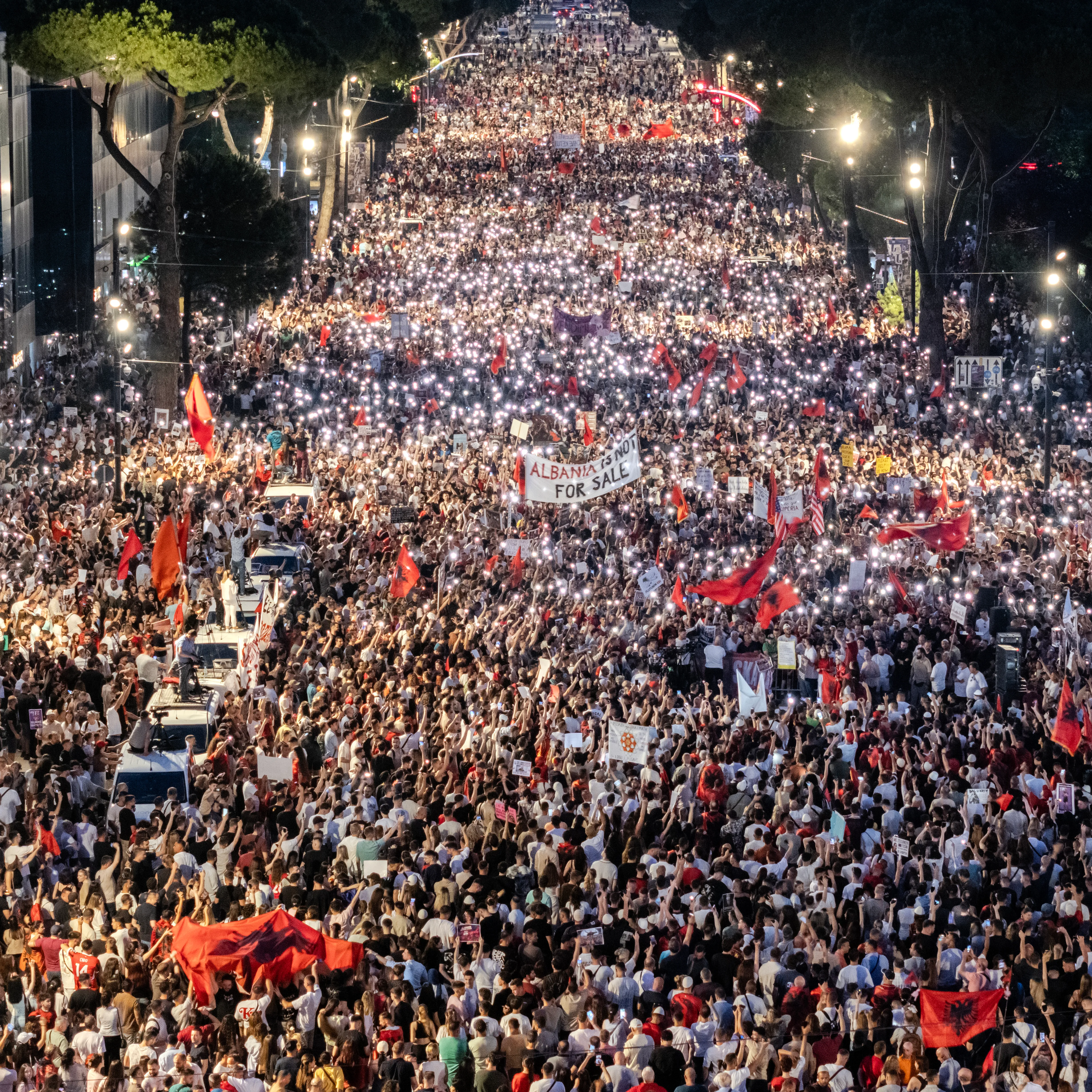
Large protests took place across Albania, particularly in Tirana and coastal regions, as opposition supporters, activists, and local communities gathered to express di...
Explore event →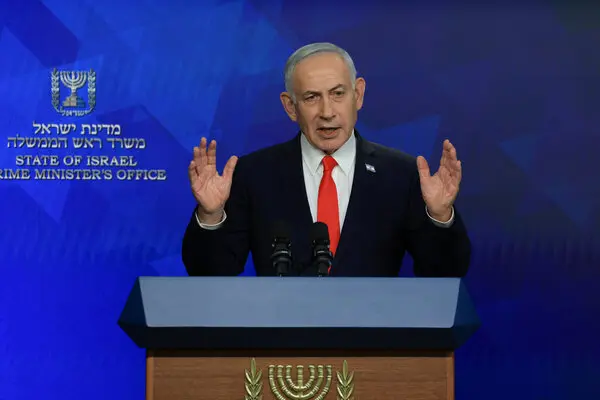
Israeli political leaders and government officials expressed strong concerns following President Donald Trump's announcement of a new agreement with Iran intended to e...
Explore event →
In July 2026, a data exposure involving the private organization Dialog revealed information about members, event participants, and internal conference materials assoc...
Explore event →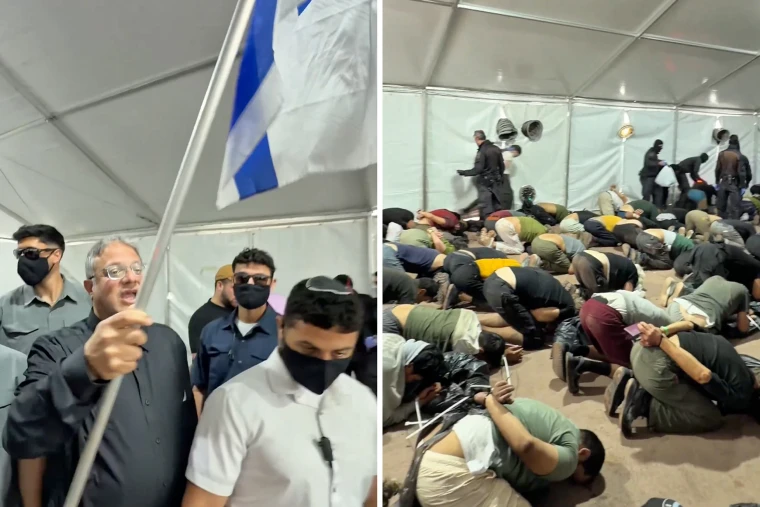
A flotilla of more than 50 civilian vessels organized by pro-Palestinian activists, including the Global Sumud Flotilla, attempted to reach the Gaza Strip in 2026 carr...
Explore event →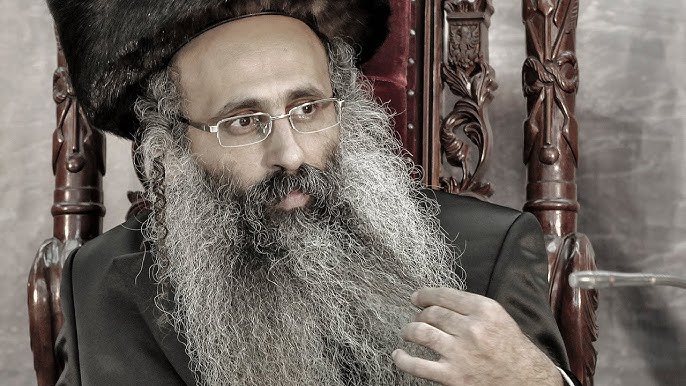
Israeli police arrested Rabbi Yosef Shoveli on May 7, 2026, following a covert investigation into allegations of serious sexual offenses. Authorities stated that the i...
Explore event →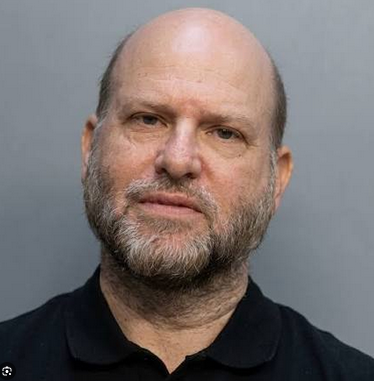
Rabbi and counselor Shaya Lunger was released on bond on April 21, 2026, following a second arrest connected to separate allegations involving two teenage girls. Autho...
Explore event →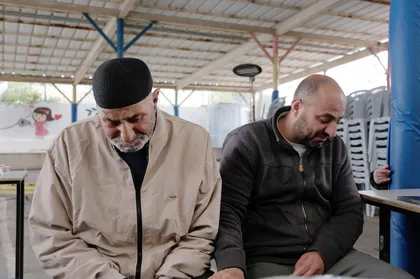
A Palestinian farmer was shot and killed by Israeli settlers on his family’s land in the West Bank on April 5, 2026, according to reports from local sources. The incid...
Explore event →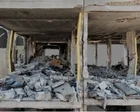
French-Lebanese artist Ali Cherri filed a complaint in France on April 3, 2026, requesting a war crimes investigation into an Israeli strike on an apartment building i...
Explore event →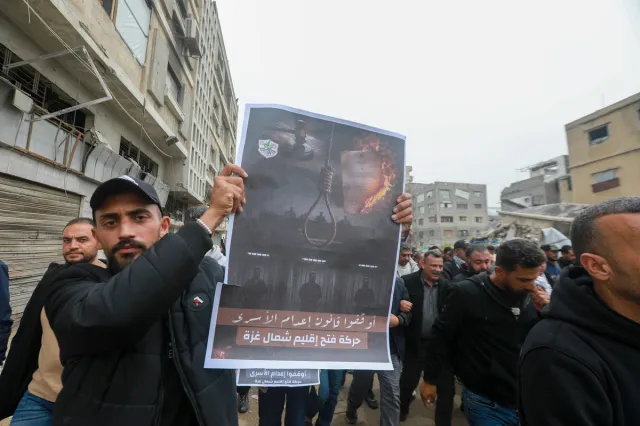
Eight Muslim-majority countries issued a joint statement on April 3, 2026, condemning Israel’s passage of a law allowing the death penalty for West Bank Palestinians c...
Explore event →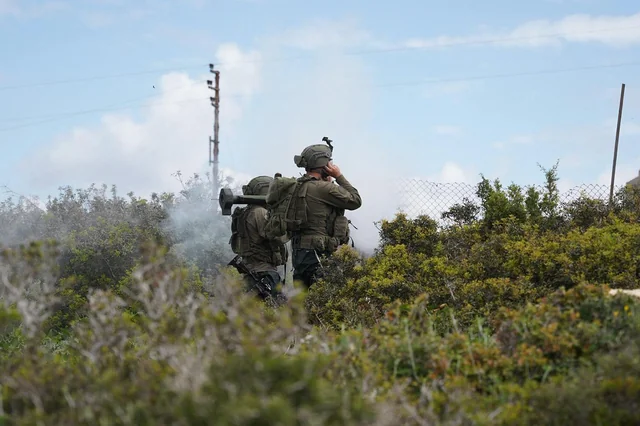
The Israel Defense Forces stated that fully disarming Hezbollah in Lebanon is not considered achievable under current military operations, according to reports publish...
Explore event →
A proposed acquisition involving major United States media companies has prompted discussion about potential impacts on news coverage, including reporting on Israel. S...
Explore event →
Political positioning on Israel has become a more prominent issue within the Democratic Party in the United States ahead of upcoming midterm and presidential election ...
Explore event →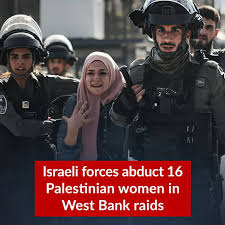
The Israeli army conducted raids across the West Bank on April 1, 2026, resulting in the arrest of 16 Palestinian women, according to military and local sources. Autho...
Explore event →
Former Department of Homeland Security Secretary Kristi Noem said she was “devastated” after reports alleged that her husband, Bryon Noem, engaged in online activity i...
Explore event →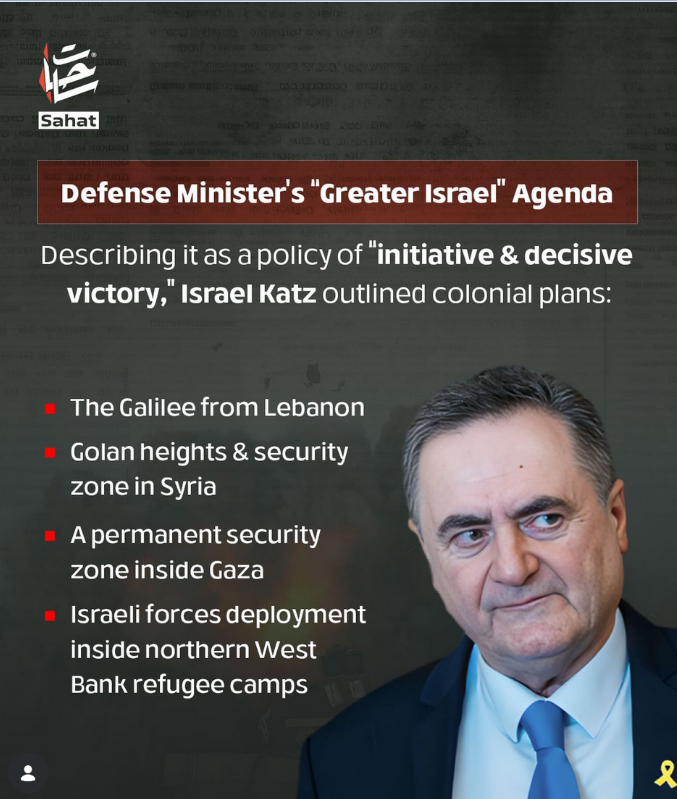
Israel’s defense minister stated on March 30, 2026, that the military has developed plans to occupy portions of southern Lebanon. The remarks were made amid ongoing te...
Explore event →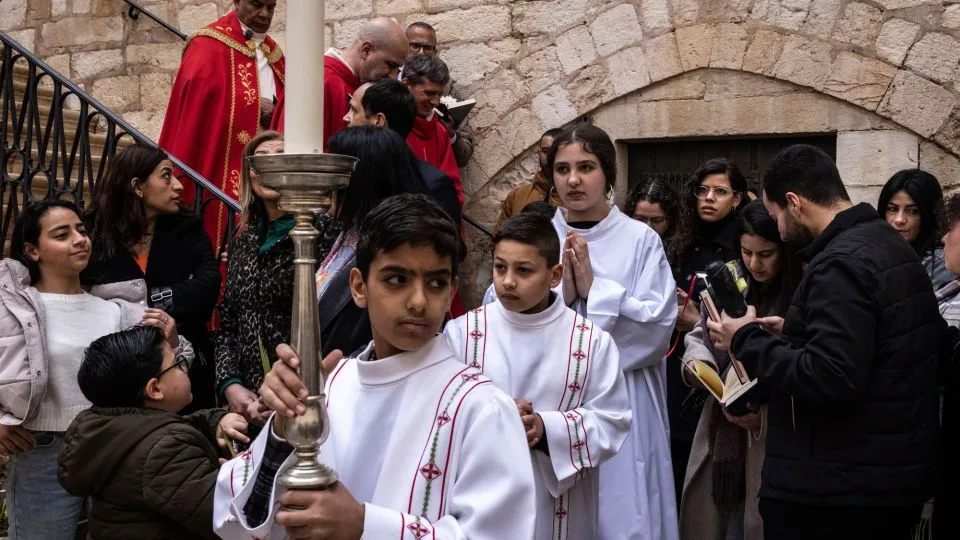
On March 29, 2026, Israeli police initially barred senior Catholic leaders, including Cardinal Pierbattista Pizzaballa, the Latin Patriarch of Jerusalem, from entering...
Explore event →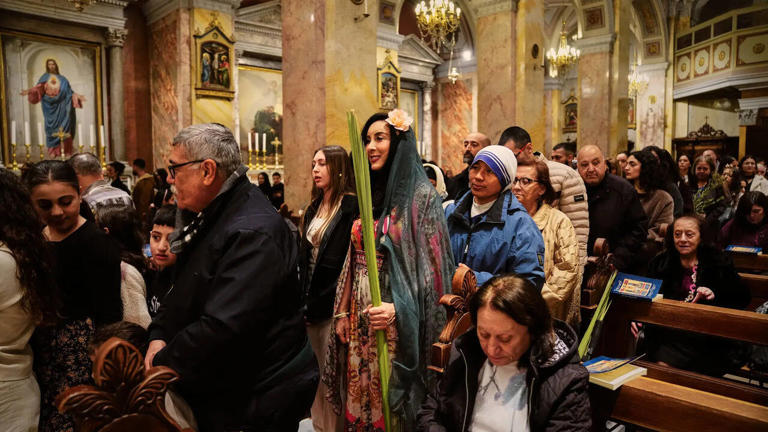
On March 29, 2026, Israeli police prevented senior Catholic leaders from entering the Church of the Holy Sepulchre in Jerusalem to celebrate Palm Sunday Mass. The Lati...
Explore event →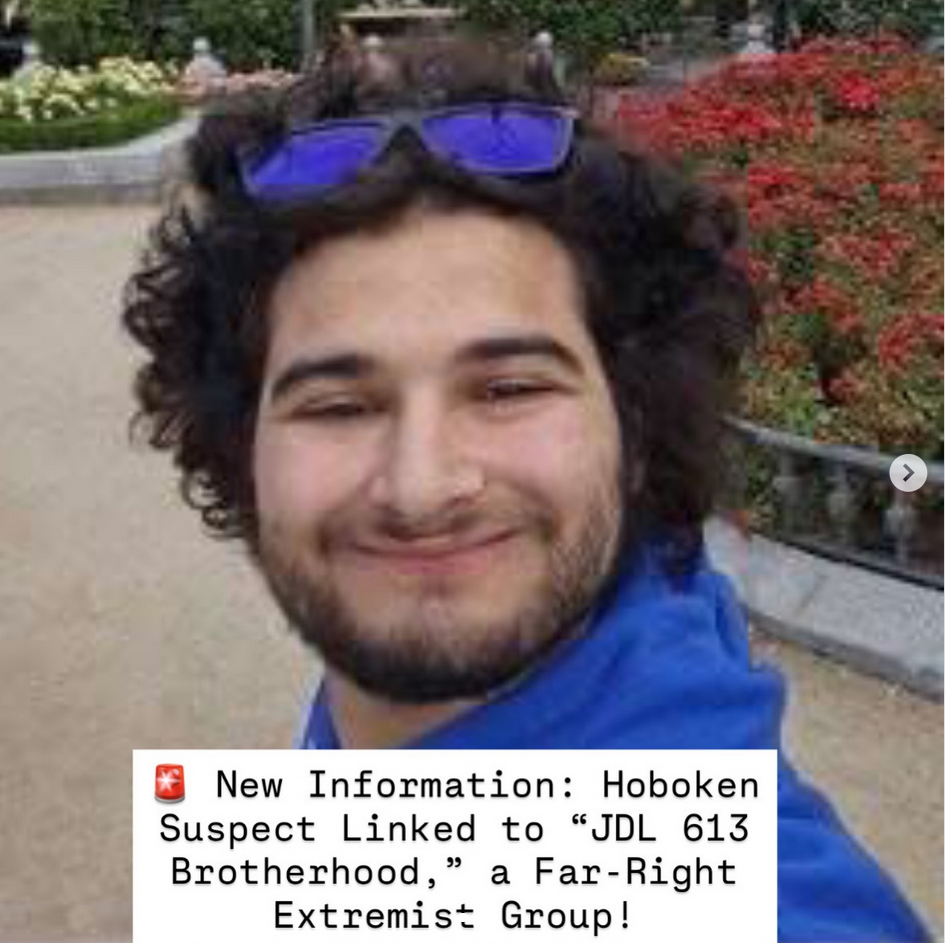
Federal authorities arrested 26-year-old Alexander Heifler in March 2026 over an alleged plot to carry out a violent attack against New York-based Palestinian-American...
Explore event →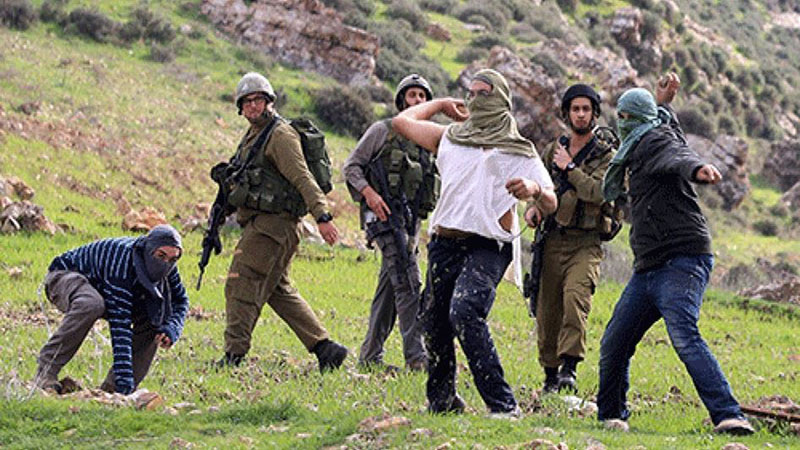
An analysis published on March 25, 2026, reported that no Israeli citizens have been prosecuted for killing Palestinian civilians in the occupied West Bank since 2020....
Explore event →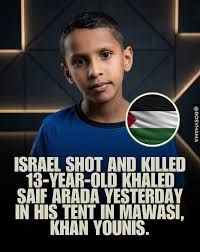
A Palestinian child was reported killed and several others injured by Israeli gunfire in the Gaza Strip on March 24, 2026, according to the Palestinian news agency WAF...
Explore event →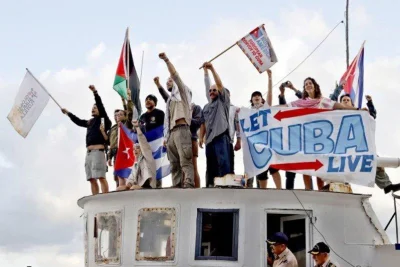
A humanitarian flotilla carrying aid to Cuba arrived in Havana on March 24, 2026, as part of an international initiative aimed at delivering supplies amid U.S. sanctio...
Explore event →
30 June 2012 — Mohamed Morsi, associated with the Muslim Brotherhood's political movement, becomes Egypt's first president elected after the 2011 uprising. His governm...
Explore research
11 December 1990 — Albania's communist leadership accepts the legalization of independent political parties. The decision effectively ends the political monopoly creat...
Explore research
5–10 June 1967 — Israel defeats Egypt, Jordan and Syria in a brief but transformative war. Egyptian forces lose the Sinai Peninsula, and the scale of the defeat deeply...
Explore research
Henry Kissinger served as director of the Rockefeller Brothers Fund Special Studies Project during the late 1950s and early 1960s. The project examined major problems ...
Explore research
1952–1970 — The Free Officers end the monarchy, reduce British influence, redistribute land and create a powerful developmental state. At the same time, political part...
Explore research
March–April 1919 — Mass demonstrations, strikes and civil unrest erupt after British authorities exile nationalist leader Saad Zaghloul and other members of the Wafd m...
Explore research
1 July 1916 — British and French forces open the Somme offensive after an enormous artillery preparation. The first day becomes the bloodiest single day in British mil...
Explore research
4 June 1916 — Russian General Aleksei Brusilov launches a major offensive against Austria-Hungary. Innovative preparation and attacks across a broad front produce spec...
Explore research
21 February 1916 — Germany launches a major offensive against the fortified Verdun region. French forces commit enormous manpower and artillery to prevent the fortress...
Explore research
1915–1917 — Commanders increasingly seek to exhaust enemy manpower, artillery and industrial capacity faster than their own side is depleted. Verdun and the Somme beco...
Explore research
1915–1918 — Casualties, inflation and shortages turn civilian morale into a strategic issue. Governments expand propaganda, censorship, rationing and welfare programs ...
Explore research
1 July 1798 — French forces under Napoleon Bonaparte land in Egypt. The invasion aims to weaken British access to India while expanding French influence in the eastern...
Explore research
1517–1798 CE — Egypt remains formally part of the Ottoman Empire for centuries while powerful local military households gain substantial autonomy. Agricultural taxes a...
Explore research
16th–18th centuries — Islam spreads substantially among Albanian populations under Ottoman rule. Conversion varies greatly by region and period. Catholic communities r...
Explore research
c. 1479–1912 — Most Albanian-inhabited territories remain within the Ottoman Empire for more than four centuries. Albanian elites participate extensively in Ottoman mi...
Explore research
15th–16th centuries — Waves of Albanian-speaking migrants settle in southern Italy and Sicily during the expansion of Ottoman rule. Their descendants, known as the Arb...
Explore research
c. 1355–1444 — Families including the Thopia, Muzaka, Balsha, Dukagjini and Kastrioti control competing territories. Albania is politically fragmented rather than unif...
Explore research
969 CE — Fatimid forces establish al-Qahira, Cairo, as a new royal and military city. The settlement grows beside older Fustat and eventually absorbs it into an enormo...
Explore research
641 CE — Muslim authorities establish Fustat near the old Roman fortress of Babylon on the Nile. The city becomes the administrative center of Islamic Egypt and develo...
Explore research
7th–10th centuries — Arabic increasingly replaces Greek and Coptic in government and eventually becomes the dominant spoken language. Conversion to Islam occurs over g...
Explore research
395–641 CE — Egypt becomes part of the eastern Roman Empire centered on Constantinople, later called Byzantine. Alexandria remains one of Christianity's major intellec...
Explore research
1st–4th centuries CE — Christianity spreads through the Roman Balkans and eventually becomes institutionally established. Bishoprics emerge in important cities includi...
Explore research
30 BCE–395 CE — Egypt remains one of the Roman Empire's wealthiest provinces. Alexandria continues as a major commercial and intellectual center while traditional Egyp...
Explore research
Untitled168 BCE–395 CE — The lands of modern Albania are gradually integrated into Roman provincial systems. Cities expand, Latin and Greek cultural influences deepen,...
Explore research