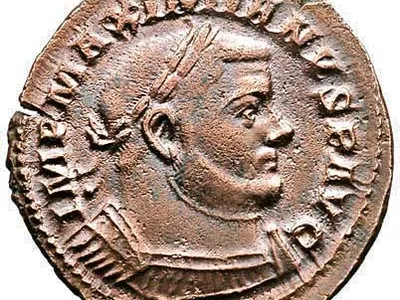
Maximian Abdicates Roman Throne
Maximian, co-emperor of the Roman Empire, formally abdicated his position alongside Diocletian. This marked a significant moment in the Tetrarchy system, a power-shari...
Explore event →History does not happen in isolation. Explore world events across time, follow the connections between them, and investigate the threads that reveal how one event can lead to another.
TheTimeMap currently follows events across 95 countries and 268 years of history — building a connected archive designed for people who want to look beyond the headline.
We oppose antisemitism, racism, and dehumanization — everywhere.
When people stop feeling, injustice becomes easy.
Maximian, co-emperor of the Roman Empire, formally abdicated his position alongside Diocletian. This marked a significant moment in the Tetrarchy system, a power-shari...
Explore event →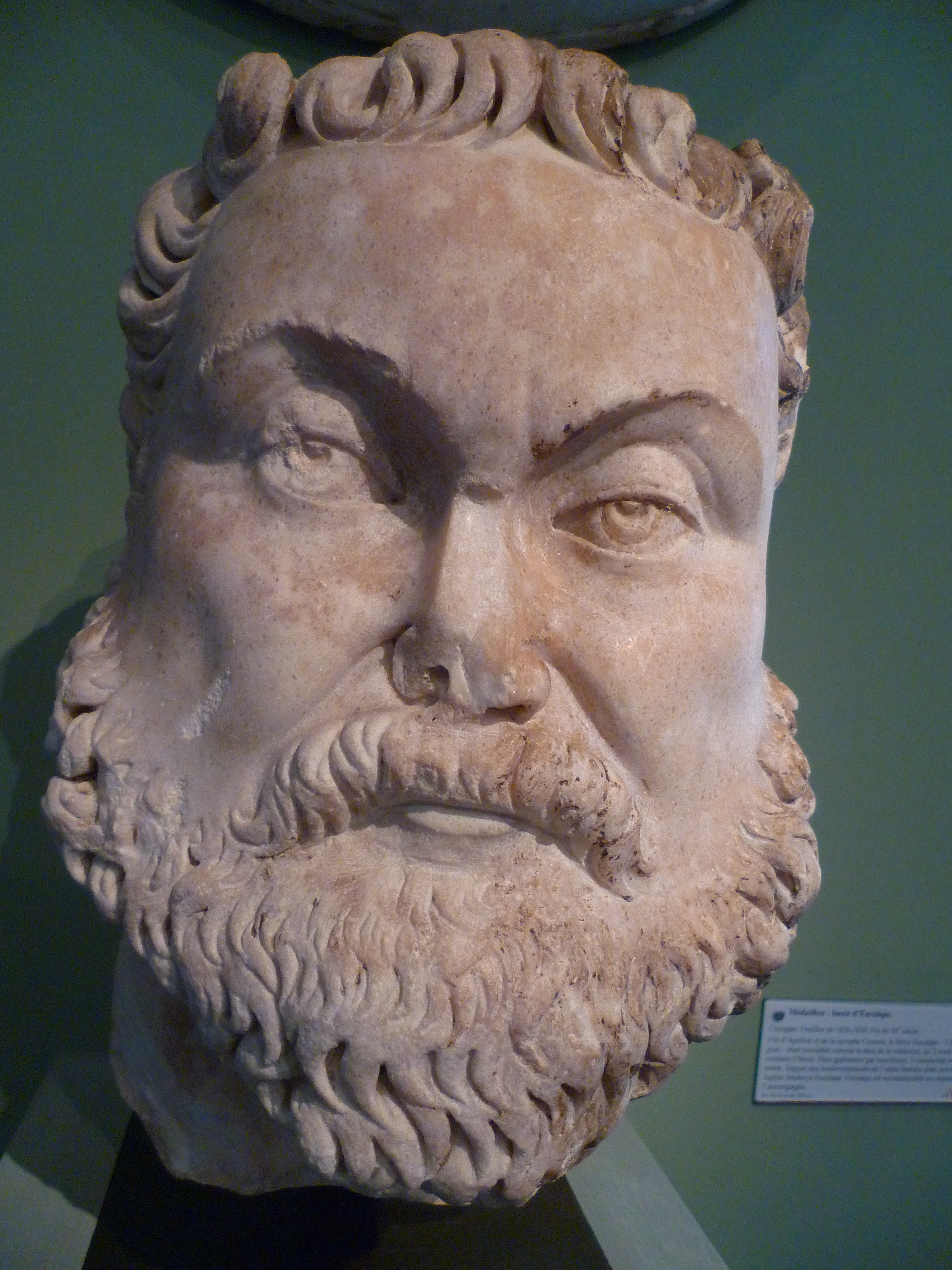
In April 286, the Roman Emperor Diocletian appointed Maximian as Caesar, marking a significant development in imperial governance. This act was meant to strengthen the...
Explore event →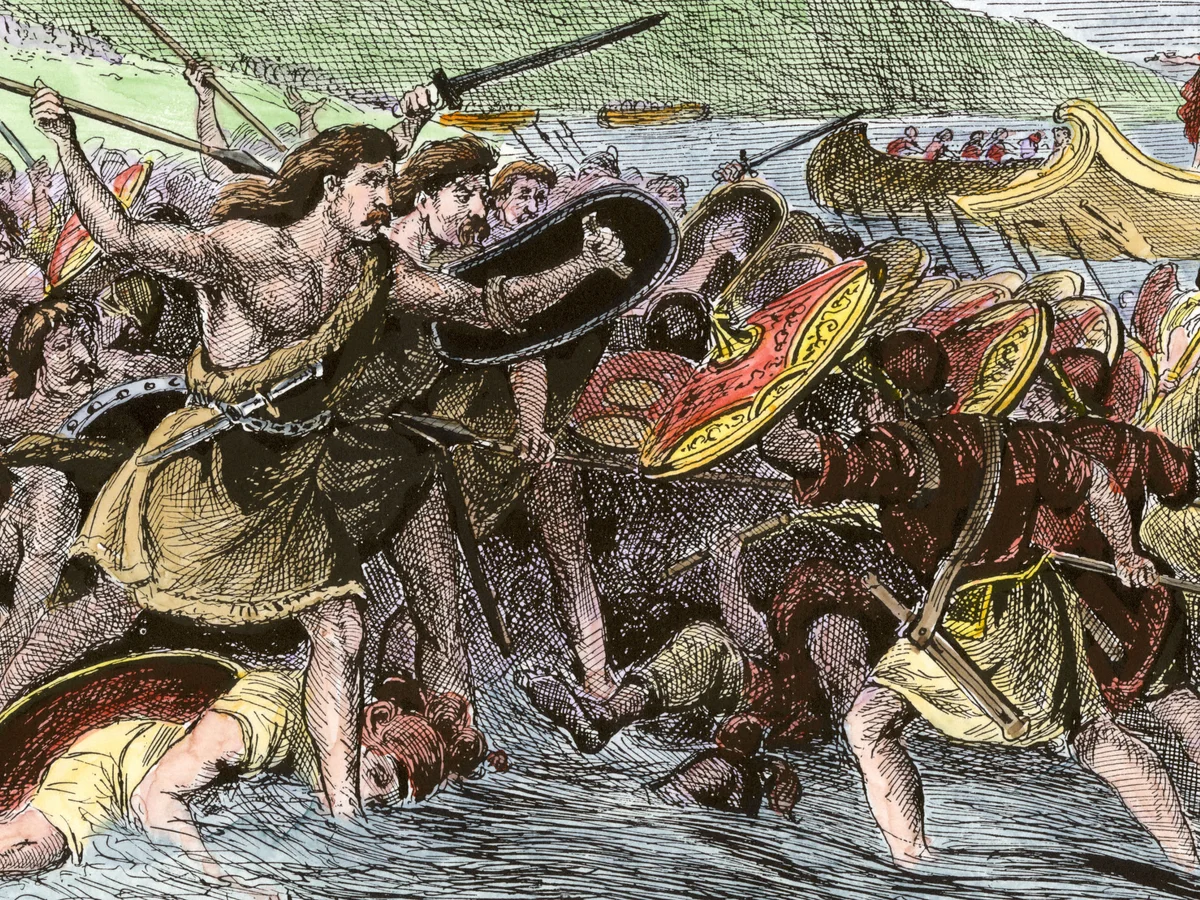
Carausius, a Roman naval commander, declared himself emperor in Britain and northern Gaul after seizing power around 286 CE. His revolt challenged the authority of the...
Explore event →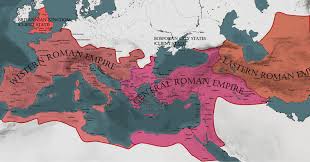
Carinus became Roman Emperor following the death of his father, Emperor Carus, in late March. His accession marked a period of internal instability as the empire faced...
Explore event →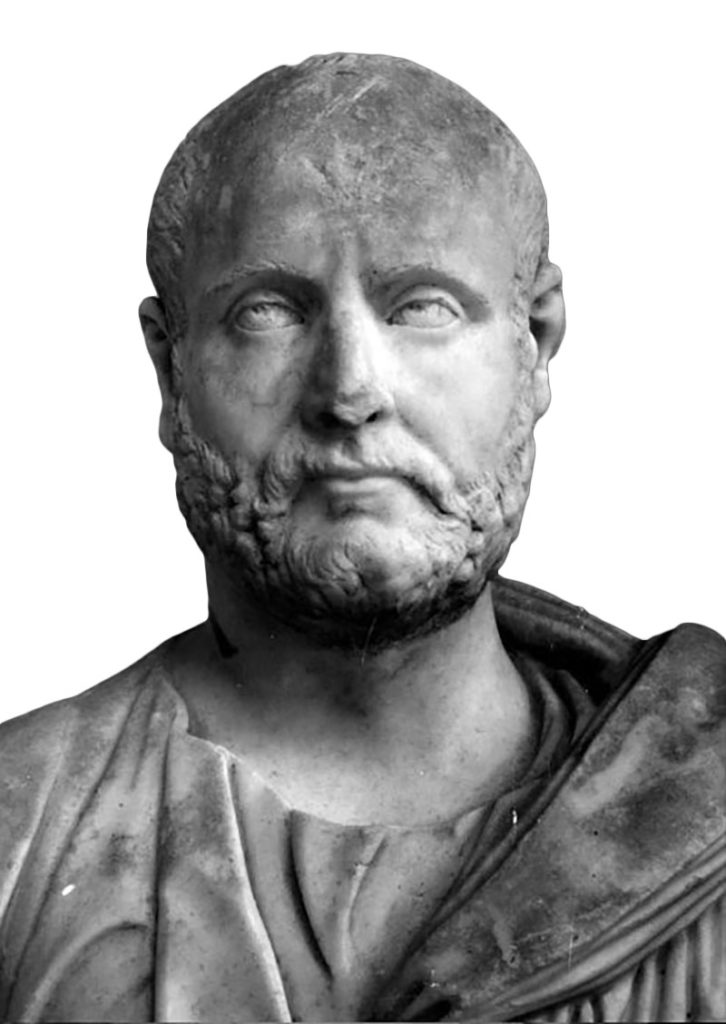
Carus was proclaimed emperor of the Roman Empire shortly after the death of Emperor Probus. His accession marked a shift in imperial policy as he sought to stabilize t...
Explore event →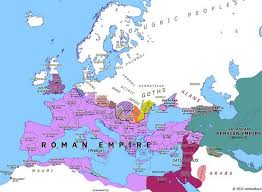
Emperor Probus led the Roman legions to repel multiple Germanic invasions along the Danube frontier. These incursions threatened the stability of the northern borders ...
Explore event →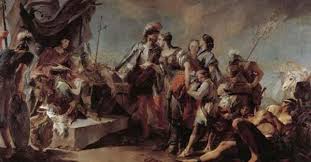
Emperor Aurelian, a prominent ruler of the Roman Empire known for his military prowess, was assassinated by his own soldiers in late September. The assassination occur...
Explore event →
Emperor Aurelian successfully reunified the Roman Empire after a period of fragmentation and civil war. His military campaigns defeated breakaway states such as the Ga...
Explore event →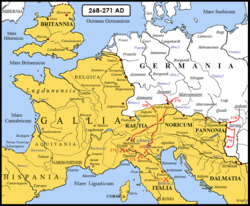
Roman Emperor Aurelian defeated the invading Juthungi tribe near the city of Placentia in northern Italy. This battle was a decisive moment in securing the Roman Empir...
Explore event →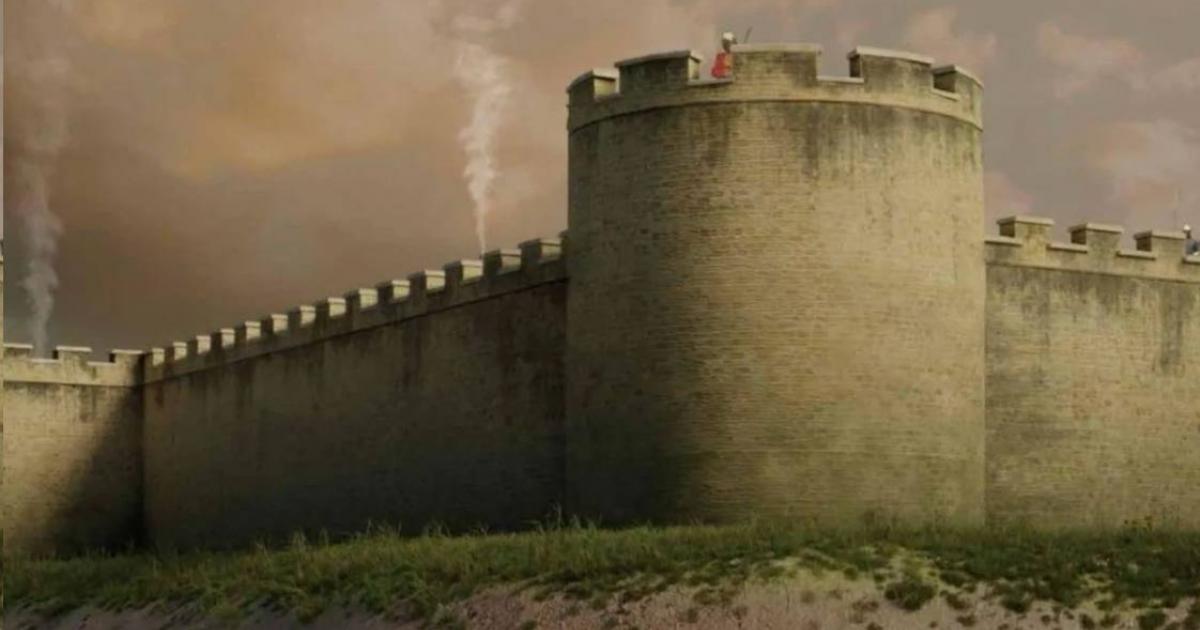
The construction of the Aurelian Walls began in response to increasing external threats faced by Rome in the third century. These defensive walls were commissioned by ...
Explore event →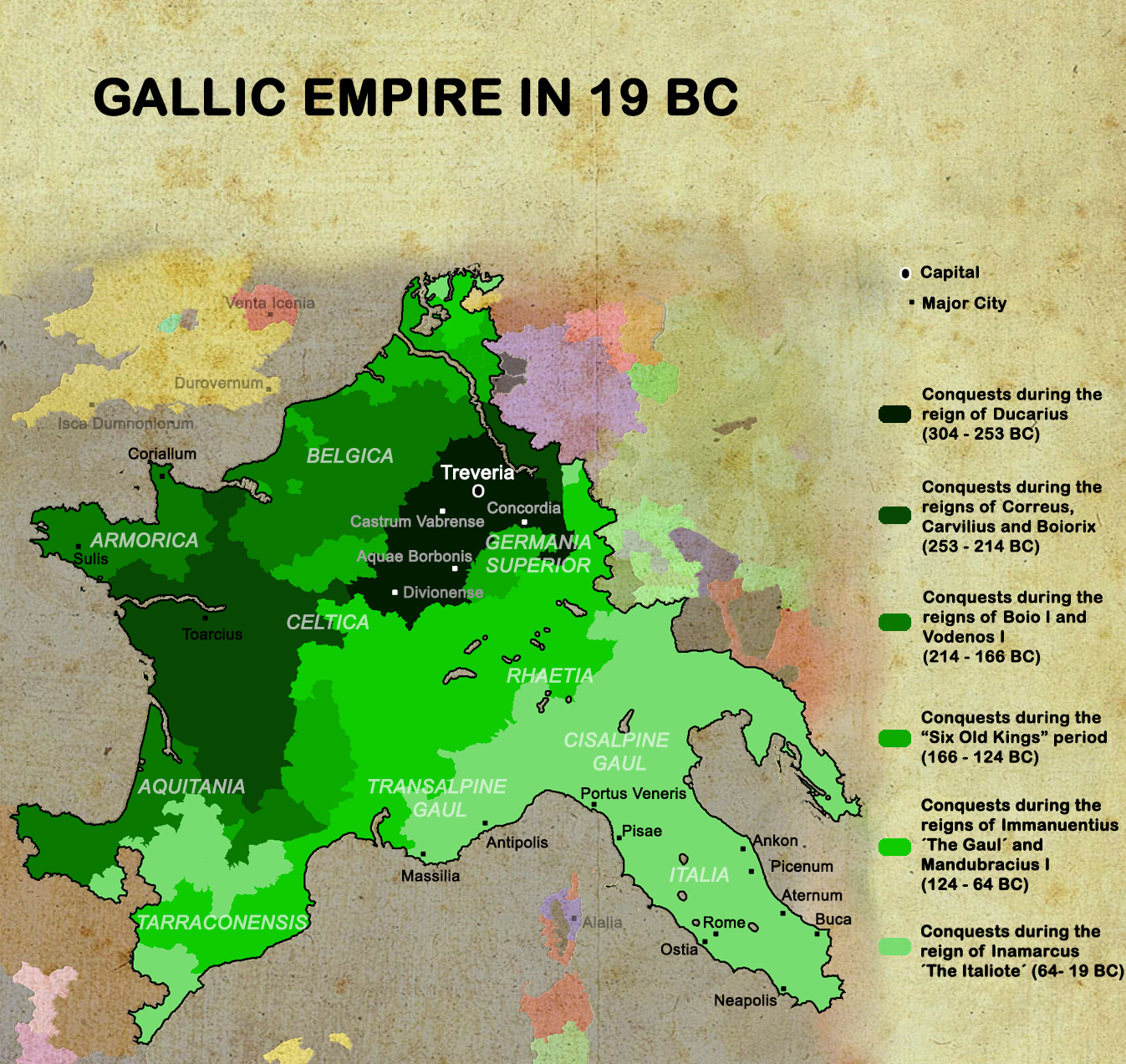
Postumus, a Roman commander, declared himself emperor of a breakaway realm in the western provinces known as the Gallic Empire. This realm comprised Gaul, Germania, Br...
Explore event →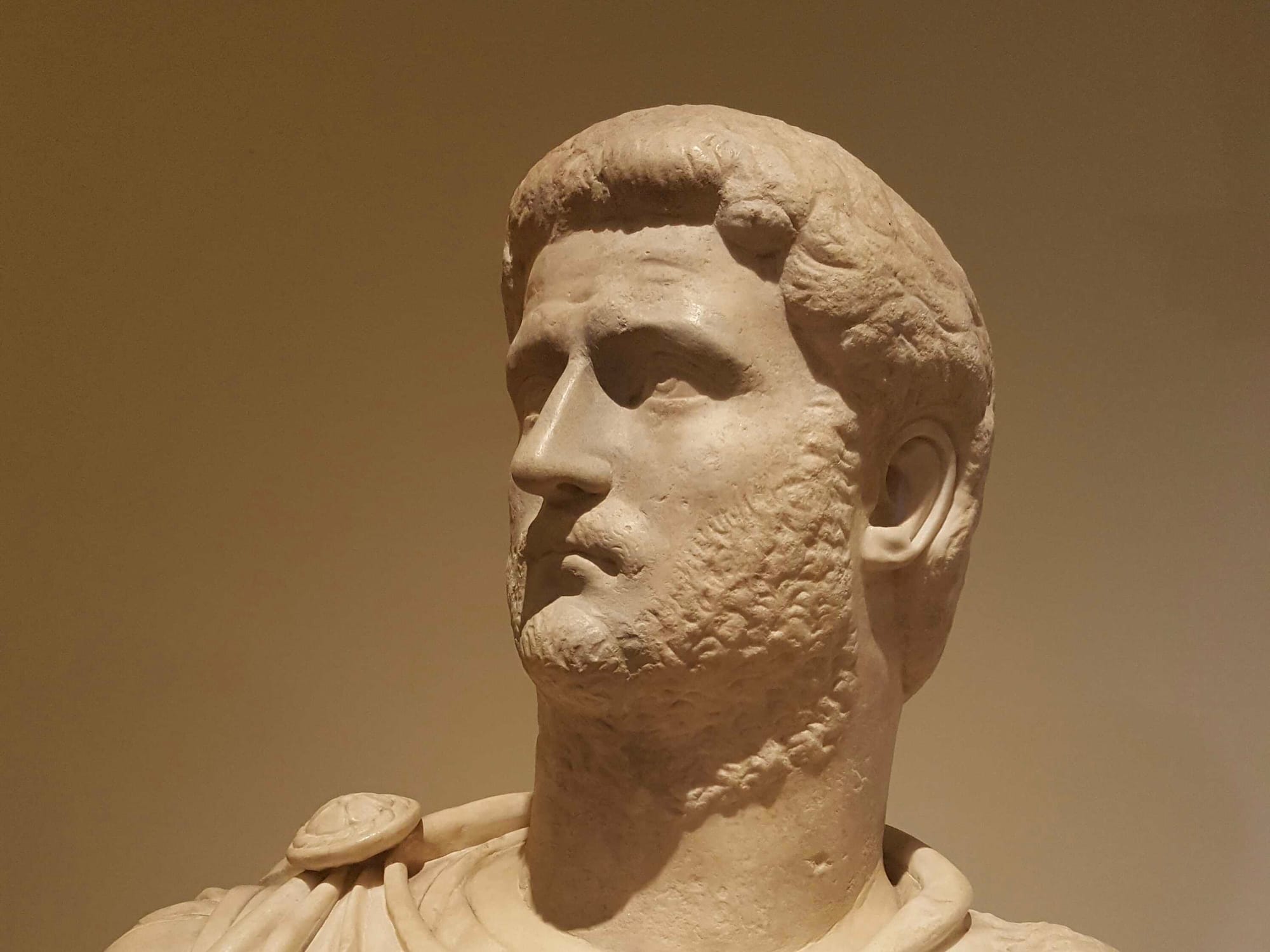
Emperor Gallienus initiated a series of military reforms to address ongoing threats to the Roman Empire. These reforms aimed to improve the mobility and responsiveness...
Explore event →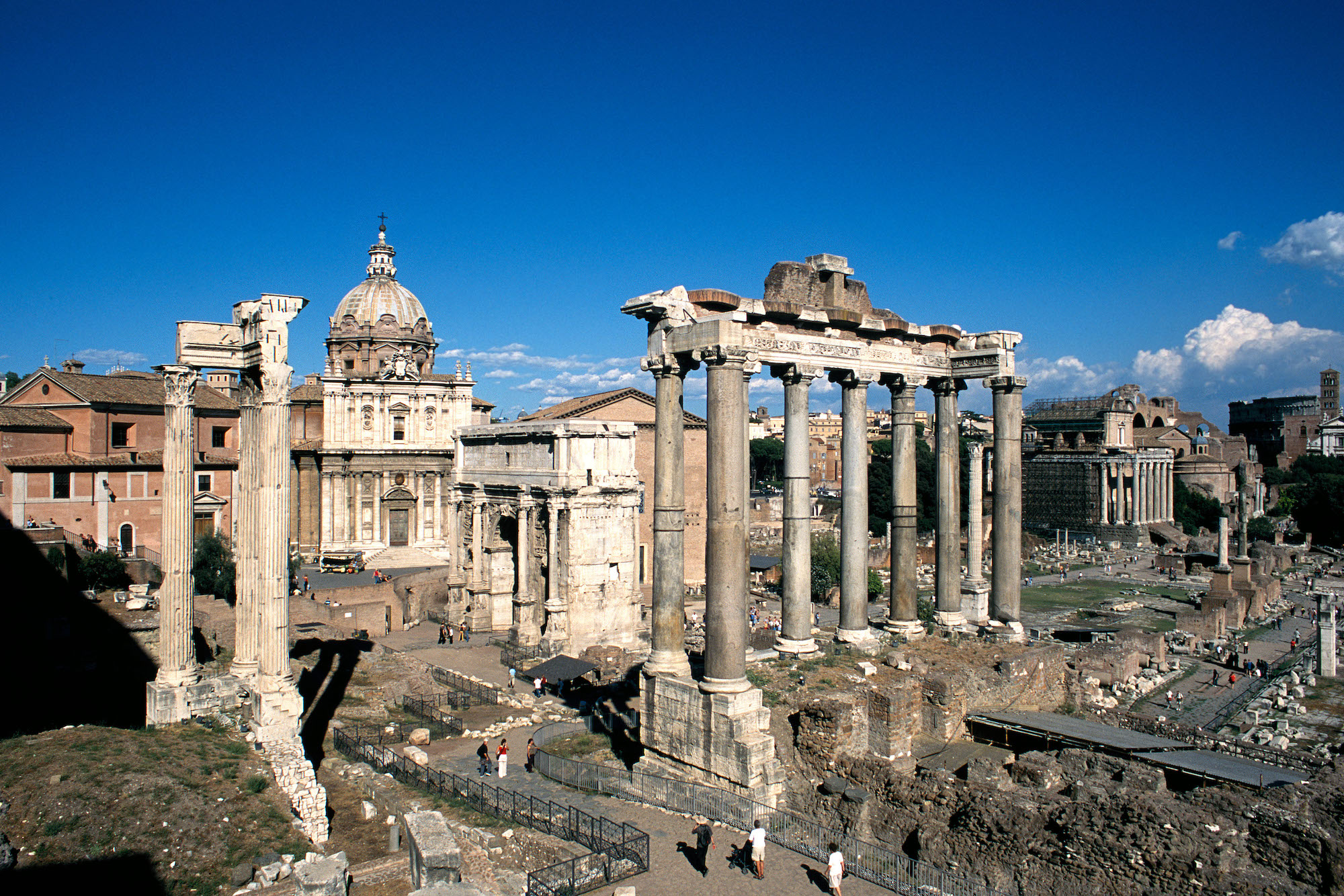
Valerian was proclaimed Roman Emperor following the death of his predecessor Aemilianus. His accession marked a significant change in leadership during a period fraugh...
Explore event →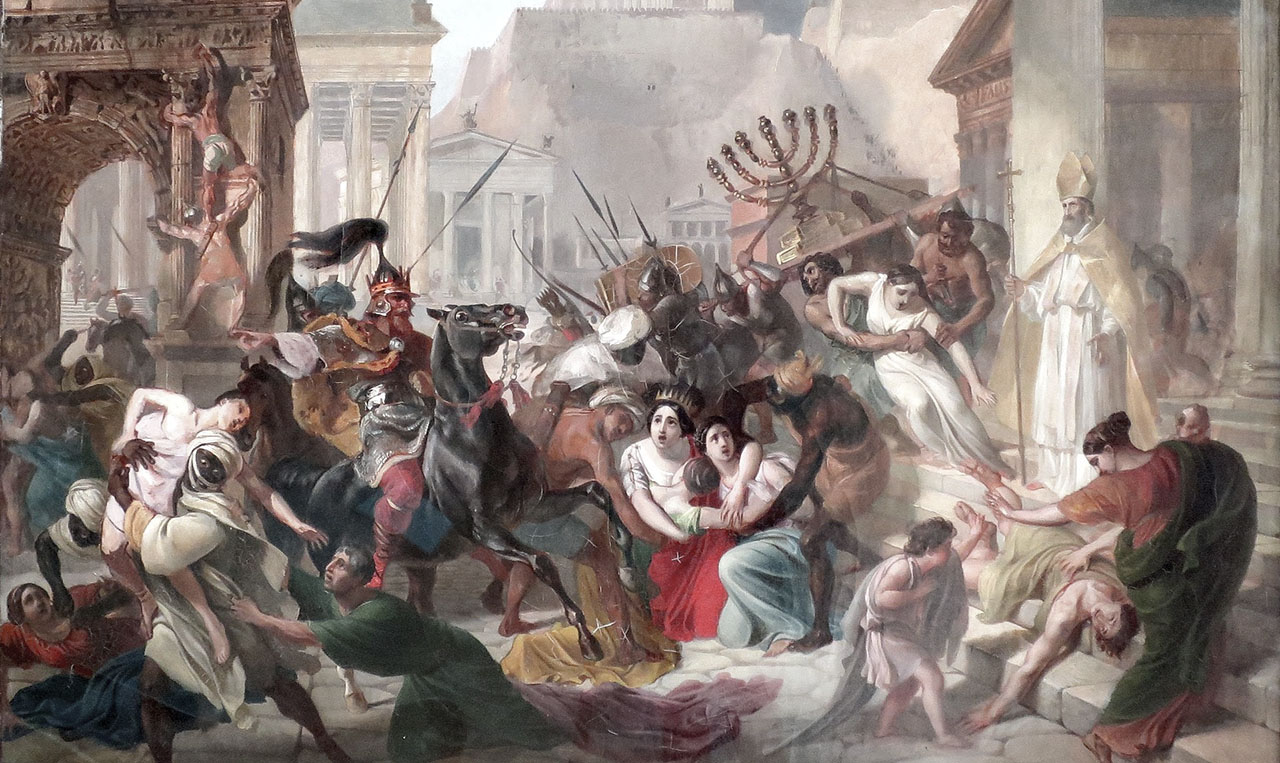
The Crisis of the Third Century marked a period of severe instability within the Roman Empire beginning in 235 AD. This era saw widespread political chaos, military de...
Explore event →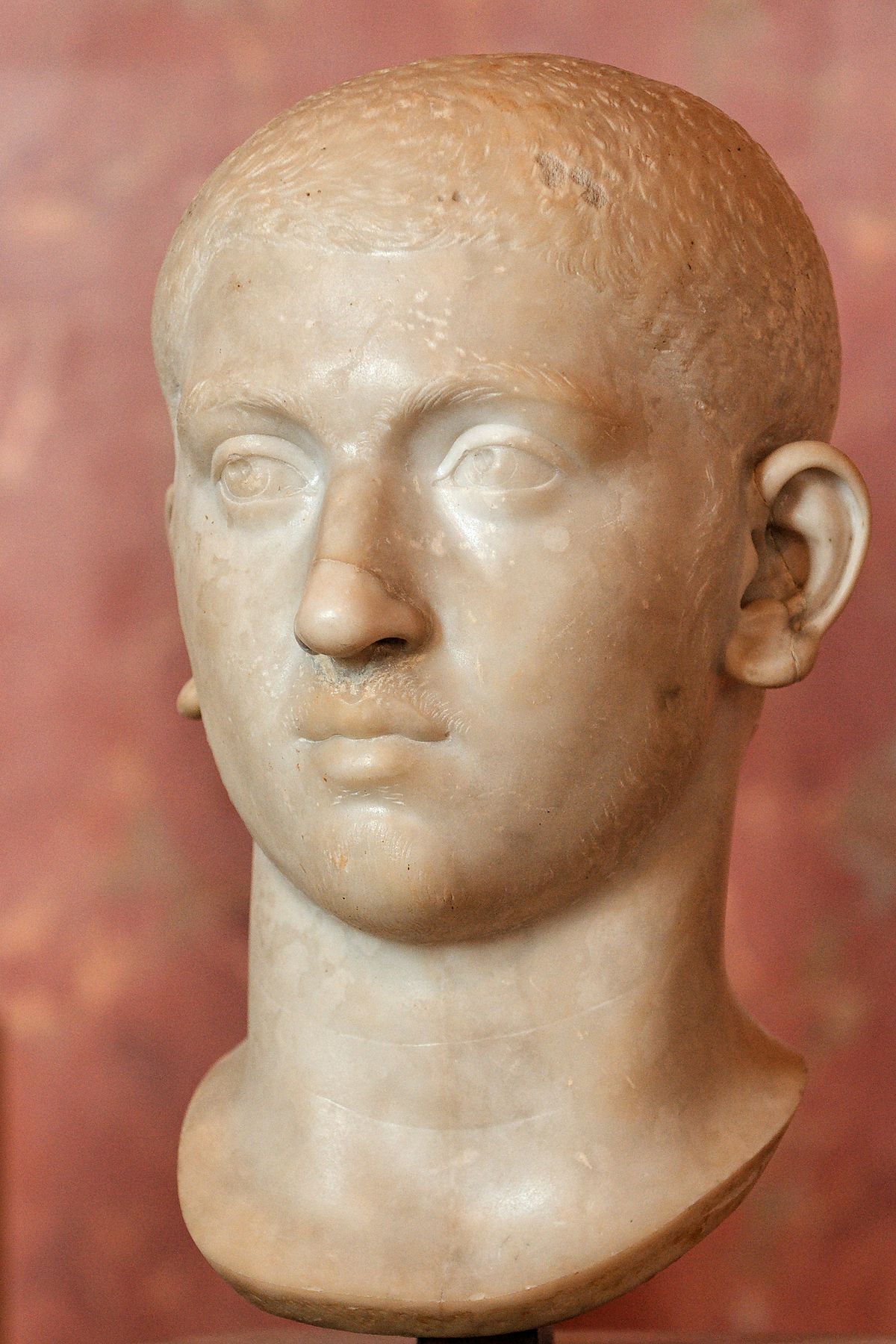
Severus Alexander, the last emperor of the Severan dynasty, was assassinated by his own soldiers in March of 235 CE near the city of Mutina along the Danube frontier. ...
Explore event →
The Russian Empire intensified its fortification efforts along the Amur River frontier, aiming to secure its eastern borders against potential threats. New forts were ...
Explore event →
21–31 January 1920 — Albanian political leaders meet at Lushnjë to reassert sovereignty and resist foreign plans that threatened partition. The congress creates new na...
Explore research
19 February 1915 — British and French naval forces begin major operations against the Ottoman defenses of the Dardanelles. The Allies hope to force the straits, threat...
Explore research
1908–1914 — Austria-Hungary faces growing nationalist pressures in the Balkans following the Bosnian annexation crisis and Serbia's expansion during the Balkan Wars. S...
Explore research
10 May 1940 — Germany invades the Netherlands, Belgium, Luxembourg and France. Allied armies move north into Belgium expecting the principal German attack there. Inste...
Explore research
1 June 1944 — Soviet commanders employ deception techniques including camouflage, false radio traffic and concealed force concentrations. German intelligence underesti...
Explore research
29 October 1914 — Ottoman naval forces attack Russian Black Sea ports, bringing the Ottoman Empire into the conflict alongside Germany and Austria-Hungary. Russia decl...
Explore research
27 February 1933 — Germany's parliament building burns in Berlin. The Nazi government uses the crisis to portray communism as an immediate revolutionary threat. Presid...
Explore research
30 July 1914 — Tsar Nicholas II approves general mobilization of Russian forces after growing alarm over Austria-Hungary's attack on Serbia. Russian leaders fear that ...
Explore research
30 January 1933 — The Sturmabteilung operates as the Nazi Party's mass paramilitary organization and uses intimidation and street violence against political opponents....
Explore research
23 October 1942 — British Commonwealth forces under Bernard Montgomery attack Axis positions in Egypt. The battlefield lies close to the furthest Axis advance toward A...
Explore research
5 December 1941 — Soviet forces launch a major counteroffensive against exhausted German armies near Moscow. Fresh formations, including troops transferred from easter...
Explore research
27 September 1940 — Germany, Italy and Japan sign the Tripartite Pact. The agreement recognizes German and Italian leadership in a European order and Japanese leadersh...
Explore research