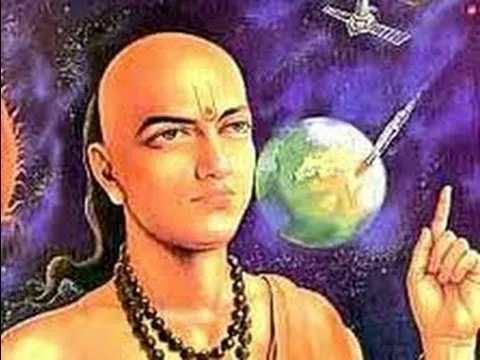
Aryabhata's Astronomical Calculations
Aryabhata, an Indian mathematician and astronomer, formulated key astronomical constants that advanced early scientific understanding. His calculations included the le...
Explore event →History does not happen in isolation. Explore world events across time, follow the connections between them, and investigate the threads that reveal how one event can lead to another.
TheTimeMap currently follows events across 95 countries and 268 years of history — building a connected archive designed for people who want to look beyond the headline.
We oppose antisemitism, racism, and dehumanization — everywhere.
When people stop feeling, injustice becomes easy.
Aryabhata, an Indian mathematician and astronomer, formulated key astronomical constants that advanced early scientific understanding. His calculations included the le...
Explore event →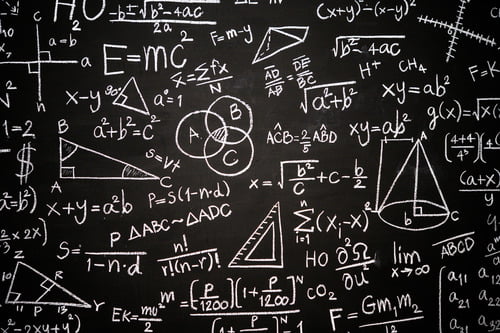
Aryabhata, an ancient Indian mathematician and astronomer, authored the Aryabhatiya, a seminal work on mathematics and astronomy. This treatise laid foundational conce...
Explore event →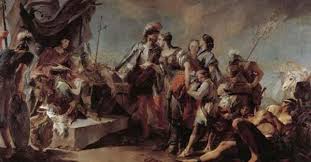
Emperor Aurelian, a prominent ruler of the Roman Empire known for his military prowess, was assassinated by his own soldiers in late September. The assassination occur...
Explore event →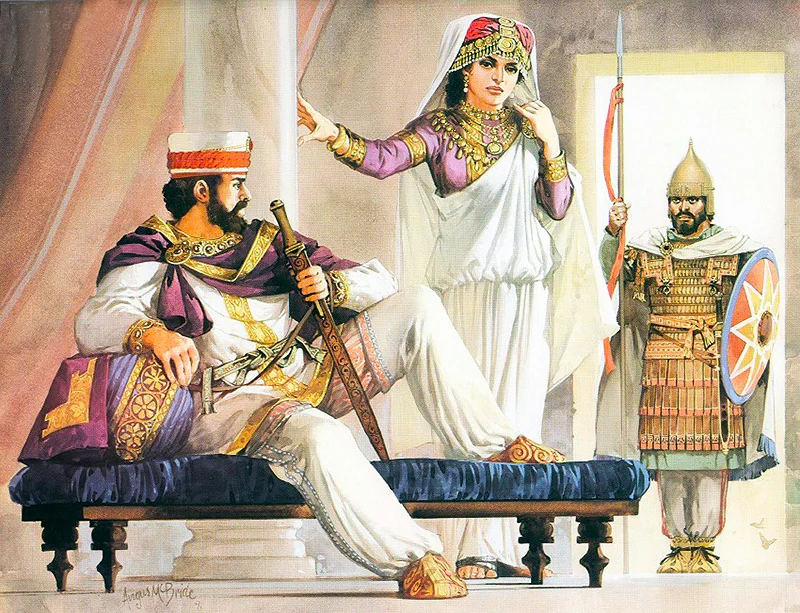
Odaenathus rose to power in Palmyra amid the crisis of the Roman Empire in the mid-3rd century. Following the capture of the Roman Emperor Valerian by the Persians, Pa...
Explore event →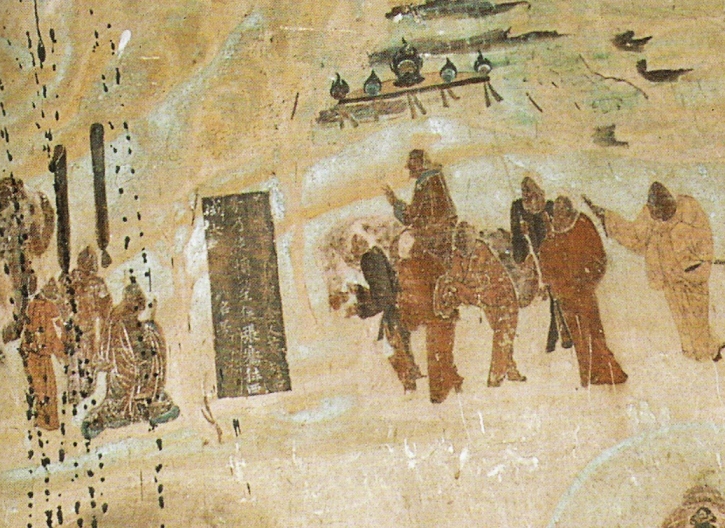
Dou Xian, a general of the Eastern Han dynasty, led a decisive campaign against the Northern Xiongnu. In a series of battles, Han forces overcame the nomadic confedera...
Explore event →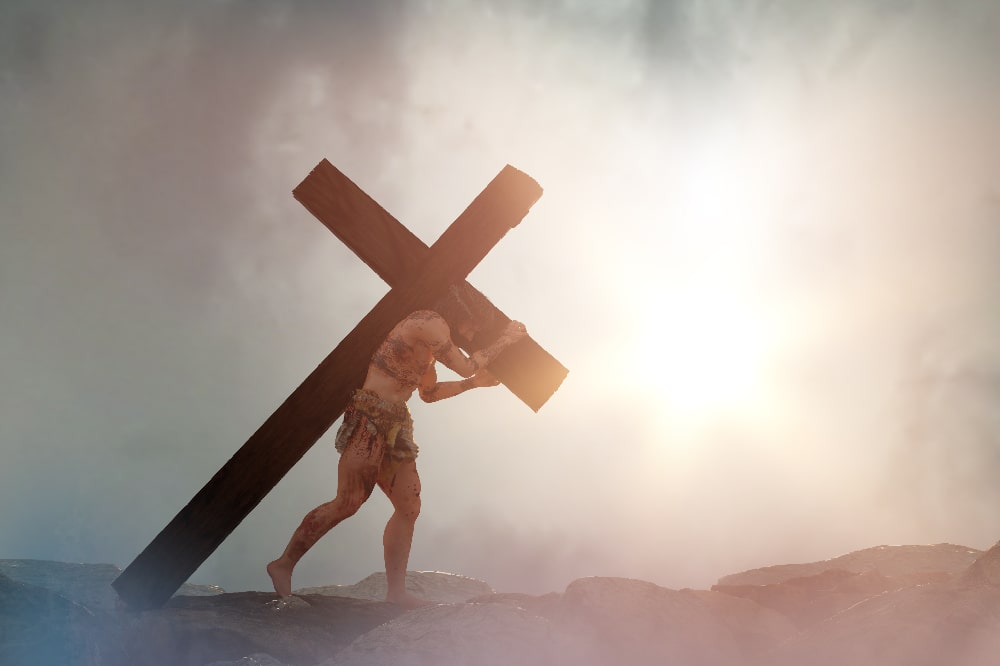
Jesus of Nazareth was executed by crucifixion under Roman governor Pontius Pilate in Jerusalem, during the period of Roman occupation of Judea. The event is documented...
Explore event →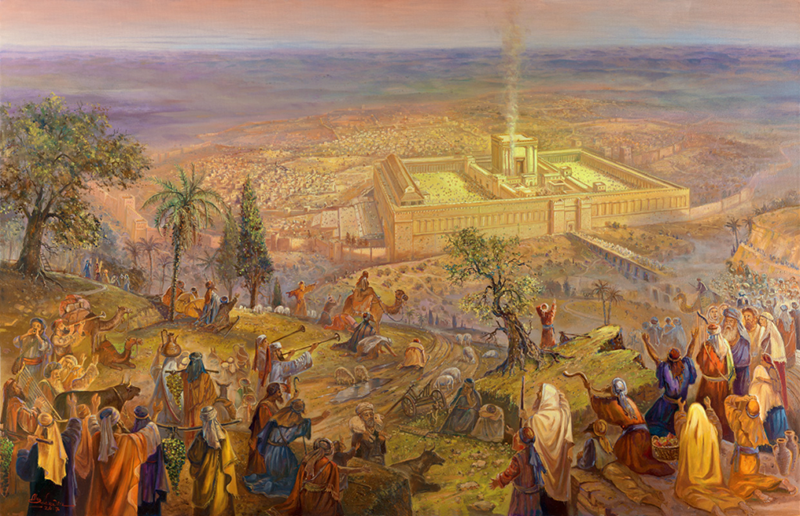
Pentecost in Jerusalem marks a significant event when the early followers of Jesus gathered to celebrate the Jewish festival of Shavuot, also known as Pentecost. This ...
Explore event →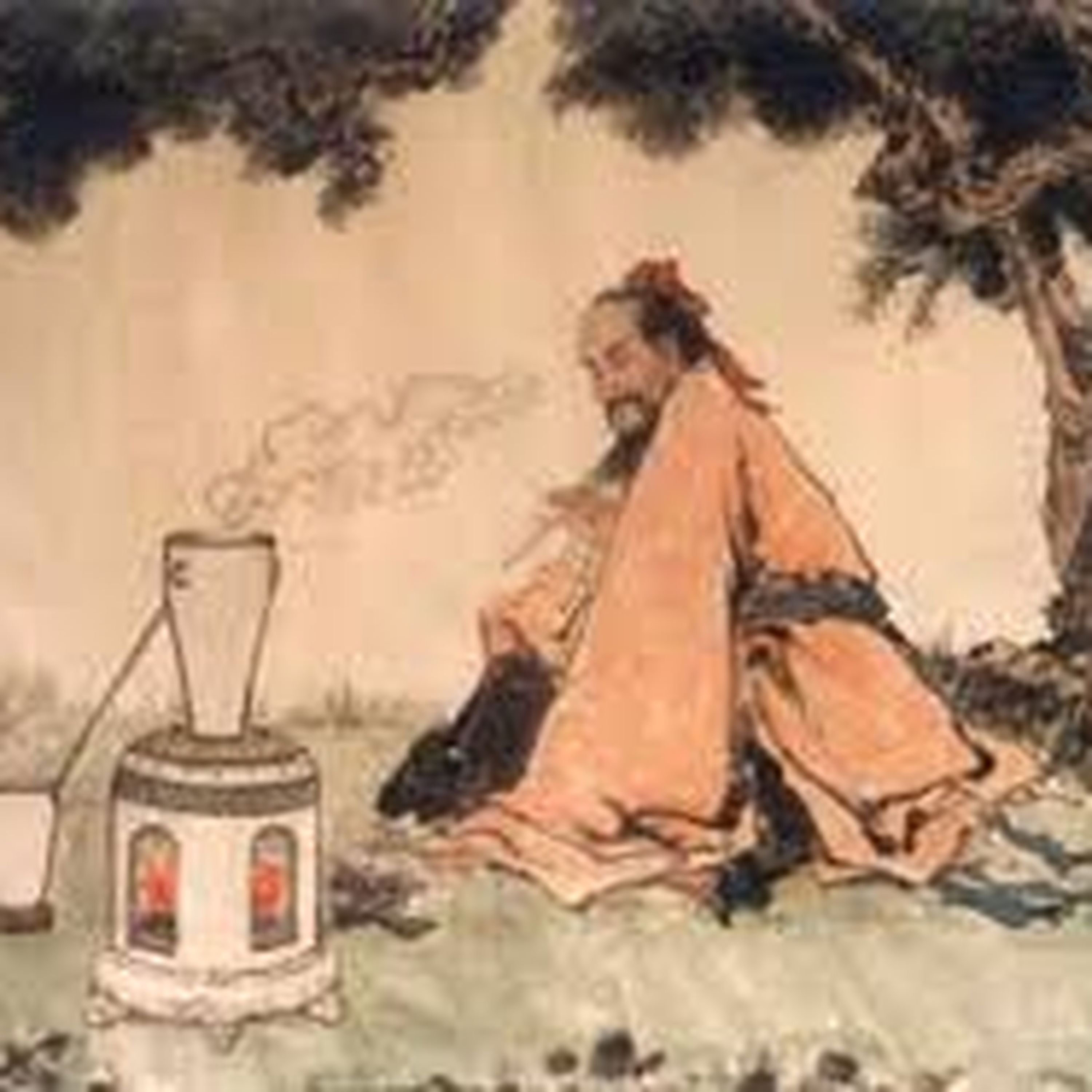
Ge Hong was a Chinese scholar and alchemist during the Eastern Jin dynasty known for his significant writings on alchemy and the quest for immortality. His works combi...
Explore event →
2014–2026 — Egypt remains the most populous country in the Arab world and one of the principal political centers of the eastern Mediterranean and Middle East. Cairo do...
Explore research
1915–1917 — Battlefield losses, inflation, food distribution failures and political distrust progressively weaken the Russian state. Confidence in Nicholas II collapse...
Explore research
7–23 July 1914 — Austro-Hungarian leaders debate how to transform the Sarajevo assassination into a confrontation with Serbia. Officials increasingly favor demands sev...
Explore research
c. 800–1204 CE — Byzantium organizes the Adriatic region around Dyrrachium as a military and administrative theme. The city becomes essential for defending routes betw...
Explore research
305–30 BCE — The Macedonian Ptolemaic dynasty rules Egypt after the fragmentation of Alexander's empire. Its kings present themselves simultaneously as Hellenistic mon...
Explore research
Untitledc. 747–656 BCE — Kings from the Nubian kingdom of Kush expand north and eventually control Egypt as the Twenty-Fifth Dynasty. They deliberately present themsel...
Explore research
c. 1000 BCE–1100 CE — Separate archaeology, language, ancient ethnonyms and medieval written evidence rather than forcing them into one uninterrupted national story.
Explore research
c. 1650–1550 BCE — A dynasty of rulers of largely western Asian origin controls much of northern Egypt from Avaris in the Nile Delta. Egyptian sources later portray th...
Explore research
1939–1945 — Britain's Government Code and Cypher School gathers mathematicians, linguists, engineers, intelligence officers and thousands of support staff at Bletchley...
Explore research
1 October 1941 — German supply systems struggle to sustain armies advancing hundreds of kilometers into Soviet territory. Roads deteriorate in autumn mud, rail gauges ...
Explore research
17 September 1939 — Soviet forces cross Poland's eastern frontier while the Polish state is already collapsing under German attack. The invasion follows the secret ter...
Explore research
21 June 1941 — Despite multiple intelligence warnings, Stalin remains reluctant to believe Hitler will immediately launch full-scale war. Soviet forces are not fully p...
Explore research
Repeated wars weaken the major poleis and create opportunities for Macedonian expansion.
Explore research
Its inhabitants called themselves Romans, spoke increasingly Greek and preserved an Eastern Roman state for centuries.
Explore research
8 February 1942 — Use the expansion of wartime production as the investigative anchor. Companies in Allied and Axis states received enormous military orders, while the...
Explore research