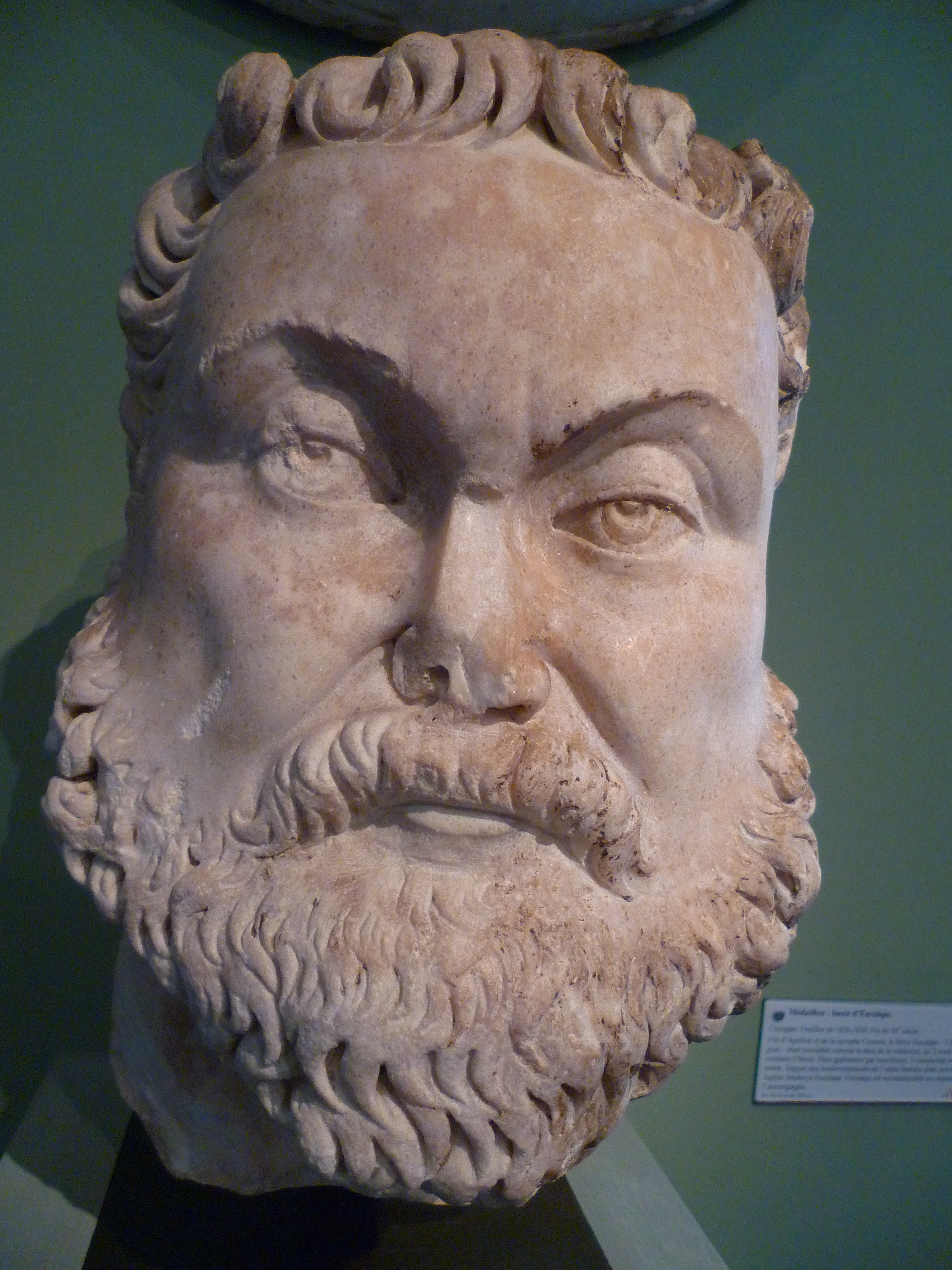
Maximian's Rise as Caesar
In April 286, the Roman Emperor Diocletian appointed Maximian as Caesar, marking a significant development in imperial governance. This act was meant to strengthen the...
Explore event →History does not happen in isolation. Explore world events across time, follow the connections between them, and investigate the threads that reveal how one event can lead to another.
TheTimeMap currently follows events across 95 countries and 268 years of history — building a connected archive designed for people who want to look beyond the headline.
We oppose antisemitism, racism, and dehumanization — everywhere.
When people stop feeling, injustice becomes easy.
In April 286, the Roman Emperor Diocletian appointed Maximian as Caesar, marking a significant development in imperial governance. This act was meant to strengthen the...
Explore event →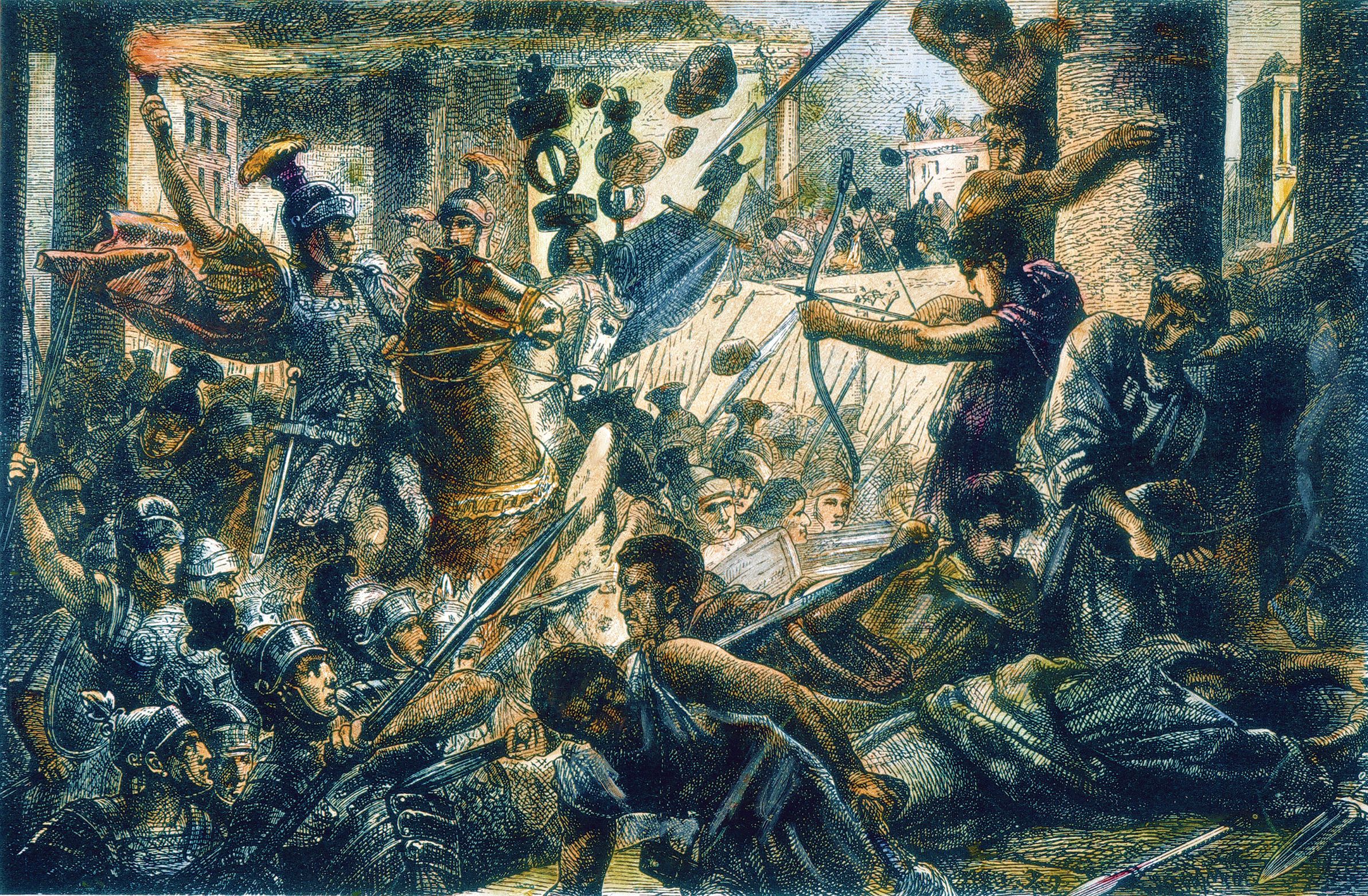
The Battle of the Margus was a significant confrontation during the Roman civil wars, taking place near the city of Margus in the Roman province of Moesia. The conflic...
Explore event →
Emperor Carinus was killed in battle against the forces loyal to his rival, Diocletian, near the Margus River. The conflict marked the end of Carinus's brief reign and...
Explore event →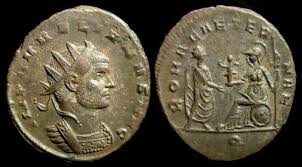
Emperor Aurelian implemented a major monetary reform aimed at stabilizing the Roman currency system after years of debasement. The reform introduced new silver coins w...
Explore event →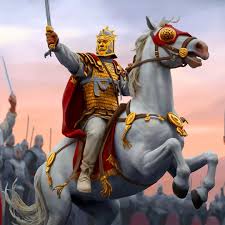
Aurelian was proclaimed emperor by his troops following the death of Emperor Claudius Gothicus. His accession marked a significant turning point during the Crisis of t...
Explore event →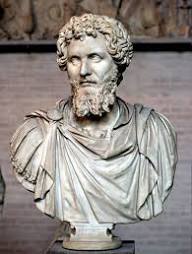
Paul the Jurist was a prominent legal scholar during the reign of Emperor Justinian I. He composed detailed legal opinions and commentaries that influenced the revisio...
Explore event →
Rabbinic literature from the Mishnaic and Talmudic periods (approximately 1st–6th centuries CE) includes legal discussions that describe several categories relating to...
Explore event →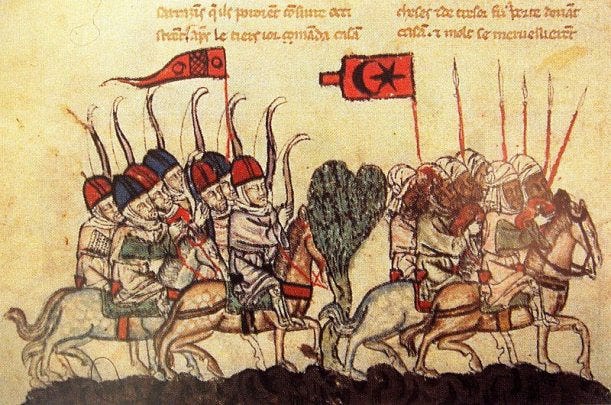
After the murder of Emperor Domitian, the Roman Senate appointed Nerva as emperor, marking a shift from autocratic rule to a more stabilizing governance. Nerva, previo...
Explore event →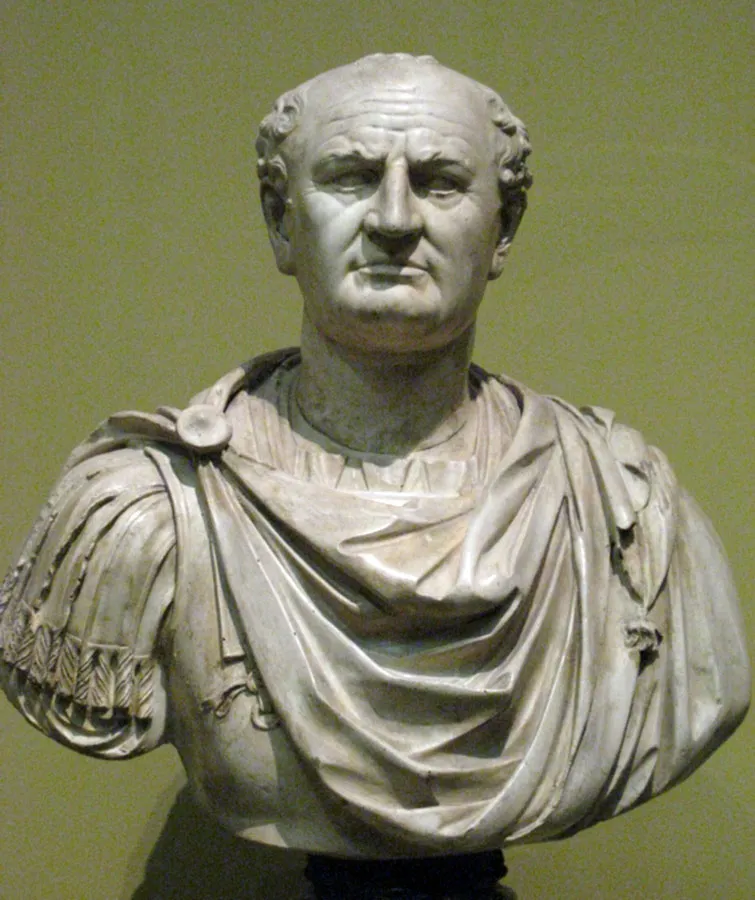
Following a year of civil war known as the Year of the Four Emperors, Vespasian emerged as the uncontested ruler of the Roman Empire. His rise marked the end of the Ju...
Explore event →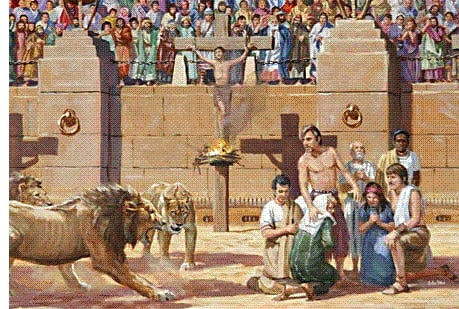
In the mid-first century, Emperor Nero initiated systematic persecution of Christians in Rome following the Great Fire of 64 AD. Christians were blamed for the disaste...
Explore event →
Ma Yuan was a prominent Han dynasty general who led campaigns in the southern regions of China to consolidate Han authority over the Nanyue Kingdom. His military exped...
Explore event →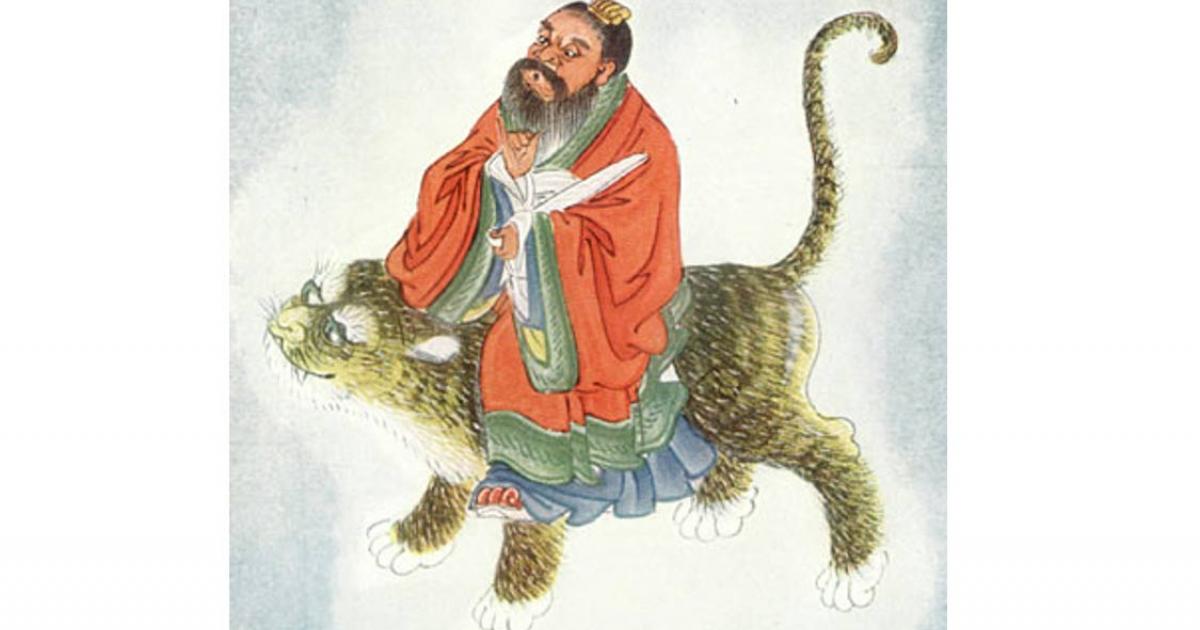
The Five Pecks of Rice movement, also known as the Way of the Celestial Masters, began in the Sichuan region of China. Founded by Zhang Daoling, it became one of the e...
Explore event →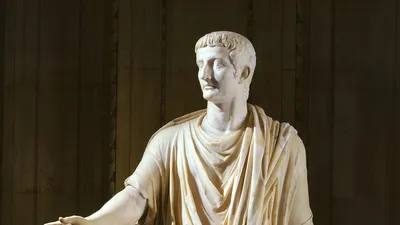
Following the death of Augustus, Tiberius was officially declared emperor by the Roman Senate, marking the beginning of his reign. This accession consolidated the Juli...
Explore event →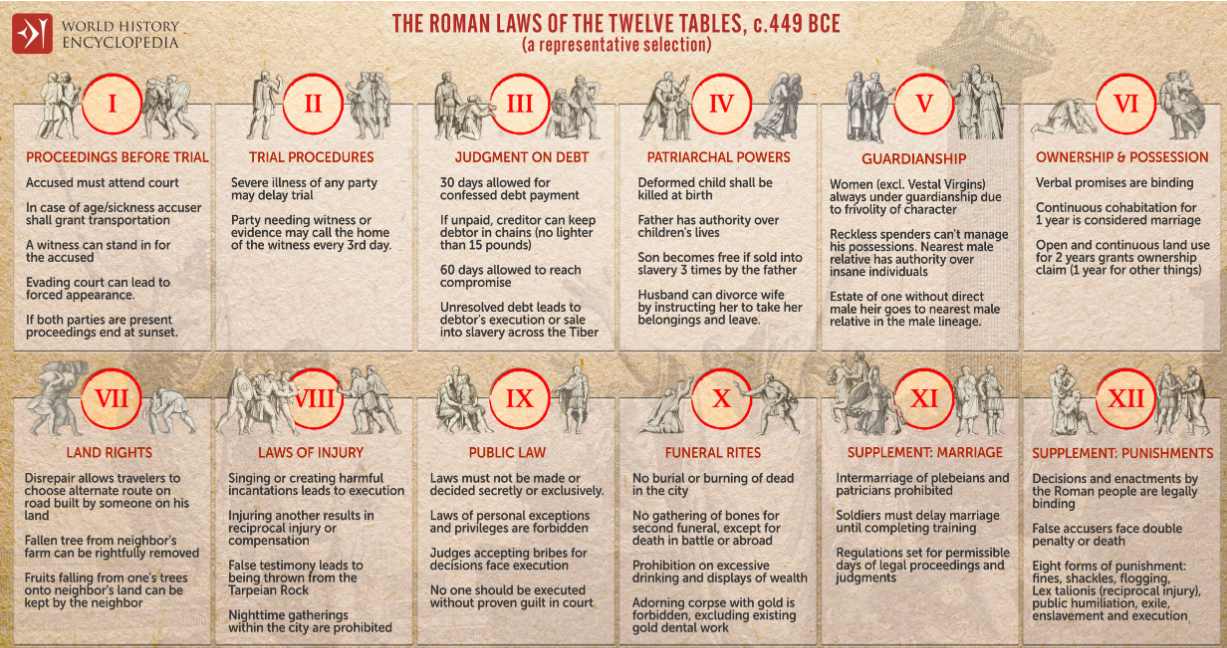
Roman law saw significant advancements in codification through the efforts of distinguished jurists during the Republic and early Empire. These legal experts compiled ...
Explore event →
11 February 2011 — Vice President Omar Suleiman announces that Hosni Mubarak has stepped down and transferred authority to the Supreme Council of the Armed Forces. Cel...
Explore research
31 March 1991 — Albania holds its first competitive multiparty parliamentary elections since the communist takeover. The former communist Party of Labour wins, but the...
Explore research
1952–1970 — The Free Officers end the monarchy, reduce British influence, redistribute land and create a powerful developmental state. At the same time, political part...
Explore research
7 April 1939 — Italian forces invade Albania after King Zog rejects Mussolini's demands for greater Italian control. Zog flees the country and Albania is incorporated ...
Explore research
6 April 1917–11 November 1918 — The United States begins converting its enormous economy and population into military power. Millions of men enter the draft system whi...
Explore research
1 February 1917–11 November 1918 — German submarines attack merchant shipping in an attempt to reduce British imports below sustainable levels. Early shipping losses a...
Explore research
1917–1918 — German forces develop increasingly sophisticated methods based on short intense bombardments, assault detachments and infiltration around strongpoints. The...
Explore research
1915–1917 — Commanders increasingly seek to exhaust enemy manpower, artillery and industrial capacity faster than their own side is depleted. Verdun and the Somme beco...
Explore research
1915–1918 — Consumption of artillery shells and other matériel massively exceeds prewar assumptions. Governments intervene increasingly in factories, labor, transport ...
Explore research
1915–1917 — Battlefield losses, inflation, food distribution failures and political distrust progressively weaken the Russian state. Confidence in Nicholas II collapse...
Explore research
Untitled1914–1918 — Industrial warfare requires food, coal, metals, chemicals, credit and shipping on unprecedented scales. Britain attempts to deny overseas resources...
Explore research
14–22 November 1908 — Albanian intellectuals and representatives gather at Manastir, modern Bitola, to address competing Albanian alphabets. The congress favors a Lati...
Explore research
Untitled168 BCE–395 CE — The lands of modern Albania are gradually integrated into Roman provincial systems. Cities expand, Latin and Greek cultural influences deepen,...
Explore research
525 BCE — Cambyses II of the Achaemenid Persian Empire defeats Pharaoh Psamtik III and incorporates Egypt into the Persian imperial system. Persian kings adopt pharaon...
Explore research
671 BCE — Assyrian king Esarhaddon invades Egypt and captures Memphis. Further campaigns follow as Assyria struggles against Kushite attempts to regain authority. Egyp...
Explore research
Around 1200 BCE — Major palace centers are destroyed or abandoned during the wider Bronze Age Collapse.
Explore research
c. 2200–2181 BCE — Central royal authority weakens as powerful provincial elites gain greater independence. Low Nile floods and climatic instability may have intensifi...
Explore research
c. 3100 BCE — Political consolidation produces a state extending across most of the Nile Valley and Delta. A royal court, taxation system, organized labor force and in...
Explore research
c. 3300–3100 BCE — Larger political systems emerge in the Nile Valley and Delta. Later Egyptian tradition remembers the country as two lands: Upper Egypt in the south ...
Explore research
27 January 1945 — Soviet troops reach the Auschwitz concentration and extermination complex in occupied Poland. They find thousands of surviving prisoners and extensiv...
Explore research
27 January 1945 — Soviet troops enter the Auschwitz concentration and extermination complex. They find thousands of surviving prisoners whom the SS had been unable to ...
Explore research
10 July 1940 — The Luftwaffe begins the sustained air campaign conventionally identified as the Battle of Britain. Germany seeks air superiority as a prerequisite for ...
Explore research
10 July 1940 — Britain's defense during the Battle of Britain relies on more than fighter aircraft alone. Chain Home radar stations, ground observers, telephone commun...
Explore research
16 August 1924 — The Dawes Plan restructures German reparations payments and facilitates large flows of American capital into Germany. The arrangement helps stabilize ...
Explore research