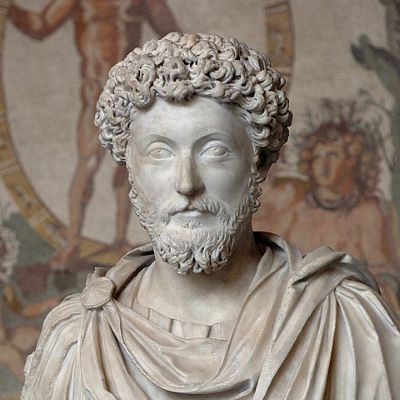
Passing of Roman Emperor Marcus Aurelius
Marcus Aurelius, Roman Emperor and Stoic philosopher, died at the military camp in Vindobona on March 17th. His death marked the end of the Pax Romana, a period of rel...
Explore event →History does not happen in isolation. Explore world events across time, follow the connections between them, and investigate the threads that reveal how one event can lead to another.
TheTimeMap currently follows events across 95 countries and 268 years of history — building a connected archive designed for people who want to look beyond the headline.
We oppose antisemitism, racism, and dehumanization — everywhere.
When people stop feeling, injustice becomes easy.
Marcus Aurelius, Roman Emperor and Stoic philosopher, died at the military camp in Vindobona on March 17th. His death marked the end of the Pax Romana, a period of rel...
Explore event →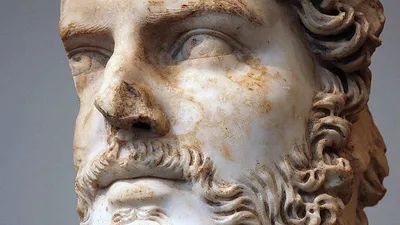
Lucius Verus, co-emperor of Rome alongside Marcus Aurelius, died in Rome under circumstances believed to be related to a devastating plague. His death marked a signifi...
Explore event →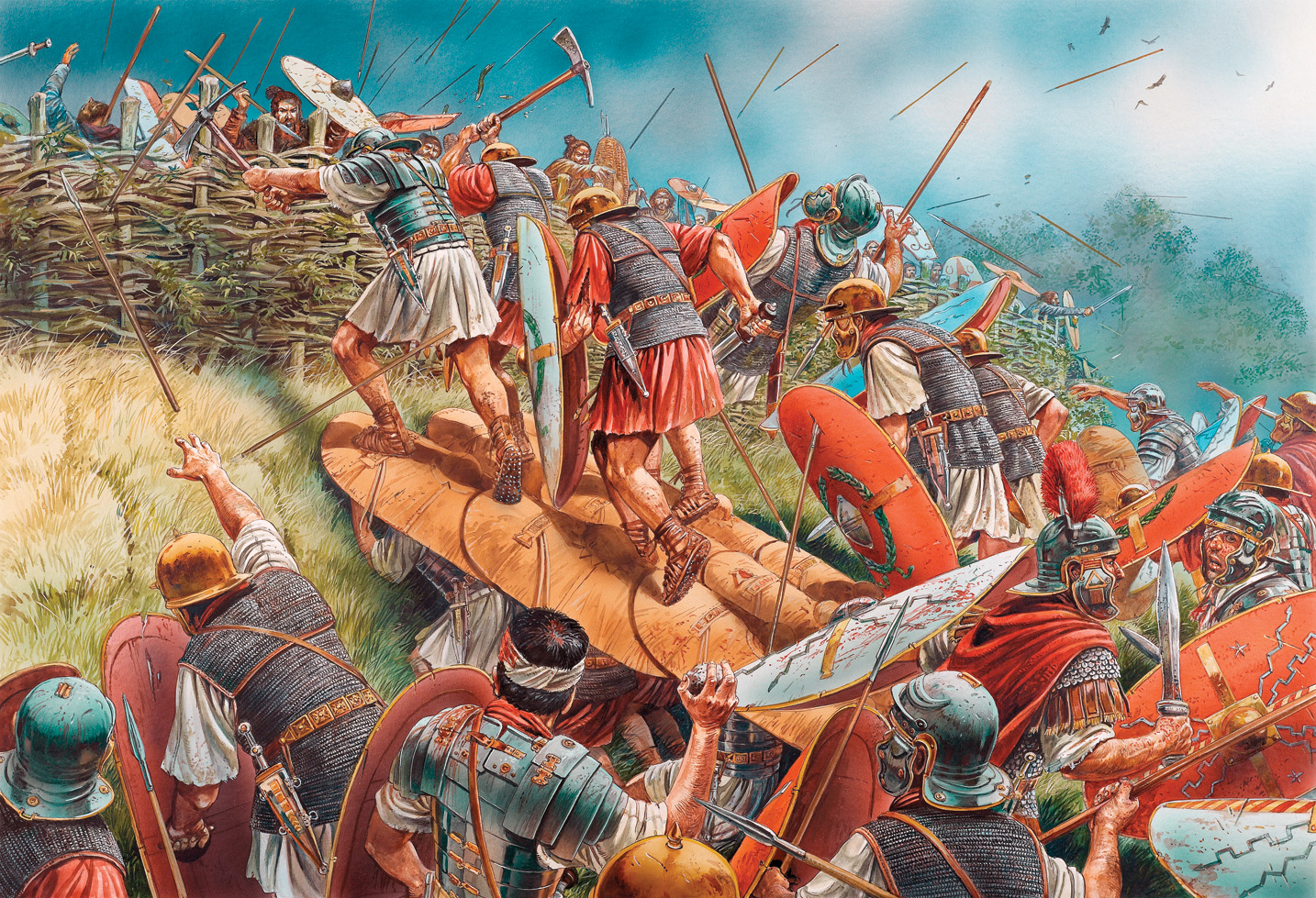
The Marcomannic Wars began as a series of conflicts between the Roman Empire and various Germanic tribes, including the Marcomanni, along the Danube frontier. The wars...
Explore event →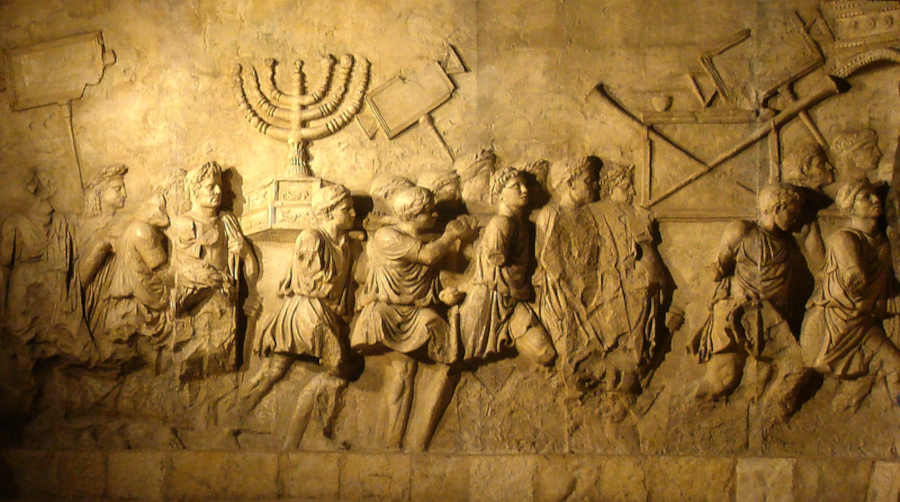
The Bar Kokhba revolt, a major Jewish uprising against Roman rule, ended with the fall of the fortress of Betar. The Roman forces besieged and destroyed the stronghold...
Explore event →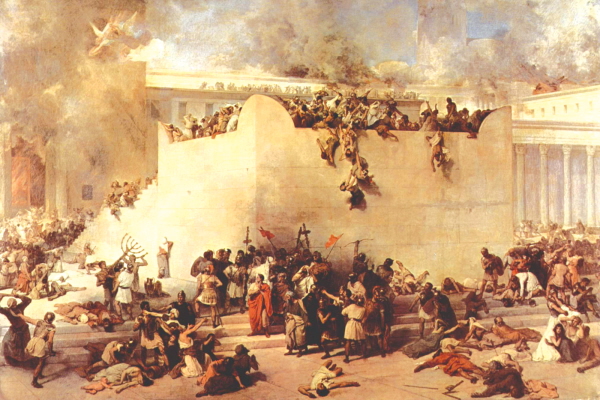
The Bar Kokhba revolt was a major Jewish uprising against the Roman Empire in the province of Judaea. The rebellion started under the leadership of Simon Bar Kokhba wh...
Explore event →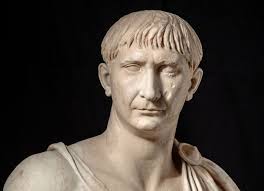
Trajan, one of Rome's most respected emperors known for his military conquests and extensive public works, died in the summer months during a campaign in Mesopotamia. ...
Explore event →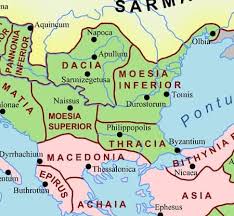
The Second Dacian War marks the renewed conflict between the Roman Empire and the Dacian Kingdom, led by King Decebalus. Roman Emperor Trajan launched a major military...
Explore event →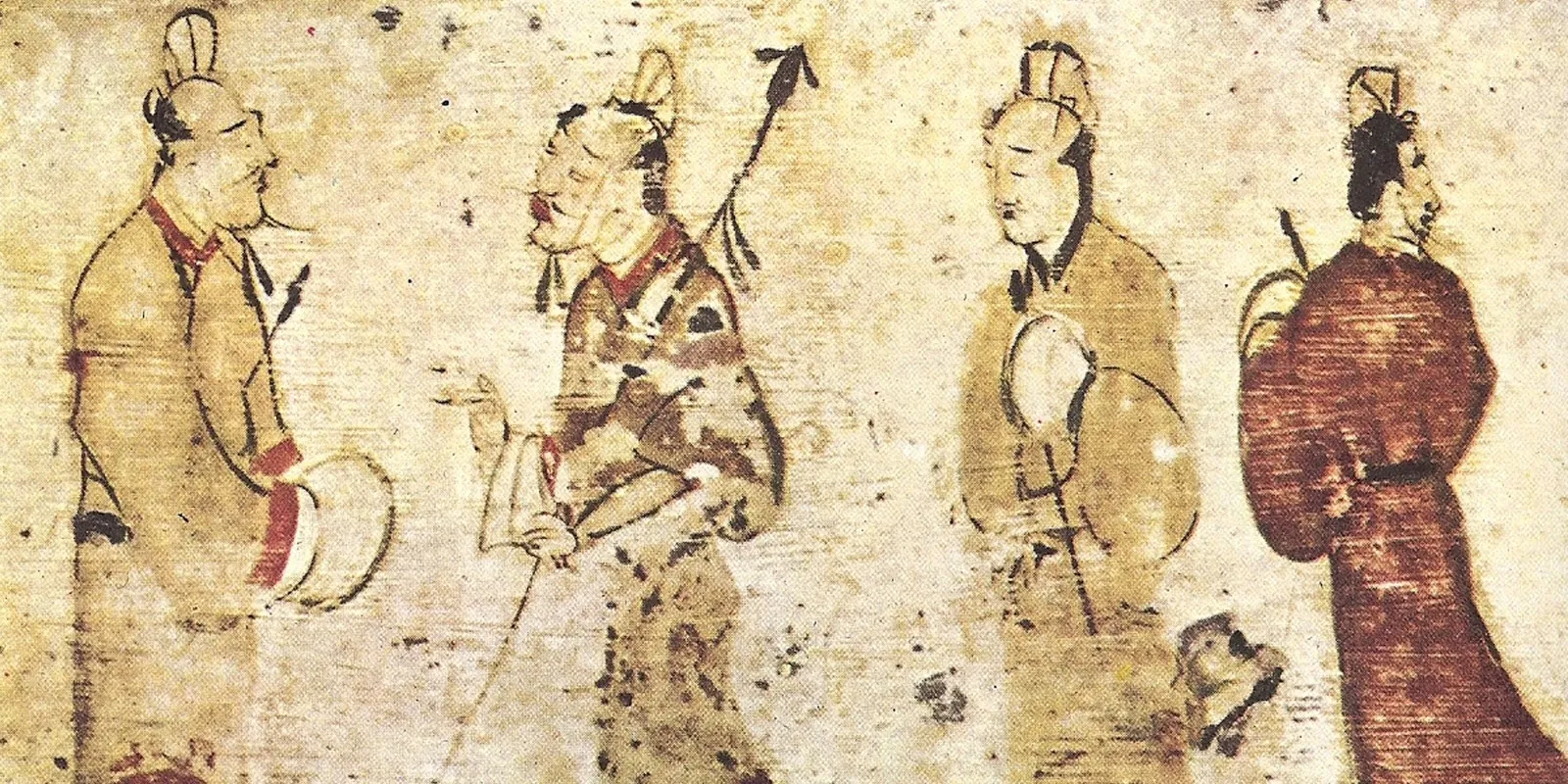
Ban Chao, a general under the Han Dynasty, initiated a series of military campaigns to assert Chinese control over the Western Regions. These expeditions were aimed at...
Explore event →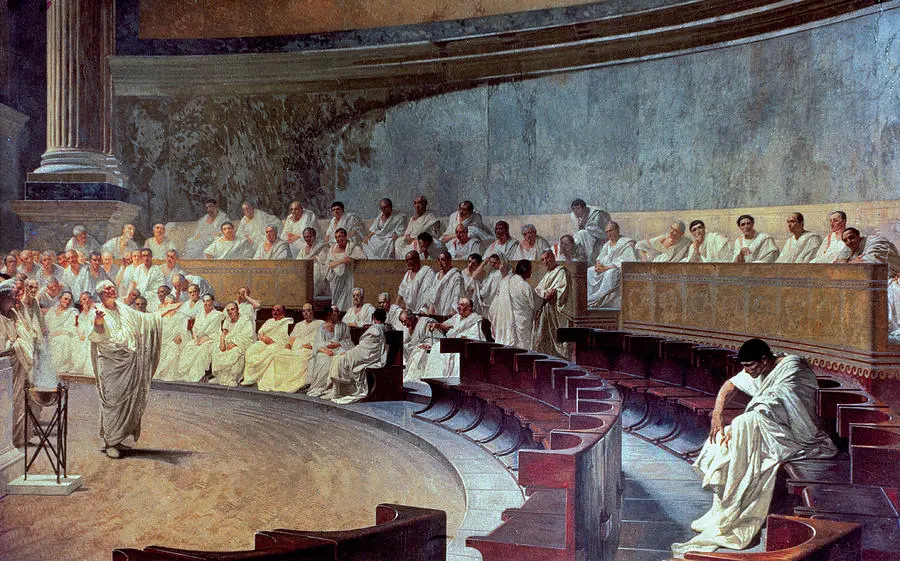
The Year of the Four Emperors was a tumultuous period marking rapid succession of Roman emperors after the fall of Nero. It involved the rise and fall of Galba, Otho, ...
Explore event →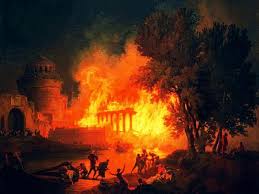
The Great Fire of Rome began in the night and quickly spread through the city, causing extensive destruction. The fire lasted for six days and destroyed many neighborh...
Explore event →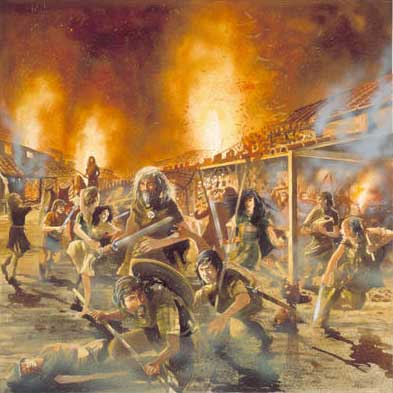
The Iceni tribe, led by Queen Boudica, launched a major revolt against Roman occupation in Britannia. The uprising was provoked by Roman mistreatment following the dea...
Explore event →
The Trung Sisters led a major rebellion against Chinese rule in the Red River Delta region of Vietnam. Their uprising marked a significant moment of resistance against...
Explore event →
Ma Yuan was a prominent Han dynasty general who led campaigns in the southern regions of China to consolidate Han authority over the Nanyue Kingdom. His military exped...
Explore event →
Longinus is the name given in later Christian tradition to the Roman soldier said to have pierced the side of Jesus during the crucifixion with a spear, as described i...
Explore event →
Lucius Aelius Sejanus, the powerful prefect of the Praetorian Guard, was arrested and executed after losing favor with Emperor Tiberius. His fall marked a dramatic shi...
Explore event →
The Xin dynasty's rule ended after widespread revolts erupted against Wang Mang's government. These uprisings were fueled by famine, flooding, and political unrest tha...
Explore event →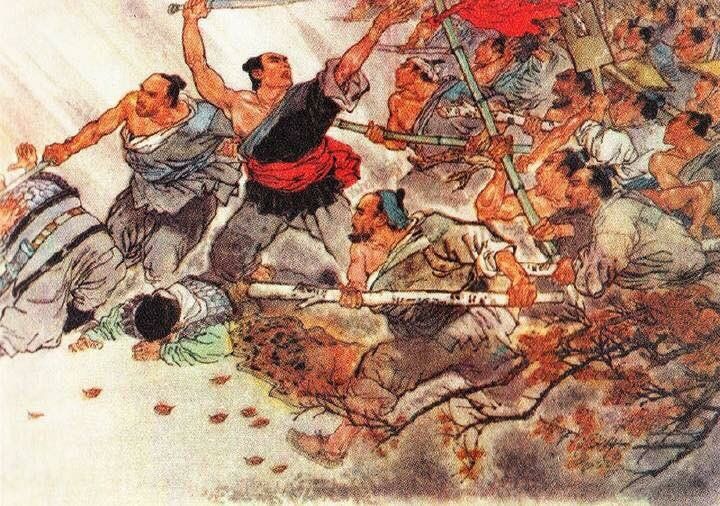
The Red Eyebrows rebellion began as a peasant uprising against the ruling Wang Mang regime. Originating in the Henan region, discontent over heavy taxation and natural...
Explore event →
The Lulin rebellion was a peasant uprising that began during the late Xin dynasty in the region of Lulin. It was part of a series of revolts against oppressive rule an...
Explore event →
Klaus Schwab hosted a conversation with Henry Kissinger at the World Economic Forum Annual Meeting in Davos in 2022. Schwab discussed his earlier meeting with Kissinge...
Explore research
30 June 2012 — Mohamed Morsi, associated with the Muslim Brotherhood's political movement, becomes Egypt's first president elected after the 2011 uprising. His governm...
Explore research
25 January–11 February 2011 — Mass demonstrations erupt against police brutality, corruption, economic frustration and authoritarian government. Cairo's Tahrir Square ...
Explore research
Henry Kissinger delivered the opening address at the European Management Symposium in Davos in 1980. The World Economic Forum identifies this as his first appearance a...
Explore research
National Security Decision Memorandum 314 concerned U.S. population policy following the NSSM 200 study. President Gerald Ford approved the associated policy decision ...
Explore research
The completed National Security Study Memorandum 200 examined worldwide population growth, food supplies, minerals and fuel, economic development, population pressures...
Explore research
38th president of the United States. Ford succeeded Nixon in 1974 and subsequently approved a National Security Decision Memorandum concerning population policy.
Explore research
National Security Study Memorandum 200, issued April 24, 1974, directed a study of worldwide population growth and its implications for U.S. security and overseas inte...
Explore research
International membership organization founded in 1973 by David Rockefeller to bring together participants from North America, Europe, and Asia for discussion of intern...
Explore research
David Rockefeller founded the Trilateral Commission in 1973 as an organization bringing together participants from North America, Europe, and Asia.
Explore research
International organization founded by Klaus Schwab as the European Management Symposium in 1971. It later became the World Economic Forum and developed into a platform...
Explore research
President-elect Richard Nixon selected Henry Kissinger as national security adviser during the transition to the Nixon administration.
Explore research
Klaus Schwab later stated that he met Henry Kissinger while Schwab was at Harvard. The World Economic Forum described the meeting as occurring more than 50 years befor...
Explore research
1958–1961 — Egypt and Syria unite as the United Arab Republic under Nasser. The union represents the high point of pan-Arab political enthusiasm. Syrian dissatisfactio...
Explore research
Henry Kissinger served as director of the Rockefeller Brothers Fund Special Studies Project during the late 1950s and early 1960s. The project examined major problems ...
Explore research
18 June 1953 — The monarchy is formally abolished and Egypt is declared a republic. Muhammad Naguib becomes the first president, but power increasingly shifts toward G...
Explore research
1948–1978 — Follow Albania's successive breaks with Yugoslavia, the Soviet Union and China and the increasingly radical ideology of Enver Hoxha's government.
Explore research
German-born economist and engineer who founded the European Management Symposium, later known as the World Economic Forum, and served as its principal leader.
Explore research
German-born American diplomat, political scientist, national security adviser, and secretary of state. He served as national security adviser beginning in 1969 and as ...
Explore research
March–April 1919 — Mass demonstrations, strikes and civil unrest erupt after British authorities exile nationalist leader Saad Zaghloul and other members of the Wafd m...
Explore research
January–June 1919 — France prioritizes security and compensation for destruction. Britain wants Germany constrained without permanently destroying European economic st...
Explore research
8 August 1918 — Allied armies attack near Amiens and begin the sustained offensive sequence known as the Hundred Days. Improved coordination of artillery, infantry, ta...
Explore research
July–November 1918 — Allied forces increasingly coordinate artillery, infantry, tanks, aircraft, communications and logistics. Strategic coordination also improves und...
Explore research