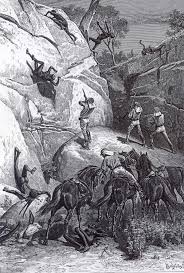
Tasmanian Aboriginal Genocide Overview
The Tasmanian Aboriginal Genocide refers to the systematic extermination and dispossession of the indigenous Tasmanian population by British colonists during the early...
Explore event →History does not happen in isolation. Explore world events across time, follow the connections between them, and investigate the threads that reveal how one event can lead to another.
TheTimeMap currently follows events across 95 countries and 268 years of history — building a connected archive designed for people who want to look beyond the headline.
We oppose antisemitism, racism, and dehumanization — everywhere.
When people stop feeling, injustice becomes easy.
The Tasmanian Aboriginal Genocide refers to the systematic extermination and dispossession of the indigenous Tasmanian population by British colonists during the early...
Explore event →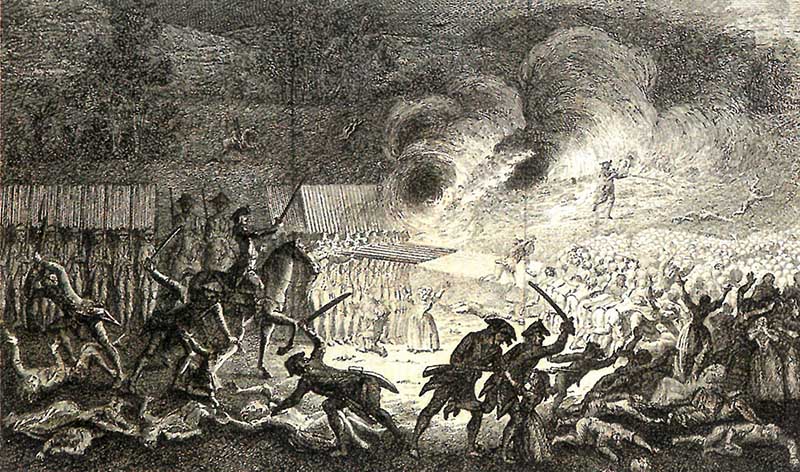
The Vendée Massacres occurred during the War in the Vendée, a counter-revolutionary uprising in western France from 1793 to 1796. The conflict was marked by violent cl...
Explore event →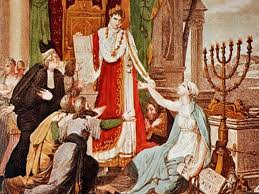
Emancipation of Jews in Russia under Catherine II In 1791, Empress Catherine II of Russia issued policies regulating the settlement and legal status of Jewish populat...
Explore event →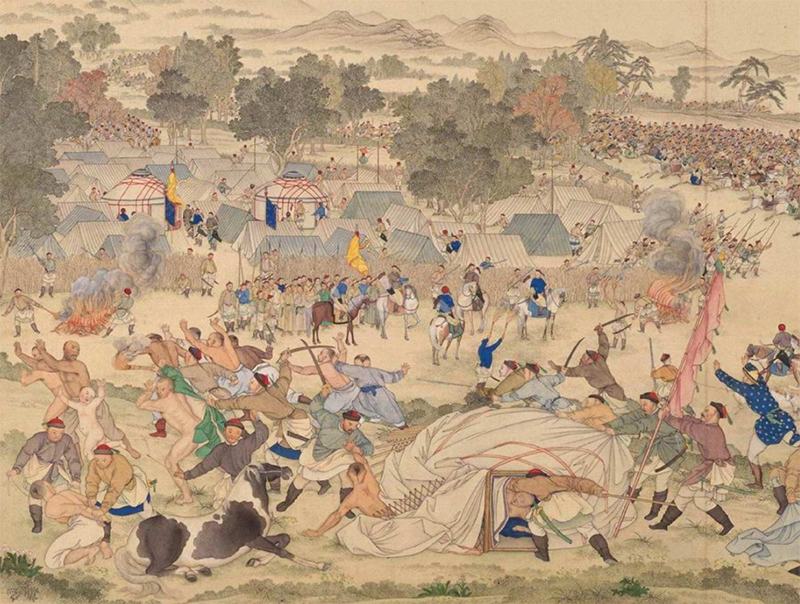
The Dzungar Genocide refers to the systematic destruction of the Dzungar people by the Qing dynasty during the mid-18th century.Between 1755 and 1758, the Qing governm...
Explore event →
Chinese artisans in Jingdezhen have significantly advanced porcelain production techniques, enhancing the quality and durability of ceramics. These improvements includ...
Explore event →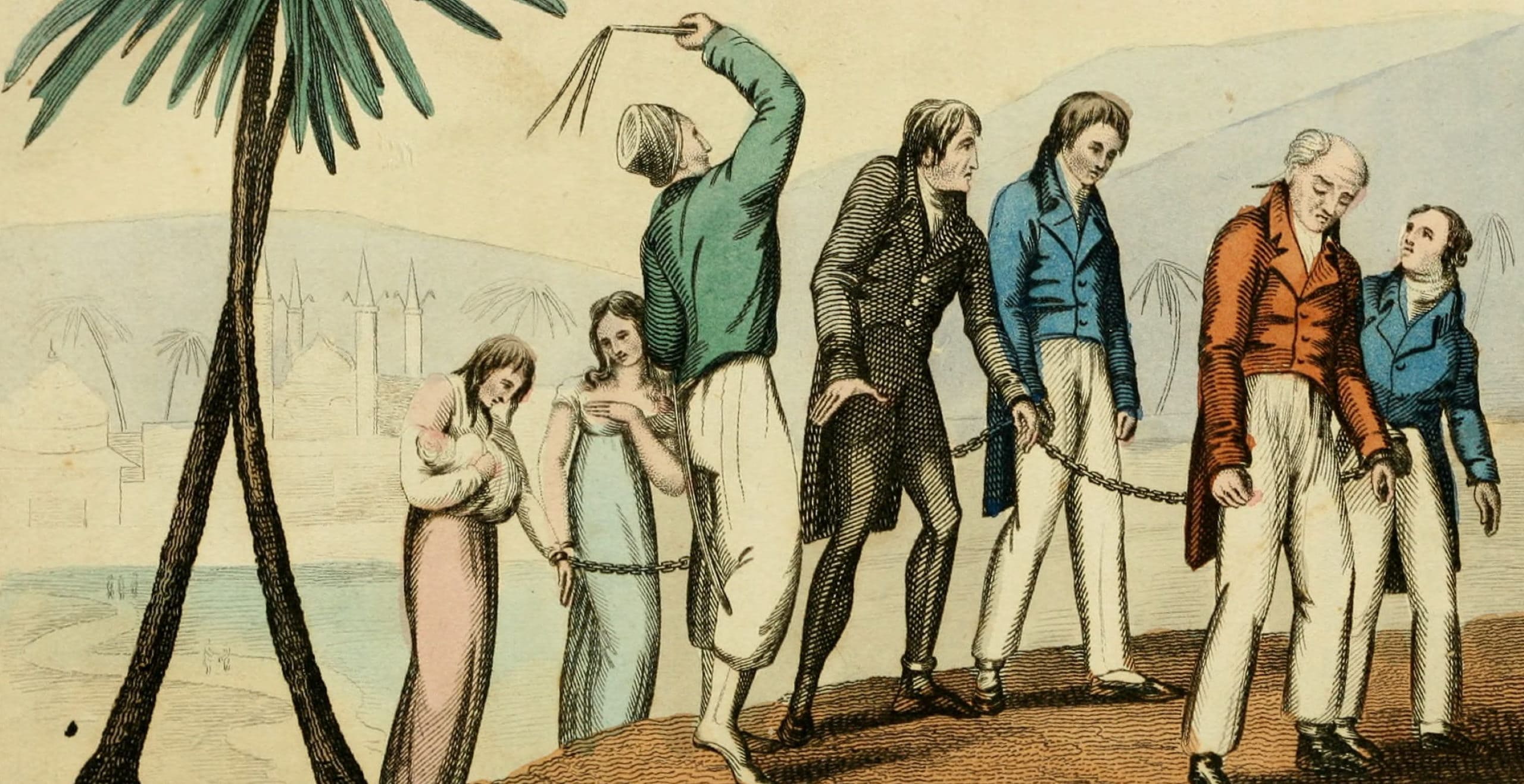
European Captives Sold Into Slavery By Barbary Pirates From the 16th to the 19th centuries, Barbary pirates operating from North Africa — including present-da...
Explore event →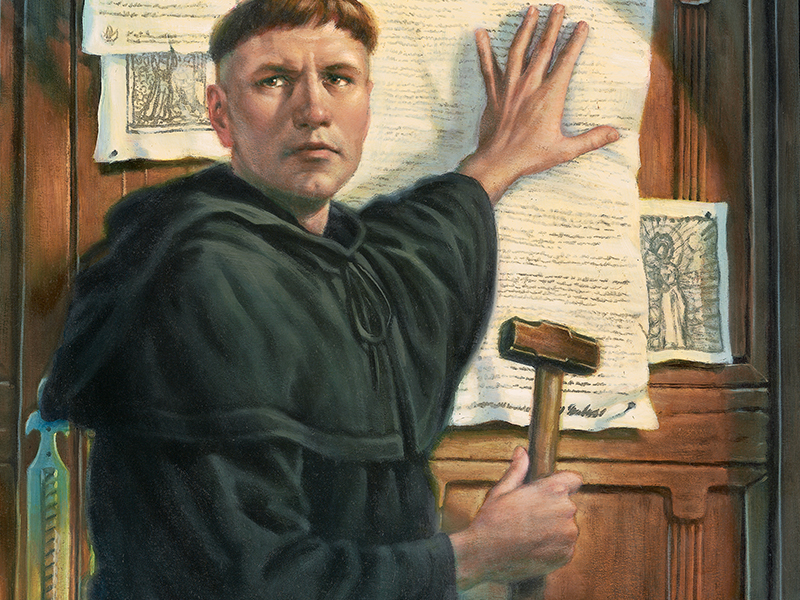
The Ninety-Five Theses body { font-family: Arial, Helvetica, sans-serif; line-height: 1.6; margin: 40px; ...
Explore event →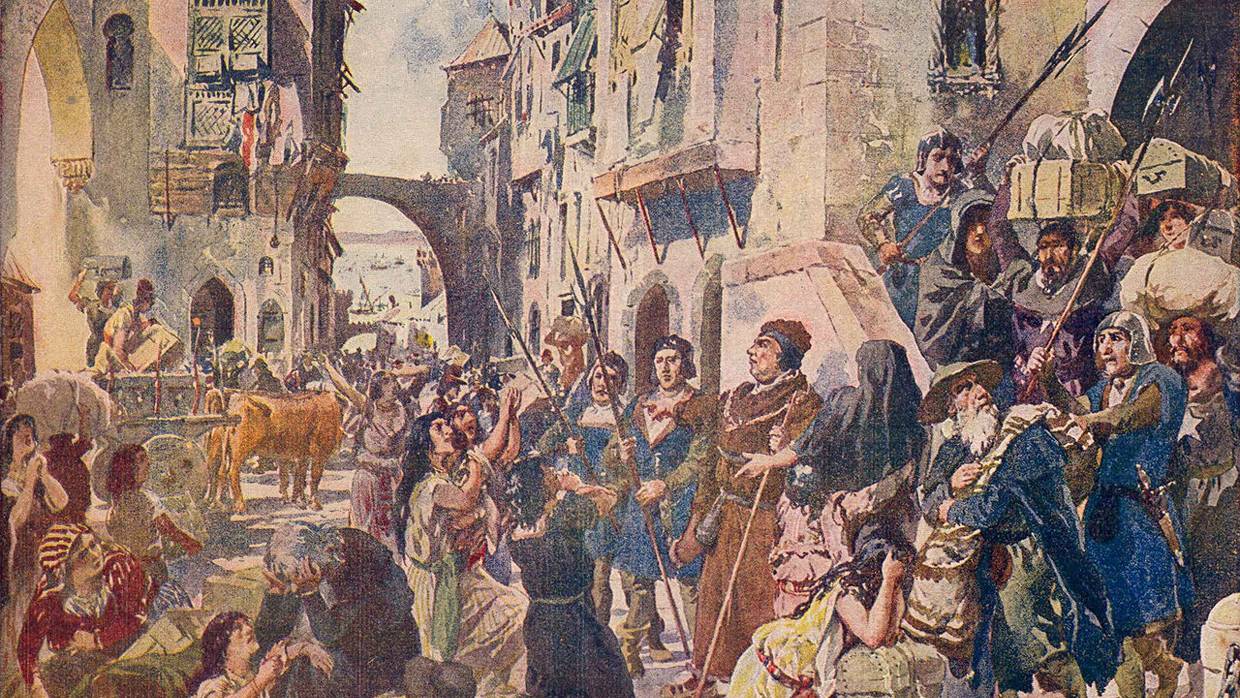
Expulsion of Jews from Portugal On December 5, 1497, King Manuel I of Portugal issued an edict requiring all Jews to either convert to Christianity or leave the kingd...
Explore event →
The Tome of Leo was issued as a formal declaration by Pope Leo I articulating the doctrinal position of the Church concerning the divine and human natures of Christ. T...
Explore event →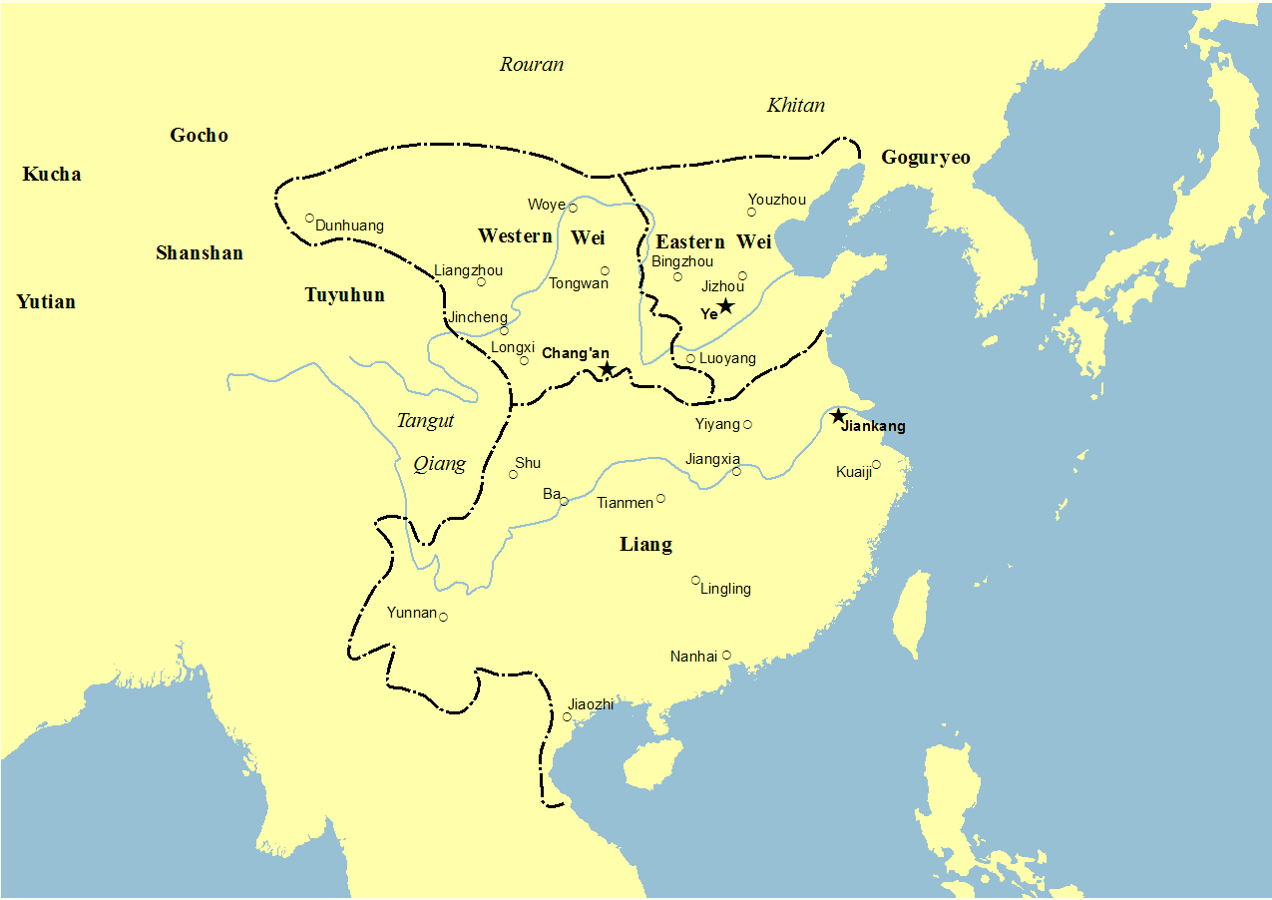
In early March 1371, Cham forces launched a significant raid on the Jiaozhi region of northern Vietnam. The attack targeted local settlements and disrupted the regiona...
Explore event →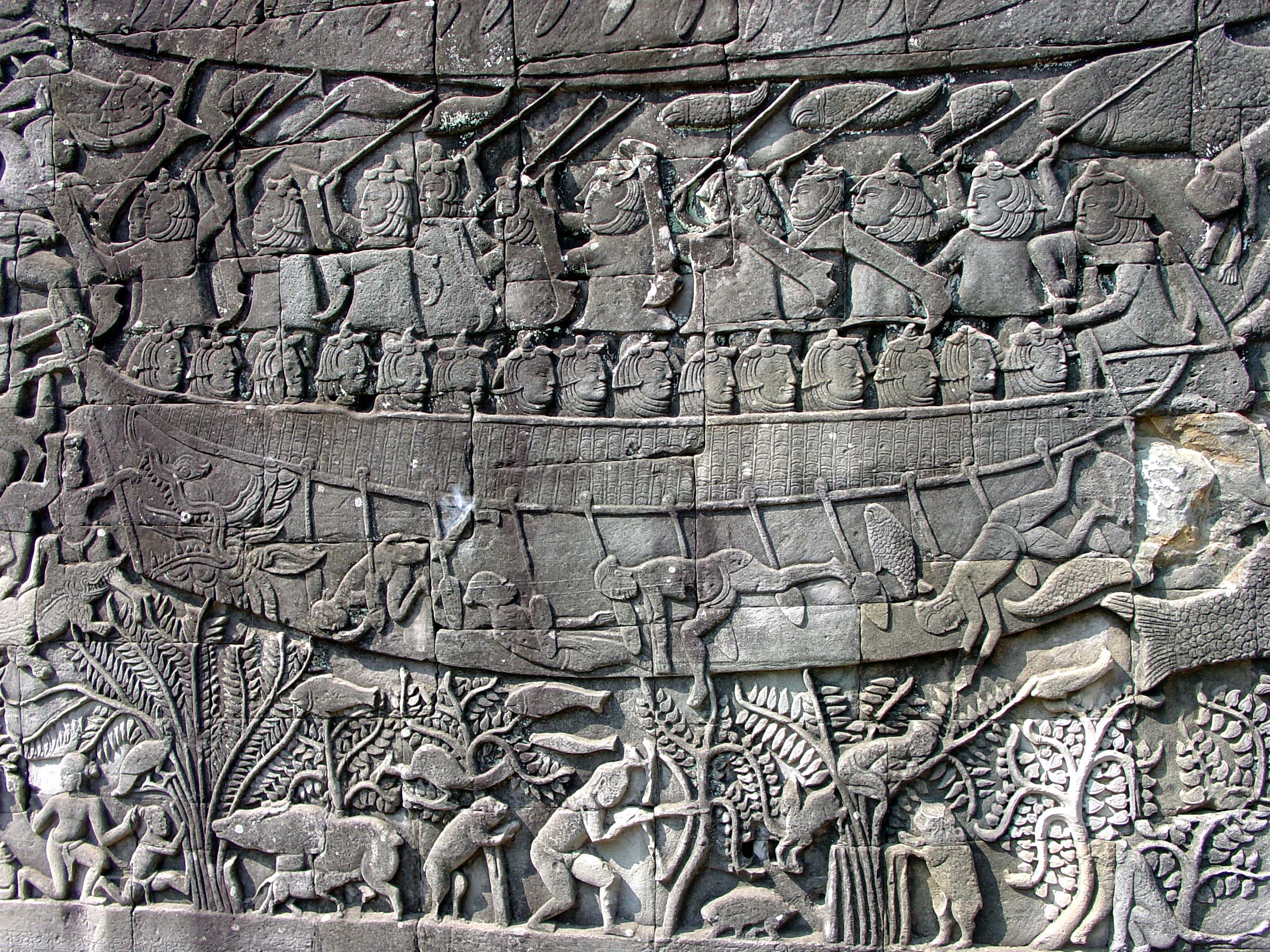
Cham forces launched a large-scale raid against the northern Vietnamese territory of Jiaozhi, resulting in the sacking of the city and widespread destruction. The atta...
Explore event →
Expulsion of Jews from England On July 18, 1290, King Edward I issued the Edict of Expulsion, ordering all Jews to leave the Kingdom of England. The decree affected J...
Explore event →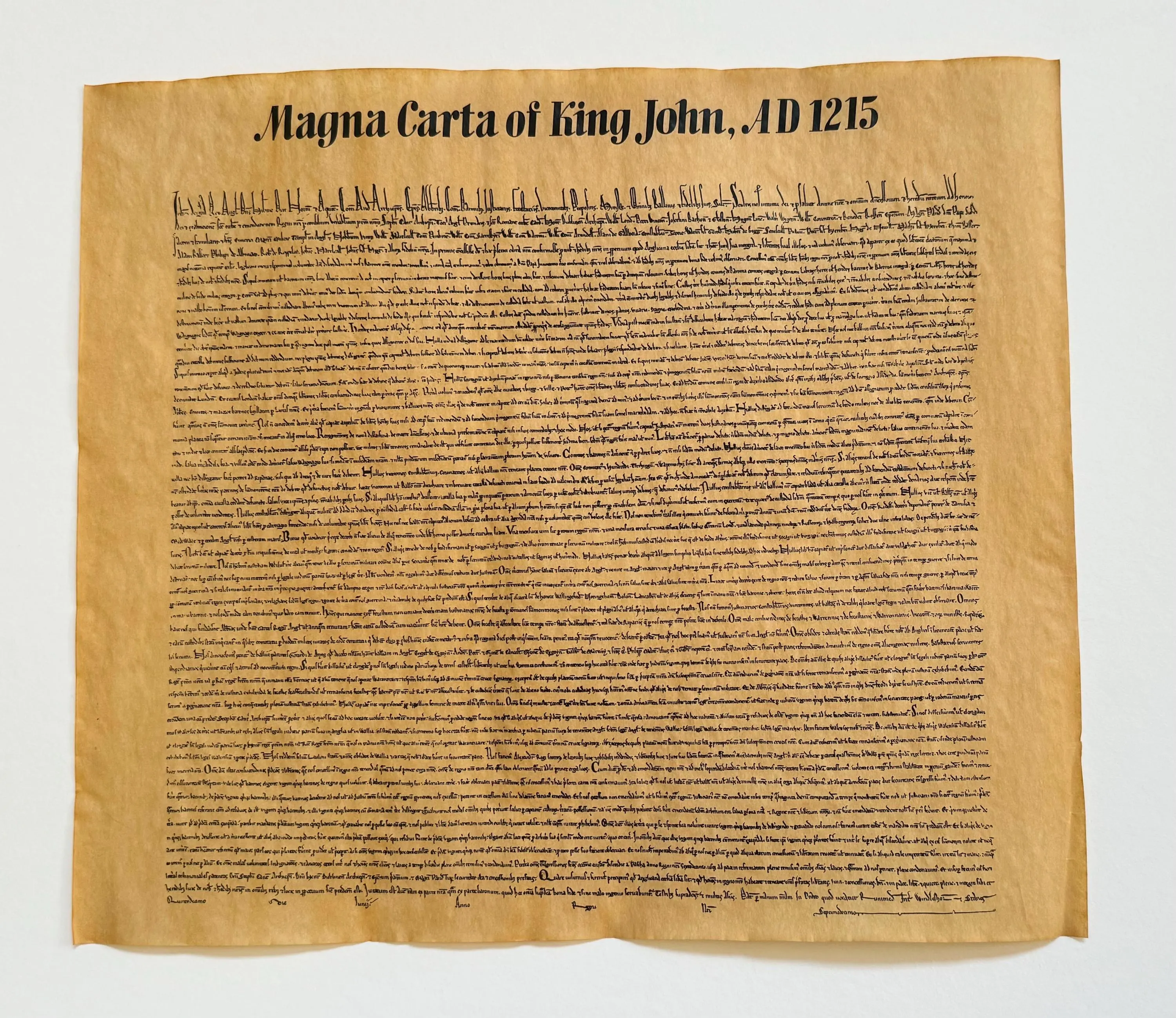
The Magna Carta was signed by King John of England, limiting royal authority and establishing early principles of legal rights for subjects, laying the foundation for ...
Explore event →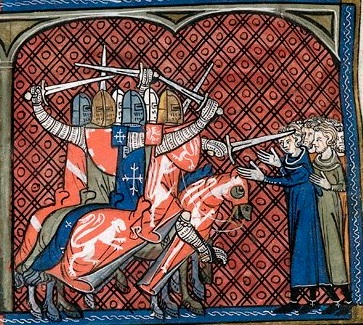
The Albigensian Crusade was a 20-year military campaign initiated by the Catholic Church to eliminate Catharism in the Languedoc region of southern France. It began in...
Explore event →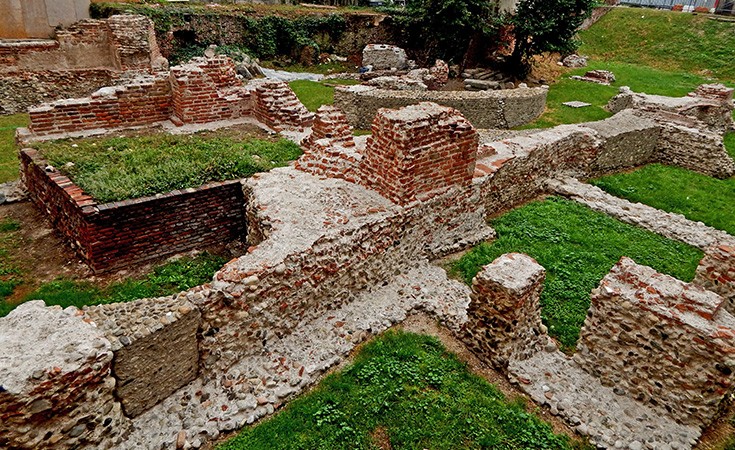
The imperial court transferred its seat to Milan, marking a significant shift in political power within the region. This relocation allowed closer control over norther...
Explore event →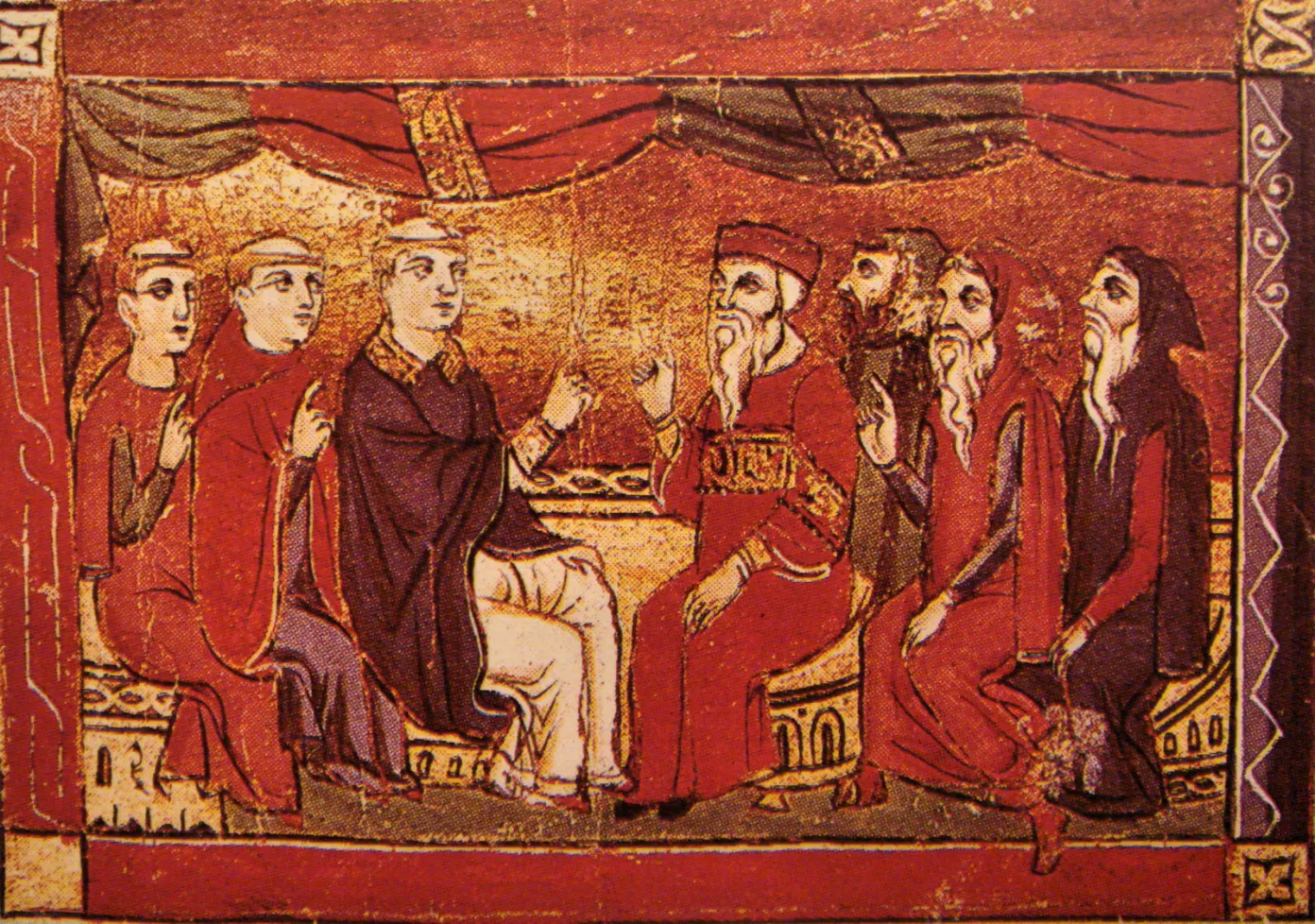
The Christian Church formally split into the Roman Catholic and Eastern Orthodox branches. Doctrinal, cultural, and political differences led to mutual excommunicatio...
Explore event →
Great Book Robbery of 1948 In 1948, during the Arab–Israeli War following the end of the British Mandate for Palestine, thousands of books and manuscripts were stolen...
Explore event →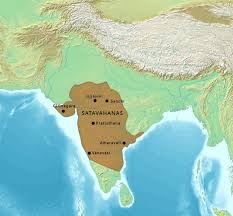
Indian cultural influence expanded significantly throughout Southeast Asia, notably through trade, religion, and political relations established by Indianized kingdoms...
Explore event →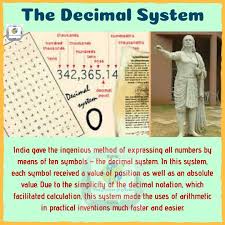
The decimal numeral system, characterized by the use of ten digits and a place-value notation, was advanced significantly in India. Indian mathematicians refined the c...
Explore event →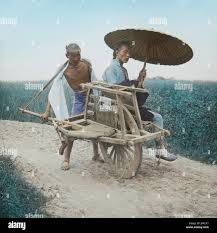
The wheelbarrow, an innovative tool believed to have been invented in China, began to spread widely throughout the central regions and beyond.This technology significa...
Explore event →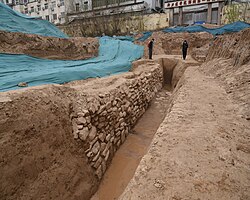
Chang’an, the capital of the Tang dynasty, was violently sacked by rebel forces led by Huang Chao. The siege resulted in widespread destruction and the collapse of cen...
Explore event →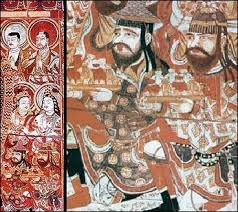
Sogdian merchants played a crucial role in expanding trade routes across Central Asia during the early medieval period. Centered in the city of Samarkand, they facilit...
Explore event →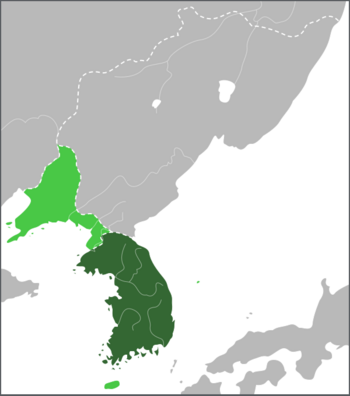
The Silla kingdom successfully unified the Korean Peninsula after defeating the Baekje and Goguryeo kingdoms. This consolidation marked the beginning of the Unified Si...
Explore event →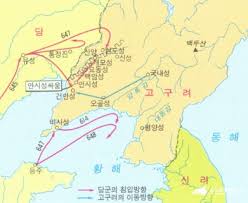
Goguryeo successfully repelled multiple invasions launched by the Tang dynasty of China during the 7th century. The capital fortress of Pyongyang became a critical def...
Explore event →
11 February 2011 — Vice President Omar Suleiman announces that Hosni Mubarak has stepped down and transferred authority to the Supreme Council of the Armed Forces. Cel...
Explore research
25 January–11 February 2011 — Mass demonstrations erupt against police brutality, corruption, economic frustration and authoritarian government. Cairo's Tahrir Square ...
Explore research
26 March 1979 — Egypt and Israel sign a formal peace treaty in Washington. Israel agrees to withdraw from Sinai, which is gradually returned to Egyptian control. Egypt...
Explore research
17 September 1978 — Sadat and Israeli Prime Minister Menachem Begin sign agreements negotiated under U.S. President Jimmy Carter. The accords establish the framework f...
Explore research
January–June 1919 — France prioritizes security and compensation for destruction. Britain wants Germany constrained without permanently destroying European economic st...
Explore research
21 March 1918 — Germany launches Operation Michael, the first of several major offensives designed to win the war in the west before American manpower becomes overwhel...
Explore research
305–30 BCE — The Macedonian Ptolemaic dynasty rules Egypt after the fragmentation of Alexander's empire. Its kings present themselves simultaneously as Hellenistic mon...
Explore research
25 November 1936 — Germany and Japan sign an agreement publicly directed against the Communist International. Italy joins the following year. The pact reflects growing...
Explore research
11 November 1918 — German representatives sign the armistice at Compiègne. Fighting ends on the Western Front at 11:00 a.m. Germany accepts evacuation requirements and...
Explore research
23 July 1914 — Austria-Hungary presents Serbia with a severe ultimatum designed to suppress anti-Habsburg activity and permit substantial Austro-Hungarian involvement ...
Explore research
4 June 1942 — American carrier forces intercept a Japanese operation aimed at Midway Atoll. U.S. cryptanalytic intelligence allows Admiral Chester Nimitz to position c...
Explore research
31 March 1939 — The British guarantee to Poland marks a major shift in policy after the occupation of Prague. Britain is no longer signaling willingness to negotiate e...
Explore research
29 September 1918 — Bulgaria signs the Armistice of Salonica after Allied breakthroughs in the Balkans. The surrender opens routes toward Austria-Hungary and the Ottom...
Explore research
Chase Manhattan Bank was a major U.S. financial institution led by David Rockefeller during a period of significant international expansion. The bank maintained intern...
Explore research
Chase Manhattan Bank was a major U.S. financial institution led by David Rockefeller during a period of significant international expansion. The bank maintained intern...
Explore research
24 November 1942 — Manstein receives command of Army Group Don during the Stalingrad crisis. He attempts to organize relief of the Sixth Army and later conducts the su...
Explore research
Gerald Ford became President of the United States following Richard Nixon's resignation. Kissinger continued as Secretary of State and national security adviser during...
Explore research
22 June 1940 — France signs an armistice with Germany after the collapse of organized resistance in much of the country. Germany occupies northern and western France w...
Explore research
29 September 1918 — Germany's Supreme Army Command concludes that the military situation has become unsustainable and urges political leaders to seek an armistice. The...
Explore research
1 August 1914 — Germany declares war on Russia after demanding that Russian mobilization stop. German military planning assumes that a war with Russia will also involv...
Explore research
10 October 1938 — German occupation of the Sudetenland gives Berlin control of major Czech border fortifications and significant industrial territory. The Munich settl...
Explore research
9 April 1940 — Germany launches Operation Weserübung against Denmark and Norway. Denmark is overwhelmed rapidly, while fighting in Norway continues for weeks. Control ...
Explore research
18 October 1936 — Göring receives authority over the Four Year Plan, designed to prepare Germany's economy for war. He becomes one of the most powerful figures in the ...
Explore research
18 October 1936 — Göring receives authority over the Four Year Plan, designed to prepare Germany's economy for war. He becomes one of the most powerful figures in the ...
Explore research