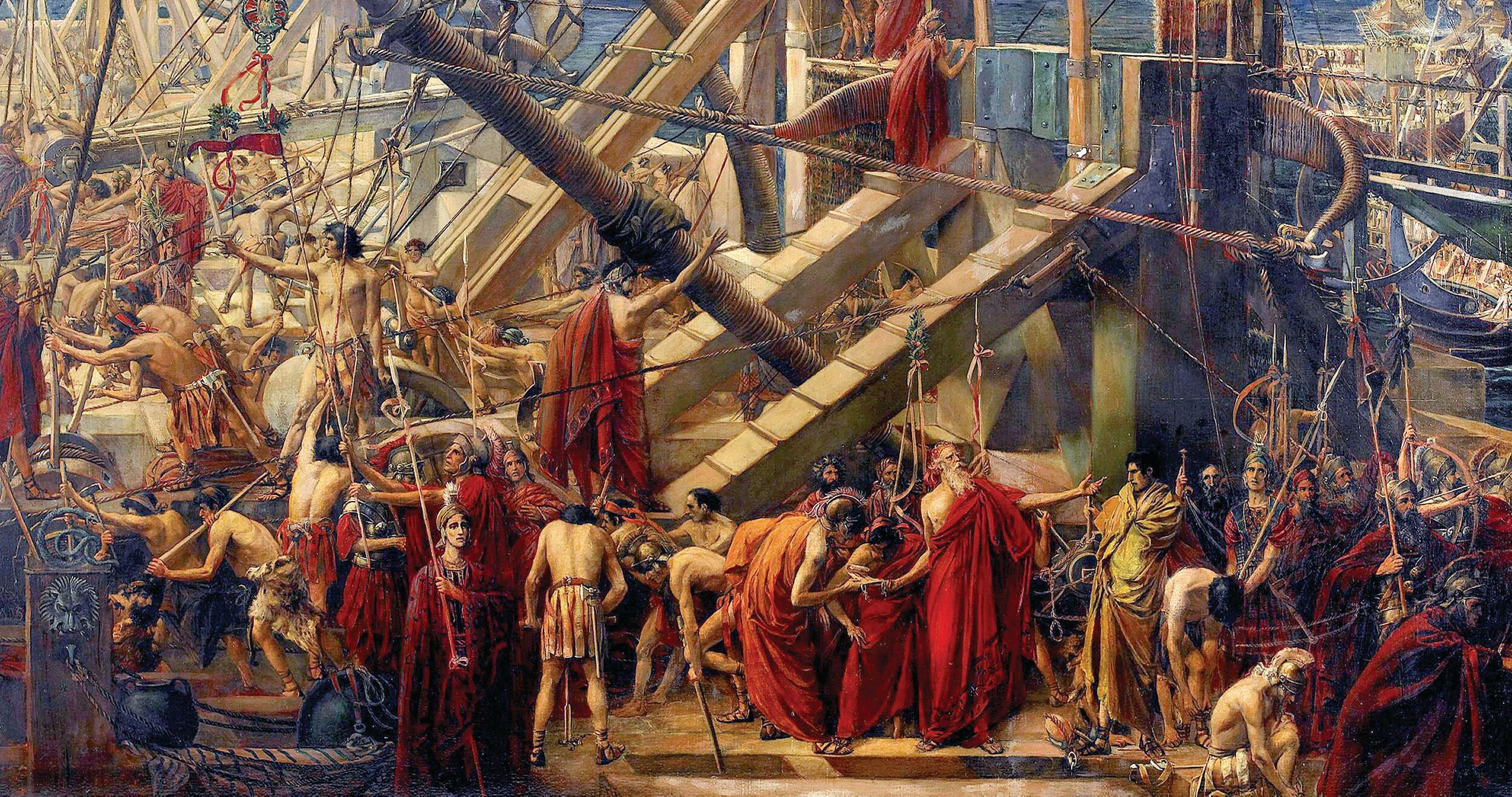
Roman Siege and Capture of Seleucia
The Roman forces led by Emperor Trajan launched a military campaign across Mesopotamia, culminating in the siege and capture of Seleucia. This event marked a significa...
Explore event →History does not happen in isolation. Explore world events across time, follow the connections between them, and investigate the threads that reveal how one event can lead to another.
TheTimeMap currently follows events across 95 countries and 268 years of history — building a connected archive designed for people who want to look beyond the headline.
We oppose antisemitism, racism, and dehumanization — everywhere.
When people stop feeling, injustice becomes easy.
The Roman forces led by Emperor Trajan launched a military campaign across Mesopotamia, culminating in the siege and capture of Seleucia. This event marked a significa...
Explore event →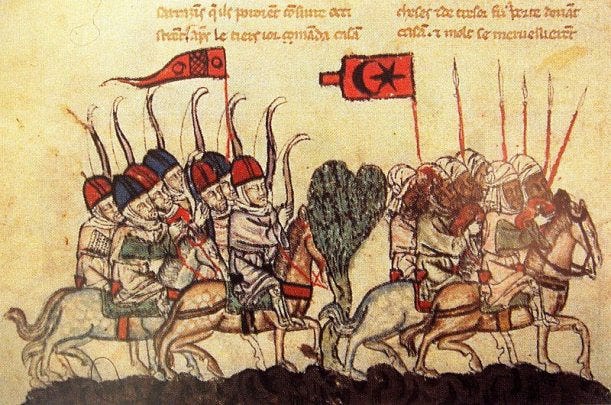
After the murder of Emperor Domitian, the Roman Senate appointed Nerva as emperor, marking a shift from autocratic rule to a more stabilizing governance. Nerva, previo...
Explore event →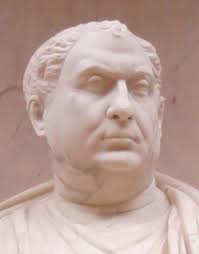
Vitellius was declared emperor by the legions of Germania during the chaotic Year of the Four Emperors. After the death of Emperor Otho, Vitellius marched to Rome wher...
Explore event →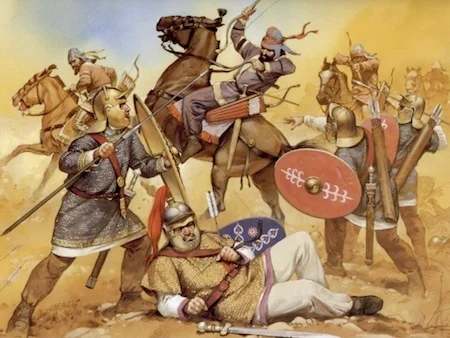
Roman military campaigns against the Parthian Empire resumed under the rule of Emperor Nero, seeking to assert control over the eastern frontier. These efforts aimed t...
Explore event →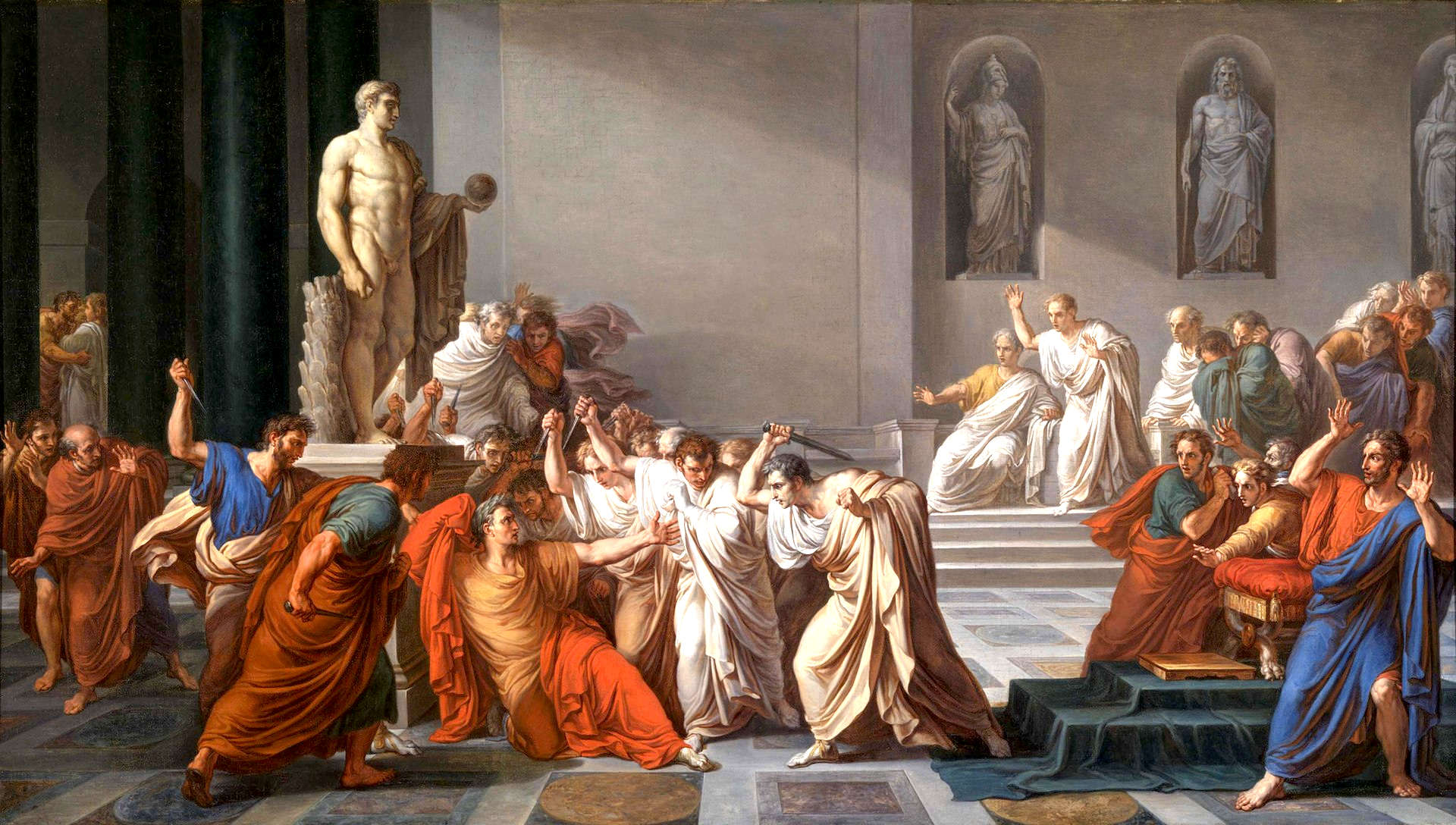
Following the death of Emperor Claudius, Nero Claudius Caesar Augustus Germanicus was declared Roman Emperor. His rise to power was orchestrated largely by his mother,...
Explore event →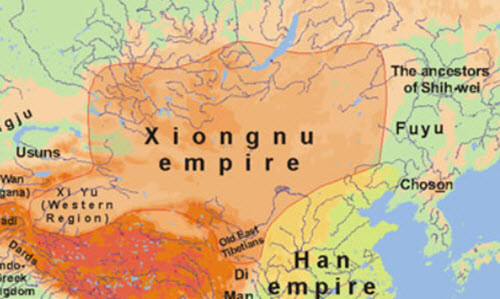
The Southern Xiongnu, a nomadic tribal confederation, migrated and settled within the borders of the Han dynasty during the first century. This movement was part of th...
Explore event →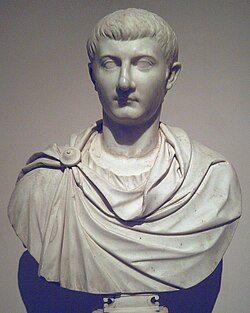
Lucius Aelius Sejanus, the powerful prefect of the Praetorian Guard, was arrested and executed after losing favor with Emperor Tiberius. His fall marked a dramatic shi...
Explore event →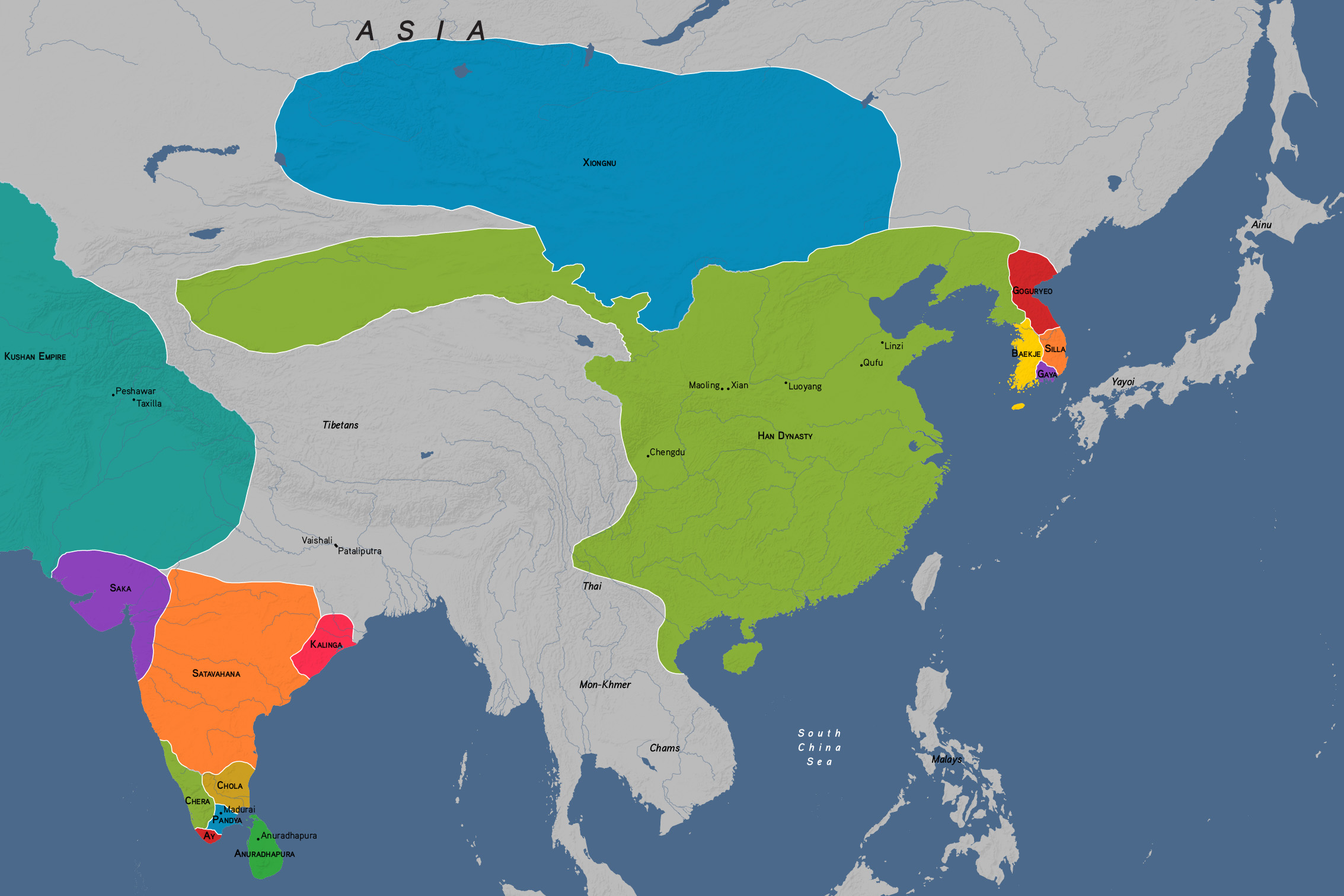
The Han Dynasty moved its capital to Chang'an, marking a significant political and administrative shift during its early consolidation of power. This relocation establ...
Explore event →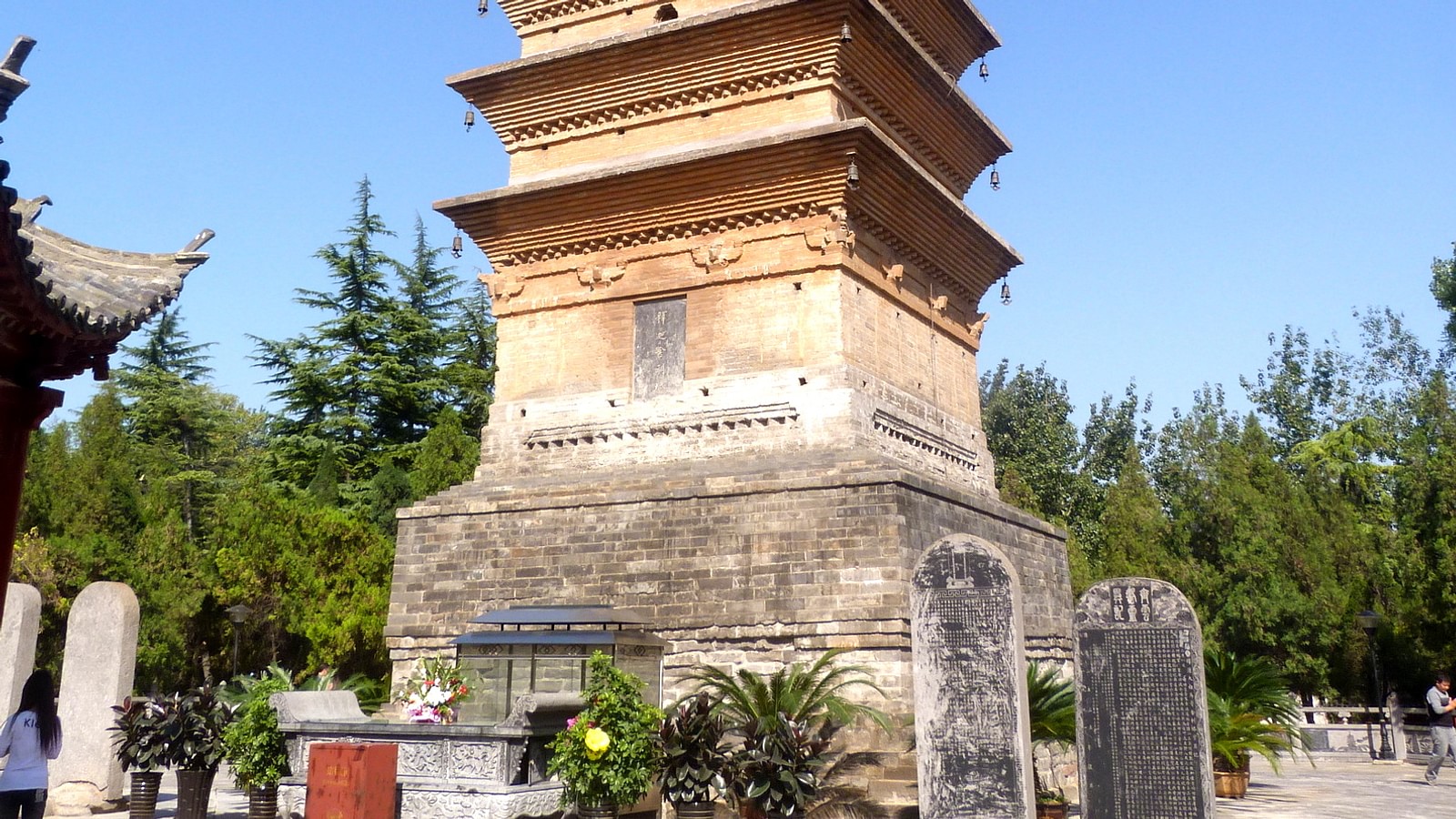
The Eastern Han Dynasty officially moved its capital from Chang'an to Luoyang, marking a significant political shift in early imperial China. This relocation aimed to ...
Explore event →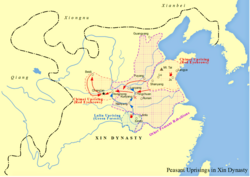
The Xin dynasty was established by Wang Mang, who usurped the throne from the Han dynasty. This marked a significant political shift in ancient China, interrupting the...
Explore event →
1970–1981 — Anwar Sadat succeeds Nasser and gradually redirects Egyptian foreign and economic policy. He reduces Soviet influence, encourages economic liberalization a...
Explore research
18 June 1953 — The monarchy is formally abolished and Egypt is declared a republic. Muhammad Naguib becomes the first president, but power increasingly shifts toward G...
Explore research
1905–1914 — German military planning assumes that simultaneous war against France and Russia creates a dangerous strategic problem. Geography places Germany between bo...
Explore research
31 May 1916 — Britain's Grand Fleet and Germany's High Seas Fleet clash in the North Sea in the largest naval battle of the war. Germany inflicts heavier tactical loss...
Explore research
4 June 1942 — American carrier forces intercept a Japanese operation aimed at Midway Atoll. U.S. cryptanalytic intelligence allows Admiral Chester Nimitz to position c...
Explore research
31 March 1939 — The British guarantee to Poland marks a major shift in policy after the occupation of Prague. Britain is no longer signaling willingness to negotiate e...
Explore research
29 September 1918 — Germany's Supreme Army Command concludes that the military situation has become unsustainable and urges political leaders to seek an armistice. The...
Explore research
15 March 1939 — German forces occupy Prague and dismantle what remains of Czechoslovakia. Bohemia and Moravia become a German protectorate while Slovakia becomes forma...
Explore research
14 September 1941 — Soviet intelligence agent Richard Sorge reports from Tokyo that Japan is unlikely to attack the Soviet Union in the immediate future. His reporting...
Explore research