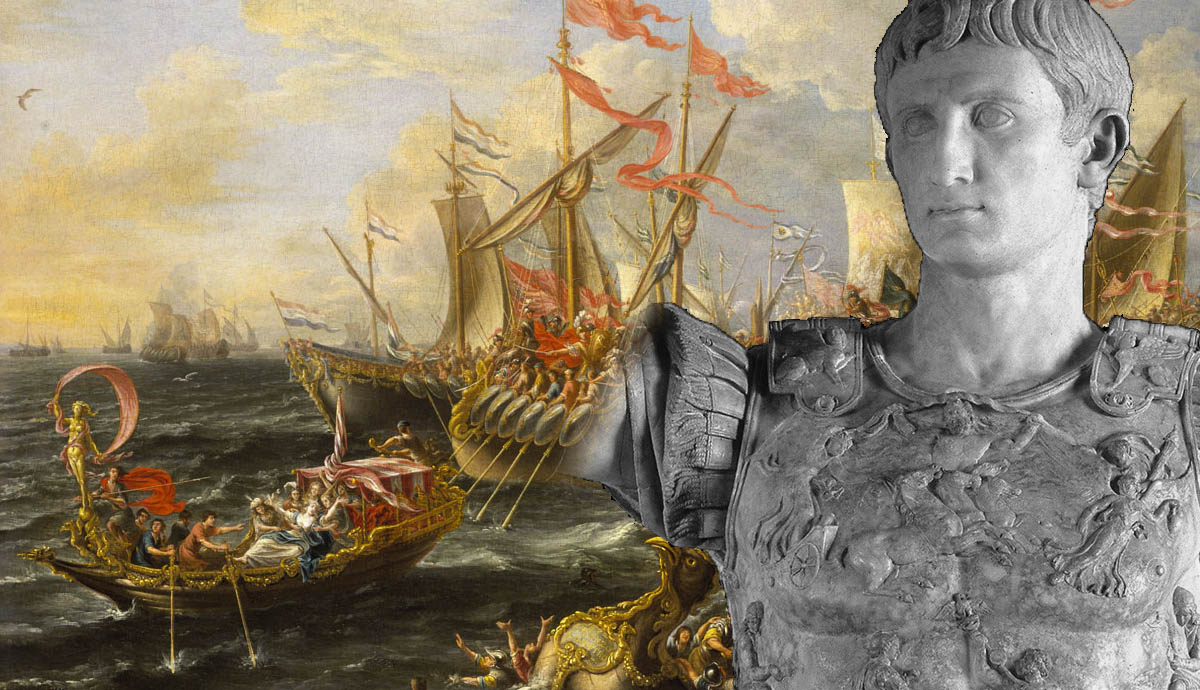
Augustus Secures Sole Roman Rule
On January 16, the Roman Senate granted Octavian the title Augustus, marking his official accession as the sole ruler of Rome. This event symbolized the transition fro...
Explore event →History does not happen in isolation. Explore world events across time, follow the connections between them, and investigate the threads that reveal how one event can lead to another.
TheTimeMap currently follows events across 95 countries and 268 years of history — building a connected archive designed for people who want to look beyond the headline.
We oppose antisemitism, racism, and dehumanization — everywhere.
When people stop feeling, injustice becomes easy.
On January 16, the Roman Senate granted Octavian the title Augustus, marking his official accession as the sole ruler of Rome. This event symbolized the transition fro...
Explore event →
Powerful Ottoman-Albanian ruler who builds an effectively autonomous state centered on Ioannina.
Explore research
51–30 BCE — Cleopatra VII becomes the final active ruler of the Ptolemaic dynasty. She navigates the expanding power of Rome through alliances and relationships first ...
Explore research
Illyrian ruler whose kingdom came into direct conflict with the expanding Roman Republic.
Explore research
332 BCE — Alexander enters Egypt during his campaign against the Persian Empire and is welcomed as its new ruler. He participates in Egyptian royal and religious tradi...
Explore research
Powerful Illyrian ruler of the 4th century BCE who built a kingdom capable of challenging Macedonia.
Explore research
4th–3rd centuries BCE — Several Illyrian dynasties consolidate larger kingdoms across the western Balkans. Their rulers compete with Macedonia, Epirus and Greek coasta...
Explore research
664–525 BCE — Rulers of the Twenty-Sixth Dynasty reunify Egypt from their base at Sais. They encourage trade with the Greek world, employ foreign mercenaries and reviv...
Explore research
c. 1070 BCE — Central royal authority weakens while powerful priestly institutions and regional rulers gain influence. Egypt loses much of its empire in the Levant and...
Explore research
c. 1457 BCE — Thutmose III defeats a coalition of Levantine rulers near Megiddo. Egyptian inscriptions provide one of history's earliest detailed military campaign nar...
Explore research
c. 1550–1070 BCE — Egypt becomes one of the great imperial powers of the Late Bronze Age. Pharaohs campaign into Nubia and the Levant while wealth flows into enormous ...
Explore research
c. 1650–1550 BCE — A dynasty of rulers of largely western Asian origin controls much of northern Egypt from Avaris in the Nile Delta. Egyptian sources later portray th...
Explore research
c. 2061–2010 BCE — Mentuhotep II rules from Thebes and defeats the northern rival kingdom. His victory reunifies most of Egypt and establishes the political foundation...
Explore research
c. 2181–2055 BCE — Egypt is politically divided among competing centers, especially Herakleopolis in the north and Thebes in the south. Provincial rulers exercise grea...
Explore research
c. 3100 BCE — Narmer is one of the earliest Egyptian rulers associated with the political consolidation of Upper and Lower Egypt. The famous Narmer Palette depicts him...
Explore research