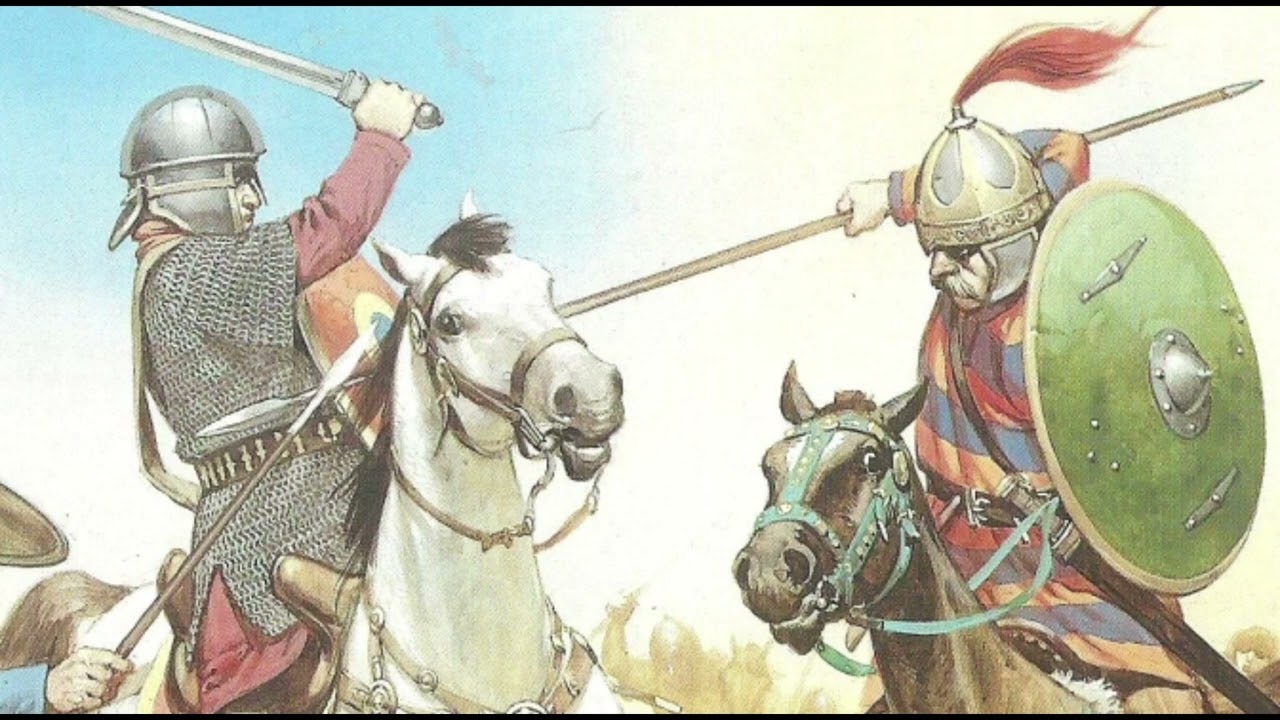
Fall of Parthian Dominion
The fall of the Parthian Empire marked the rise of the Sasanian dynasty in ancient Persia. The decisive defeat of the last Parthian king by Ardashir I ended nearly fiv...
Explore event →History does not happen in isolation. Explore world events across time, follow the connections between them, and investigate the threads that reveal how one event can lead to another.
TheTimeMap currently follows events across 95 countries and 268 years of history — building a connected archive designed for people who want to look beyond the headline.
We oppose antisemitism, racism, and dehumanization — everywhere.
When people stop feeling, injustice becomes easy.
The fall of the Parthian Empire marked the rise of the Sasanian dynasty in ancient Persia. The decisive defeat of the last Parthian king by Ardashir I ended nearly fiv...
Explore event →
The Constitutio Antoniniana was an edict issued by Emperor Caracalla that granted Roman citizenship to nearly all free inhabitants of the Roman Empire. This decree mar...
Explore event →
The Constitutio Antoniniana was an edict issued by Emperor Caracalla granting Roman citizenship to all free inhabitants of the Roman Empire. This decree dramatically e...
Explore event →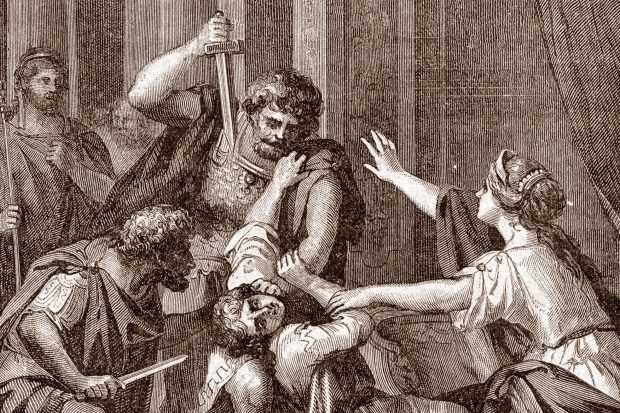
Geta, co-emperor of the Roman Empire alongside his brother Caracalla, was assassinated in Alexandria under political tension and rivalry. The murder occurred shortly a...
Explore event →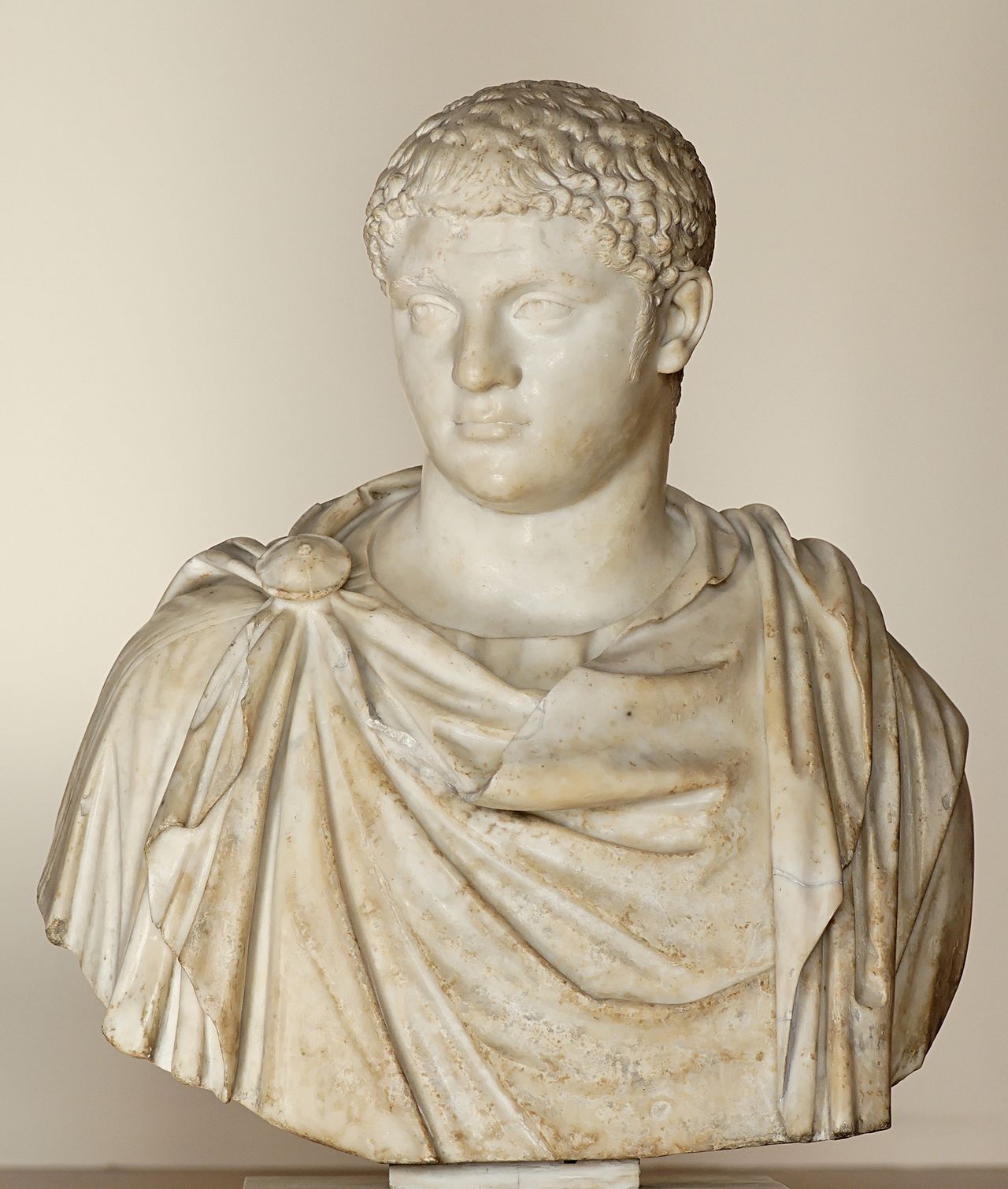
Publius Septimius Geta, son of Emperor Septimius Severus, was granted the title of Augustus by the Roman Senate. This elevated Geta to co-emperor status alongside his ...
Explore event →
The Roman Empire undertook administrative changes in the province of Mesopotamia following its establishment as a distinct entity. These reforms aimed to consolidate c...
Explore event →
Caracalla officially took the title of Augustus, marking his elevation to co-emperor alongside his father, Septimius Severus. This move solidified his position within ...
Explore event →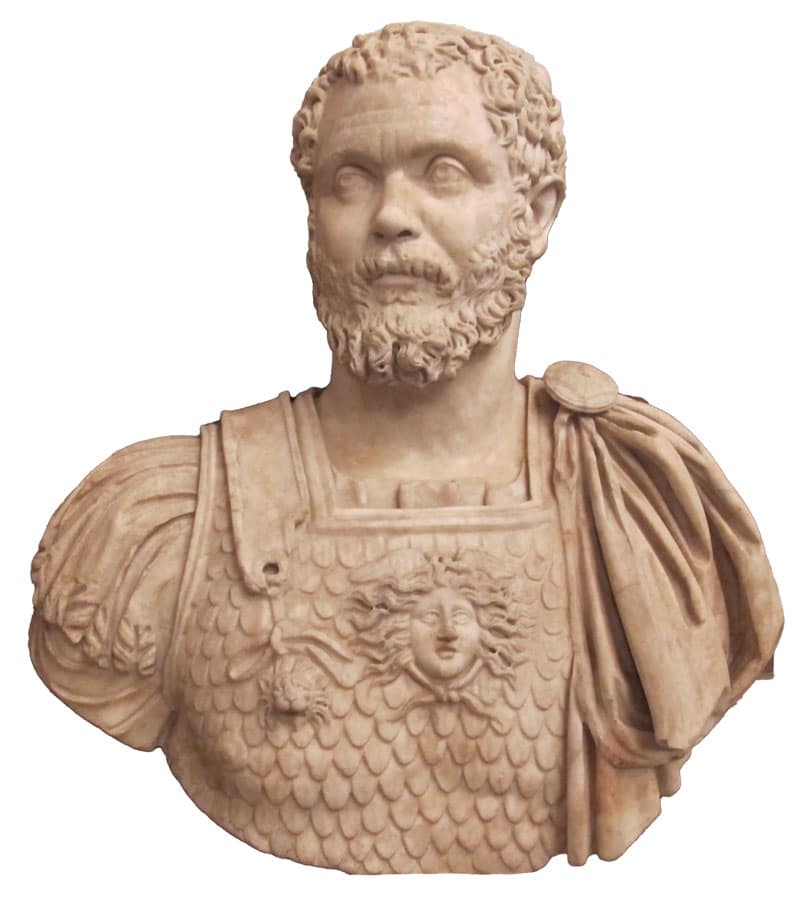
Clodius Albinus, a Roman usurper and rival claimant to the imperial throne, was defeated at the Battle of Lugdunum. The conflict ended his rebellion during a time of c...
Explore event →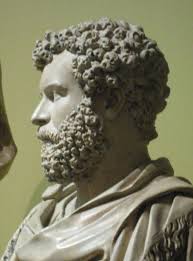
Clodius Albinus, governor of Britannia, declared himself Caesar in a bid to claim imperial power during the turbulent Year of the Five Emperors. His proclamation chall...
Explore event →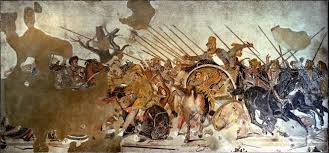
The Battle of Issus was fought between the forces of the Roman Emperor Septimius Severus and his rival Pescennius Niger. It marked a defining moment during the Year of...
Explore event →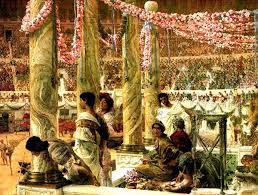
Pescennius Niger, governor of Syria, declared himself Roman emperor after the death of Emperor Pertinax. His claim to the throne sparked a civil war against Septimius ...
Explore event →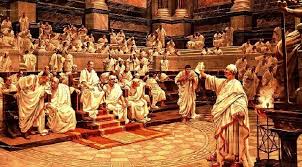
Following the assassination of Emperor Pertinax, the Roman imperial throne was sold to the highest bidder by the Senate. Didius Julianus secured the empire by offering...
Explore event →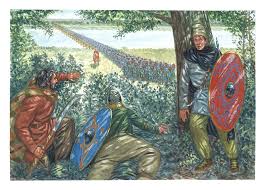
The Roman Empire conducted a series of military campaigns across the Danube River to expand territorial control into regions inhabited by Dacian and Germanic tribes. T...
Explore event →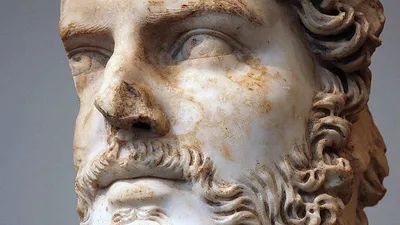
Lucius Verus, co-emperor of Rome alongside Marcus Aurelius, died in Rome under circumstances believed to be related to a devastating plague. His death marked a signifi...
Explore event →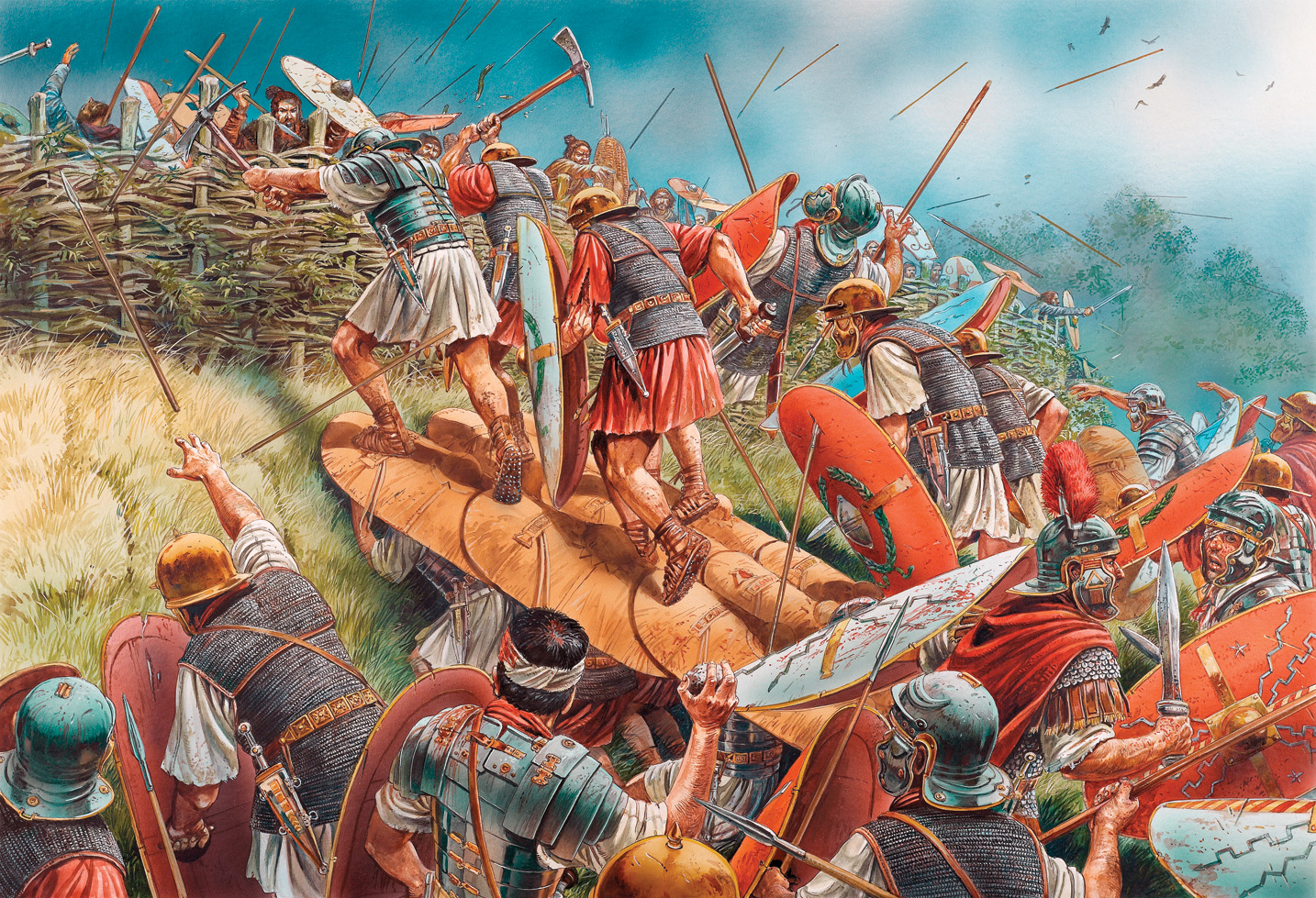
The Marcomannic Wars began as a series of conflicts between the Roman Empire and various Germanic tribes, including the Marcomanni, along the Danube frontier. The wars...
Explore event →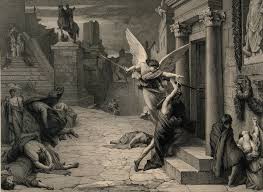
The Antonine Plague began in the Roman Empire during the reign of Emperor Marcus Aurelius. The pandemic emerged following troop movements from campaigns in the East, s...
Explore event →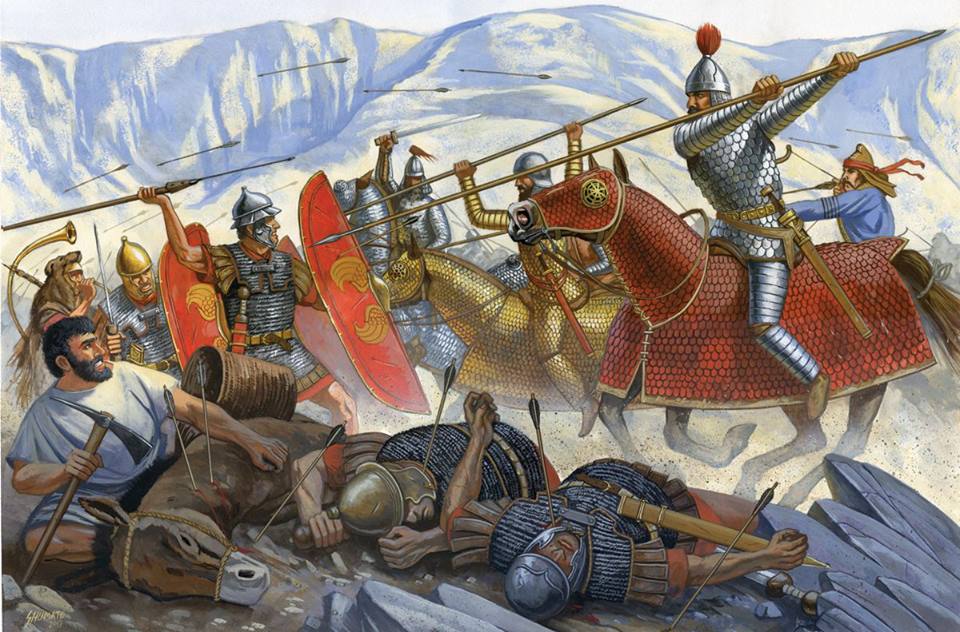
The Parthian War under Roman Emperor Lucius Verus began as tensions escalated between the Roman Empire and the Parthian Empire. This conflict was marked by Roman milit...
Explore event →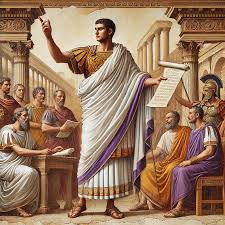
Antoninus Pius became Roman Emperor following the death of Hadrian. His accession marked the continuation of stable leadership in the Roman Empire.His reign was noted ...
Explore event →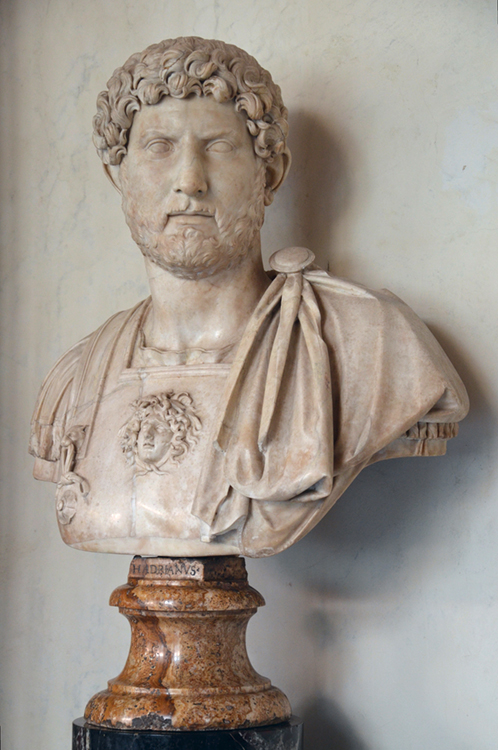
Emperor Hadrian, renowned for consolidating and fortifying the Roman Empire's frontiers, passed away at his villa near Rome. His death marked the end of a significant ...
Explore event →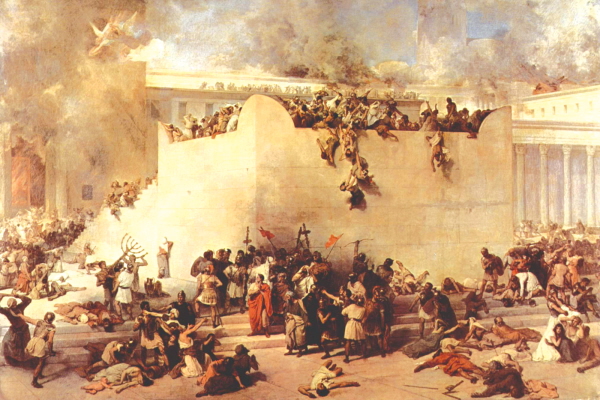
The Bar Kokhba revolt was a major Jewish uprising against the Roman Empire in the province of Judaea. The rebellion started under the leadership of Simon Bar Kokhba wh...
Explore event →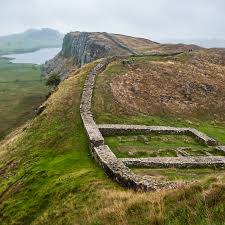
The Roman Empire initiated the construction of Hadrian's Wall to secure its northern boundary in Britannia. This extensive fortification marked the limit of Roman-cont...
Explore event →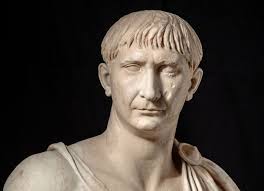
Trajan, one of Rome's most respected emperors known for his military conquests and extensive public works, died in the summer months during a campaign in Mesopotamia. ...
Explore event →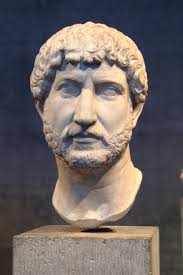
Following the death of Emperor Trajan, Hadrian chose to abandon the eastern conquests achieved during Trajan's campaigns. This strategic withdrawal aimed to consolidat...
Explore event →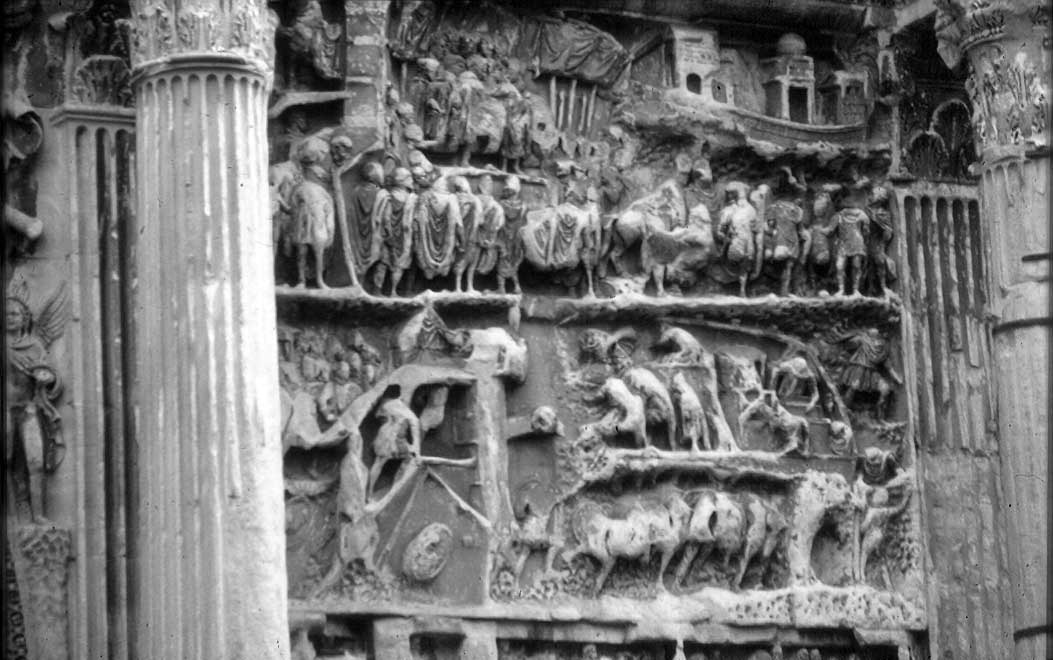
The Roman Empire, under Emperor Trajan, successfully captured the city of Ctesiphon during his campaign against the Parthian Empire. This marked a significant moment a...
Explore event →
395–641 CE — Egypt becomes part of the eastern Roman Empire centered on Constantinople, later called Byzantine. Alexandria remains one of Christianity's major intellec...
Explore research
395 CE — After the death of Theodosius I, administration of the Roman Empire is divided between eastern and western courts. The territories of modern Albania remain pr...
Explore research
30 BCE–395 CE — Egypt remains one of the Roman Empire's wealthiest provinces. Alexandria continues as a major commercial and intellectual center while traditional Egyp...
Explore research
Over time Greek becomes dominant in the Byzantine state while Orthodox Christianity becomes central to identity.
Explore research
395 CE — Greece remains within the eastern Roman Empire, later called Byzantine.
Explore research