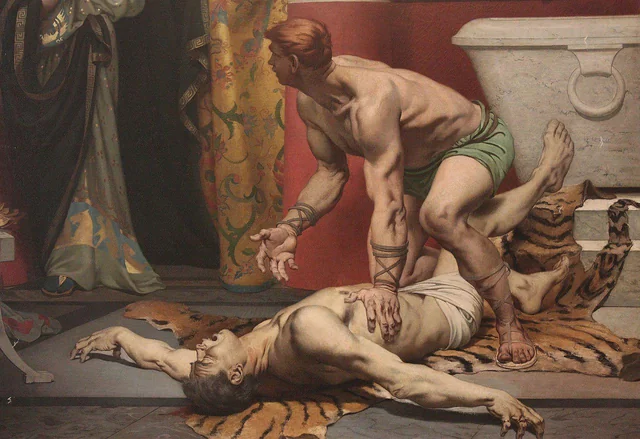
Murder of Roman Emperor Commodus
Commodus, Roman Emperor and son of Marcus Aurelius, was assassinated in his palace in Rome. His death ended the Nerva–Antonine dynasty.The emperor was strangled by his...
Explore event →History does not happen in isolation. Explore world events across time, follow the connections between them, and investigate the threads that reveal how one event can lead to another.
TheTimeMap currently follows events across 95 countries and 268 years of history — building a connected archive designed for people who want to look beyond the headline.
We oppose antisemitism, racism, and dehumanization — everywhere.
When people stop feeling, injustice becomes easy.
Commodus, Roman Emperor and son of Marcus Aurelius, was assassinated in his palace in Rome. His death ended the Nerva–Antonine dynasty.The emperor was strangled by his...
Explore event →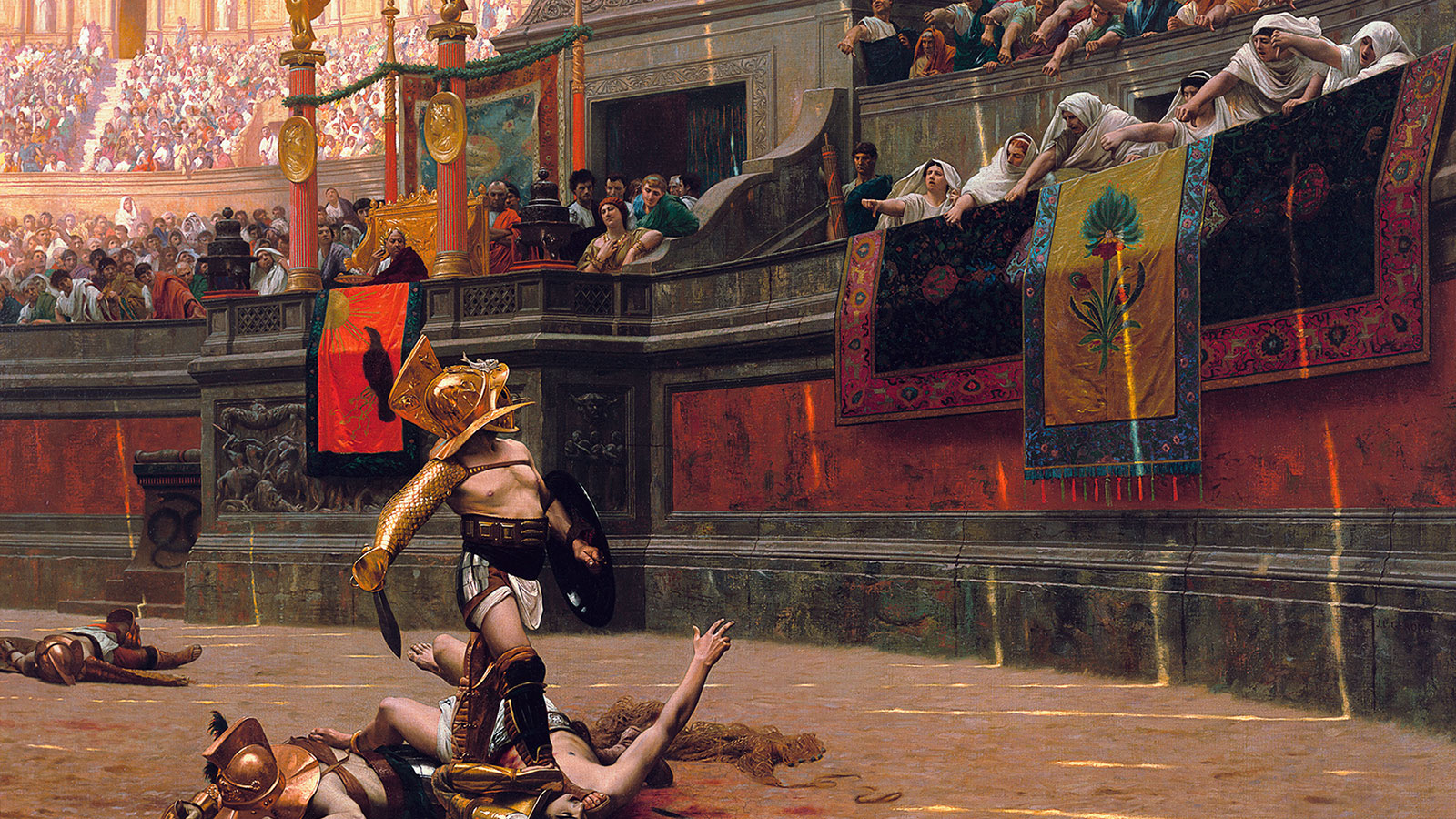
Emperor Commodus, known for his unconventional rule, famously participated in gladiatorial combats in Rome. Unlike previous emperors, he openly fought as a gladiator, ...
Explore event →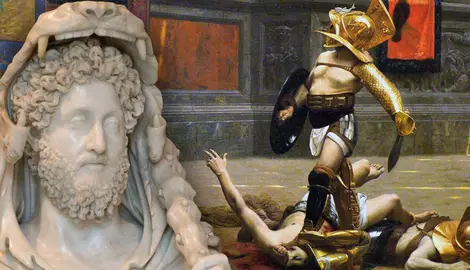
Commodus formally assumed the role of Roman Emperor following the death of his father Marcus Aurelius. His accession marked a significant transition from the era of th...
Explore event →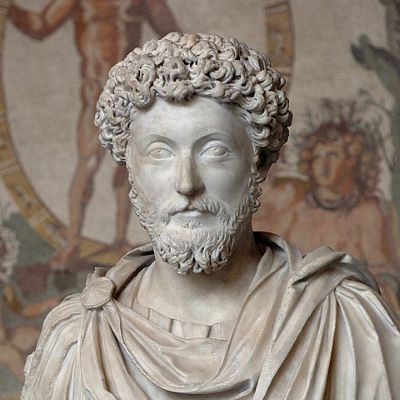
Marcus Aurelius, Roman Emperor and Stoic philosopher, died at the military camp in Vindobona on March 17th. His death marked the end of the Pax Romana, a period of rel...
Explore event →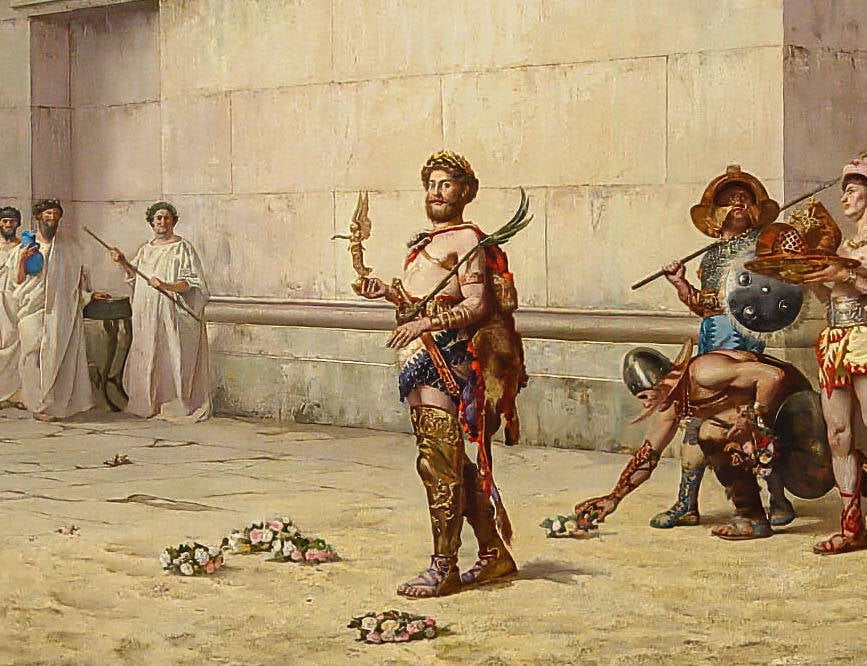
Roman Emperor Marcus Aurelius officially declared his son Commodus as co-emperor, sharing imperial authority.This political move marked the first time a biological son...
Explore event →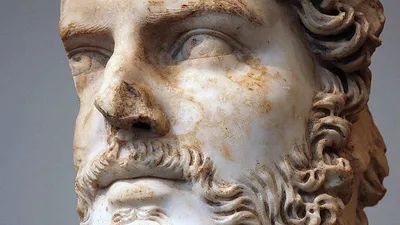
Lucius Verus, co-emperor of Rome alongside Marcus Aurelius, died in Rome under circumstances believed to be related to a devastating plague. His death marked a signifi...
Explore event →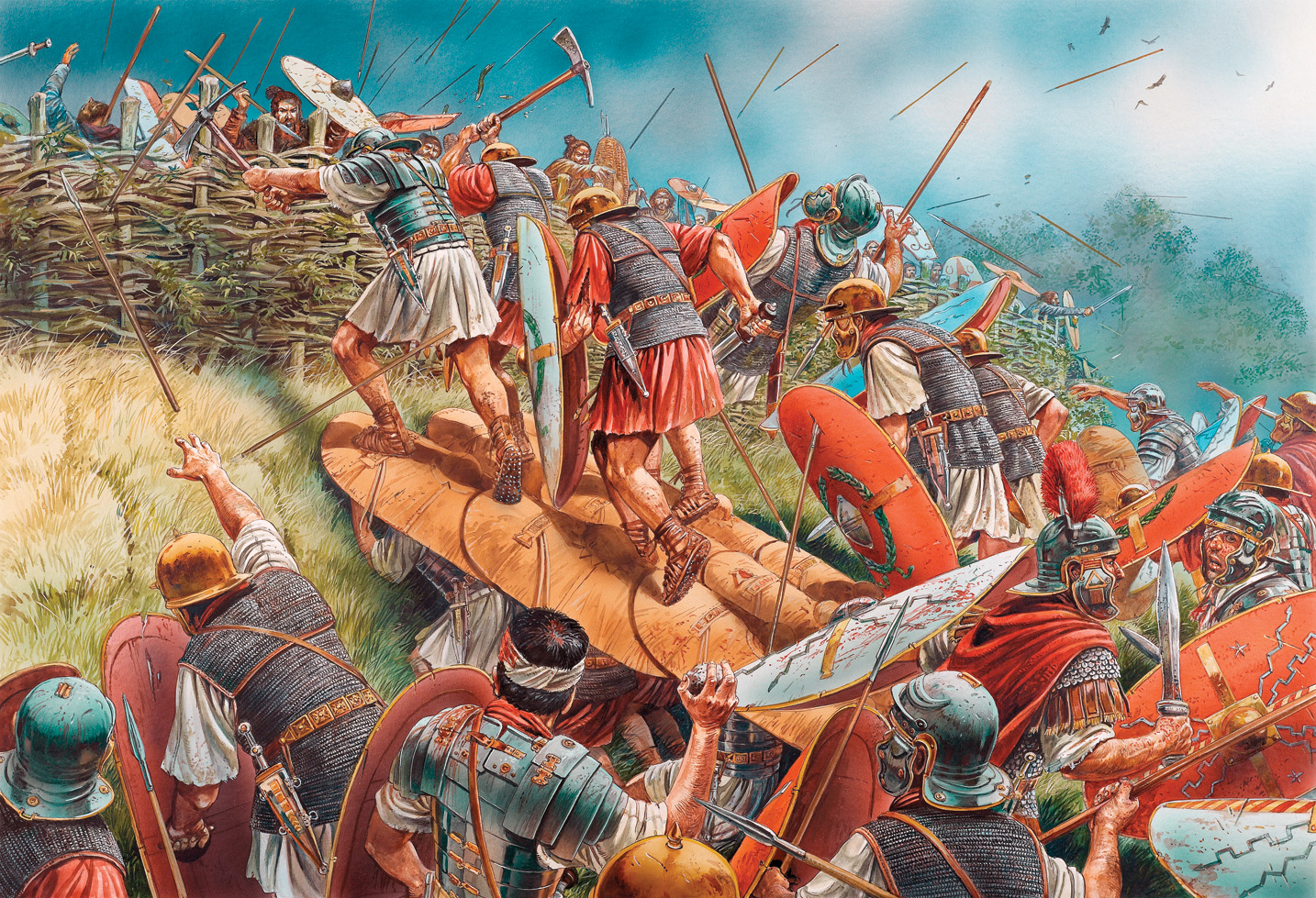
The Marcomannic Wars began as a series of conflicts between the Roman Empire and various Germanic tribes, including the Marcomanni, along the Danube frontier. The wars...
Explore event →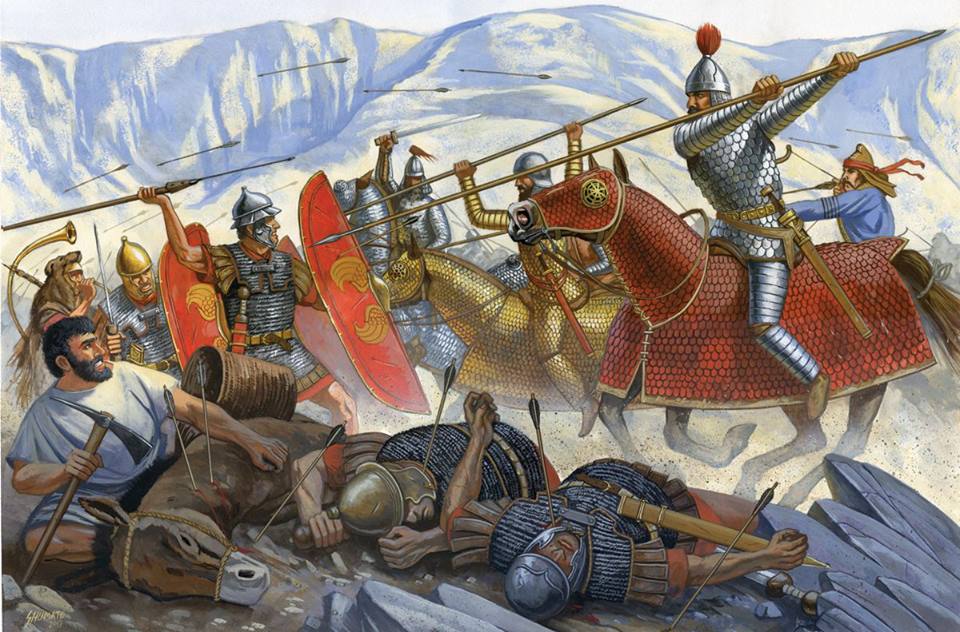
The Parthian War under Roman Emperor Lucius Verus began as tensions escalated between the Roman Empire and the Parthian Empire. This conflict was marked by Roman milit...
Explore event →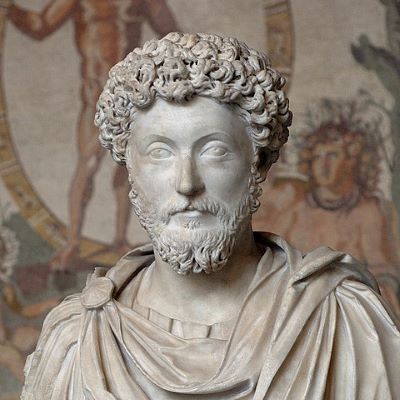
Marcus Aurelius officially became Roman Emperor following the death of Antoninus Pius. His accession marked the continuation of the Nerva-Antonine dynasty through adop...
Explore event →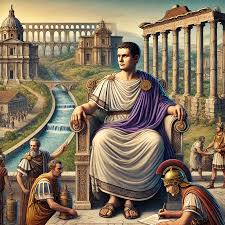
Antoninus Pius assumed the position of Roman Emperor following the death of Hadrian on August 11. He was appointed by the Senate and accepted by the army without oppos...
Explore event →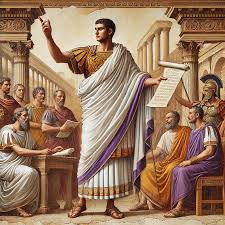
Antoninus Pius became Roman Emperor following the death of Hadrian. His accession marked the continuation of stable leadership in the Roman Empire.His reign was noted ...
Explore event →
After the suppression of the Bar Kokhba revolt, the Roman Emperor Hadrian refounded Jerusalem as a Roman colony named Aelia Capitolina. The city was rebuilt with Roman...
Explore event →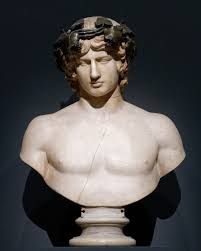
Antinous, the favored companion of Roman Emperor Hadrian, drowned in the Nile River under uncertain circumstances. His death deeply affected the emperor, who mourned h...
Explore event →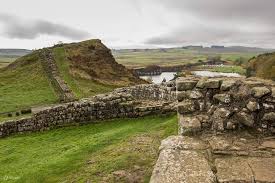
Emperor Hadrian undertook a significant visit to the province of Britannia during his reign as Roman Emperor. This visit marked an important moment in consolidating Ro...
Explore event →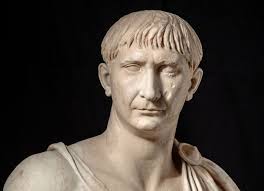
Trajan, one of Rome's most respected emperors known for his military conquests and extensive public works, died in the summer months during a campaign in Mesopotamia. ...
Explore event →
Roman Emperor Trajan launched a military campaign into the Parthian Empire, aiming to expand Roman territory eastward. The campaign marked a major escalation of confli...
Explore event →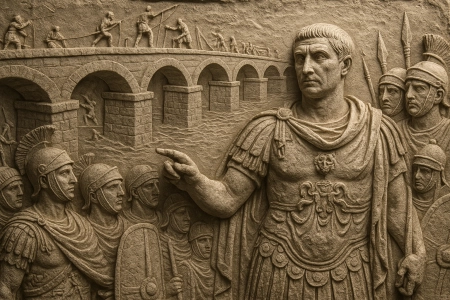
After years of fierce conflict, Dacian King Decebalus ultimately surrendered to the Roman Emperor Trajan. This marked the end of the Dacian Wars, resulting in the anne...
Explore event →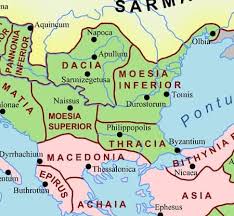
The Second Dacian War marks the renewed conflict between the Roman Empire and the Dacian Kingdom, led by King Decebalus. Roman Emperor Trajan launched a major military...
Explore event →
The Roman Emperor Trajan launched his first major military campaign against the Dacian Kingdom in early 101 CE. The war was initiated to subdue the powerful Dacian kin...
Explore event →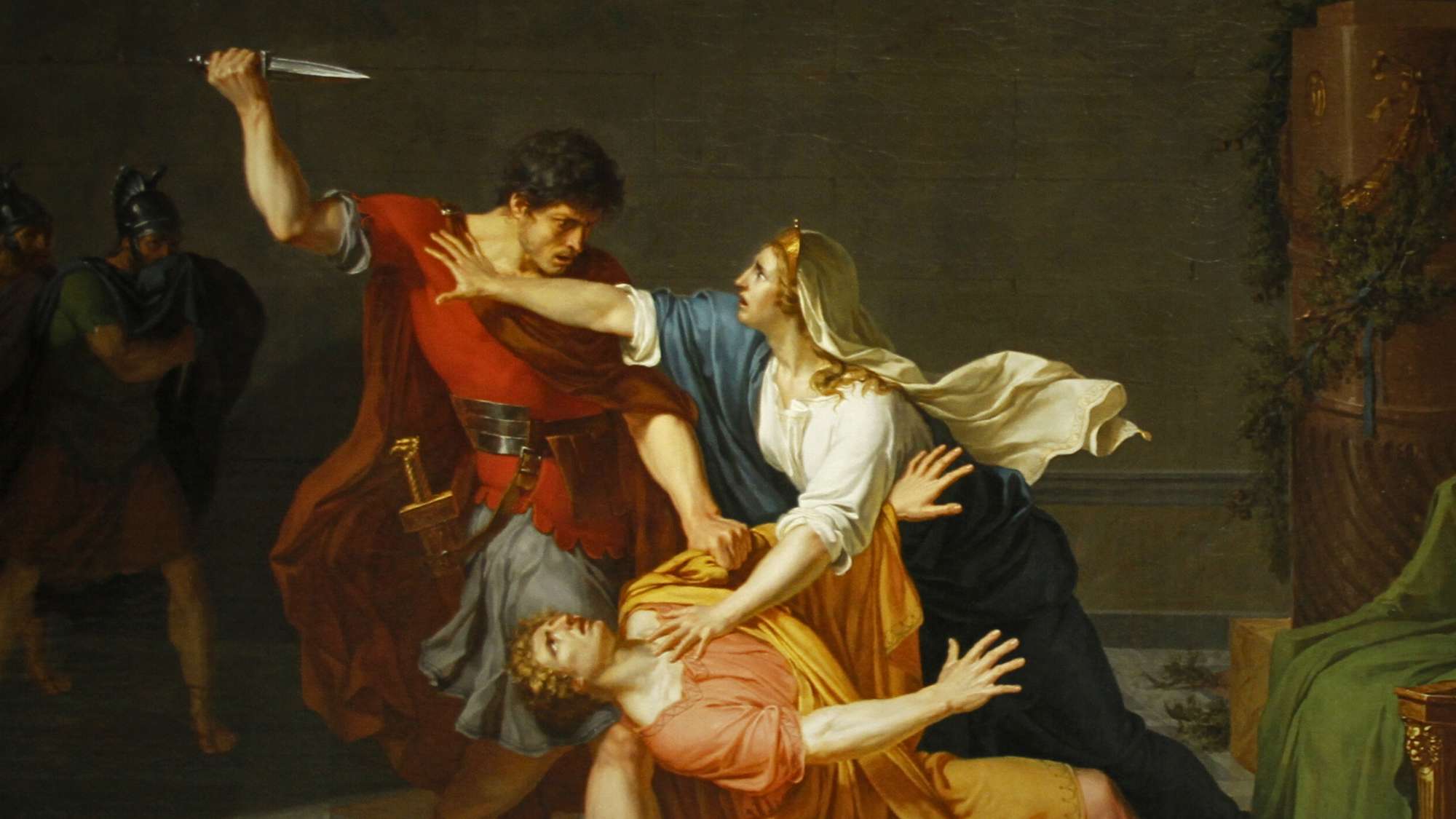
Domitian, the Roman Emperor, was assassinated on September 18th within his residence on the Palatine Hill in Rome. The conspiracy involved court officials and members ...
Explore event →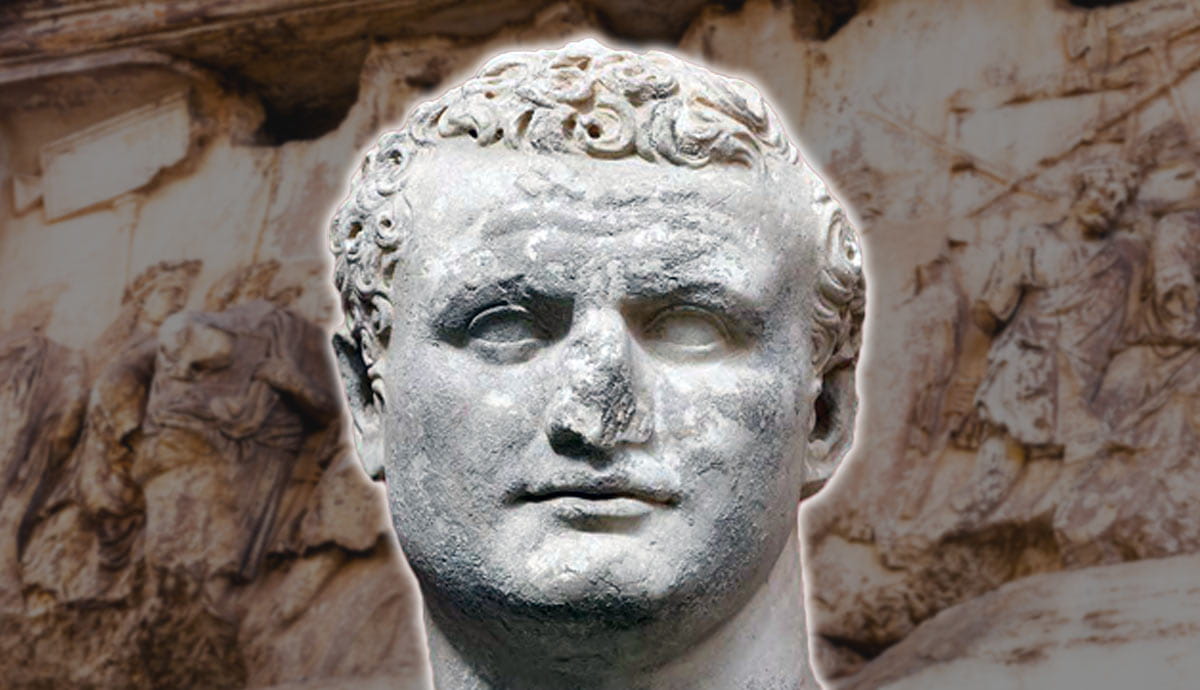
Titus succeeded his father Vespasian as Roman Emperor following Vespasian's death in Rome. His accession marked the continuation of the Flavian dynasty.Titus's rule in...
Explore event →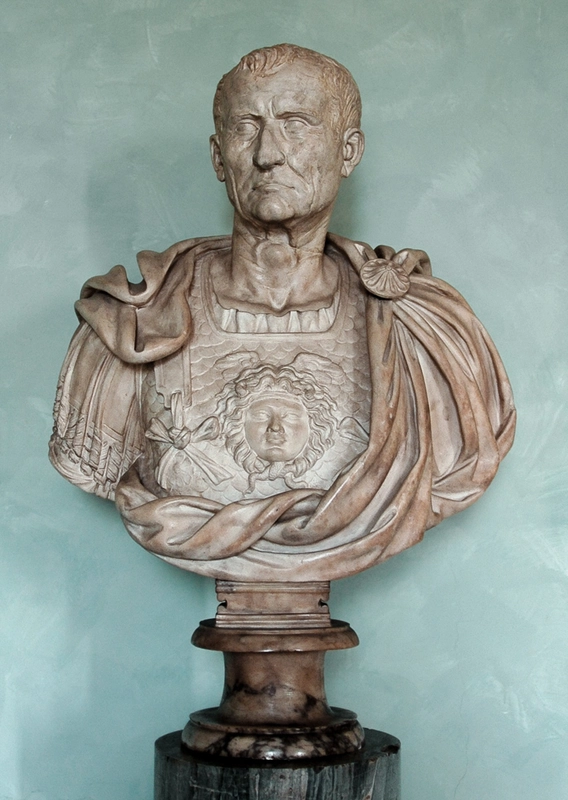
Galba was declared Roman Emperor following the assassination of Nero, marking the end of the Julio-Claudian dynasty. His accession was largely supported by the Senate ...
Explore event →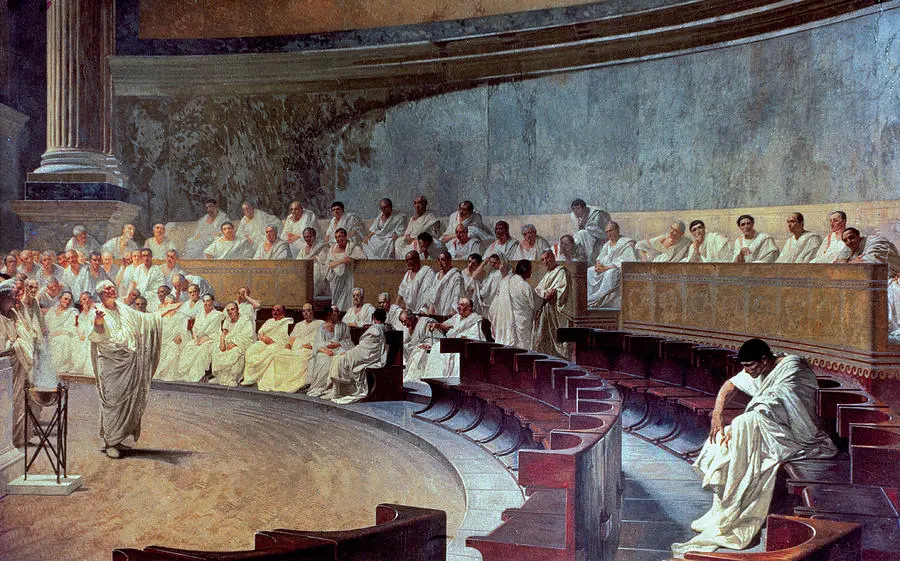
The Year of the Four Emperors was a tumultuous period marking rapid succession of Roman emperors after the fall of Nero. It involved the rise and fall of Galba, Otho, ...
Explore event →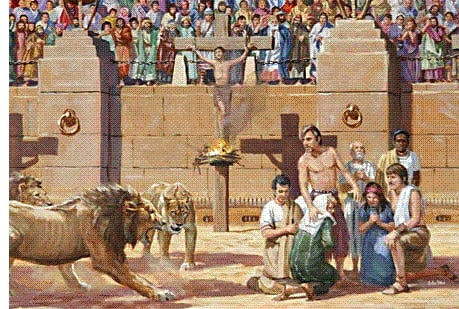
In the mid-first century, Emperor Nero initiated systematic persecution of Christians in Rome following the Great Fire of 64 AD. Christians were blamed for the disaste...
Explore event →