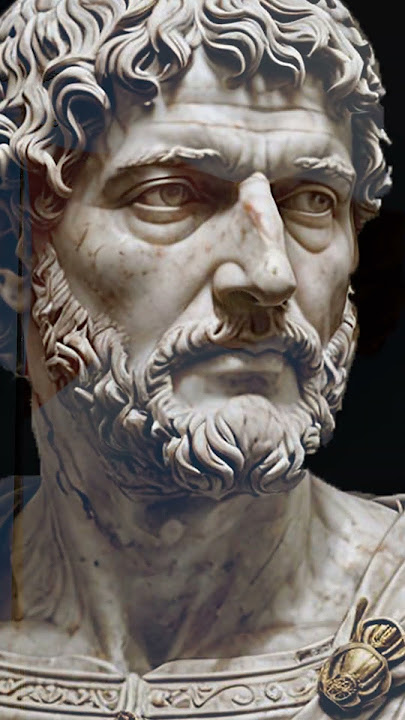
Brief Reign of Roman Emperor Aemilian
Aemilian, a Roman soldier and governor, seized power through a swift military revolt against Emperor Trebonianus Gallus. His accession marked a brief interruption in t...
Explore event →History does not happen in isolation. Explore world events across time, follow the connections between them, and investigate the threads that reveal how one event can lead to another.
TheTimeMap currently follows events across 95 countries and 268 years of history — building a connected archive designed for people who want to look beyond the headline.
We oppose antisemitism, racism, and dehumanization — everywhere.
When people stop feeling, injustice becomes easy.
Aemilian, a Roman soldier and governor, seized power through a swift military revolt against Emperor Trebonianus Gallus. His accession marked a brief interruption in t...
Explore event →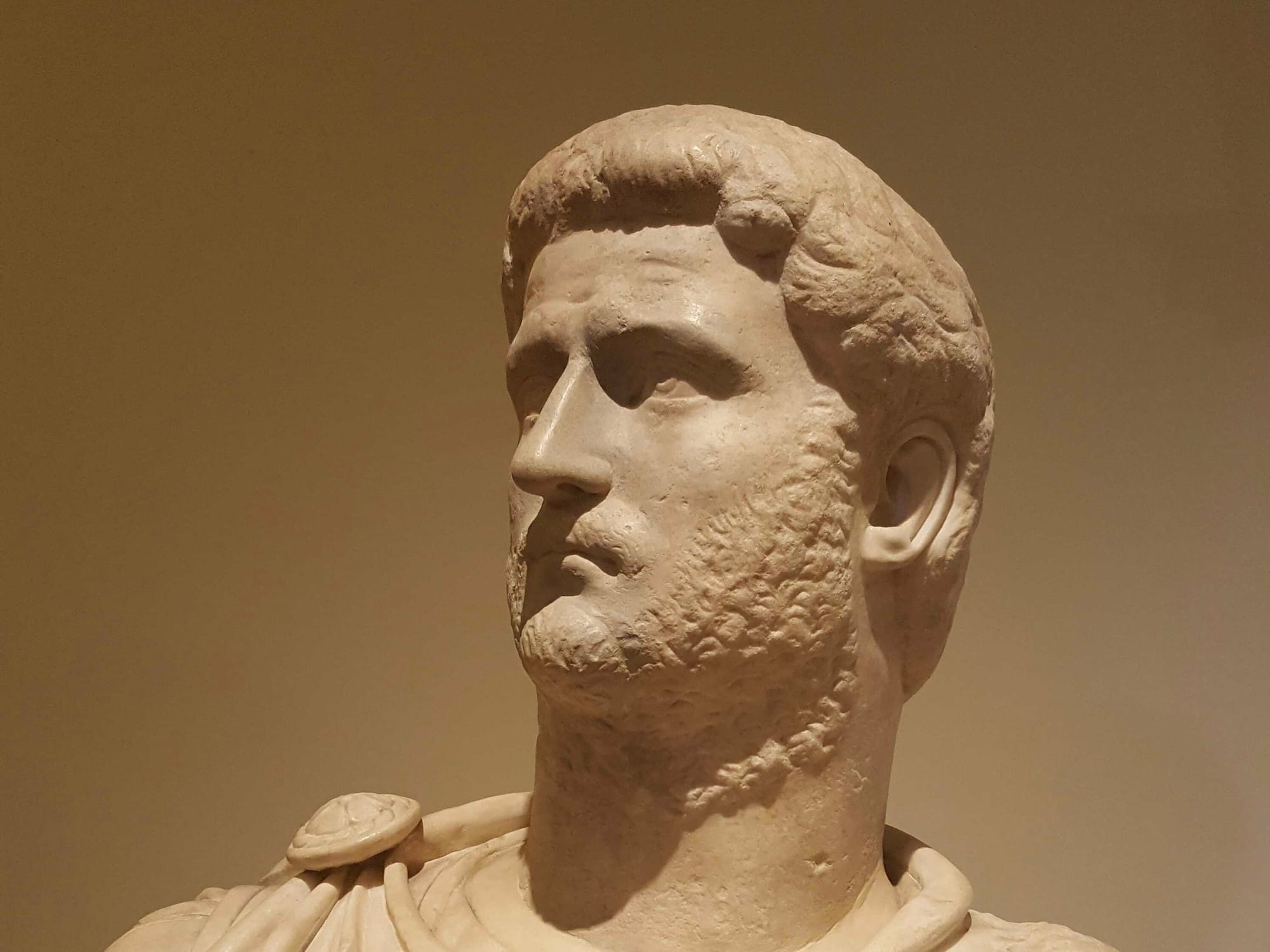
Gallienus became Roman Emperor following the assassination of his father, Valerian. His accession marked the beginning of a co-rule, where he shared power with his fat...
Explore event →
The Sasanian king Shapur I captured Antioch following his victorious campaigns against the Roman Empire. The fall of this major city marked a significant moment in Rom...
Explore event →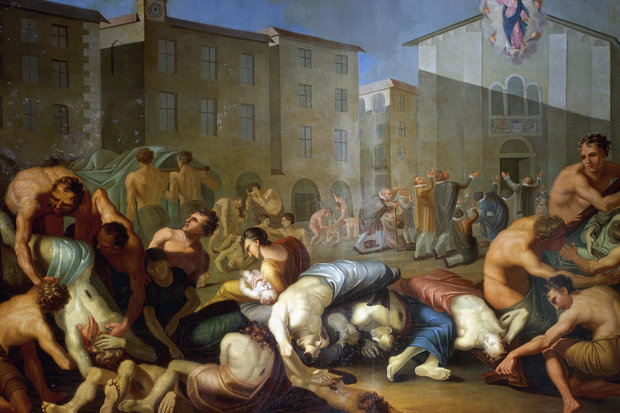
The Cyprian Plague is rapidly spreading across the Mediterranean region, severely impacting cities within the Roman Empire. Reports indicate a high mortality rate and ...
Explore event →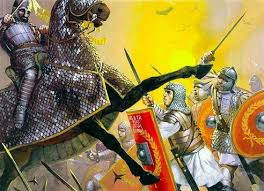
The Battle of Resaena was fought between Roman forces under Emperor Gordian III and the Sasanian Empire. This conflict marked a significant Roman attempt to regain los...
Explore event →
The revolt led by Gordian II was part of a larger uprising against the reigning emperor Maximinus Thrax. Gordian II, alongside his father Gordian I, was proclaimed emp...
Explore event →
Following the death of Emperor Maximinus Thrax, the Roman Senate appointed Pupienus and Balbinus as co-emperors to restore order within the Roman Empire. Their joint a...
Explore event →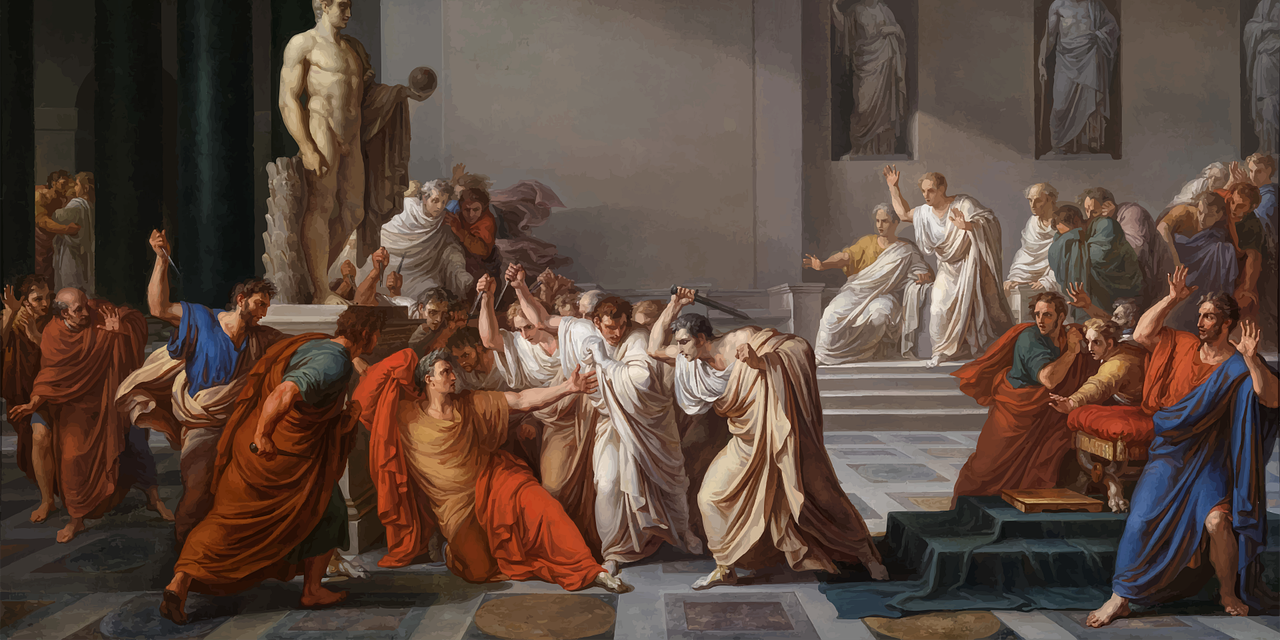
The revolt of Gordian I was a significant uprising against the Roman Emperor Maximinus Thrax in 238, known as the Year of the Six Emperors. Senatorial opposition to Ma...
Explore event →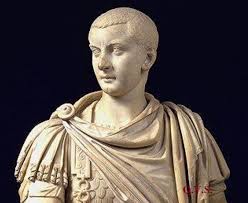
Gordian III ascended to the Roman imperial throne following a period of political instability known as the Year of the Six Emperors. At the age of thirteen, he was dec...
Explore event →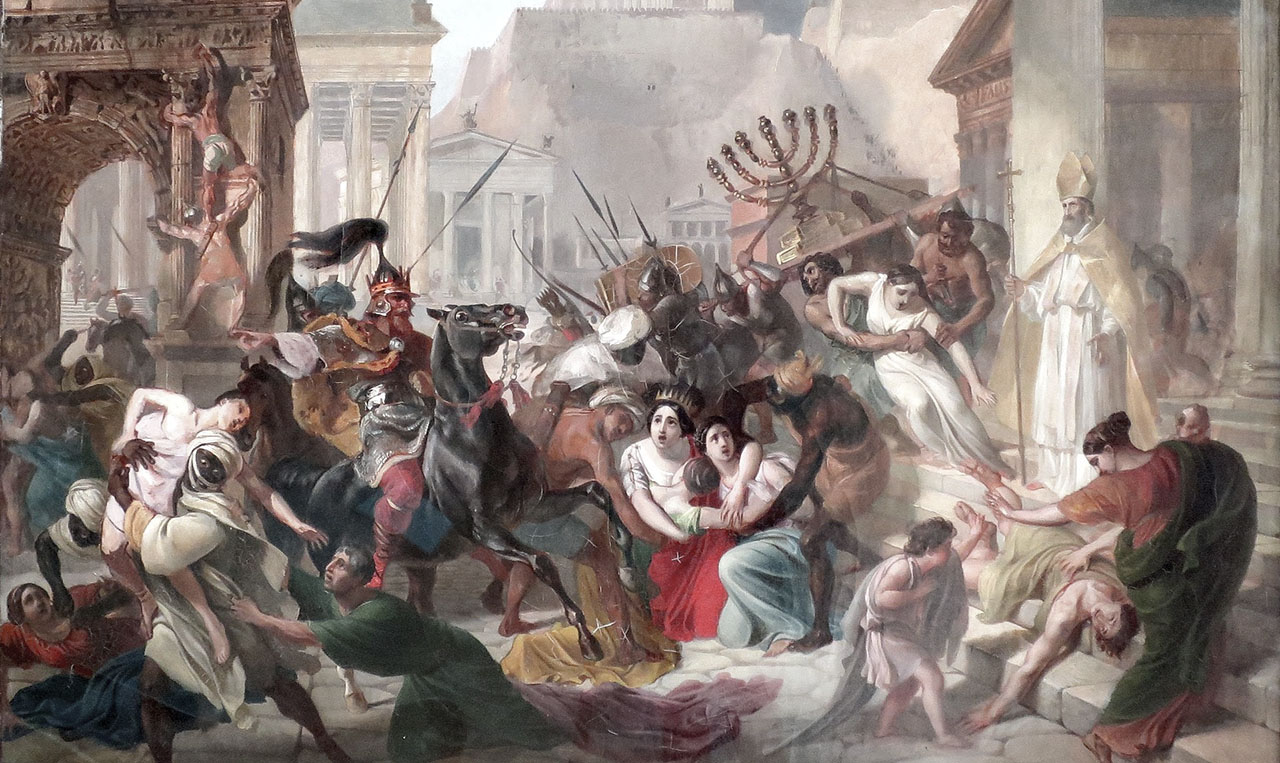
The Crisis of the Third Century marked a period of severe instability within the Roman Empire beginning in 235 AD. This era saw widespread political chaos, military de...
Explore event →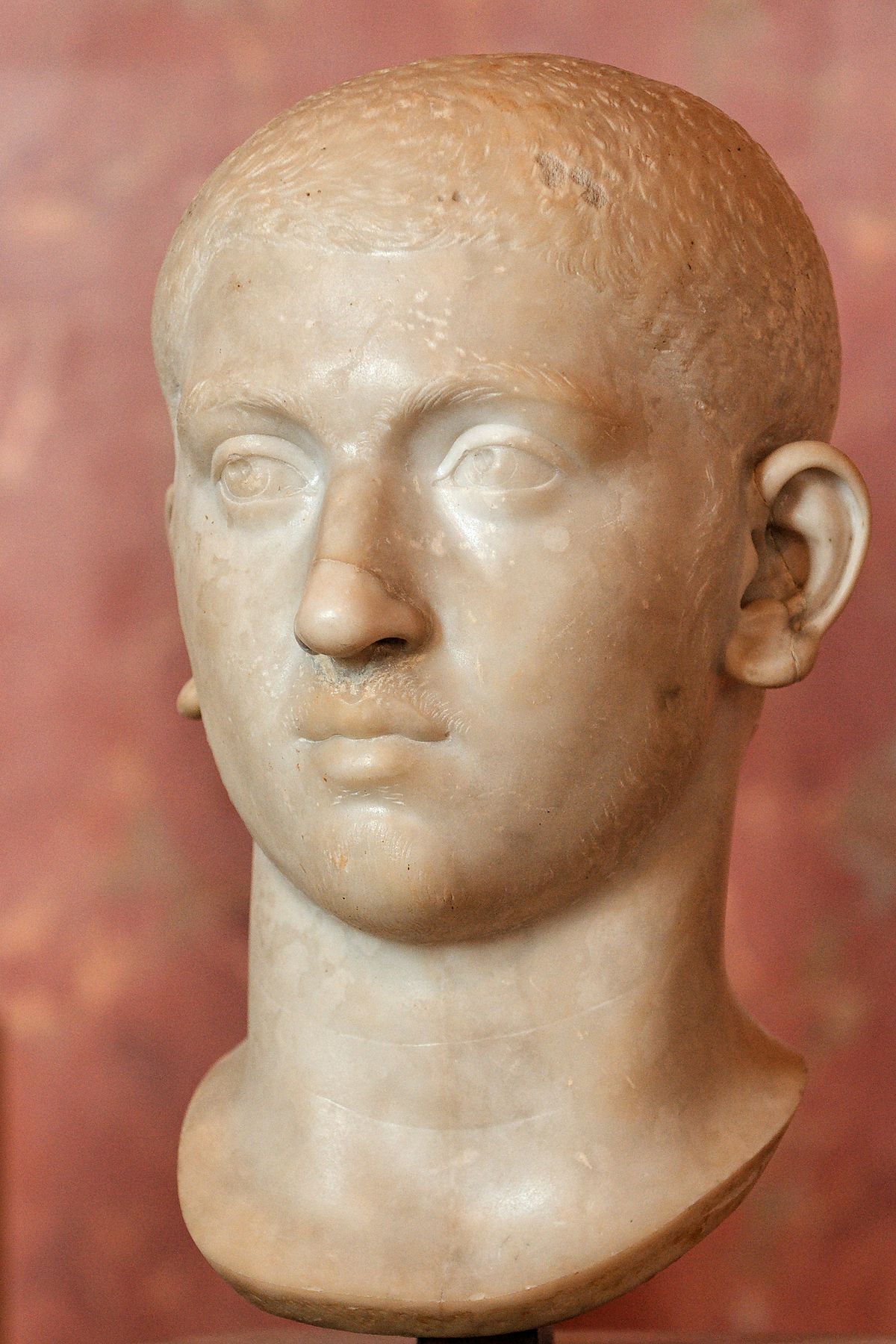
Severus Alexander, the last emperor of the Severan dynasty, was assassinated by his own soldiers in March of 235 CE near the city of Mutina along the Danube frontier. ...
Explore event →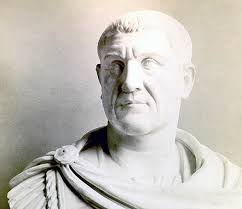
Maximinus Thrax, a Roman soldier of humble origins, was proclaimed emperor by his troops following the assassination of Severus Alexander. His accession marked the beg...
Explore event →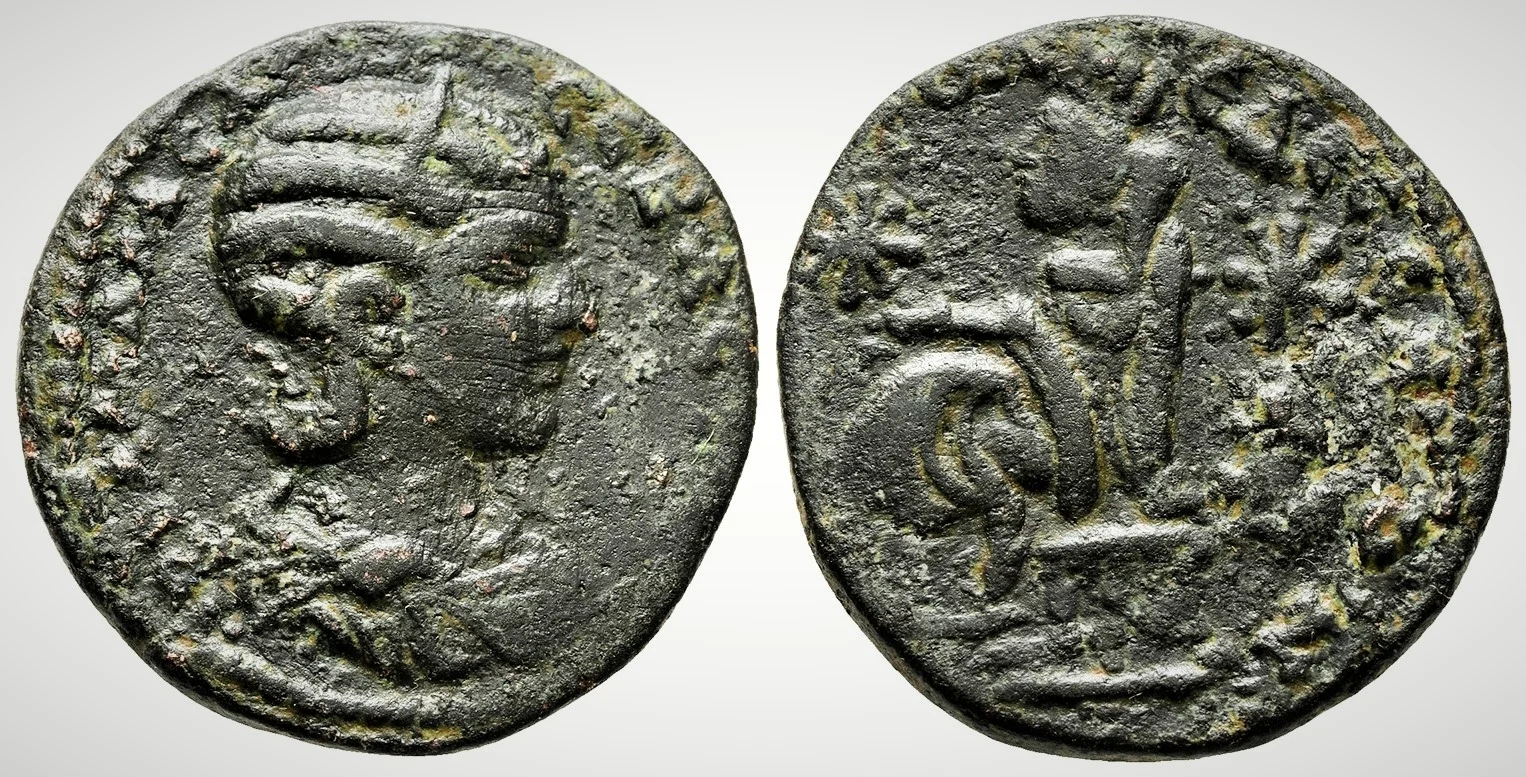
Emperor Severus Alexander launched a military campaign against the Sasanian Empire to counter their expansion in Mesopotamia. The Roman forces sought to reclaim lost t...
Explore event →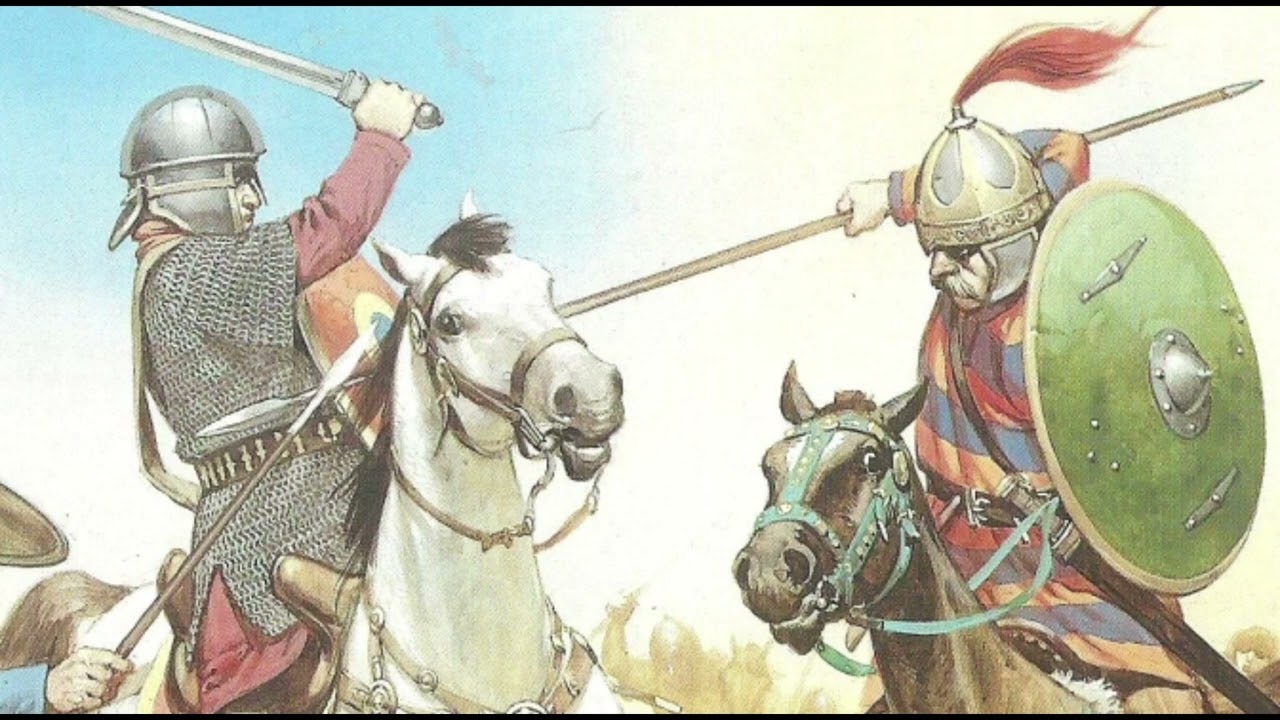
The fall of the Parthian Empire marked the rise of the Sasanian dynasty in ancient Persia. The decisive defeat of the last Parthian king by Ardashir I ended nearly fiv...
Explore event →
Severus Alexander was proclaimed Roman Emperor following the assassination of Elagabalus. The Roman Senate officially endorsed his accession, marking a return to more ...
Explore event →
Elagabalus, Roman emperor notorious for his controversial religious and political actions, was assassinated on March 11 after a brief reign. His rule was marked by sig...
Explore event →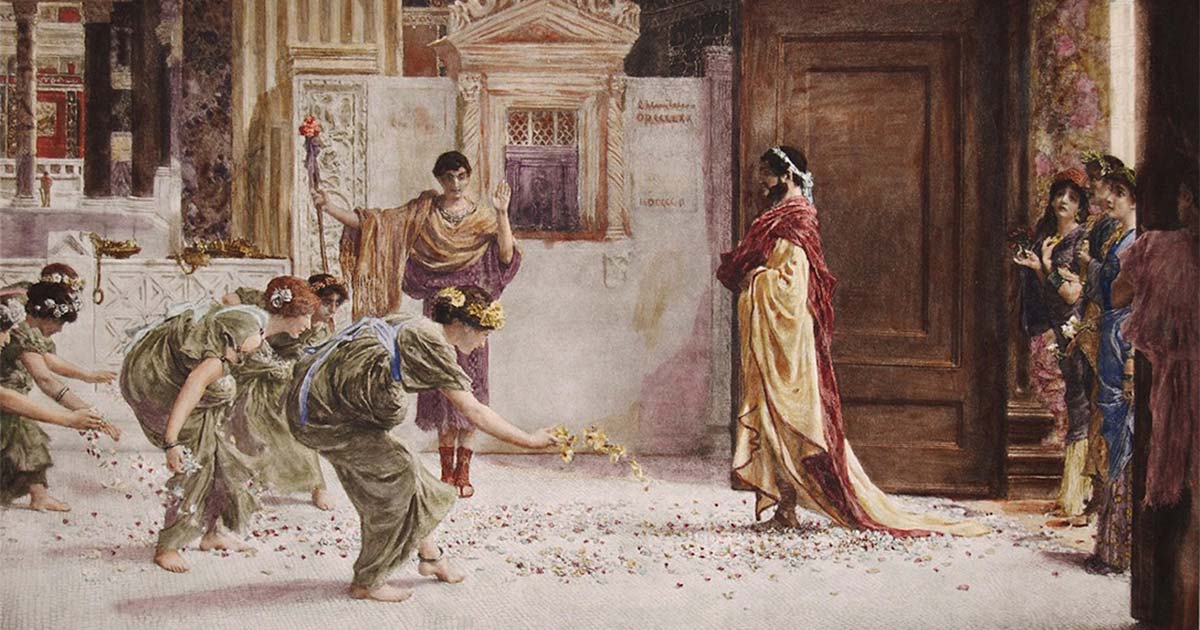
Elagabalus, also known as Varius Avitus Bassianus, was proclaimed Roman Emperor upon the death of Caracalla’s successor during the Severan dynasty. His accession marke...
Explore event →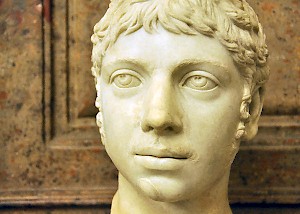
Emperor Elagabalus began implementing religious reforms centered on the worship of the Syrian sun god Elagabal. He elevated this deity above the traditional Roman gods...
Explore event →
The Battle of Nisibis took place between the Roman forces led by Emperor Macrinus and the Parthian army. It was fought near the strategic city of Nisibis, a key strong...
Explore event →
The Battle of Nisibis was fought near the city of Nisibis, a strategic fortress in Mesopotamia. Roman forces under Emperor Macrinus clashed with the Parthian army, res...
Explore event →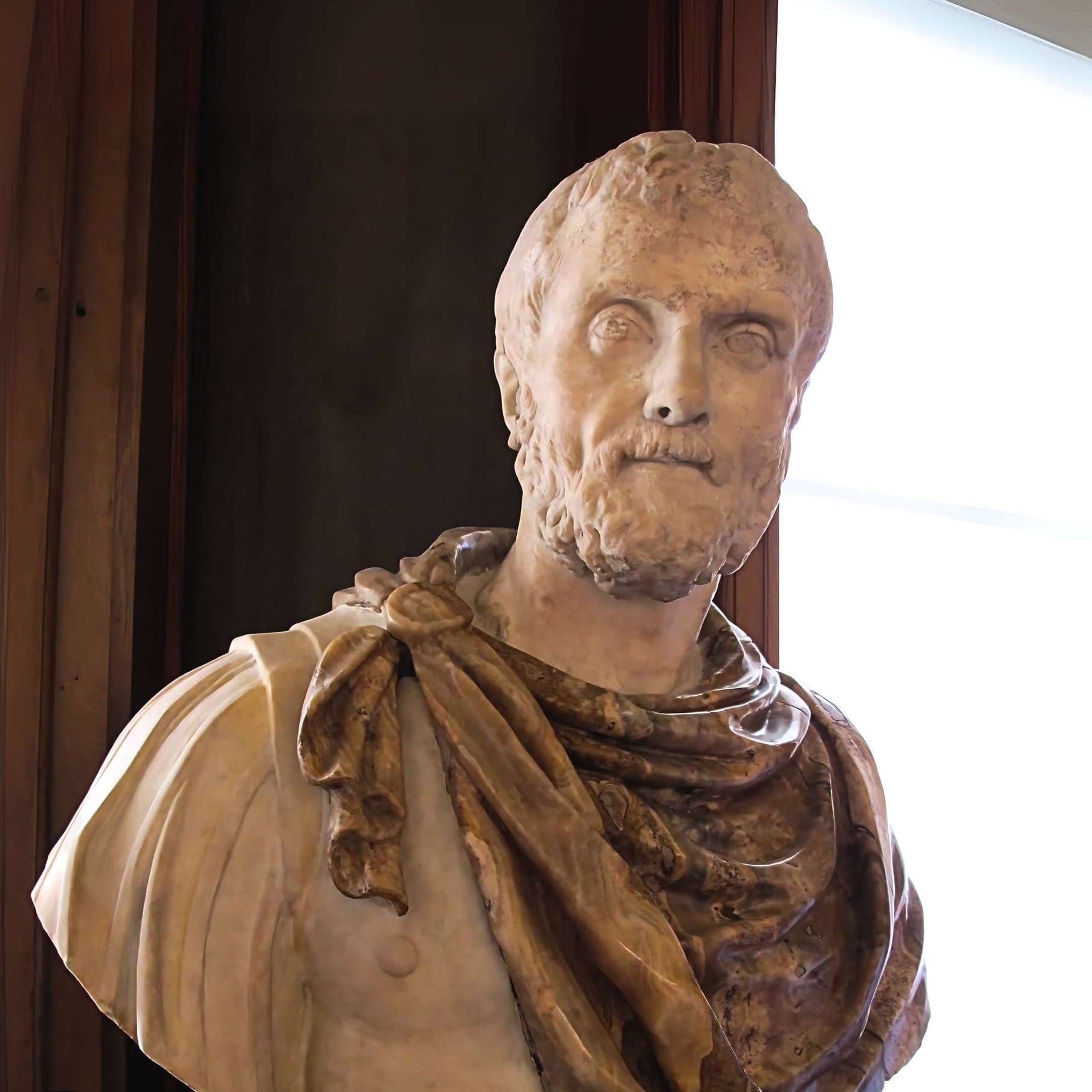
Following the assassination of Emperor Caracalla, Macrinus, then the commander of the Praetorian Guard, declared himself emperor. His accession marked the first time a...
Explore event →
Macrinus, formerly a praetorian prefect, became Roman Emperor following the assassination of Caracalla. This marked a significant shift in imperial authority as Macrin...
Explore event →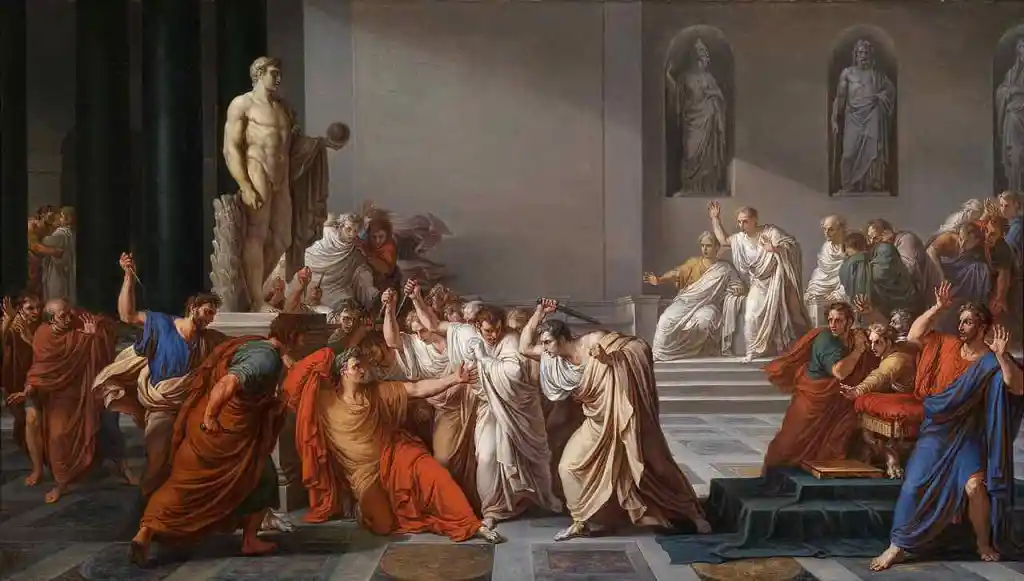
Caracalla, Roman Emperor and son of Septimius Severus, was assassinated amid a military campaign in Moesia. While traveling through the province, he was murdered by a ...
Explore event →
Roman Emperor Caracalla launched multiple military campaigns against the Alemanni tribes during his rule. These campaigns aimed to secure the empire’s northern frontie...
Explore event →
641 CE — Muslim authorities establish Fustat near the old Roman fortress of Babylon on the Nile. The city becomes the administrative center of Islamic Egypt and develo...
Explore research
395–641 CE — Egypt becomes part of the eastern Roman Empire centered on Constantinople, later called Byzantine. Alexandria remains one of Christianity's major intellec...
Explore research
395 CE — After the death of Theodosius I, administration of the Roman Empire is divided between eastern and western courts. The territories of modern Albania remain pr...
Explore research
1st–4th centuries CE — Christianity spreads through the Roman Balkans and eventually becomes institutionally established. Bishoprics emerge in important cities includi...
Explore research
30 BCE — Octavian captures Alexandria after the deaths of Antony and Cleopatra. Egypt becomes a Roman province under unusually close imperial supervision because of it...
Explore research
30 BCE–395 CE — Egypt remains one of the Roman Empire's wealthiest provinces. Alexandria continues as a major commercial and intellectual center while traditional Egyp...
Explore research
2 September 31 BCE — The fleet of Octavian defeats the forces of Mark Antony and Cleopatra near Actium in western Greece. Antony and Cleopatra retreat to Egypt. Their ...
Explore research
146 BCE — Corinth is destroyed and Roman domination of Greece becomes decisive.
Explore research
c. 146–120 BCE — Roman engineers develop the Via Egnatia from the Adriatic coast through Macedonia toward Byzantium. Dyrrachium becomes one of the principal western ga...
Explore research
168 BCE — Roman forces defeat King Gentius near Scodra after a short campaign. His capture effectively ends the last major independent Illyrian monarchy in the region....
Explore research
Untitled168 BCE–395 CE — The lands of modern Albania are gradually integrated into Roman provincial systems. Cities expand, Latin and Greek cultural influences deepen,...
Explore research
229–228 BCE — Rome sends military forces across the Adriatic against Queen Teuta's kingdom. The war marks Rome's first major armed intervention on the eastern Adriatic...
Explore research
Illyrian ruler whose kingdom came into direct conflict with the expanding Roman Republic.
Explore research
c. 1000–500 BCE — Iron Age communities later identified by Greek and Roman writers as Illyrian become visible across much of the western Balkans. Illyrians were not on...
Explore research
c. 3100 BCE–2026 CE — Egypt has been governed by native pharaohs, Nubian kings, Persians, Macedonians, Romans, Byzantines, Arab caliphates, Fatimids, Ayyubids, Mamluks...
Explore research
Over time Greek becomes dominant in the Byzantine state while Orthodox Christianity becomes central to identity.
Explore research
27 January 1945 — Soviet troops reach the Auschwitz concentration and extermination complex in occupied Poland. They find thousands of surviving prisoners and extensiv...
Explore research
8 April 1944 — Soviet forces attack German and Romanian troops in Crimea. Axis defenses collapse rapidly and Sevastopol falls in May. The Soviet victory removes an imp...
Explore research
8 May 1945 — Soviet armies finish the war occupying Poland, eastern Germany, Hungary, Romania, Bulgaria and much of Central and Eastern Europe. Investigate whether the...
Explore research
395 CE — Greece remains within the eastern Roman Empire, later called Byzantine.
Explore research
Greek cities become part of the Roman world while Greek culture deeply influences Roman education, philosophy and art.
Explore research
19 November 1942 — Soviet armies attack Romanian and other Axis forces protecting the German flanks at Stalingrad. The offensive rapidly breaks through and Soviet spea...
Explore research
19 November 1942 — Soviet forces attack Axis armies guarding the flanks of the German position at Stalingrad. The offensive breaks through Romanian sectors and rapidly...
Explore research
23 August 1944 — King Michael leads a coup that removes Ion Antonescu and ends Romania's alliance with Germany. Romania soon joins the war against the Axis. Germany lo...
Explore research