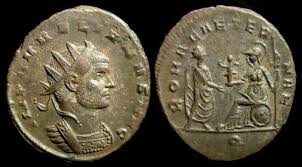
Aurelian's Comprehensive Coinage Reform
Emperor Aurelian implemented a major monetary reform aimed at stabilizing the Roman currency system after years of debasement. The reform introduced new silver coins w...
Explore event →History does not happen in isolation. Explore world events across time, follow the connections between them, and investigate the threads that reveal how one event can lead to another.
TheTimeMap currently follows events across 95 countries and 268 years of history — building a connected archive designed for people who want to look beyond the headline.
We oppose antisemitism, racism, and dehumanization — everywhere.
When people stop feeling, injustice becomes easy.
Emperor Aurelian implemented a major monetary reform aimed at stabilizing the Roman currency system after years of debasement. The reform introduced new silver coins w...
Explore event →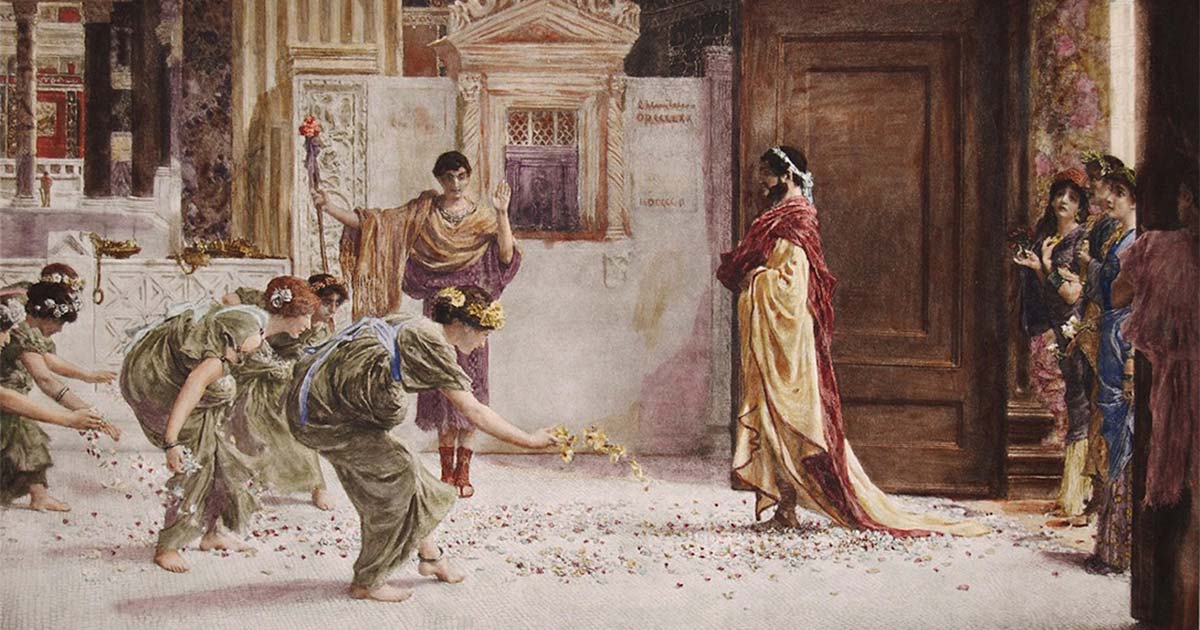
Elagabalus, also known as Varius Avitus Bassianus, was proclaimed Roman Emperor upon the death of Caracalla’s successor during the Severan dynasty. His accession marke...
Explore event →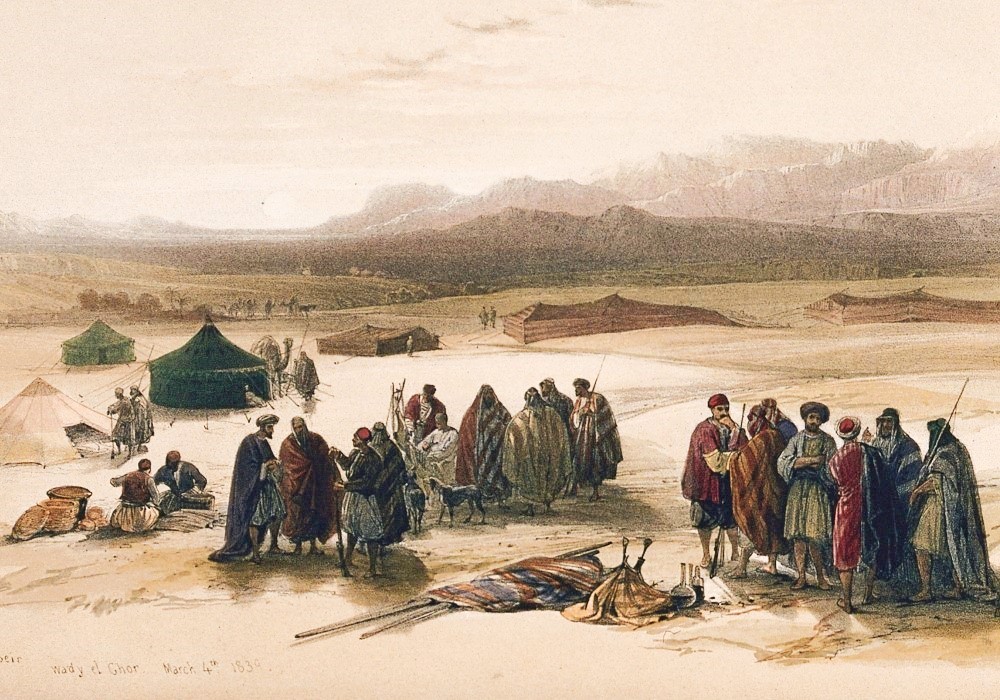
The Edomites, also known in later sources as Idumeans, were an ancient Semitic people who lived in the region south of Judea, historically associated with the descenda...
Explore event →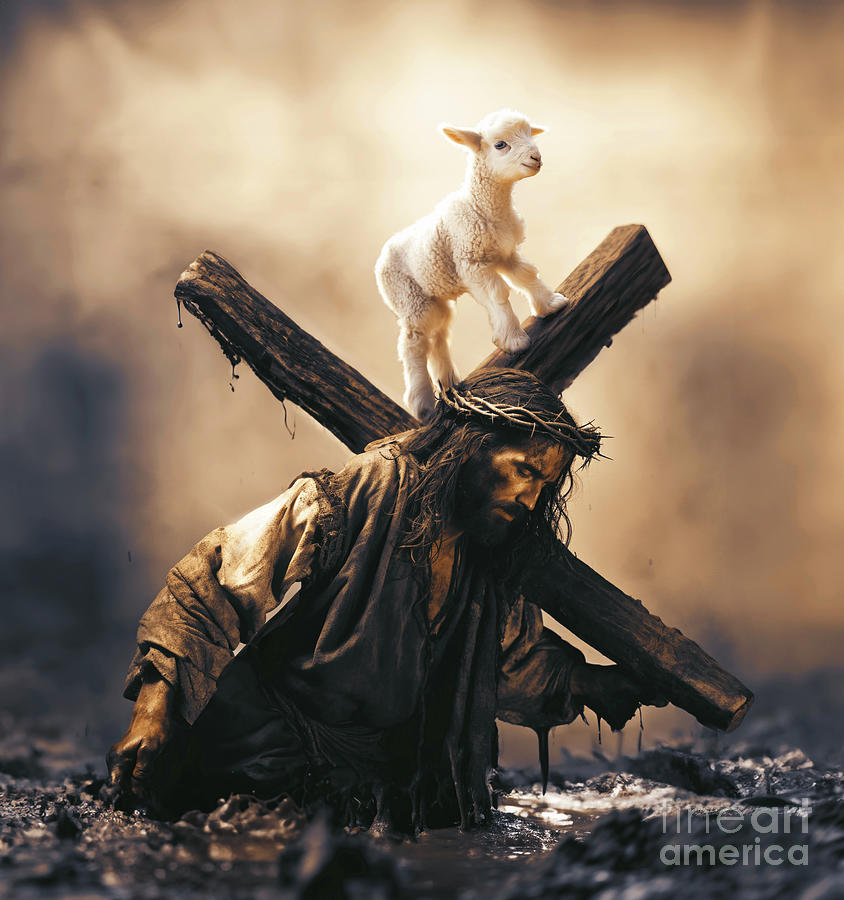
Event Timeline body { font-family: Arial, sans-serif; background-color: #f4f4f9; margin: 0; padding: 0; } .timeline-container { max-width: 800px; ...
Explore event →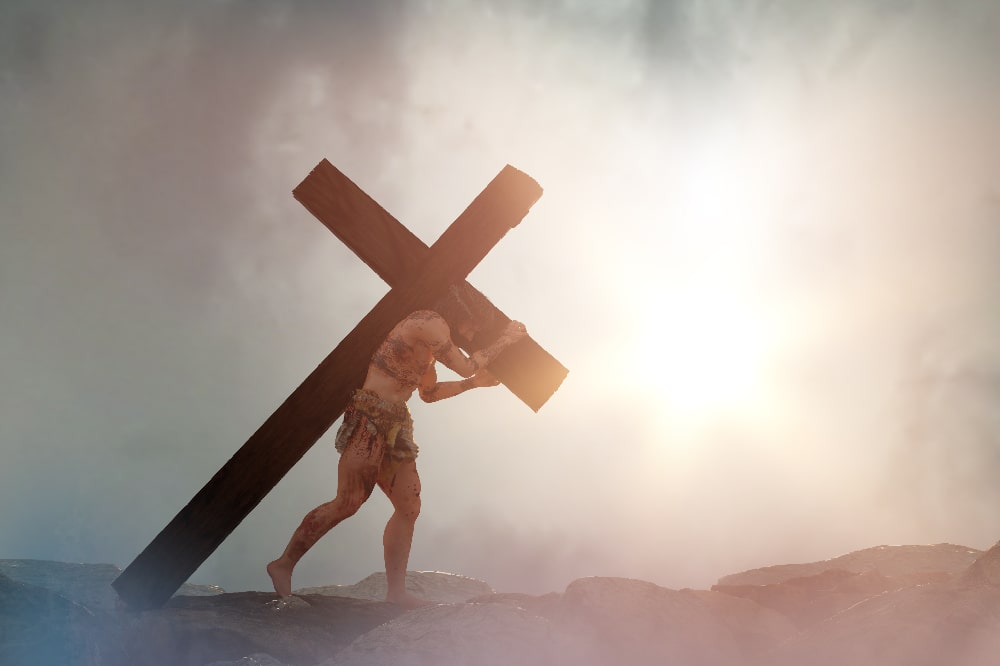
Jesus of Nazareth was executed by crucifixion under Roman governor Pontius Pilate in Jerusalem, during the period of Roman occupation of Judea. The event is documented...
Explore event →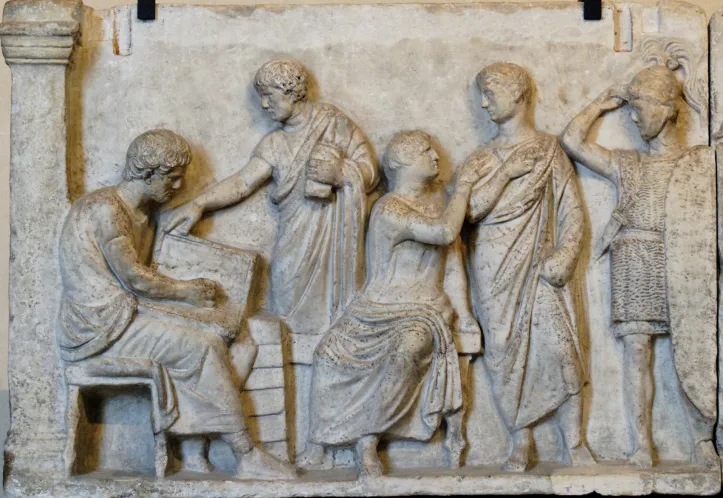
The census conducted under Publius Sulpicius Quirinius was ordered by the Roman Empire as part of administrative reorganization following the annexation of Judea as a ...
Explore event →
Ma Jun, a prominent Chinese inventor, developed several groundbreaking mechanical devices that made significant impacts on local industry. His inventions focused on im...
Explore event →
Jesus of Nazareth, the central figure of Christianity, is traditionally believed to have been born in Bethlehem during the final years of the reign of Herod the Great....
Explore event →
3 July 2013 — Following enormous demonstrations against President Morsi, the Egyptian military removes him from office and suspends the constitution. Supporters descri...
Explore research
2011–2014 — Mubarak's fall opens competitive elections and unprecedented political participation, but the transition rapidly produces institutional conflict, polarizat...
Explore research
Untitled1990s–present — The collapse of communist controls produces large migration flows toward Italy, Greece, Germany, the United States and elsewhere. Emigration be...
Explore research
11 April 1985 — Hoxha dies after more than four decades at the center of Albanian communist power. Ramiz Alia succeeds him and gradually introduces limited reforms as ...
Explore research
1958–1961 — Egypt and Syria unite as the United Arab Republic under Nasser. The union represents the high point of pan-Arab political enthusiasm. Syrian dissatisfactio...
Explore research
6 April 1917–11 November 1918 — The United States begins converting its enormous economy and population into military power. Millions of men enter the draft system whi...
Explore research
1 July 1916 — British and French forces open the Somme offensive after an enormous artillery preparation. The first day becomes the bloodiest single day in British mil...
Explore research
4 June 1916 — Russian General Aleksei Brusilov launches a major offensive against Austria-Hungary. Innovative preparation and attacks across a broad front produce spec...
Explore research
1916–1918 — Governments expand control over labor, food, transportation, prices and industrial production. Women enter many sectors previously dominated by men. Coloni...
Explore research
1915–1918 — Consumption of artillery shells and other matériel massively exceeds prewar assumptions. Governments intervene increasingly in factories, labor, transport ...
Explore research
1914–1918 wartime production — DuPont becomes one of the most striking American industrial beneficiaries of wartime demand because explosives and propellants are requi...
Explore research
1914–1918 wartime production — Krupp is one of Germany's most important heavy industrial and armaments firms. The company supplies artillery, steel products and other ...
Explore research
1914–1918 wartime production — Schneider is a major French heavy-industrial and armaments producer whose factories supply artillery and military material to the French...
Explore research
1914–1918 wartime production — British engineering and armaments company Vickers becomes an important supplier of guns, ammunition, ships and other military equipment ...
Explore research
1914–1918 — Armaments companies, explosives producers and other industrial suppliers receive enormous wartime orders. Some businesses benefit heavily while others suff...
Explore research
1st–4th centuries CE — Christianity spreads widely through Egypt and produces one of the ancient world's most important Christian traditions. Egyptian monasticism prof...
Explore research
508–507 BCE — Cleisthenes introduces reforms that become foundational to Athenian democracy.
Explore research
594 BCE — Solon introduces major political and social reforms in Athens.
Explore research
c. 2580–2560 BCE — Khufu's Great Pyramid rises at Giza and becomes the largest pyramid ever constructed in Egypt. Originally about 146.6 meters high, it contains milli...
Explore research
c. 3100 BCE — Political consolidation produces a state extending across most of the Nile Valley and Delta. A royal court, taxation system, organized labor force and in...
Explore research
c. 4000–3100 BCE — Powerful communities develop across Upper Egypt during the Naqada periods. Trade expands, elite burials become richer and political centers such as ...
Explore research
c. 4400–4000 BCE — Communities in Upper Egypt produce distinctive pottery, stone tools and increasingly elaborate burials. Grave goods suggest growing differences in w...
Explore research
1942–1945 armaments leadership — Albert Speer becomes Reich Minister of Armaments and War Production in 1942. His ministry attempts to rationalize industrial output, s...
Explore research
1942–1945 armaments leadership — Albert Speer becomes Reich Minister of Armaments and War Production in 1942. His ministry attempts to rationalize industrial output, s...
Explore research