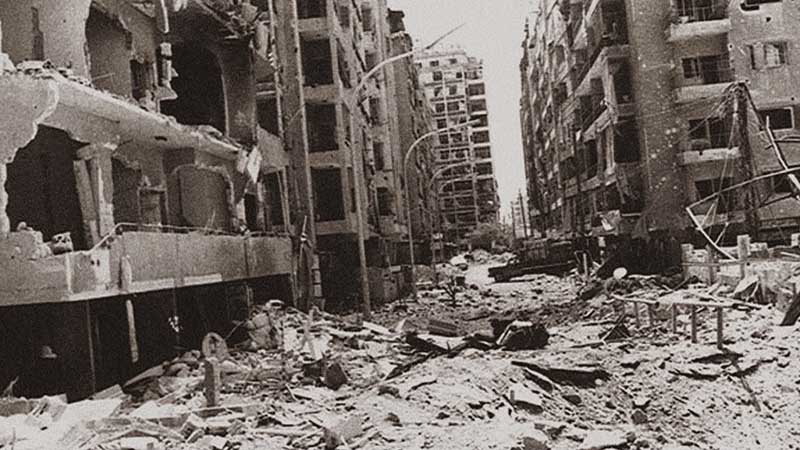
Hama Massacre Overview and Impact
The Hama Massacre occurred in February 1982 when Syrian government forces launched a military assault on the city of Hama to suppress an uprising by the Muslim Brother...
Explore event →History does not happen in isolation. Explore world events across time, follow the connections between them, and investigate the threads that reveal how one event can lead to another.
TheTimeMap currently follows events across 95 countries and 268 years of history — building a connected archive designed for people who want to look beyond the headline.
We oppose antisemitism, racism, and dehumanization — everywhere.
When people stop feeling, injustice becomes easy.
The Hama Massacre occurred in February 1982 when Syrian government forces launched a military assault on the city of Hama to suppress an uprising by the Muslim Brother...
Explore event →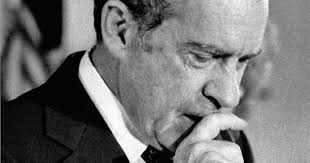
The Watergate Affair: Timeline, Operatives, And Unresolved Questions On June 17, 1972, five men were arrested inside the Democratic National Committee headquarters at...
Explore event →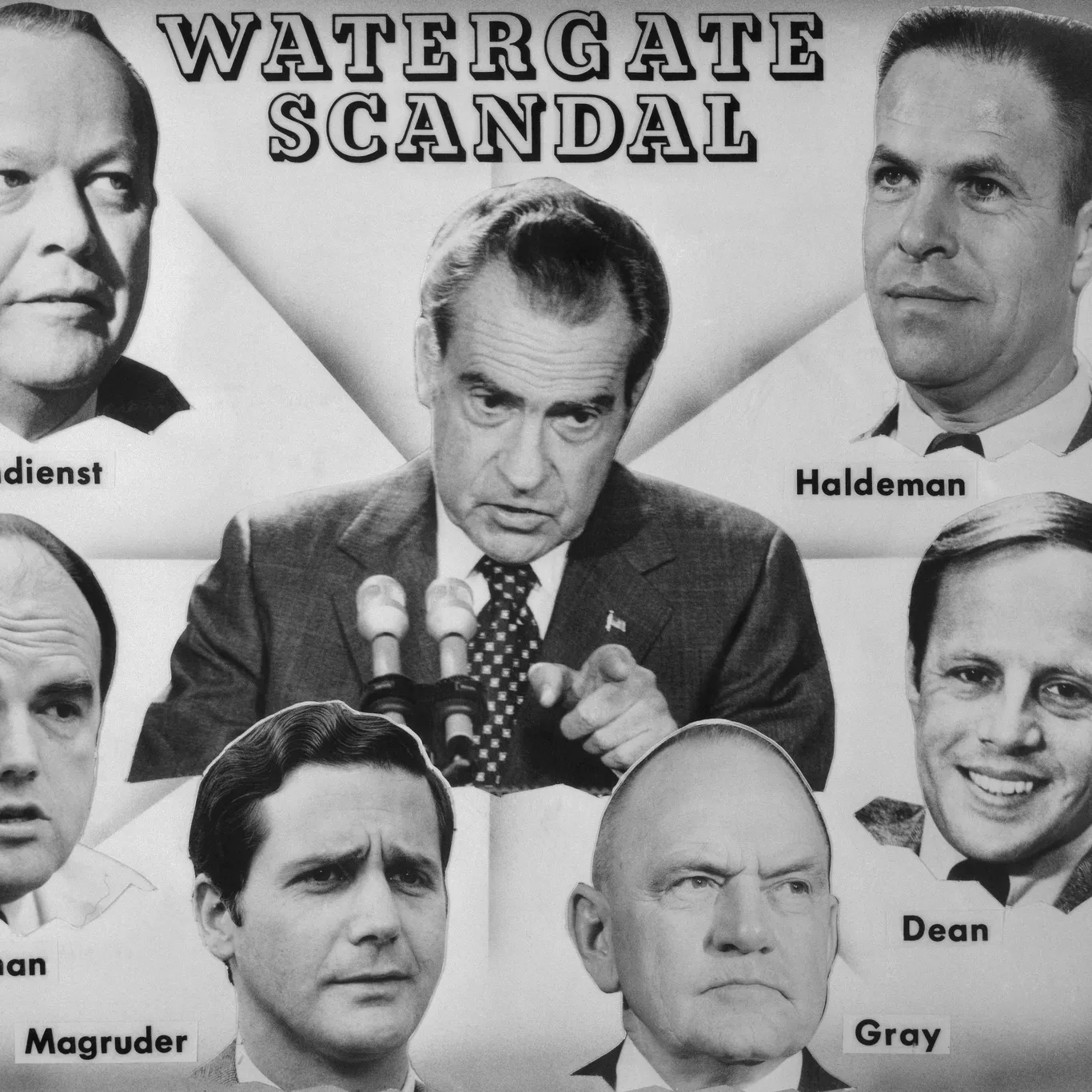
The Watergate Scandal From Break-In To Presidential Resignation On June 17, 1972, five men were arrested for breaking into the Democratic National Committee headquart...
Explore event →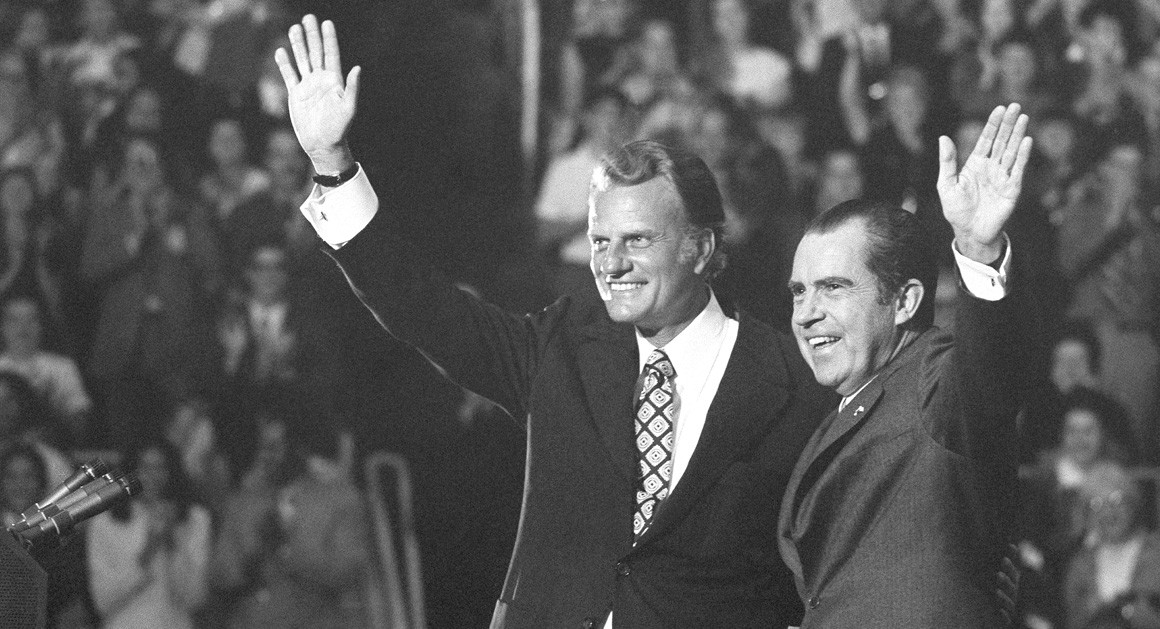
1972 Oval Office Conversation Between Richard Nixon And Billy Graham Contains Anti-Jewish Remarks On February 1, 1972, President Richard Nixon met with evangelist Bil...
Explore event →
Journalist Dorothy Kilgallen became one of the few reporters to directly question Jack Ruby during his 1964 trial for the killing of Lee Harvey Oswald. Kilgallen, a we...
Explore event →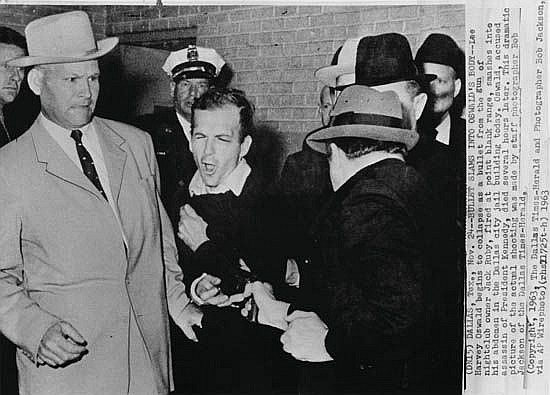
On November 24, 1963, Jack Ruby, a Jewish-American nightclub owner in Dallas, Texas, shot and killed Lee Harvey Oswald, the accused assassin of U.S. President John F. ...
Explore event →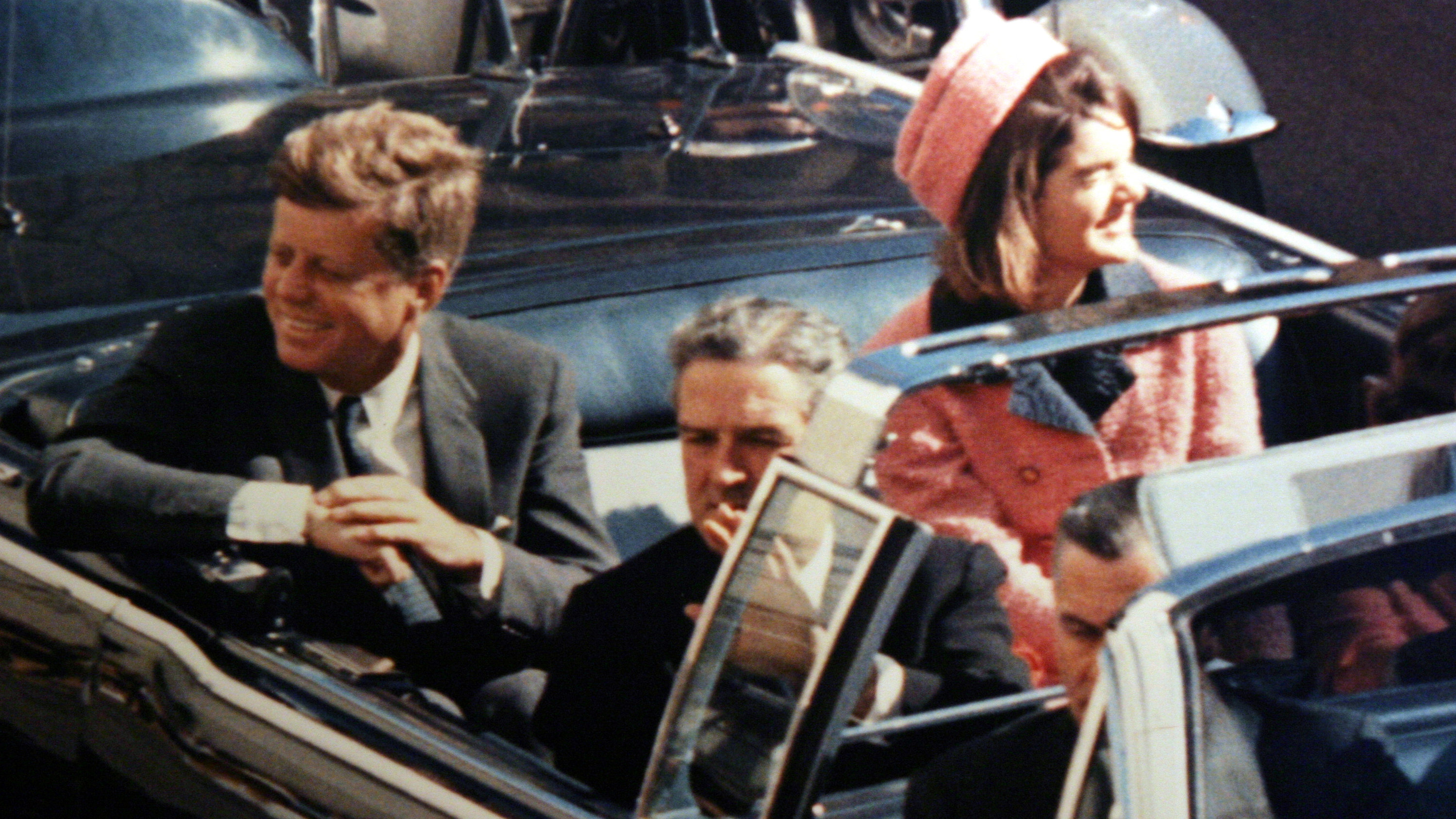
The assassination of John F. Kennedy, the 35th President of the United States, occurred on November 22, 1963, in Dallas, Texas. Kennedy was fatally shot while riding i...
Explore event →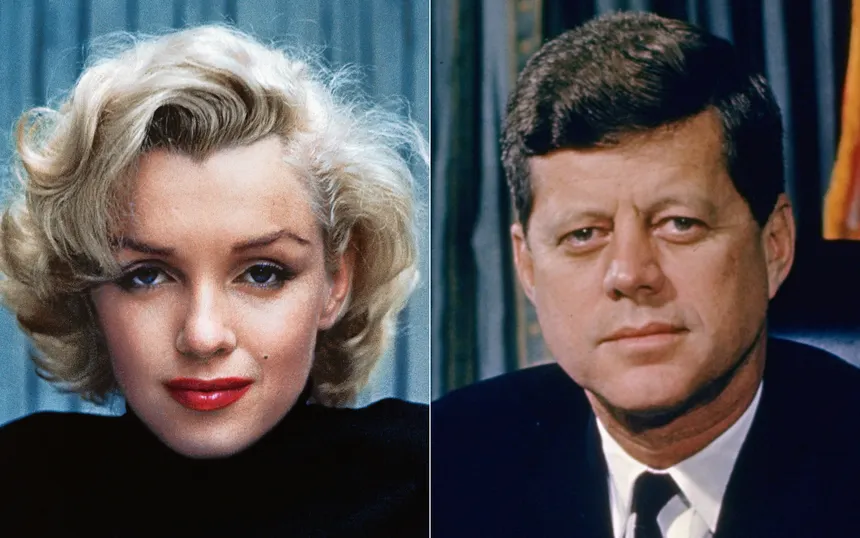
Marilyn Monroe (6 1 1926 – 8 5 1962) was a major Hollywood actress, signed to 20th Century Fox and MGM, with extensive ties to studio executives, publicists, and indiv...
Explore event →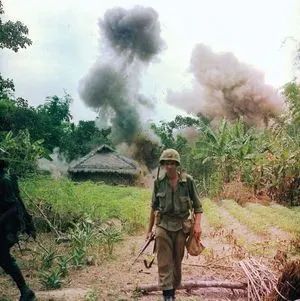
The Vietnam War was a prolonged armed conflict fought primarily between North Vietnam, led by the Communist Party under Ho Chi Minh, and South Vietnam, supported by th...
Explore event →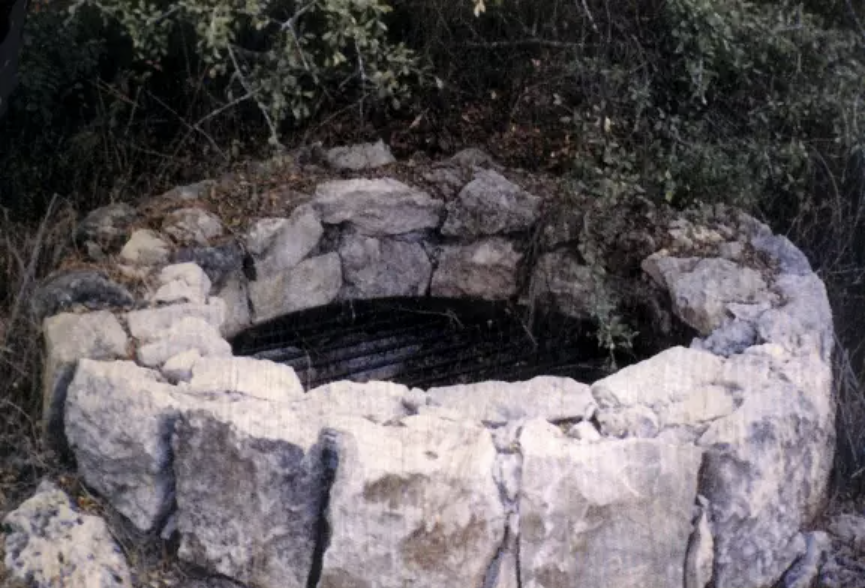
Operation Cast Thy Bread: Poisoning of Palestinian Wells In April 1948, during the Arab–Israeli War following the end of the British Mandate for Palestine, personnel ...
Explore event →.jpg)
The Nakba refers to the mass displacement and dispossession of Palestinians that occurred between 1947 and 1949 during the collapse of the British Mandate for Palestin...
Explore event →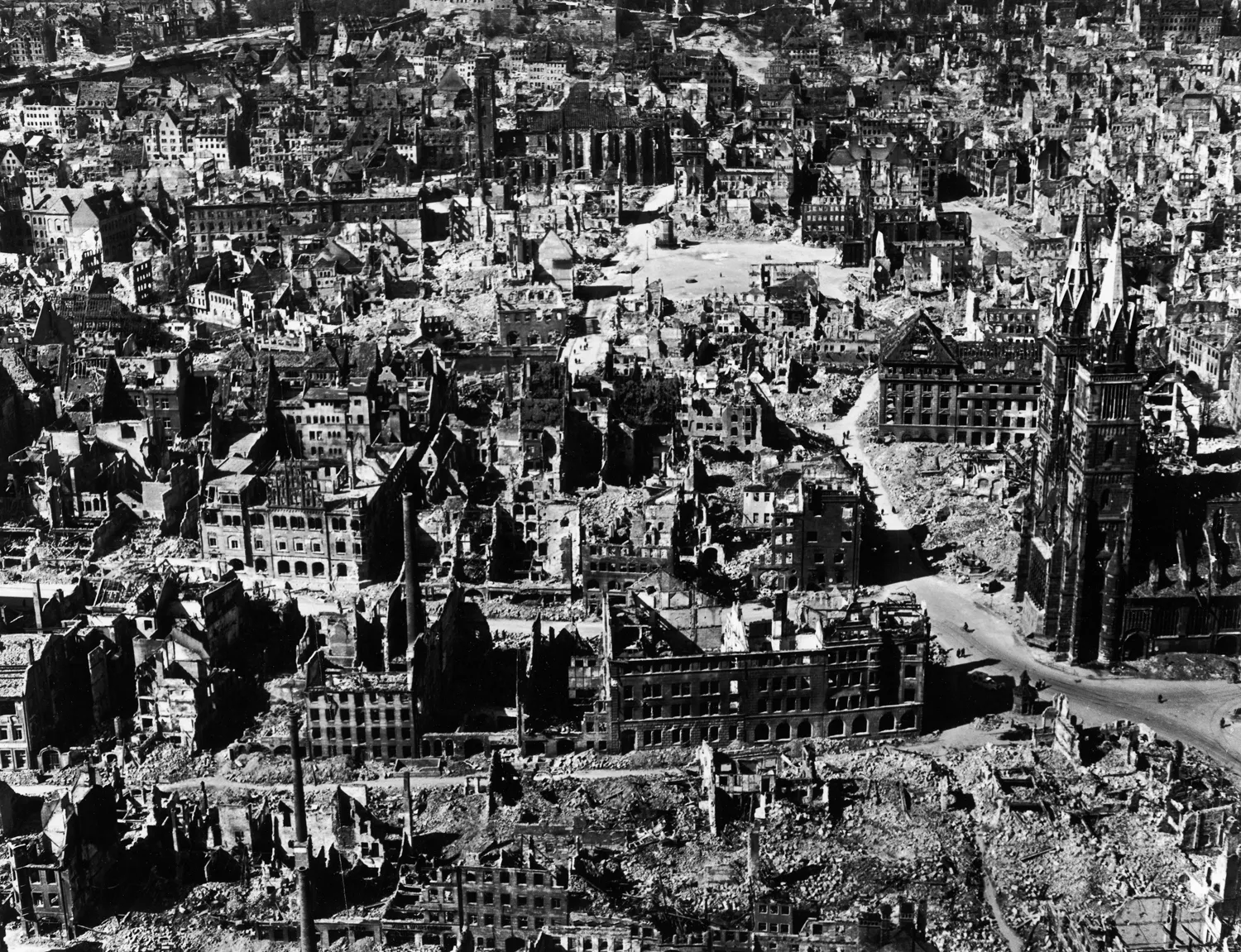
During World War II (1939–1945), the Allied forces of the United States and the United Kingdom carried out a widespread strategic bombing campaign against German citie...
Explore event →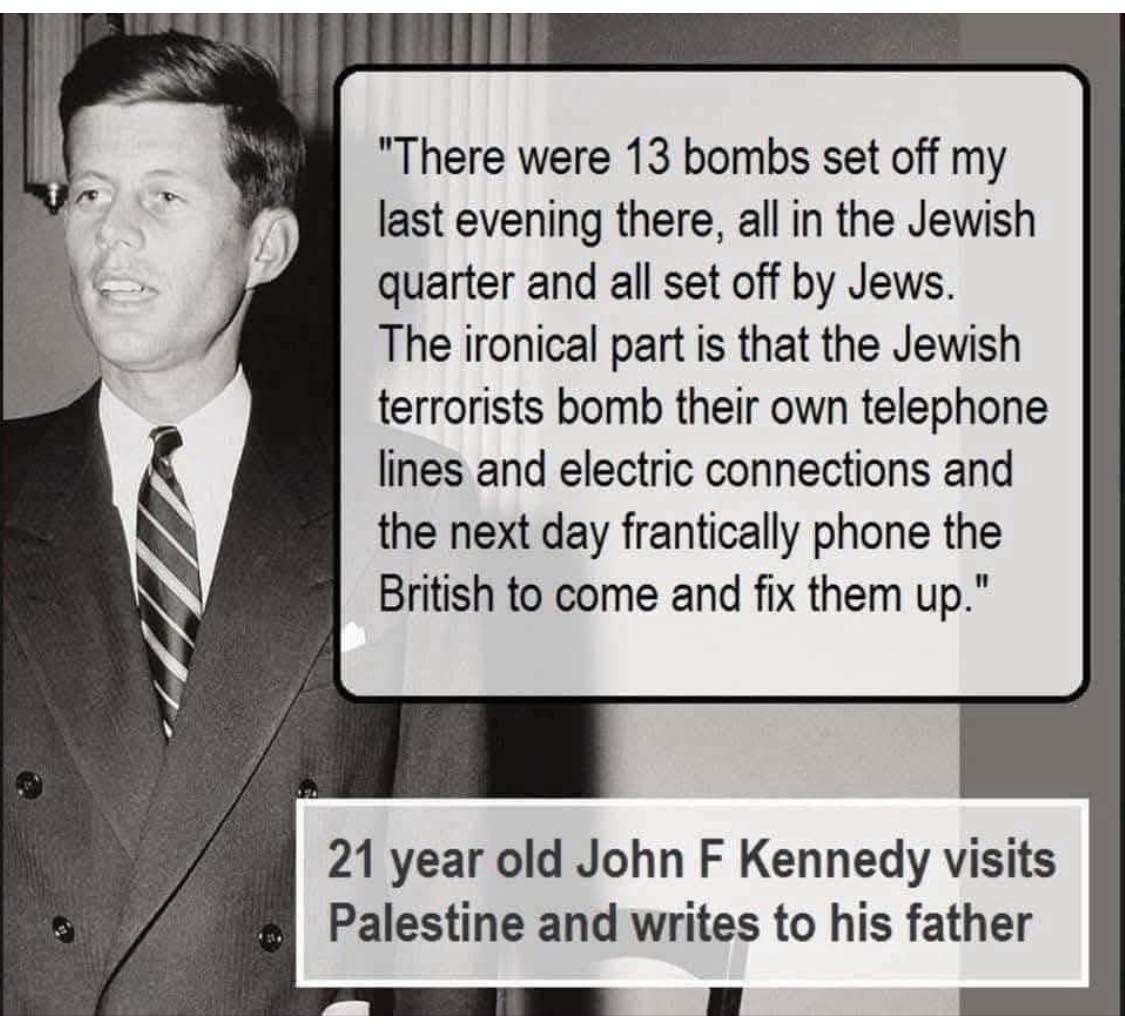
JFK: The Letter Mentions That 13 Bombs Went Off in Jerusalem on His Last Night There, Which He Attributed to Jewish Terrorists (Likely the Irgun Militia) Attempting to...
Explore event →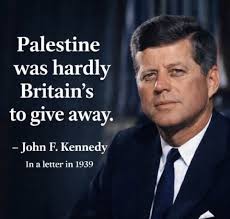
JFK Wrote in 1939 That Palestine Was Hardly Britain's to Give Away In July 1939, John F. Kennedy, then a 22-year-old Harvard student, visited Palestine duri...
Explore event →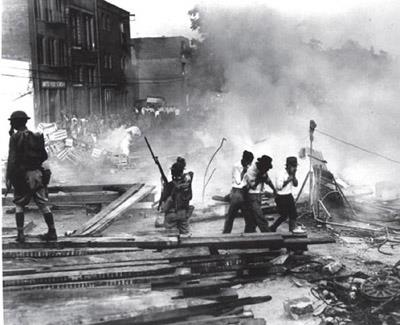
Bonus army removed from Washington In the spring and summer of 1932, approximately 17,000 to 25,000 World War I veterans, along with their families and supporters, as...
Explore event →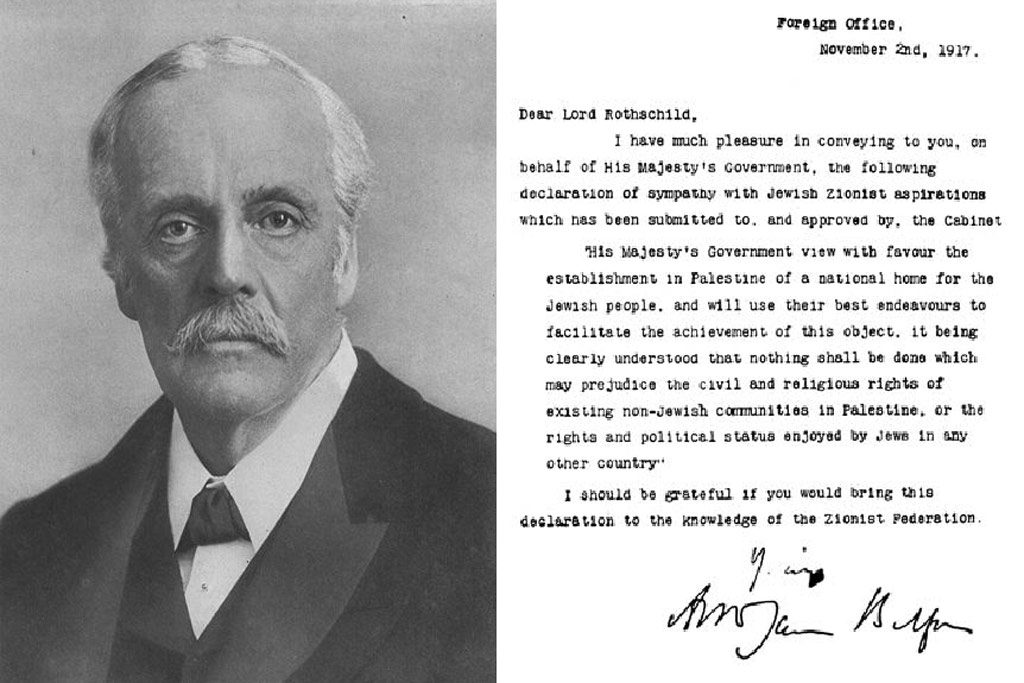
The Balfour Declaration was a public statement issued on November 2 1917 by the British government during World War I expressing support for the establishment of a nat...
Explore event →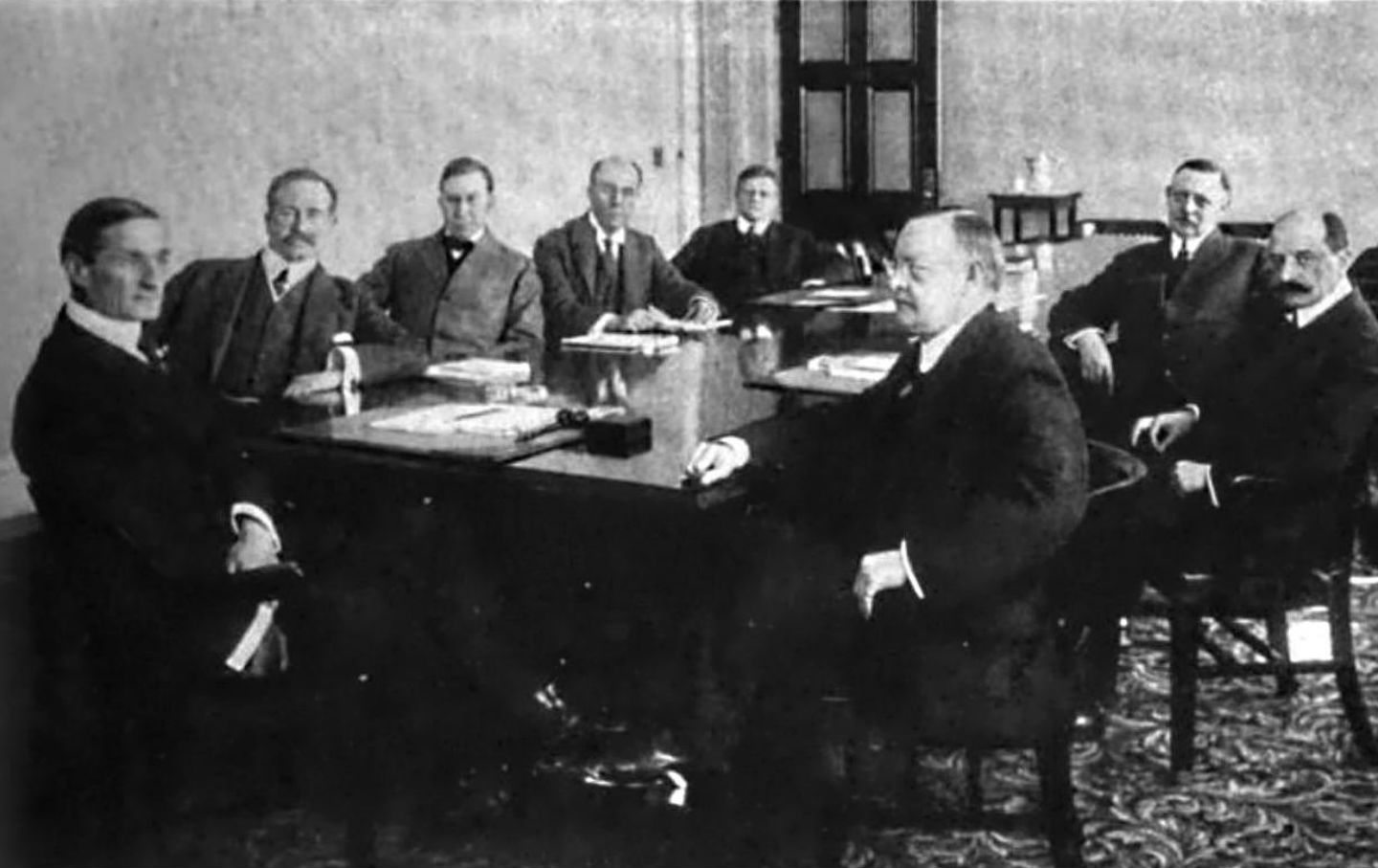
The creation of the Federal Reserve System on December 23, 1913, established the central banking authority of the United States. It was enacted through the Federal Res...
Explore event →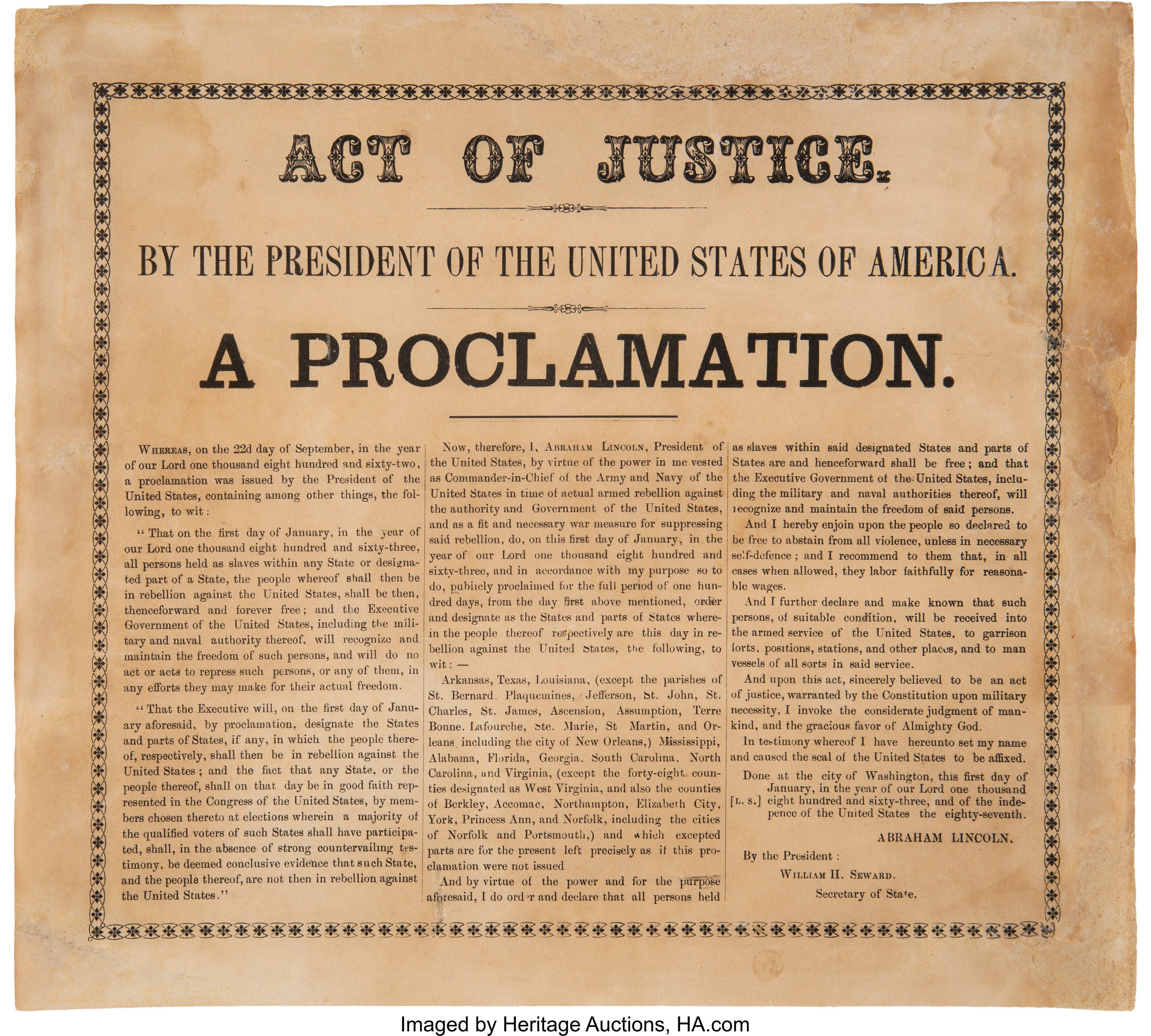
U.S. President Abraham Lincoln issued the Emancipation Proclamation, declaring freedom for enslaved people in Confederate states and redefining the Civil War as a stru...
Explore event →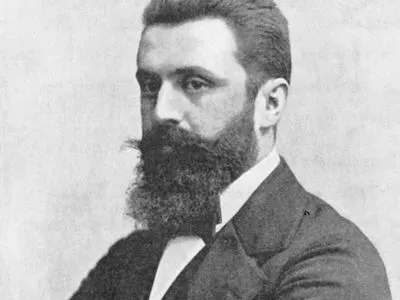
Theodor Herzl (May 2, 1860 – July 3, 1904) was an Austro‑Hungarian journalist, playwright, and writer who is considered a founder of modern political Zionism. Herzl pr...
Explore event →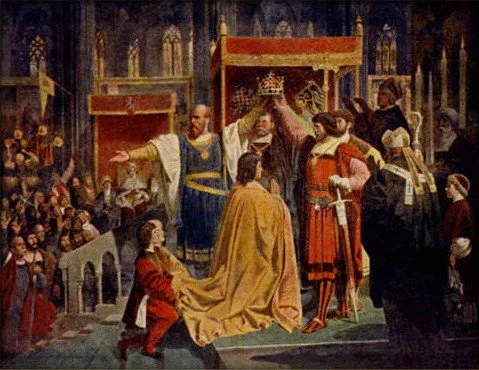
Expulsion of Jews from the Kingdom of Naples In 1540, Jewish communities in the Kingdom of Naples were expelled as the region came under the control of the Spanish cr...
Explore event →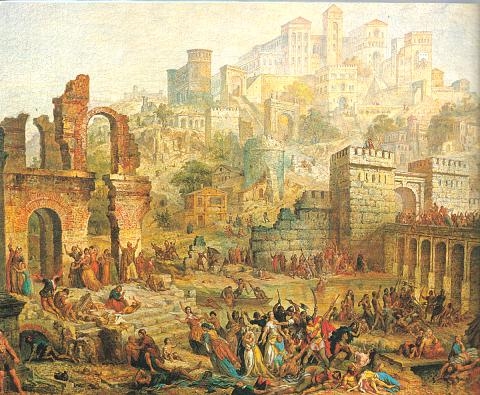
Expulsion of Jews from Speyer On October 15, 1435, the city council of Speyer, a city within the Holy Roman Empire, issued an expulsion order for all Jewish residents...
Explore event →
2014–2026 — Former defense minister Abdel Fattah el-Sisi becomes president after playing the central military role in Morsi's removal. His government emphasizes securi...
Explore research
3 July 2013 — Following enormous demonstrations against President Morsi, the Egyptian military removes him from office and suspends the constitution. Supporters descri...
Explore research
30 June 2012 — Mohamed Morsi, associated with the Muslim Brotherhood's political movement, becomes Egypt's first president elected after the 2011 uprising. His governm...
Explore research
11 February 2011 — Vice President Omar Suleiman announces that Hosni Mubarak has stepped down and transferred authority to the Supreme Council of the Armed Forces. Cel...
Explore research
6 October 1981 — Islamist militants within the Egyptian military assassinate President Anwar Sadat during a military parade commemorating the 1973 war. The attack foll...
Explore research
Egyptian president whose nearly three decades in power ended after eighteen days of mass demonstrations.
Explore research
17 September 1978 — Sadat and Israeli Prime Minister Menachem Begin sign agreements negotiated under U.S. President Jimmy Carter. The accords establish the framework f...
Explore research
National Security Decision Memorandum 314 concerned U.S. population policy following the NSSM 200 study. President Gerald Ford approved the associated policy decision ...
Explore research
38th president of the United States. Ford succeeded Nixon in 1974 and subsequently approved a National Security Decision Memorandum concerning population policy.
Explore research
President-elect Richard Nixon selected Henry Kissinger as national security adviser during the transition to the Nixon administration.
Explore research
18 June 1953 — The monarchy is formally abolished and Egypt is declared a republic. Muhammad Naguib becomes the first president, but power increasingly shifts toward G...
Explore research
31 January 1925 — Albania formally becomes a republic with Ahmet Zogu as president. Zogu uses the presidency to consolidate central authority after years of political ...
Explore research
Dominant interwar politician who becomes president and later King Zog I.
Explore research
David Rockefeller became president of the bank and chairman of its executive committee in 1961.
Explore research
David Rockefeller joined Chase National Bank in 1946 after World War II and rose through its leadership. He became president of the bank in 1961 and chairman of the bo...
Explore research
29 October 1929 — The Depression massively increases unemployment and political instability while Nazi electoral support grows dramatically. But economic misery does n...
Explore research
Gerald Ford became President of the United States following Richard Nixon's resignation. Kissinger continued as Secretary of State and national security adviser during...
Explore research
U.S. president whose administration responded to warnings about atomic weapons and eventually authorized the massive wartime development program.
Explore research
30 March 1930 — Heinrich Brüning becomes German chancellor as parliamentary government becomes increasingly unstable. Presidents and chancellors rely more heavily on A...
Explore research
U.S. president after Roosevelt's death. Truman inherited the Manhattan Project and authorized the wartime use of atomic bombs against Japan.
Explore research
30 January 1933 — President Paul von Hindenburg appoints Adolf Hitler chancellor of Germany. Conservative politicians believe they can use Hitler's popular support whi...
Explore research
2 August 1934 — President Hindenburg dies and Hitler combines the powers of president and chancellor. Members of the armed forces swear a personal oath of loyalty to H...
Explore research
30 April 1945 — Adolf Hitler kills himself in the Führerbunker as Soviet troops fight through central Berlin. Germany has already lost control of most of its territory...
Explore research
30 April 1945 — Adolf Hitler kills himself inside the Führerbunker as Soviet troops fight through central Berlin. Germany's military position is hopeless and the capit...
Explore research