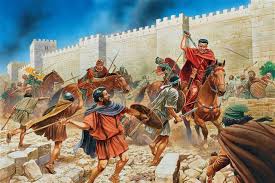
Outbreak of Judaean Revolt
The First Jewish–Roman War, also known as the Great Revolt, began in April 66 CE in the Roman province of Judaea. Jewish rebels rose up against the Roman administratio...
Explore event →History does not happen in isolation. Explore world events across time, follow the connections between them, and investigate the threads that reveal how one event can lead to another.
TheTimeMap currently follows events across 95 countries and 268 years of history — building a connected archive designed for people who want to look beyond the headline.
We oppose antisemitism, racism, and dehumanization — everywhere.
When people stop feeling, injustice becomes easy.
The First Jewish–Roman War, also known as the Great Revolt, began in April 66 CE in the Roman province of Judaea. Jewish rebels rose up against the Roman administratio...
Explore event →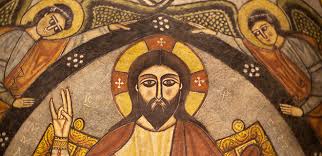
Coptic Christianity, one of the oldest Christian traditions, has seen notable growth within Egypt in recent years. Rooted deeply in Egyptian history, the Coptic commun...
Explore event →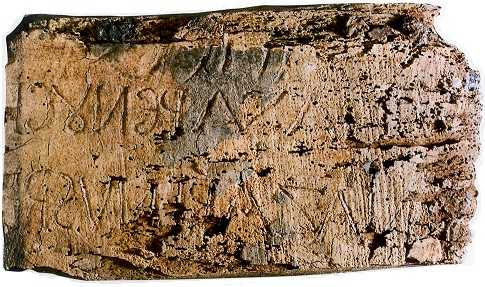
Titulus Above Jesus on the Cross According to the New Testament, Pontius Pilate ordered a sign to be placed above Jesus during his crucifixion. The Gospels ...
Explore event →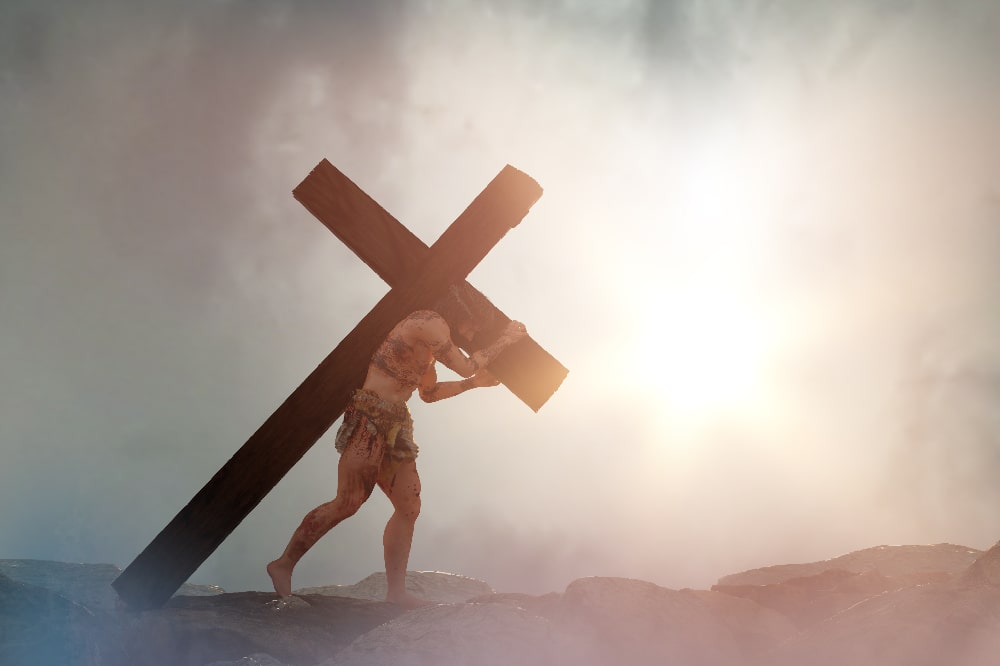
Jesus of Nazareth was executed by crucifixion under Roman governor Pontius Pilate in Jerusalem, during the period of Roman occupation of Judea. The event is documented...
Explore event →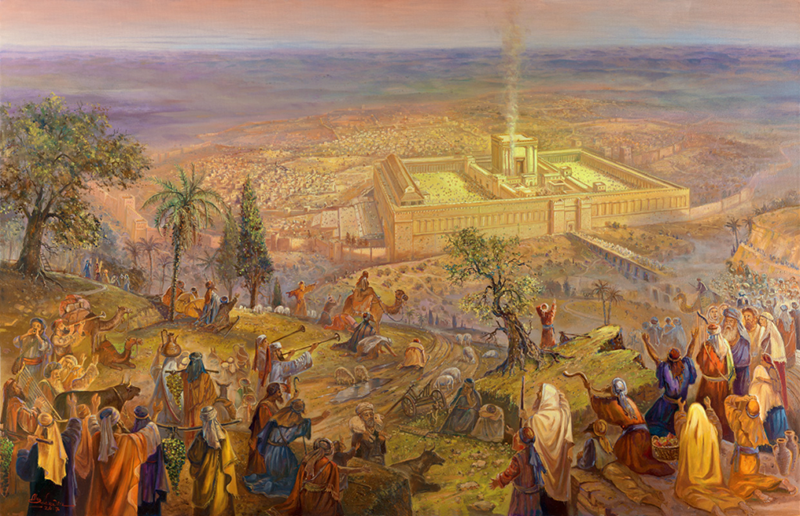
Pentecost in Jerusalem marks a significant event when the early followers of Jesus gathered to celebrate the Jewish festival of Shavuot, also known as Pentecost. This ...
Explore event →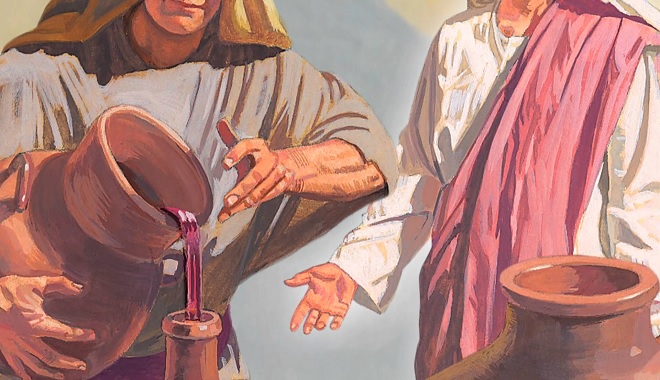
The town of Qana in southern Lebanon is traditionally identified by some Christian communities as the site of the biblical event where Jesus is said to have performed ...
Explore event →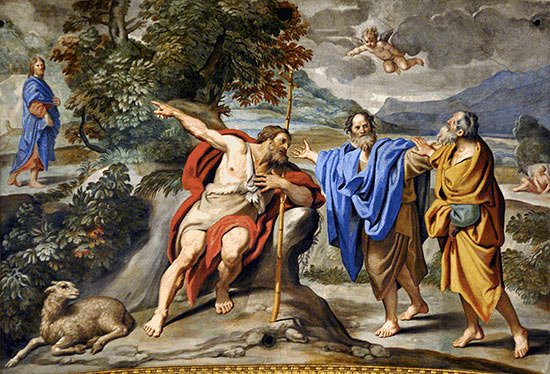
The ministry of John the Baptist marked a significant religious movement in Judea. He preached repentance and baptized followers in the Jordan River.His call for moral...
Explore event →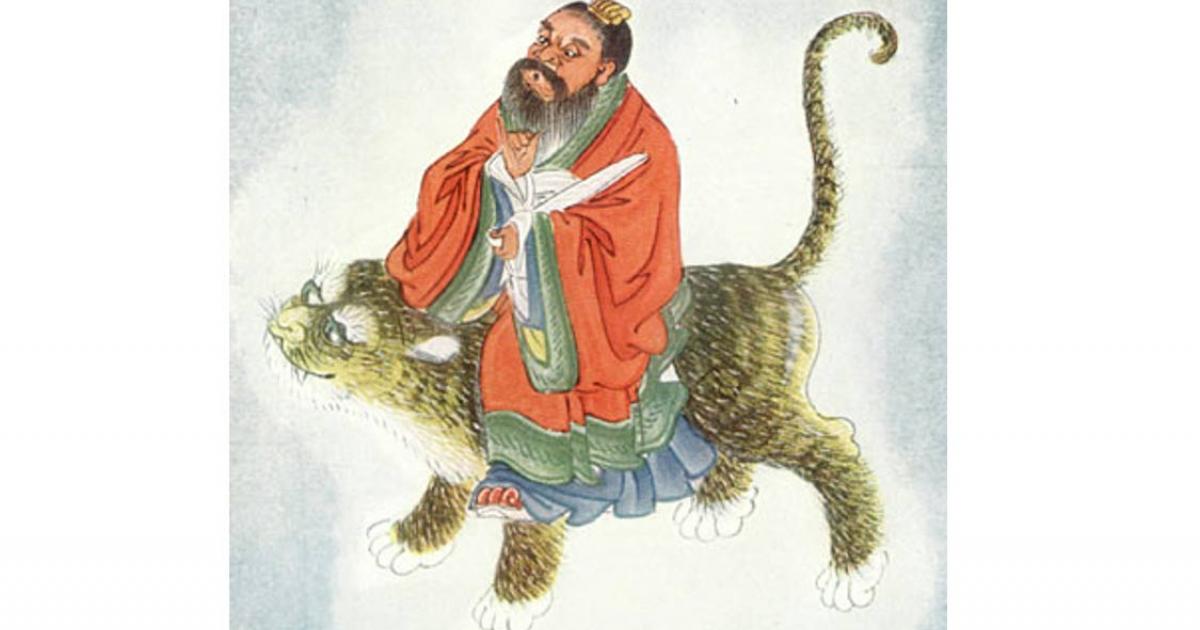
The Five Pecks of Rice movement, also known as the Way of the Celestial Masters, began in the Sichuan region of China. Founded by Zhang Daoling, it became one of the e...
Explore event →
10 June 1878 — Albanian political and religious leaders gather in Prizren as the Ottoman Empire faces defeat and territorial losses following the Russo-Turkish War. Th...
Explore research
16th–18th centuries — Islam spreads substantially among Albanian populations under Ottoman rule. Conversion varies greatly by region and period. Catholic communities r...
Explore research
c. 1479–1912 — Most Albanian-inhabited territories remain within the Ottoman Empire for more than four centuries. Albanian elites participate extensively in Ottoman mi...
Explore research
15th–16th centuries — Waves of Albanian-speaking migrants settle in southern Italy and Sicily during the expansion of Ottoman rule. Their descendants, known as the Arb...
Explore research
641–1000 CE — Arabic did not replace Coptic immediately after the conquest. Government, migration, urban life, taxation, religious conversion and social mobility gradu...
Explore research
639–642 CE — Forces commanded by Amr ibn al-As invade Byzantine Egypt during the early Islamic conquests. Byzantine resistance collapses gradually, and Alexandria even...
Explore research
395–641 CE — Egypt becomes part of the eastern Roman Empire centered on Constantinople, later called Byzantine. Alexandria remains one of Christianity's major intellec...
Explore research
1st–4th centuries CE — Christianity spreads widely through Egypt and produces one of the ancient world's most important Christian traditions. Egyptian monasticism prof...
Explore research
30 BCE–395 CE — Egypt remains one of the Roman Empire's wealthiest provinces. Alexandria continues as a major commercial and intellectual center while traditional Egyp...
Explore research
332 BCE — Alexander enters Egypt during his campaign against the Persian Empire and is welcomed as its new ruler. He participates in Egyptian royal and religious tradi...
Explore research
c. 1070–664 BCE — Political power is divided among several dynasties and regional centers. Libyan-descended ruling families establish dynasties in northern Egypt, whil...
Explore research
c. 1332–1323 BCE — Tutankhamun becomes king while still a child during the political aftermath of Akhenaten's religious revolution. His government restores traditional...
Explore research
c. 1353–1336 BCE — Amenhotep IV changes his name to Akhenaten and promotes extraordinary devotion to the solar deity Aten. He establishes a new royal capital at Akheta...
Explore research
c. 1353–1336 BCE — Akhenaten's religious revolution gives the Aten unprecedented royal prominence and suppresses major traditional cults. Some scholars have described ...
Explore research
c. 3100–2686 BCE — The first dynasties strengthen royal authority and expand administrative control across Egypt. Royal tombs become increasingly elaborate, especially...
Explore research
The Orthodox Church becomes a major religious and cultural institution under Ottoman rule.
Explore research