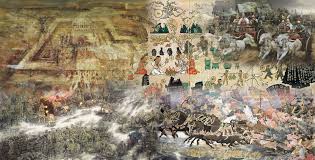
Ma Yuan's Southern Military Campaigns
Ma Yuan was a prominent Han dynasty general who led campaigns in the southern regions of China to consolidate Han authority over the Nanyue Kingdom. His military exped...
Explore event →History does not happen in isolation. Explore world events across time, follow the connections between them, and investigate the threads that reveal how one event can lead to another.
TheTimeMap currently follows events across 95 countries and 268 years of history — building a connected archive designed for people who want to look beyond the headline.
We oppose antisemitism, racism, and dehumanization — everywhere.
When people stop feeling, injustice becomes easy.
Ma Yuan was a prominent Han dynasty general who led campaigns in the southern regions of China to consolidate Han authority over the Nanyue Kingdom. His military exped...
Explore event →
Event Timeline body { font-family: Arial, sans-serif; background-color: #f4f4f9; margin: 0; padding: 0; } .timeline-container { max-width: 800px; ...
Explore event →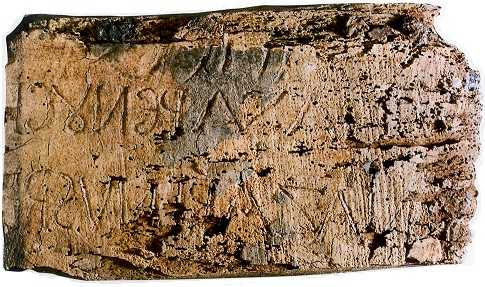
Titulus Above Jesus on the Cross According to the New Testament, Pontius Pilate ordered a sign to be placed above Jesus during his crucifixion. The Gospels ...
Explore event →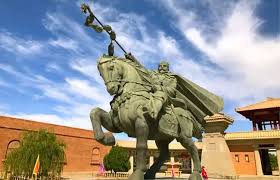
Ban Chao, a Chinese general and diplomat of the Eastern Han dynasty, is recorded as sending an envoy toward the western regions in an effort to establish contacts with...
Explore event →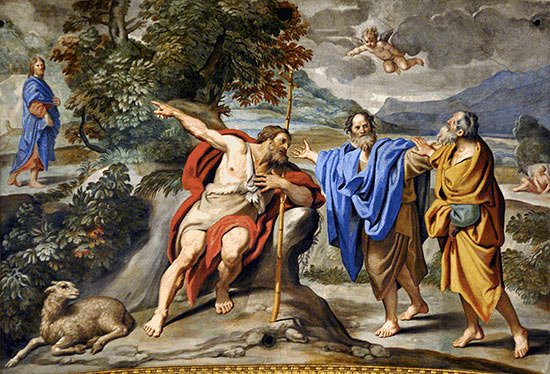
The ministry of John the Baptist marked a significant religious movement in Judea. He preached repentance and baptized followers in the Jordan River.His call for moral...
Explore event →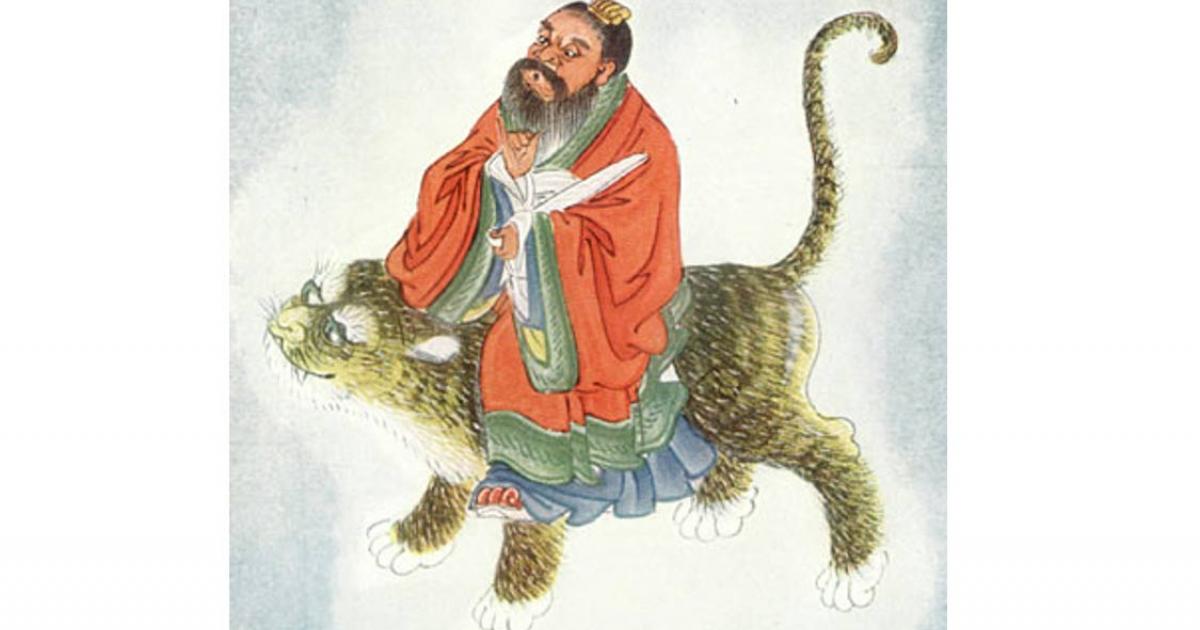
The Five Pecks of Rice movement, also known as the Way of the Celestial Masters, began in the Sichuan region of China. Founded by Zhang Daoling, it became one of the e...
Explore event →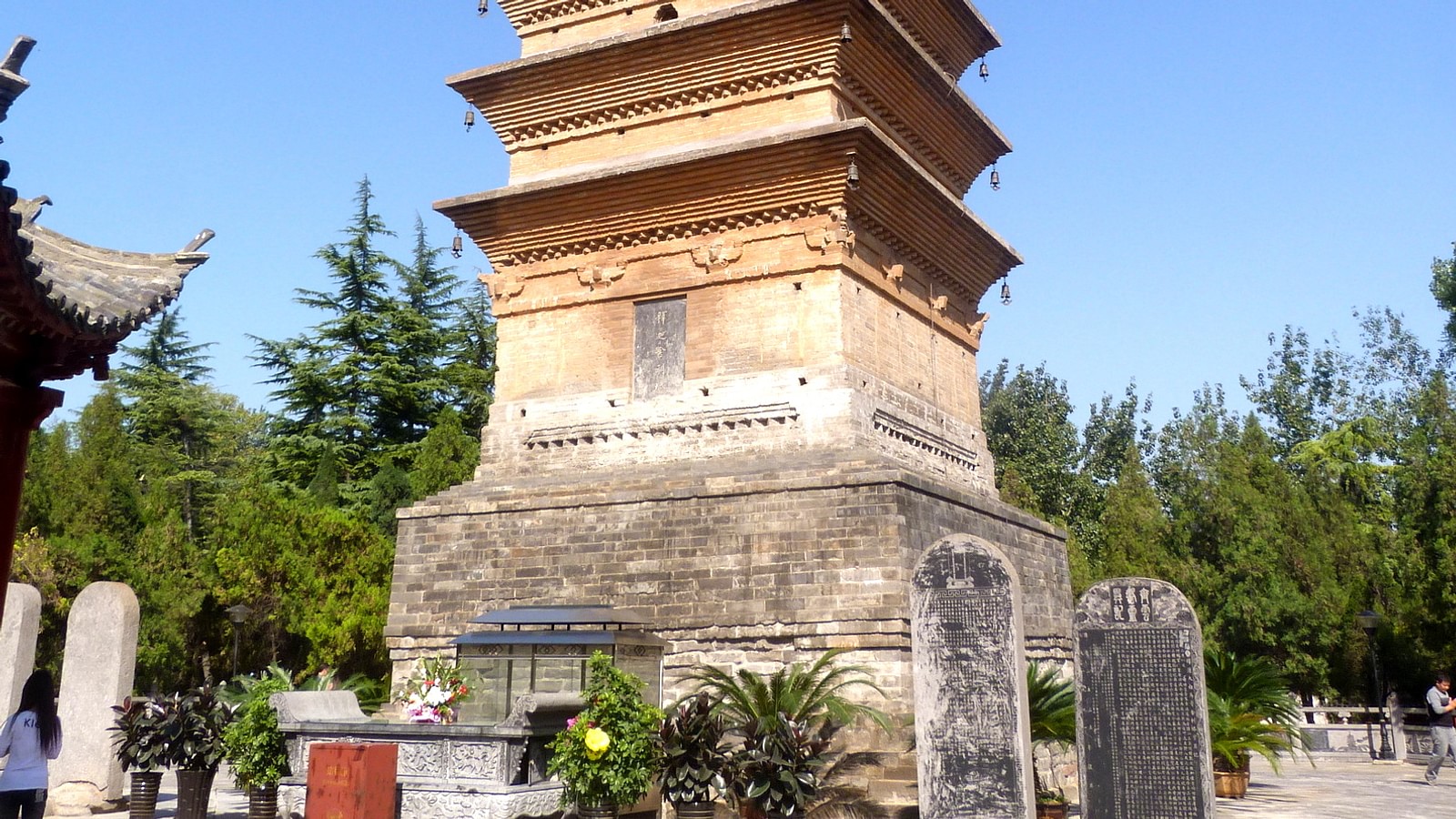
The Eastern Han Dynasty officially moved its capital from Chang'an to Luoyang, marking a significant political shift in early imperial China. This relocation aimed to ...
Explore event →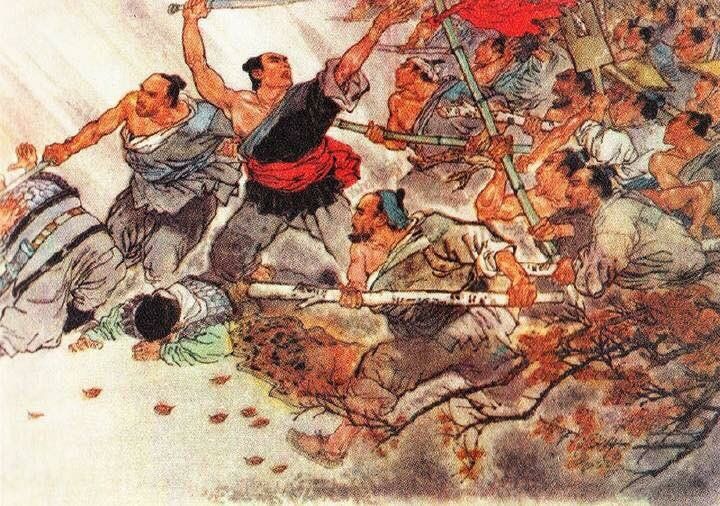
The Red Eyebrows rebellion began as a peasant uprising against the ruling Wang Mang regime. Originating in the Henan region, discontent over heavy taxation and natural...
Explore event →
The Lulin rebellion was a peasant uprising that began during the late Xin dynasty in the region of Lulin. It was part of a series of revolts against oppressive rule an...
Explore event →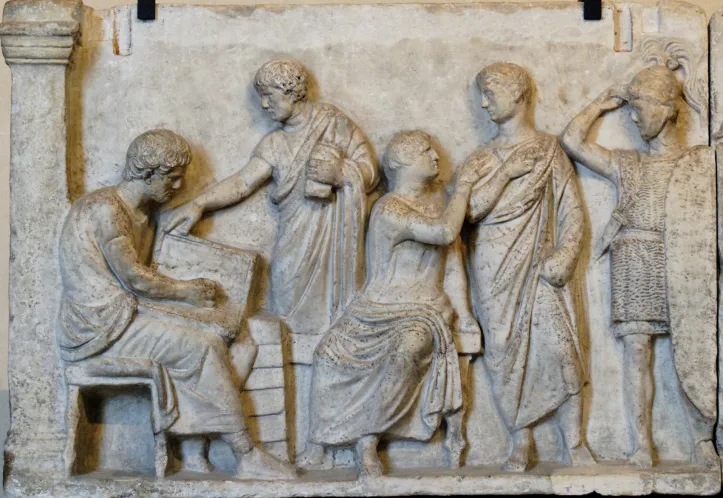
The census conducted under Publius Sulpicius Quirinius was ordered by the Roman Empire as part of administrative reorganization following the annexation of Judea as a ...
Explore event →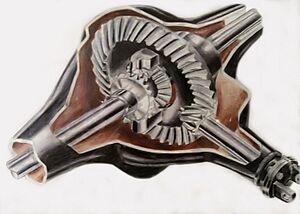
Ma Jun, a prominent Chinese inventor, developed several groundbreaking mechanical devices that made significant impacts on local industry. His inventions focused on im...
Explore event →
2026 onward — How will European integration, migration, population decline, regional relations, tourism and economic development reshape Albania over the next generation?
Explore research
1998–1999 — War in neighboring Kosovo becomes a major national and humanitarian issue for Albania. Hundreds of thousands of Kosovo Albanian refugees cross into Albania...
Explore research
26 March 1979 — Egypt and Israel sign a formal peace treaty in Washington. Israel agrees to withdraw from Sinai, which is gradually returned to Egyptian control. Egypt...
Explore research
June–September 1920 — Albanian fighters challenge Italian forces occupying the Vlorë region. The conflict contributes to an agreement under which Italy withdraws from ...
Explore research
21 February 1916 — Germany launches a major offensive against the fortified Verdun region. French forces commit enormous manpower and artillery to prevent the fortress...
Explore research
July 1914 — Russian leaders view Serbia as both a political partner and a test of Russian great-power credibility in the Balkans. Previous retreats in regional crises ...
Explore research
1788–1822 — Ali Pasha controls Ioannina and expands his authority across Epirus, southern Albania and surrounding regions. His court becomes a major political center w...
Explore research
1517 CE — Ottoman Sultan Selim I defeats the Mamluk Sultanate and incorporates Egypt into the Ottoman Empire. Cairo loses its status as the capital of an independent r...
Explore research
16th–18th centuries — Islam spreads substantially among Albanian populations under Ottoman rule. Conversion varies greatly by region and period. Catholic communities r...
Explore research
c. 1479–1912 — Most Albanian-inhabited territories remain within the Ottoman Empire for more than four centuries. Albanian elites participate extensively in Ottoman mi...
Explore research
c. 1355–1444 — Families including the Thopia, Muzaka, Balsha, Dukagjini and Kastrioti control competing territories. Albania is politically fragmented rather than unif...
Explore research
c. 1343–1355 — Stefan Dušan's Serbian Empire expands across much of Albania, Epirus and Macedonia. After Dušan's death, the empire fragments and local noble families i...
Explore research
1171–1193 CE in Egypt and the wider region — Saladin ends Fatimid rule and establishes the Ayyubid dynasty. He restores Sunni political dominance in Egypt and uses Egy...
Explore research
c. 800–1204 CE — Byzantium organizes the Adriatic region around Dyrrachium as a military and administrative theme. The city becomes essential for defending routes betw...
Explore research
168 BCE — Roman forces defeat King Gentius near Scodra after a short campaign. His capture effectively ends the last major independent Illyrian monarchy in the region....
Explore research
c. 1070 BCE — Central royal authority weakens while powerful priestly institutions and regional rulers gain influence. Egypt loses much of its empire in the Levant and...
Explore research
c. 1070–664 BCE — Political power is divided among several dynasties and regional centers. Libyan-descended ruling families establish dynasties in northern Egypt, whil...
Explore research
c. 1274 BCE — Egyptian forces under Ramesses II fight the Hittite army near Kadesh in Syria. Egyptian inscriptions present the battle as a spectacular personal victory...
Explore research
c. 1457 BCE — Thutmose III defeats a coalition of Levantine rulers near Megiddo. Egyptian inscriptions provide one of history's earliest detailed military campaign nar...
Explore research
c. 2181–2055 BCE — Egypt is politically divided among competing centers, especially Herakleopolis in the north and Thebes in the south. Provincial rulers exercise grea...
Explore research
c. 2200–2181 BCE — Central royal authority weakens as powerful provincial elites gain greater independence. Low Nile floods and climatic instability may have intensifi...
Explore research
c. 3000–1100 BCE — Fortified settlements, metallurgy, regional trade and tumulus burial traditions develop across the western Balkans. Social differences become increa...
Explore research
c. 3100 BCE — Narmer is one of the earliest Egyptian rulers associated with the political consolidation of Upper and Lower Egypt. The famous Narmer Palette depicts him...
Explore research
c. 3300–3000 BCE — Later royal ideology presents unification as a foundational act, but archaeology points toward a longer process of competition, alliance and conques...
Explore research