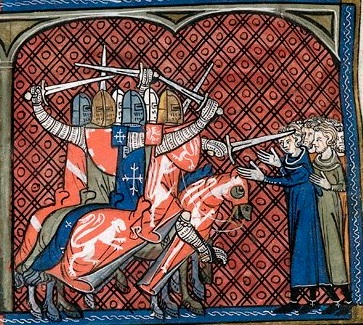
Massacres During Albigensian Crusade
The Albigensian Crusade was a 20-year military campaign initiated by the Catholic Church to eliminate Catharism in the Languedoc region of southern France. It began in...
Explore event →History does not happen in isolation. Explore world events across time, follow the connections between them, and investigate the threads that reveal how one event can lead to another.
TheTimeMap currently follows events across 95 countries and 268 years of history — building a connected archive designed for people who want to look beyond the headline.
We oppose antisemitism, racism, and dehumanization — everywhere.
When people stop feeling, injustice becomes easy.
The Albigensian Crusade was a 20-year military campaign initiated by the Catholic Church to eliminate Catharism in the Languedoc region of southern France. It began in...
Explore event →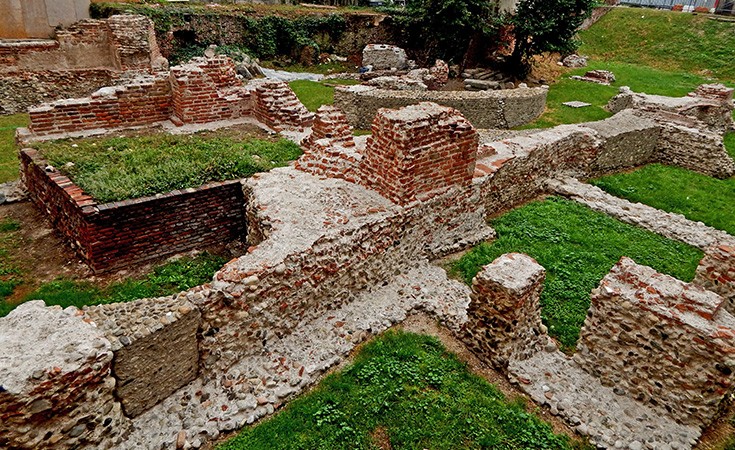
The imperial court transferred its seat to Milan, marking a significant shift in political power within the region. This relocation allowed closer control over norther...
Explore event →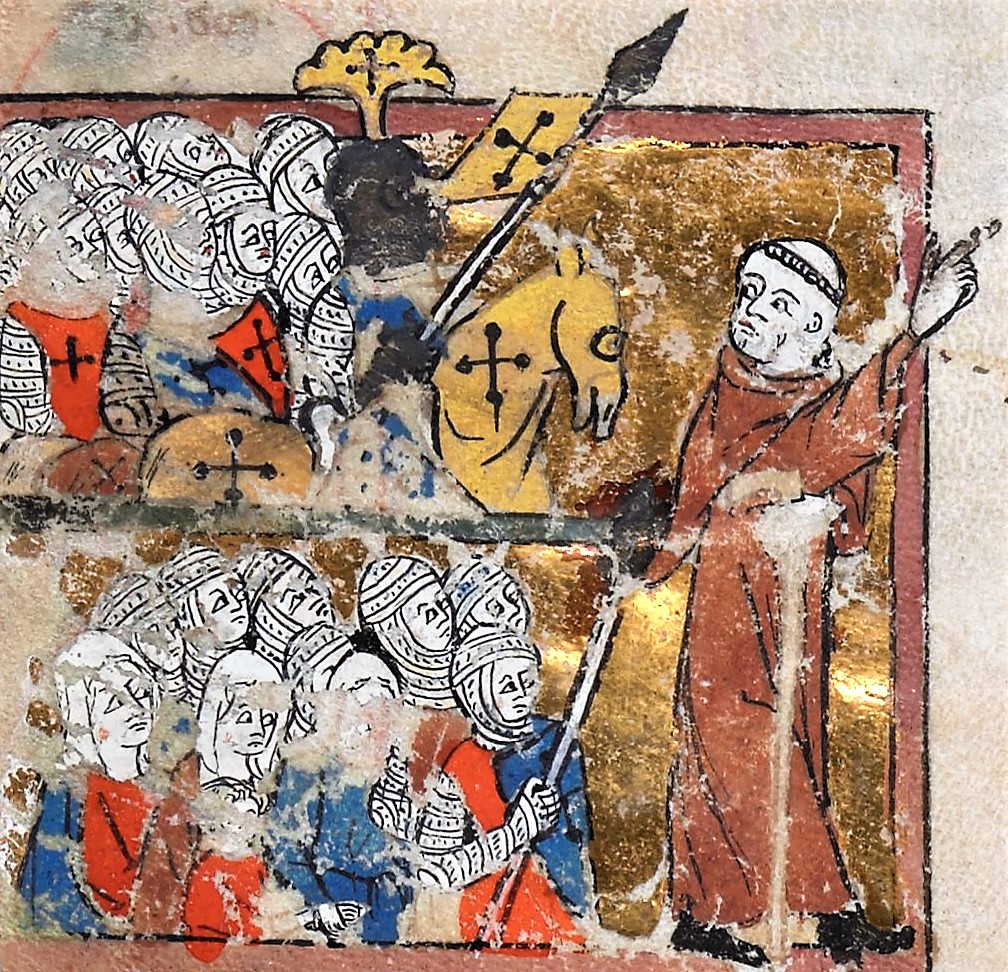
Origins And Objectives Of The Crusades The Crusades were a series of military campaigns initiated between 1095 and 1291, primarily aimed at capturing or def...
Explore event →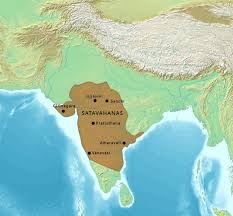
Indian cultural influence expanded significantly throughout Southeast Asia, notably through trade, religion, and political relations established by Indianized kingdoms...
Explore event →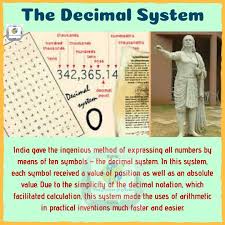
The decimal numeral system, characterized by the use of ten digits and a place-value notation, was advanced significantly in India. Indian mathematicians refined the c...
Explore event →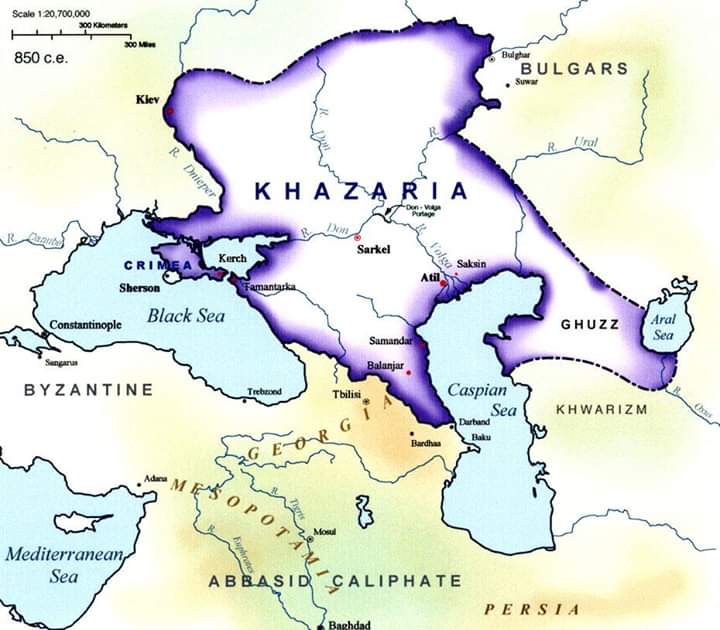
The Khazarian Empire: History, Territory, and Conversion to Judaism The Khazar Empire was a Turkic polity that emerged in the mid-seventh century and became...
Explore event →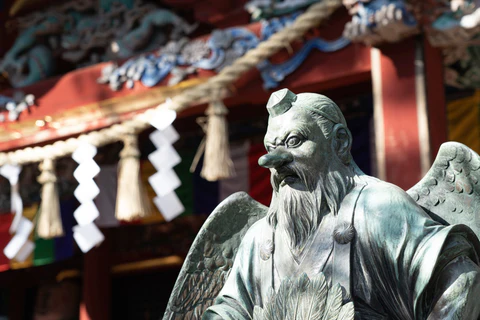
The Tengu are supernatural beings from Japanese mythology known for their association with mountains, forests, and spiritual power. They have been part of traditional ...
Explore event →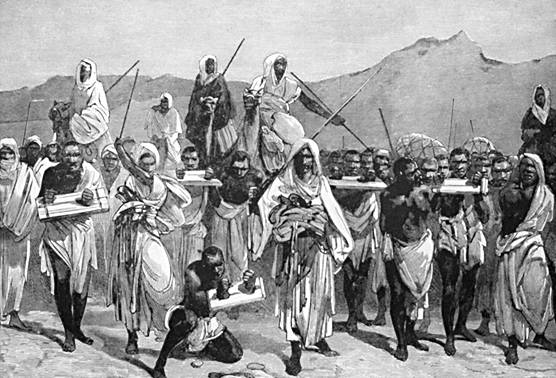
Trans‑Saharan Slave Trade The Trans‑Saharan slave trade began around the mid‑7th century following the Treaty of Baqt in 652 CE, which established formal rela...
Explore event →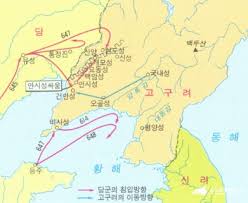
Goguryeo successfully repelled multiple invasions launched by the Tang dynasty of China during the 7th century. The capital fortress of Pyongyang became a critical def...
Explore event →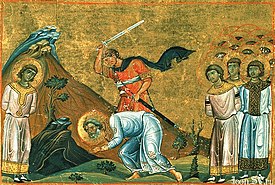
Najran Massacre 523 AD In 523 AD, the Himyarite king Yusuf Asar Dhu Nuwas, a Jewish ruler of the Himyarite Kingdom in present day Yemen, targeted the Christia...
Explore event →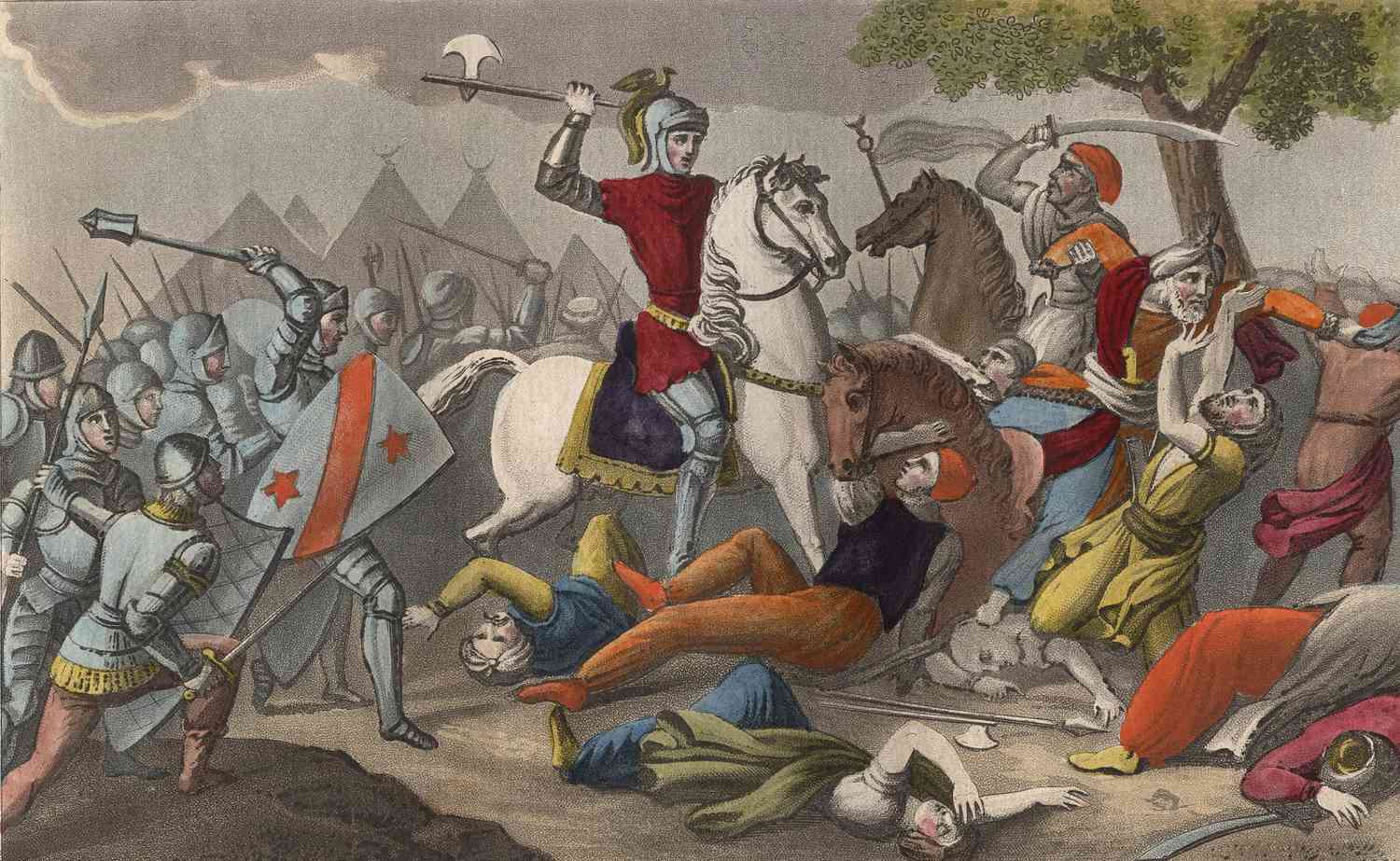
The Frankish conquest of Aquitaine began as the Franks expanded their territory into the southwestern region of present-day France. Under the leadership of Clovis I an...
Explore event →
The Jin dynasty court experienced severe internal divisions fueled by rival factions vying for control after a series of military defeats. These conflicts weakened cen...
Explore event →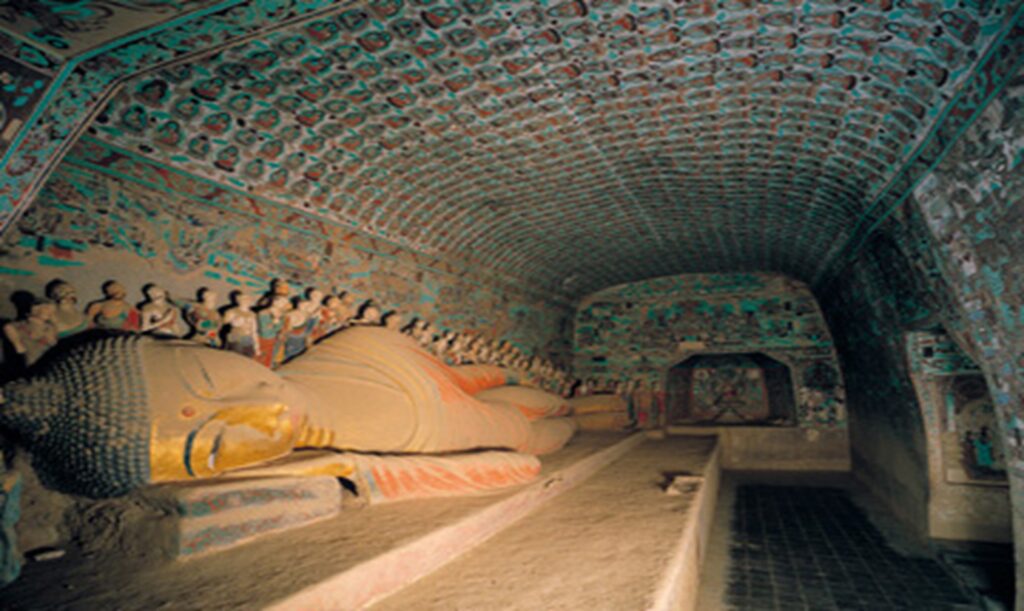
The Buddhist cave temples at Mogao near Dunhuang have undergone significant expansion. The site consists of a series of rock-cut grottoes featuring murals and statues ...
Explore event →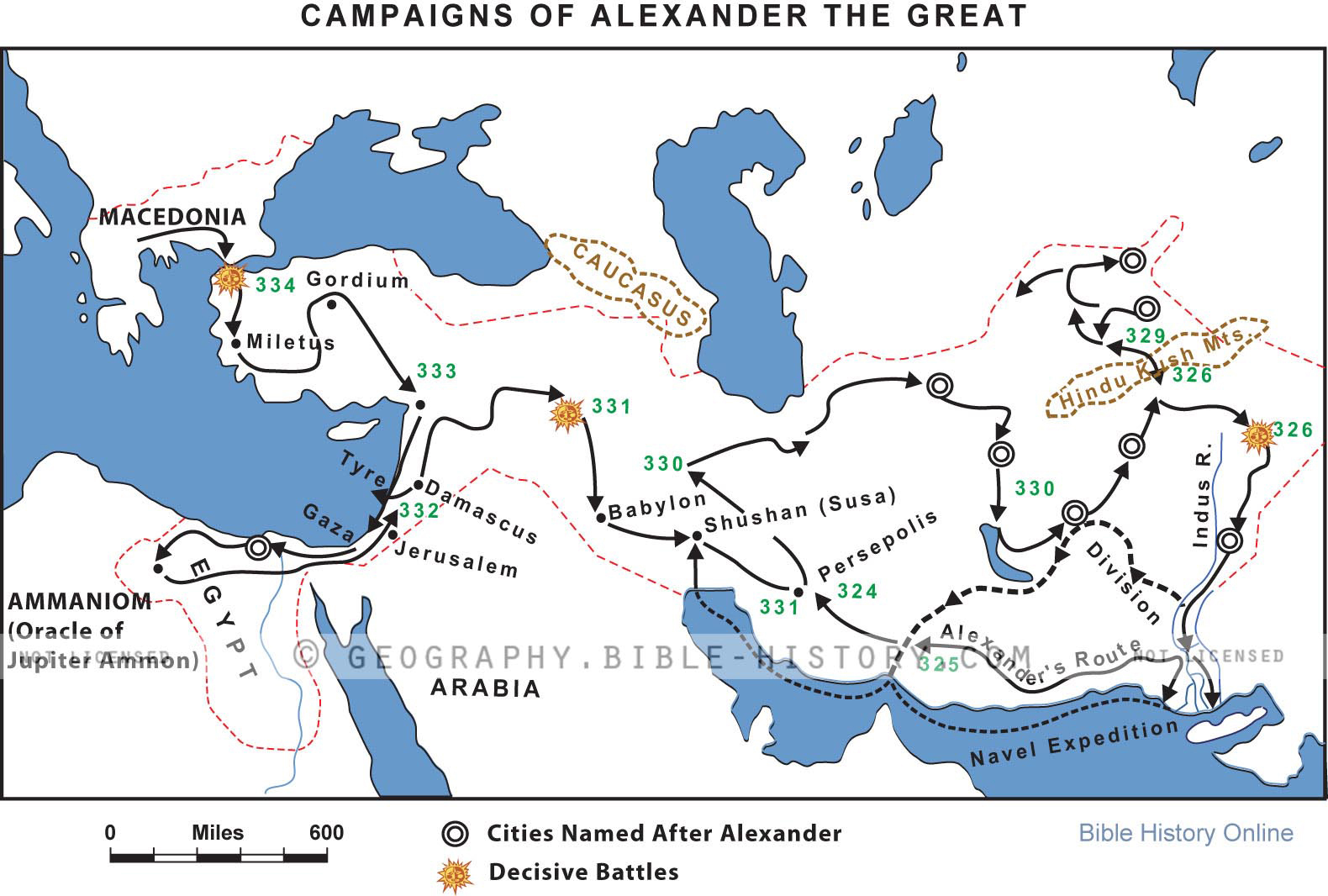
Alexander the Great Travels Through Palestine In October 332 B.C., during his campaign against the Persian Empire, Alexander III of Macedon, commonly known as Alexand...
Explore event →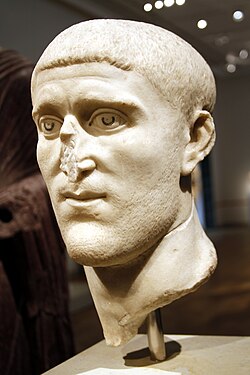
Constantius Chlorus was appointed Caesar by Emperor Diocletian as part of the Tetrarchy system to stabilize and govern the Roman Empire more effectively. This appointm...
Explore event →
The Tetrarchy was established by Emperor Diocletian in 293 to address administrative and military challenges in the Roman Empire. This political system divided the emp...
Explore event →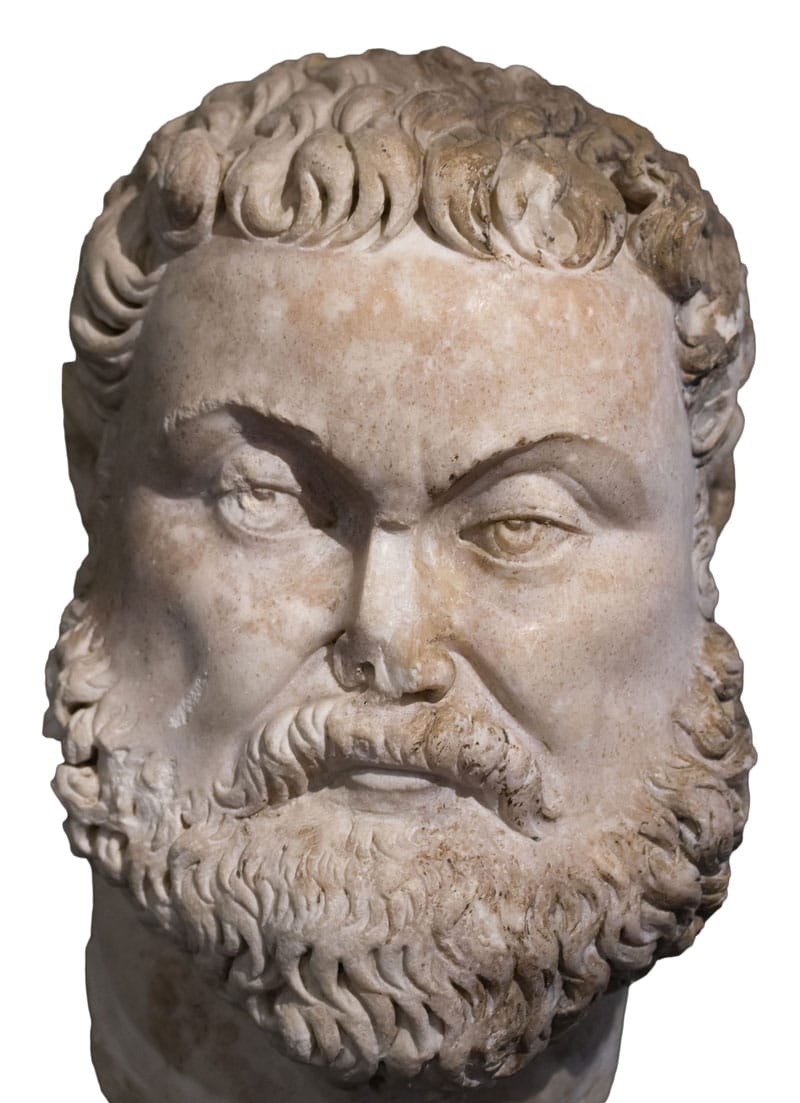
In April, the Roman Emperor Diocletian appointed Maximian as Augustus, elevating him to co-emperor status to help manage the vast Roman Empire. This move was part of a...
Explore event →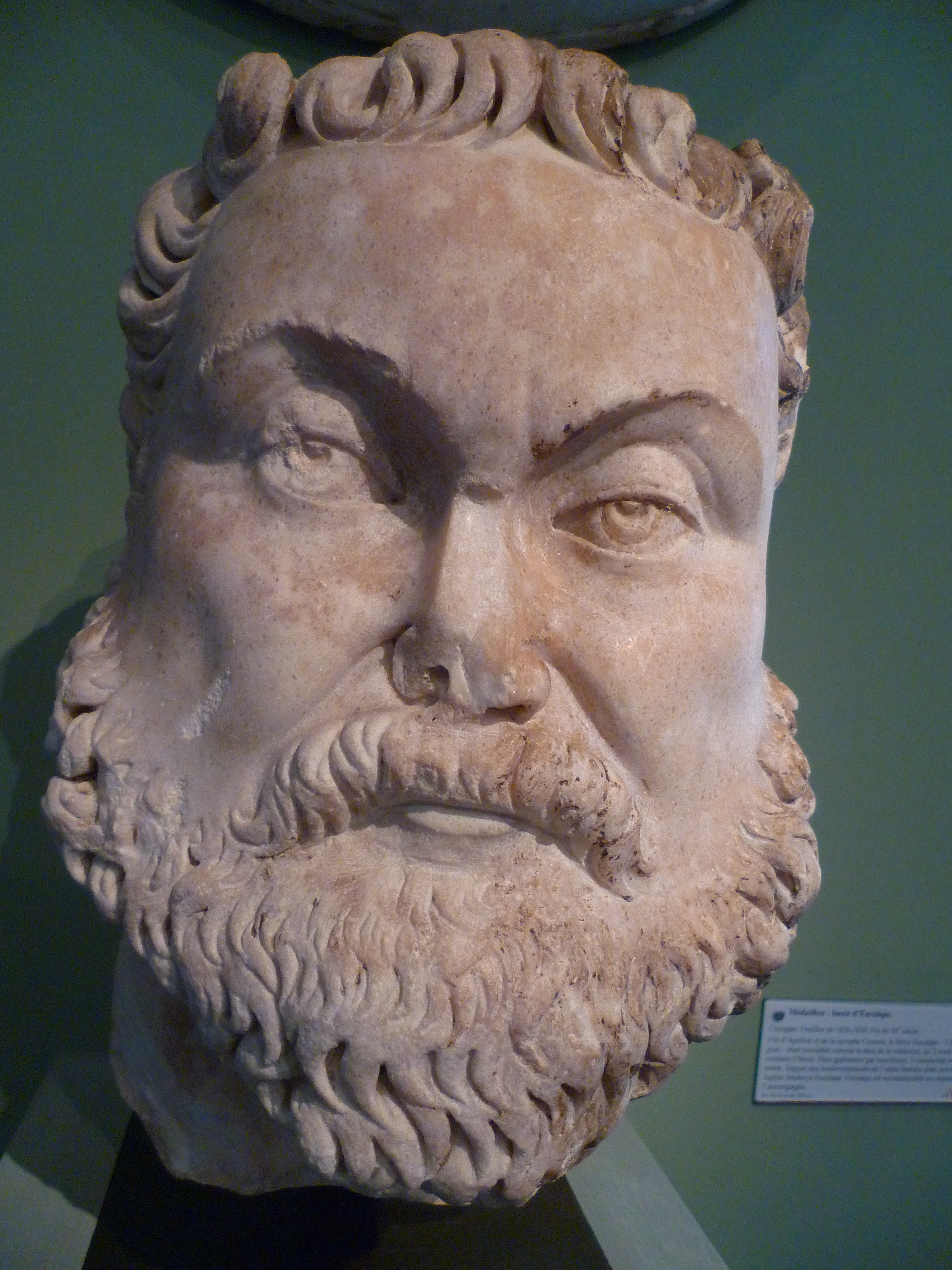
In April 286, the Roman Emperor Diocletian appointed Maximian as Caesar, marking a significant development in imperial governance. This act was meant to strengthen the...
Explore event →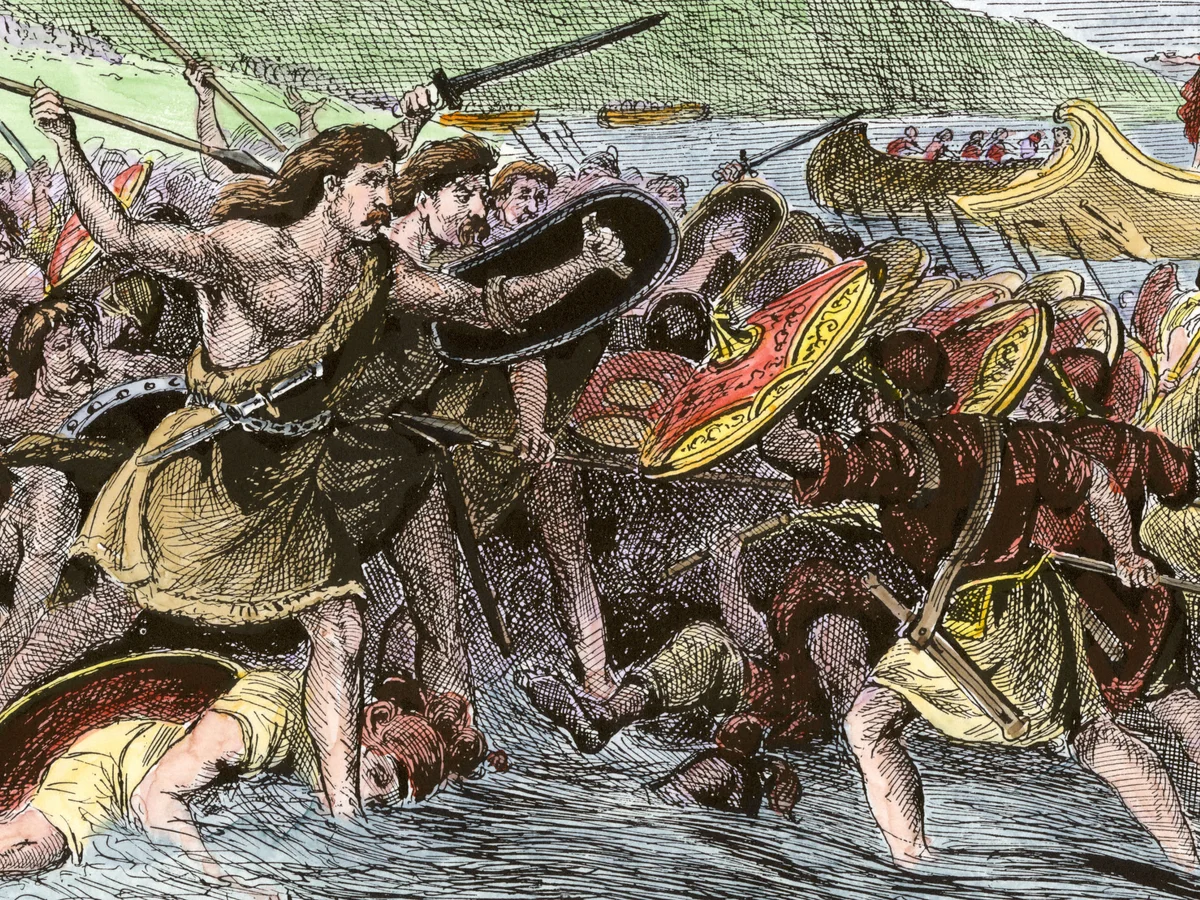
Carausius, a Roman naval commander, declared himself emperor in Britain and northern Gaul after seizing power around 286 CE. His revolt challenged the authority of the...
Explore event →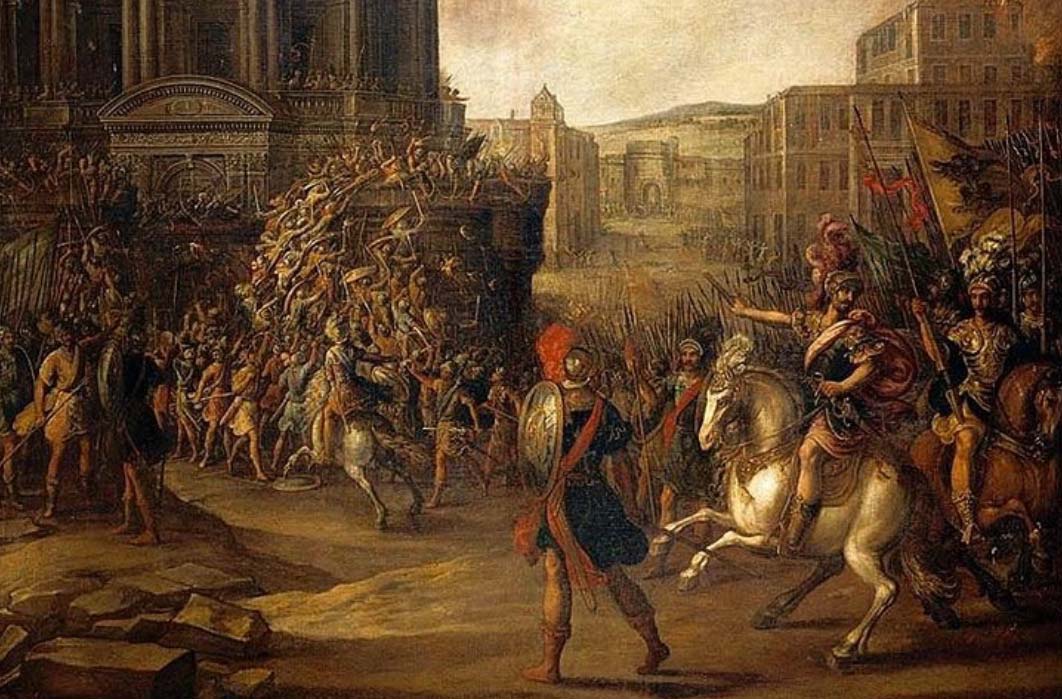
The Battle of the Margus was a significant confrontation between Emperor Carinus and his rival, Diocletian, near the Margus River in the Roman province of Moesia Super...
Explore event →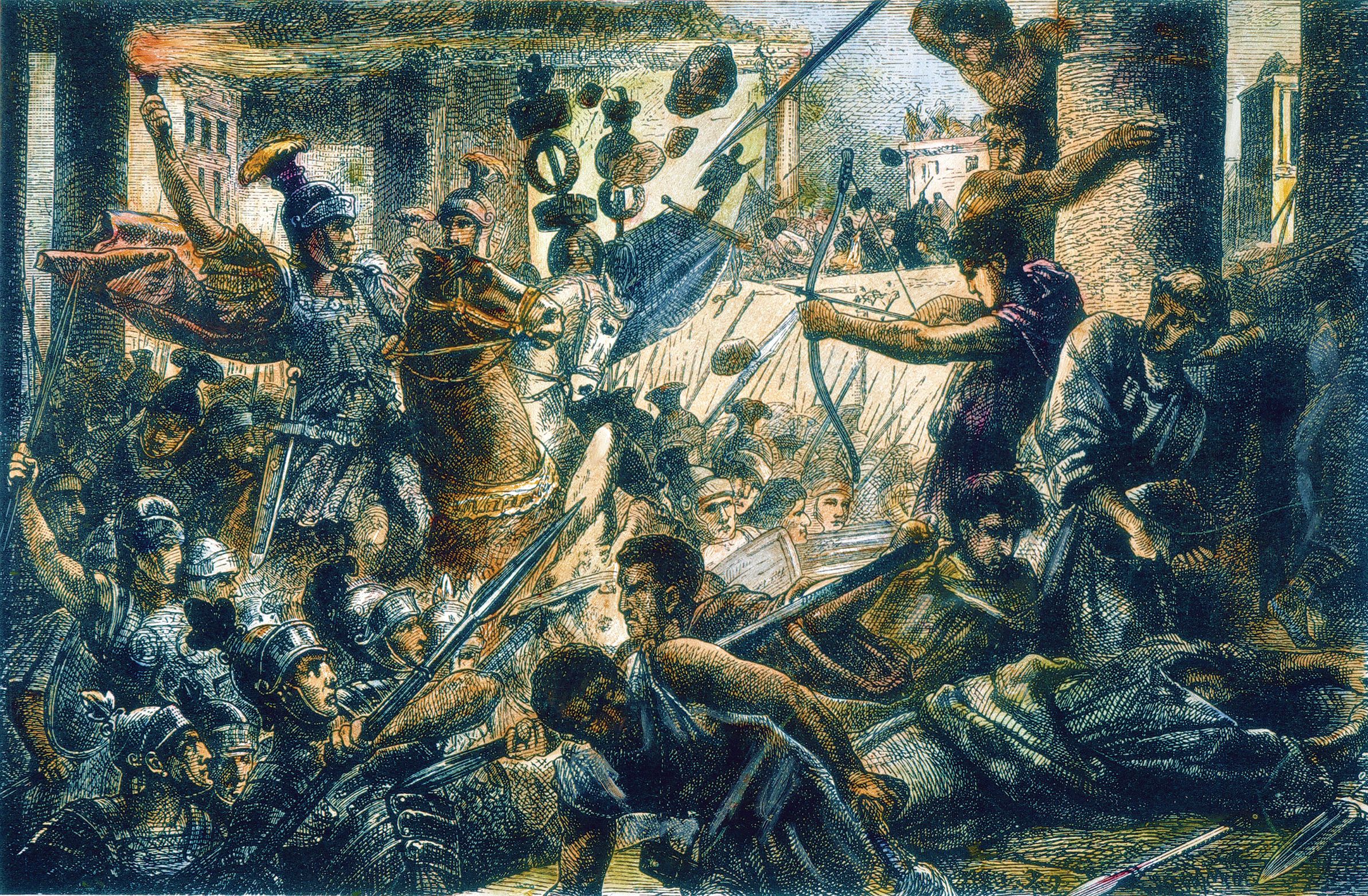
The Battle of the Margus was a significant confrontation during the Roman civil wars, taking place near the city of Margus in the Roman province of Moesia. The conflic...
Explore event →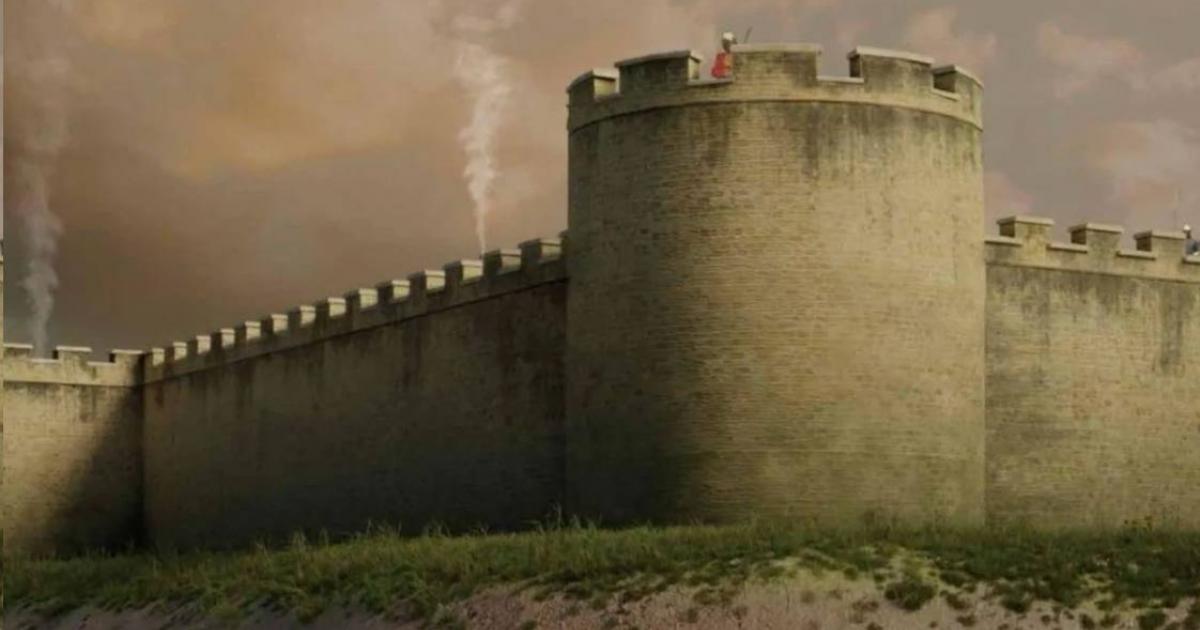
The construction of the Aurelian Walls began in response to increasing external threats faced by Rome in the third century. These defensive walls were commissioned by ...
Explore event →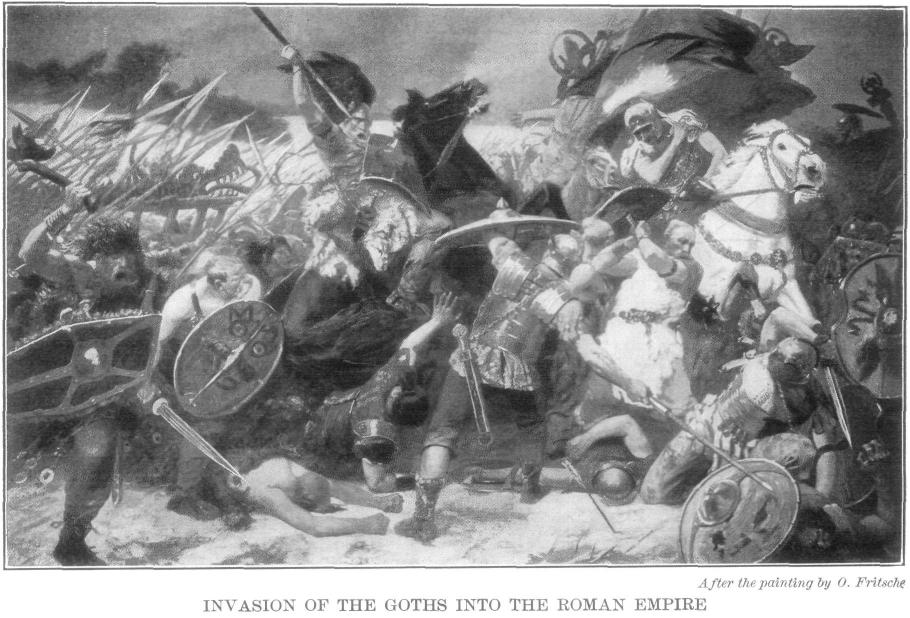
The Battle of Naissus was a significant conflict fought near the ancient city of Naissus, now known as Niš, in the Nišava District. It occurred during the crisis of th...
Explore event →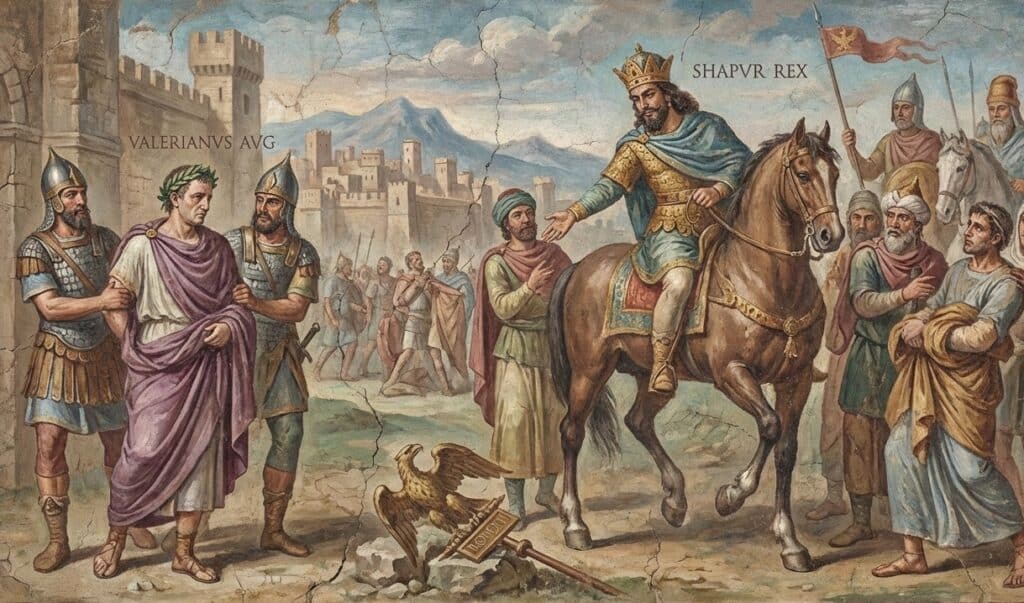
Roman Emperor Valerian was captured by the Sasanian Persian ruler Shapur I during the Battle of Edessa, a significant conflict between the Roman and Sasanian empires. ...
Explore event →
6 August 2015 — Egypt inaugurates a major expansion of the Suez Canal involving a new parallel channel along part of the route and widening of existing sections. The g...
Explore research
2014–2026 — Egypt remains the most populous country in the Arab world and one of the principal political centers of the eastern Mediterranean and Middle East. Cairo do...
Explore research
6–25 October 1973 — Egyptian and Syrian forces launch a surprise attack against Israeli positions. Egyptian troops successfully cross the Suez Canal and penetrate the ...
Explore research
1952–1970 — The Free Officers end the monarchy, reduce British influence, redistribute land and create a powerful developmental state. At the same time, political part...
Explore research
7 April 1939 — Italian forces invade Albania after King Zog rejects Mussolini's demands for greater Italian control. Zog flees the country and Albania is incorporated ...
Explore research
28 February 1922 — Britain formally ends its protectorate and recognizes Egypt as an independent sovereign state. Important issues remain under British control, includ...
Explore research
1922–1953 — Egypt operates as a constitutional monarchy shaped by constant competition among the palace, the Wafd Party and British power. Parliamentary government exi...
Explore research
January–June 1919 — Allied leaders negotiate borders, reparations, military restrictions, mandates and a new international organization. Wilson's language of self-dete...
Explore research
July–November 1918 — Allied forces increasingly coordinate artillery, infantry, tanks, aircraft, communications and logistics. Strategic coordination also improves und...
Explore research
21 March 1918 — Germany launches Operation Michael, the first of several major offensives designed to win the war in the west before American manpower becomes overwhel...
Explore research
6 April 1917–11 November 1918 — The United States begins converting its enormous economy and population into military power. Millions of men enter the draft system whi...
Explore research
1917–1918 — Woodrow Wilson increasingly presents American participation as part of a larger project to restructure international relations. His Fourteen Points call fo...
Explore research
December 1916–January 1917 — German naval and military leaders conclude that unrestricted submarine warfare may force Britain out of the war. They understand that the ...
Explore research
August 1916–October 1918 — Paul von Hindenburg and Erich Ludendorff become the dominant figures in Germany's Supreme Army Command. Their influence extends far beyond b...
Explore research
1915–1917 — Commanders increasingly seek to exhaust enemy manpower, artillery and industrial capacity faster than their own side is depleted. Verdun and the Somme beco...
Explore research
1915–1918 — Casualties, inflation and shortages turn civilian morale into a strategic issue. Governments expand propaganda, censorship, rationing and welfare programs ...
Explore research
1915–1918 — Consumption of artillery shells and other matériel massively exceeds prewar assumptions. Governments intervene increasingly in factories, labor, transport ...
Explore research
6 September 1914 — French and British forces begin the counteroffensive known as the First Battle of the Marne. The German advance toward Paris is halted and German ar...
Explore research
August–September 1914 — Germany concentrates major forces against France and advances through Belgium. The operational scheme derives from years of German planning ass...
Explore research
28 July–4 August 1914 — European armies activate enormous prearranged railway timetables to mobilize millions of soldiers. Military planners argue that delaying mobili...
Explore research
July 1914 — Russian leaders view Serbia as both a political partner and a test of Russian great-power credibility in the Balkans. Previous retreats in regional crises ...
Explore research
May–June 1914 — Members of the assassination conspiracy obtain pistols, bombs and assistance through contacts associated with Serbian nationalist and military-intellig...
Explore research
1914–1919 — The Royal Navy progressively restricts German access to food, fertilizer, metals, chemicals and overseas trade. Neutral shipping is increasingly subjected ...
Explore research
1914–1919 wartime role — Britain's navy protects imperial shipping routes, contains the German High Seas Fleet and implements the maritime blockade of the Central Powe...
Explore research