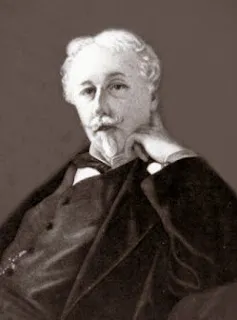
Gobineau publishes racial inequality essay
Joseph Arthur de Gobineau (7 14 1816 – 10 13 1882), a French diplomat and writer, published his four-volume work Essai sur l’inégalité des races humaines between 1853 ...
Explore event →History does not happen in isolation. Explore world events across time, follow the connections between them, and investigate the threads that reveal how one event can lead to another.
TheTimeMap currently follows events across 95 countries and 268 years of history — building a connected archive designed for people who want to look beyond the headline.
We oppose antisemitism, racism, and dehumanization — everywhere.
When people stop feeling, injustice becomes easy.
Joseph Arthur de Gobineau (7 14 1816 – 10 13 1882), a French diplomat and writer, published his four-volume work Essai sur l’inégalité des races humaines between 1853 ...
Explore event →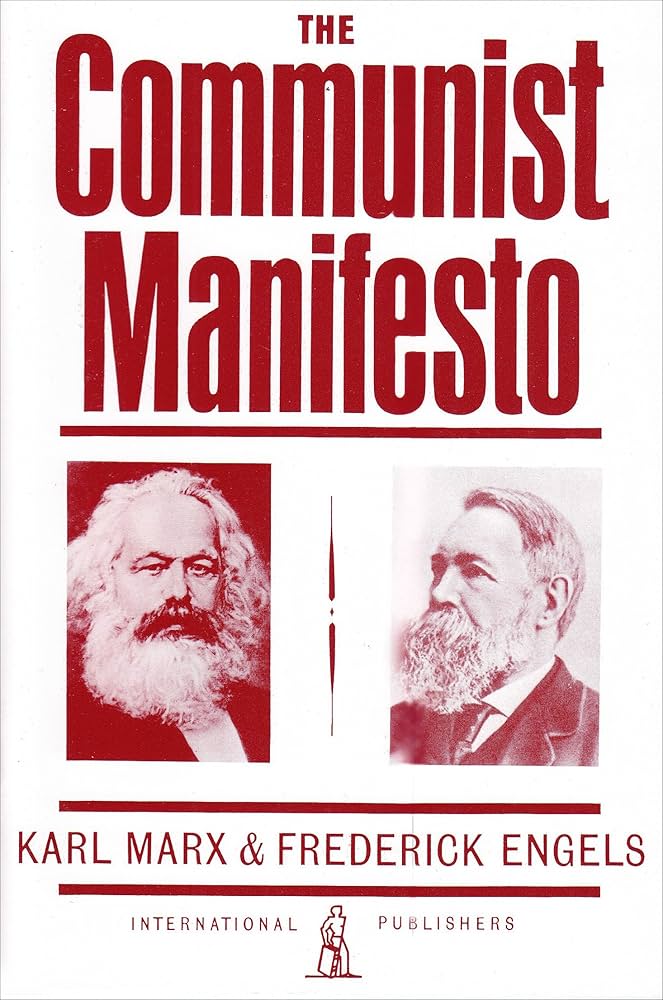
Karl Marx and Friedrich Engels published the Communist Manifesto, advocating for proletarian revolution and critiquing capitalist society, influencing socialist moveme...
Explore event →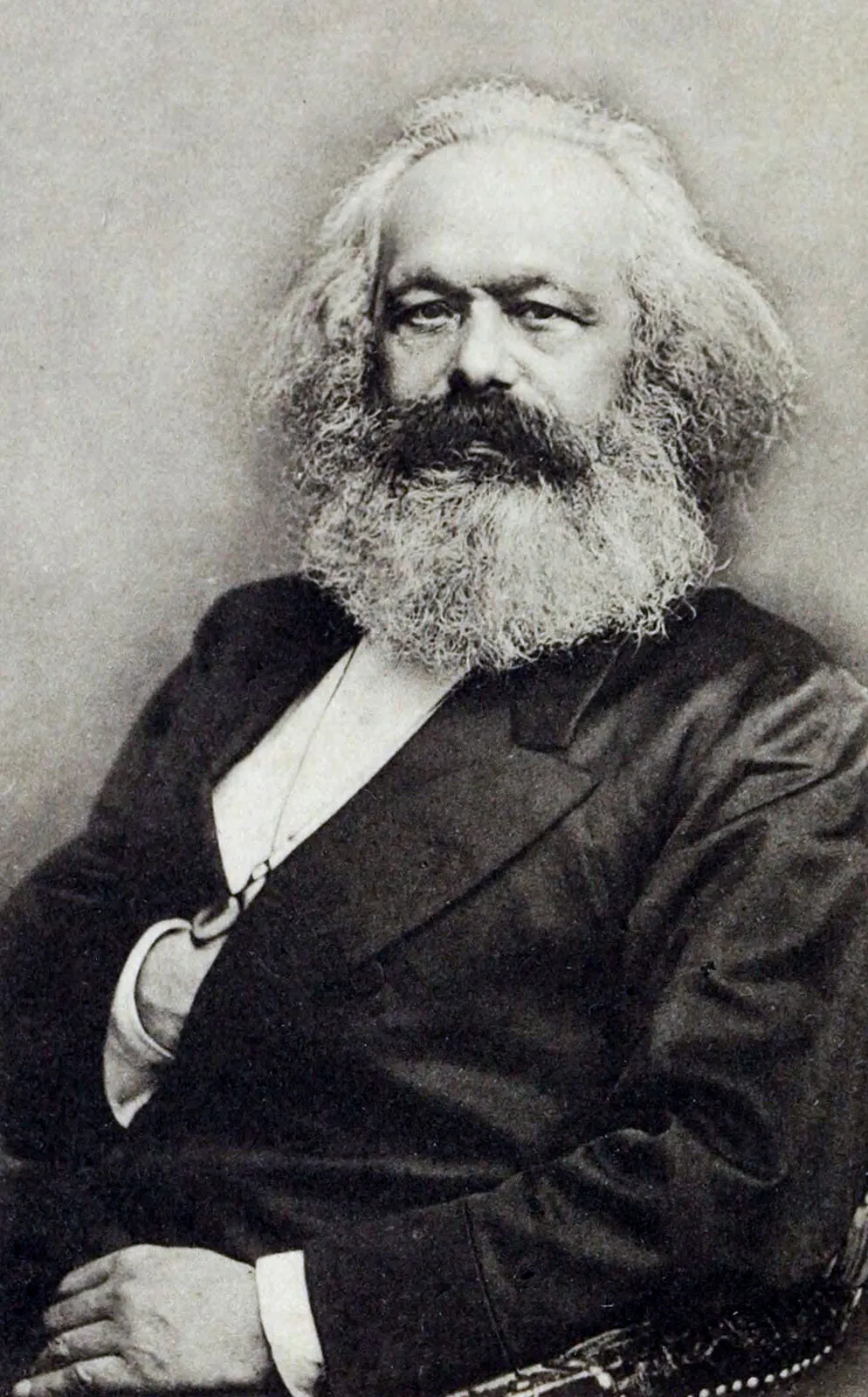
Karl Marx was a German philosopher, economist, and political theorist born in Trier, Prussia, in 1818. His work contributed to the development of socialist and communi...
Explore event →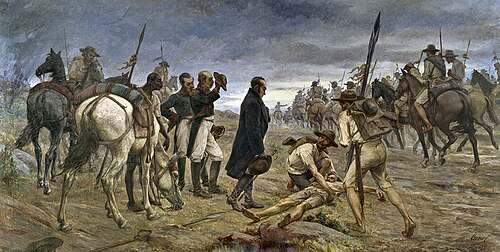
Simon Bolivar led liberation movements across South America, achieving independence for multiple countries and spreading republican ideals inspired by Enlightenment th...
Explore event →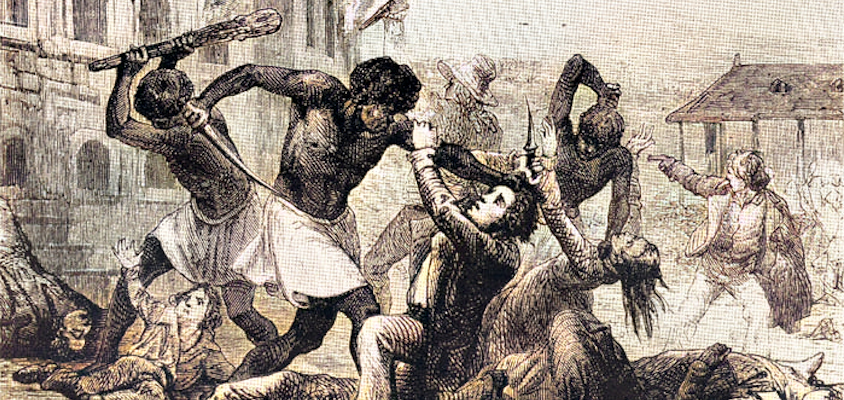
The Haitian Revolution began as enslaved Africans rose against French colonial rule, leading to the first successful abolition of slavery and creation of an independen...
Explore event →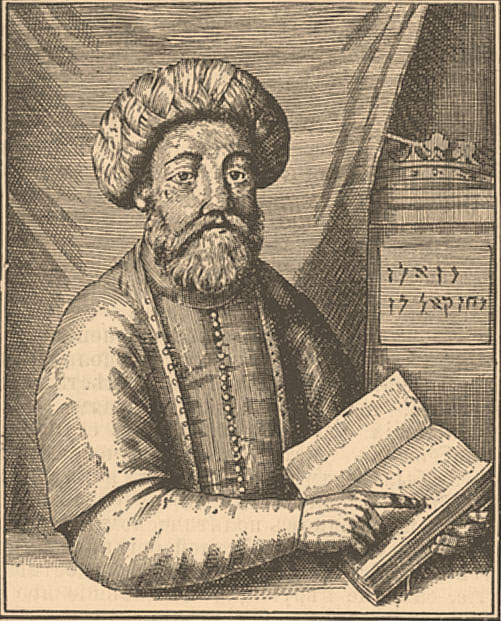
The Dönmeh were a religious community that emerged in the late 17th century within the Ottoman Empire, originating from followers of Sabbatai Zevi, a Jewish rabbi who ...
Explore event →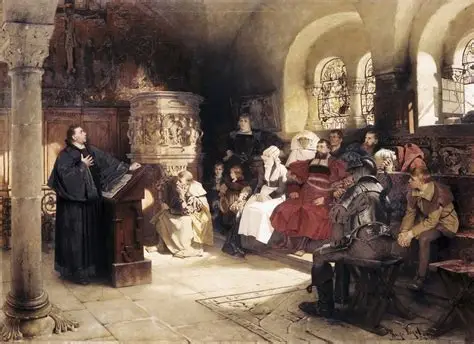
Martin Luther challenged Church practices by publishing his Ninety-Five Theses. The movement questioned papal authority and emphasized scripture and faith. This perm...
Explore event →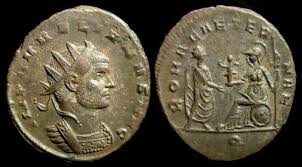
Emperor Aurelian implemented a major monetary reform aimed at stabilizing the Roman currency system after years of debasement. The reform introduced new silver coins w...
Explore event →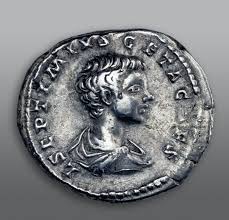
Publius Septimius Geta, son of Emperor Septimius Severus, was granted the title of Augustus, marking him as co-emperor alongside his father and brother Caracalla. This...
Explore event →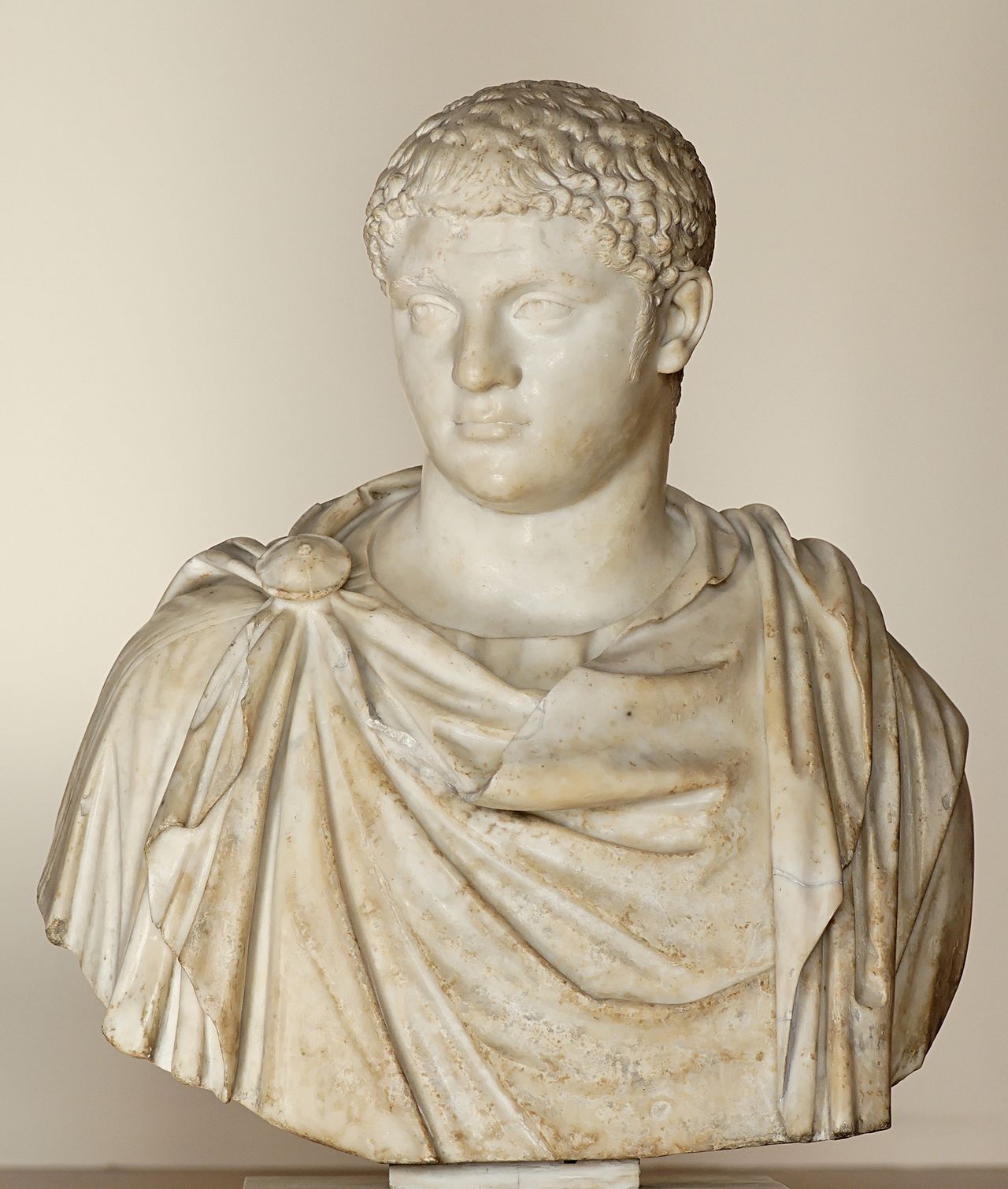
Publius Septimius Geta, son of Emperor Septimius Severus, was granted the title of Augustus by the Roman Senate. This elevated Geta to co-emperor status alongside his ...
Explore event →
Rabbinic literature from the Mishnaic and Talmudic periods (approximately 1st–6th centuries CE) includes legal discussions that describe several categories relating to...
Explore event →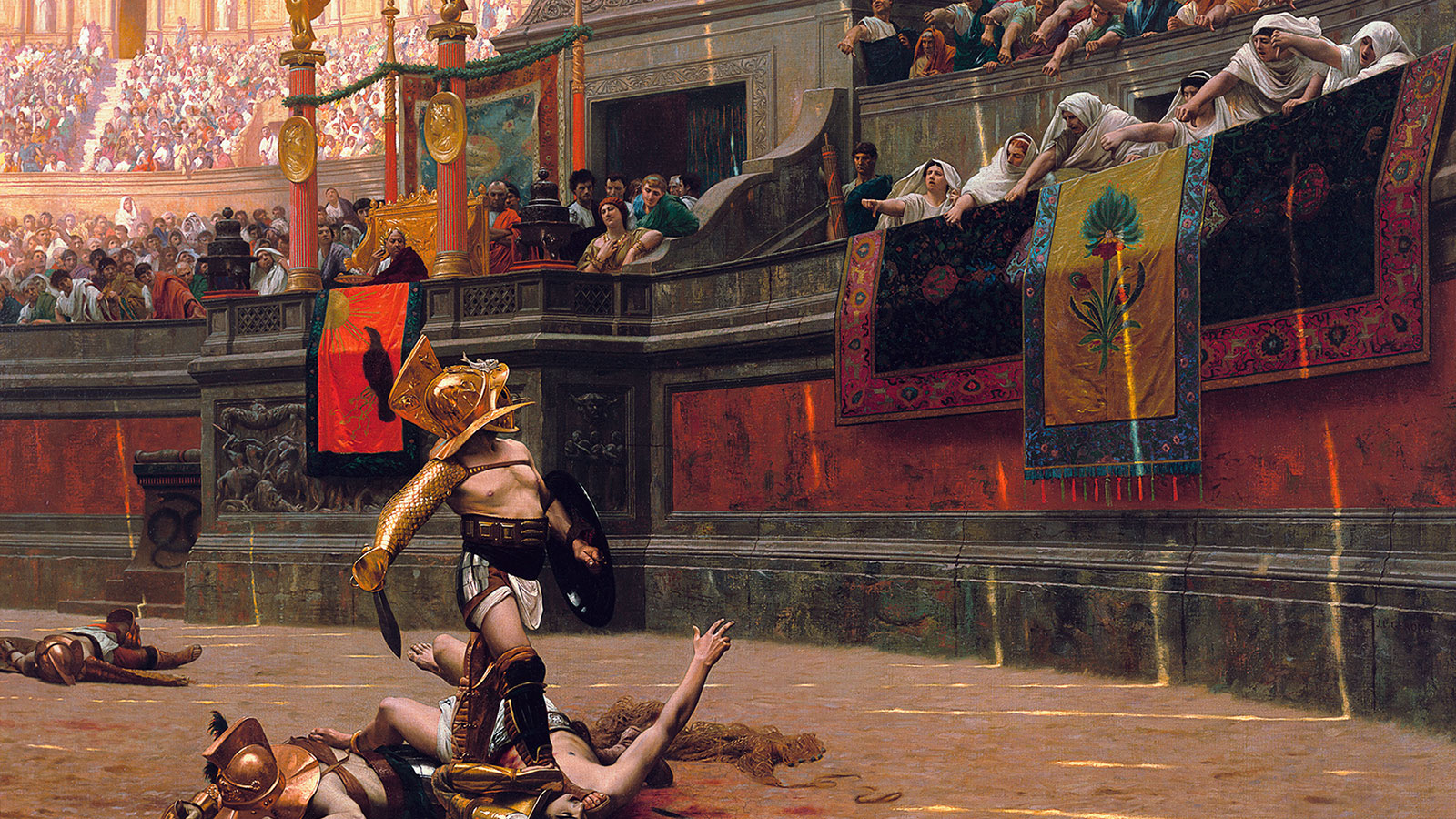
Emperor Commodus, known for his unconventional rule, famously participated in gladiatorial combats in Rome. Unlike previous emperors, he openly fought as a gladiator, ...
Explore event →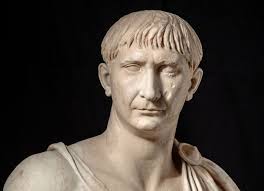
Trajan, one of Rome's most respected emperors known for his military conquests and extensive public works, died in the summer months during a campaign in Mesopotamia. ...
Explore event →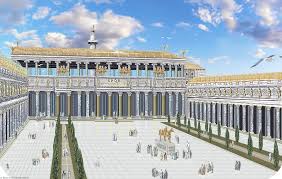
Trajan's Forum was officially inaugurated in Rome, marking the completion of one of the most impressive architectural projects of the Roman Empire. Commissioned by Emp...
Explore event →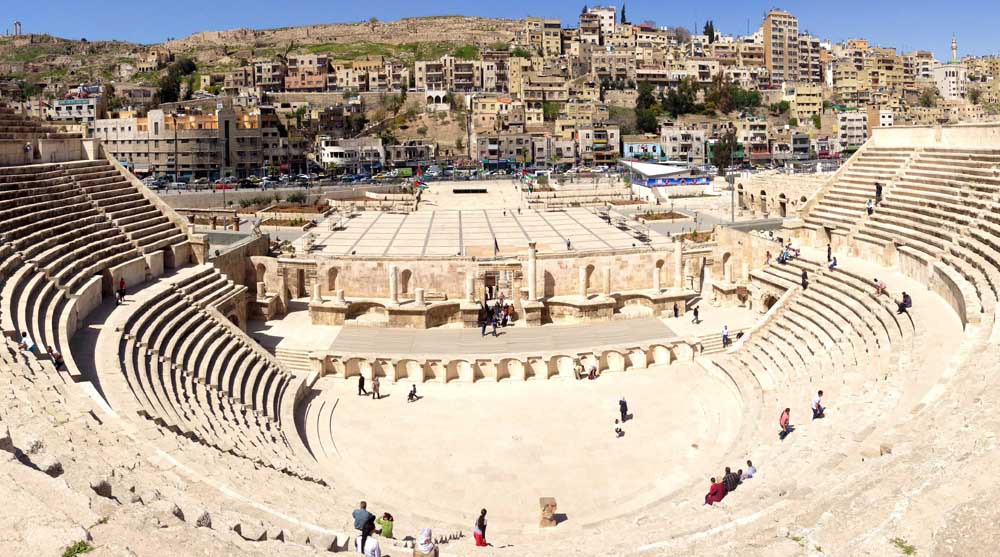
Construction of the Roman amphitheater known as the Colosseum began under Emperor Vespasian. This monumental structure was designed to host a variety of public spectac...
Explore event →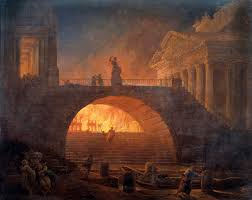
The Great Fire broke out in the city of Rome, spreading rapidly through wooden structures and thatched roofs. The blaze lasted several days, destroying vast parts of t...
Explore event →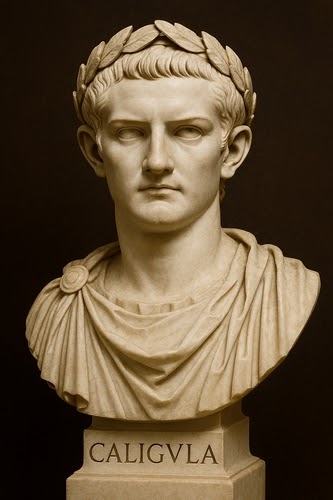
Caligula, born Gaius Julius Caesar Germanicus, became Roman Emperor following the death of Tiberius. His accession marked a significant transition in the Julio-Claudia...
Explore event →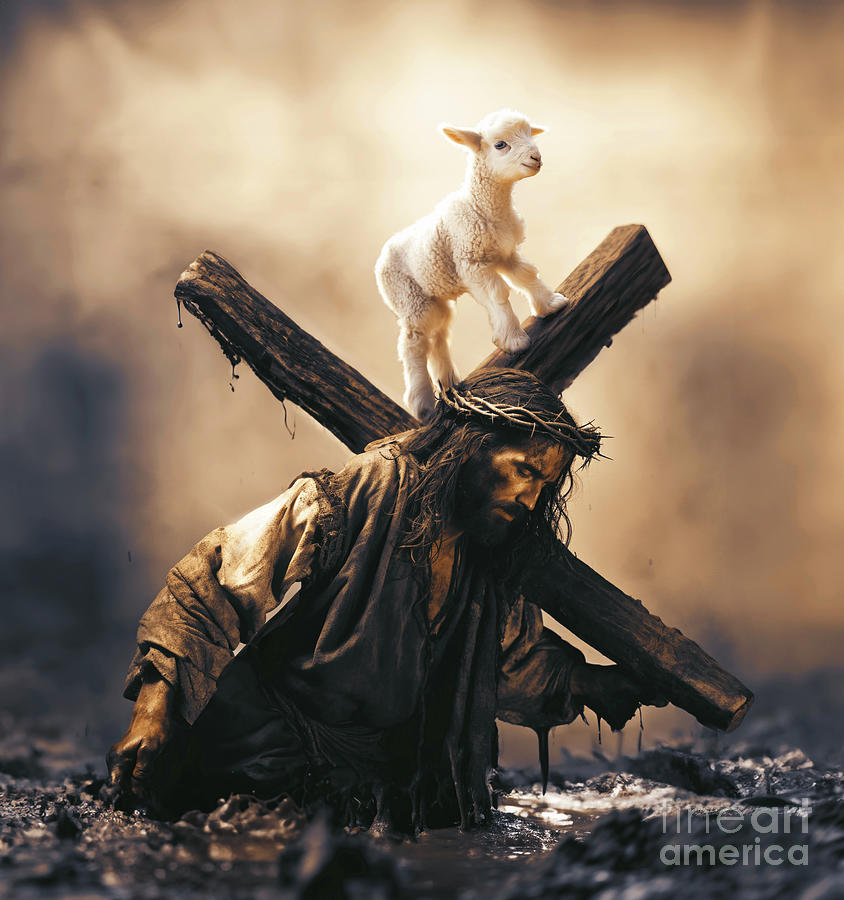
Event Timeline body { font-family: Arial, sans-serif; background-color: #f4f4f9; margin: 0; padding: 0; } .timeline-container { max-width: 800px; ...
Explore event →
The baptism of Jesus is a significant event marking the beginning of his public ministry. It took place in the Jordan River, where John the Baptist was baptizing peopl...
Explore event →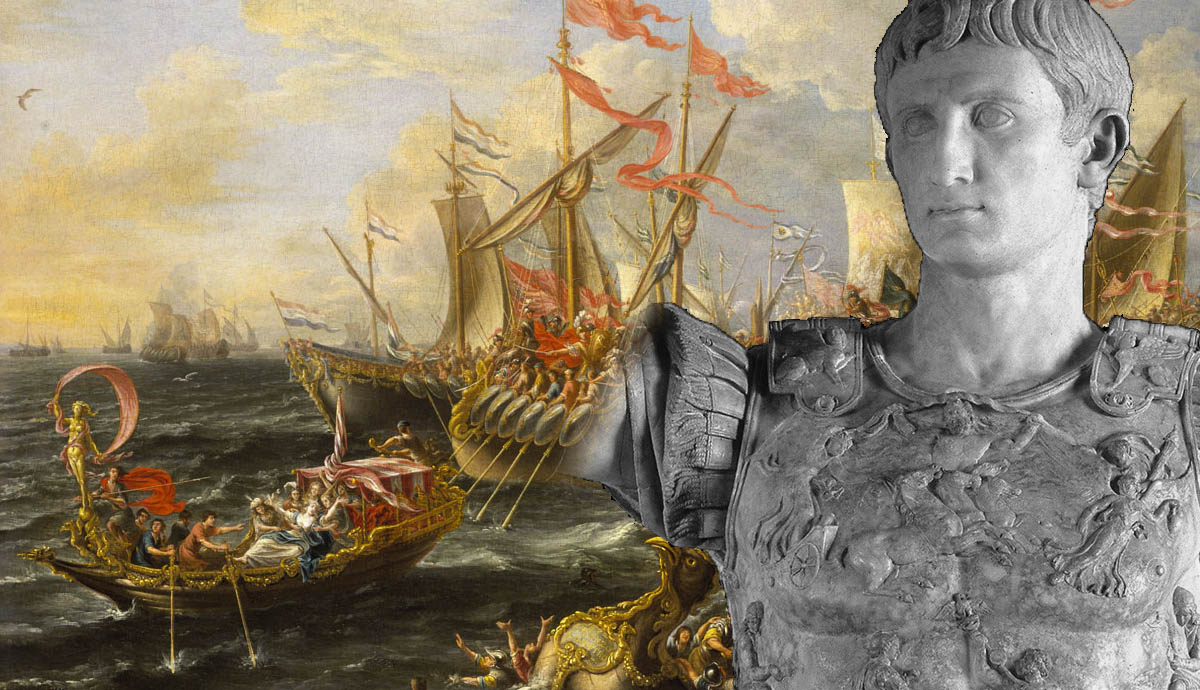
On January 16, the Roman Senate granted Octavian the title Augustus, marking his official accession as the sole ruler of Rome. This event symbolized the transition fro...
Explore event →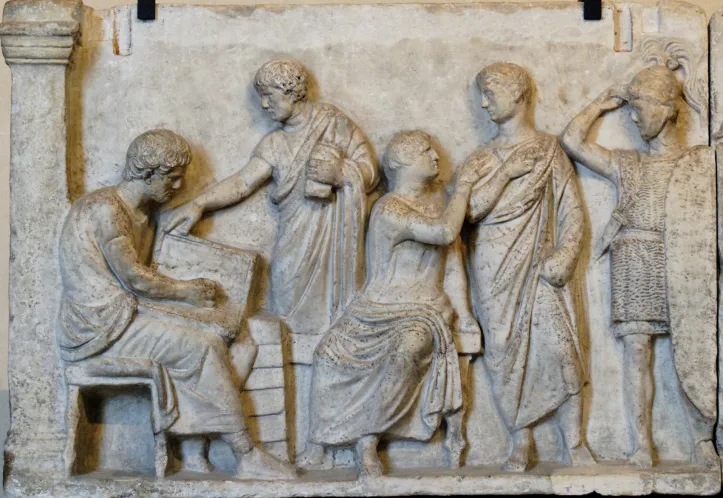
The census conducted under Publius Sulpicius Quirinius was ordered by the Roman Empire as part of administrative reorganization following the annexation of Judea as a ...
Explore event →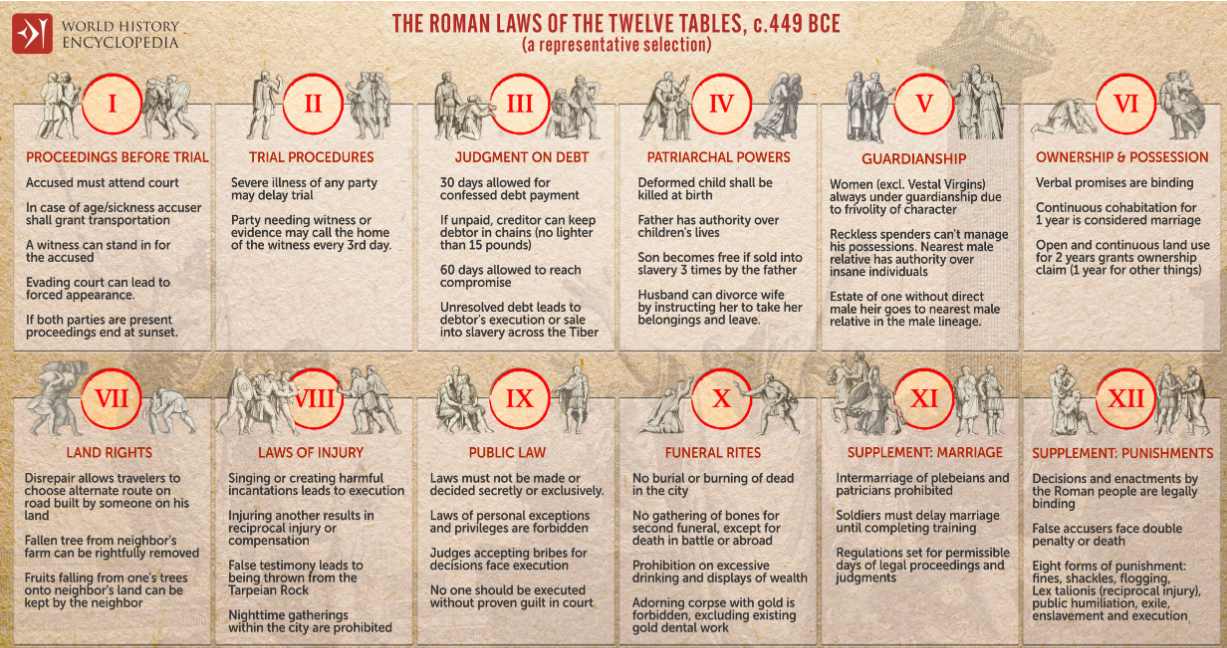
Roman law saw significant advancements in codification through the efforts of distinguished jurists during the Republic and early Empire. These legal experts compiled ...
Explore event →
27 June 2014 — Albania receives candidate status for membership in the European Union. Judicial reform, corruption, organized crime, public administration and rule of ...
Explore research
28 November 1998 — Albania adopts a new constitution after the instability of the early post-communist period. It establishes the fundamental institutional framework o...
Explore research
29 April 1991 — New constitutional provisions formally establish the Republic of Albania during the transition away from communist government. The country begins rebui...
Explore research
1991–2026 — Albania develops as a parliamentary republic after the collapse of communist rule. It joins NATO, pursues European Union membership and undergoes rapid urb...
Explore research
1958–1961 — Egypt and Syria unite as the United Arab Republic under Nasser. The union represents the high point of pan-Arab political enthusiasm. Syrian dissatisfactio...
Explore research
18 June 1953 — The monarchy is formally abolished and Egypt is declared a republic. Muhammad Naguib becomes the first president, but power increasingly shifts toward G...
Explore research
11 January 1946 — The monarchy is formally abolished and Albania becomes a communist people's republic. Political opposition is suppressed and the Communist Party esta...
Explore research
1 September 1928 — Zogu transforms the republic into a monarchy and takes the title Zog I, King of the Albanians. The monarchy seeks modernization and stronger nationa...
Explore research
31 January 1925 — Albania formally becomes a republic with Ahmet Zogu as president. Zogu uses the presidency to consolidate central authority after years of political ...
Explore research
3 November 1918 — Sailors at Kiel revolt after naval leaders attempt to send the fleet into a final battle. The mutiny spreads into a wider revolutionary movement as w...
Explore research
c. 1830–1912 — The Rilindja Kombëtare develops through writers, educators, political activists and diaspora networks. Albanian-language education and publishing become...
Explore research
Illyrian ruler whose kingdom came into direct conflict with the expanding Roman Republic.
Explore research
c. 3100 BCE–2026 CE — Egypt has been governed by native pharaohs, Nubian kings, Persians, Macedonians, Romans, Byzantines, Arab caliphates, Fatimids, Ayyubids, Mamluks...
Explore research
24 January 1943 — At the Casablanca Conference, Roosevelt publicly declares that the Allies will seek the unconditional surrender of the Axis powers. The policy is int...
Explore research
25 November 1936 — Germany and Japan sign an agreement publicly directed against the Communist International. Italy joins the following year. The pact reflects growing...
Explore research
8 November 1923 — Adolf Hitler and the Nazi Party attempt to seize power in Bavaria and march on Berlin. The putsch collapses after police confront the conspirators in...
Explore research
The Council on Foreign Relations provides an important institutional setting for examining the overlap between Henry Kissinger and David Rockefeller. Their relationshi...
Explore research
11 January 1923 — French and Belgian troops occupy Germany's Ruhr industrial region after Germany falls behind on reparations deliveries. The German government respond...
Explore research
1 October 1936 — Franco is proclaimed head of the Nationalist state during the Spanish Civil War. German and Italian military aid becomes important to his coalition, w...
Explore research
Investigate the mechanisms through which banking institutions, private foreign-policy organizations, international conferences and policy-study groups could influence ...
Explore research
8 September 1943 — Italy publicly announces an armistice with the Allies. German forces quickly occupy much of Italy, disarm many Italian units and rescue Mussolini, w...
Explore research
13 March 1920 — Right-wing forces attempt to overthrow the Weimar government after disputes over the reduction of Germany's postwar military formations. The government...
Explore research
27 August 1928 — Germany, France, the United States and other states sign a treaty renouncing war as an instrument of national policy. The pact reflects genuine public...
Explore research
Kissinger Associates was established by Henry Kissinger after his government career and provided strategic consulting and advisory services to corporate and institutio...
Explore research