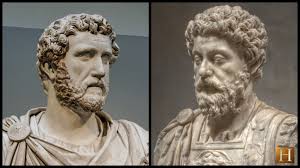
Dual Rule of Roman Emperors
Following the death of Emperor Maximinus Thrax, the Roman Senate appointed Pupienus and Balbinus as co-emperors to restore order within the Roman Empire. Their joint a...
Explore event →History does not happen in isolation. Explore world events across time, follow the connections between them, and investigate the threads that reveal how one event can lead to another.
TheTimeMap currently follows events across 95 countries and 268 years of history — building a connected archive designed for people who want to look beyond the headline.
We oppose antisemitism, racism, and dehumanization — everywhere.
When people stop feeling, injustice becomes easy.
Following the death of Emperor Maximinus Thrax, the Roman Senate appointed Pupienus and Balbinus as co-emperors to restore order within the Roman Empire. Their joint a...
Explore event →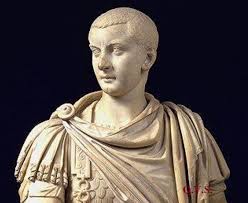
Gordian III ascended to the Roman imperial throne following a period of political instability known as the Year of the Six Emperors. At the age of thirteen, he was dec...
Explore event →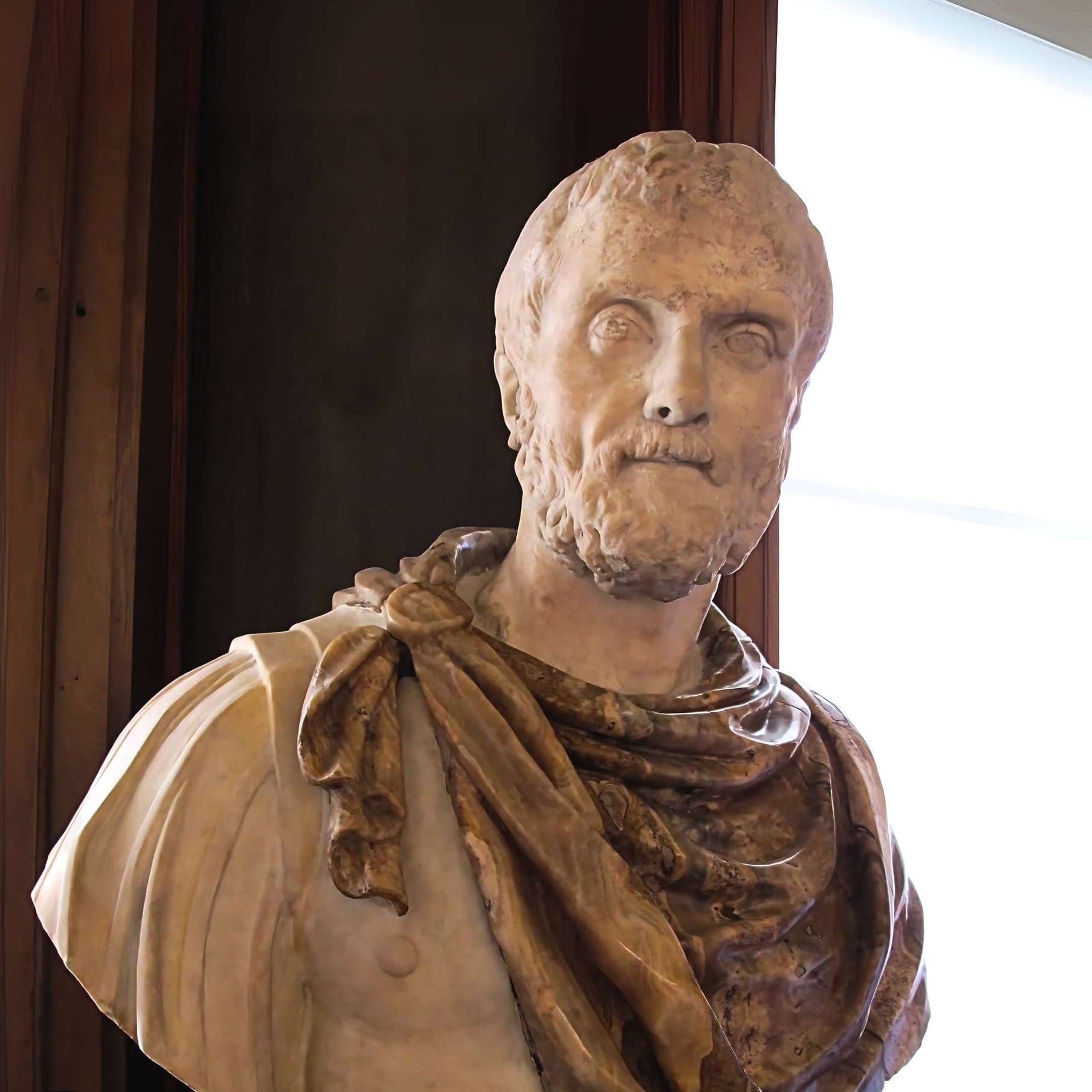
Following the assassination of Emperor Caracalla, Macrinus, then the commander of the Praetorian Guard, declared himself emperor. His accession marked the first time a...
Explore event →
Following the assassination of Emperor Pertinax, the Roman imperial throne was sold to the highest bidder by the Senate. Didius Julianus secured the empire by offering...
Explore event →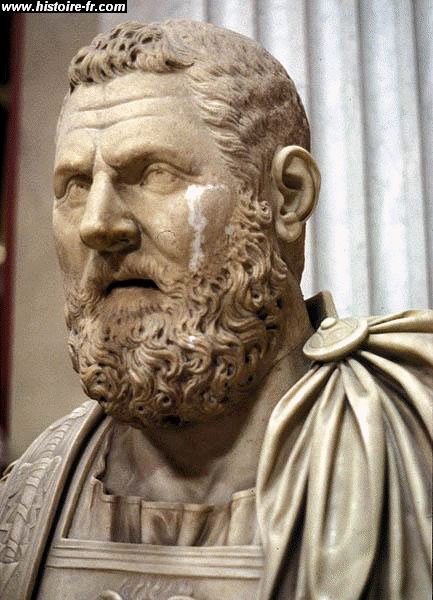
Pertinax, Roman Emperor for a brief reign, was assassinated by members of the Praetorian Guard. His attempts to reform the empire and enforce discipline antagonized th...
Explore event →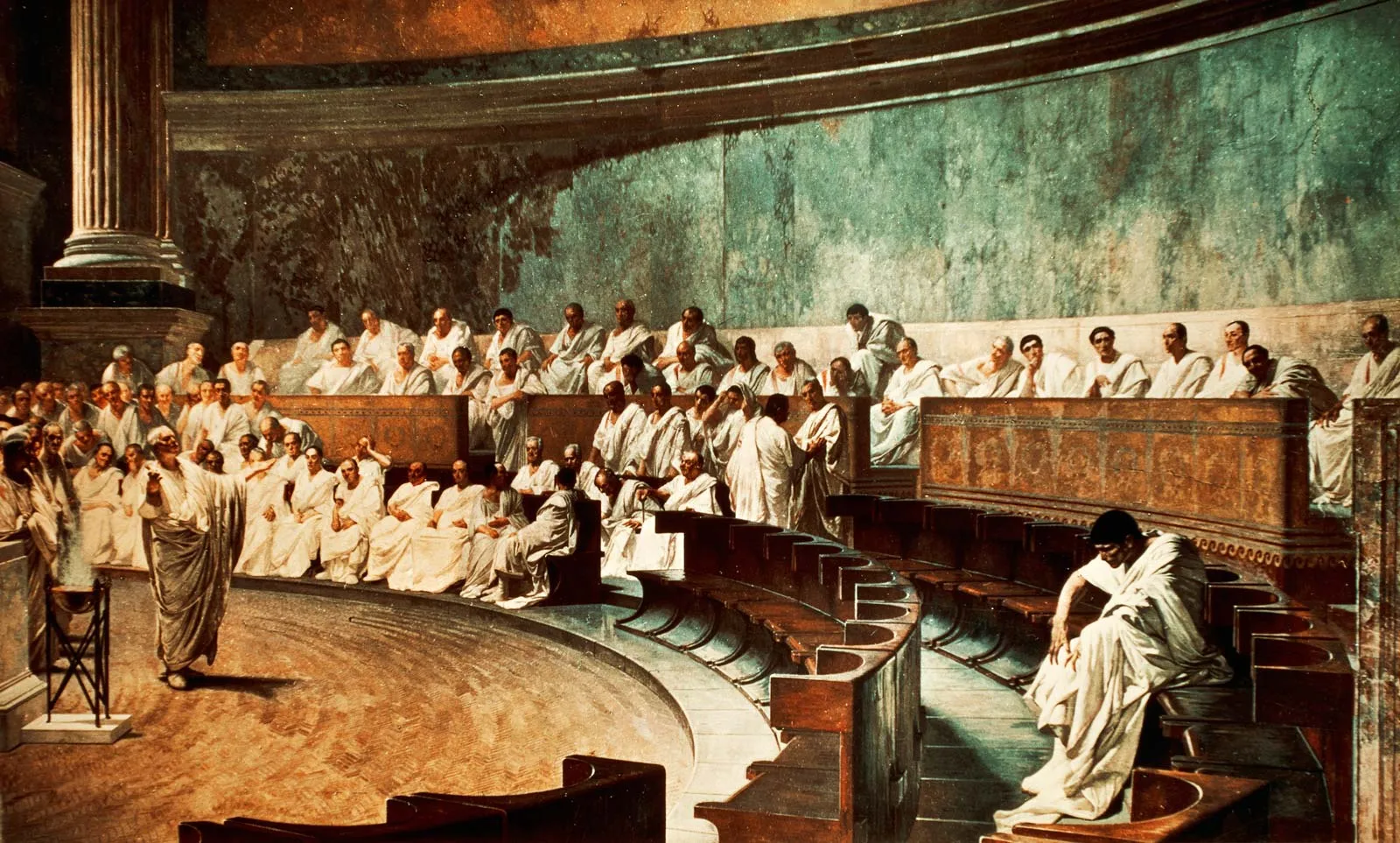
Pertinax was proclaimed Roman Emperor by the Senate following the assassination of Commodus. His accession marked a brief attempt to restore discipline and order in th...
Explore event →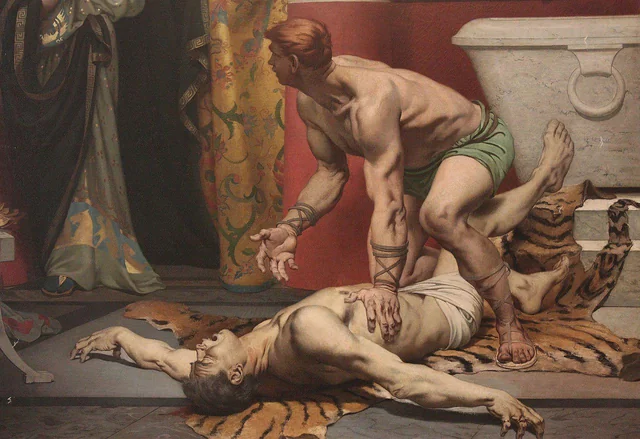
Commodus, Roman Emperor and son of Marcus Aurelius, was assassinated in his palace in Rome. His death ended the Nerva–Antonine dynasty.The emperor was strangled by his...
Explore event →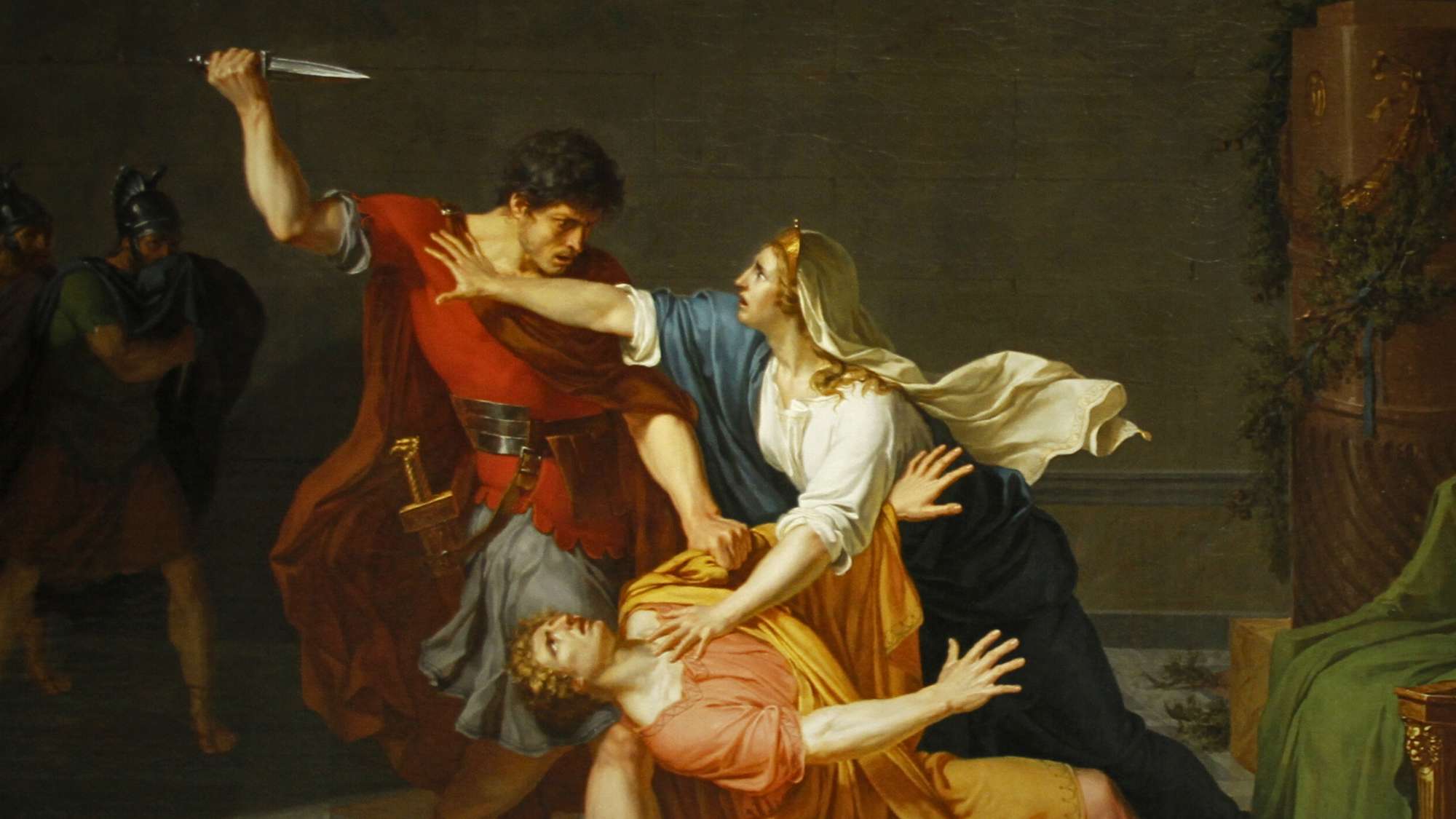
Domitian, the Roman Emperor, was assassinated on September 18th within his residence on the Palatine Hill in Rome. The conspiracy involved court officials and members ...
Explore event →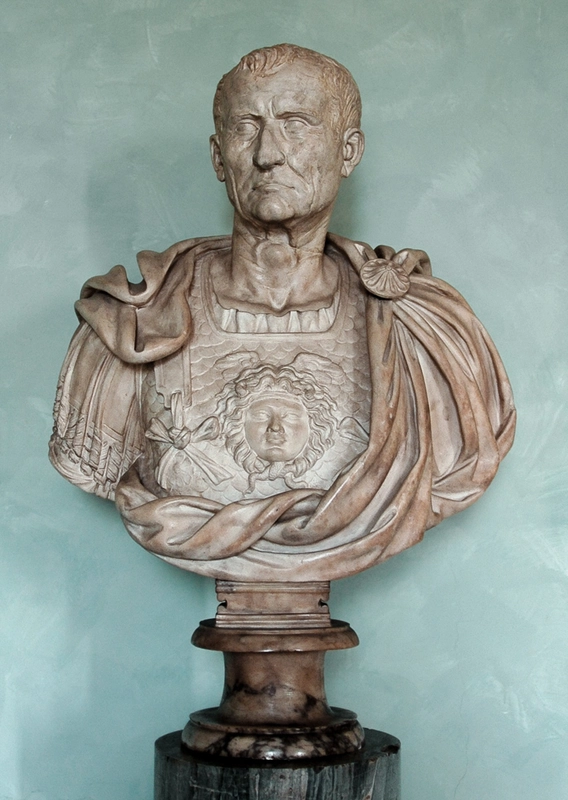
Galba was declared Roman Emperor following the assassination of Nero, marking the end of the Julio-Claudian dynasty. His accession was largely supported by the Senate ...
Explore event →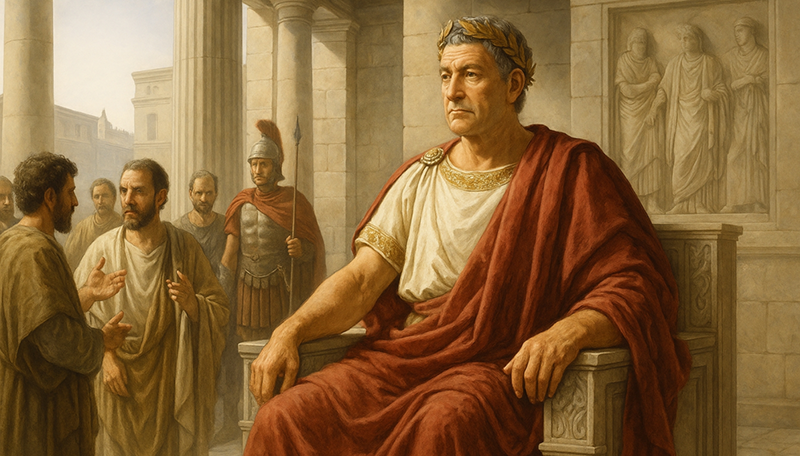
Following the assassination of Emperor Caligula, Claudius was unexpectedly declared emperor by the Praetorian Guard. Despite initial hesitation by the Senate, his acce...
Explore event →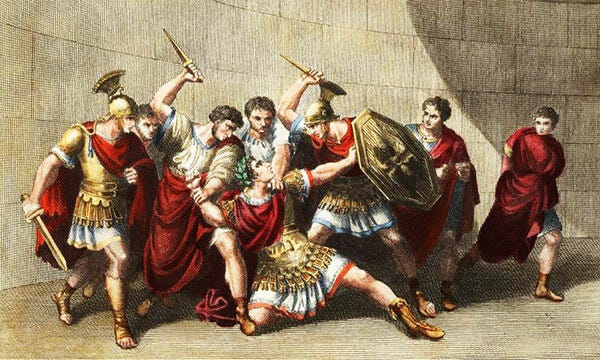
Caligula, the third Roman emperor, was assassinated by members of the Praetorian Guard on January 24th. His reign was marked by controversy, extravagance, and reported...
Explore event →
Lucius Aelius Sejanus, the powerful prefect of the Praetorian Guard, was arrested and executed after losing favor with Emperor Tiberius. His fall marked a dramatic shi...
Explore event →