Public Research World Map Threads
Research the Story Behind the Timeline

TheTimeMap

History does not happen in isolation. Explore world events across time, follow the connections between them, and investigate the threads that reveal how one event can lead to another.

Inside TheTimeMap
1,151 events. 680 mapped connections. One growing investigation.

TheTimeMap currently follows events across 95 countries and 268 years of history — building a connected archive designed for people who want to look beyond the headline.

1,151 Events to explore
680 Connections mapped
95 Countries connected
268 Years in the archive
×

We oppose antisemitism, racism, and dehumanization — everywhere.

When people stop feeling, injustice becomes easy.

Dedication
To those who still feel wonder.
To the ones who look at the stars and remember they are home.
To every hand that builds, every voice that heals,
and every heart that still believes love can save the world.
This is for humanity — all of it.
No borders. No flags. No “us” or “them.”
Just one great breathing story, trying to find its way back to itself.
Jump to date
Search results

Results for “powers”

22 events · 31 research items · January 1, 0073 to February 12, 2026
View as timeline → View graph → View as thread’
The Master Timeline
Breaking February 2, 2026

The Master Timeline

Event Timeline body { font-family: Arial, sans-serif; background-color: #f4f4f9; margin: 0; padding: 0; } .timeline-container { max-width: 900px; ...

Explore event →
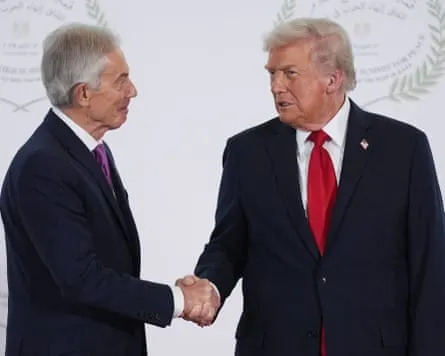
Board of Peace for Gaza
Breaking January 15, 2026

Board of Peace for Gaza

Board of Peace for Gaza Date: Ongoing as of January 2026 Description: The Board of Peace is a U.S.-led international body announced by President Donald Trump to...

Explore event →
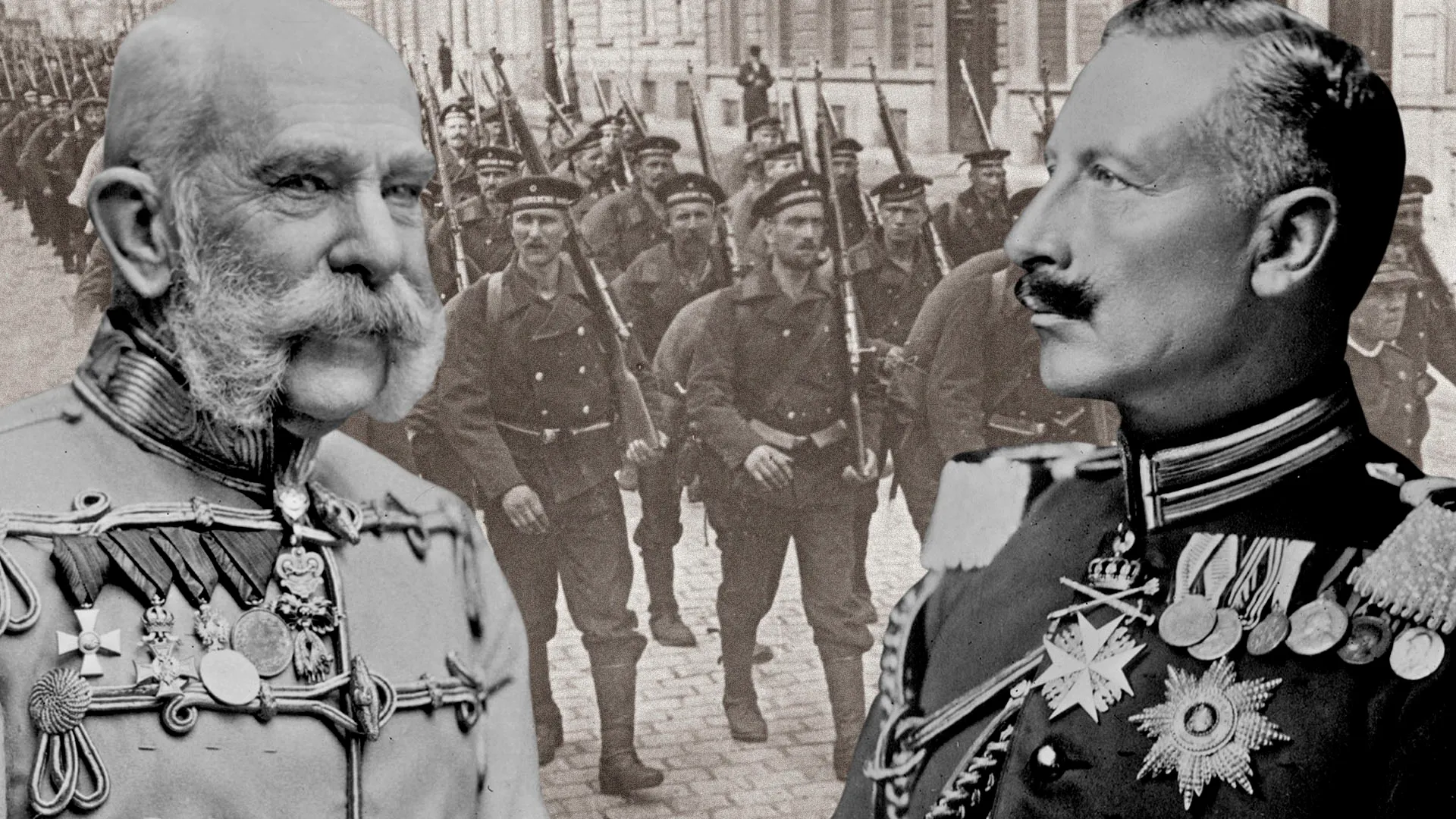
World War I Begins
Wars & Conflicts July 28, 1914

World War I Begins

World War I, also known as the Great War, began when Austria-Hungary declared war on Serbia following the assassination of Archduke Franz Ferdinand. The conflict quick...

Explore event →
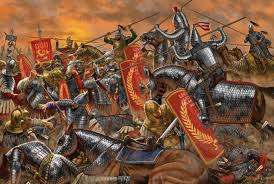
Decisive Clash at Nisibis
Wars & Conflicts April 21, 0217

Decisive Clash at Nisibis

The Battle of Nisibis was fought near the city of Nisibis, a strategic fortress in Mesopotamia. Roman forces under Emperor Macrinus clashed with the Parthian army, res...

Explore event →
Britain Builds an Economic Blockade
Published Research World Wars: Power, Conflict & Consequence

Britain Builds an Economic Blockade

1914–1919 — The Royal Navy progressively restricts German access to food, fertilizer, metals, chemicals and overseas trade. Neutral shipping is increasingly subjected ...

Explore research
Royal Navy and Admiralty
Published Research World Wars: Power, Conflict & Consequence

Royal Navy and Admiralty

1914–1919 wartime role — Britain's navy protects imperial shipping routes, contains the German High Seas Fleet and implements the maritime blockade of the Central Powe...

Explore research
Albania Declares Independence
Published Research Nations & Civilizations

Albania Declares Independence

28 November 1912 — Delegates meeting at Vlorë proclaim Albania independent from the Ottoman Empire during the First Balkan War. Ismail Qemali leads the provisional gov...

Explore research
League of Prizren
Published Research Nations & Civilizations

League of Prizren

10 June 1878 — Albanian political and religious leaders gather in Prizren as the Ottoman Empire faces defeat and territorial losses following the Russo-Turkish War. Th...

Explore research
Suez Canal Opens
Published Research Nations & Civilizations

Suez Canal Opens

17 November 1869 — The Suez Canal officially opens, connecting the Mediterranean and Red Seas without requiring ships to sail around Africa. The canal transforms globa...

Explore research
Napoleon Invades Egypt
Published Research Nations & Civilizations

Napoleon Invades Egypt

1 July 1798 — French forces under Napoleon Bonaparte land in Egypt. The invasion aims to weaken British access to India while expanding French influence in the eastern...

Explore research
Ali Pasha Dominates the South
Published Research Nations & Civilizations

Ali Pasha Dominates the South

1788–1822 — Ali Pasha controls Ioannina and expands his authority across Epirus, southern Albania and surrounding regions. His court becomes a major political center w...

Explore research
The New Kingdom Ends
Published Research Nations & Civilizations

The New Kingdom Ends

c. 1070 BCE — Central royal authority weakens while powerful priestly institutions and regional rulers gain influence. Egypt loses much of its empire in the Levant and...

Explore research
The New Kingdom
Published Research Nations & Civilizations

The New Kingdom

c. 1550–1070 BCE — Egypt becomes one of the great imperial powers of the Late Bronze Age. Pharaohs campaign into Nubia and the Levant while wealth flows into enormous ...

Explore research
How Was Egypt Actually Unified?
Published Research Nations & Civilizations

How Was Egypt Actually Unified?

c. 3300–3000 BCE — Later royal ideology presents unification as a foundational act, but archaeology points toward a longer process of competition, alliance and conques...

Explore research
Naqada Cultures Transform Egypt
Published Research Nations & Civilizations

Naqada Cultures Transform Egypt

c. 4000–3100 BCE — Powerful communities develop across Upper Egypt during the Naqada periods. Trade expands, elite burials become richer and political centers such as ...

Explore research
Bolsheviks Seize Power
Published Research World Wars: Power, Conflict & Consequence

Bolsheviks Seize Power

7 November 1917 — Bolshevik forces overthrow Russia's Provisional Government in Petrograd. Vladimir Lenin's movement has promised peace, land and political transfer to...

Explore research
Bulgaria Leaves the War
Published Research World Wars: Power, Conflict & Consequence

Bulgaria Leaves the War

29 September 1918 — Bulgaria signs the Armistice of Salonica after Allied breakthroughs in the Balkans. The surrender opens routes toward Austria-Hungary and the Ottom...

Explore research
Did World War II Create the Cold War?
Published Research World Wars: Power, Conflict & Consequence

Did World War II Create the Cold War?

2 September 1945 — The defeat of Germany and Japan leaves the United States and Soviet Union as the dominant military powers. Soviet control across Eastern Europe, Ame...

Explore research
Full-Scale Sino-Japanese War Begins
Published Research World Wars: Power, Conflict & Consequence

Full-Scale Sino-Japanese War Begins

7 July 1937 — Fighting near the Marco Polo Bridge escalates into a major war between Japan and China. Japanese forces capture major cities including Shanghai and Nanji...

Explore research
Germany Invades Poland
Published Research World Wars: Power, Conflict & Consequence

Germany Invades Poland

1 September 1939 — German forces cross the Polish frontier and begin the war in Europe. Hitler expects Britain and France may still avoid a general conflict, but both ...

Explore research
Germany's Surrender Takes Effect
Published Research World Wars: Power, Conflict & Consequence

Germany's Surrender Takes Effect

8 May 1945 — Germany's unconditional surrender ends the war in Europe. The Soviet Union has suffered enormous military and civilian losses but emerges as one of the wo...

Explore research
Hitler Becomes Chancellor
Published Research World Wars: Power, Conflict & Consequence

Hitler Becomes Chancellor

30 January 1933 — President Paul von Hindenburg appoints Adolf Hitler chancellor of Germany. Conservative politicians believe they can use Hitler's popular support whi...

Explore research
Hitler Becomes Führer
Published Research World Wars: Power, Conflict & Consequence

Hitler Becomes Führer

2 August 1934 — President Hindenburg dies and Hitler combines the powers of president and chancellor. Members of the armed forces swear a personal oath of loyalty to H...

Explore research
Japan Formally Surrenders
Published Research World Wars: Power, Conflict & Consequence

Japan Formally Surrenders

2 September 1945 — Japanese representatives sign the Instrument of Surrender aboard USS Missouri in Tokyo Bay. The ceremony formally ends the Second World War. Germany...

Explore research
Japan Invades Manchuria
Published Research World Wars: Power, Conflict & Consequence

Japan Invades Manchuria

18 September 1931 — Japanese officers use the Mukden Incident as a pretext for military expansion into Manchuria. Japanese forces rapidly occupy the region and later e...

Explore research