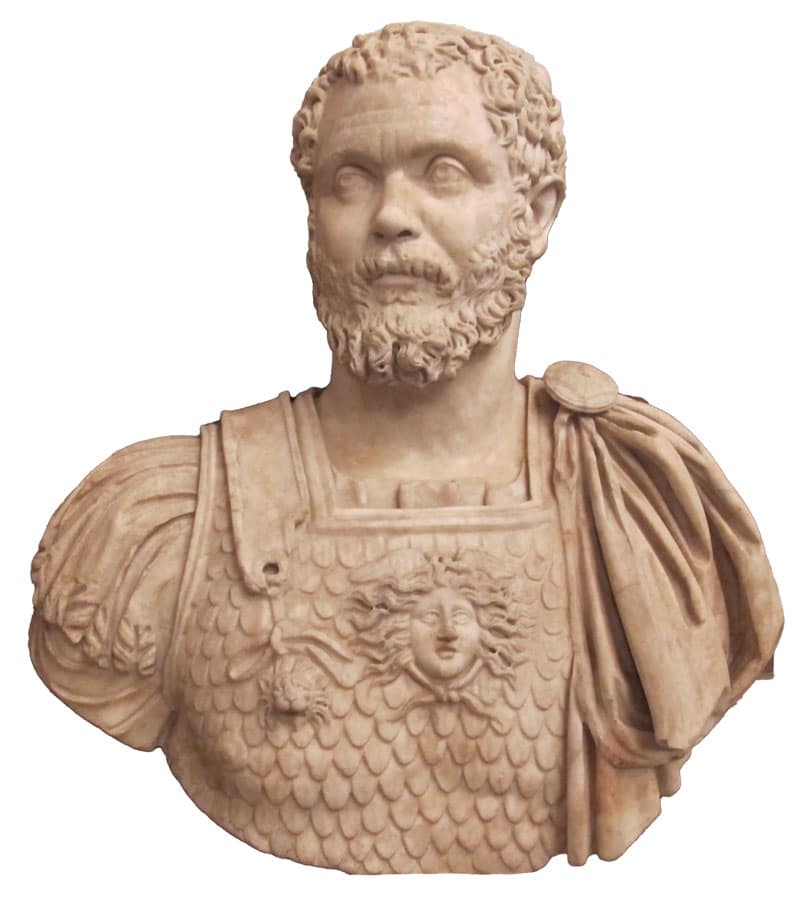
End of Clodius Albinus Rebellion
Clodius Albinus, a Roman usurper and rival claimant to the imperial throne, was defeated at the Battle of Lugdunum. The conflict ended his rebellion during a time of c...
Explore event →History does not happen in isolation. Explore world events across time, follow the connections between them, and investigate the threads that reveal how one event can lead to another.
TheTimeMap currently follows events across 95 countries and 268 years of history — building a connected archive designed for people who want to look beyond the headline.
We oppose antisemitism, racism, and dehumanization — everywhere.
When people stop feeling, injustice becomes easy.
Clodius Albinus, a Roman usurper and rival claimant to the imperial throne, was defeated at the Battle of Lugdunum. The conflict ended his rebellion during a time of c...
Explore event →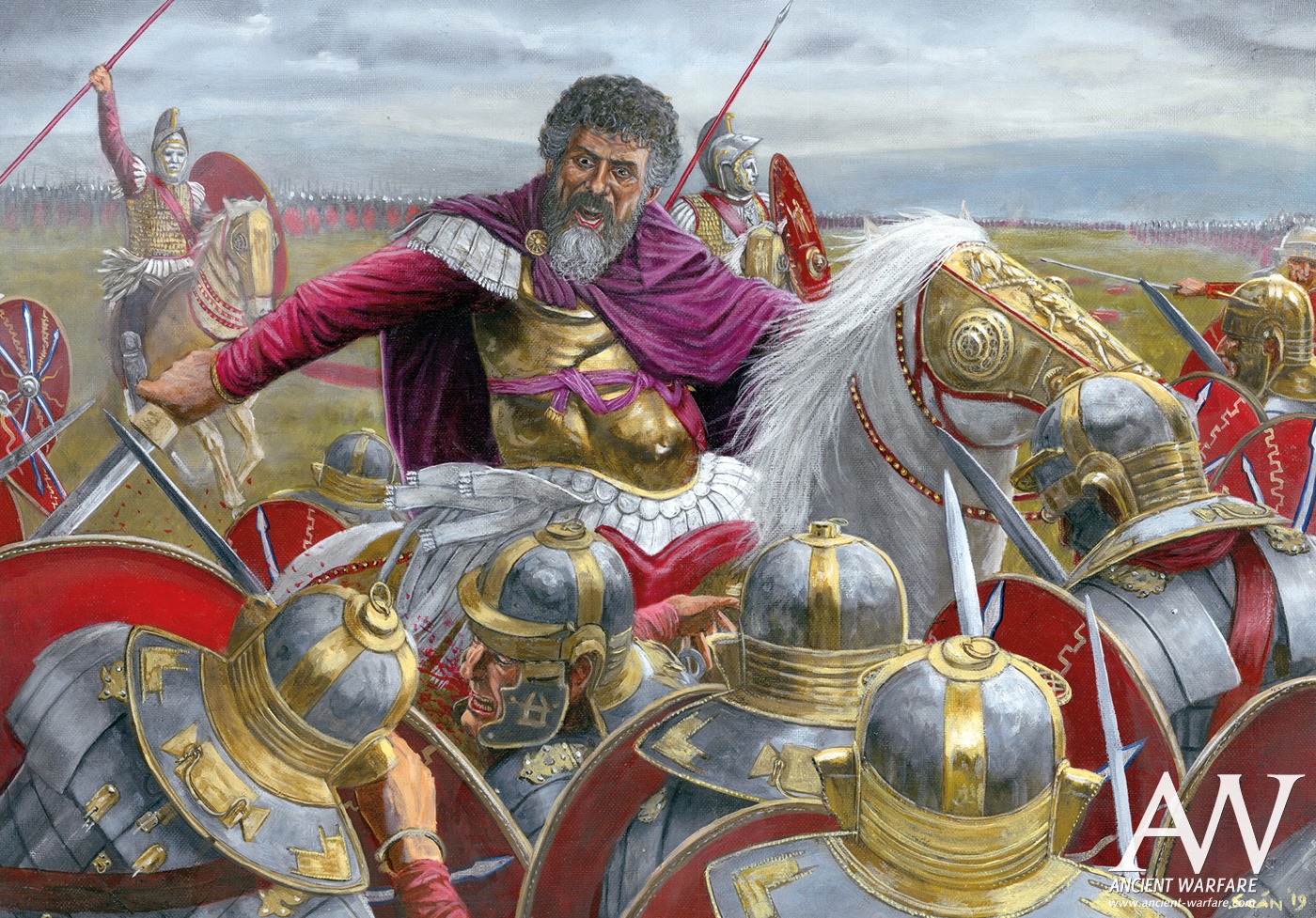
The Battle of Lugdunum was a decisive confrontation between the forces of Septimius Severus and Clodius Albinus during the Roman civil war for control of the empire. T...
Explore event →
Clodius Albinus, governor of Britannia, declared himself Caesar in a bid to claim imperial power during the turbulent Year of the Five Emperors. His proclamation chall...
Explore event →
The Battle of Issus was fought between the forces of the Roman Emperor Septimius Severus and his rival Pescennius Niger. It marked a defining moment during the Year of...
Explore event →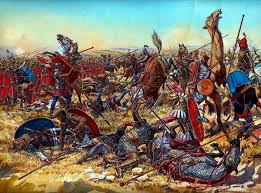
The Roman forces under the command of Lucius Verus launched a major campaign against the Parthian Empire, culminating in the capture of their capital city, Ctesiphon. ...
Explore event →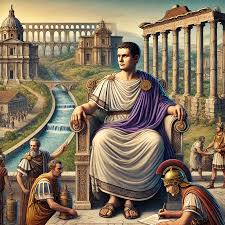
Antoninus Pius assumed the position of Roman Emperor following the death of Hadrian on August 11. He was appointed by the Senate and accepted by the army without oppos...
Explore event →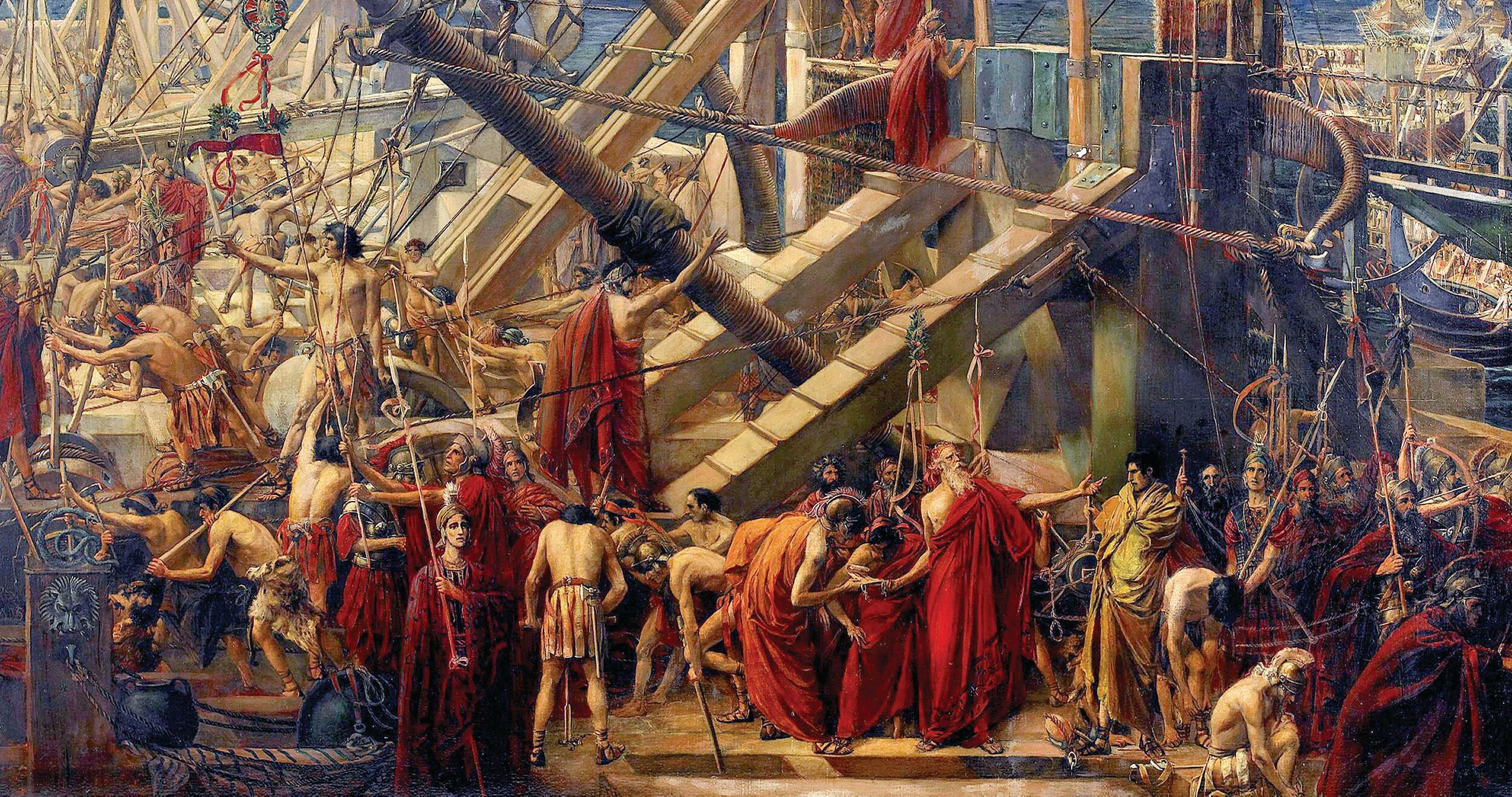
The Roman forces led by Emperor Trajan launched a military campaign across Mesopotamia, culminating in the siege and capture of Seleucia. This event marked a significa...
Explore event →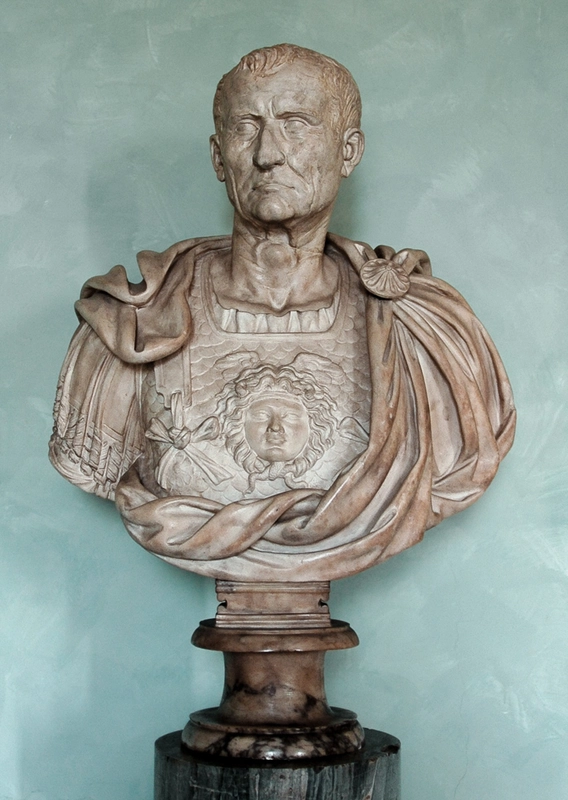
Galba was declared Roman Emperor following the assassination of Nero, marking the end of the Julio-Claudian dynasty. His accession was largely supported by the Senate ...
Explore event →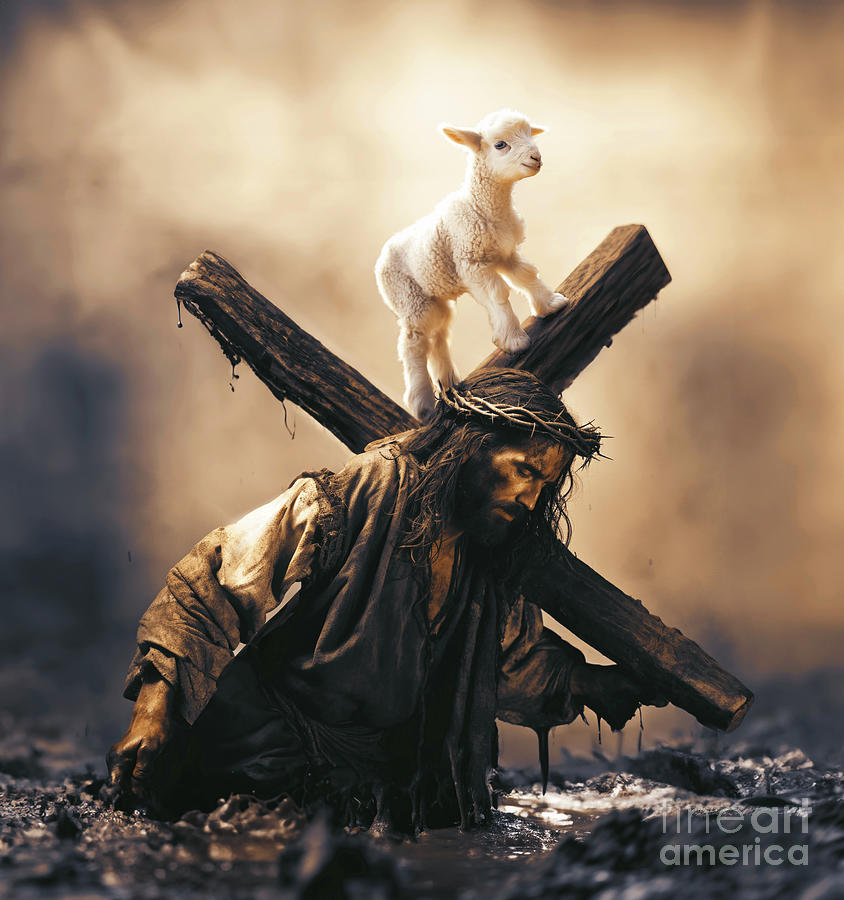
Event Timeline body { font-family: Arial, sans-serif; background-color: #f4f4f9; margin: 0; padding: 0; } .timeline-container { max-width: 800px; ...
Explore event →
The Xin dynasty was established by Wang Mang, who usurped the throne from the Han dynasty. This marked a significant political shift in ancient China, interrupting the...
Explore event →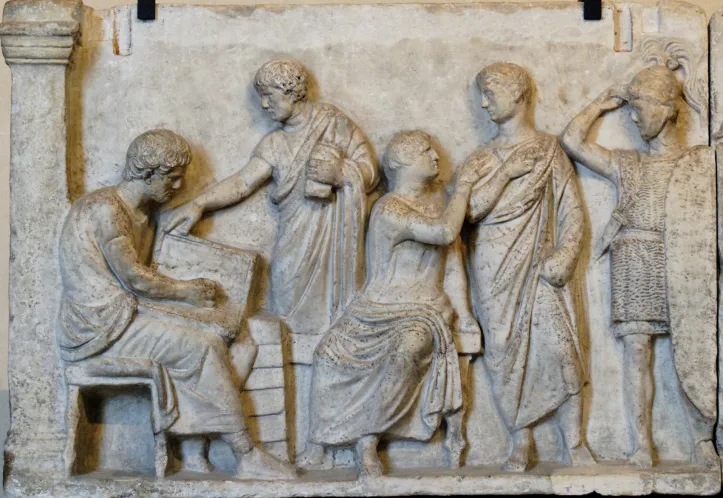
The census conducted under Publius Sulpicius Quirinius was ordered by the Roman Empire as part of administrative reorganization following the annexation of Judea as a ...
Explore event →
6 October 1981 — Islamist militants within the Egyptian military assassinate President Anwar Sadat during a military parade commemorating the 1973 war. The attack foll...
Explore research
6–25 October 1973 — Egyptian and Syrian forces launch a surprise attack against Israeli positions. Egyptian troops successfully cross the Suez Canal and penetrate the ...
Explore research
11 January 1946 — The monarchy is formally abolished and Albania becomes a communist people's republic. Political opposition is suppressed and the Communist Party esta...
Explore research
July–November 1918 — Allied forces increasingly coordinate artillery, infantry, tanks, aircraft, communications and logistics. Strategic coordination also improves und...
Explore research
November 1917–March 1918 — Lenin argues that the revolutionary government cannot survive while Russia remains in the war. Other Bolsheviks object to Germany's extreme ...
Explore research
1882 — British forces intervene during the Urabi Revolt and occupy Egypt. The country formally remains connected to the Ottoman Empire for decades, but British officia...
Explore research
27 May 1942 — American commanders possess increasingly strong intelligence that Japan intends to attack Midway. Cryptanalysts working against Japanese naval codes help...
Explore research
November 1973 — Student resistance becomes a major symbol of opposition to the dictatorship.
Explore research
5 July 1943 — Germany launches Operation Citadel against the Kursk salient. Soviet intelligence and defensive preparations create deep belts of mines, anti-tank positi...
Explore research
4 June 1942 — American carrier forces intercept a Japanese operation aimed at Midway Atoll. U.S. cryptanalytic intelligence allows Admiral Chester Nimitz to position c...
Explore research
23 August 1942 — German forces begin the major assault phase against Stalingrad after intensive Luftwaffe bombing. The city's industrial and symbolic importance combin...
Explore research
24 August 1943 — Soviet armies begin a massive offensive toward the Dnieper River. German forces withdraw while attempting to create defensive positions along the rive...
Explore research
16 April 1945 — Soviet forces attack Germany's final major defensive positions east of Berlin. Massive artillery preparation precedes the assault, but German defenses ...
Explore research
8 April 1944 — Soviet forces attack German and Romanian troops in Crimea. Axis defenses collapse rapidly and Sevastopol falls in May. The Soviet victory removes an imp...
Explore research
David Rockefeller was a principal founder of the Trilateral Commission and subsequently held a senior leadership position within its North American group. His role pro...
Explore research
10 October 1938 — German occupation of the Sudetenland gives Berlin control of major Czech border fortifications and significant industrial territory. The Munich settl...
Explore research
9 April 1940 — Germany launches Operation Weserübung against Denmark and Norway. Denmark is overwhelmed rapidly, while fighting in Norway continues for weeks. Control ...
Explore research
7 March 1936 — German troops enter the demilitarized Rhineland in violation of the Versailles and Locarno arrangements. Hitler's forces have orders to retreat if confr...
Explore research
20 March 1945 — Heinrici takes command of Army Group Vistula and organizes Germany's final major defensive position east of Berlin. Widely regarded as a skilled defens...
Explore research
30 January 1933 — President Paul von Hindenburg appoints Adolf Hitler chancellor of Germany. Conservative politicians believe they can use Hitler's popular support whi...
Explore research
30 April 1945 — Adolf Hitler kills himself in the Führerbunker as Soviet troops fight through central Berlin. Germany has already lost control of most of its territory...
Explore research
30 April 1945 — Adolf Hitler kills himself inside the Führerbunker as Soviet troops fight through central Berlin. Germany's military position is hopeless and the capit...
Explore research
8 December 1941 — Almost simultaneously with Pearl Harbor, Japanese forces attack British, American and Dutch positions across East and Southeast Asia. Operations targ...
Explore research
On February 8, 1974, Secretary of State Henry Kissinger spoke by telephone with David Rockefeller. The surviving State Department transcript records discussion of Euro...
Explore research