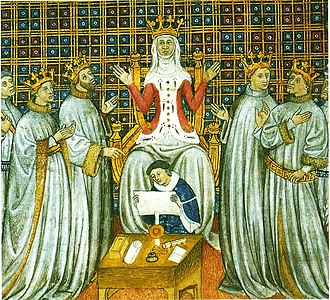
Passing of Frankish King Clovis
Clovis I, the first King of the Franks to unite all Frankish tribes under one ruler, died on November 27. His death marked a significant transition in early medieval E...
Explore event →History does not happen in isolation. Explore world events across time, follow the connections between them, and investigate the threads that reveal how one event can lead to another.
TheTimeMap currently follows events across 95 countries and 268 years of history — building a connected archive designed for people who want to look beyond the headline.
We oppose antisemitism, racism, and dehumanization — everywhere.
When people stop feeling, injustice becomes easy.
Clovis I, the first King of the Franks to unite all Frankish tribes under one ruler, died on November 27. His death marked a significant transition in early medieval E...
Explore event →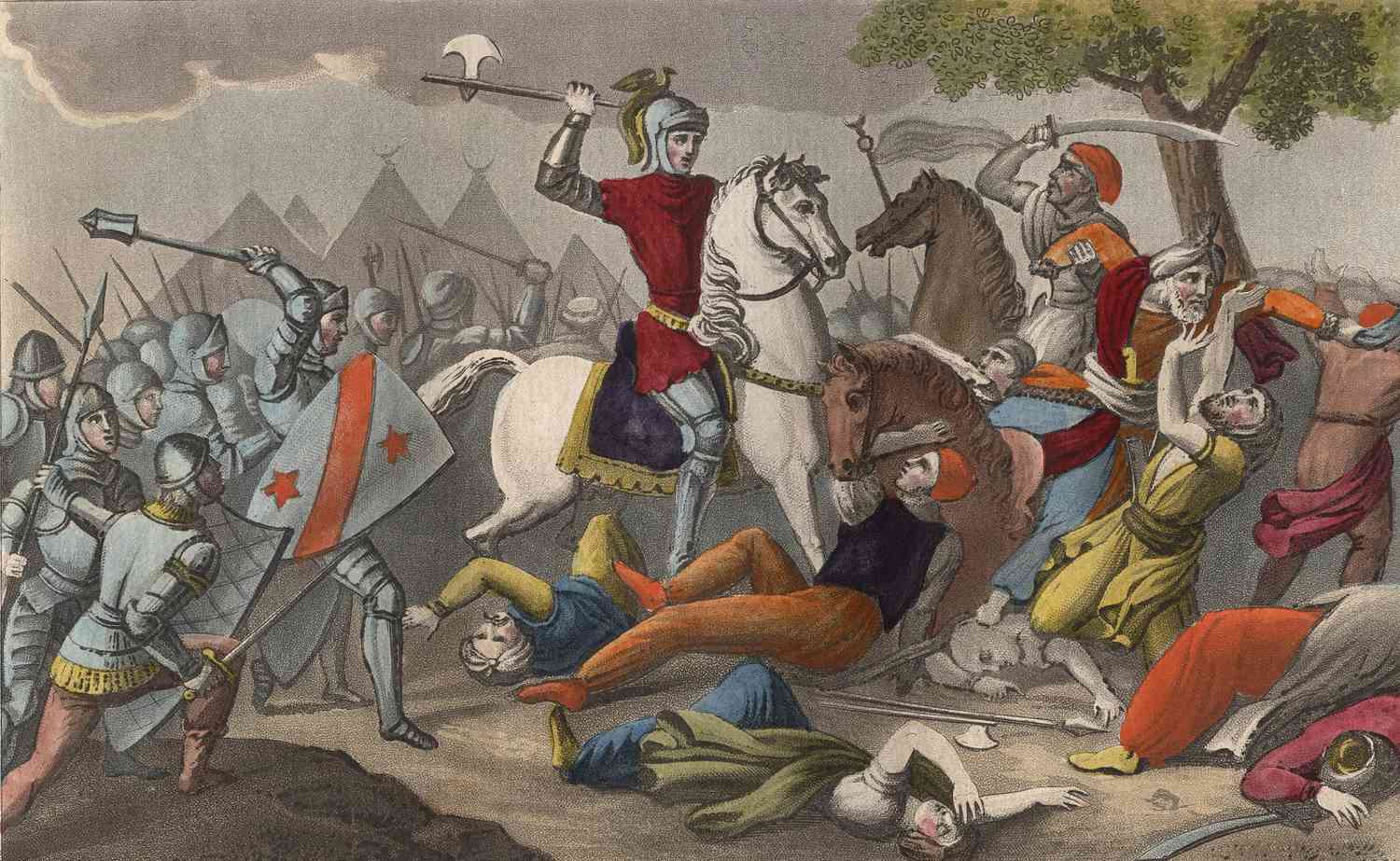
The Frankish conquest of Aquitaine began as the Franks expanded their territory into the southwestern region of present-day France. Under the leadership of Clovis I an...
Explore event →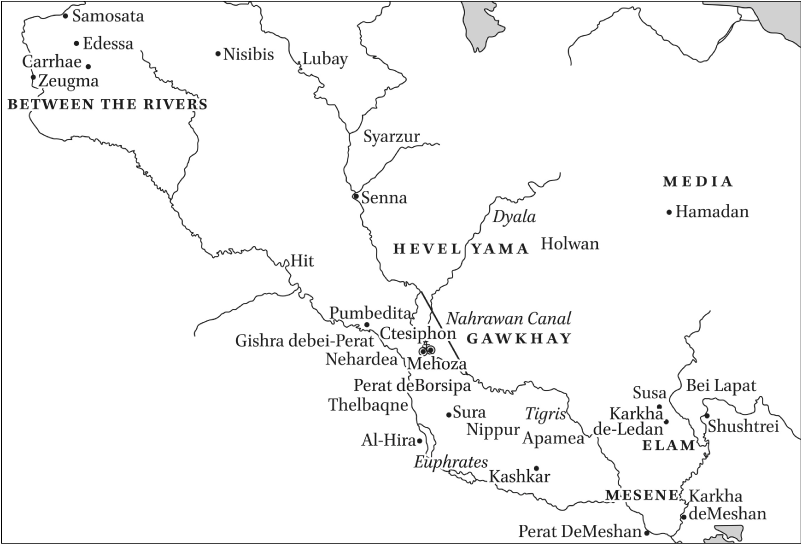
During the early centuries of the Common Era, Talmudic academies in Babylonia underwent significant expansion. These centers of Jewish learning became pivotal in the d...
Explore event →
The compilation of the Babylonian Talmud marked a significant advancement in Jewish legal and theological scholarship. Completed around the 5th century CE, this work s...
Explore event →
During the classical period of Indian history, Sanskrit literature experienced a remarkable flourishing, often under the patronage of royal courts such as that of Ujja...
Explore event →
Aryabhata, an ancient Indian mathematician and astronomer, authored the Aryabhatiya, a seminal work on mathematics and astronomy. This treatise laid foundational conce...
Explore event →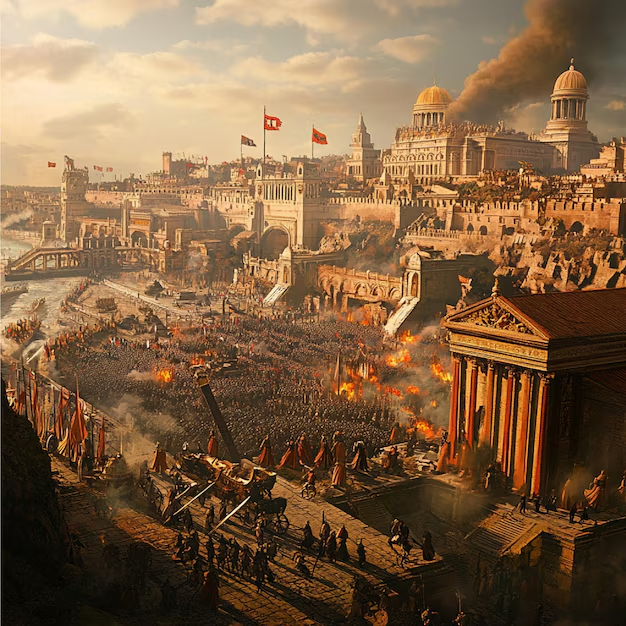
The last Western Roman emperor, Romulus Augustulus, was deposed. This event traditionally marks the end of ancient Rome and the beginning of the Middle Ages. Christi...
Explore event →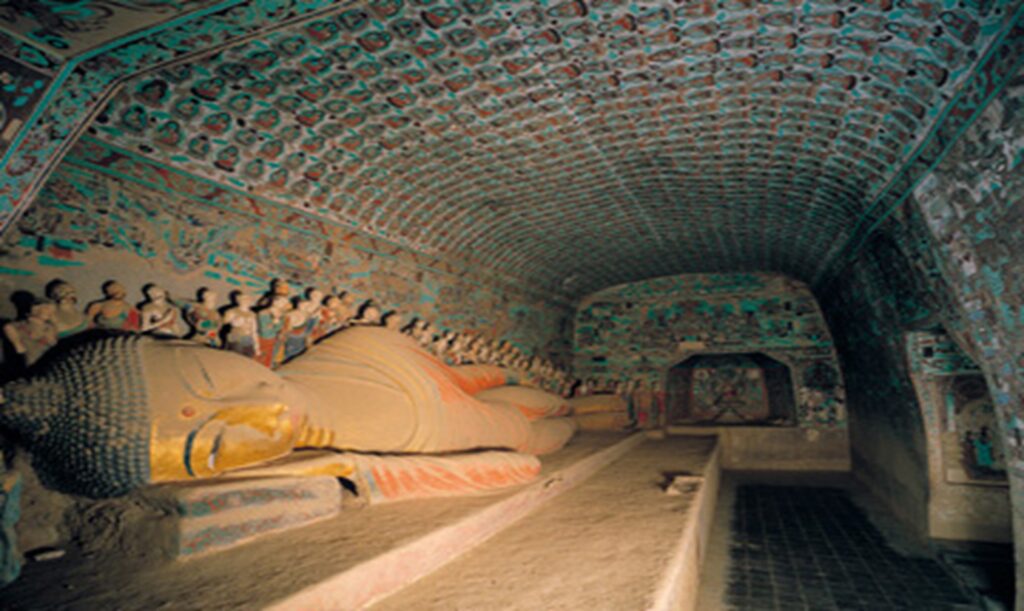
The Buddhist cave temples at Mogao near Dunhuang have undergone significant expansion. The site consists of a series of rock-cut grottoes featuring murals and statues ...
Explore event →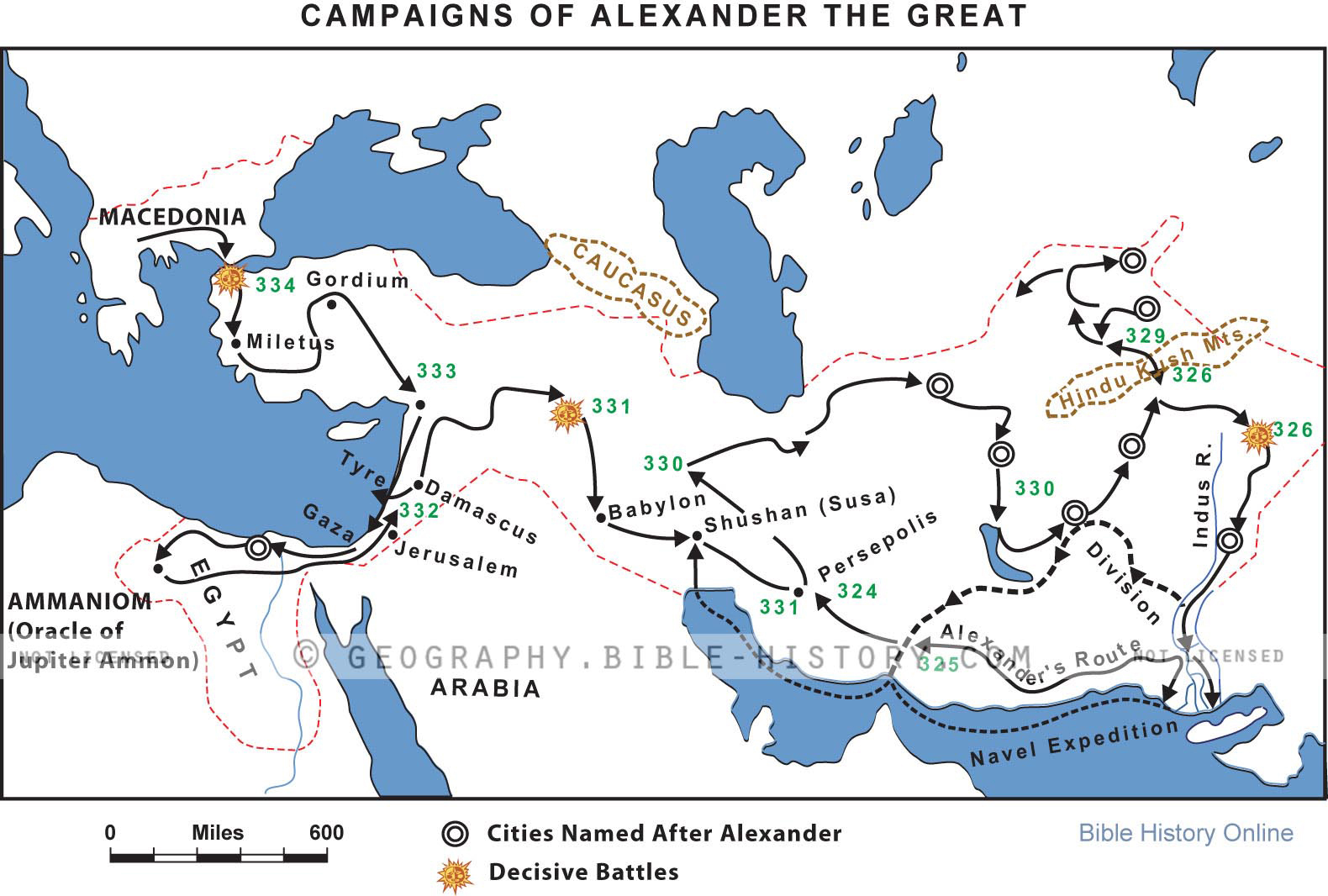
Alexander the Great Travels Through Palestine In October 332 B.C., during his campaign against the Persian Empire, Alexander III of Macedon, commonly known as Alexand...
Explore event →
The resurrection of Jesus Christ marks a central event in Christian belief, symbolizing his victory over death. Following his crucifixion, accounts describe Jesus risi...
Explore event →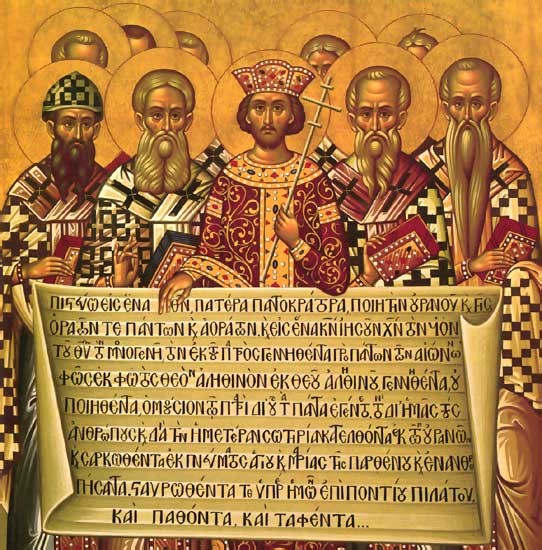
The Edict of Milan, issued in 313 CE by Roman emperors Constantine I and Licinius, granted religious tolerance throughout the Roman Empire. It ended the persecution of...
Explore event →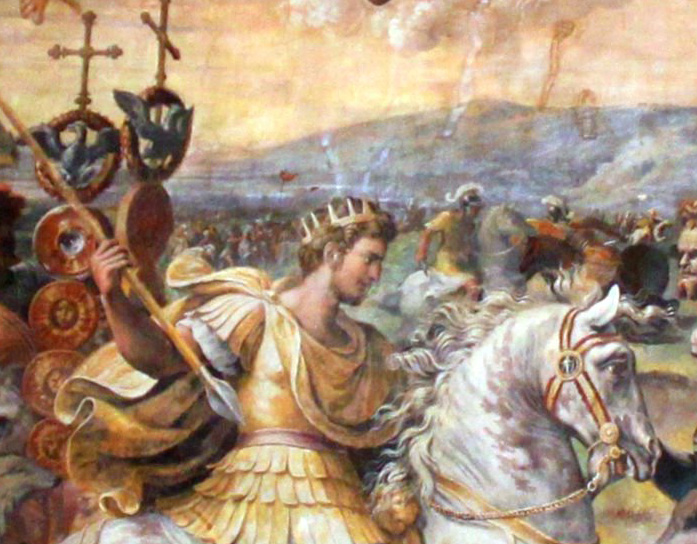
Emperor Constantine converted to Christianity after the Battle of the Milvian Bridge. His conversion led to the legalization of Christianity within the Roman Empire. ...
Explore event →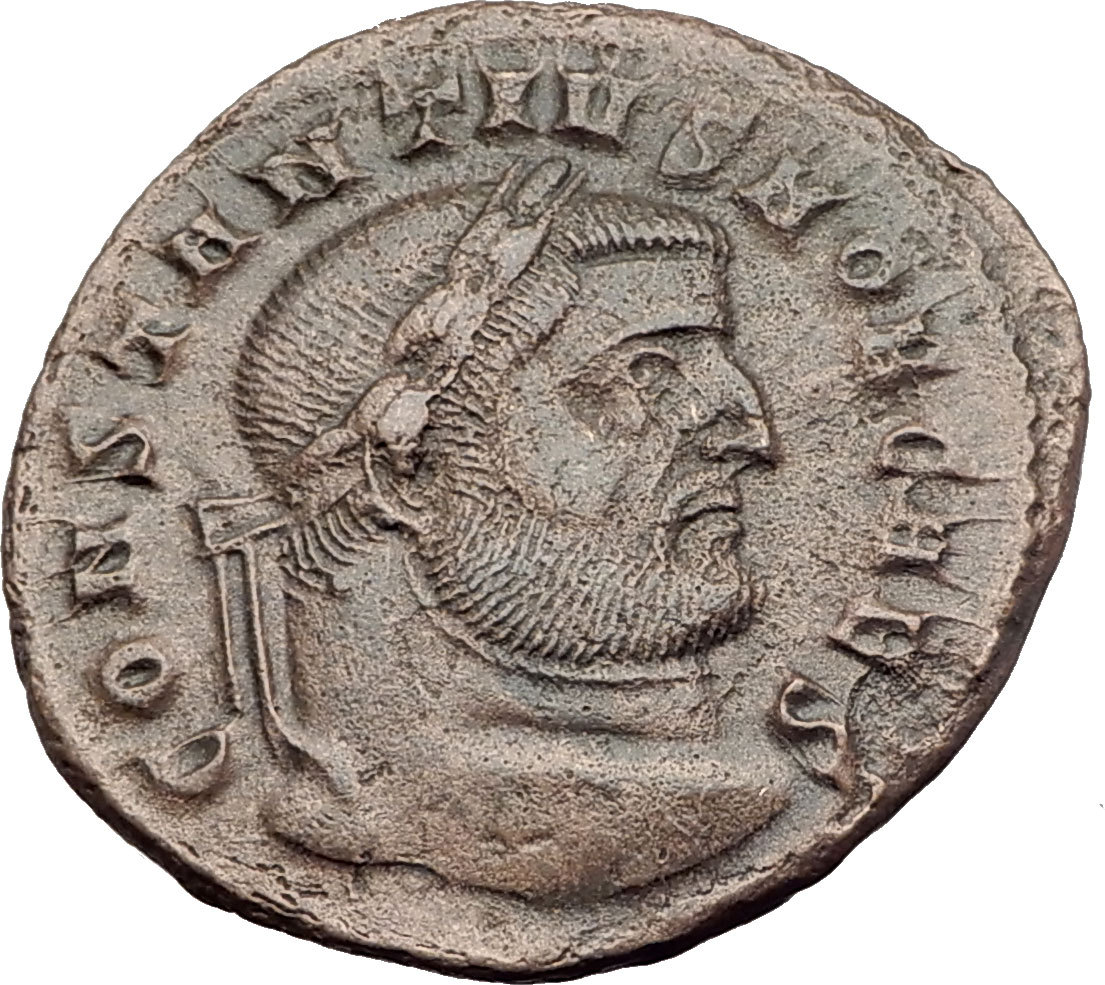
Constantius Chlorus was elevated to the rank of Augustus on May 1st, 305, following the abdication of the previous Tetrarchs, Diocletian and Maximian. This event marke...
Explore event →
Maximian, co-emperor of the Roman Empire, formally abdicated his position alongside Diocletian. This marked a significant moment in the Tetrarchy system, a power-shari...
Explore event →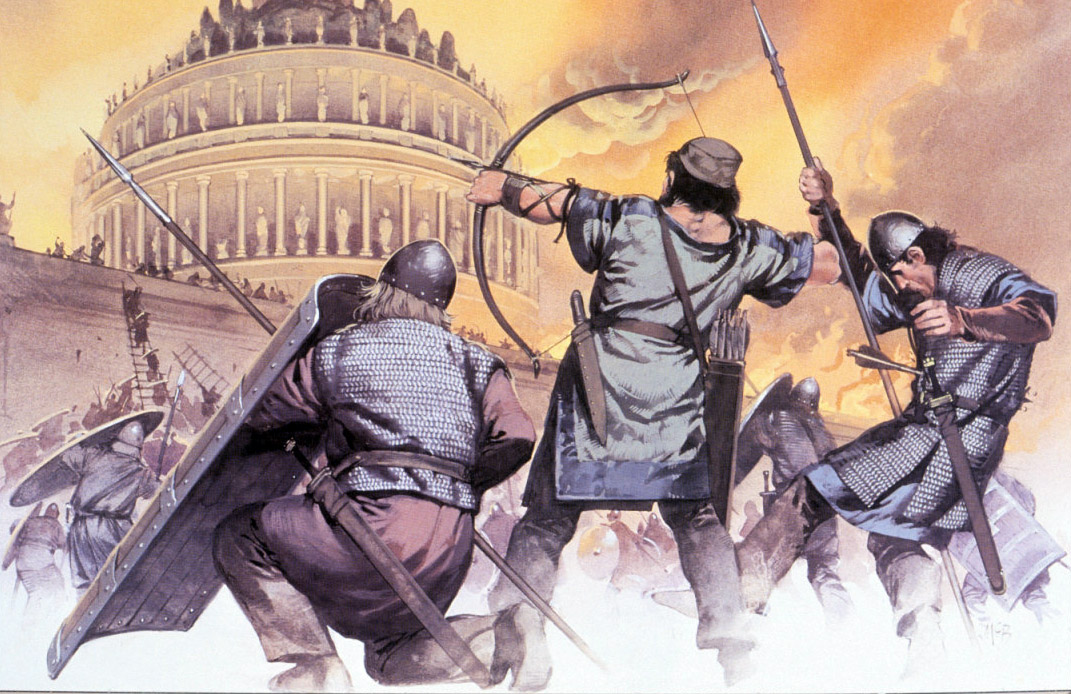
Emperor Diocletian formally abdicated the throne, marking a rare voluntary withdrawal from power by a Roman emperor. This significant event occurred as part of the Tet...
Explore event →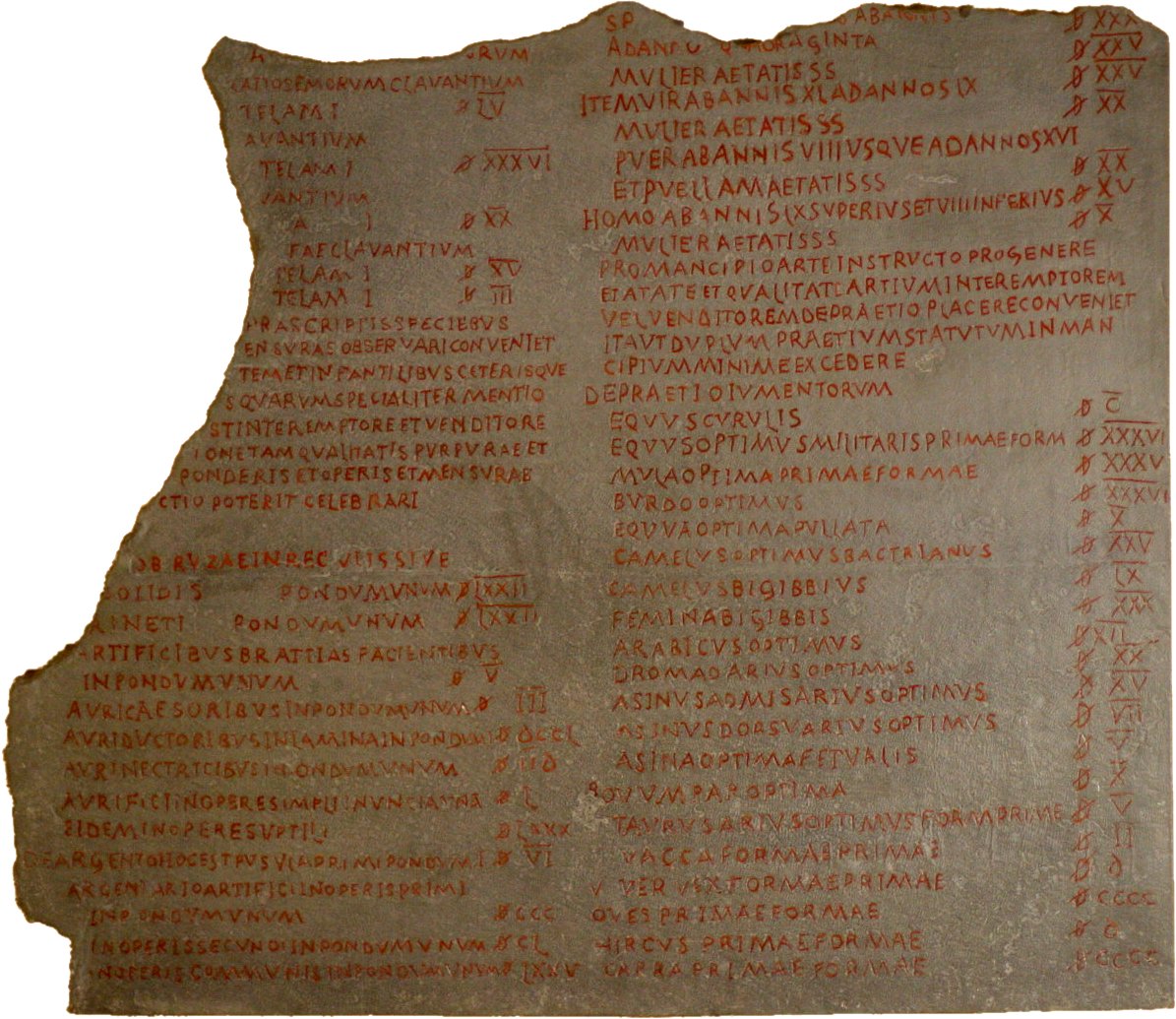
The Edict on Maximum Prices was promulgated under Emperor Diocletian in an effort to curb rampant inflation throughout the Roman Empire. The edict set maximum prices f...
Explore event →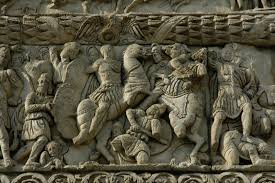
Galerius was appointed Caesar by Emperor Diocletian as part of the tetrarchy reform intended to stabilize and govern the Roman Empire more effectively. His promotion m...
Explore event →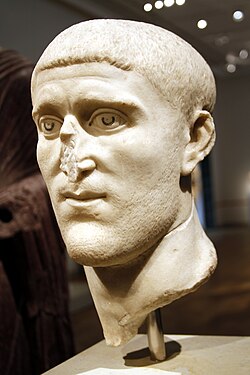
Constantius Chlorus was appointed Caesar by Emperor Diocletian as part of the Tetrarchy system to stabilize and govern the Roman Empire more effectively. This appointm...
Explore event →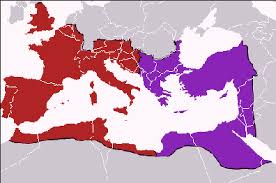
The Tetrarchy was established by Emperor Diocletian in 293 to address administrative and military challenges in the Roman Empire. This political system divided the emp...
Explore event →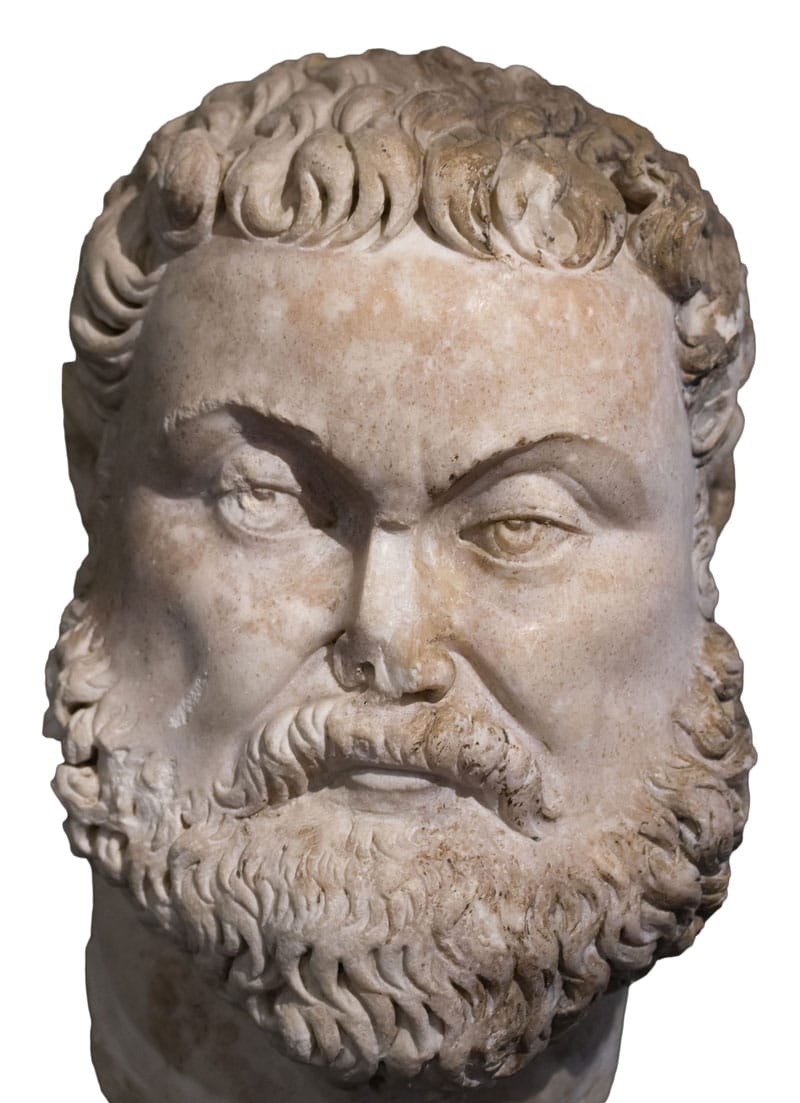
In April, the Roman Emperor Diocletian appointed Maximian as Augustus, elevating him to co-emperor status to help manage the vast Roman Empire. This move was part of a...
Explore event →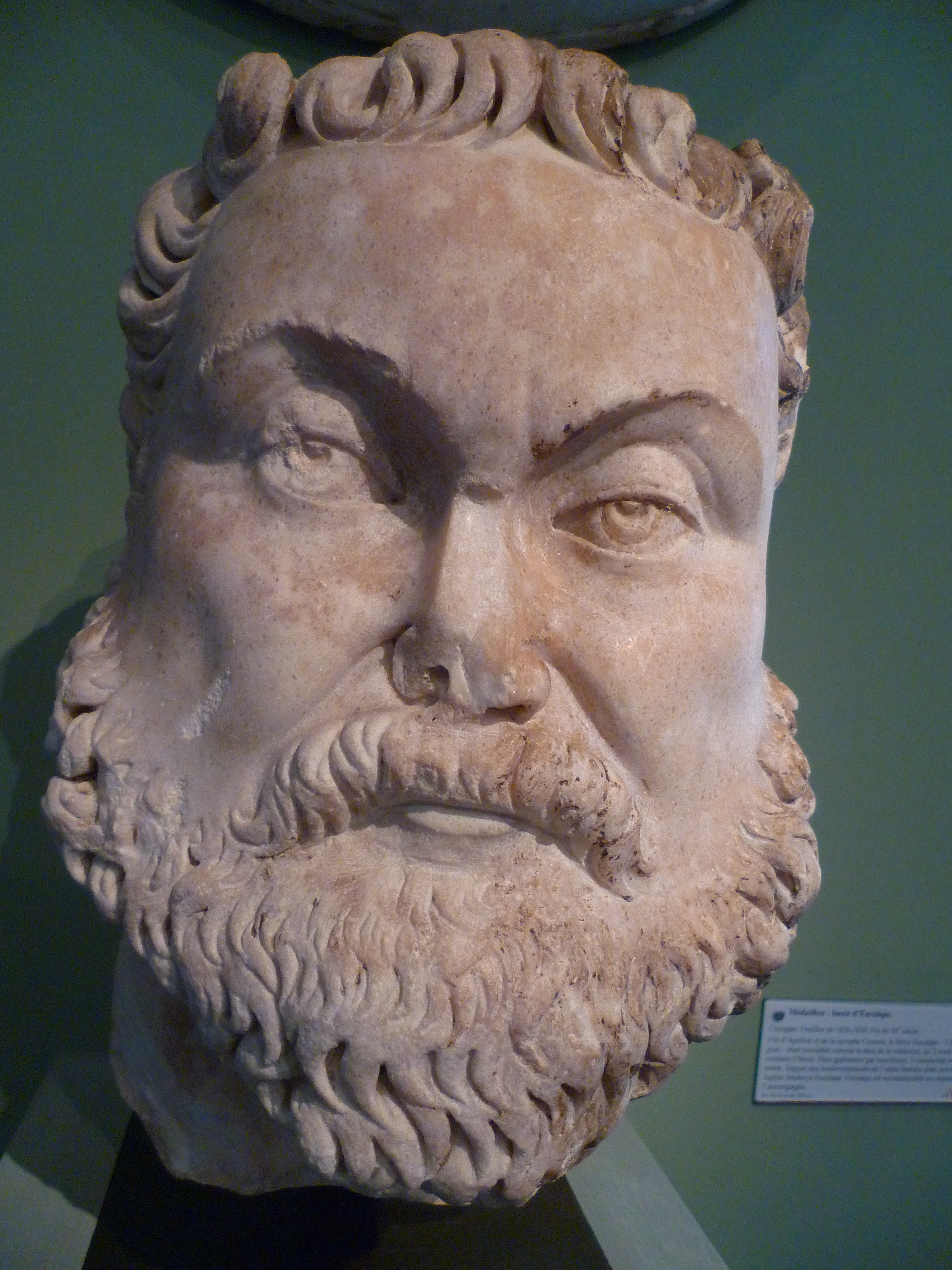
In April 286, the Roman Emperor Diocletian appointed Maximian as Caesar, marking a significant development in imperial governance. This act was meant to strengthen the...
Explore event →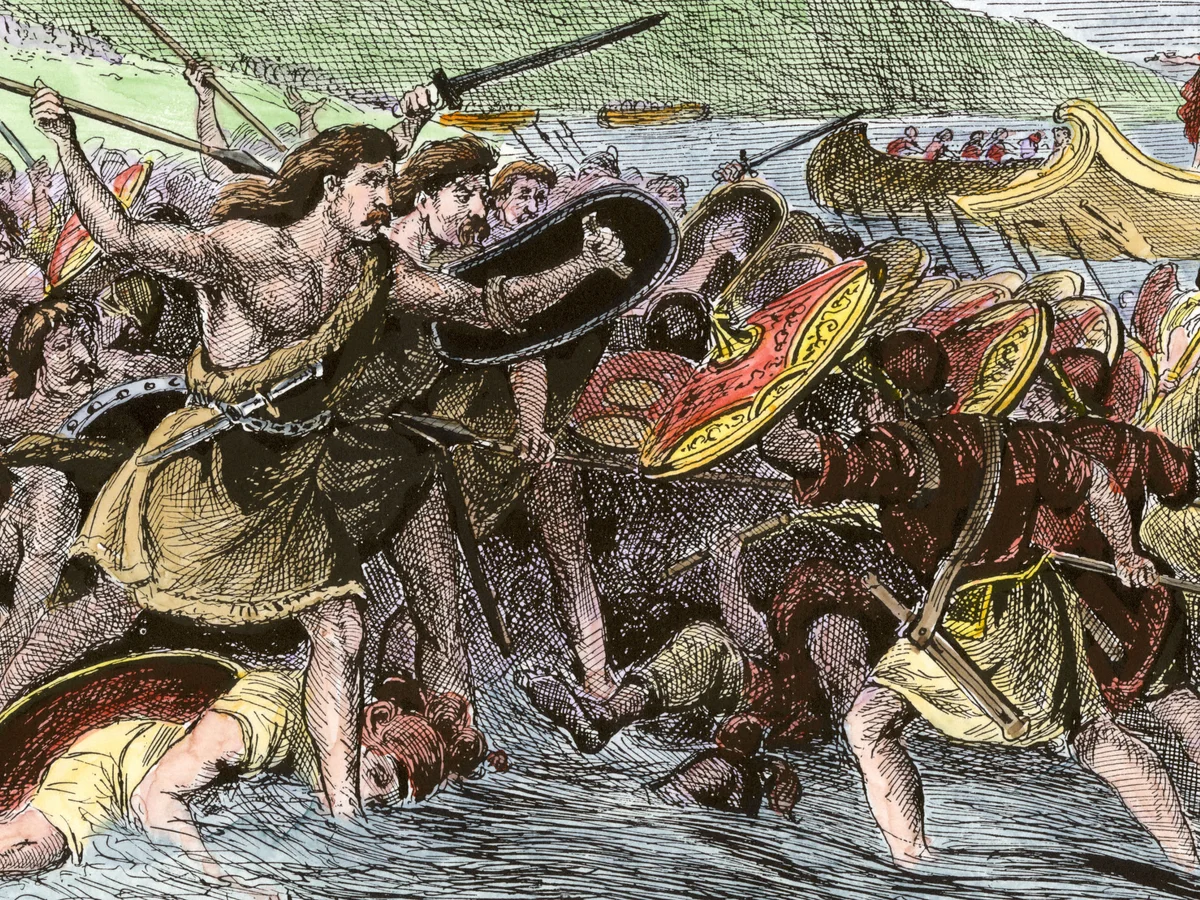
Carausius, a Roman naval commander, declared himself emperor in Britain and northern Gaul after seizing power around 286 CE. His revolt challenged the authority of the...
Explore event →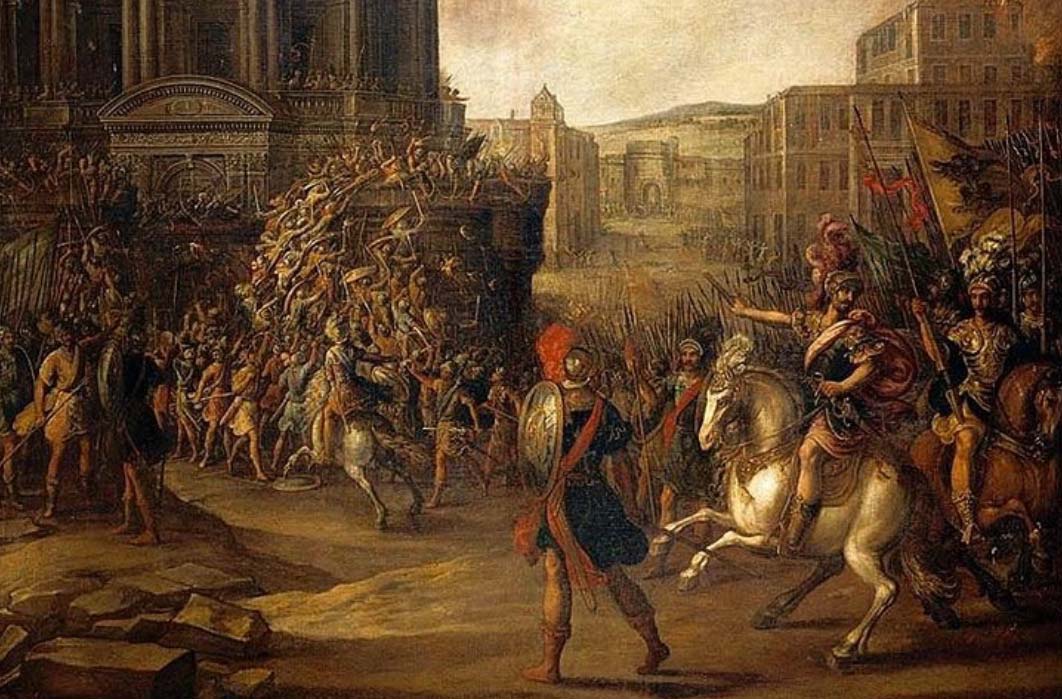
The Battle of the Margus was a significant confrontation between Emperor Carinus and his rival, Diocletian, near the Margus River in the Roman province of Moesia Super...
Explore event →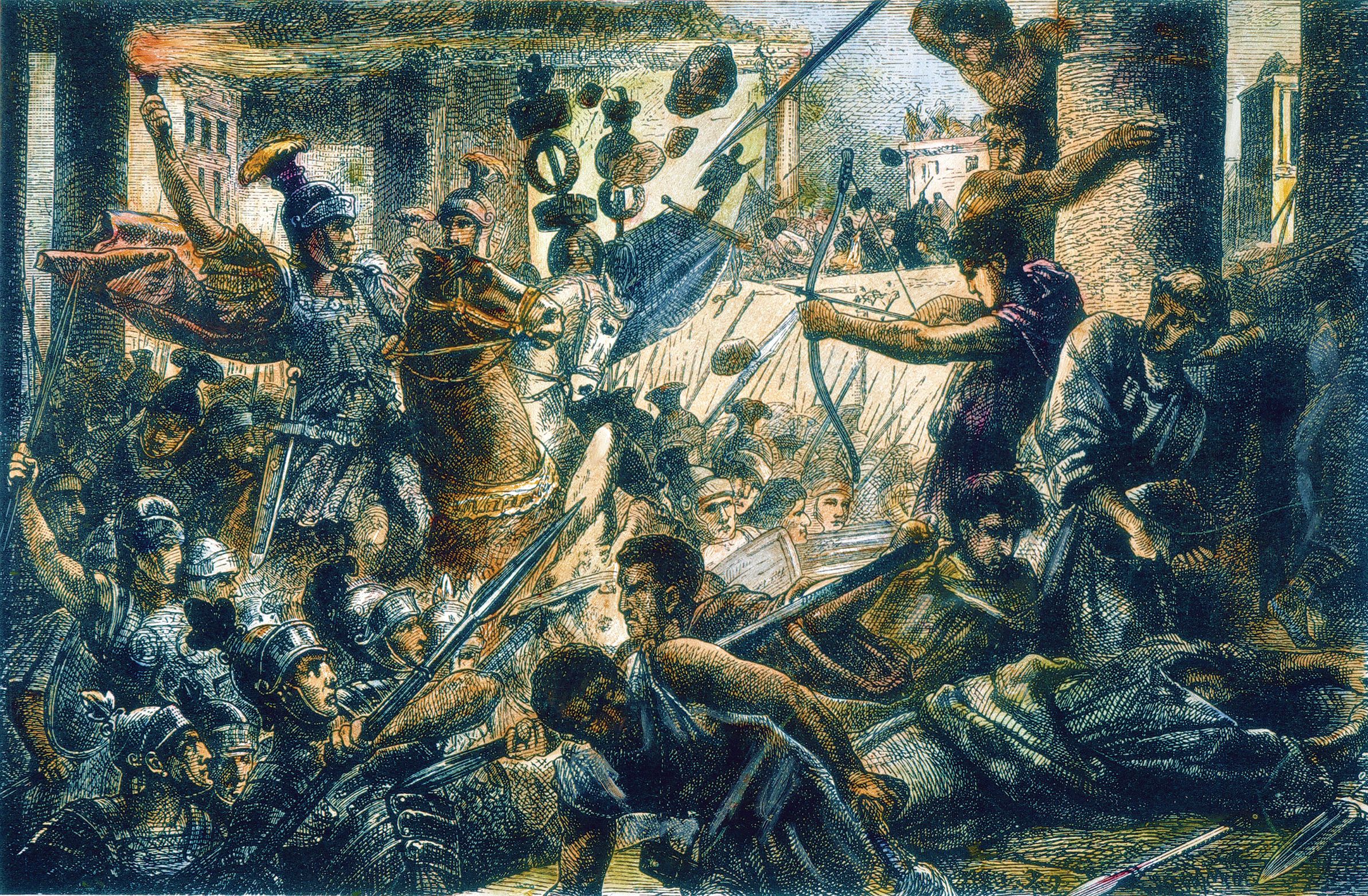
The Battle of the Margus was a significant confrontation during the Roman civil wars, taking place near the city of Margus in the Roman province of Moesia. The conflic...
Explore event →
6 August 2015 — Egypt inaugurates a major expansion of the Suez Canal involving a new parallel channel along part of the route and widening of existing sections. The g...
Explore research
2014–2026 — Egypt remains the most populous country in the Arab world and one of the principal political centers of the eastern Mediterranean and Middle East. Cairo do...
Explore research
30 June 2012 — Mohamed Morsi, associated with the Muslim Brotherhood's political movement, becomes Egypt's first president elected after the 2011 uprising. His governm...
Explore research
2011–2014 — Mubarak's fall opens competitive elections and unprecedented political participation, but the transition rapidly produces institutional conflict, polarizat...
Explore research
1991–2026 — Albania develops as a parliamentary republic after the collapse of communist rule. It joins NATO, pursues European Union membership and undergoes rapid urb...
Explore research
8 December 1990 — Students in Tirana begin demonstrations demanding political and economic change. The protests rapidly become a national challenge to communist one-pa...
Explore research
Untitled1990s–present — The collapse of communist controls produces large migration flows toward Italy, Greece, Germany, the United States and elsewhere. Emigration be...
Explore research
29 November 1944 — German forces have withdrawn and the communist-led National Liberation Movement controls the country. Rival political organizations are rapidly excl...
Explore research
January–June 1919 — France prioritizes security and compensation for destruction. Britain wants Germany constrained without permanently destroying European economic st...
Explore research
3 November 1918 — Sailors at Kiel revolt after naval leaders attempt to send the fleet into a final battle. The mutiny spreads into a wider revolutionary movement as w...
Explore research
August–November 1918 — Germany and its allies face military retreat, shortages, exhaustion and growing political instability. Bulgaria, the Ottoman Empire and Austria-...
Explore research
January–March 1918 — Russia's withdrawal gives Germany a temporary manpower advantage in the west, but American troops are arriving rapidly. Hindenburg and Ludendorff ...
Explore research
6 April 1917–11 November 1918 — The United States begins converting its enormous economy and population into military power. Millions of men enter the draft system whi...
Explore research
1 February 1917–11 November 1918 — German submarines attack merchant shipping in an attempt to reduce British imports below sustainable levels. Early shipping losses a...
Explore research
Late 1917–March 1918 — The collapse of Russian resistance allows Germany to move divisions from the Eastern Front toward France and Belgium. German commanders understa...
Explore research
1916–1918 — Governments expand control over labor, food, transportation, prices and industrial production. Women enter many sectors previously dominated by men. Coloni...
Explore research
American banker, philanthropist, and international affairs figure. He served as chairman and chief executive of Chase Manhattan Bank and was a major participant in org...
Explore research
6 September 1914 — French and British forces begin the counteroffensive known as the First Battle of the Marne. The German advance toward Paris is halted and German ar...
Explore research
May–June 1914 — Members of the assassination conspiracy obtain pistols, bombs and assistance through contacts associated with Serbian nationalist and military-intellig...
Explore research
1914–1919 — The Royal Navy progressively restricts German access to food, fertilizer, metals, chemicals and overseas trade. Neutral shipping is increasingly subjected ...
Explore research
1914–1919 wartime role — Britain's navy protects imperial shipping routes, contains the German High Seas Fleet and implements the maritime blockade of the Central Powe...
Explore research
Untitled1914–1918 — Industrial warfare requires food, coal, metals, chemicals, credit and shipping on unprecedented scales. Britain attempts to deny overseas resources...
Explore research
28 November 1912 — Delegates meeting at Vlorë proclaim Albania independent from the Ottoman Empire during the First Balkan War. Ismail Qemali leads the provisional gov...
Explore research
1911–1917 — Unification or Death, commonly called the Black Hand, is a secret Serbian nationalist organization containing influential military officers. Individuals as...
Explore research