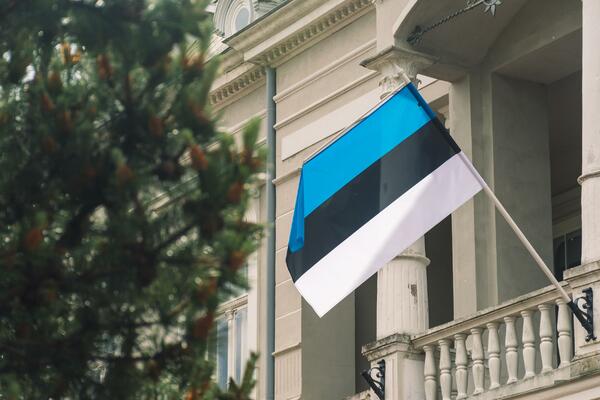
Estonia government loses majority
Estonia's governing coalition lost its parliamentary majority on August 10, 2026, after two members of parliament left parties belonging to the government. The defecti...
Explore event →History does not happen in isolation. Explore world events across time, follow the connections between them, and investigate the threads that reveal how one event can lead to another.
TheTimeMap currently follows events across 95 countries and 268 years of history — building a connected archive designed for people who want to look beyond the headline.
We oppose antisemitism, racism, and dehumanization — everywhere.
When people stop feeling, injustice becomes easy.
Estonia's governing coalition lost its parliamentary majority on August 10, 2026, after two members of parliament left parties belonging to the government. The defecti...
Explore event →
Moshe Feiglin, an Israeli politician and former member of the Knesset, has advocated policies involving the displacement of Palestinians from the Gaza Strip. Feiglin i...
Explore event →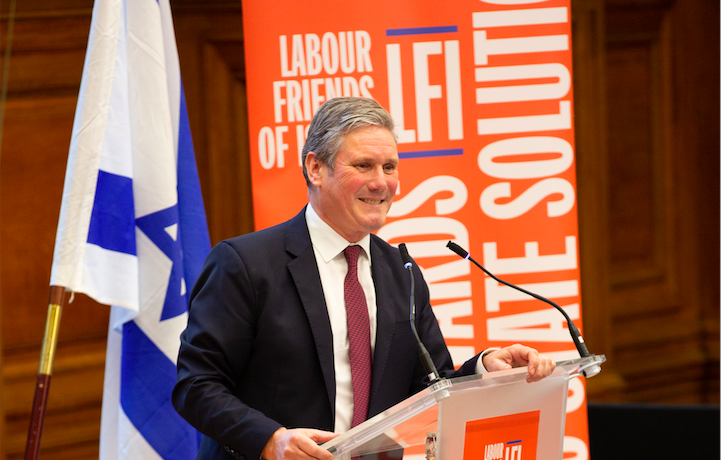
British Prime Minister Keir Starmer announced his resignation as leader of the Labour Party and stated that he would step down as prime minister once a successor is ch...
Explore event →
On March 30, 2026, Israel’s parliament passed a law authorising the death penalty for Palestinians convicted of lethal attacks, particularly those involving the killin...
Explore event →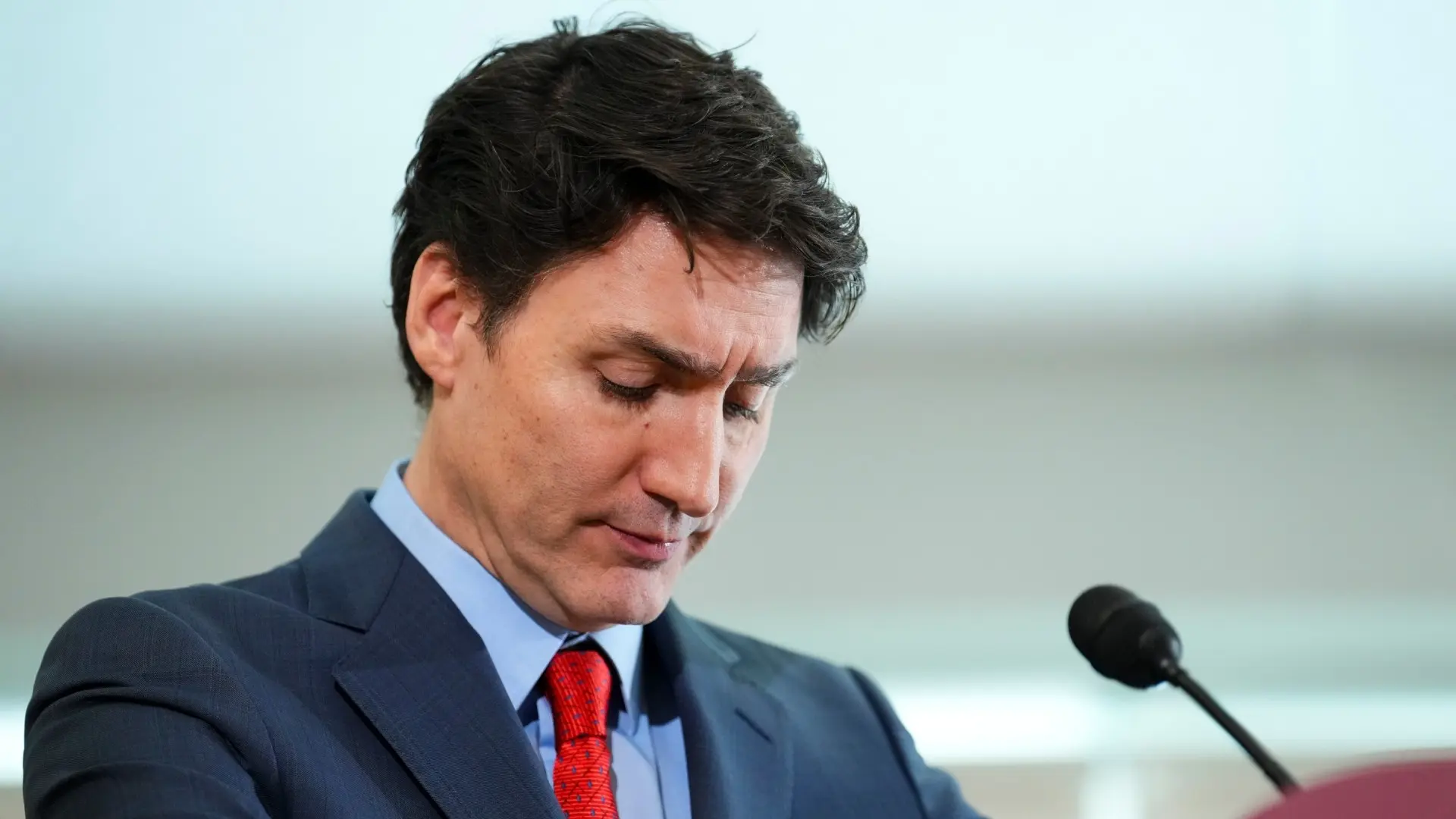
Major Canadian Political and Social Events Timeline body { font-family: Arial, sans-serif; background-color: #f4f4f9; margin: 0; padding: 0; } .timeline-...
Explore event →
On February 12, 2026, Norwegian police searched properties belonging to former prime minister and Council of Europe secretary‑general :contentReference[oaicite:0]{inde...
Explore event →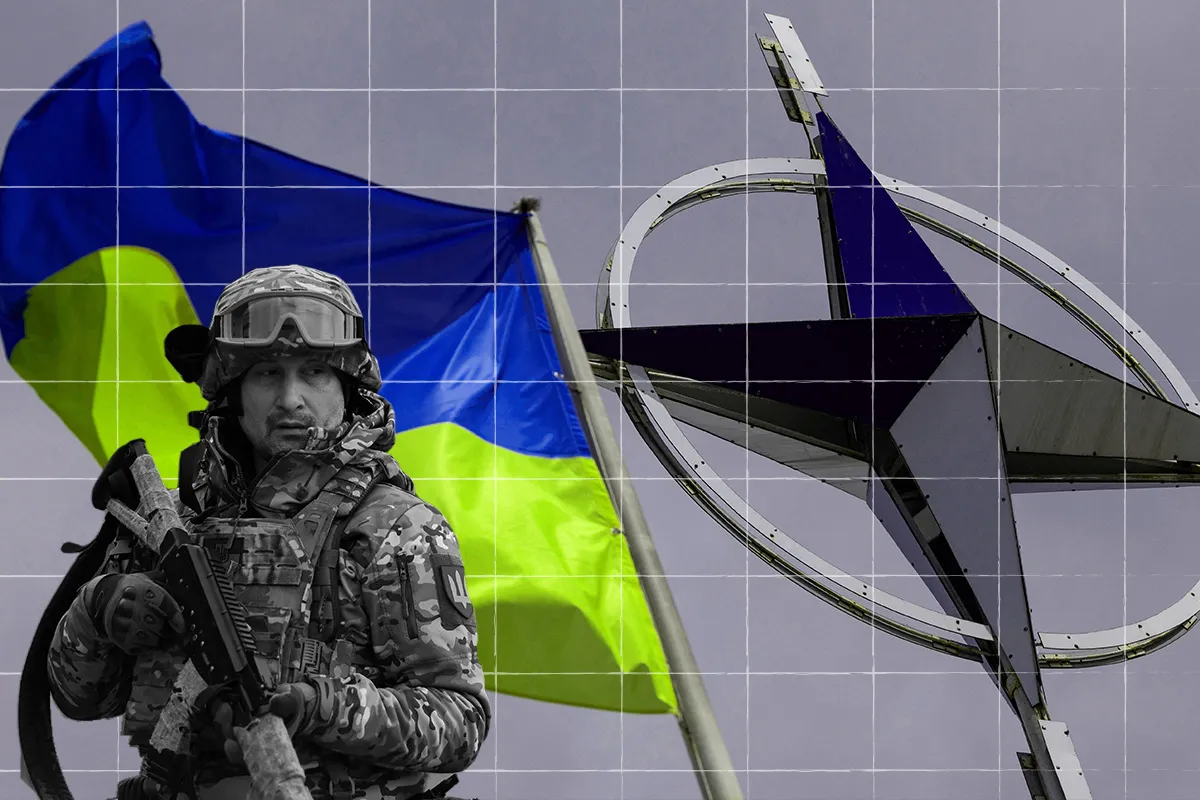
European Parliament raises concerns over NATO military transparency In early February 2026, members of the European Parliament raised concerns during commit...
Explore event →
Health Canada delays access to vaccine injury records for up to 15 years On February 3, 2026, documents tabled in the Canadian Parliament and reported by me...
Explore event →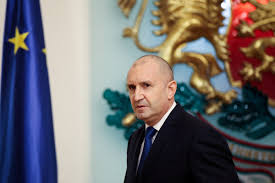
On January 23, 2026, Bulgaria’s Constitutional Court formally approved the resignation of President Rumen Radev, allowing him to step down before the end of his term, ...
Explore event →
Iran Considers Lifting Internet Ban as Protest Death Toll Reported As of January 19 2026, Iran is debating a partial lifting of its nationwide internet blackout that ...
Explore event →
Ayman Odeh Calls Netanyahu A Serial Killer Of Peace In Knesset Speech On November 18, 2024, Ayman Odeh, a member of the Israeli Knesset and leader of the Hada...
Explore event →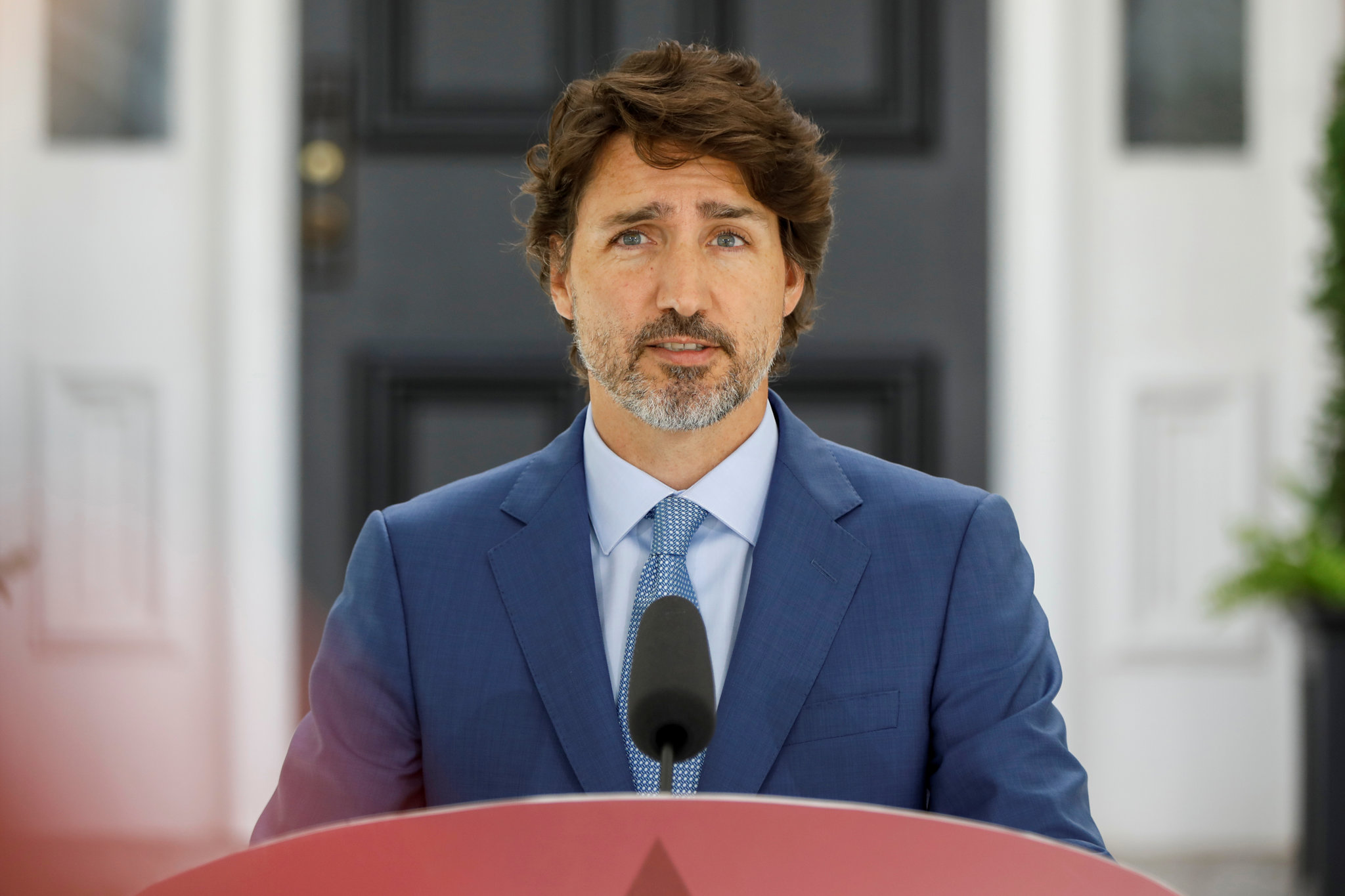
On July 10, 2020, Canadian Prime Minister Justin Trudeau came under intense scrutiny regarding the federal government’s decision to award a $912 million student volunt...
Explore event →
WE Charity, which was involved in a major Canadian federal grant program, faced scrutiny over conflicts of interest involving members of the Trudeau family and the awa...
Explore event →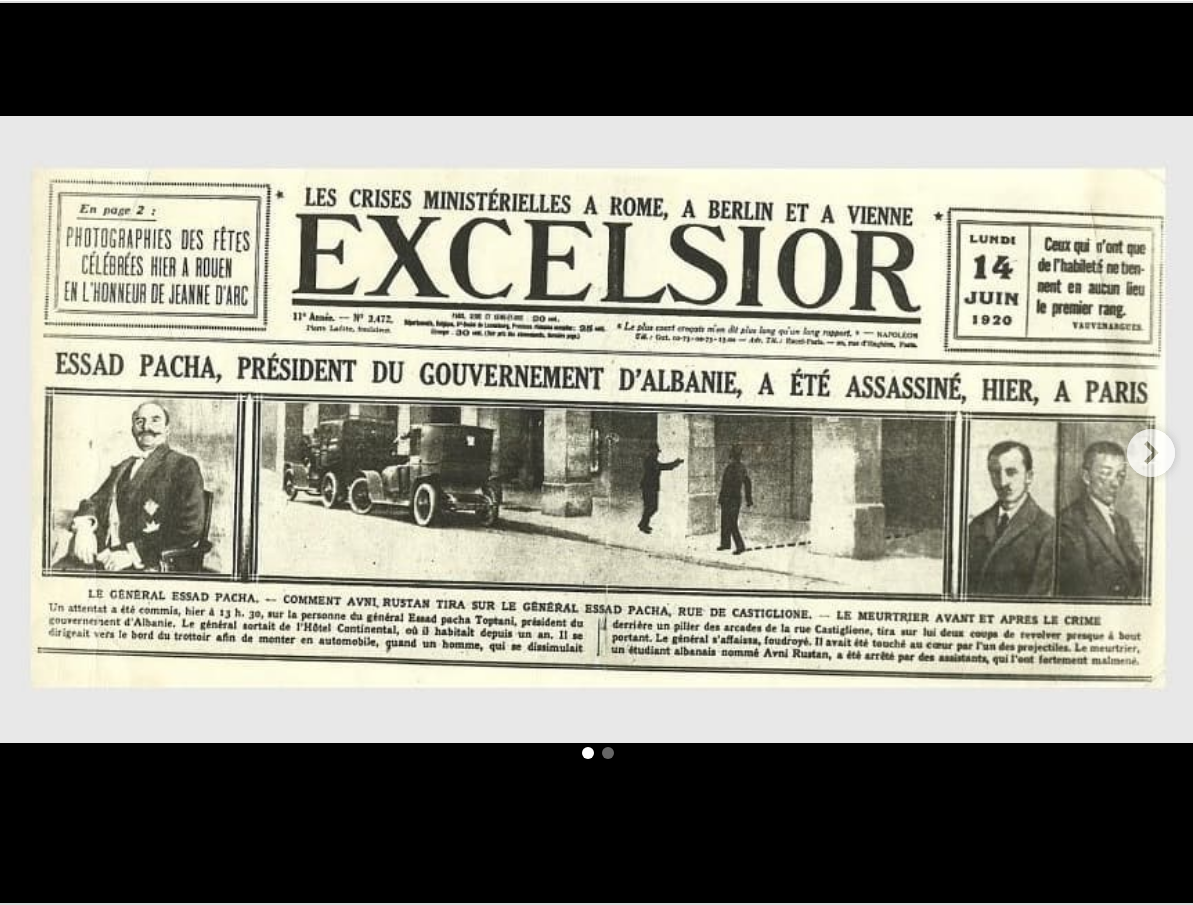
On June 17, 1920, Albanian nationalist Avni Rustemi traveled to Paris and assassinated Essad Pasha Toptani, a former Albanian politician and military leader. Essad Pas...
Explore event →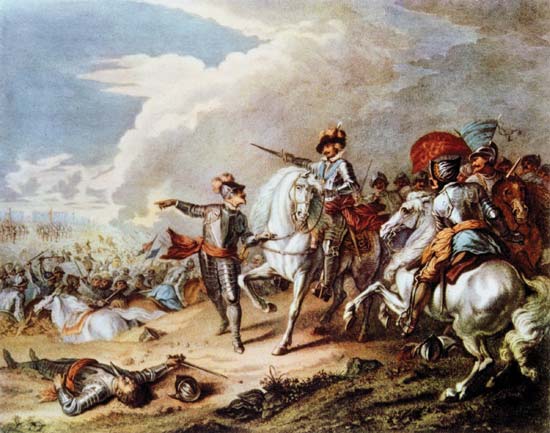
The English Civil War began between Royalists and Parliamentarians, reflecting conflicts over monarchy, parliamentary power, and religious freedom.
Explore event →
28 November 1998 — Albania adopts a new constitution after the instability of the early post-communist period. It establishes the fundamental institutional framework o...
Explore research
31 March 1991 — Albania holds its first competitive multiparty parliamentary elections since the communist takeover. The former communist Party of Labour wins, but the...
Explore research
1991–2026 — Albania develops as a parliamentary republic after the collapse of communist rule. It joins NATO, pursues European Union membership and undergoes rapid urb...
Explore research
1922–1953 — Egypt operates as a constitutional monarchy shaped by constant competition among the palace, the Wafd Party and British power. Parliamentary government exi...
Explore research
29 October 1922 — King Victor Emmanuel III asks Mussolini to form a government following the March on Rome. Mussolini gradually destroys parliamentary democracy and co...
Explore research
23 March 1933 — The Reichstag passes legislation allowing Hitler's cabinet to enact laws without normal parliamentary approval. Communist deputies are absent or impris...
Explore research
30 March 1930 — Heinrich Brüning becomes German chancellor as parliamentary government becomes increasingly unstable. Presidents and chancellors rely more heavily on A...
Explore research
Today Greece is a parliamentary republic, EU and NATO member linking southeastern Europe with the eastern Mediterranean.
Explore research
27 February 1933 — Germany's parliament building burns in Berlin. The Nazi government uses the crisis to portray communism as an immediate revolutionary threat. Presid...
Explore research
11 August 1919 — Germany adopts a democratic constitution establishing the Weimar Republic. The new political system combines parliamentary government with a powerful ...
Explore research