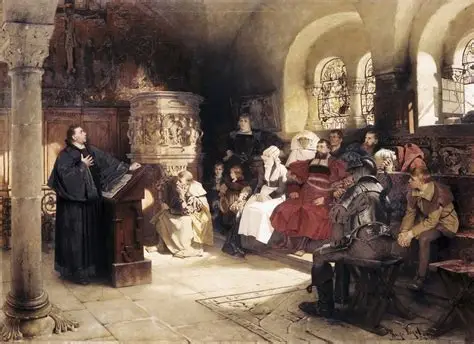
The Protestant Reformation
Martin Luther challenged Church practices by publishing his Ninety-Five Theses. The movement questioned papal authority and emphasized scripture and faith. This perm...
Explore event →History does not happen in isolation. Explore world events across time, follow the connections between them, and investigate the threads that reveal how one event can lead to another.
TheTimeMap currently follows events across 95 countries and 268 years of history — building a connected archive designed for people who want to look beyond the headline.
We oppose antisemitism, racism, and dehumanization — everywhere.
When people stop feeling, injustice becomes easy.
Martin Luther challenged Church practices by publishing his Ninety-Five Theses. The movement questioned papal authority and emphasized scripture and faith. This perm...
Explore event →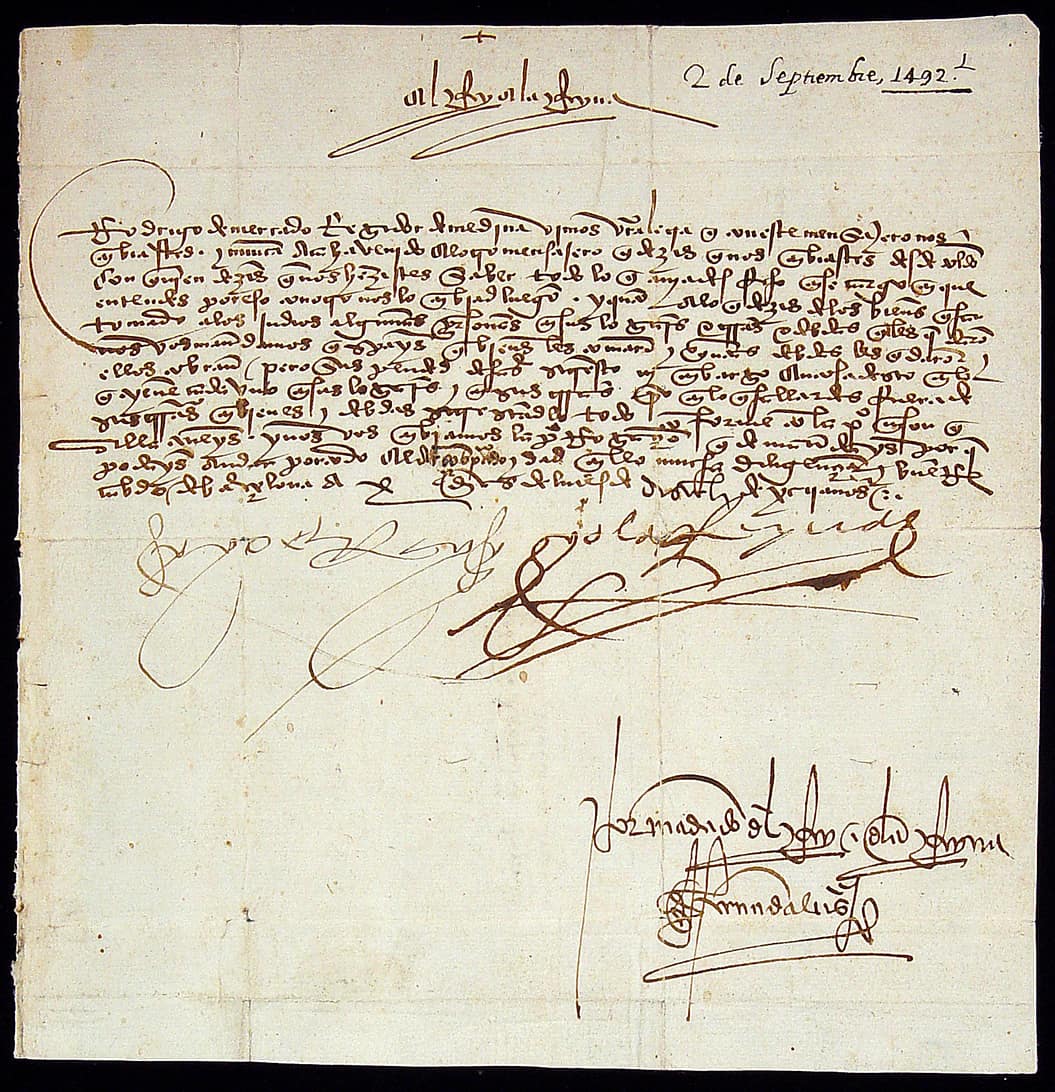
On March 31, 1492, the Catholic Monarchs of Spain, Isabella I of Castile and Ferdinand II of Aragon, issued the Alhambra Decree, ordering all Jews in Castile and Arago...
Explore event →
The Tome of Leo was issued as a formal declaration by Pope Leo I articulating the doctrinal position of the Church concerning the divine and human natures of Christ. T...
Explore event →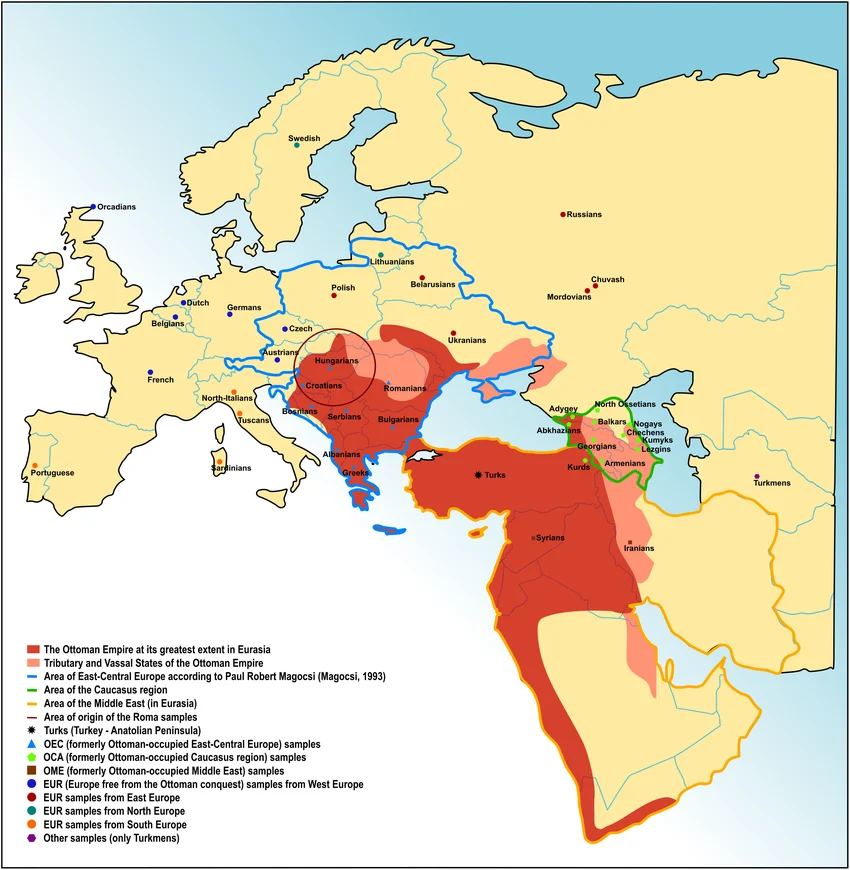
The Ottoman Empire expanded from a small Anatolian principality into one of the largest empires in history. Between the fourteenth and early twentieth centuries, Ottom...
Explore event →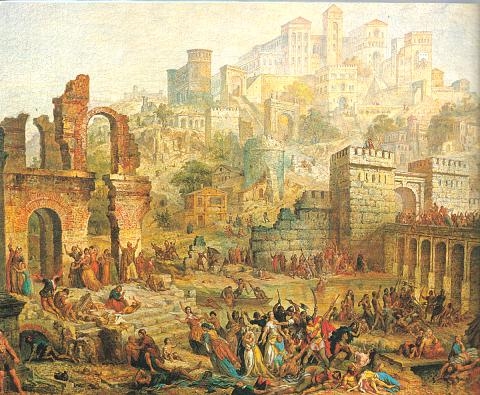
Expulsion of Jews from Speyer On October 15, 1435, the city council of Speyer, a city within the Holy Roman Empire, issued an expulsion order for all Jewish residents...
Explore event →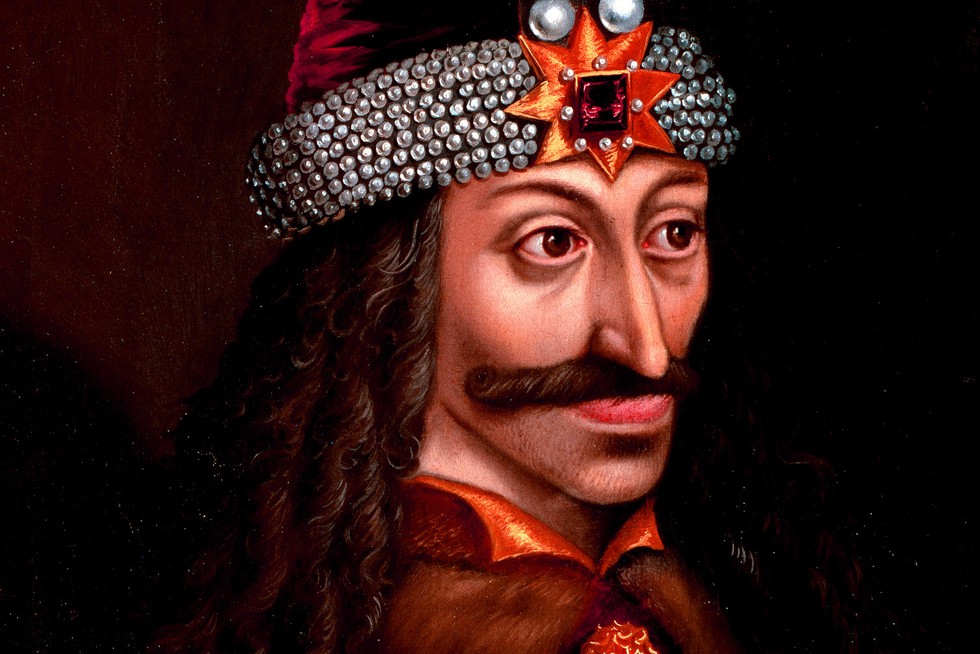
Vlad III Dracula, Prince of Wallachia Vlad III, also known as Vlad the Impaler or Dracula, was born in 1431 in Transylvania, part of the Kingdom of Hungary ...
Explore event →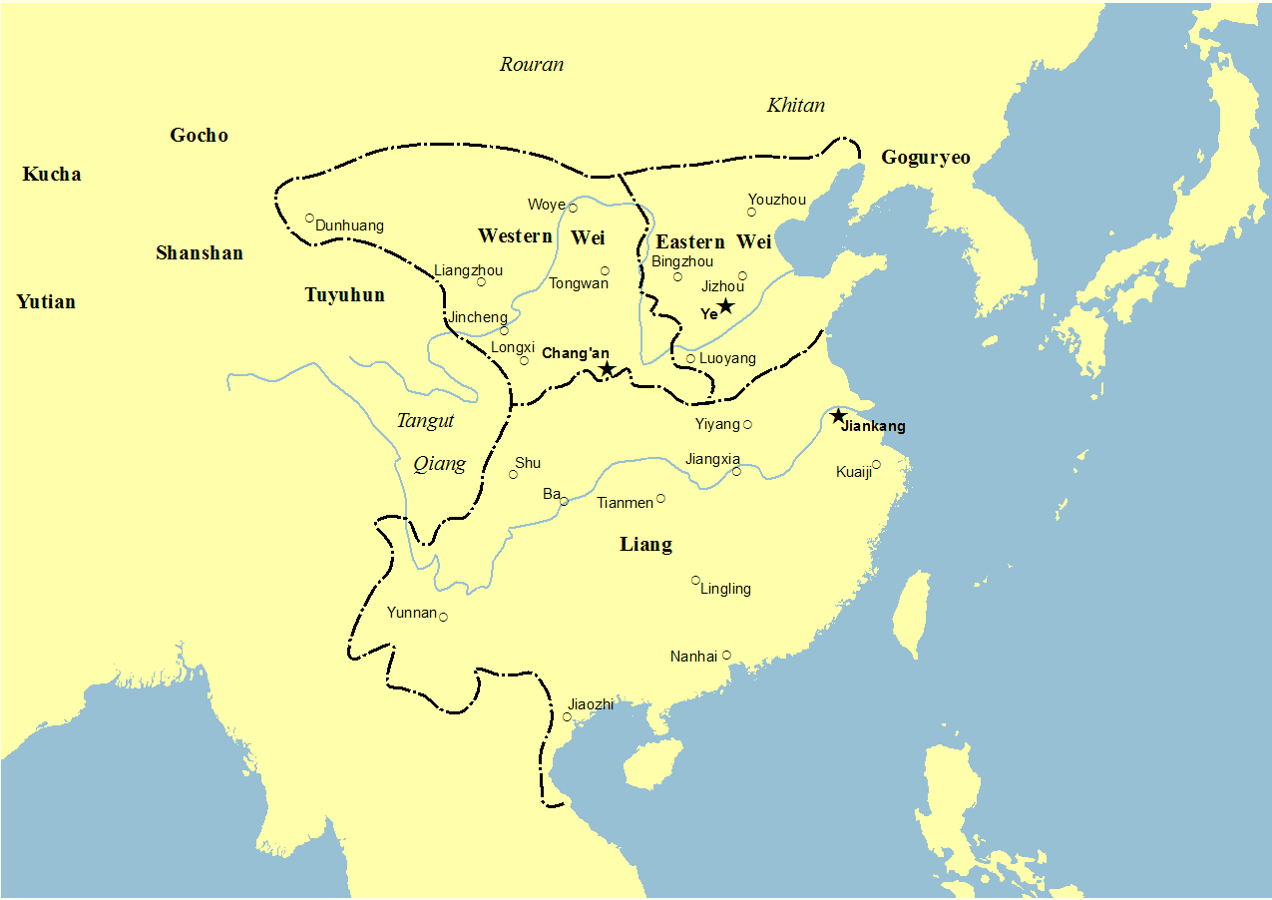
In early March 1371, Cham forces launched a significant raid on the Jiaozhi region of northern Vietnam. The attack targeted local settlements and disrupted the regiona...
Explore event →
Expulsion of Jews from France On July 22, 1306, King Philip IV of France, also known as Philip the Fair, issued an edict expelling all Jews from the kingdom. The expu...
Explore event →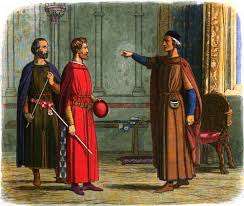
Expulsion of Jews from England On July 18, 1290, King Edward I issued the Edict of Expulsion, ordering all Jews to leave the Kingdom of England. The decree affected J...
Explore event →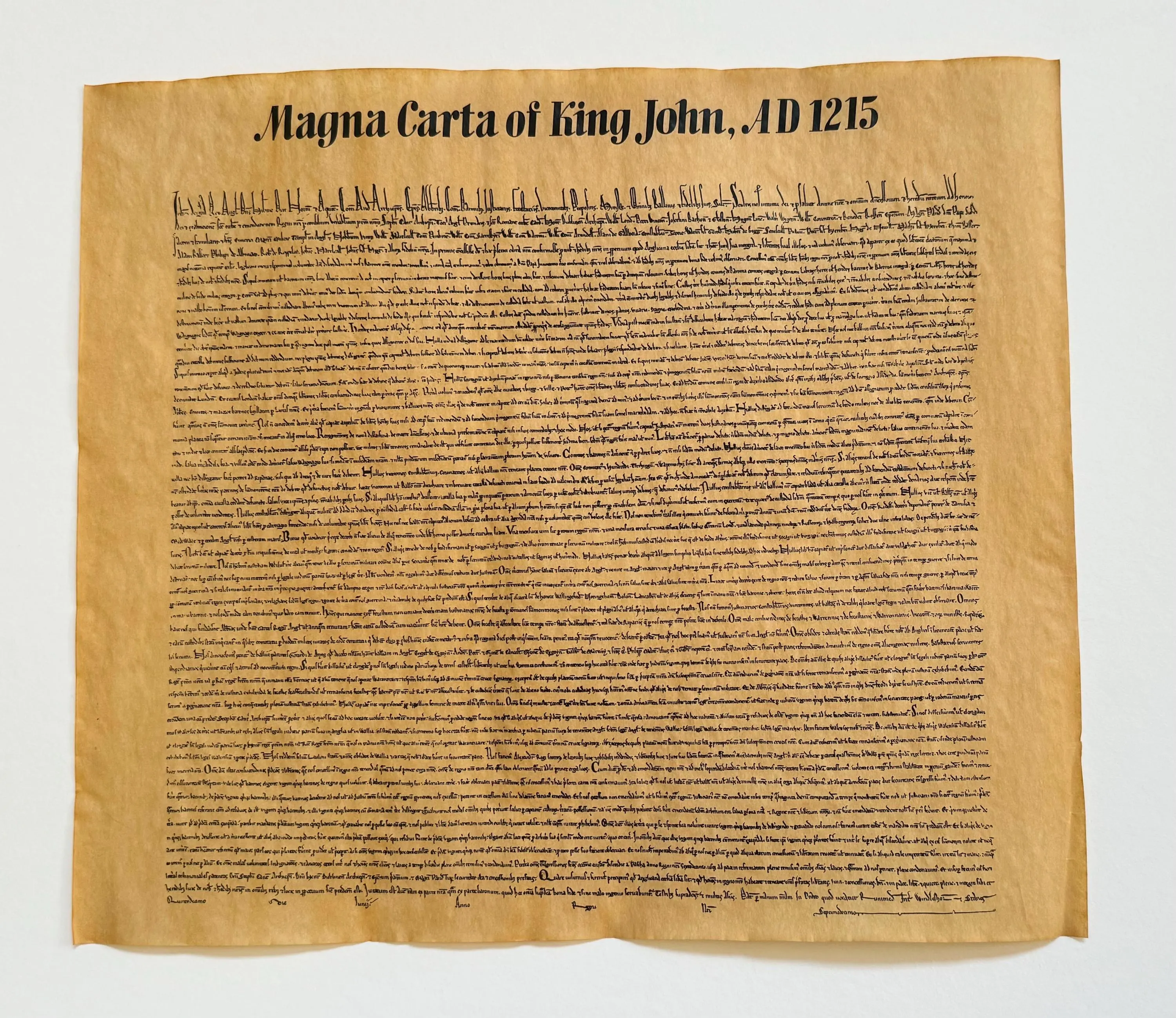
The Magna Carta was signed by King John of England, limiting royal authority and establishing early principles of legal rights for subjects, laying the foundation for ...
Explore event →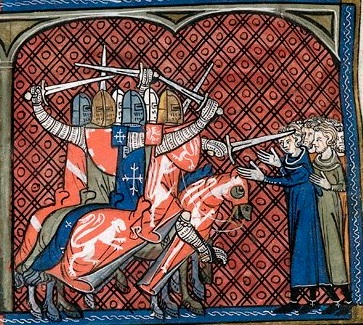
The Albigensian Crusade was a 20-year military campaign initiated by the Catholic Church to eliminate Catharism in the Languedoc region of southern France. It began in...
Explore event →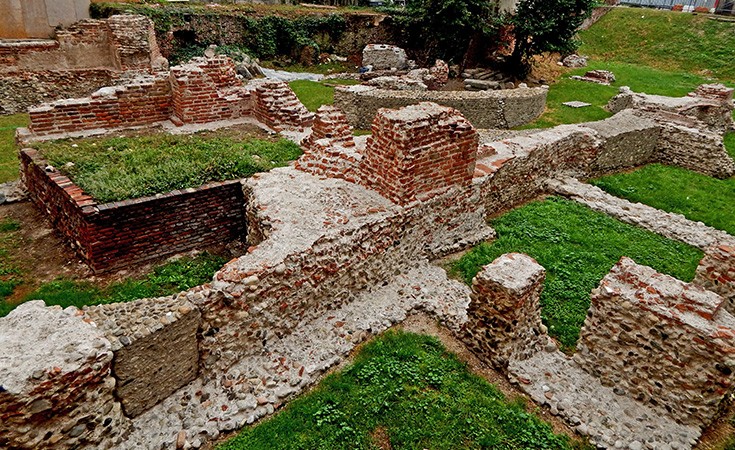
The imperial court transferred its seat to Milan, marking a significant shift in political power within the region. This relocation allowed closer control over norther...
Explore event →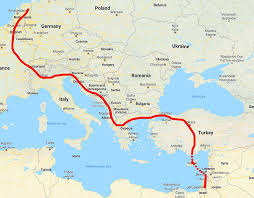
New pilgrimage routes to Jerusalem have been established, enhancing access for travelers and worshippers. These pathways enable smoother and safer journeys for pilgrim...
Explore event →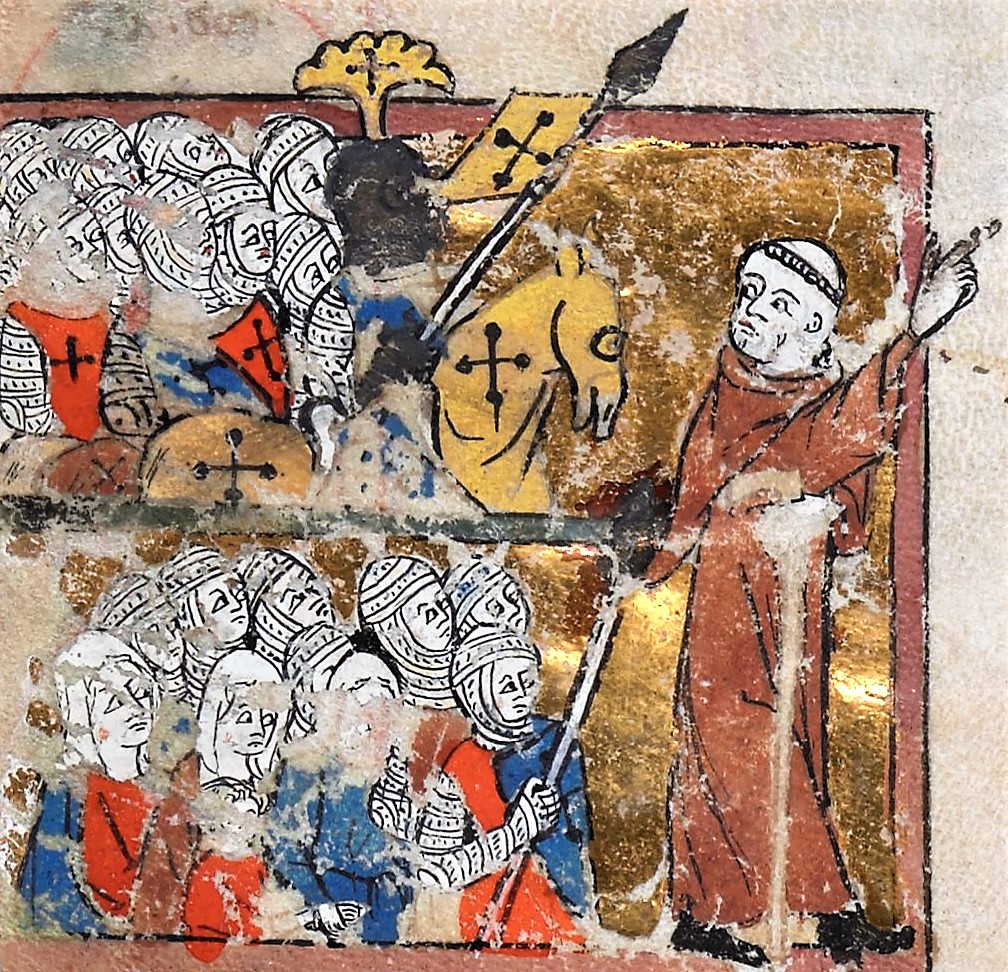
Origins And Objectives Of The Crusades The Crusades were a series of military campaigns initiated between 1095 and 1291, primarily aimed at capturing or def...
Explore event →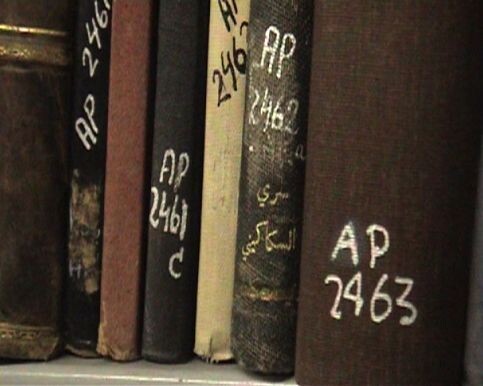
Great Book Robbery of 1948 In 1948, during the Arab–Israeli War following the end of the British Mandate for Palestine, thousands of books and manuscripts were stolen...
Explore event →
The Khazarian Empire: History, Territory, and Conversion to Judaism The Khazar Empire was a Turkic polity that emerged in the mid-seventh century and became...
Explore event →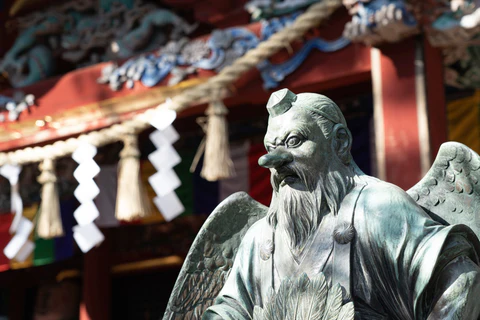
The Tengu are supernatural beings from Japanese mythology known for their association with mountains, forests, and spiritual power. They have been part of traditional ...
Explore event →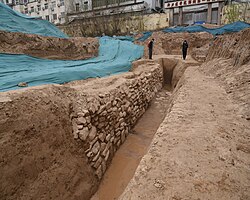
Chang’an, the capital of the Tang dynasty, was violently sacked by rebel forces led by Huang Chao. The siege resulted in widespread destruction and the collapse of cen...
Explore event →
Sogdian merchants played a crucial role in expanding trade routes across Central Asia during the early medieval period. Centered in the city of Samarkand, they facilit...
Explore event →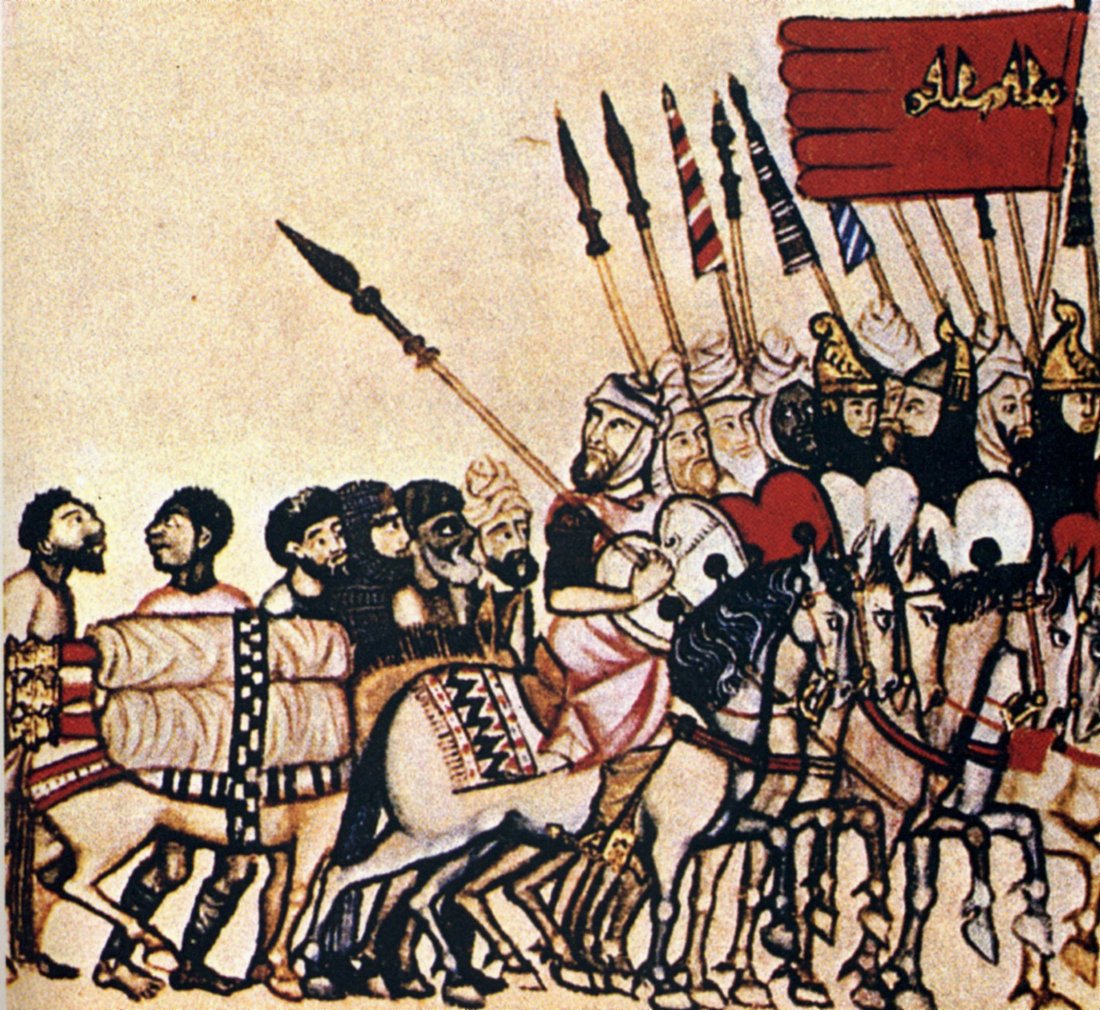
Moorish Invasion Of The Iberian Peninsula On April 30, 711, Umayyad forces led by the Berber commander Tariq ibn Ziyad crossed the Strait of Gibraltar from ...
Explore event →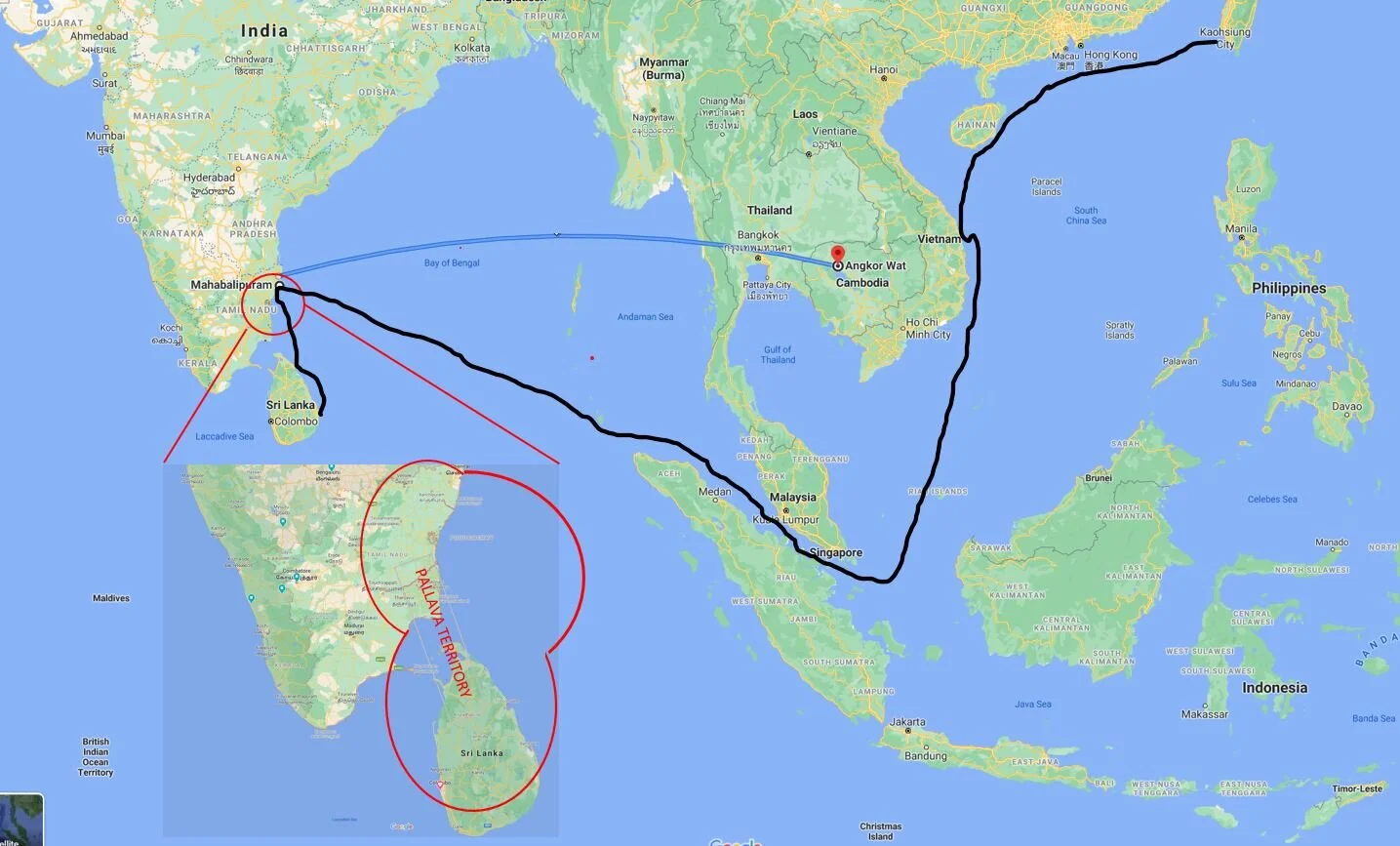
The Pallava dynasty emerged as a dominant power in South India during the early medieval period. Centered around the city of Kanchipuram, they established a strong pol...
Explore event →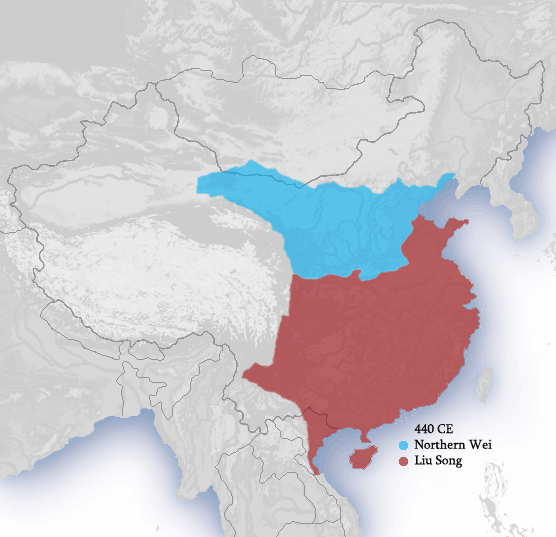
The Chen dynasty, ruling southern China, sought to stabilize its domain amid persistent threats from northern dynasties. Efforts to fortify its borders and consolidate...
Explore event →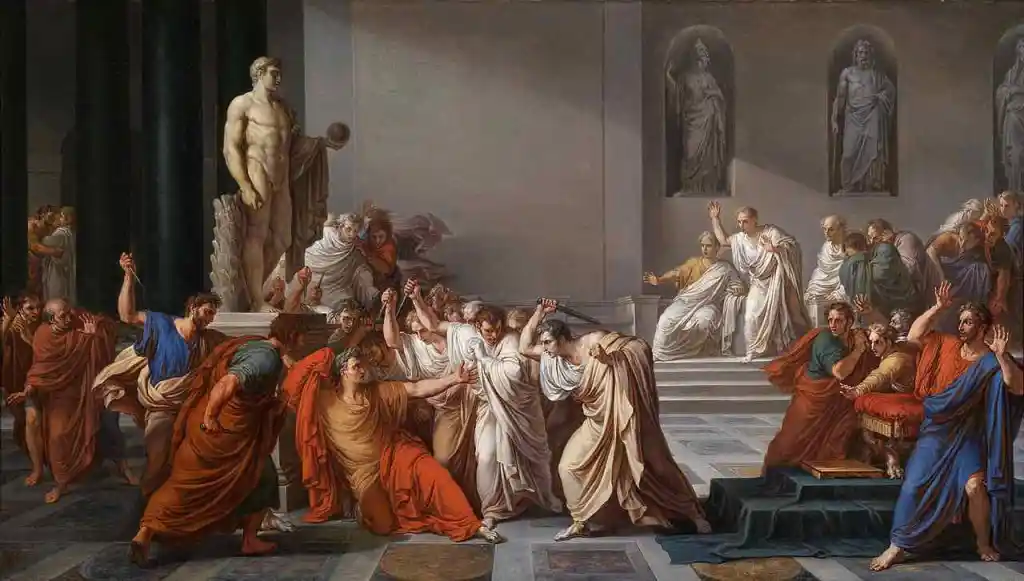
Jerome, a prominent Byzantine official during the Gothic War, was assassinated in the Imperial Palace at Ravenna. His death marked a significant turning point in the c...
Explore event →
The Kingdom of Baekje experienced significant cultural and political growth during the mid-6th century. Its leadership established strong diplomatic ties with neighbor...
Explore event →
11 February 2011 — Vice President Omar Suleiman announces that Hosni Mubarak has stepped down and transferred authority to the Supreme Council of the Armed Forces. Cel...
Explore research
25 January–11 February 2011 — Mass demonstrations erupt against police brutality, corruption, economic frustration and authoritarian government. Cairo's Tahrir Square ...
Explore research
1998–1999 — War in neighboring Kosovo becomes a major national and humanitarian issue for Albania. Hundreds of thousands of Kosovo Albanian refugees cross into Albania...
Explore research
January–August 1997 — The collapse of enormous fraudulent investment schemes wipes out the savings of hundreds of thousands of Albanians. Armed rebellion spreads, mili...
Explore research
1990–1998 — Investigate economic collapse, weak institutions, mass migration, political confrontation, pyramid schemes and the rebuilding of Albanian state authority.
Explore research
23 July 1952 — Egyptian military officers overthrow King Farouk's government. The movement is driven by dissatisfaction with corruption, political inequality, British ...
Explore research
31 January 1925 — Albania formally becomes a republic with Ahmet Zogu as president. Zogu uses the presidency to consolidate central authority after years of political ...
Explore research
March–April 1919 — Mass demonstrations, strikes and civil unrest erupt after British authorities exile nationalist leader Saad Zaghloul and other members of the Wafd m...
Explore research
January–June 1919 — France prioritizes security and compensation for destruction. Britain wants Germany constrained without permanently destroying European economic st...
Explore research
3 November 1918 — Sailors at Kiel revolt after naval leaders attempt to send the fleet into a final battle. The mutiny spreads into a wider revolutionary movement as w...
Explore research
8 March 1917 — Demonstrations, strikes and bread shortages in Petrograd begin the revolutionary crisis that destroys the imperial government. Soldiers increasingly ref...
Explore research
1917–1918 — Woodrow Wilson increasingly presents American participation as part of a larger project to restructure international relations. His Fourteen Points call fo...
Explore research
21 February 1916 — Germany launches a major offensive against the fortified Verdun region. French forces commit enormous manpower and artillery to prevent the fortress...
Explore research
1915–1918 — Consumption of artillery shells and other matériel massively exceeds prewar assumptions. Governments intervene increasingly in factories, labor, transport ...
Explore research
1914–1918 wartime production — Schneider is a major French heavy-industrial and armaments producer whose factories supply artillery and military material to the French...
Explore research
29 July 1913 — The Great Powers recognize an independent Albanian principality. The borders they establish leave substantial Albanian-speaking populations outside the ...
Explore research
January–August 1912 — Albanian insurgents launch a major revolt against Ottoman authority. Rebel forces eventually enter Skopje and force the Ottoman government to acc...
Explore research
1912–1913 — Trace the Balkan Wars, competing territorial claims and Great Power diplomacy that created modern Albania while leaving many Albanian-speaking populations ...
Explore research
1908–1914 — Austria-Hungary faces growing nationalist pressures in the Balkans following the Bosnian annexation crisis and Serbia's expansion during the Balkan Wars. S...
Explore research
10 June 1878 — Albanian political and religious leaders gather in Prizren as the Ottoman Empire faces defeat and territorial losses following the Russo-Turkish War. Th...
Explore research
c. 1830–1912 — The Rilindja Kombëtare develops through writers, educators, political activists and diaspora networks. Albanian-language education and publishing become...
Explore research
1788–1822 — Ali Pasha controls Ioannina and expands his authority across Epirus, southern Albania and surrounding regions. His court becomes a major political center w...
Explore research
1757–1831 — The Bushati family builds a powerful semi-autonomous political center around Shkodër while formally remaining within the Ottoman Empire. At its height, Bus...
Explore research
1517–1798 CE — Egypt remains formally part of the Ottoman Empire for centuries while powerful local military households gain substantial autonomy. Agricultural taxes a...
Explore research