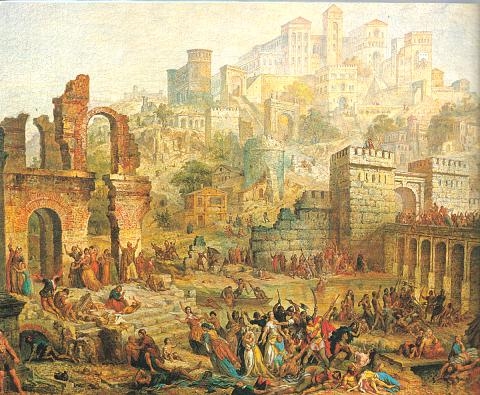
Expulsion of Jews from Speyer
Expulsion of Jews from Speyer On October 15, 1435, the city council of Speyer, a city within the Holy Roman Empire, issued an expulsion order for all Jewish residents...
Explore event →History does not happen in isolation. Explore world events across time, follow the connections between them, and investigate the threads that reveal how one event can lead to another.
TheTimeMap currently follows events across 95 countries and 268 years of history — building a connected archive designed for people who want to look beyond the headline.
We oppose antisemitism, racism, and dehumanization — everywhere.
When people stop feeling, injustice becomes easy.
Expulsion of Jews from Speyer On October 15, 1435, the city council of Speyer, a city within the Holy Roman Empire, issued an expulsion order for all Jewish residents...
Explore event →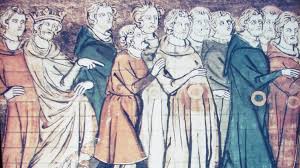
Expulsion of Jews from France On July 22, 1306, King Philip IV of France, also known as Philip the Fair, issued an edict expelling all Jews from the kingdom. The expu...
Explore event →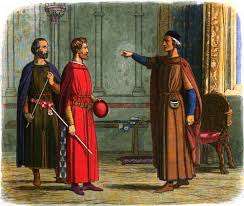
Expulsion of Jews from England On July 18, 1290, King Edward I issued the Edict of Expulsion, ordering all Jews to leave the Kingdom of England. The decree affected J...
Explore event →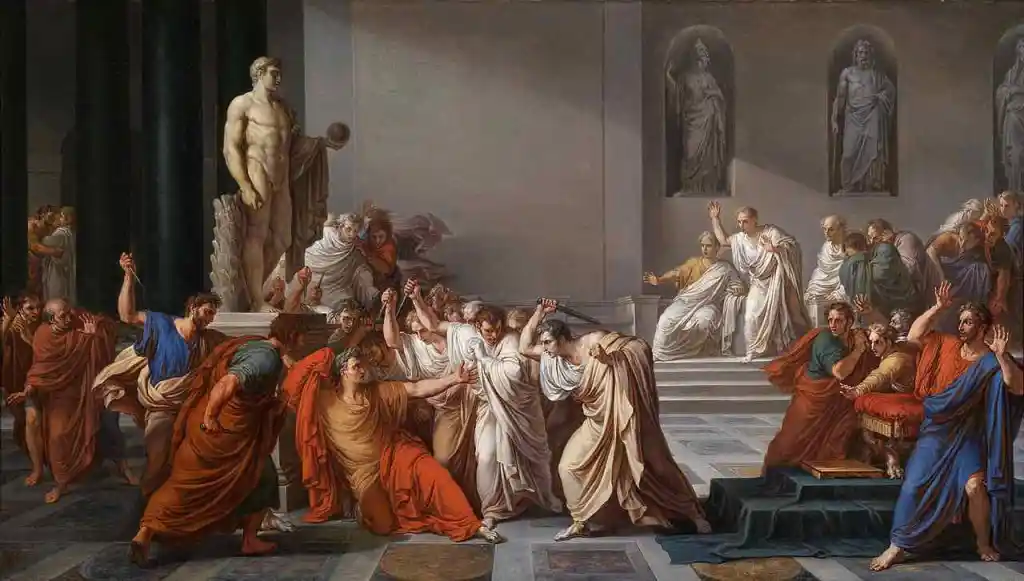
Jerome, a prominent Byzantine official during the Gothic War, was assassinated in the Imperial Palace at Ravenna. His death marked a significant turning point in the c...
Explore event →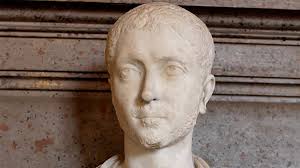
Severus Alexander was proclaimed Roman Emperor following the assassination of Elagabalus. The Roman Senate officially endorsed his accession, marking a return to more ...
Explore event →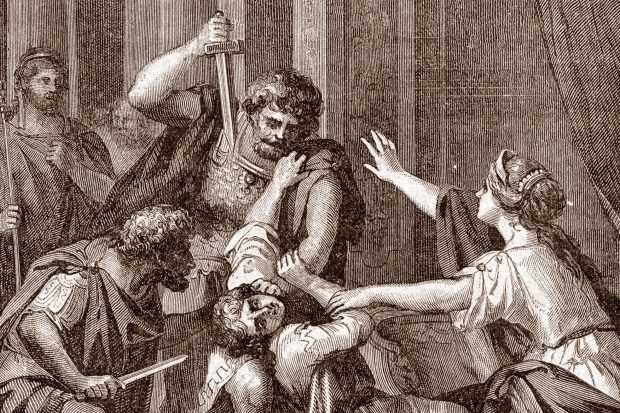
Geta, co-emperor of the Roman Empire alongside his brother Caracalla, was assassinated in Alexandria under political tension and rivalry. The murder occurred shortly a...
Explore event →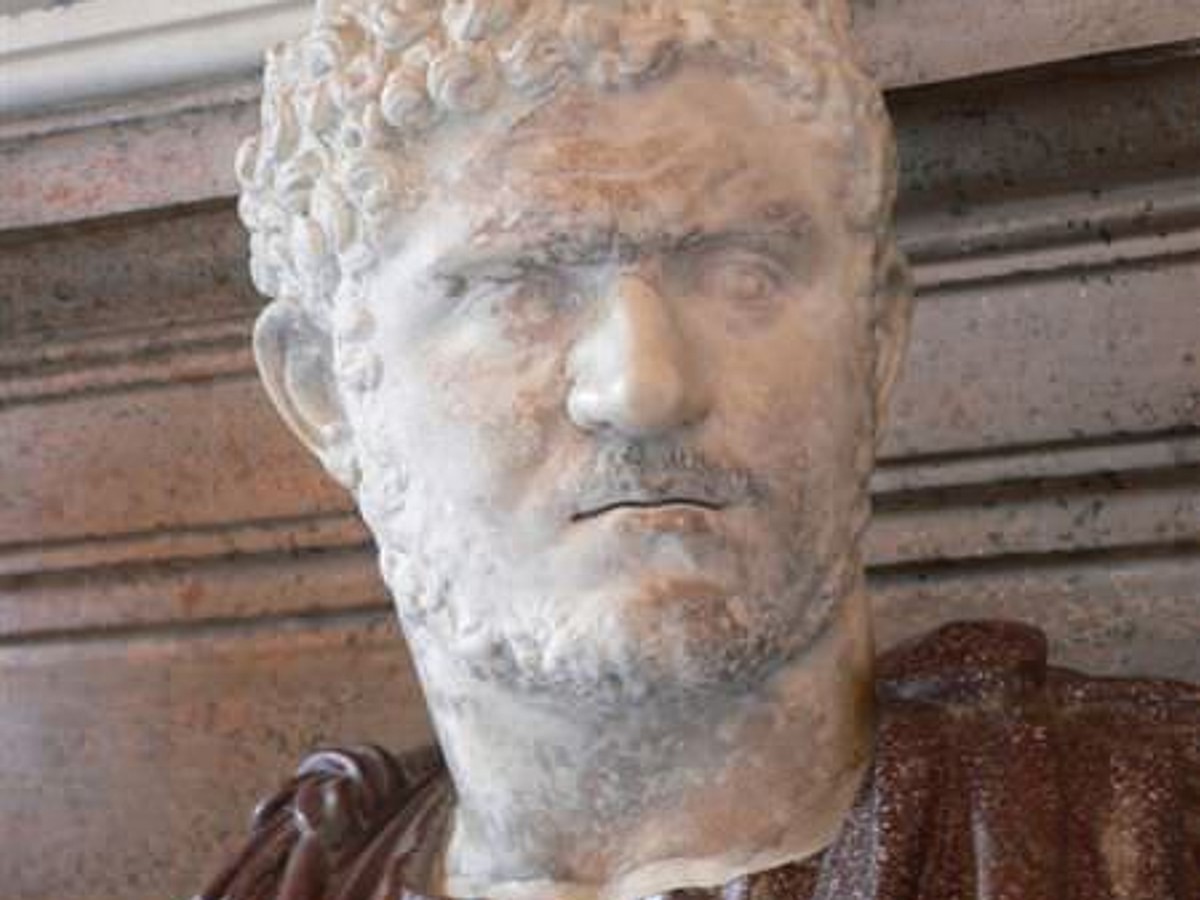
Caracalla officially took the title of Augustus, marking his elevation to co-emperor alongside his father, Septimius Severus. This move solidified his position within ...
Explore event →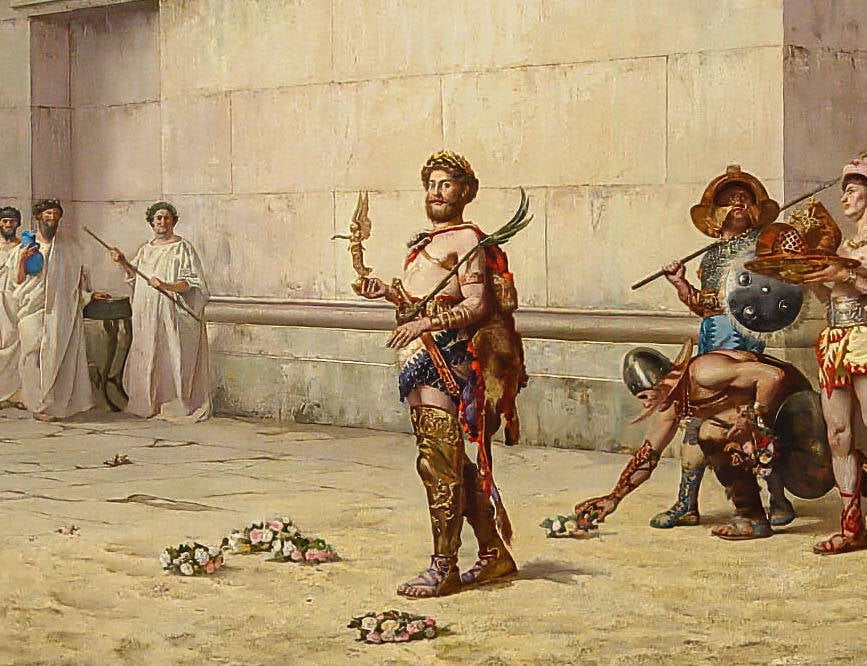
Roman Emperor Marcus Aurelius officially declared his son Commodus as co-emperor, sharing imperial authority.This political move marked the first time a biological son...
Explore event →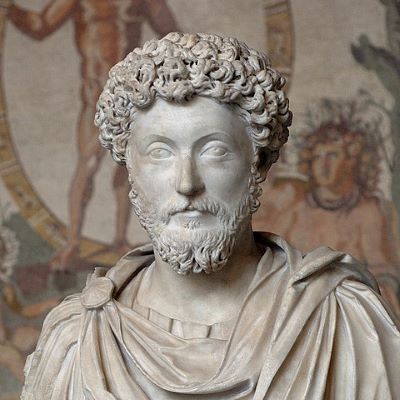
Marcus Aurelius officially became Roman Emperor following the death of Antoninus Pius. His accession marked the continuation of the Nerva-Antonine dynasty through adop...
Explore event →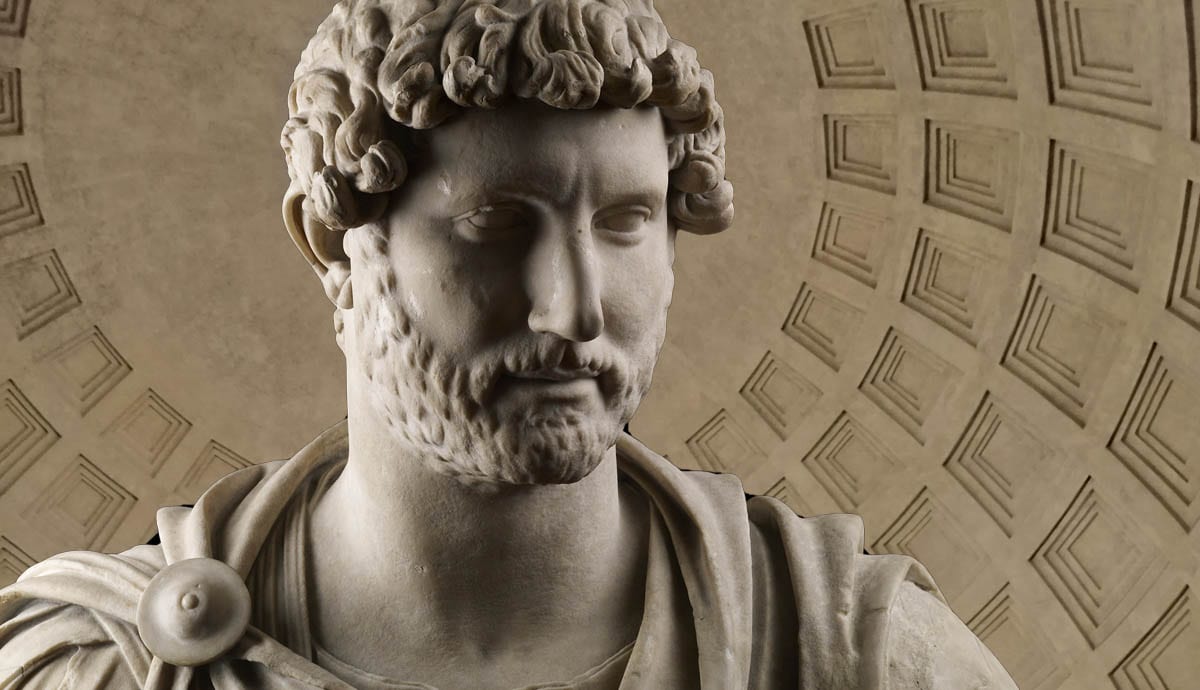
Hadrian was officially declared emperor following the death of his predecessor, Trajan, marking a significant transition in Roman imperial leadership. His accession wa...
Explore event →
The province of Mesopotamia was officially established as an administrative region, marking a significant political reorganization in the area. This reconfiguration ai...
Explore event →
Trajan's Forum was officially inaugurated in Rome, marking the completion of one of the most impressive architectural projects of the Roman Empire. Commissioned by Emp...
Explore event →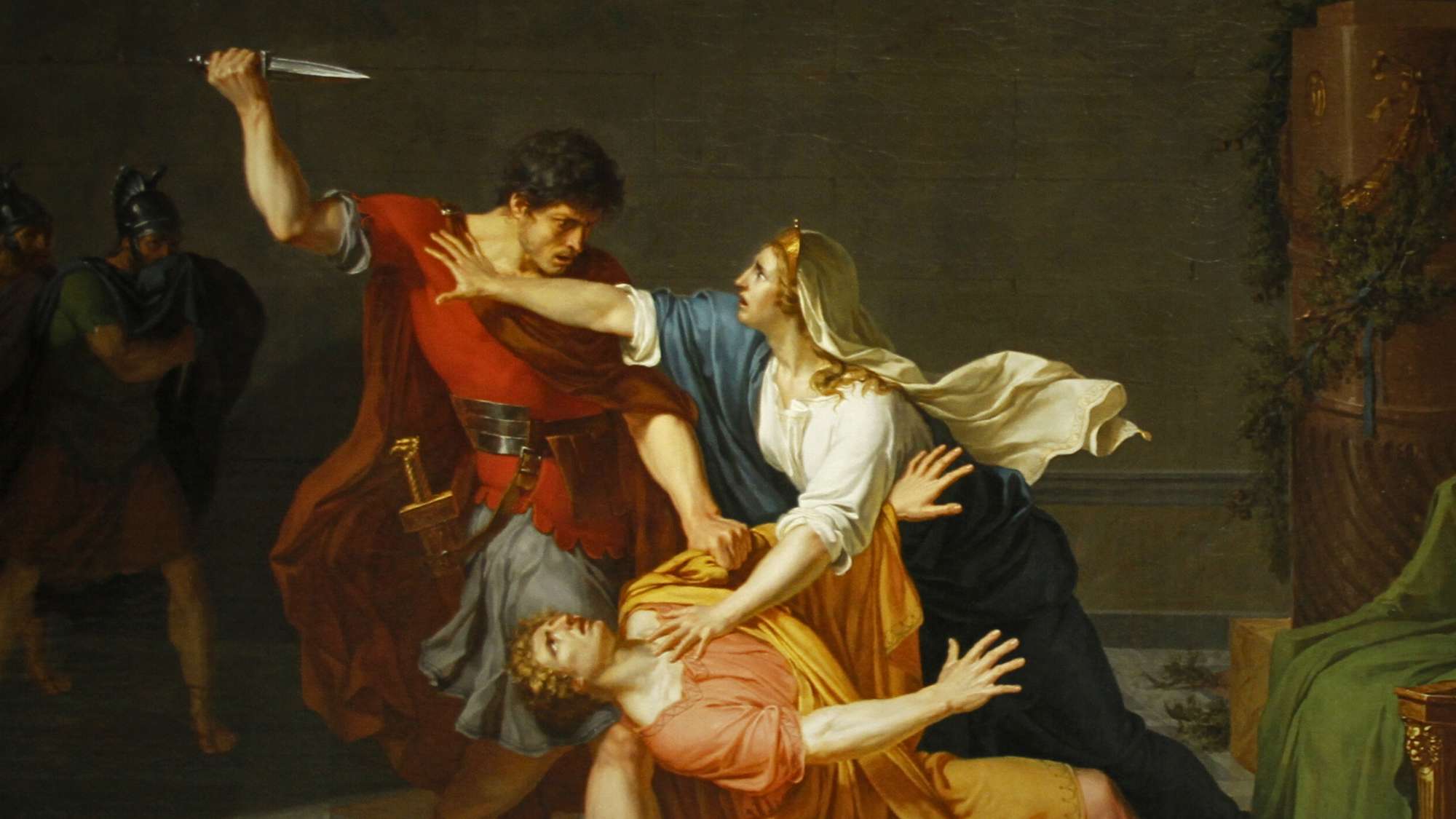
Domitian, the Roman Emperor, was assassinated on September 18th within his residence on the Palatine Hill in Rome. The conspiracy involved court officials and members ...
Explore event →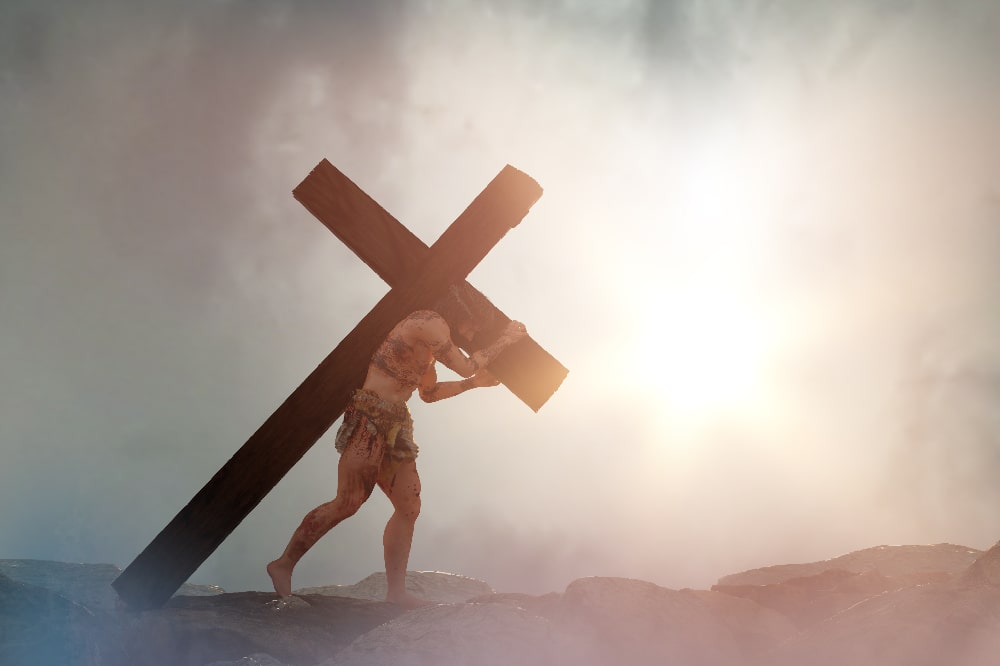
Jesus of Nazareth was executed by crucifixion under Roman governor Pontius Pilate in Jerusalem, during the period of Roman occupation of Judea. The event is documented...
Explore event →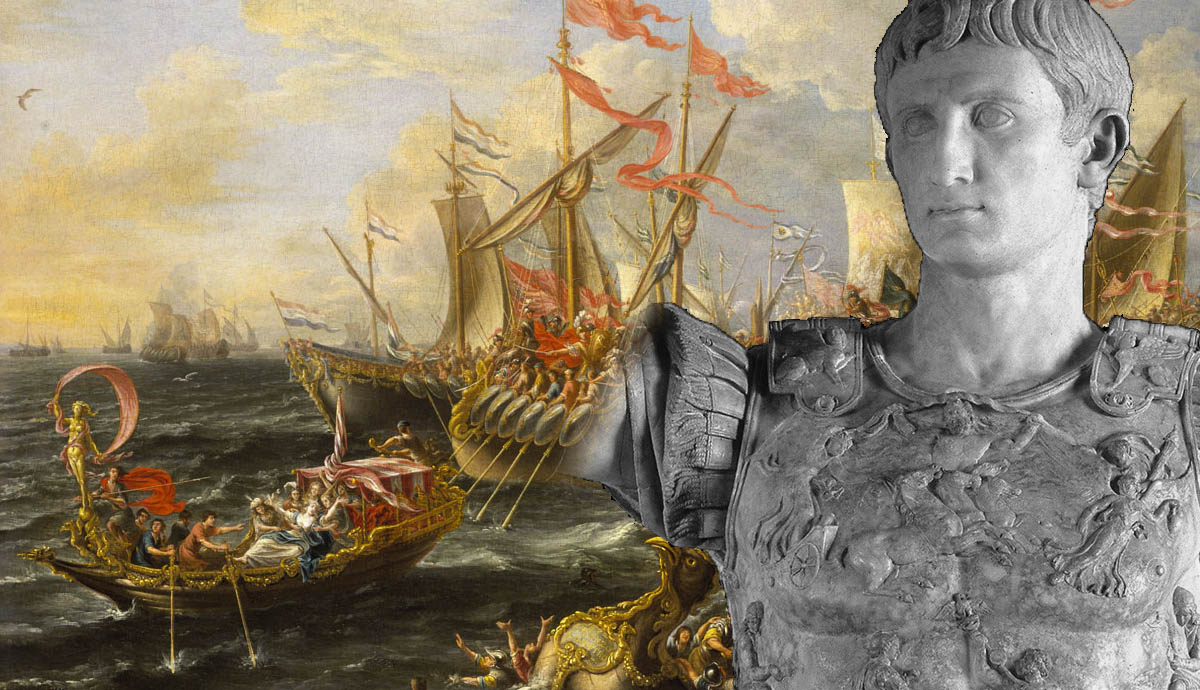
On January 16, the Roman Senate granted Octavian the title Augustus, marking his official accession as the sole ruler of Rome. This event symbolized the transition fro...
Explore event →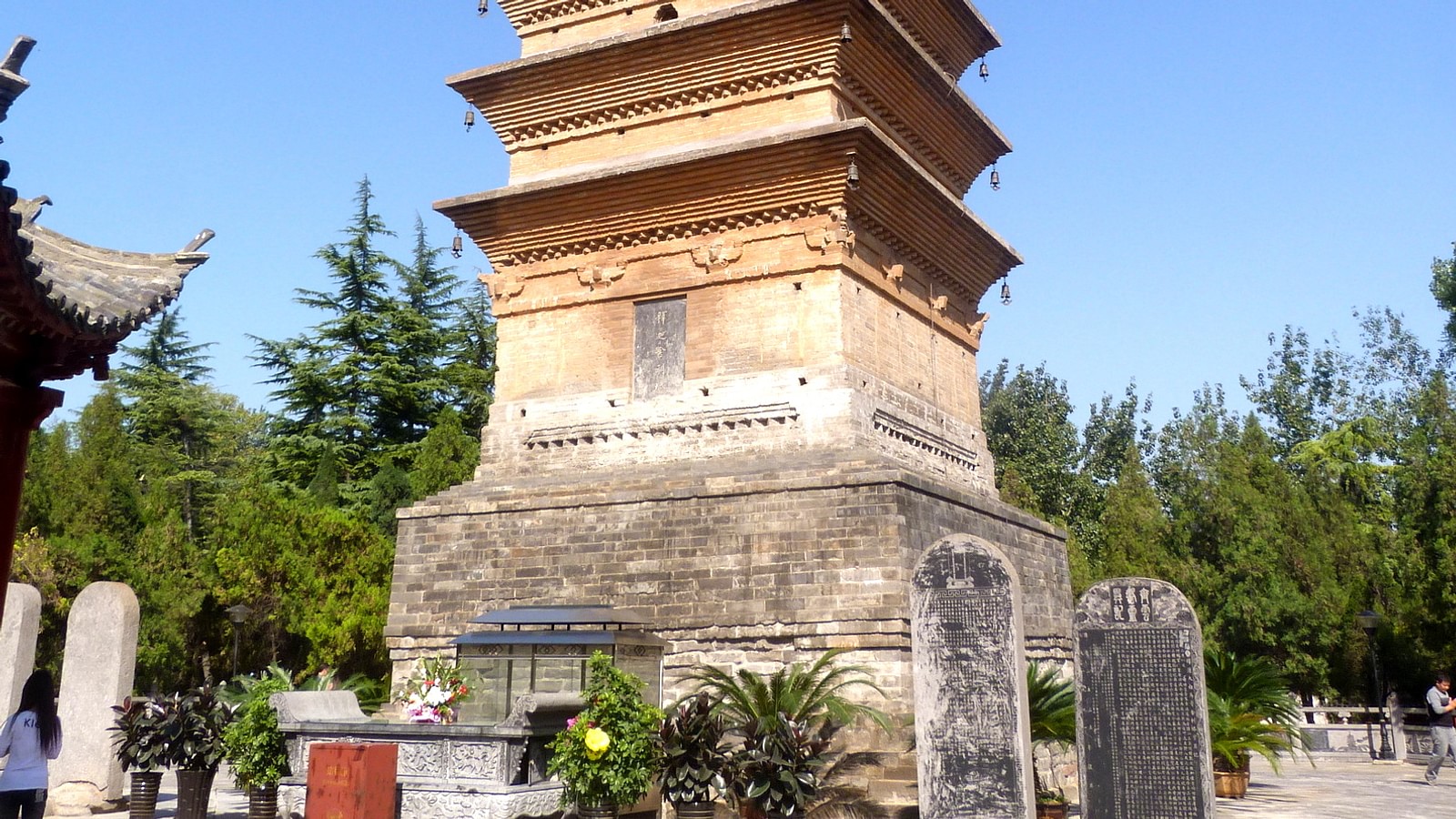
The Eastern Han Dynasty officially moved its capital from Chang'an to Luoyang, marking a significant political shift in early imperial China. This relocation aimed to ...
Explore event →
Following the death of Augustus, Tiberius was officially declared emperor by the Roman Senate, marking the beginning of his reign. This accession consolidated the Juli...
Explore event →
1967 — The communist government launches an aggressive campaign against organized religion. Mosques, churches and monasteries are closed or converted to other uses, an...
Explore research
1958–1961 — Egypt and Syria unite as the United Arab Republic under Nasser. The union represents the high point of pan-Arab political enthusiasm. Syrian dissatisfactio...
Explore research
7–23 July 1914 — Austro-Hungarian leaders debate how to transform the Sarajevo assassination into a confrontation with Serbia. Officials increasingly favor demands sev...
Explore research
May–June 1914 — Members of the assassination conspiracy obtain pistols, bombs and assistance through contacts associated with Serbian nationalist and military-intellig...
Explore research
1914–1919 — Room 40 is the British Admiralty's cryptanalytic organization responsible for intercepting and decoding important German communications. Its intelligence c...
Explore research
1912–1914 — Officials in Germany and Austria-Hungary increasingly fear that Russia and Serbia will become stronger with time. Railway construction, military reforms, p...
Explore research
1882 — British forces intervene during the Urabi Revolt and occupy Egypt. The country formally remains connected to the Ottoman Empire for decades, but British officia...
Explore research
17 November 1869 — The Suez Canal officially opens, connecting the Mediterranean and Red Seas without requiring ships to sail around Africa. The canal transforms globa...
Explore research
c. 1353–1336 BCE — Amenhotep IV changes his name to Akhenaten and promotes extraordinary devotion to the solar deity Aten. He establishes a new royal capital at Akheta...
Explore research
c. 2650 BCE — Djoser's Step Pyramid complex represents a revolutionary leap in monumental stone architecture. Traditionally associated with the official Imhotep, the p...
Explore research
c. 2686–2181 BCE — The Old Kingdom becomes the classic age of pyramid construction and highly centralized kingship. The royal court controls extensive agricultural res...
Explore research
28 June 1914 — Archduke Franz Ferdinand, heir to the Austro-Hungarian throne, and his wife Sophie are assassinated during an official visit to Sarajevo. Gavrilo Princi...
Explore research
The Council on Foreign Relations provided a continuing institutional forum where scholars, government officials, business leaders and other participants discussed inte...
Explore research
22 June 1941 — SS and police killing units move behind German armies. Their operations rapidly expand from targeting Soviet officials toward systematic mass murder of ...
Explore research
23 May 1941 — German economic planners develop guidelines that assume food from occupied Soviet territories will be redirected toward Germany and the Wehrmacht. Offici...
Explore research
5 July 1914 — Austro-Hungarian envoy Alexander Hoyos receives powerful assurances in Berlin that Germany will support Vienna if it acts against Serbia, even if Russian...
Explore research
31 May 1945 — Secretary of War Henry Stimson chairs the first major meeting of the Interim Committee considering policy surrounding the atomic bomb. Stimson becomes on...
Explore research
22 June 1941 — Germany and its allies invade the Soviet Union along an enormous front. Hitler seeks not only military victory but ideological destruction of Soviet com...
Explore research
25 July 1914 — Serbia submits a conciliatory reply accepting most Austro-Hungarian demands while rejecting or qualifying provisions that would allow foreign officials ...
Explore research
17 September 1939 — Soviet forces cross Poland's eastern frontier while the Polish state is already collapsing under German attack. The invasion follows the secret ter...
Explore research
Untitled22 June 1941 — Special SS and police formations move behind German armies entering the Soviet Union. Their mission quickly expands into mass shootings of Jewis...
Explore research
20 January 1942 — Senior Nazi officials meet near Berlin to coordinate bureaucratic implementation of the so-called Final Solution of the Jewish Question. Mass killing...
Explore research
Map the officials, agencies, advisers and outside institutions documented in the preparation, review and implementation of NSSM 200. Distinguish formal participants fr...
Explore research