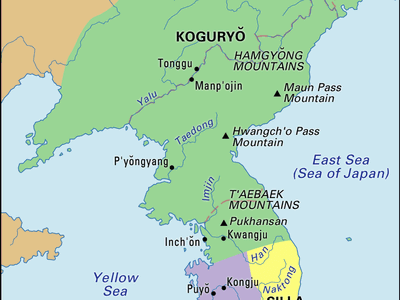
Baekje Kingdom's Cultural Expansion
The Kingdom of Baekje experienced significant cultural and political growth during the mid-6th century. Its leadership established strong diplomatic ties with neighbor...
Explore event →History does not happen in isolation. Explore world events across time, follow the connections between them, and investigate the threads that reveal how one event can lead to another.
TheTimeMap currently follows events across 95 countries and 268 years of history — building a connected archive designed for people who want to look beyond the headline.
We oppose antisemitism, racism, and dehumanization — everywhere.
When people stop feeling, injustice becomes easy.
The Kingdom of Baekje experienced significant cultural and political growth during the mid-6th century. Its leadership established strong diplomatic ties with neighbor...
Explore event →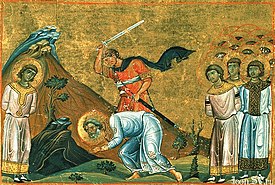
Najran Massacre 523 AD In 523 AD, the Himyarite king Yusuf Asar Dhu Nuwas, a Jewish ruler of the Himyarite Kingdom in present day Yemen, targeted the Christia...
Explore event →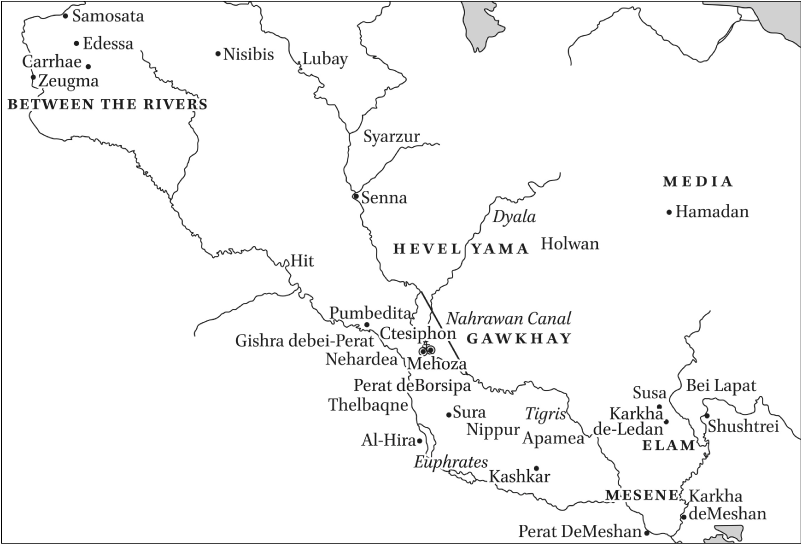
During the early centuries of the Common Era, Talmudic academies in Babylonia underwent significant expansion. These centers of Jewish learning became pivotal in the d...
Explore event →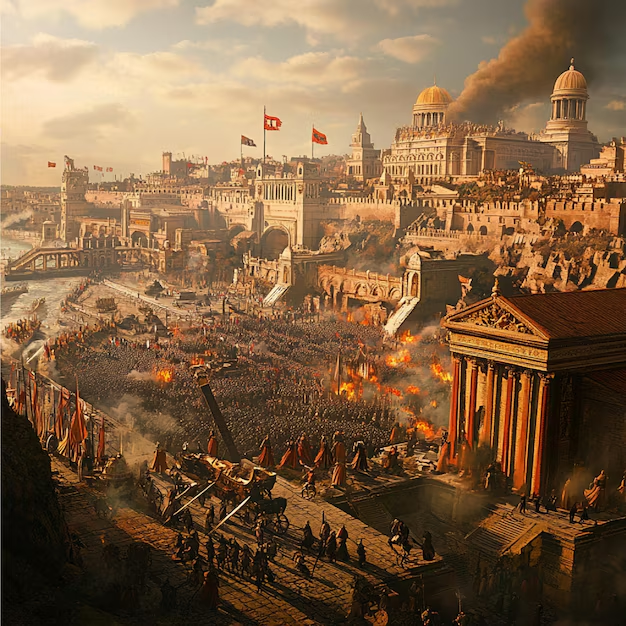
The last Western Roman emperor, Romulus Augustulus, was deposed. This event traditionally marks the end of ancient Rome and the beginning of the Middle Ages. Christi...
Explore event →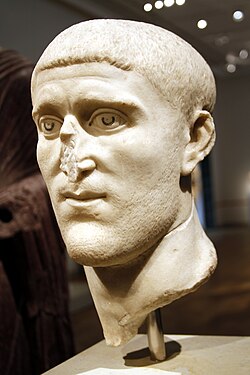
Constantius Chlorus was appointed Caesar by Emperor Diocletian as part of the Tetrarchy system to stabilize and govern the Roman Empire more effectively. This appointm...
Explore event →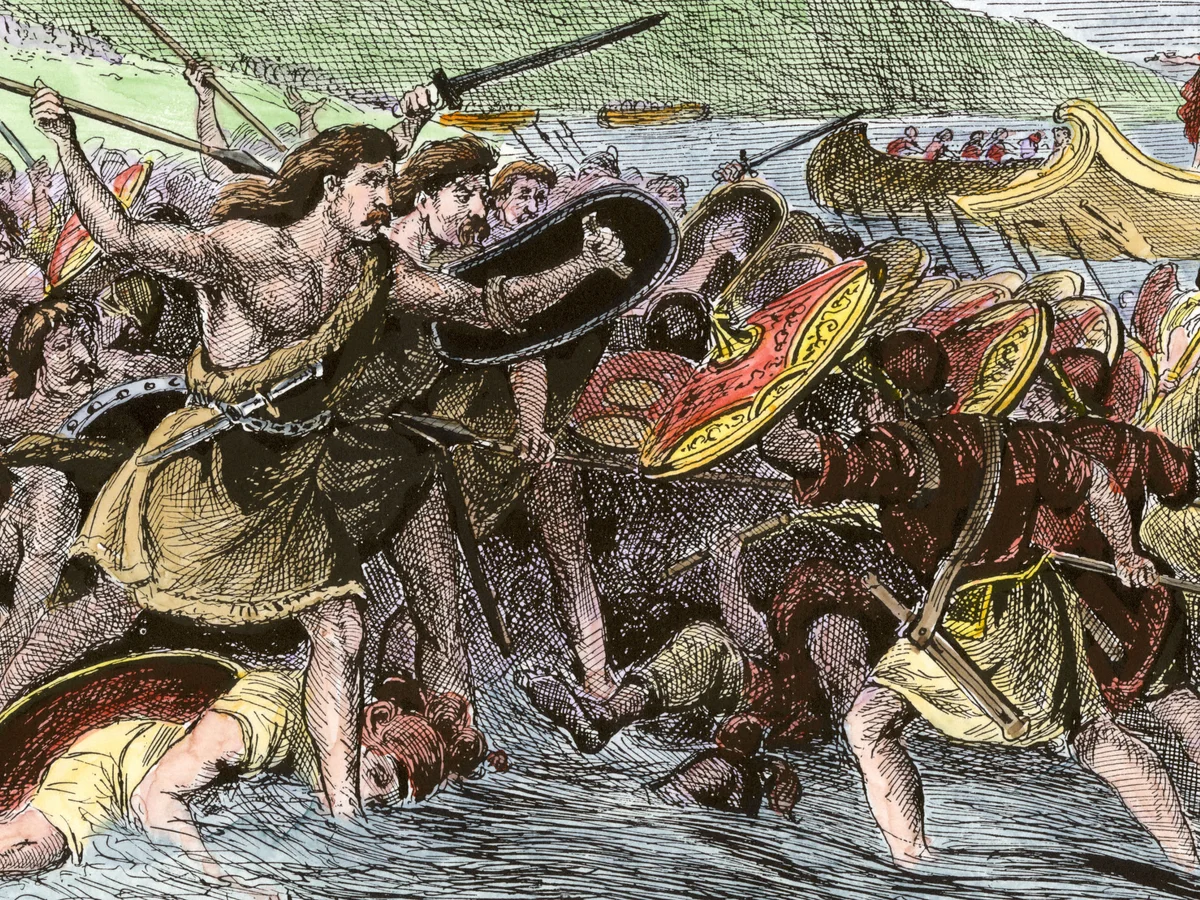
Carausius, a Roman naval commander, declared himself emperor in Britain and northern Gaul after seizing power around 286 CE. His revolt challenged the authority of the...
Explore event →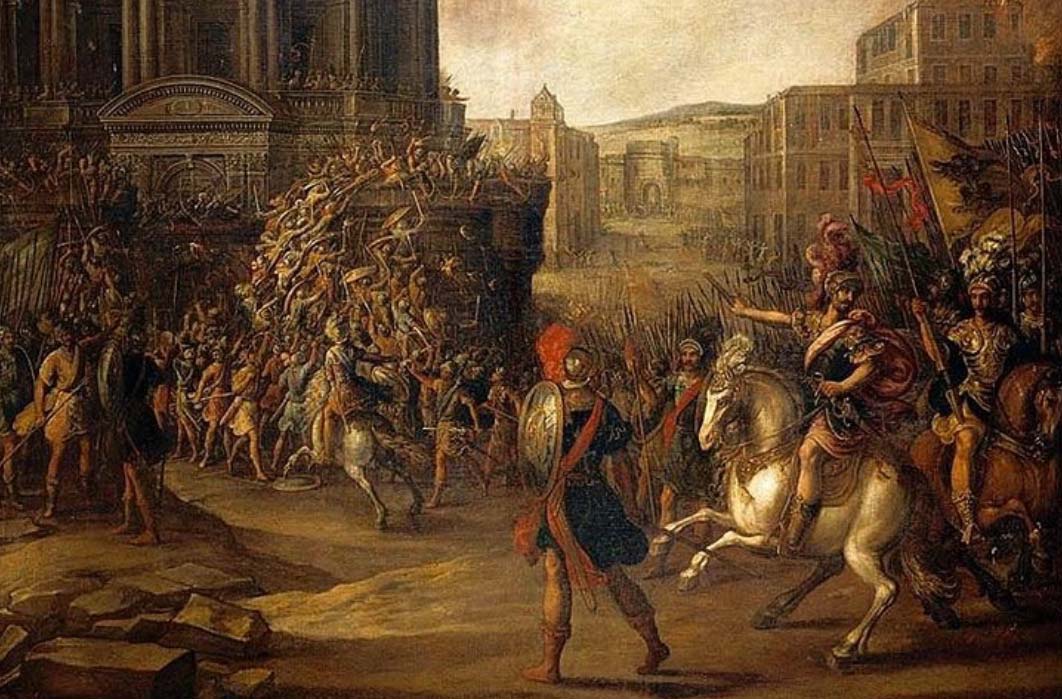
The Battle of the Margus was a significant confrontation between Emperor Carinus and his rival, Diocletian, near the Margus River in the Roman province of Moesia Super...
Explore event →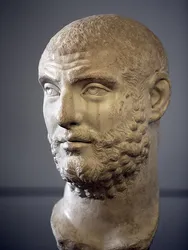
Emperor Carinus was killed in battle against the forces loyal to his rival, Diocletian, near the Margus River. The conflict marked the end of Carinus's brief reign and...
Explore event →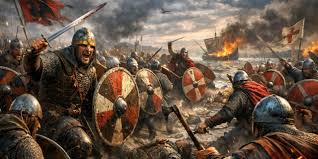
The Battle of the Margus was a significant confrontation between the Roman emperors Carinus and Diocletian. The battle took place near the Margus River, in the region ...
Explore event →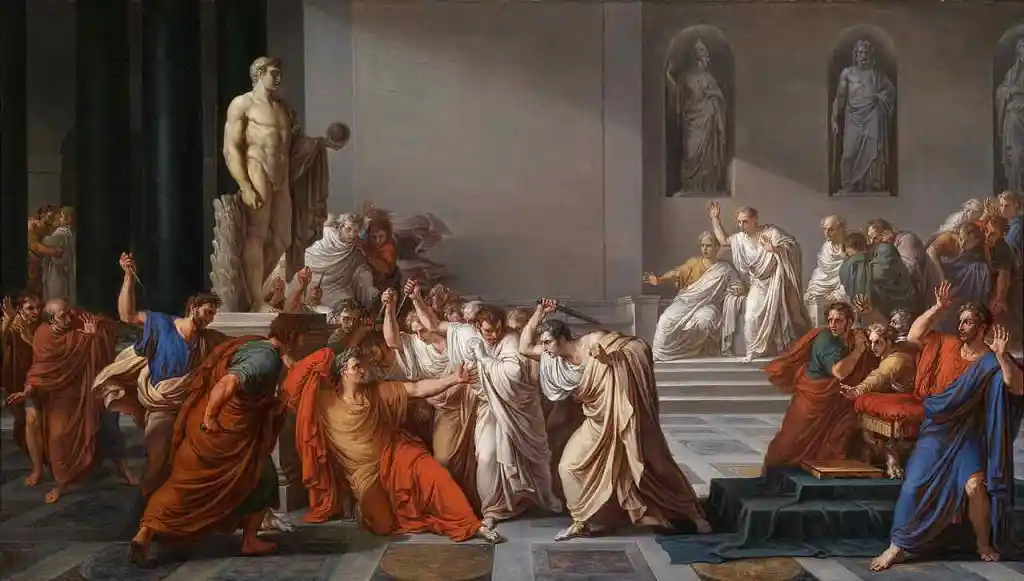
Roman Emperor Numerian died under suspicious circumstances while returning from a campaign in the East. His death was discovered by his troops near the region of Cordu...
Explore event →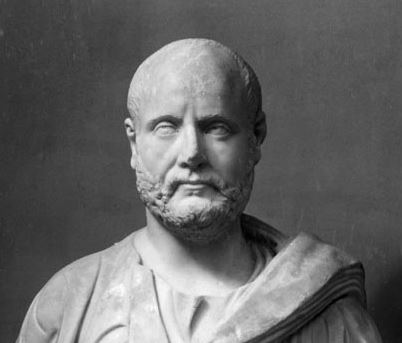
Emperor Carus, ruler of the Roman Empire, died during a military campaign in Mesopotamia. His death occurred while leading troops against the Sassanian Empire in a con...
Explore event →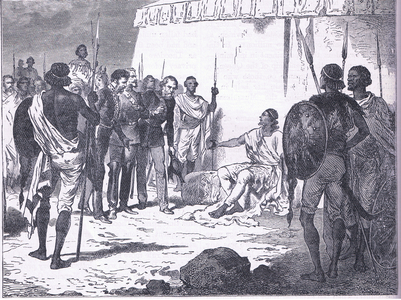
Emperor Probus was assassinated by his own soldiers after numerous military campaigns to secure the Roman Empire's borders. His leadership was challenged internally de...
Explore event →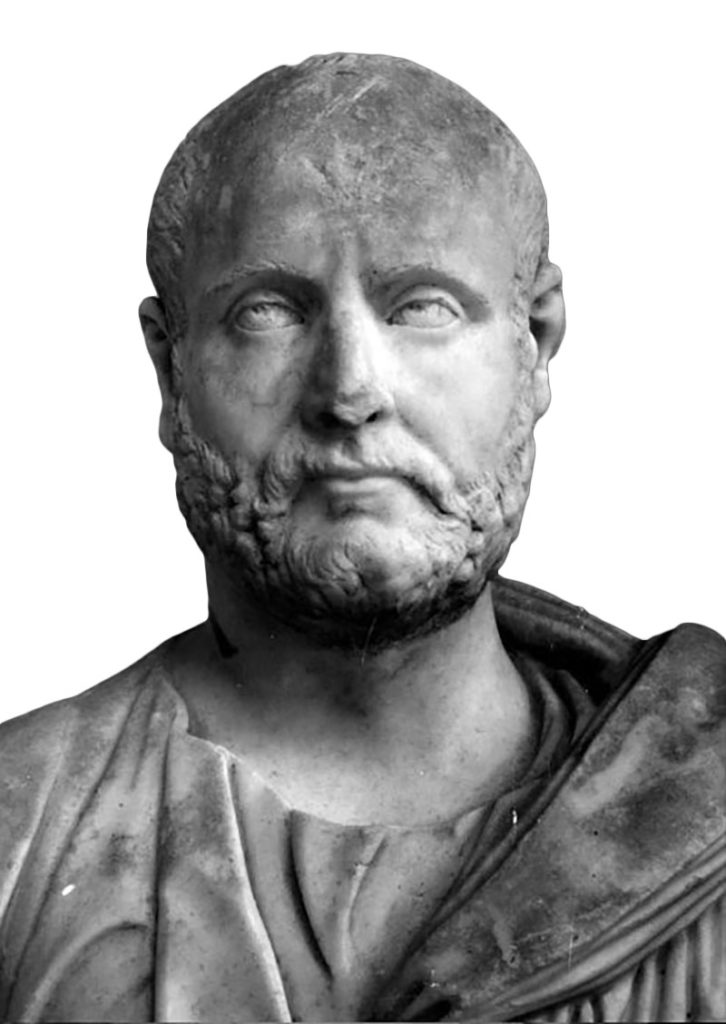
Carus was proclaimed emperor of the Roman Empire shortly after the death of Emperor Probus. His accession marked a shift in imperial policy as he sought to stabilize t...
Explore event →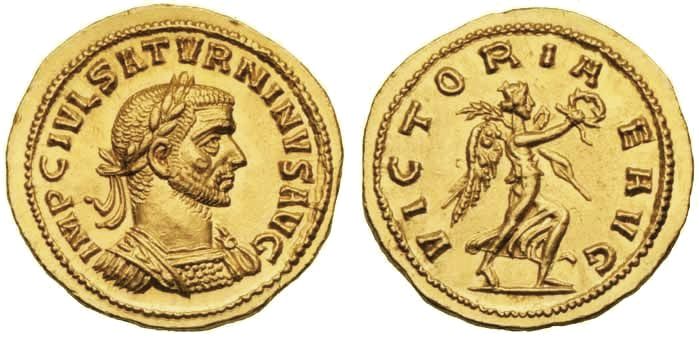
The revolt led by Lucius Antonius Saturninus was an important military uprising against Emperor Probus within the Roman Empire. It began in Moesia Superior, where Satu...
Explore event →
Emperor Aurelian successfully reunified the Roman Empire after a period of fragmentation and civil war. His military campaigns defeated breakaway states such as the Ga...
Explore event →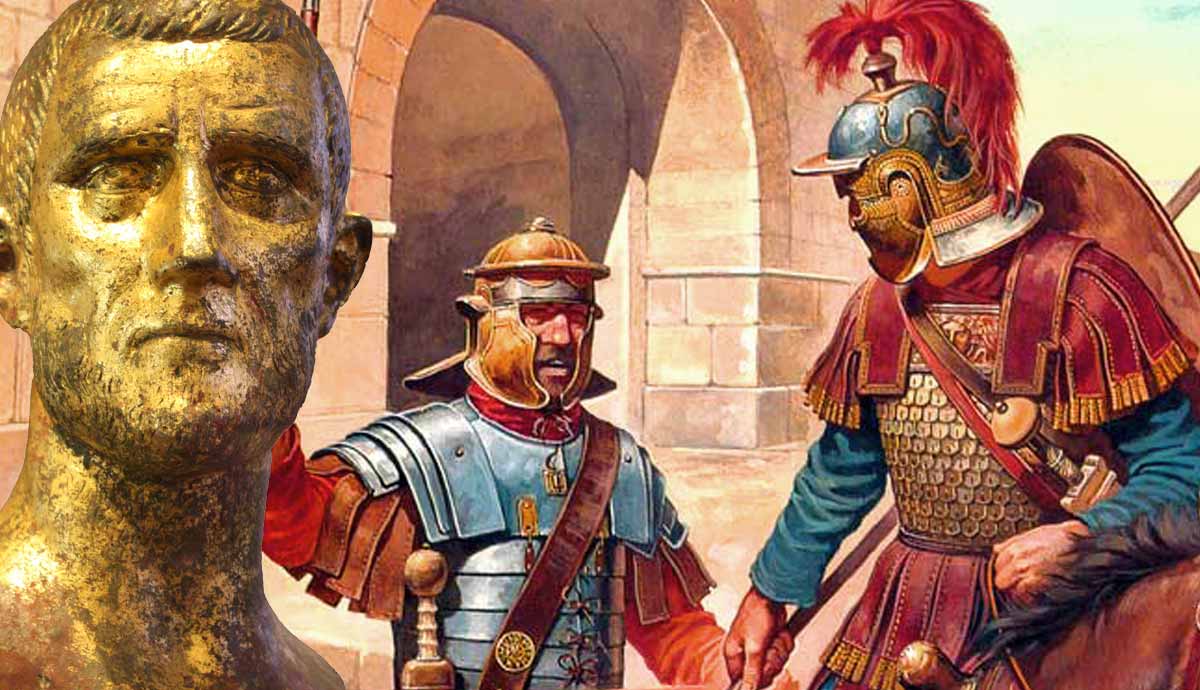
In late September, Emperor Aurelian engaged and defeated the forces of the breakaway Gallic Empire near Châlons-en-Champagne. This victory effectively ended the secess...
Explore event →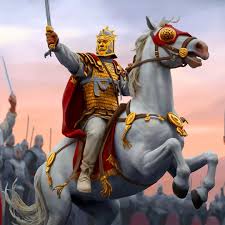
Aurelian was proclaimed emperor by his troops following the death of Emperor Claudius Gothicus. His accession marked a significant turning point during the Crisis of t...
Explore event →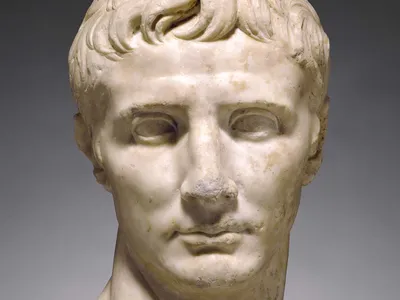
Claudius II Gothicus, Roman Emperor known for military victories against Gothic tribes, died in Sirmium after a period of illness. His death marked a significant momen...
Explore event →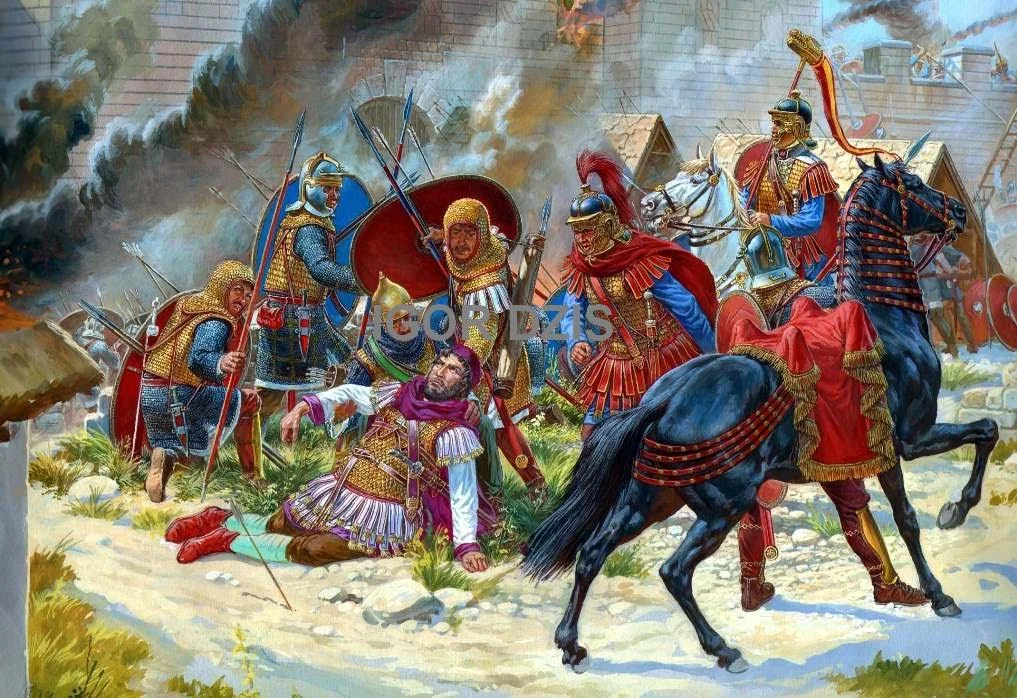
Emperor Gallienus, ruler of the Roman Empire during a time of internal strife and external invasions, was assassinated by his own military officers during a siege. His...
Explore event →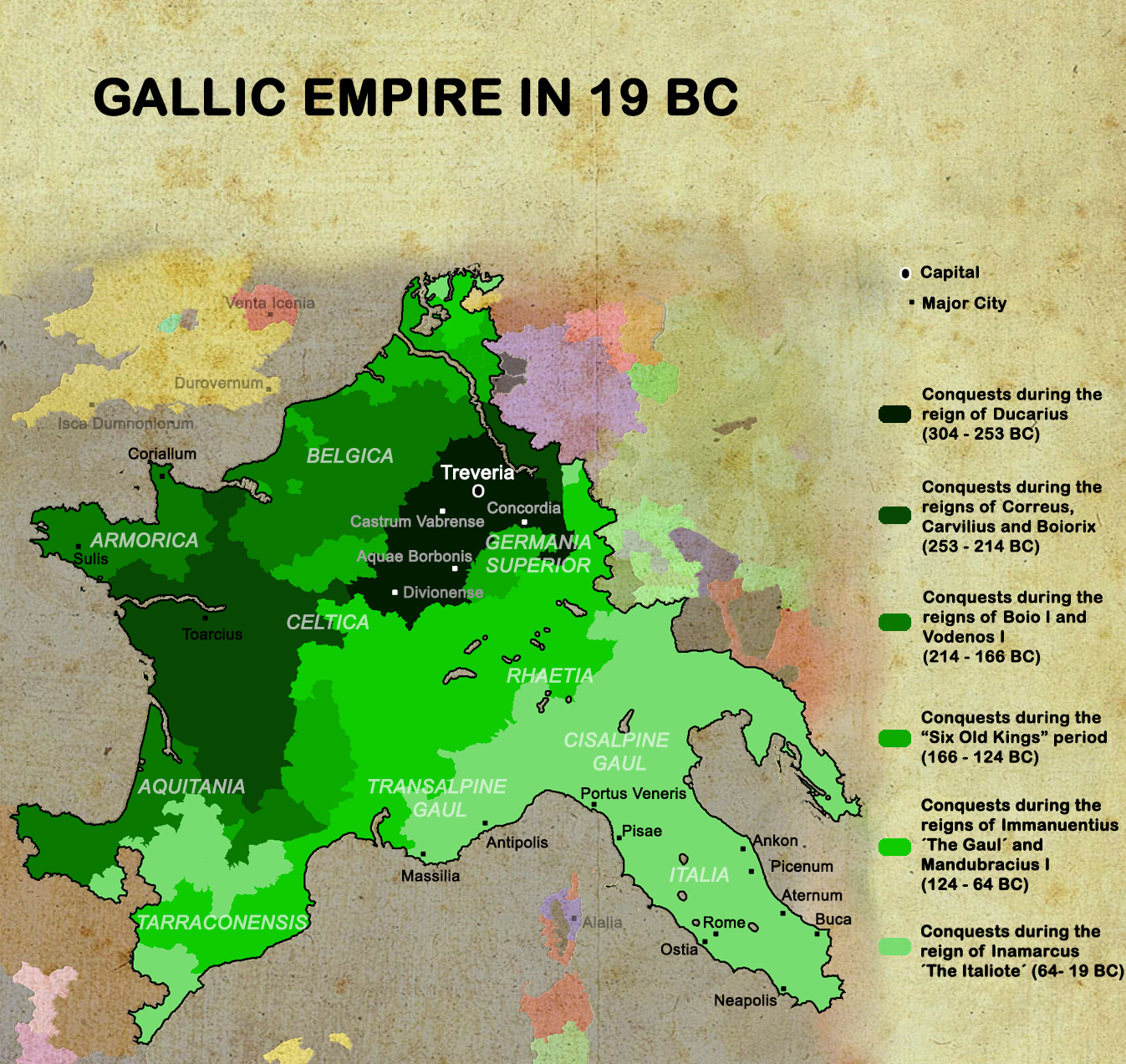
Postumus, a Roman commander, declared himself emperor of a breakaway realm in the western provinces known as the Gallic Empire. This realm comprised Gaul, Germania, Br...
Explore event →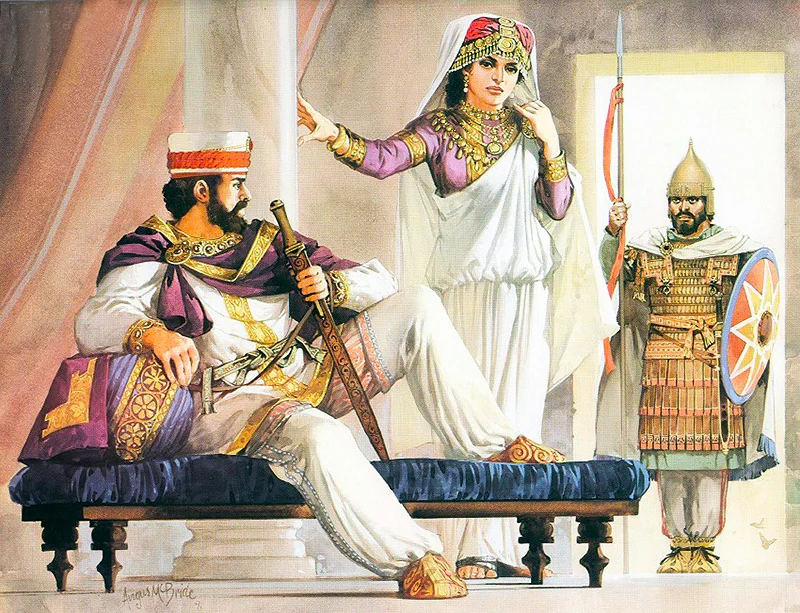
Odaenathus rose to power in Palmyra amid the crisis of the Roman Empire in the mid-3rd century. Following the capture of the Roman Emperor Valerian by the Persians, Pa...
Explore event →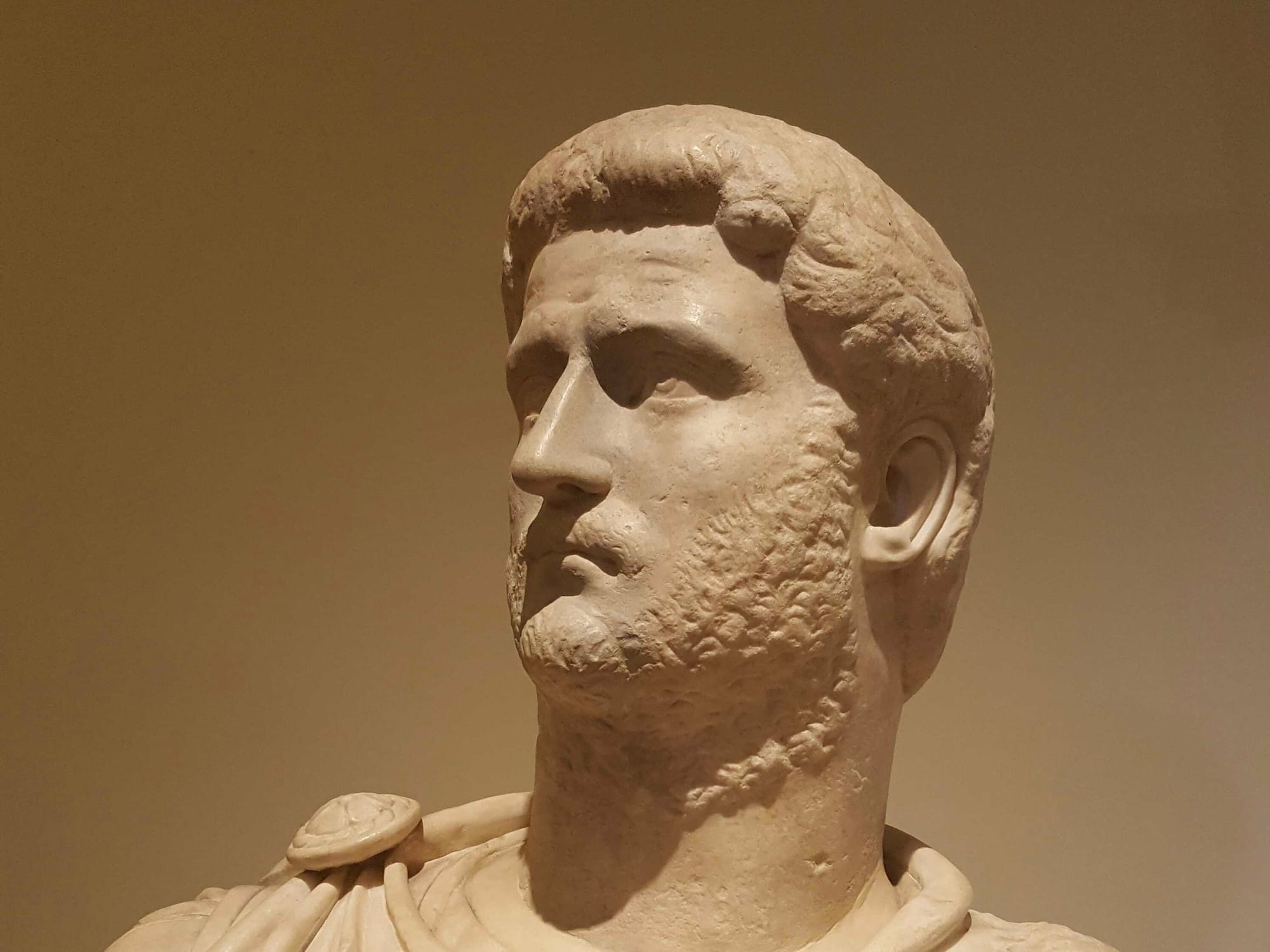
Gallienus became Roman Emperor following the assassination of his father, Valerian. His accession marked the beginning of a co-rule, where he shared power with his fat...
Explore event →
The revolt led by Gordian II was part of a larger uprising against the reigning emperor Maximinus Thrax. Gordian II, alongside his father Gordian I, was proclaimed emp...
Explore event →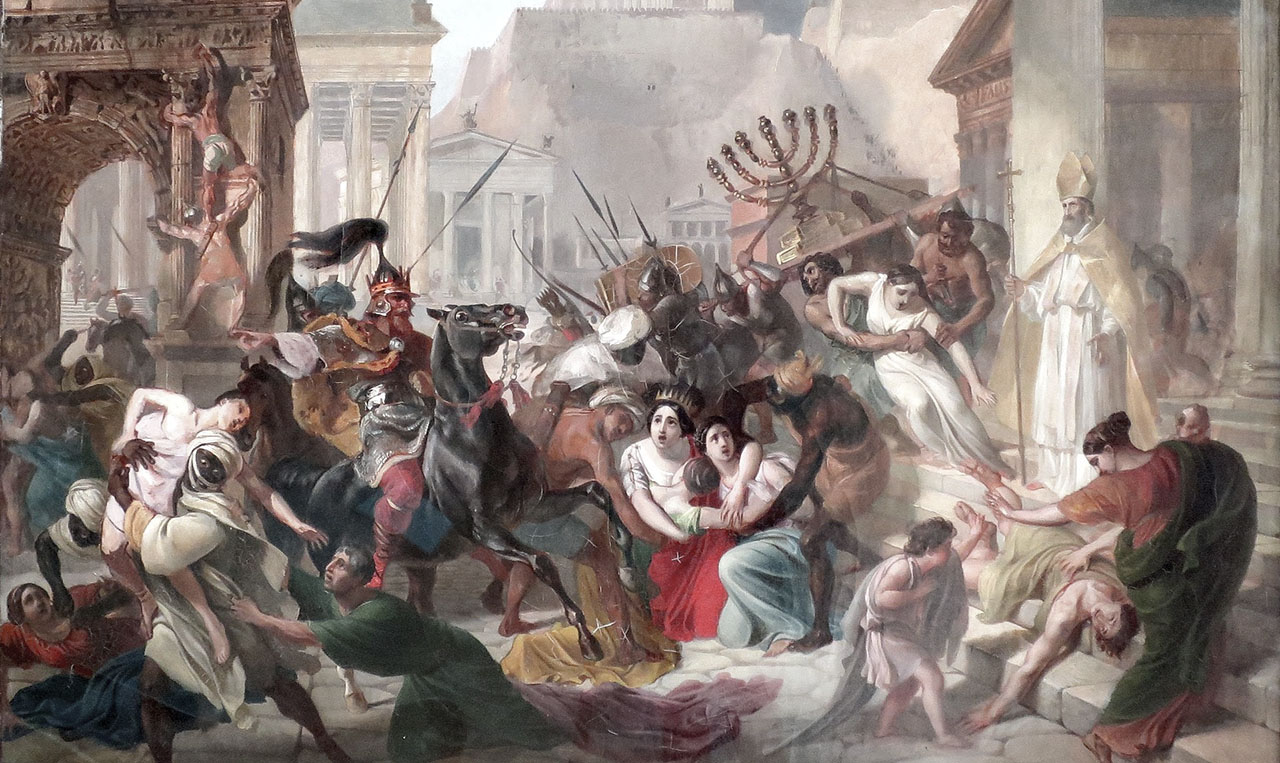
The Crisis of the Third Century marked a period of severe instability within the Roman Empire beginning in 235 AD. This era saw widespread political chaos, military de...
Explore event →
19 July 2022 — Albania and the European Union hold their first intergovernmental conference, formally opening accession negotiations.
Explore research
6 August 2015 — Egypt inaugurates a major expansion of the Suez Canal involving a new parallel channel along part of the route and widening of existing sections. The g...
Explore research
28 April 2009 — Albania formally submits its application for membership in the European Union, beginning a long process of institutional and legal reforms tied to acce...
Explore research
Untitled1990s–present — The collapse of communist controls produces large migration flows toward Italy, Greece, Germany, the United States and elsewhere. Emigration be...
Explore research
Henry Kissinger delivered the opening address at the European Management Symposium in Davos in 1980. The World Economic Forum identifies this as his first appearance a...
Explore research
38th president of the United States. Ford succeeded Nixon in 1974 and subsequently approved a National Security Decision Memorandum concerning population policy.
Explore research
5–10 June 1967 — Israel defeats Egypt, Jordan and Syria in a brief but transformative war. Egyptian forces lose the Sinai Peninsula, and the scale of the defeat deeply...
Explore research
1952–1970 — The Free Officers end the monarchy, reduce British influence, redistribute land and create a powerful developmental state. At the same time, political part...
Explore research
German-born American diplomat, political scientist, national security adviser, and secretary of state. He served as national security adviser beginning in 1969 and as ...
Explore research
November 1917–March 1918 — Lenin argues that the revolutionary government cannot survive while Russia remains in the war. Other Bolsheviks object to Germany's extreme ...
Explore research
1917–1918 — Woodrow Wilson increasingly presents American participation as part of a larger project to restructure international relations. His Fourteen Points call fo...
Explore research
19 February 1915 — British and French naval forces begin major operations against the Ottoman defenses of the Dardanelles. The Allies hope to force the straits, threat...
Explore research
1915–1918 — Casualties, inflation and shortages turn civilian morale into a strategic issue. Governments expand propaganda, censorship, rationing and welfare programs ...
Explore research
6 September 1914 — French and British forces begin the counteroffensive known as the First Battle of the Marne. The German advance toward Paris is halted and German ar...
Explore research
August–September 1914 — Germany concentrates major forces against France and advances through Belgium. The operational scheme derives from years of German planning ass...
Explore research
1911–1917 — Unification or Death, commonly called the Black Hand, is a secret Serbian nationalist organization containing influential military officers. Individuals as...
Explore research
1908–1914 — Austria-Hungary faces growing nationalist pressures in the Balkans following the Bosnian annexation crisis and Serbia's expansion during the Balkan Wars. S...
Explore research
1905–1914 — German military planning assumes that simultaneous war against France and Russia creates a dangerous strategic problem. Geography places Germany between bo...
Explore research
1894–1914 — France and Russia are formally allied, while Britain develops strategic understandings with France and Russia. Germany remains closely aligned with Austria...
Explore research
10 June 1878 — Albanian political and religious leaders gather in Prizren as the Ottoman Empire faces defeat and territorial losses following the Russo-Turkish War. Th...
Explore research
c. 1830–1912 — The Rilindja Kombëtare develops through writers, educators, political activists and diaspora networks. Albanian-language education and publishing become...
Explore research
1788–1822 — Ali Pasha controls Ioannina and expands his authority across Epirus, southern Albania and surrounding regions. His court becomes a major political center w...
Explore research
1757–1831 — The Bushati family builds a powerful semi-autonomous political center around Shkodër while formally remaining within the Ottoman Empire. At its height, Bus...
Explore research
Powerful Ottoman-Albanian ruler who builds an effectively autonomous state centered on Ioannina.
Explore research