
Anton LaVey: Founder of the Church of Satan and Author
Anton Szandor LaVey was born Howard Stanton Levey on April 11, 1930, in Chicago, Illinois, to Jewish parents. His father, Michael Joseph Levey, was of French-American...
Explore event →History does not happen in isolation. Explore world events across time, follow the connections between them, and investigate the threads that reveal how one event can lead to another.
TheTimeMap currently follows events across 95 countries and 268 years of history — building a connected archive designed for people who want to look beyond the headline.
We oppose antisemitism, racism, and dehumanization — everywhere.
When people stop feeling, injustice becomes easy.
Anton Szandor LaVey was born Howard Stanton Levey on April 11, 1930, in Chicago, Illinois, to Jewish parents. His father, Michael Joseph Levey, was of French-American...
Explore event →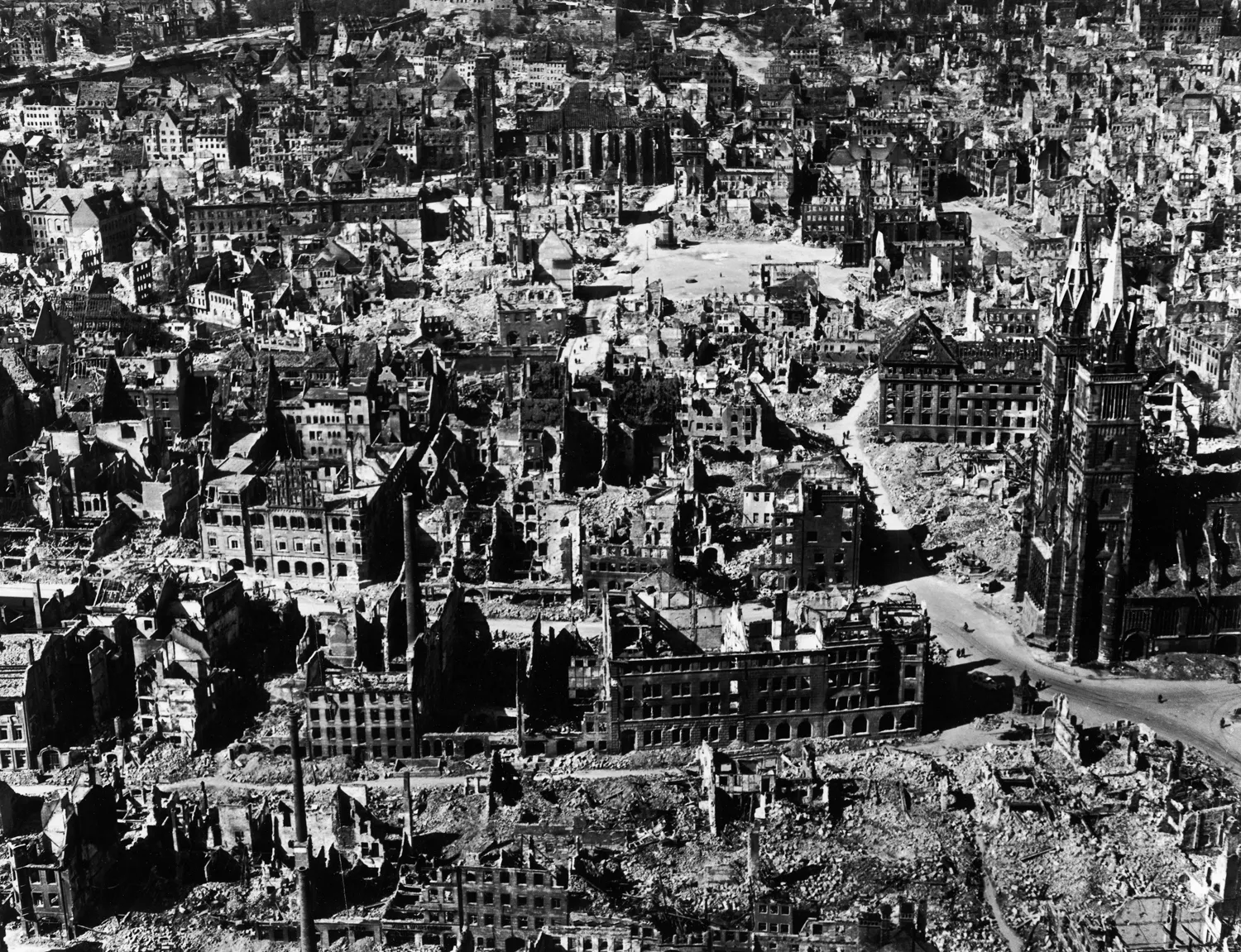
During World War II (1939–1945), the Allied forces of the United States and the United Kingdom carried out a widespread strategic bombing campaign against German citie...
Explore event →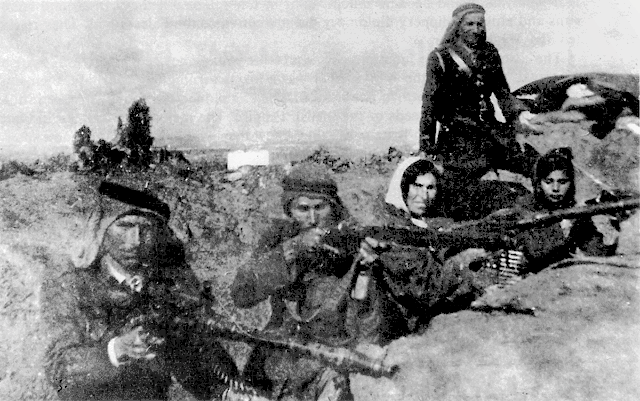
The Arab Revolt in Palestine was a nationalist uprising by Palestinian Arabs against British colonial rule and mass Jewish immigration under the British Mandate, which...
Explore event →
Zwi Migdal was a criminal organization active mainly in Argentina from the late 19th century until the 1930s. It was composed largely of Jewish immigrants from Easter...
Explore event →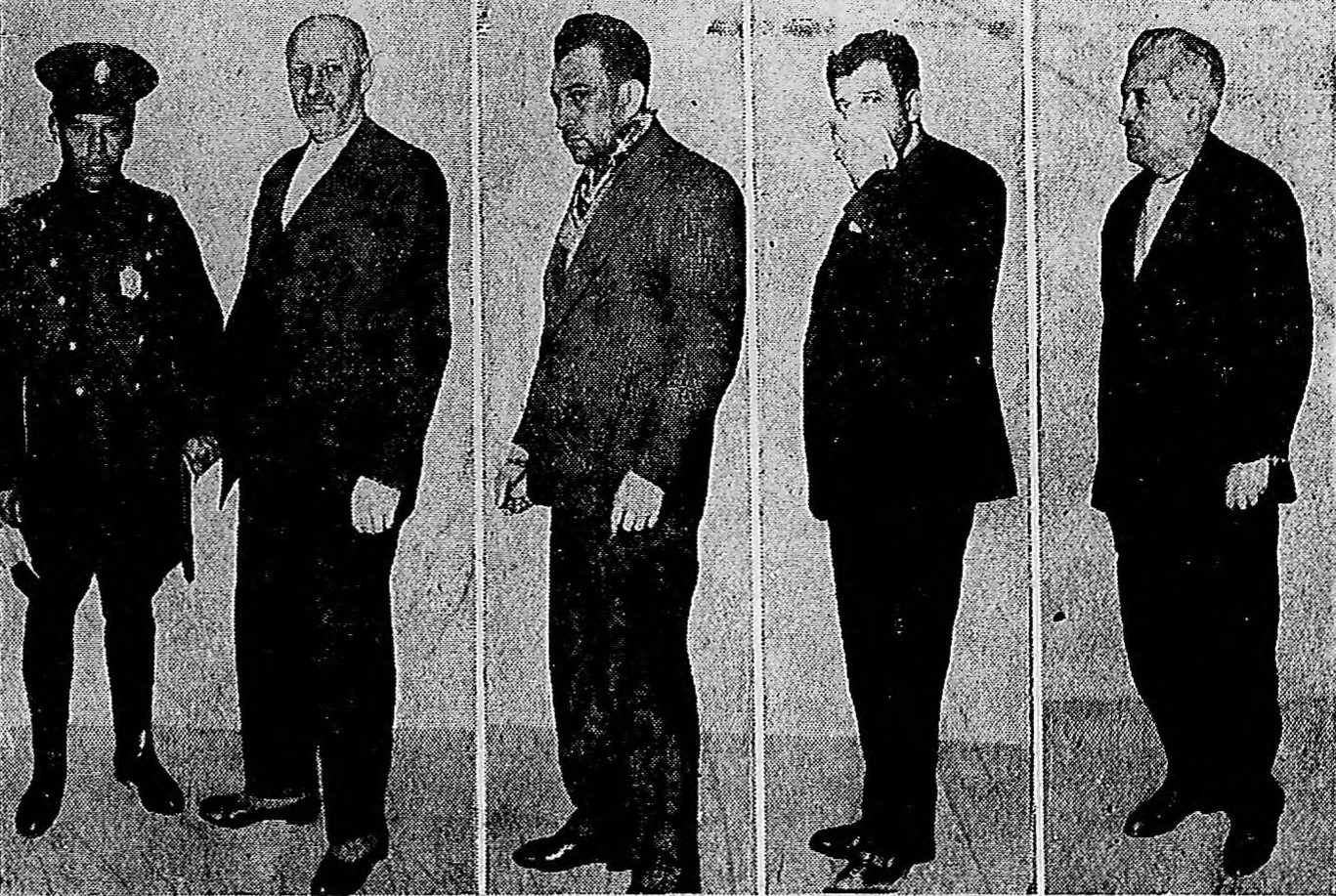
Zwi Migdal was a criminal organization formed by Jewish immigrants from Poland in the late 19th century. The group controlled extensive prostitution and human traffick...
Explore event →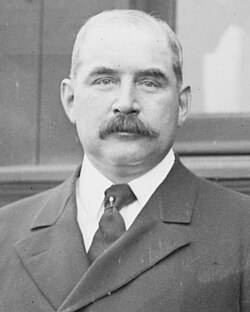
The Titanic sank on April 15, 1912, during its maiden voyage from Southampton to New York. Among the planned passengers was financier J.P. Morgan, head of the Internat...
Explore event →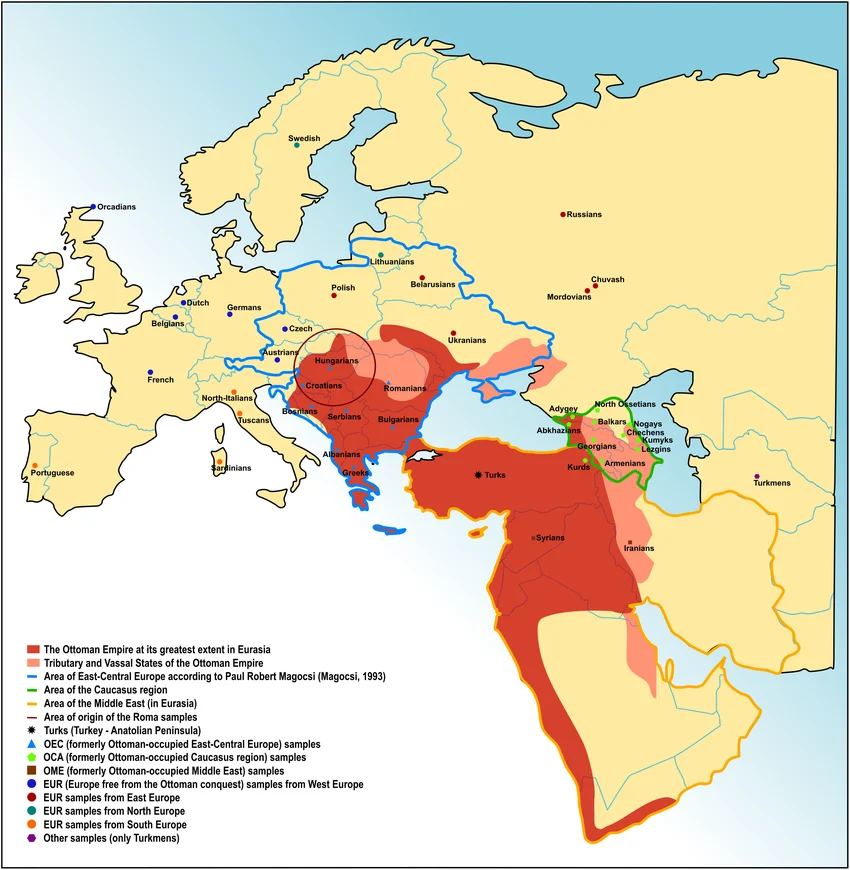
The Ottoman Empire expanded from a small Anatolian principality into one of the largest empires in history. Between the fourteenth and early twentieth centuries, Ottom...
Explore event →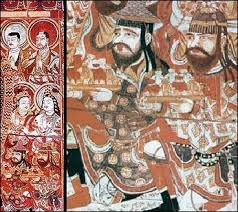
Sogdian merchants played a crucial role in expanding trade routes across Central Asia during the early medieval period. Centered in the city of Samarkand, they facilit...
Explore event →
c. 1830–1912 — The Rilindja Kombëtare develops through writers, educators, political activists and diaspora networks. Albanian-language education and publishing become...
Explore research
c. 2055–1650 BCE — Reunified Egypt experiences renewed royal authority, extensive building programs and military expansion into Nubia. Literature flourishes and Egypti...
Explore research
c. 2580–2560 BCE — Khufu's Great Pyramid rises at Giza and becomes the largest pyramid ever constructed in Egypt. Originally about 146.6 meters high, it contains milli...
Explore research
c. 6000–4400 BCE — Communities along the Nile increasingly depend on farming, fishing, animal husbandry and seasonal river resources. The Nile creates a narrow fertile...
Explore research
Human communities occupied the territory of modern Albania long before written history. Archaeology reveals Paleolithic activity followed by increasingly settled commu...
Explore research
28 June 1914 — Archduke Franz Ferdinand, heir to the Austro-Hungarian throne, and his wife Sophie are assassinated during an official visit to Sarajevo. Gavrilo Princi...
Explore research
10 July 1940 — The Luftwaffe begins the sustained air campaign conventionally identified as the Battle of Britain. Germany seeks air superiority as a prerequisite for ...
Explore research
3 September 1939 — Britain and France declare war on Germany after Hitler refuses demands to withdraw from Poland. Governments that spent much of the 1930s attempting ...
Explore research
1 July 1944 — As German armies retreat through Belarus and Poland, infrastructure, villages and transport networks are frequently destroyed. Nazi occupation has alread...
Explore research
Greek communities across the Ottoman Empire and Europe develop powerful commercial and educational networks.
Explore research
During the 1970s, Kissinger occupied senior U.S. government positions while maintaining relationships with prominent figures and institutions in international policy c...
Explore research
3 August 1943 — Large-scale partisan operations intensify against German railways, communications and occupation infrastructure. Partisan networks receive increasing s...
Explore research