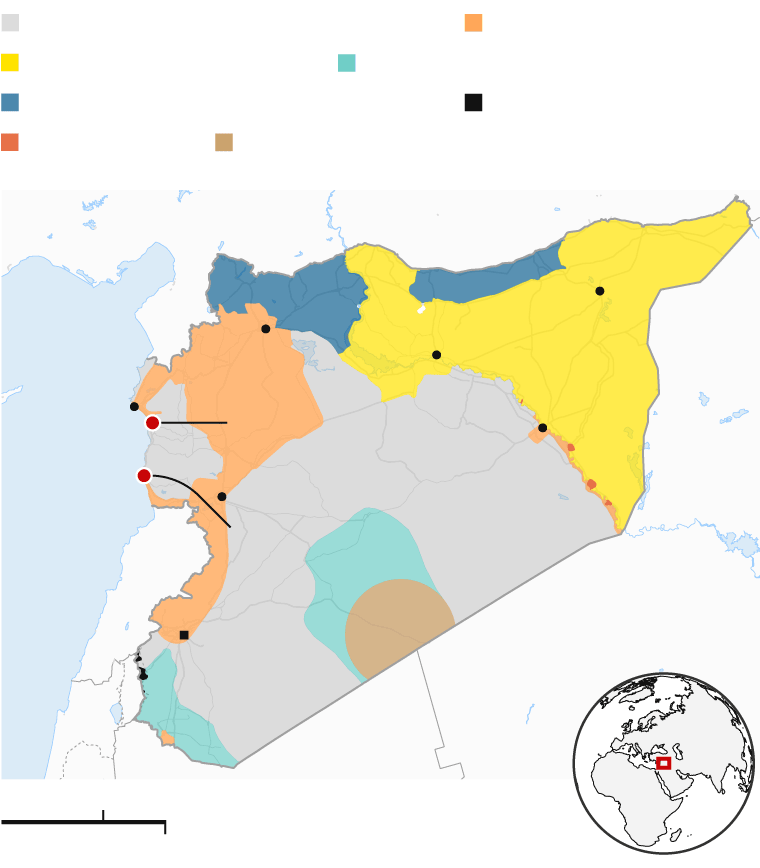
Syria restructures Russian bases
Syria and Russia reached an agreement on August 9, 2026, restructuring Russia's presence at the Hmeimim air base and Tartous naval facility. The memorandum followed ap...
Explore event →History does not happen in isolation. Explore world events across time, follow the connections between them, and investigate the threads that reveal how one event can lead to another.
TheTimeMap currently follows events across 95 countries and 268 years of history — building a connected archive designed for people who want to look beyond the headline.
We oppose antisemitism, racism, and dehumanization — everywhere.
When people stop feeling, injustice becomes easy.
Syria and Russia reached an agreement on August 9, 2026, restructuring Russia's presence at the Hmeimim air base and Tartous naval facility. The memorandum followed ap...
Explore event →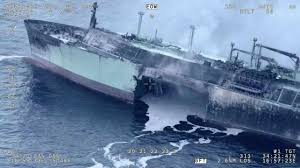
On March 4, 2026, a Russian liquefied gas tanker sank in the Mediterranean Sea following an explosion that Russian authorities said was caused by a drone attack. Ru...
Explore event →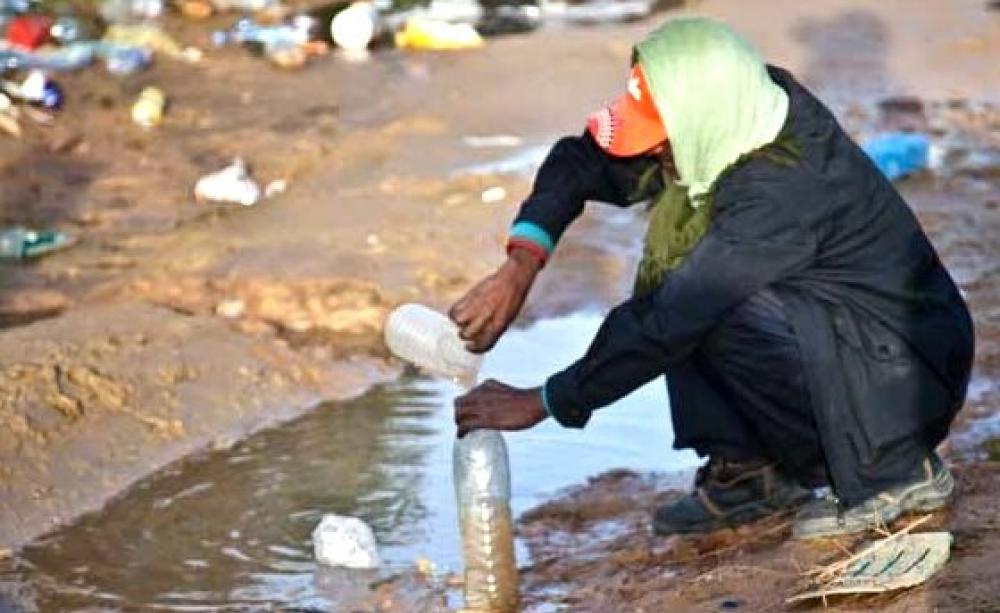
On 22 July 2011, during the Libyan Civil War, NATO aircraft struck a facility in Brega that manufactured large-diameter pipes used in Libya's Great Man-Made River wate...
Explore event →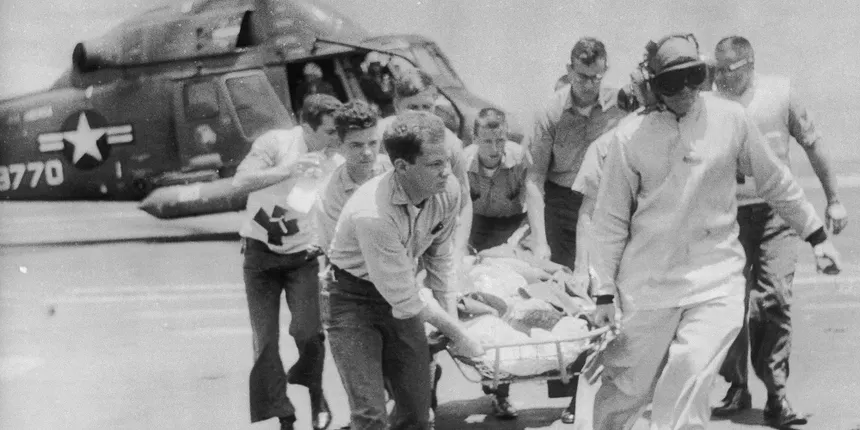
On June 8, 1967, during the Six-Day War, the United States Navy technical research ship USS Liberty (AGTR-5) was attacked in international waters of the eastern Medite...
Explore event →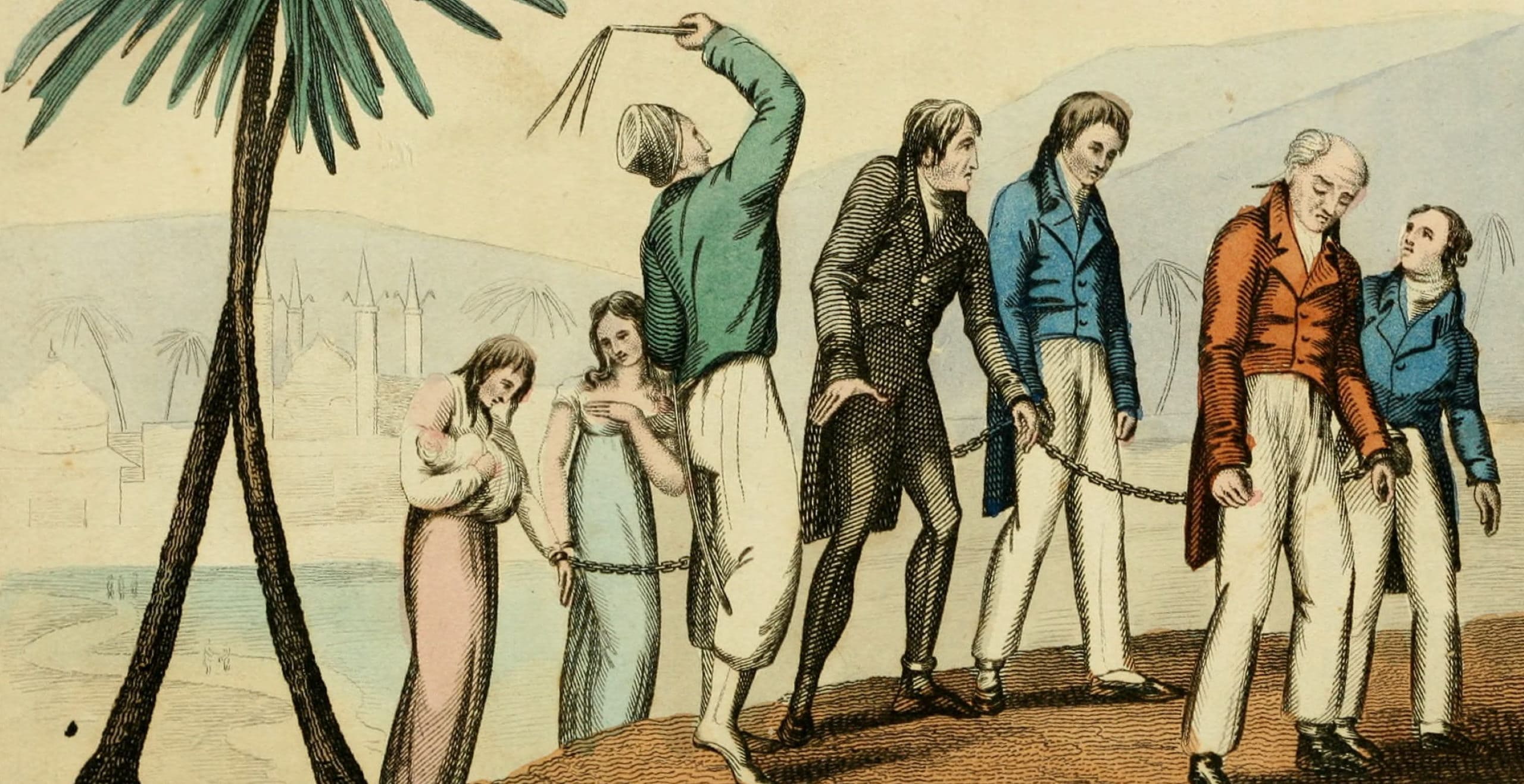
European Captives Sold Into Slavery By Barbary Pirates From the 16th to the 19th centuries, Barbary pirates operating from North Africa — including present-da...
Explore event →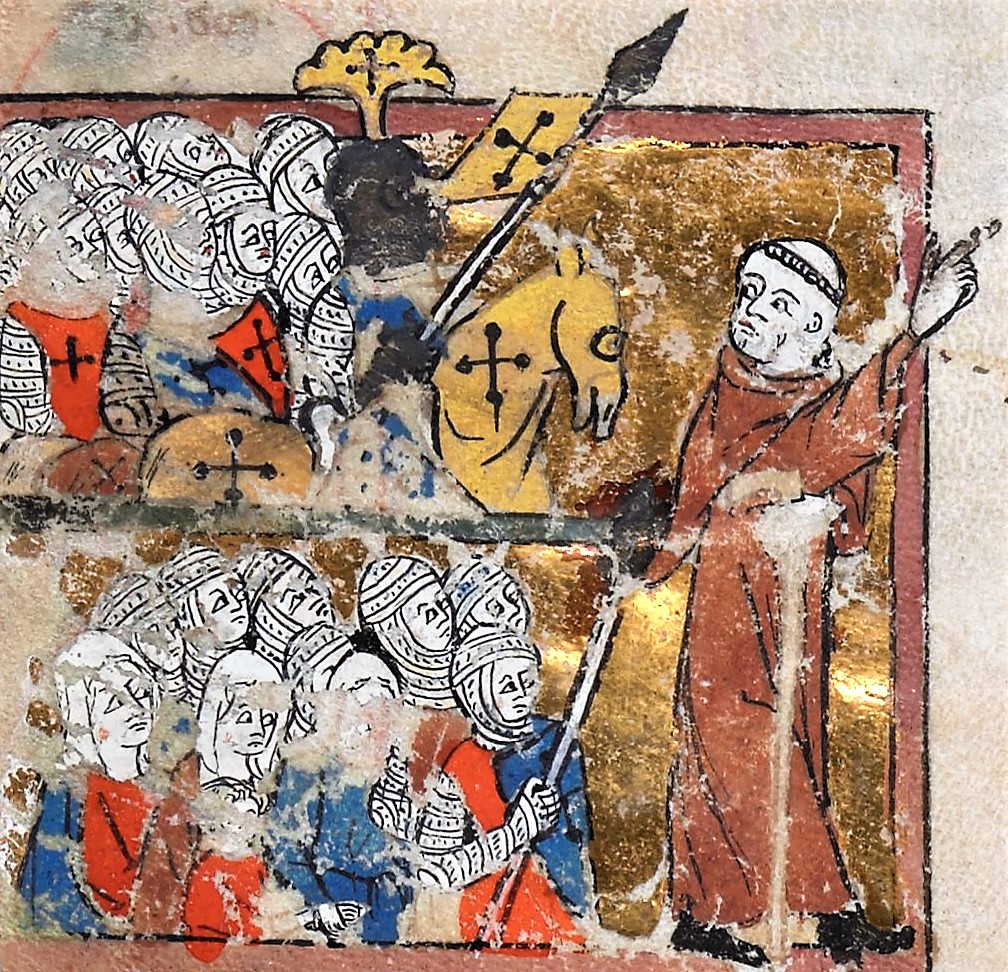
Origins And Objectives Of The Crusades The Crusades were a series of military campaigns initiated between 1095 and 1291, primarily aimed at capturing or def...
Explore event →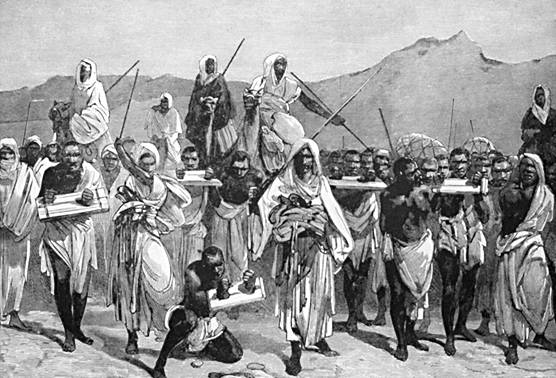
Trans‑Saharan Slave Trade The Trans‑Saharan slave trade began around the mid‑7th century following the Treaty of Baqt in 652 CE, which established formal rela...
Explore event →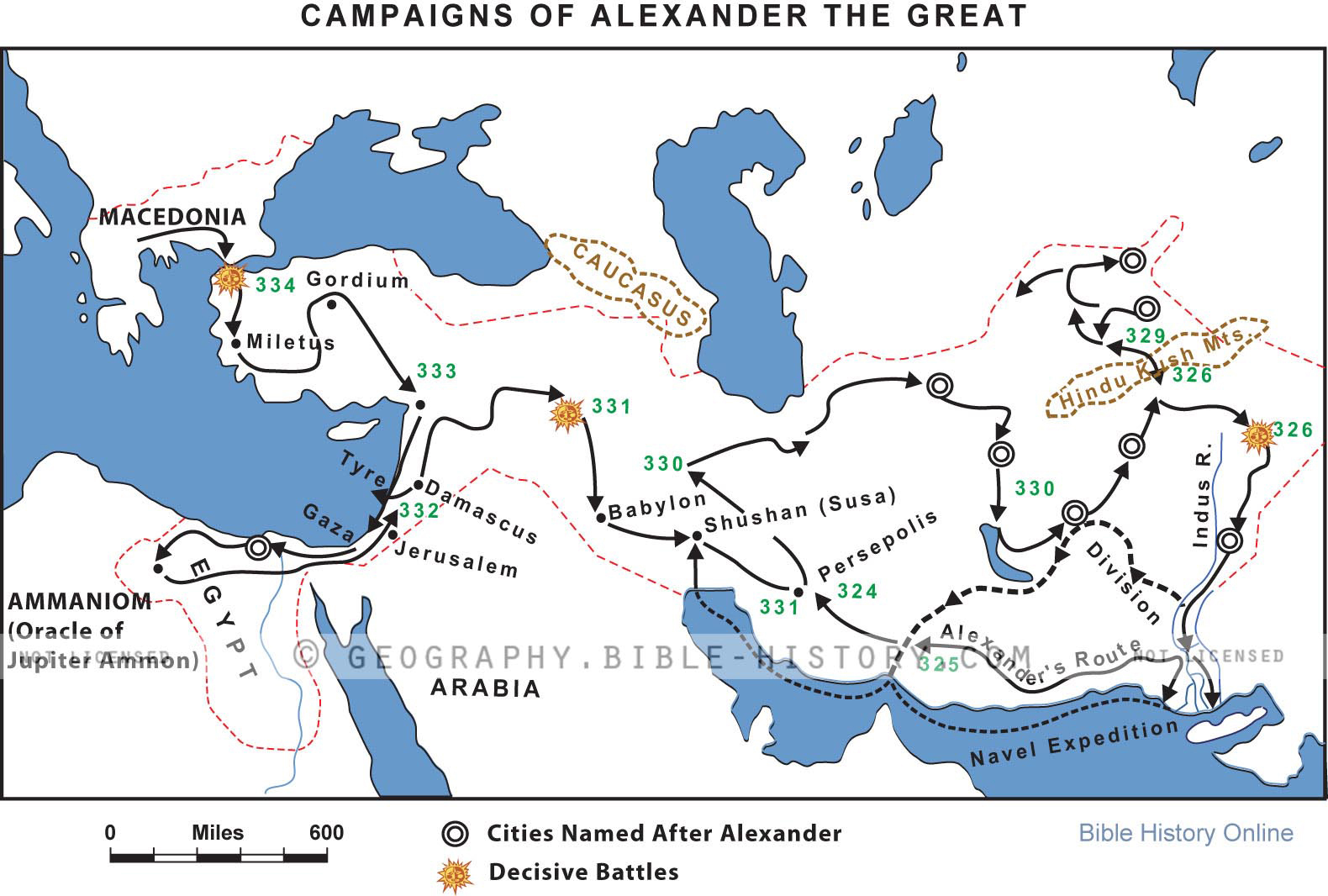
Alexander the Great Travels Through Palestine In October 332 B.C., during his campaign against the Persian Empire, Alexander III of Macedon, commonly known as Alexand...
Explore event →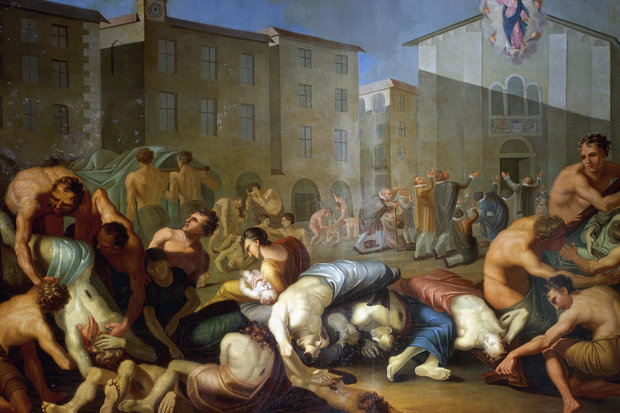
The Cyprian Plague is rapidly spreading across the Mediterranean region, severely impacting cities within the Roman Empire. Reports indicate a high mortality rate and ...
Explore event →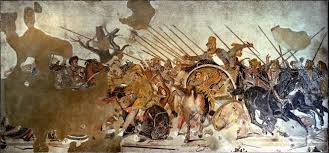
The Battle of Issus was fought between the forces of the Roman Emperor Septimius Severus and his rival Pescennius Niger. It marked a defining moment during the Year of...
Explore event →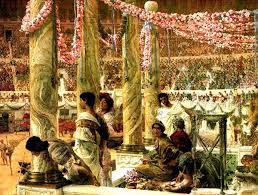
Pescennius Niger, governor of Syria, declared himself Roman emperor after the death of Emperor Pertinax. His claim to the throne sparked a civil war against Septimius ...
Explore event →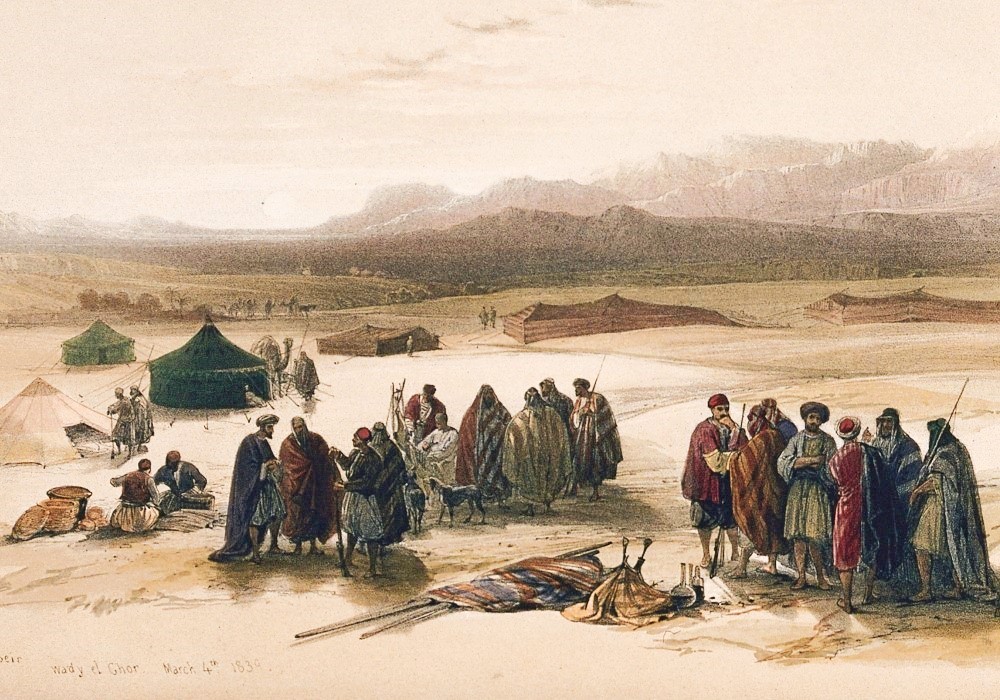
The Edomites, also known in later sources as Idumeans, were an ancient Semitic people who lived in the region south of Judea, historically associated with the descenda...
Explore event →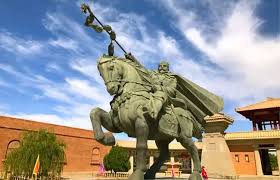
Ban Chao, a Chinese general and diplomat of the Eastern Han dynasty, is recorded as sending an envoy toward the western regions in an effort to establish contacts with...
Explore event →
2014–2026 — Egypt remains the most populous country in the Arab world and one of the principal political centers of the eastern Mediterranean and Middle East. Cairo do...
Explore research
17 November 1869 — The Suez Canal officially opens, connecting the Mediterranean and Red Seas without requiring ships to sail around Africa. The canal transforms globa...
Explore research
1 July 1798 — French forces under Napoleon Bonaparte land in Egypt. The invasion aims to weaken British access to India while expanding French influence in the eastern...
Explore research
1250–1517 CE — Military elites known as Mamluks seize political control and establish a powerful sultanate centered on Cairo. They defeat Mongol forces at Ain Jalut an...
Explore research
969 CE — The Isma'ili Shi'a Fatimid Caliphate conquers Egypt and establishes a new political center north of Fustat. Egypt becomes the heart of a powerful caliphate ex...
Explore research
c. 146–120 BCE — Roman engineers develop the Via Egnatia from the Adriatic coast through Macedonia toward Byzantium. Dyrrachium becomes one of the principal western ga...
Explore research
331 BCE — Alexander establishes Alexandria on Egypt's Mediterranean coast. Under his successors, the city becomes one of the greatest centers of trade and scholarship ...
Explore research
627 BCE — Greek colonists establish Epidamnos on the Adriatic coast, later known as Dyrrachium and modern Durrës. The settlement becomes a major commercial link betwee...
Explore research
664–525 BCE — Rulers of the Twenty-Sixth Dynasty reunify Egypt from their base at Sais. They encourage trade with the Greek world, employ foreign mercenaries and reviv...
Explore research
c. 1000–500 BCE — Iron Age communities later identified by Greek and Roman writers as Illyrian become visible across much of the western Balkans. Illyrians were not on...
Explore research
c. 2055–1650 BCE — Reunified Egypt experiences renewed royal authority, extensive building programs and military expansion into Nubia. Literature flourishes and Egypti...
Explore research
10 July 1943 — Allied armies land on Sicily in Operation Husky after victory in North Africa. The invasion places direct military pressure on Fascist Italy and demonst...
Explore research
Early Christian communities form across the Greek-speaking eastern Mediterranean.
Explore research
1942–1945 senior Allied command — Eisenhower rises rapidly to become the principal American commander responsible for coalition operations in North Africa, the Mediter...
Explore research
Today Greece is a parliamentary republic, EU and NATO member linking southeastern Europe with the eastern Mediterranean.
Explore research