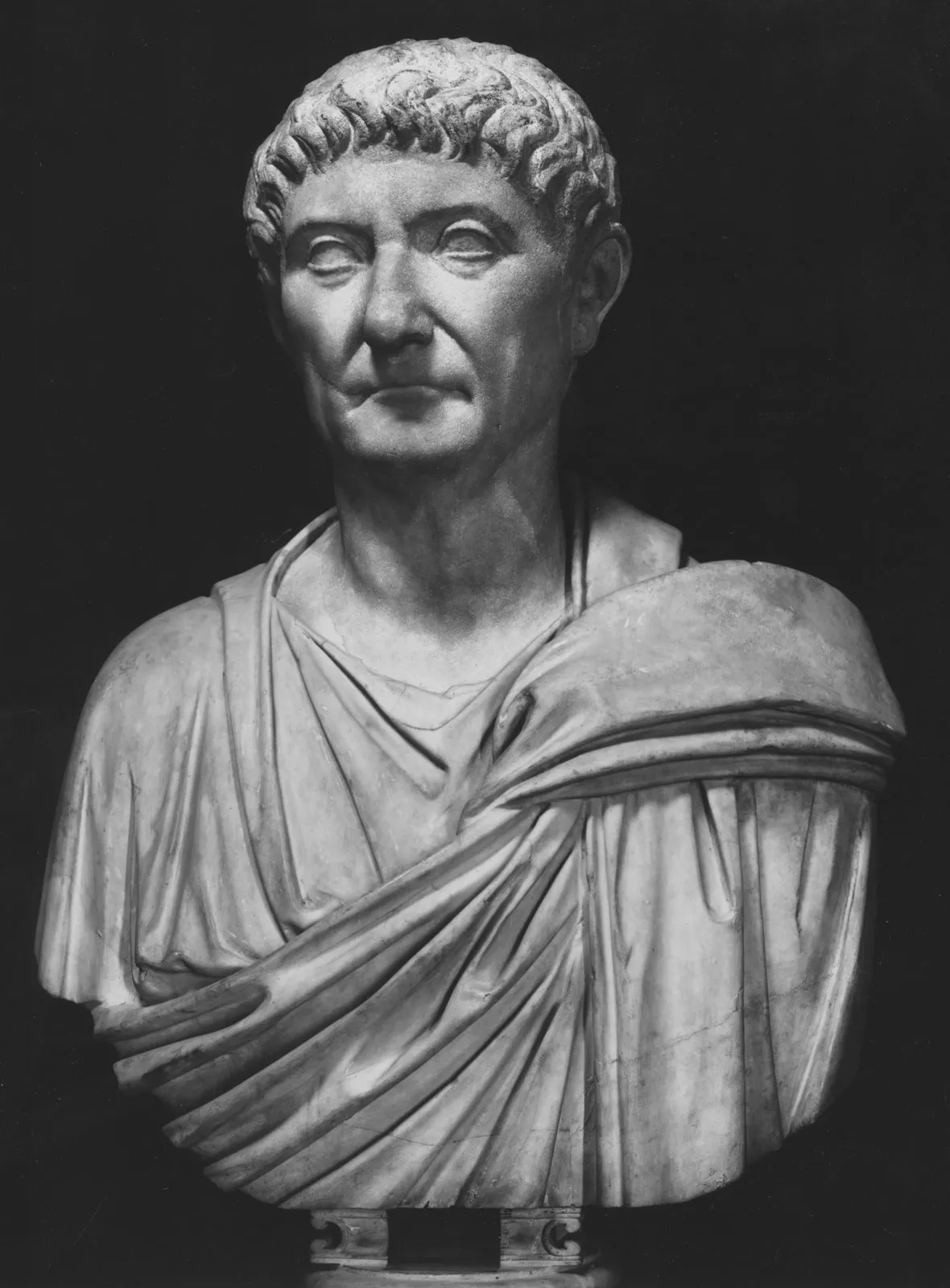
Rise of Diocletian to Power
Diocletian was proclaimed emperor by his troops in Nicomedia following the death of Emperor Carus. His rise marked the end of a period of civil wars and instability in...
Explore event →History does not happen in isolation. Explore world events across time, follow the connections between them, and investigate the threads that reveal how one event can lead to another.
TheTimeMap currently follows events across 95 countries and 268 years of history — building a connected archive designed for people who want to look beyond the headline.
We oppose antisemitism, racism, and dehumanization — everywhere.
When people stop feeling, injustice becomes easy.
Diocletian was proclaimed emperor by his troops in Nicomedia following the death of Emperor Carus. His rise marked the end of a period of civil wars and instability in...
Explore event →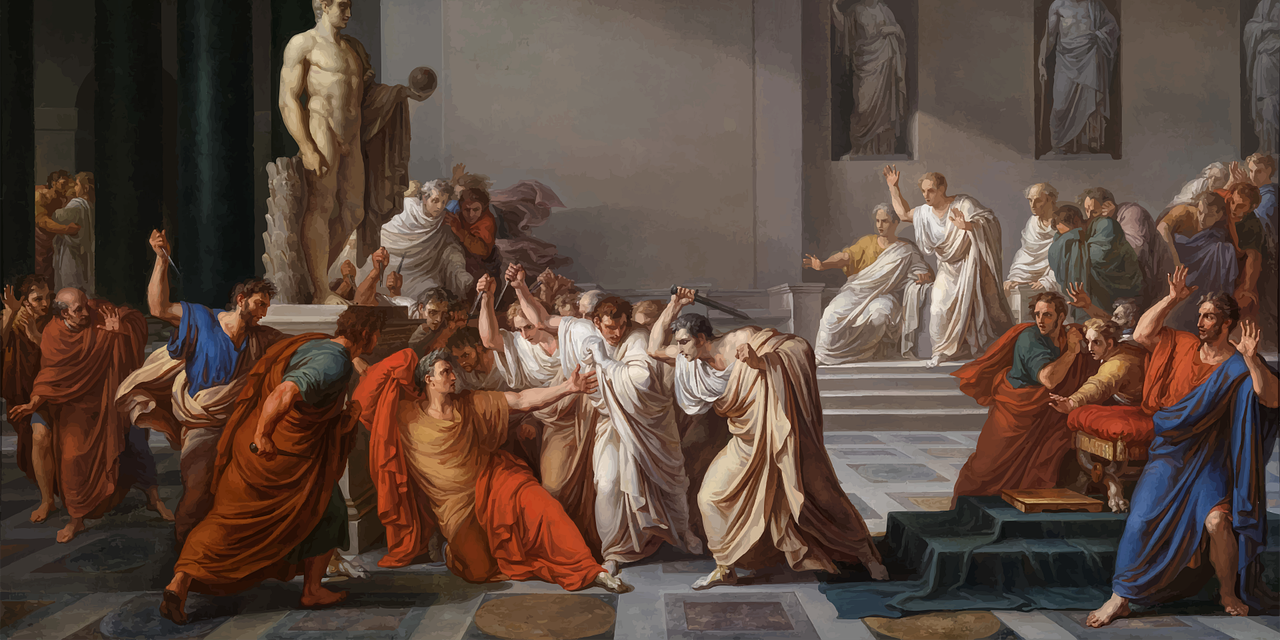
The revolt of Gordian I was a significant uprising against the Roman Emperor Maximinus Thrax in 238, known as the Year of the Six Emperors. Senatorial opposition to Ma...
Explore event →
Macrinus, formerly a praetorian prefect, became Roman Emperor following the assassination of Caracalla. This marked a significant shift in imperial authority as Macrin...
Explore event →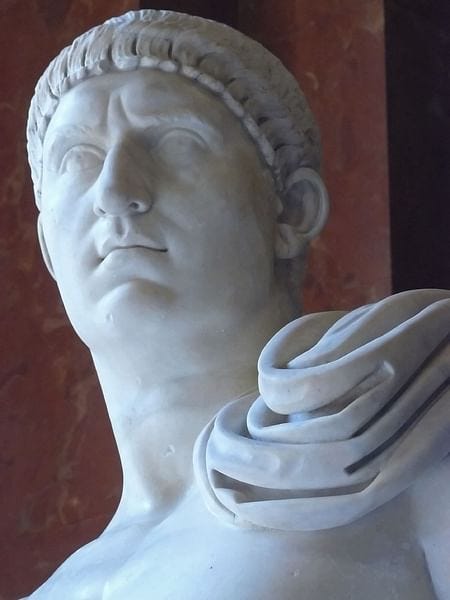
Following the death of Emperor Galba, Otho swiftly ascended to power in Rome, marking a critical juncture in the Year of the Four Emperors. His accession was character...
Explore event →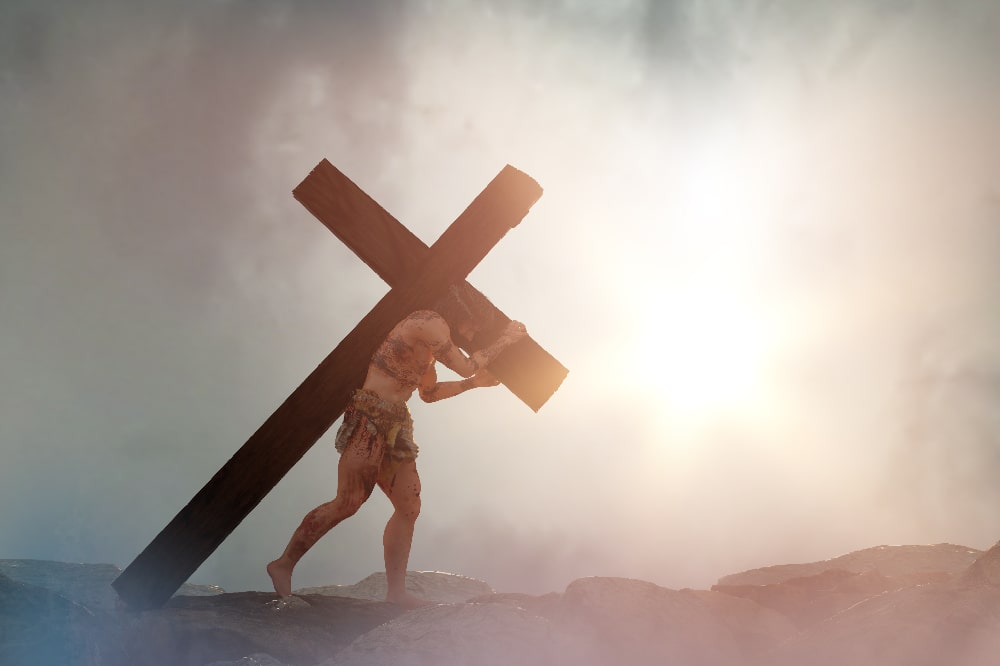
Jesus of Nazareth was executed by crucifixion under Roman governor Pontius Pilate in Jerusalem, during the period of Roman occupation of Judea. The event is documented...
Explore event →
23 July 1952 — Egyptian military officers overthrow King Farouk's government. The movement is driven by dissatisfaction with corruption, political inequality, British ...
Explore research
1914–1917 Allied purchasing and finance role — J.P. Morgan & Co. becomes a major financial and purchasing intermediary for Britain and France in the United States duri...
Explore research
28 November 1912 — Delegates meeting at Vlorë proclaim Albania independent from the Ottoman Empire during the First Balkan War. Ismail Qemali leads the provisional gov...
Explore research
641 CE — Muslim authorities establish Fustat near the old Roman fortress of Babylon on the Nile. The city becomes the administrative center of Islamic Egypt and develo...
Explore research
641–1000 CE — Arabic did not replace Coptic immediately after the conquest. Government, migration, urban life, taxation, religious conversion and social mobility gradu...
Explore research
7th–10th centuries — Arabic increasingly replaces Greek and Coptic in government and eventually becomes the dominant spoken language. Conversion to Islam occurs over g...
Explore research
639–642 CE — Forces commanded by Amr ibn al-As invade Byzantine Egypt during the early Islamic conquests. Byzantine resistance collapses gradually, and Alexandria even...
Explore research
c. 1070–664 BCE — Political power is divided among several dynasties and regional centers. Libyan-descended ruling families establish dynasties in northern Egypt, whil...
Explore research
c. 2181–2055 BCE — Egypt is politically divided among competing centers, especially Herakleopolis in the north and Thebes in the south. Provincial rulers exercise grea...
Explore research
6 August 1945 — An American B-29 drops the uranium bomb Little Boy on Hiroshima. The explosion and fire destroy much of the city and kill tens of thousands of people i...
Explore research
9 August 1945 — The United States drops the plutonium bomb Fat Man on Nagasaki. Tens of thousands are killed immediately or in the following months. The attack occurs ...
Explore research
28 July 1914 — Austria-Hungary declares war on Serbia exactly one month after the Sarajevo assassination. Artillery soon targets Belgrade. What Vienna hopes to treat a...
Explore research
23 July 1914 — Austria-Hungary presents Serbia with a severe ultimatum designed to suppress anti-Habsburg activity and permit substantial Austro-Hungarian involvement ...
Explore research
23 August 1941 — German forces intensify operations that culminate in one of the largest encirclements in military history around Kyiv. Hitler diverts armored forces s...
Explore research
8 November 1923 — Adolf Hitler and the Nazi Party attempt to seize power in Bavaria and march on Berlin. The putsch collapses after police confront the conspirators in...
Explore research
7 November 1917 — Bolshevik forces overthrow Russia's Provisional Government in Petrograd. Vladimir Lenin's movement has promised peace, land and political transfer to...
Explore research
28 May 1940 — During the military crisis in France, Britain's War Cabinet continues debating whether Italian mediation might open negotiations with Germany. Winston Ch...
Explore research
12 March 1938 — German troops enter Austria after intense political pressure on the Austrian government. Hitler announces the incorporation of Austria into the German ...
Explore research
1 September 1939 — German forces invade Poland from the west, north and south, beginning the European phase of the Second World War. The attack follows months of escal...
Explore research
13 August 1923 — Stresemann becomes German chancellor during the Ruhr and inflation crisis and later serves as foreign minister. He ends passive resistance in the Ruhr...
Explore research
24 November 1942 — Hitler orders the Sixth Army to remain inside the Stalingrad pocket rather than attempt an immediate breakout. He expects outside relief and air sup...
Explore research
7 May 1915 — German submarine U-20 torpedoes RMS Lusitania off the coast of Ireland. Nearly 1,200 people are killed, including more than one hundred Americans. The sin...
Explore research
23 August 1939 — Germany and the Soviet Union sign a non-aggression agreement. Secret protocols divide parts of Eastern Europe into German and Soviet spheres of influe...
Explore research
23 August 1939 — Nazi Germany and the Soviet Union sign a non-aggression pact. Secret protocols divide parts of Eastern Europe into German and Soviet spheres of influe...
Explore research