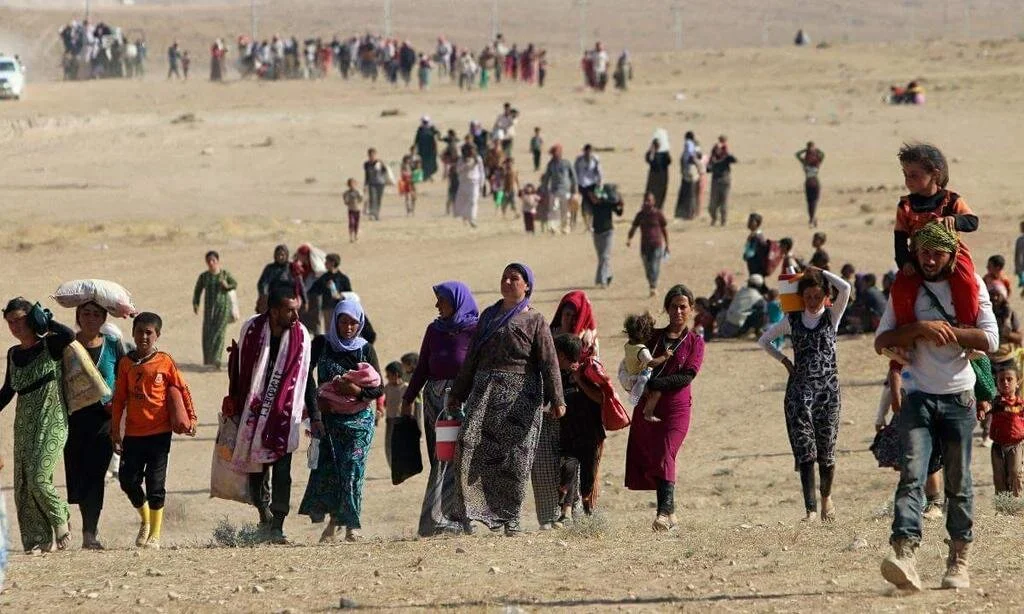
Yazidi Genocide
Yazidi Genocide On August 3, 2014, the Islamic State of Iraq and Syria (ISIS) launched an हमला on the Sinjar region of northern Iraq, targeting the Yazidi minority. I...
Explore event →History does not happen in isolation. Explore world events across time, follow the connections between them, and investigate the threads that reveal how one event can lead to another.
TheTimeMap currently follows events across 95 countries and 268 years of history — building a connected archive designed for people who want to look beyond the headline.
We oppose antisemitism, racism, and dehumanization — everywhere.
When people stop feeling, injustice becomes easy.
Yazidi Genocide On August 3, 2014, the Islamic State of Iraq and Syria (ISIS) launched an हमला on the Sinjar region of northern Iraq, targeting the Yazidi minority. I...
Explore event →
On July 16, 2014, during the Gaza conflict between Israel and Hamas, four Palestinian children from the Bakr family were killed in a strike near the fishing harbor of ...
Explore event →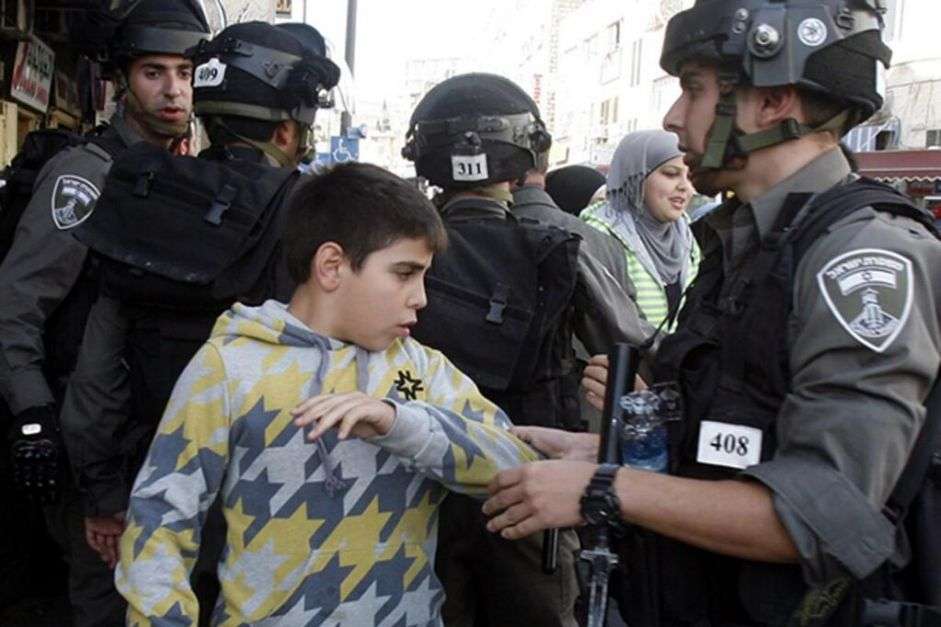
Israeli cruelty to Palestinian children from abduction to prison Israeli forces conducted mass home break-ins and arrests across the West Bank in response to the alle...
Explore event →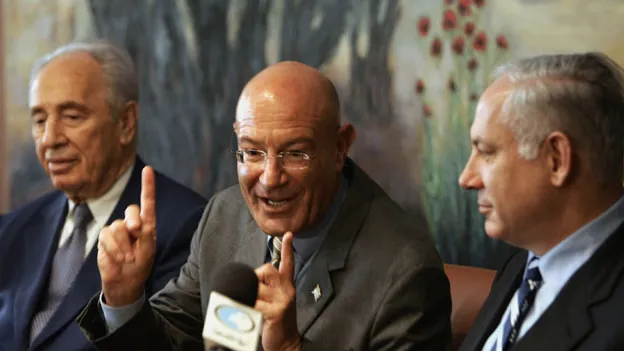
Hollywood producer Arnon Milchan publicly acknowledged that he spent years working for Israeli intelligence in a capacity that included acquiring military equipment an...
Explore event →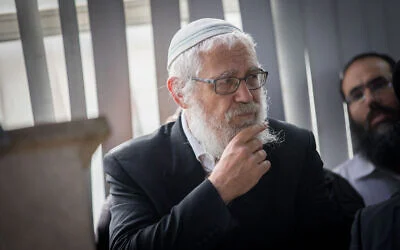
Mordechai Elon was a prominent Religious Zionist rabbi in Israel, known for his leadership roles in yeshivot, public lectures, and media appearances. He was considered...
Explore event →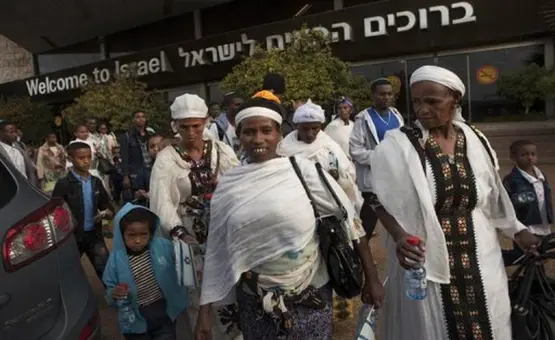
Reports in Israel raised serious concerns that Ethiopian Jewish women were given long-term birth control injections without full consent. The allegations centered on t...
Explore event →
Amendment of the Smith–Mundt Act in the National Defense Authorization Act On 28 December 2012, President Barack Obama signed the National Defense Authoriza...
Explore event →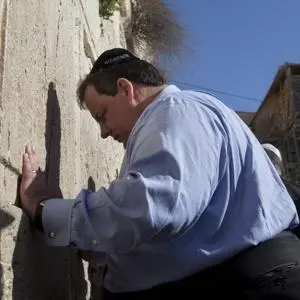
New Jersey Governor Chris Christie visited Israel’s Western Wall in February 2011 during his first official overseas trip as governor. He was given a personal tour of ...
Explore event →
In October 2011, Earl Seth David, a Toronto-based individual who had also used the name Avraham David and presented himself as a rabbi, was arrested in Toronto in conn...
Explore event →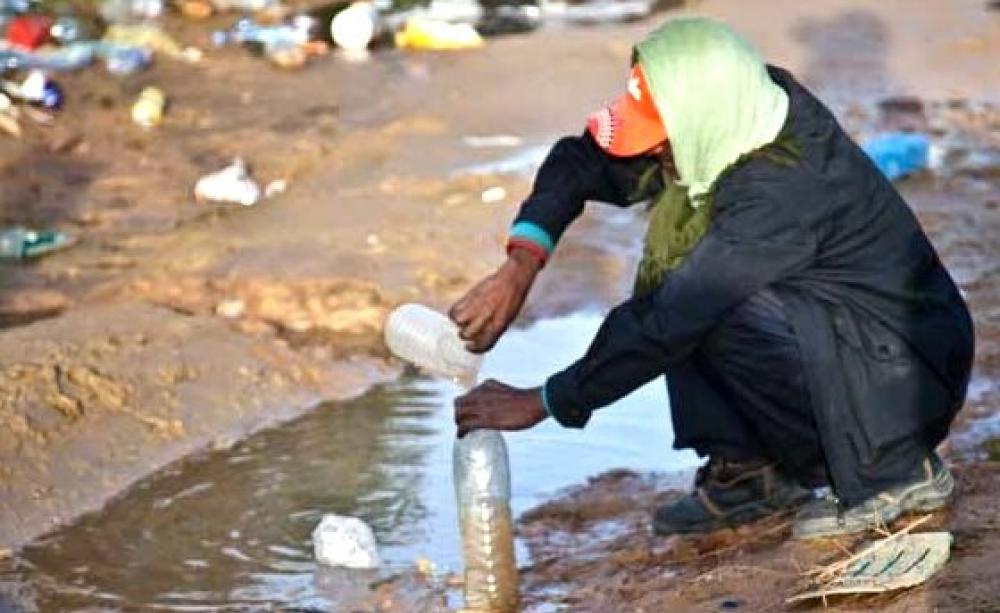
On 22 July 2011, during the Libyan Civil War, NATO aircraft struck a facility in Brega that manufactured large-diameter pipes used in Libya's Great Man-Made River wate...
Explore event →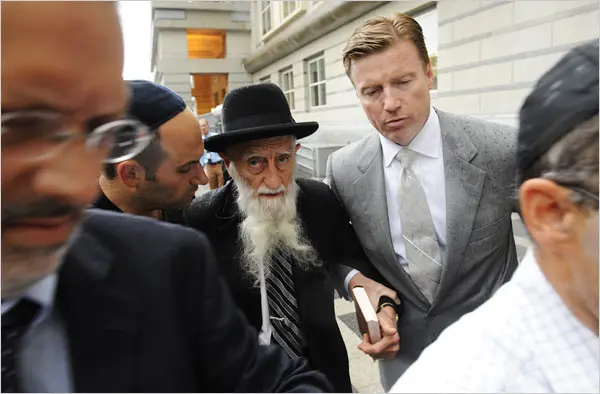
Rabbi Saul Kassin, a senior religious leader associated with the Syrian Jewish community in Brooklyn, New York, was sentenced in June 2011 to two years of unsupervised...
Explore event →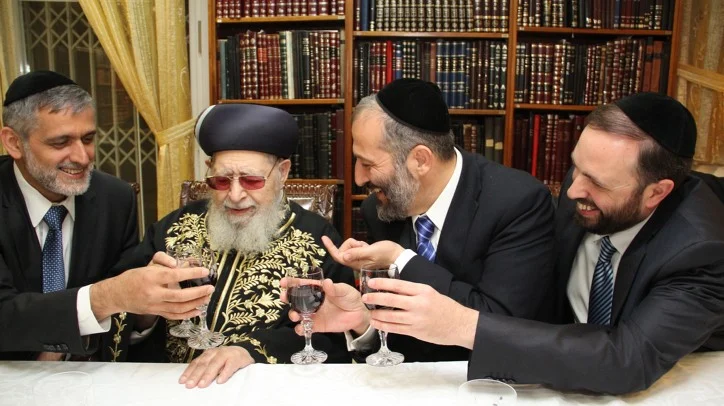
2010 sermon statements attributed to Rabbi Ovadia Yosef 2010 sermon statements attributed to Rabbi Ovadia Yosef on gentiles In 20...
Explore event →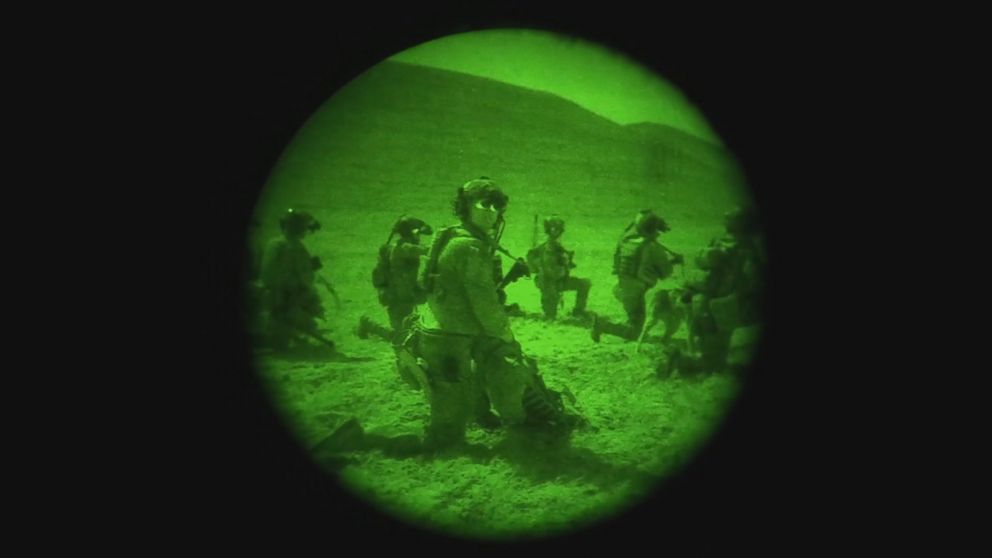
On February 12, 2010, U.S. Special Operations forces conducted a nighttime raid in Khataba village, in Paktia Province, Afghanistan. The operation targeted a compound ...
Explore event →
Gabriela Rico Jiménez’s Viral 2009 Incident and Disappearance On the evening of August 3, 2009, 21‑year‑old Gabriela Rico Jiménez was filmed in a distressed...
Explore event →
In July 2009, federal authorities in New Jersey arrested 44 individuals, including five rabbis, in a large-scale corruption and money laundering investigation conducte...
Explore event →
Michael Jackson, the “King of Pop,” died on June 25, 2009, at the age of 50 in Los Angeles, California, from acute propofol and benzodiazepine intoxication administere...
Explore event →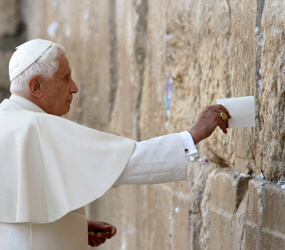
On May 11, 2009, Pope Benedict XVI visited the Western Wall in Jerusalem during a papal trip to the Holy Land. He touched the stones of the wall and offered prayers, f...
Explore event →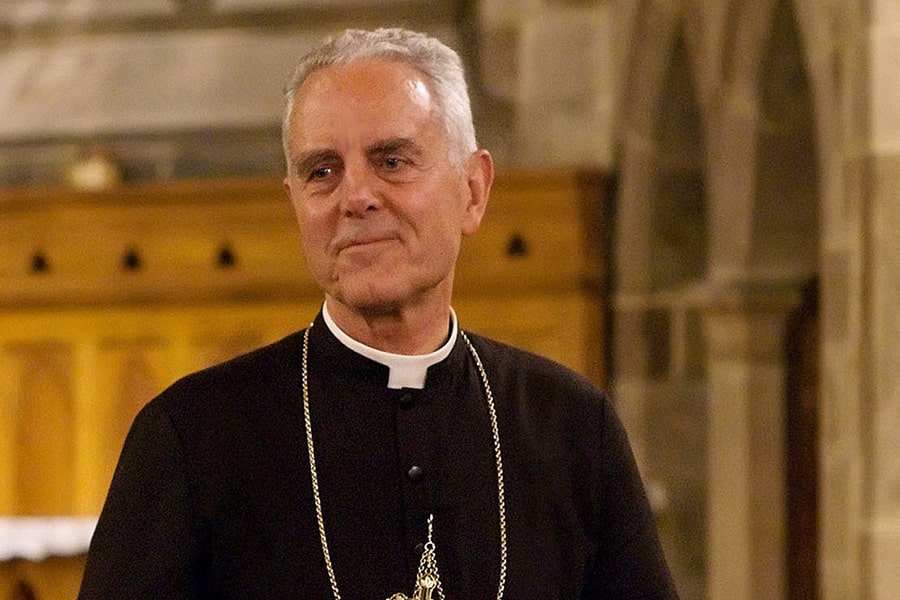
Richard Williamson was a British traditionalist Catholic bishop who became widely known for his involvement in controversies related to the Catholic Church and his pub...
Explore event →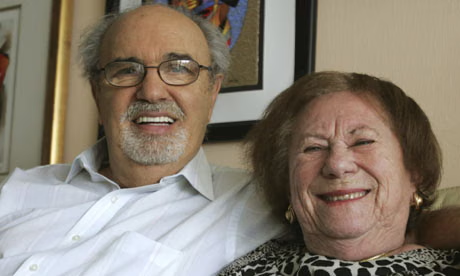
Herman Rosenblat publicly acknowledged in December 2008 that key elements of his Holocaust survival story were fabricated. Rosenblat had claimed that while imprisoned ...
Explore event →
Iraqi journalist throws shoes at U.S. President George W. Bush during Baghdad visit On December 14, 2008, Iraqi journalist Muntadhar al-Zaidi threw two shoe...
Explore event →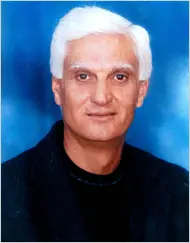
Lebanon Arrests Ali And Youssef Jarrah On Espionage Charges On October 25, 2008, Lebanese security forces arrested two Lebanese brothers, Ali Dib El‑Jarrah ...
Explore event →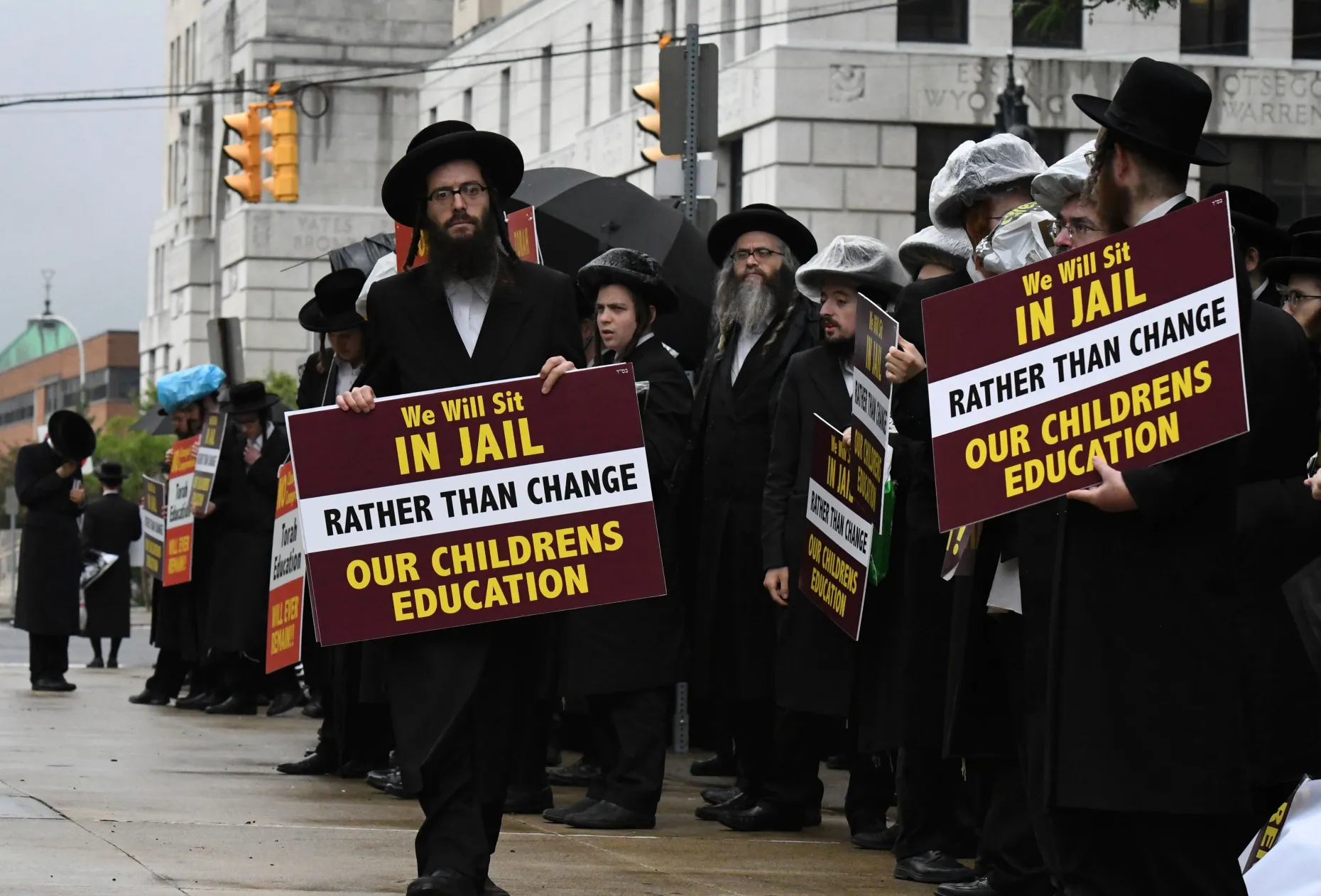
Former student brings case against Orthodox yeshiva in New York for historical misconduct On March 12, 2026, a former student of a Williamsburg, Brooklyn Orthodox yes...
Explore event →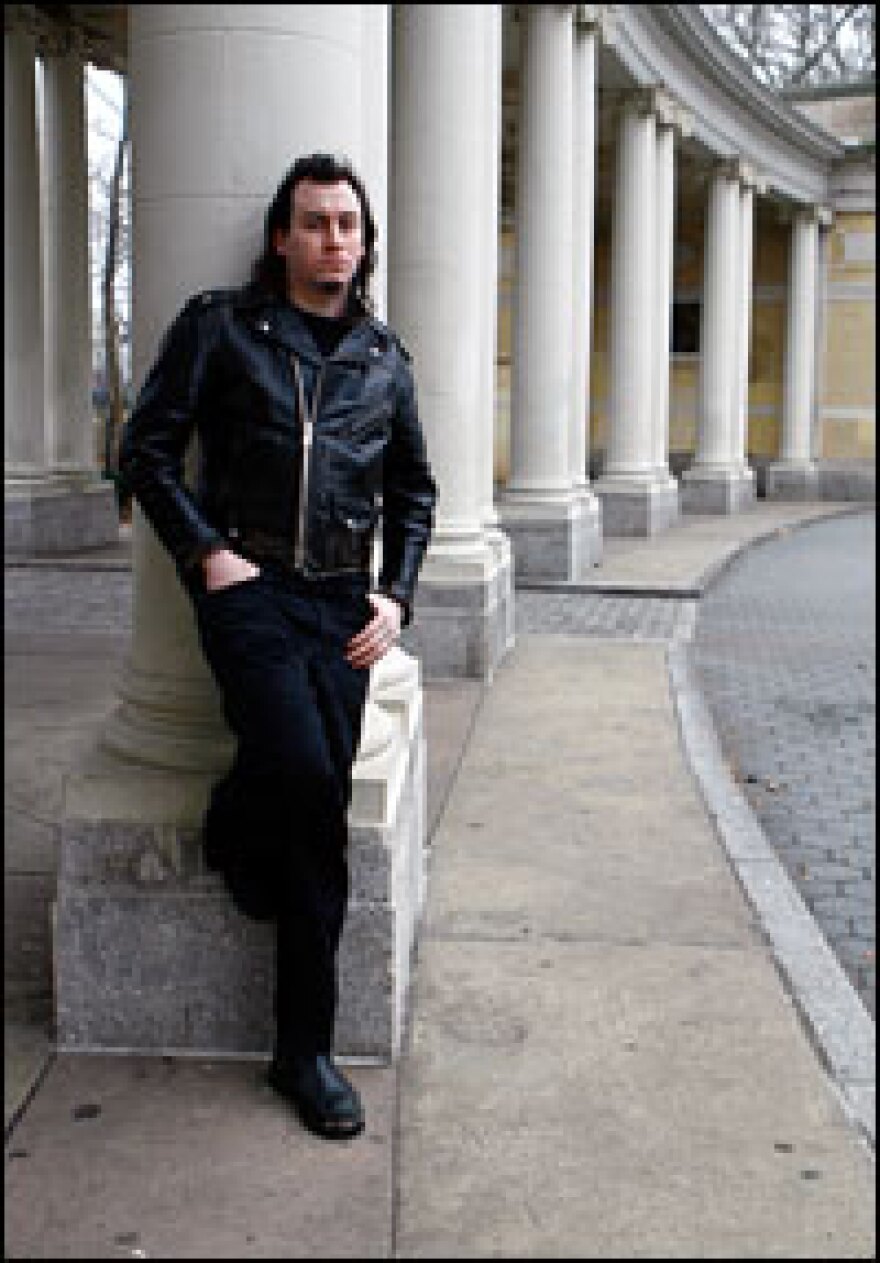
Joel Engelman files civil suit alleging historical abuse in Brooklyn On August 27, 2008, Joel Engelman, then 23 years old and residing in Greenpoint, Brookl...
Explore event →
The United States allows meat and milk from cloned animals to enter the food supply without special labeling requirements. The policy follows a decision by federal reg...
Explore event →
2014–2026 — Egypt remains the most populous country in the Arab world and one of the principal political centers of the eastern Mediterranean and Middle East. Cairo do...
Explore research
30 June 2012 — Mohamed Morsi, associated with the Muslim Brotherhood's political movement, becomes Egypt's first president elected after the 2011 uprising. His governm...
Explore research
11 February 2011 — Vice President Omar Suleiman announces that Hosni Mubarak has stepped down and transferred authority to the Supreme Council of the Armed Forces. Cel...
Explore research
January–August 1997 — The collapse of enormous fraudulent investment schemes wipes out the savings of hundreds of thousands of Albanians. Armed rebellion spreads, mili...
Explore research
23 July 1952 — Egyptian military officers overthrow King Farouk's government. The movement is driven by dissatisfaction with corruption, political inequality, British ...
Explore research
3 November 1918 — Sailors at Kiel revolt after naval leaders attempt to send the fleet into a final battle. The mutiny spreads into a wider revolutionary movement as w...
Explore research
28 June–4 August 1914 — Sarajevo creates the crisis, but successive decisions by Austria-Hungary, Germany, Russia, France and Britain determine how far it spreads. The...
Explore research
1914–1917 Allied purchasing and finance role — J.P. Morgan & Co. becomes a major financial and purchasing intermediary for Britain and France in the United States duri...
Explore research
28 November 1912 — Delegates meeting at Vlorë proclaim Albania independent from the Ottoman Empire during the First Balkan War. Ismail Qemali leads the provisional gov...
Explore research
1905–1914 — German military planning assumes that simultaneous war against France and Russia creates a dangerous strategic problem. Geography places Germany between bo...
Explore research
10 June 1878 — Albanian political and religious leaders gather in Prizren as the Ottoman Empire faces defeat and territorial losses following the Russo-Turkish War. Th...
Explore research
17 November 1869 — The Suez Canal officially opens, connecting the Mediterranean and Red Seas without requiring ships to sail around Africa. The canal transforms globa...
Explore research
Leading statesman of the Albanian independence movement and head of the provisional government formed at Vlorë.
Explore research
1 July 1798 — French forces under Napoleon Bonaparte land in Egypt. The invasion aims to weaken British access to India while expanding French influence in the eastern...
Explore research
1443–1479 — Investigate Skanderbeg's military campaigns, the League of Lezhë, European diplomacy and how later generations transformed him into a national symbol.
Explore research
1250–1517 CE — Military elites known as Mamluks seize political control and establish a powerful sultanate centered on Cairo. They defeat Mongol forces at Ain Jalut an...
Explore research
1079–1080 CE — Byzantine historian Michael Attaleiates uses terms generally interpreted as references to Albanians in the western Balkans. These medieval references ar...
Explore research
970–972 CE — The Fatimids establish the mosque and teaching institution that develops into al-Azhar. Over the centuries it becomes one of the most influential centers ...
Explore research
969 CE — The Isma'ili Shi'a Fatimid Caliphate conquers Egypt and establishes a new political center north of Fustat. Egypt becomes the heart of a powerful caliphate ex...
Explore research
641 CE — Muslim authorities establish Fustat near the old Roman fortress of Babylon on the Nile. The city becomes the administrative center of Islamic Egypt and develo...
Explore research
641–1000 CE — Arabic did not replace Coptic immediately after the conquest. Government, migration, urban life, taxation, religious conversion and social mobility gradu...
Explore research
7th–10th centuries — Arabic increasingly replaces Greek and Coptic in government and eventually becomes the dominant spoken language. Conversion to Islam occurs over g...
Explore research
639–642 CE — Forces commanded by Amr ibn al-As invade Byzantine Egypt during the early Islamic conquests. Byzantine resistance collapses gradually, and Alexandria even...
Explore research
c. 150 CE — The geographer Claudius Ptolemy records a people called Albanoi and a settlement named Albanopolis in the western Balkans. The similarity to later Albanian...
Explore research