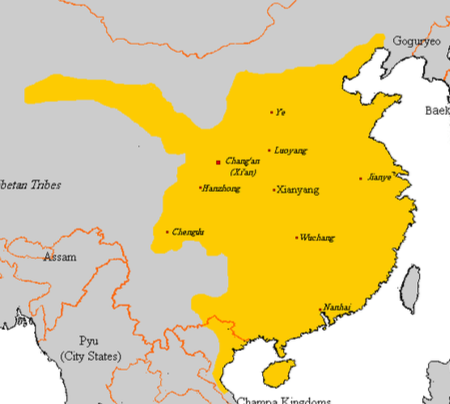
End of Sui Dynasty Unification Efforts
The Sui dynasty, which had temporarily unified China after a period of fragmentation, was facing collapse by early 618. Internal rebellions and external pressures mark...
Explore event →History does not happen in isolation. Explore world events across time, follow the connections between them, and investigate the threads that reveal how one event can lead to another.
TheTimeMap currently follows events across 95 countries and 268 years of history — building a connected archive designed for people who want to look beyond the headline.
We oppose antisemitism, racism, and dehumanization — everywhere.
When people stop feeling, injustice becomes easy.
The Sui dynasty, which had temporarily unified China after a period of fragmentation, was facing collapse by early 618. Internal rebellions and external pressures mark...
Explore event →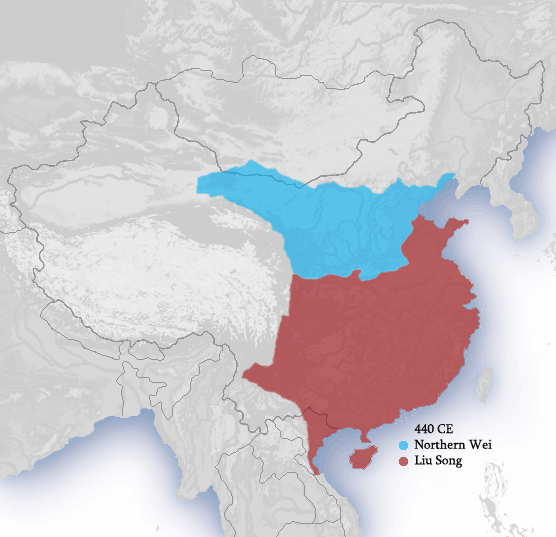
The Chen dynasty, ruling southern China, sought to stabilize its domain amid persistent threats from northern dynasties. Efforts to fortify its borders and consolidate...
Explore event →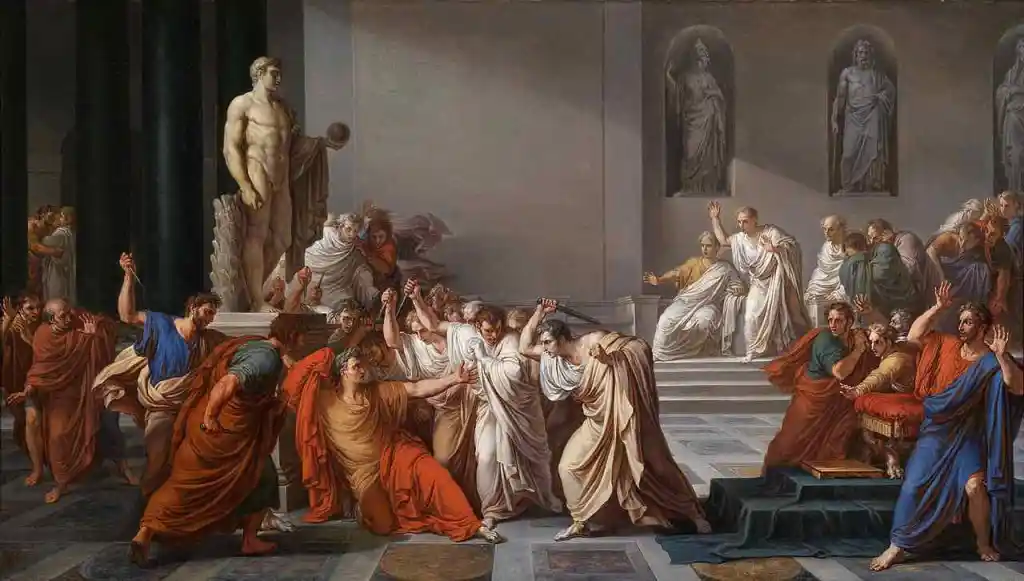
Jerome, a prominent Byzantine official during the Gothic War, was assassinated in the Imperial Palace at Ravenna. His death marked a significant turning point in the c...
Explore event →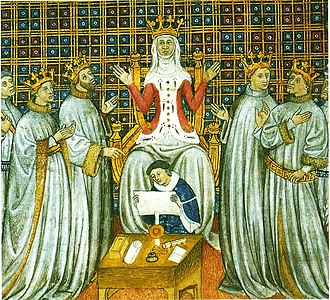
Clovis I, the first King of the Franks to unite all Frankish tribes under one ruler, died on November 27. His death marked a significant transition in early medieval E...
Explore event →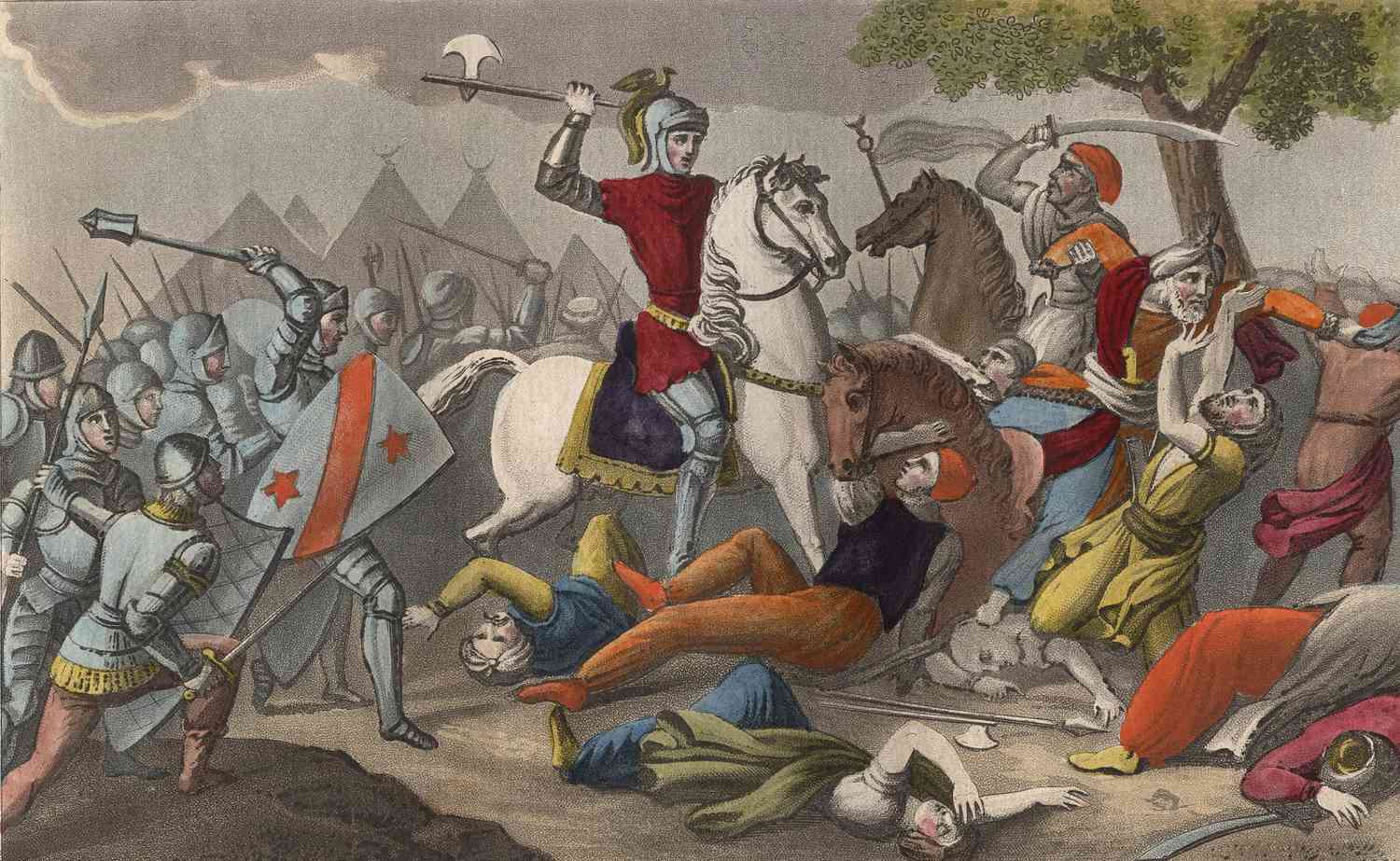
The Frankish conquest of Aquitaine began as the Franks expanded their territory into the southwestern region of present-day France. Under the leadership of Clovis I an...
Explore event →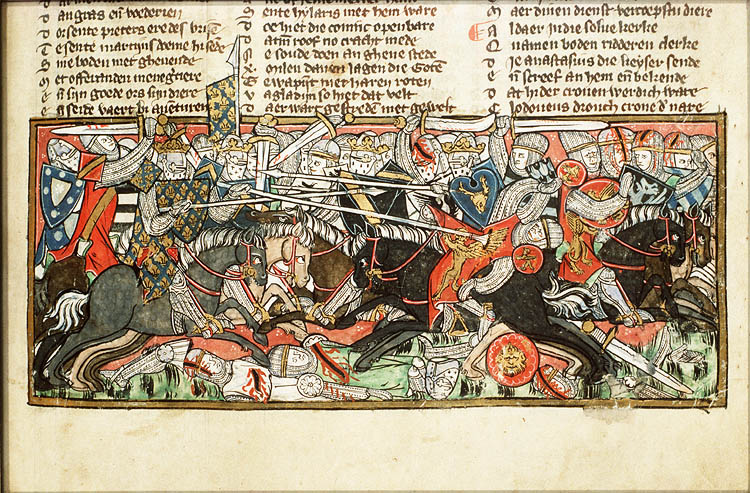
The Battle of Vouillé was fought between the Franks under Clovis I and the Visigoths led by Alaric II. This decisive battle occurred near Vouillé, resulting in a signi...
Explore event →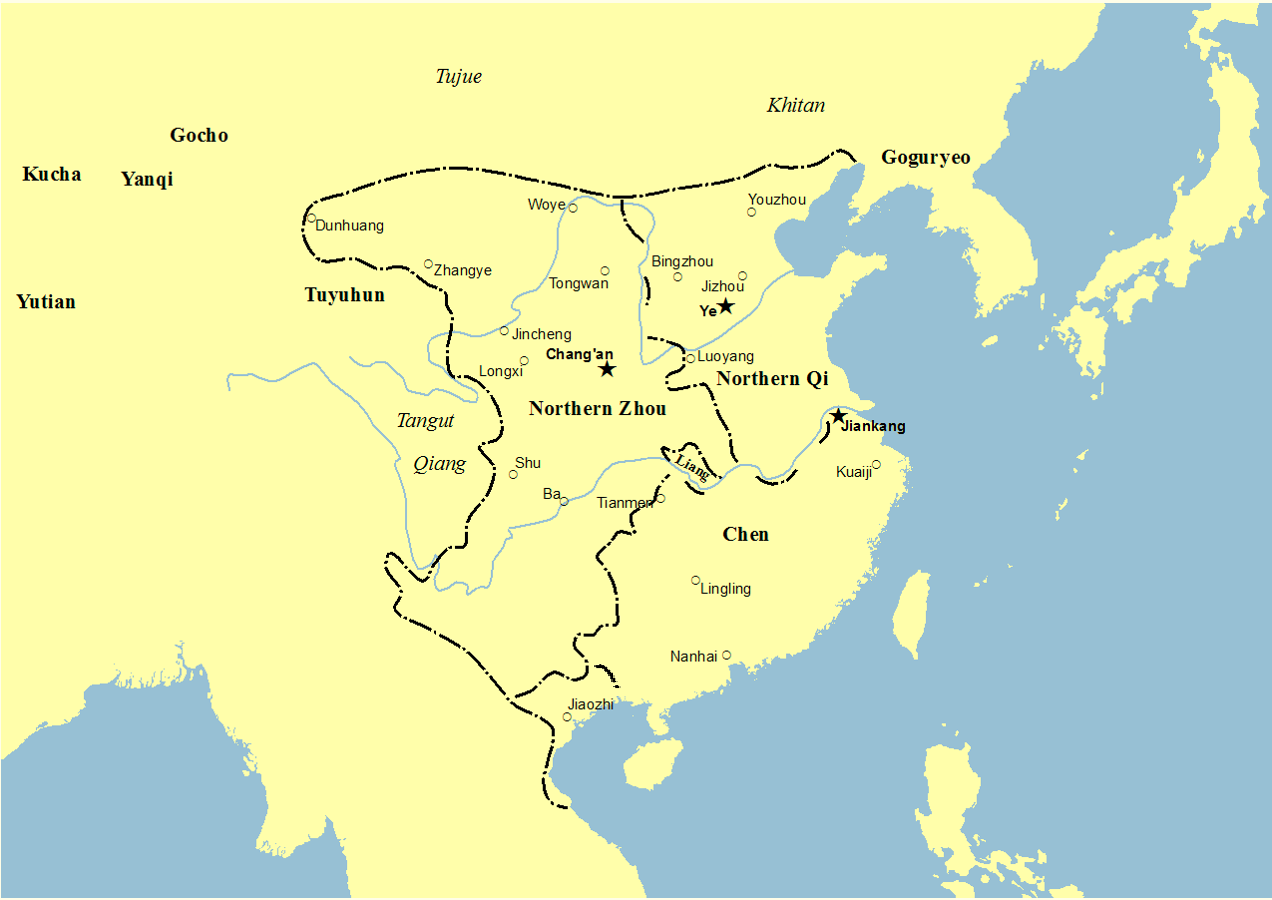
The Liang dynasty was established when Emperor Wu ascended to the throne, marking a significant shift in Southern Chinese ruling power. The dynasty emerged from the co...
Explore event →
The compilation of the Babylonian Talmud marked a significant advancement in Jewish legal and theological scholarship. Completed around the 5th century CE, this work s...
Explore event →
During the classical period of Indian history, Sanskrit literature experienced a remarkable flourishing, often under the patronage of royal courts such as that of Ujja...
Explore event →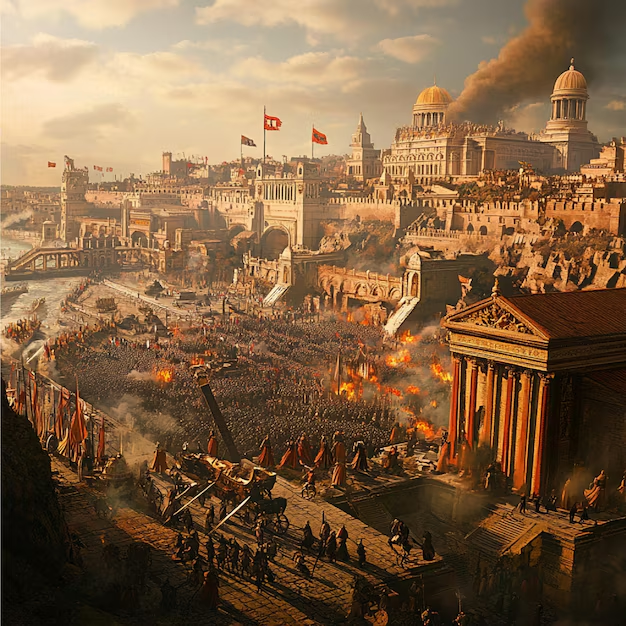
The last Western Roman emperor, Romulus Augustulus, was deposed. This event traditionally marks the end of ancient Rome and the beginning of the Middle Ages. Christi...
Explore event →
The resurrection of Jesus Christ marks a central event in Christian belief, symbolizing his victory over death. Following his crucifixion, accounts describe Jesus risi...
Explore event →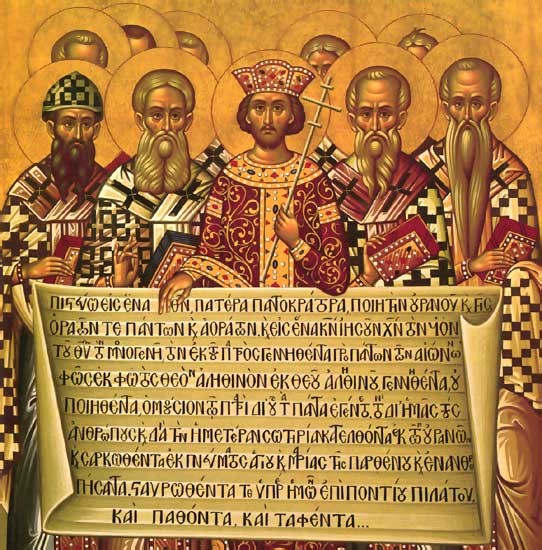
The Edict of Milan, issued in 313 CE by Roman emperors Constantine I and Licinius, granted religious tolerance throughout the Roman Empire. It ended the persecution of...
Explore event →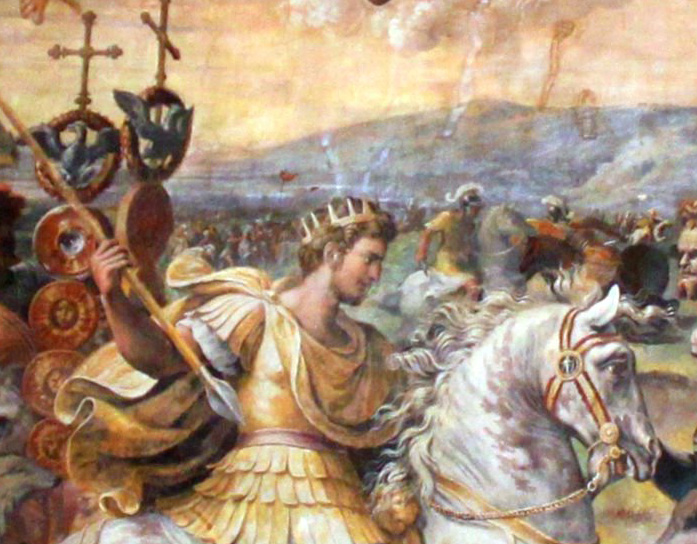
Emperor Constantine converted to Christianity after the Battle of the Milvian Bridge. His conversion led to the legalization of Christianity within the Roman Empire. ...
Explore event →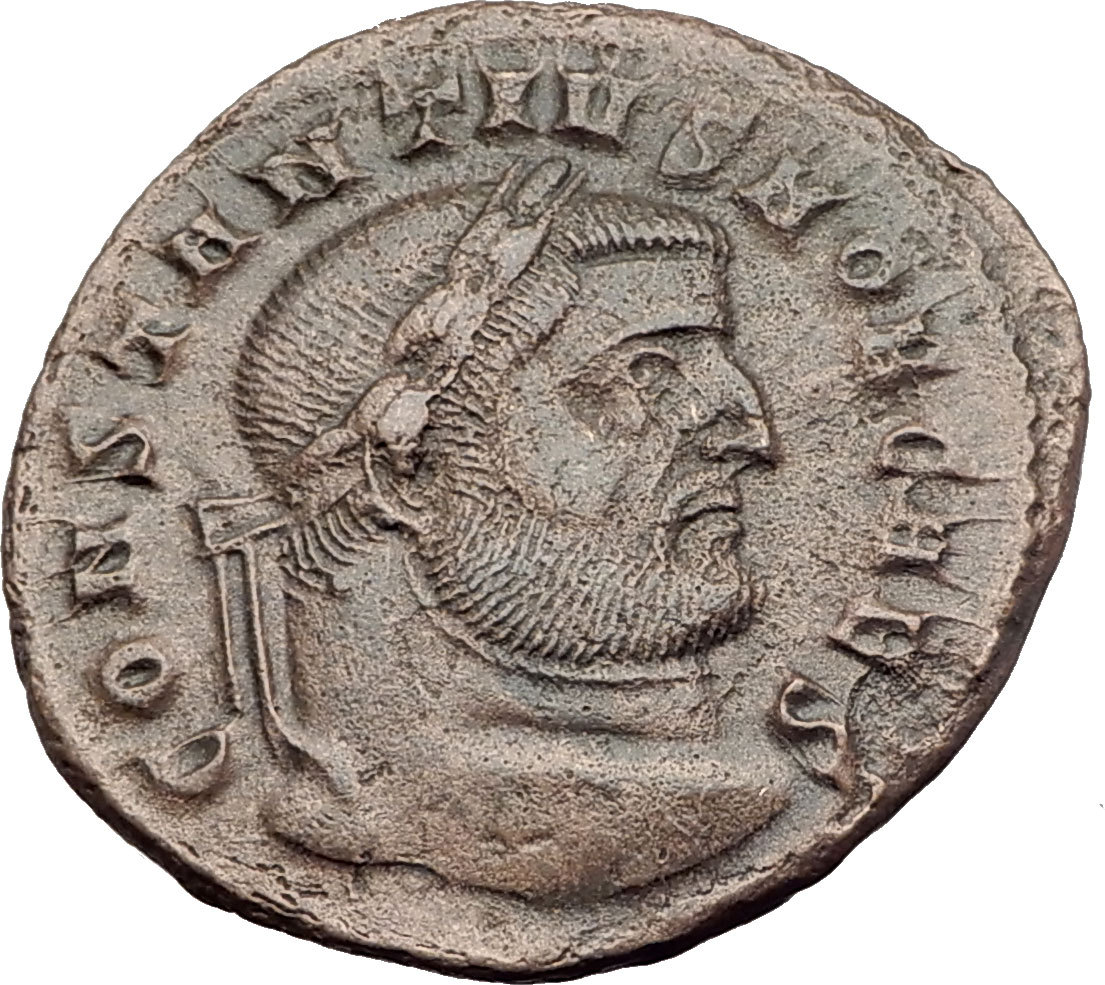
Constantius Chlorus was elevated to the rank of Augustus on May 1st, 305, following the abdication of the previous Tetrarchs, Diocletian and Maximian. This event marke...
Explore event →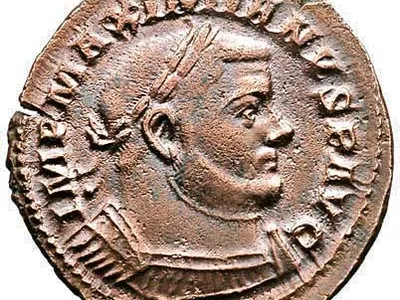
Maximian, co-emperor of the Roman Empire, formally abdicated his position alongside Diocletian. This marked a significant moment in the Tetrarchy system, a power-shari...
Explore event →
Emperor Diocletian formally abdicated the throne, marking a rare voluntary withdrawal from power by a Roman emperor. This significant event occurred as part of the Tet...
Explore event →
Galerius was appointed Caesar by Emperor Diocletian as part of the tetrarchy reform intended to stabilize and govern the Roman Empire more effectively. His promotion m...
Explore event →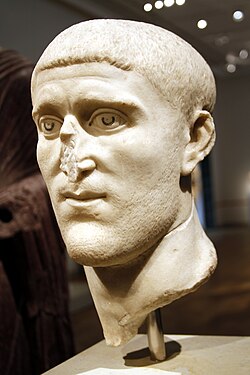
Constantius Chlorus was appointed Caesar by Emperor Diocletian as part of the Tetrarchy system to stabilize and govern the Roman Empire more effectively. This appointm...
Explore event →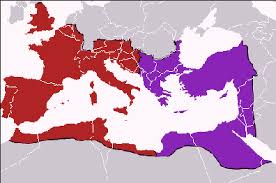
The Tetrarchy was established by Emperor Diocletian in 293 to address administrative and military challenges in the Roman Empire. This political system divided the emp...
Explore event →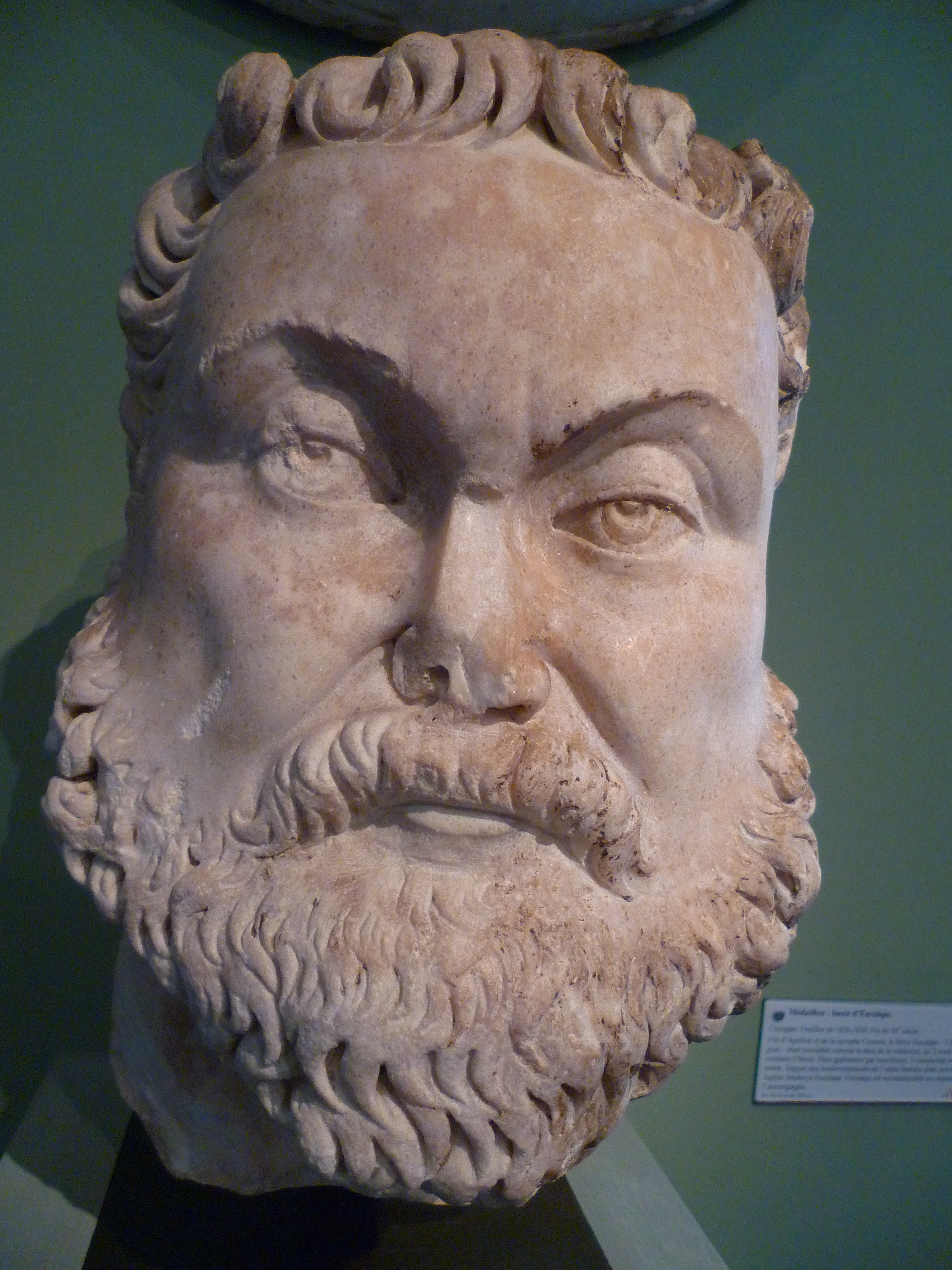
In April 286, the Roman Emperor Diocletian appointed Maximian as Caesar, marking a significant development in imperial governance. This act was meant to strengthen the...
Explore event →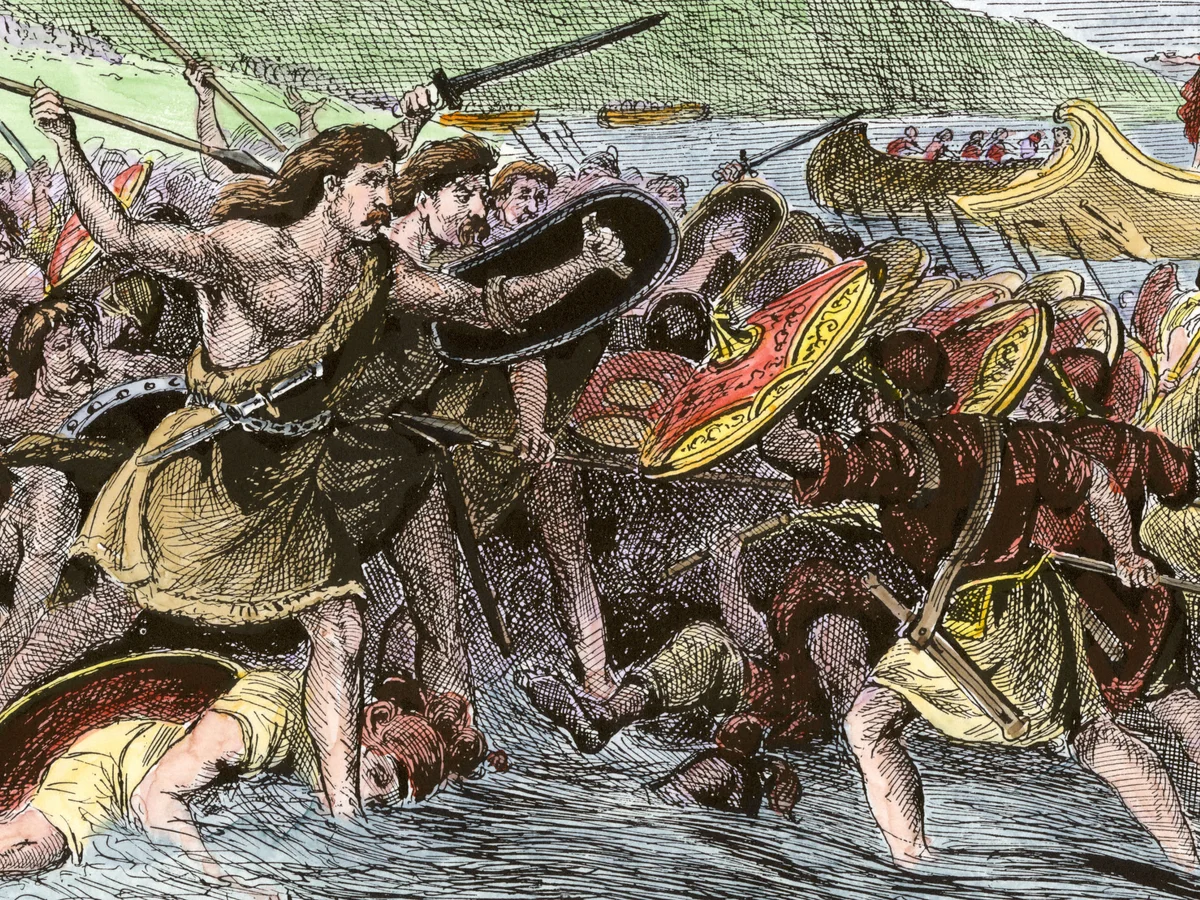
Carausius, a Roman naval commander, declared himself emperor in Britain and northern Gaul after seizing power around 286 CE. His revolt challenged the authority of the...
Explore event →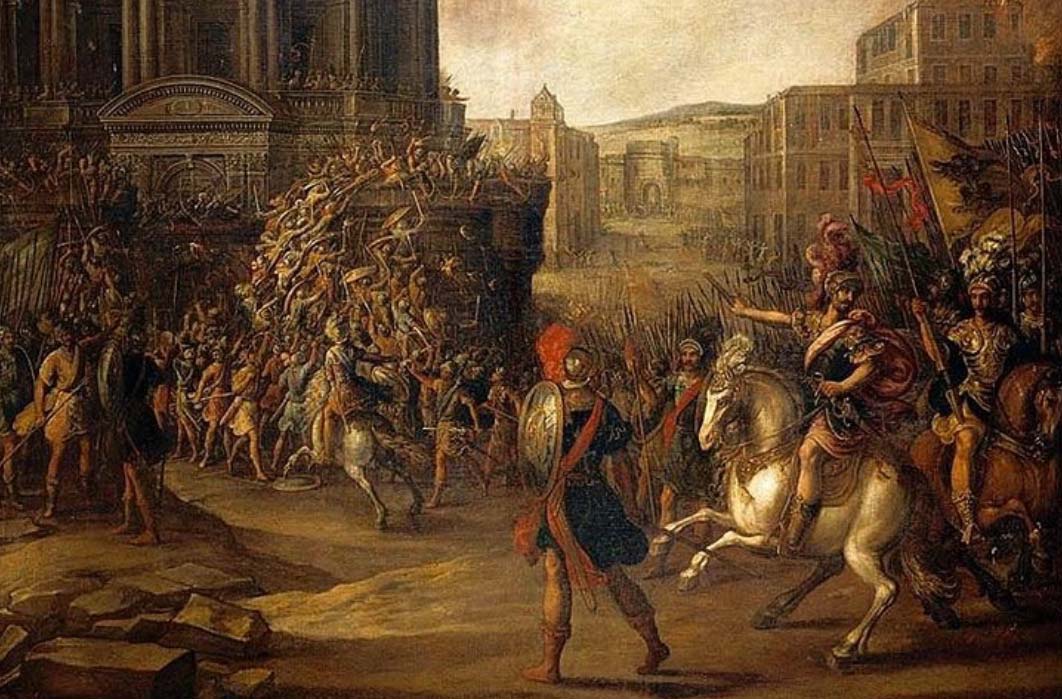
The Battle of the Margus was a significant confrontation between Emperor Carinus and his rival, Diocletian, near the Margus River in the Roman province of Moesia Super...
Explore event →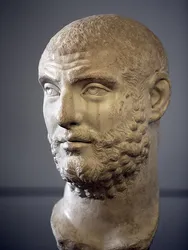
Emperor Carinus was killed in battle against the forces loyal to his rival, Diocletian, near the Margus River. The conflict marked the end of Carinus's brief reign and...
Explore event →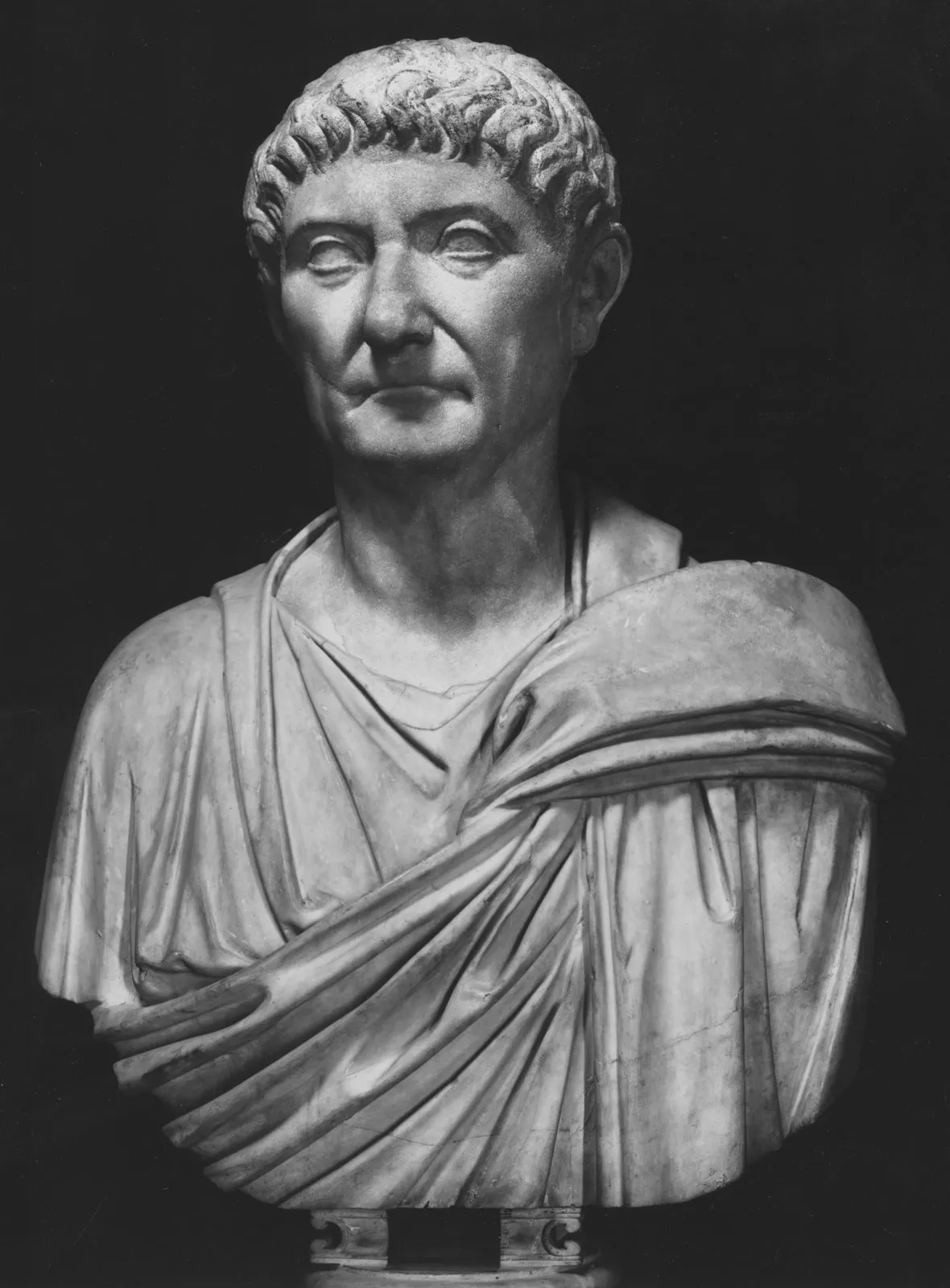
Diocletian was proclaimed emperor by his troops in Nicomedia following the death of Emperor Carus. His rise marked the end of a period of civil wars and instability in...
Explore event →
1 April 2009 — Albania becomes a full member of NATO. Membership marks a major milestone in the country's post-communist integration with Western political and securit...
Explore research
30 BCE — Ancient writers indicate that Cleopatra and Mark Antony were buried together, but their burial place has never been securely identified. Archaeologists have e...
Explore research
2 September 31 BCE — The fleet of Octavian defeats the forces of Mark Antony and Cleopatra near Actium in western Greece. Antony and Cleopatra retreat to Egypt. Their ...
Explore research
51–30 BCE — Cleopatra VII becomes the final active ruler of the Ptolemaic dynasty. She navigates the expanding power of Rome through alliances and relationships first ...
Explore research
229–228 BCE — Rome sends military forces across the Adriatic against Queen Teuta's kingdom. The war marks Rome's first major armed intervention on the eastern Adriatic...
Explore research
c. 2580–2560 BCE — Khufu's Great Pyramid rises at Giza and becomes the largest pyramid ever constructed in Egypt. Originally about 146.6 meters high, it contains milli...
Explore research
23 August 1942 — German forces begin the major assault phase against Stalingrad while the wider German campaign pushes toward oil resources in the Caucasus. Fighting i...
Explore research
31 March 1939 — The British guarantee to Poland marks a major shift in policy after the occupation of Prague. Britain is no longer signaling willingness to negotiate e...
Explore research
2 February 1942 — Fritz Sauckel's later appointment as General Plenipotentiary for Labour Deployment in March formalizes a rapidly expanding coercive labor system, whi...
Explore research
15 November 1923 — Germany introduces the Rentenmark during the final phase of the hyperinflation crisis. Years of wartime debt, fiscal instability, reparations pressu...
Explore research
2 February 1943 — The last major German formations inside Stalingrad surrender. Approximately one of Germany's most powerful field armies has been destroyed or capture...
Explore research
9 April 1940 — Germany launches Operation Weserübung against Denmark and Norway. Denmark is overwhelmed rapidly, while fighting in Norway continues for weeks. Control ...
Explore research
During the 1970s, Kissinger occupied senior U.S. government positions while maintaining relationships with prominent figures and institutions in international policy c...
Explore research
9 November 1938 — Nazi-organized violence erupts against Jews throughout Germany and Austria. Synagogues are burned, businesses destroyed, people murdered and tens of ...
Explore research