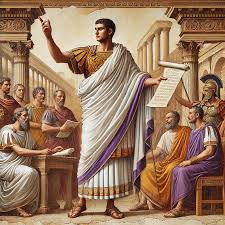
Antoninus Pius Assumes Roman Throne
Antoninus Pius became Roman Emperor following the death of Hadrian. His accession marked the continuation of stable leadership in the Roman Empire.His reign was noted ...
Explore event →History does not happen in isolation. Explore world events across time, follow the connections between them, and investigate the threads that reveal how one event can lead to another.
TheTimeMap currently follows events across 95 countries and 268 years of history — building a connected archive designed for people who want to look beyond the headline.
We oppose antisemitism, racism, and dehumanization — everywhere.
When people stop feeling, injustice becomes easy.
Antoninus Pius became Roman Emperor following the death of Hadrian. His accession marked the continuation of stable leadership in the Roman Empire.His reign was noted ...
Explore event →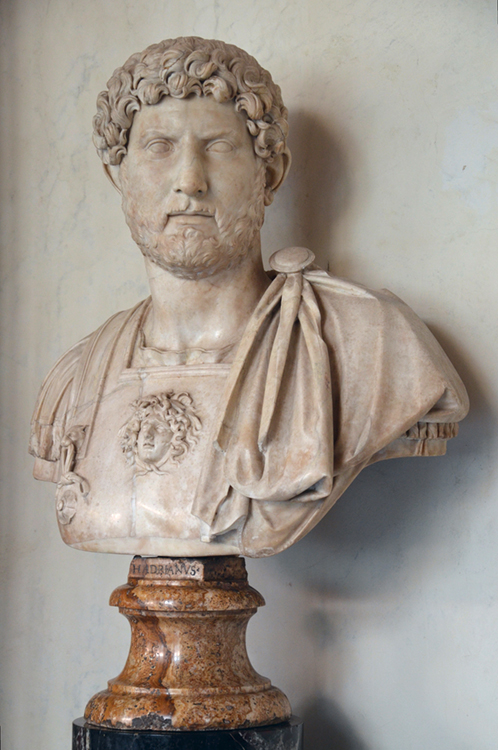
Emperor Hadrian, renowned for consolidating and fortifying the Roman Empire's frontiers, passed away at his villa near Rome. His death marked the end of a significant ...
Explore event →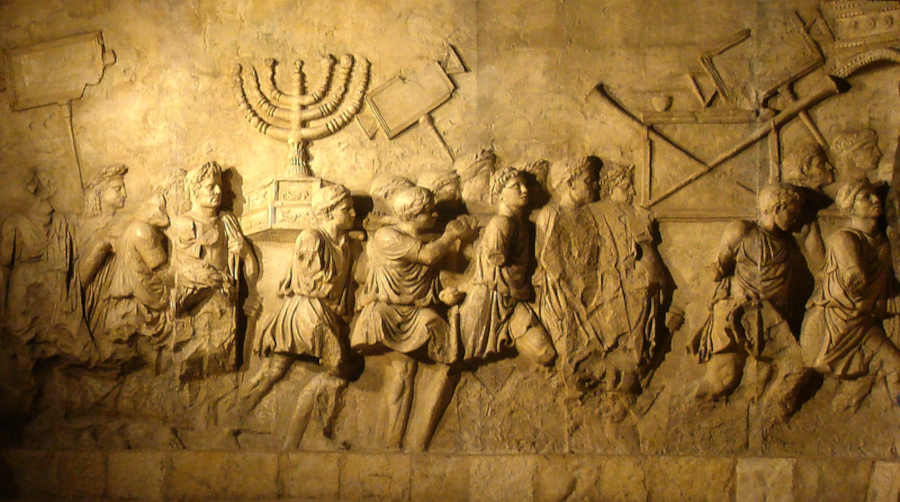
The Bar Kokhba revolt, a major Jewish uprising against Roman rule, ended with the fall of the fortress of Betar. The Roman forces besieged and destroyed the stronghold...
Explore event →
The Siege and Fall of Betar marked a decisive moment in the Bar Kokhba revolt against Roman rule in Judea. The fortress held out for months before falling to Roman for...
Explore event →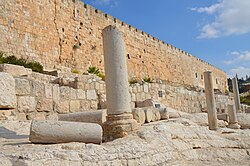
After the suppression of the Bar Kokhba revolt, the Roman Emperor Hadrian refounded Jerusalem as a Roman colony named Aelia Capitolina. The city was rebuilt with Roman...
Explore event →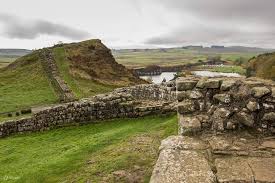
Emperor Hadrian undertook a significant visit to the province of Britannia during his reign as Roman Emperor. This visit marked an important moment in consolidating Ro...
Explore event →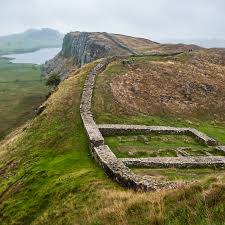
The Roman Empire initiated the construction of Hadrian's Wall to secure its northern boundary in Britannia. This extensive fortification marked the limit of Roman-cont...
Explore event →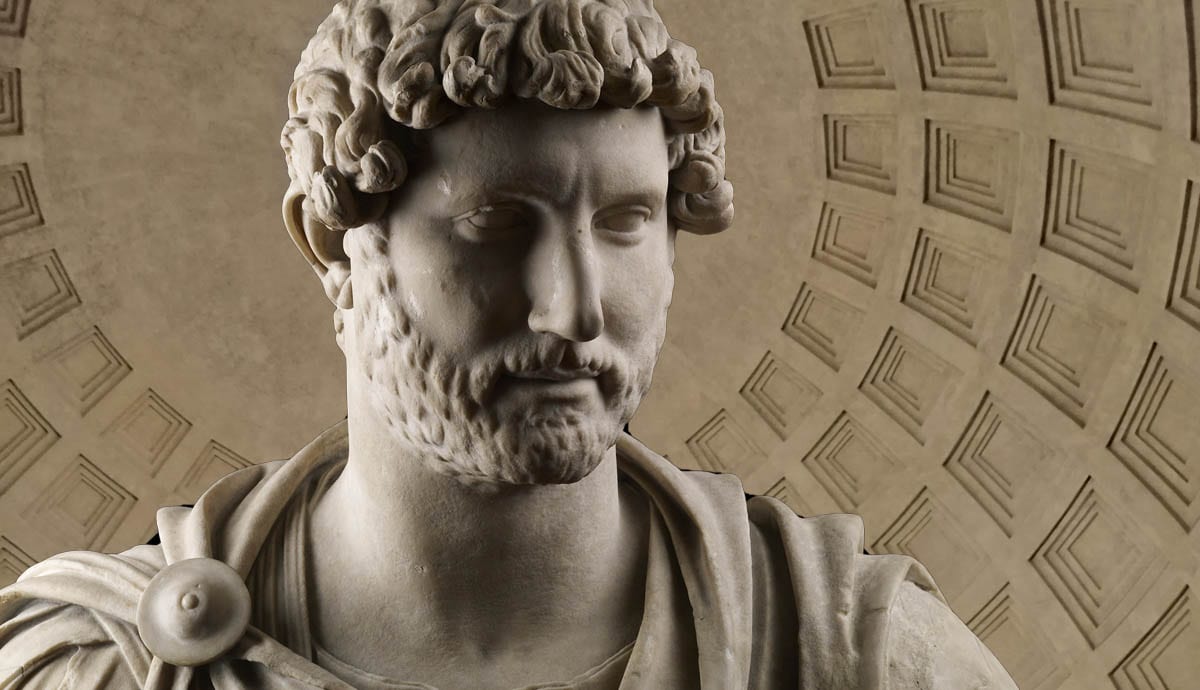
Hadrian was officially declared emperor following the death of his predecessor, Trajan, marking a significant transition in Roman imperial leadership. His accession wa...
Explore event →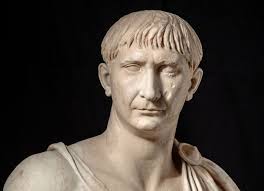
Trajan, one of Rome's most respected emperors known for his military conquests and extensive public works, died in the summer months during a campaign in Mesopotamia. ...
Explore event →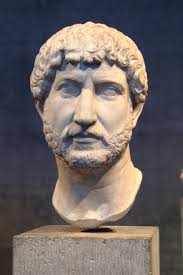
Following the death of Emperor Trajan, Hadrian chose to abandon the eastern conquests achieved during Trajan's campaigns. This strategic withdrawal aimed to consolidat...
Explore event →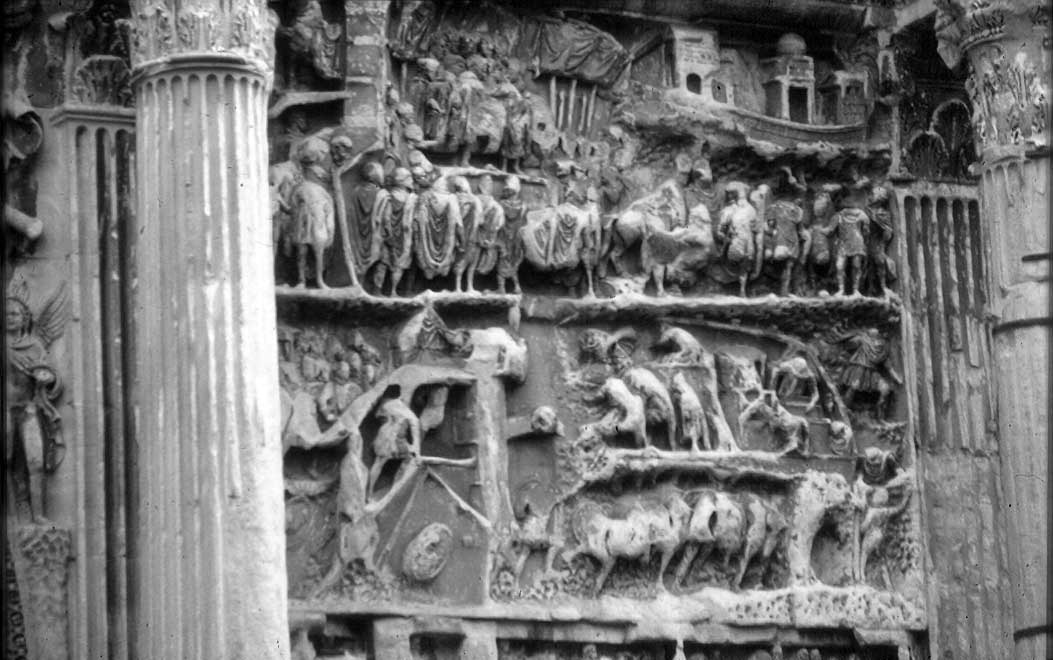
The Roman Empire, under Emperor Trajan, successfully captured the city of Ctesiphon during his campaign against the Parthian Empire. This marked a significant moment a...
Explore event →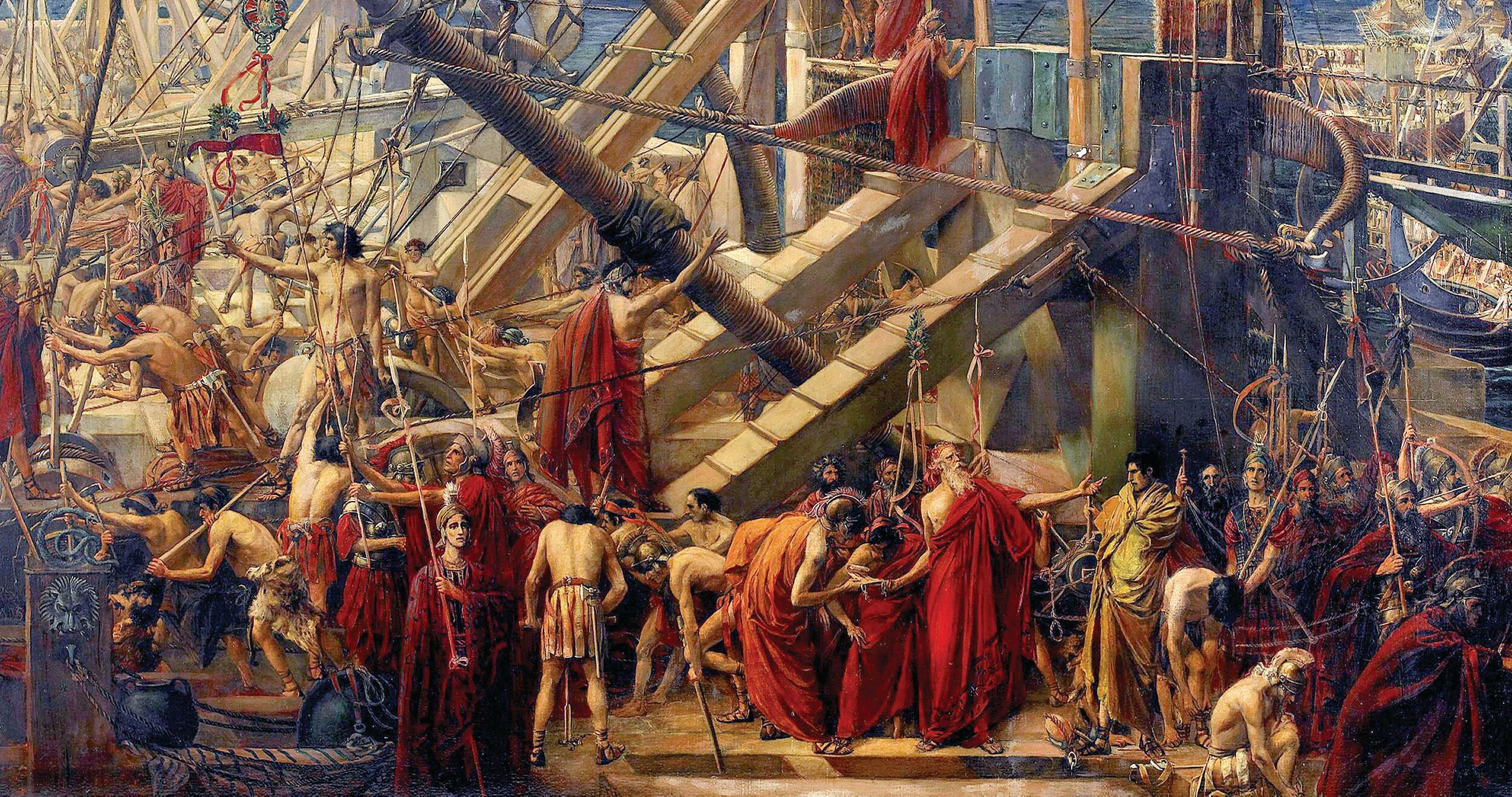
The Roman forces led by Emperor Trajan launched a military campaign across Mesopotamia, culminating in the siege and capture of Seleucia. This event marked a significa...
Explore event →
The province of Mesopotamia was officially established as an administrative region, marking a significant political reorganization in the area. This reconfiguration ai...
Explore event →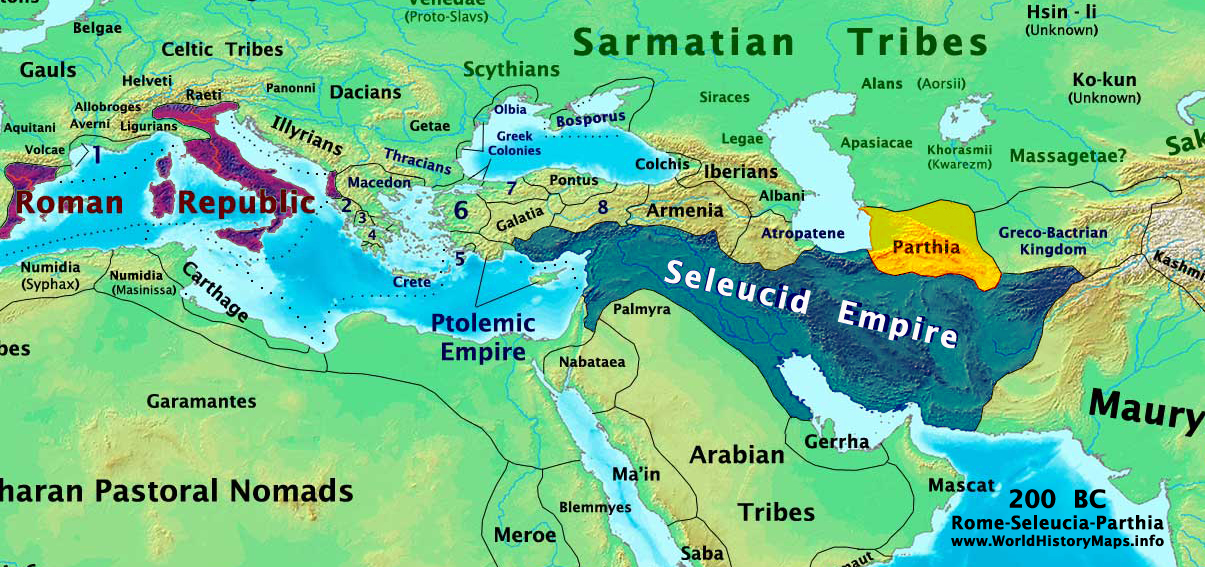
Roman Emperor Trajan launched a military campaign into the Parthian Empire, aiming to expand Roman territory eastward. The campaign marked a major escalation of confli...
Explore event →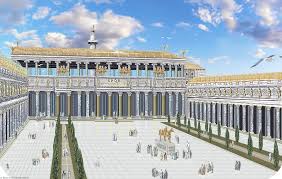
Trajan's Forum was officially inaugurated in Rome, marking the completion of one of the most impressive architectural projects of the Roman Empire. Commissioned by Emp...
Explore event →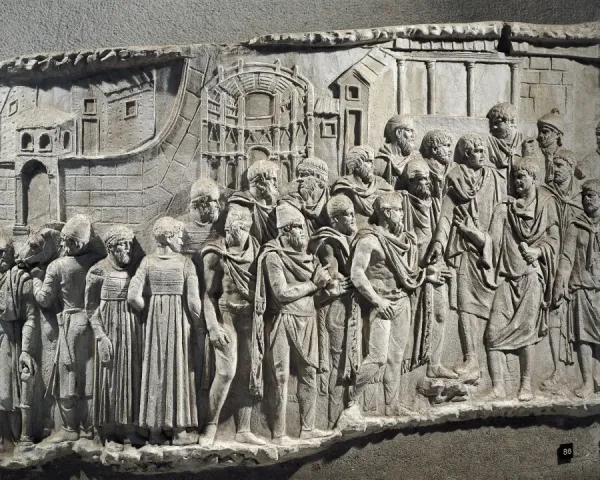
The Roman Empire completed the conquest and annexation of the kingdom of Dacia after a series of military campaigns led by Emperor Trajan. This marked the end of the D...
Explore event →
Decebalus, the last king of Dacia, died following the Roman conquest led by Emperor Trajan. His death marked the end of the Dacian Wars and the incorporation of Dacia ...
Explore event →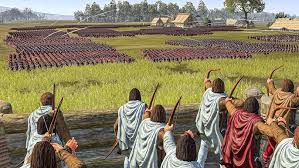
The Fall of Sarmizegetusa marked the decisive Roman victory over the Dacians led by King Decebalus. In early August, Roman legions under Emperor Trajan besieged the Da...
Explore event →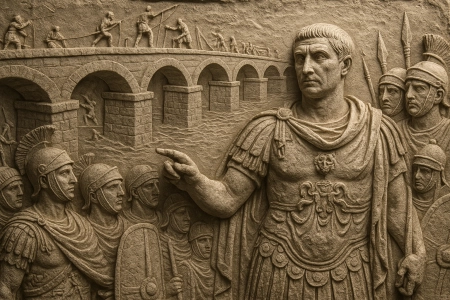
After years of fierce conflict, Dacian King Decebalus ultimately surrendered to the Roman Emperor Trajan. This marked the end of the Dacian Wars, resulting in the anne...
Explore event →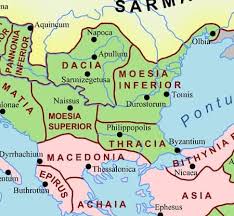
The Second Dacian War marks the renewed conflict between the Roman Empire and the Dacian Kingdom, led by King Decebalus. Roman Emperor Trajan launched a major military...
Explore event →
The Roman Emperor Trajan launched his first major military campaign against the Dacian Kingdom in early 101 CE. The war was initiated to subdue the powerful Dacian kin...
Explore event →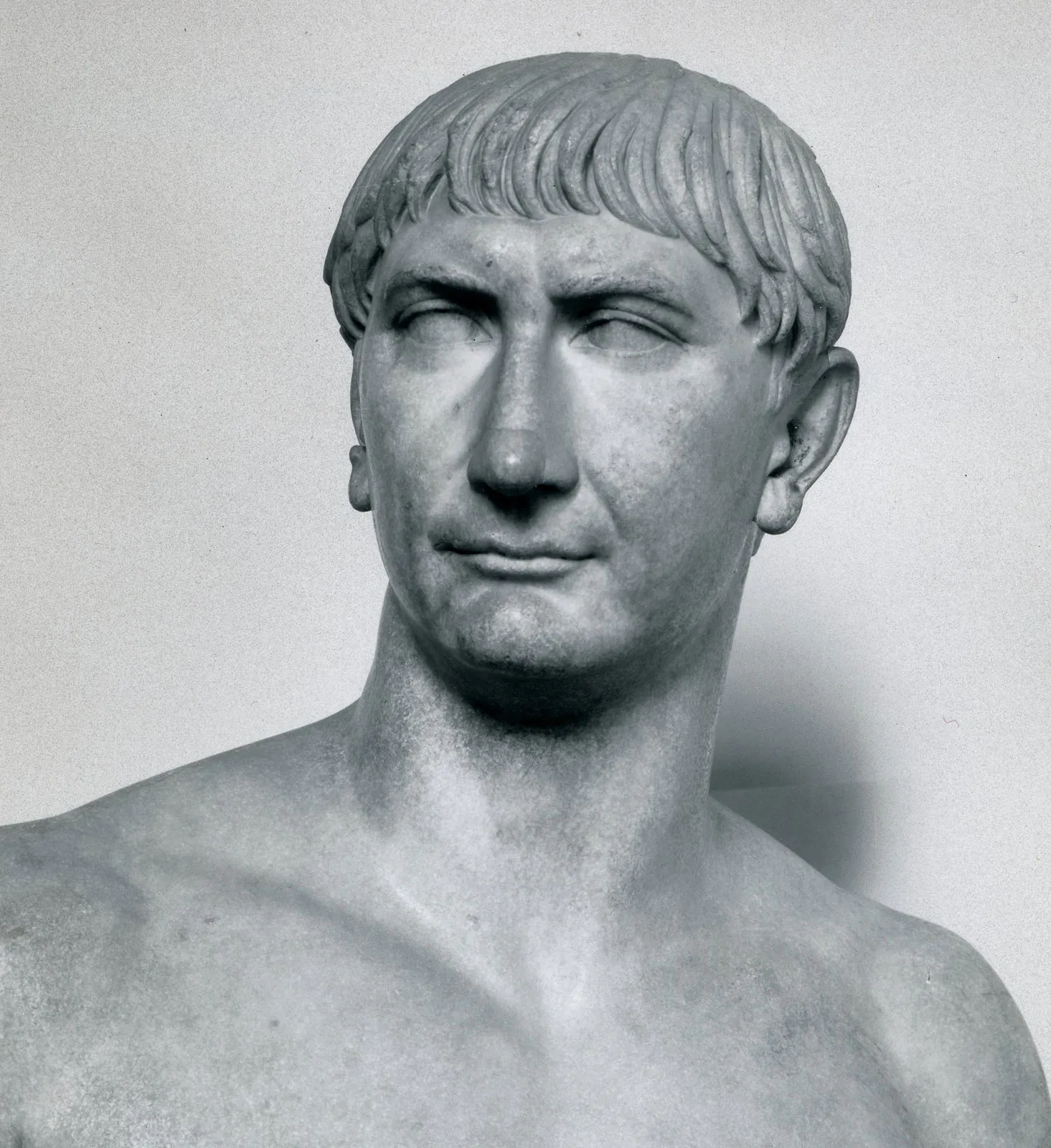
Emperor Nerva formally adopted Trajan as his heir in a move to secure the imperial succession and stabilize the Roman Empire. This adoption marked the beginning of the...
Explore event →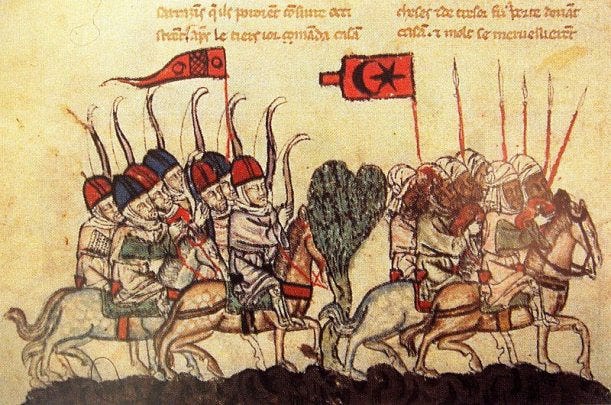
After the murder of Emperor Domitian, the Roman Senate appointed Nerva as emperor, marking a shift from autocratic rule to a more stabilizing governance. Nerva, previo...
Explore event →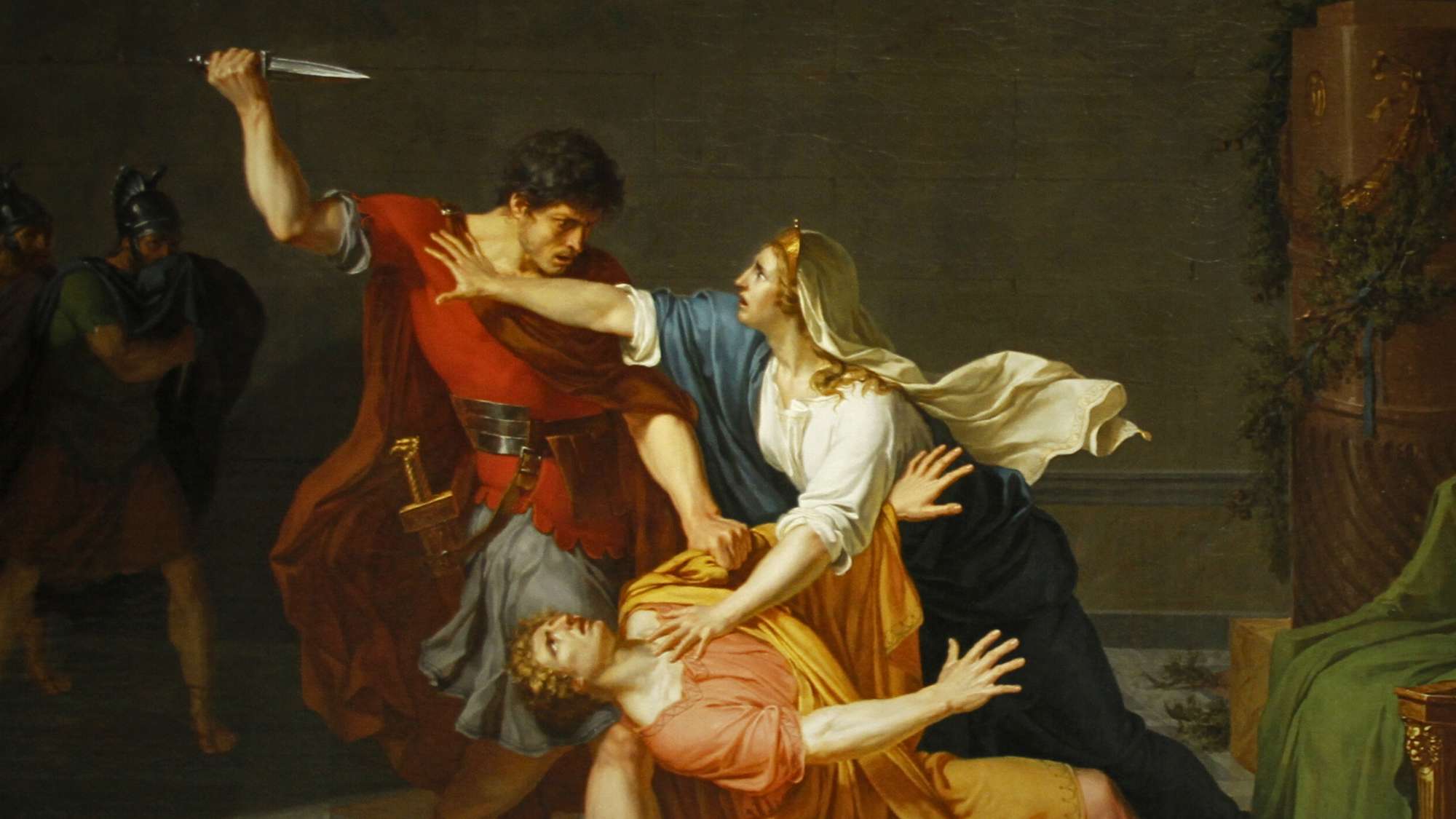
Domitian, the Roman Emperor, was assassinated on September 18th within his residence on the Palatine Hill in Rome. The conspiracy involved court officials and members ...
Explore event →
1 April 2009 — Albania becomes a full member of NATO. Membership marks a major milestone in the country's post-communist integration with Western political and securit...
Explore research
30 BCE — Ancient writers indicate that Cleopatra and Mark Antony were buried together, but their burial place has never been securely identified. Archaeologists have e...
Explore research
2 September 31 BCE — The fleet of Octavian defeats the forces of Mark Antony and Cleopatra near Actium in western Greece. Antony and Cleopatra retreat to Egypt. Their ...
Explore research
51–30 BCE — Cleopatra VII becomes the final active ruler of the Ptolemaic dynasty. She navigates the expanding power of Rome through alliances and relationships first ...
Explore research
229–228 BCE — Rome sends military forces across the Adriatic against Queen Teuta's kingdom. The war marks Rome's first major armed intervention on the eastern Adriatic...
Explore research
c. 2580–2560 BCE — Khufu's Great Pyramid rises at Giza and becomes the largest pyramid ever constructed in Egypt. Originally about 146.6 meters high, it contains milli...
Explore research
23 August 1942 — German forces begin the major assault phase against Stalingrad while the wider German campaign pushes toward oil resources in the Caucasus. Fighting i...
Explore research
31 March 1939 — The British guarantee to Poland marks a major shift in policy after the occupation of Prague. Britain is no longer signaling willingness to negotiate e...
Explore research
2 February 1942 — Fritz Sauckel's later appointment as General Plenipotentiary for Labour Deployment in March formalizes a rapidly expanding coercive labor system, whi...
Explore research
15 November 1923 — Germany introduces the Rentenmark during the final phase of the hyperinflation crisis. Years of wartime debt, fiscal instability, reparations pressu...
Explore research
2 February 1943 — The last major German formations inside Stalingrad surrender. Approximately one of Germany's most powerful field armies has been destroyed or capture...
Explore research
9 April 1940 — Germany launches Operation Weserübung against Denmark and Norway. Denmark is overwhelmed rapidly, while fighting in Norway continues for weeks. Control ...
Explore research
During the 1970s, Kissinger occupied senior U.S. government positions while maintaining relationships with prominent figures and institutions in international policy c...
Explore research
9 November 1938 — Nazi-organized violence erupts against Jews throughout Germany and Austria. Synagogues are burned, businesses destroyed, people murdered and tens of ...
Explore research