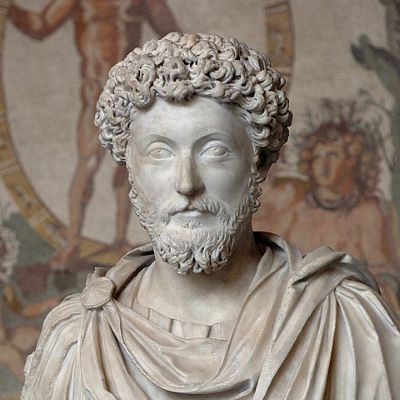
Passing of Roman Emperor Marcus Aurelius
Marcus Aurelius, Roman Emperor and Stoic philosopher, died at the military camp in Vindobona on March 17th. His death marked the end of the Pax Romana, a period of rel...
Explore event →History does not happen in isolation. Explore world events across time, follow the connections between them, and investigate the threads that reveal how one event can lead to another.
TheTimeMap currently follows events across 95 countries and 268 years of history — building a connected archive designed for people who want to look beyond the headline.
We oppose antisemitism, racism, and dehumanization — everywhere.
When people stop feeling, injustice becomes easy.
Marcus Aurelius, Roman Emperor and Stoic philosopher, died at the military camp in Vindobona on March 17th. His death marked the end of the Pax Romana, a period of rel...
Explore event →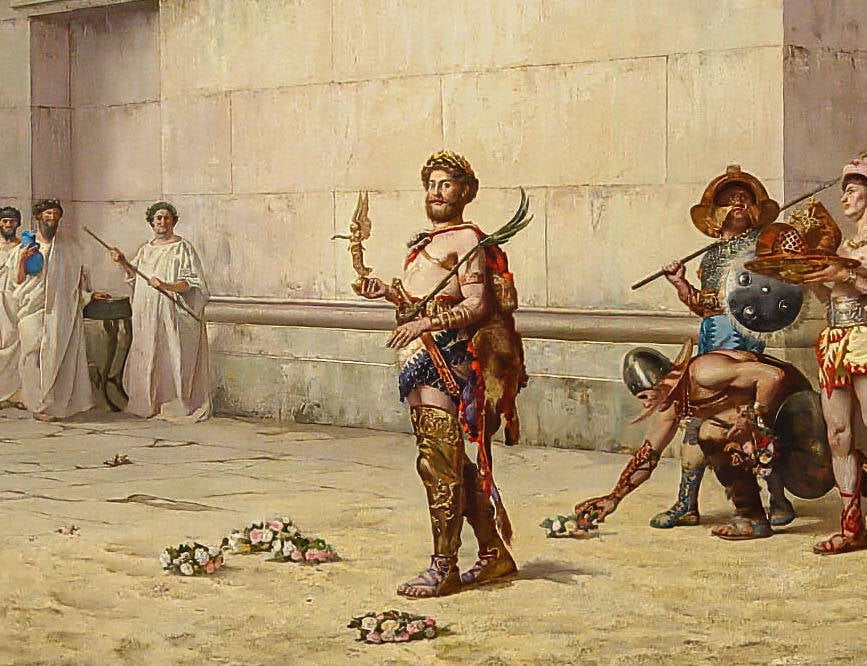
Roman Emperor Marcus Aurelius officially declared his son Commodus as co-emperor, sharing imperial authority.This political move marked the first time a biological son...
Explore event →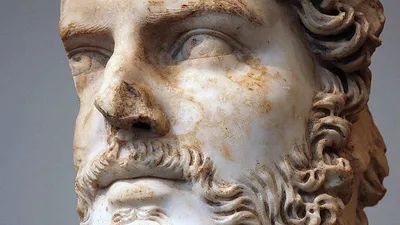
Lucius Verus, co-emperor of Rome alongside Marcus Aurelius, died in Rome under circumstances believed to be related to a devastating plague. His death marked a signifi...
Explore event →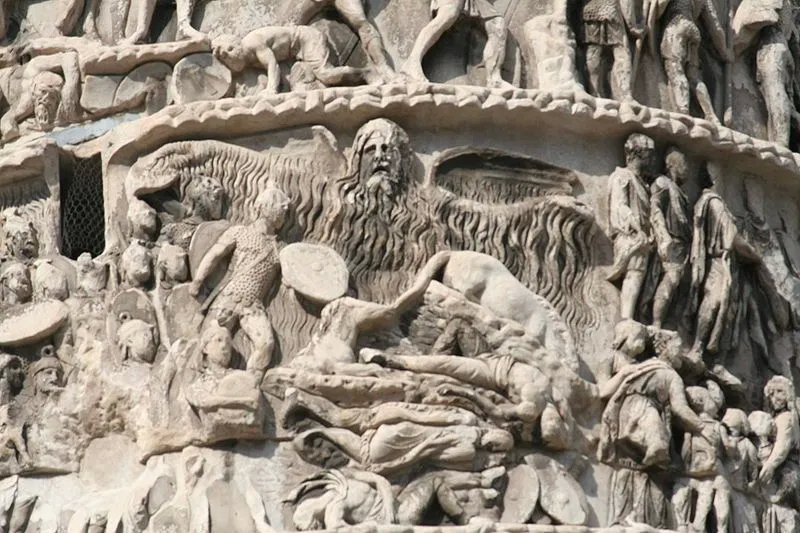
During the siege of Sarmizegetusa by Roman forces under Emperor Marcus Aurelius, the besieging troops faced severe drought and heat. According to accounts, a sudden an...
Explore event →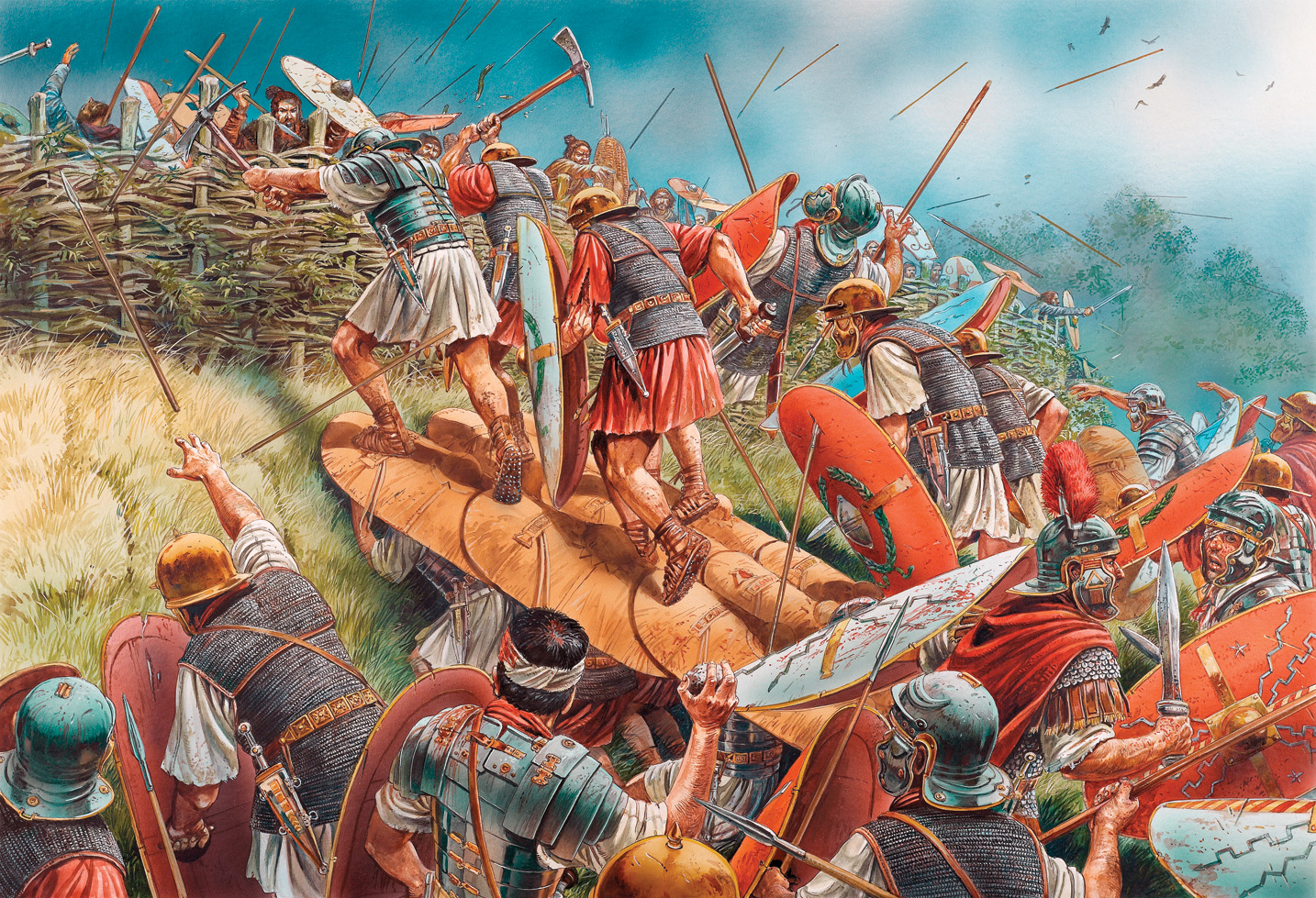
The Marcomannic Wars began as a series of conflicts between the Roman Empire and various Germanic tribes, including the Marcomanni, along the Danube frontier. The wars...
Explore event →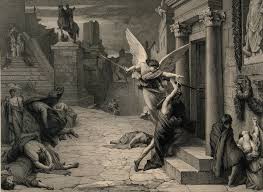
The Antonine Plague began in the Roman Empire during the reign of Emperor Marcus Aurelius. The pandemic emerged following troop movements from campaigns in the East, s...
Explore event →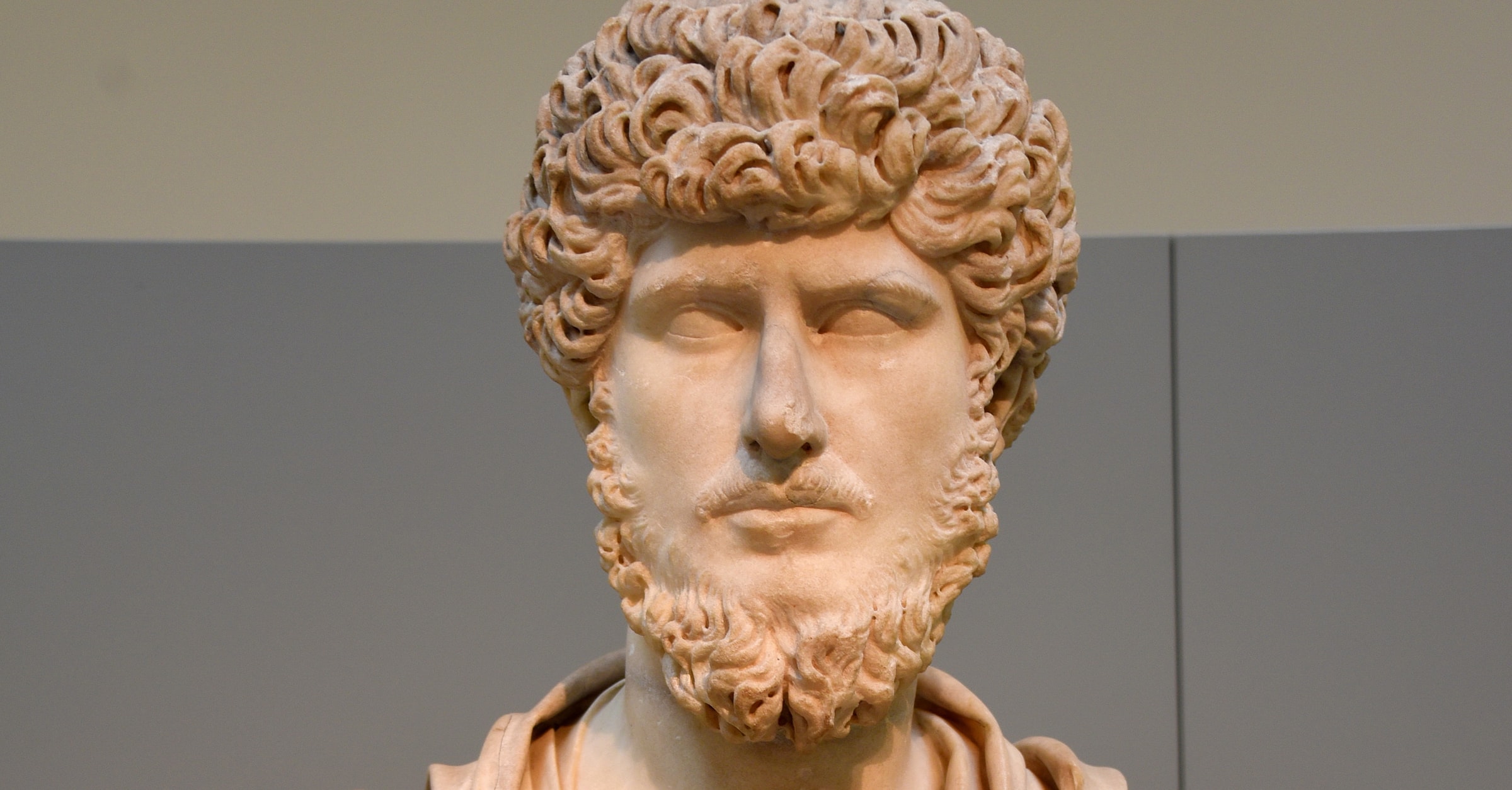
Lucius Verus was formally declared co-emperor alongside Marcus Aurelius, marking a significant moment in Roman imperial succession. This joint rule established a prece...
Explore event →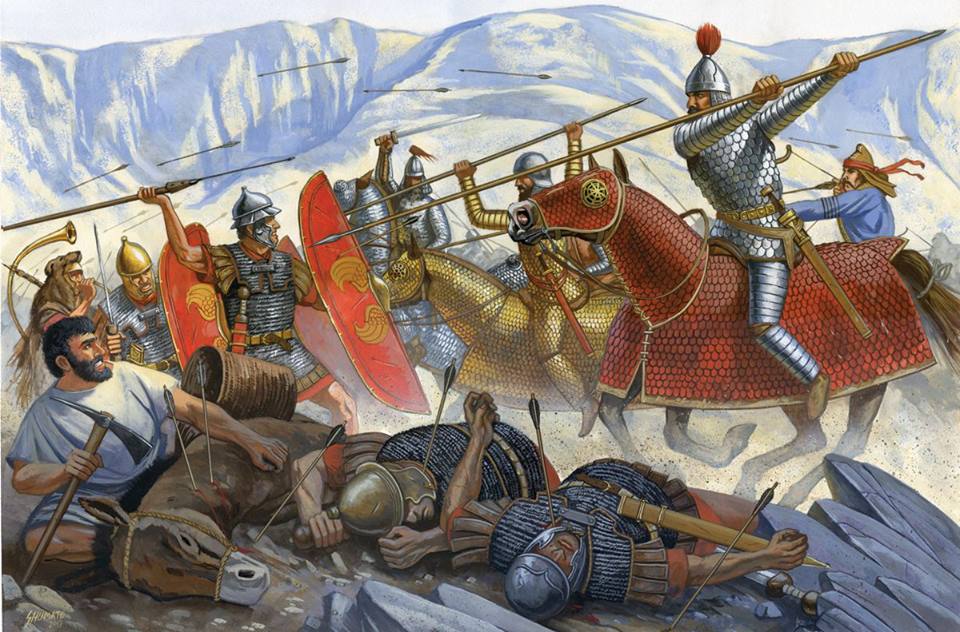
The Parthian War under Roman Emperor Lucius Verus began as tensions escalated between the Roman Empire and the Parthian Empire. This conflict was marked by Roman milit...
Explore event →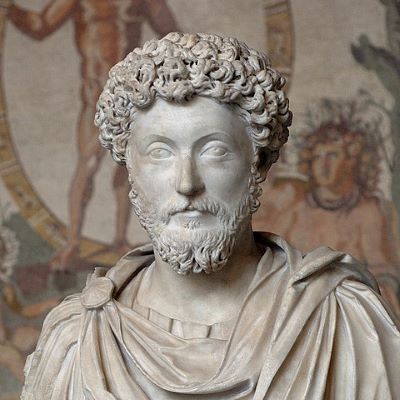
Marcus Aurelius officially became Roman Emperor following the death of Antoninus Pius. His accession marked the continuation of the Nerva-Antonine dynasty through adop...
Explore event →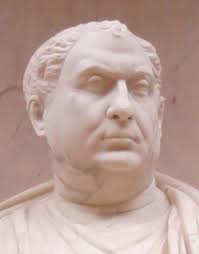
Vitellius was declared emperor by the legions of Germania during the chaotic Year of the Four Emperors. After the death of Emperor Otho, Vitellius marched to Rome wher...
Explore event →
31 March 1991 — Albania holds its first competitive multiparty parliamentary elections since the communist takeover. The former communist Party of Labour wins, but the...
Explore research
26 March 1979 — Egypt and Israel sign a formal peace treaty in Washington. Israel agrees to withdraw from Sinai, which is gradually returned to Egyptian control. Egypt...
Explore research
March–April 1919 — Mass demonstrations, strikes and civil unrest erupt after British authorities exile nationalist leader Saad Zaghloul and other members of the Wafd m...
Explore research
21 March 1918 — Germany launches Operation Michael, the first of several major offensives designed to win the war in the west before American manpower becomes overwhel...
Explore research
January–March 1918 — Russia's withdrawal gives Germany a temporary manpower advantage in the west, but American troops are arriving rapidly. Hindenburg and Ludendorff ...
Explore research
November 1917–March 1918 — Lenin argues that the revolutionary government cannot survive while Russia remains in the war. Other Bolsheviks object to Germany's extreme ...
Explore research
8 March 1917 — Demonstrations, strikes and bread shortages in Petrograd begin the revolutionary crisis that destroys the imperial government. Soldiers increasingly ref...
Explore research
Late 1917–March 1918 — The collapse of Russian resistance allows Germany to move divisions from the Eastern Front toward France and Belgium. German commanders understa...
Explore research
7 March 1914 — Prince Wilhelm of Wied arrives at Durrës to rule Albania. Political rebellion and the approaching European war quickly overwhelm the fragile administrat...
Explore research
2 March 1444 — Albanian nobles gather at Lezhë and form a military alliance under Skanderbeg's leadership. The League coordinates forces against Ottoman expansion whil...
Explore research
8 November 1923 — Adolf Hitler and the Nazi Party attempt to seize power in Bavaria and march on Berlin. The putsch collapses after police confront the conspirators in...
Explore research
29 October 1922 — King Victor Emmanuel III asks Mussolini to form a government following the March on Rome. Mussolini gradually destroys parliamentary democracy and co...
Explore research
31 March 1939 — The British guarantee to Poland marks a major shift in policy after the occupation of Prague. Britain is no longer signaling willingness to negotiate e...
Explore research
31 March 1939 — Britain announces a guarantee of Polish independence following Germany's destruction of Czechoslovakia. France already has alliance commitments to Pola...
Explore research
23 March 1933 — The Reichstag passes legislation allowing Hitler's cabinet to enact laws without normal parliamentary approval. Communist deputies are absent or impris...
Explore research
March–November 1918 as Allied supreme commander — French General Ferdinand Foch receives increasingly broad authority to coordinate Allied armies during Germany's fina...
Explore research
2 February 1942 — Fritz Sauckel's later appointment as General Plenipotentiary for Labour Deployment in March formalizes a rapidly expanding coercive labor system, whi...
Explore research
7 July 1937 — Fighting near the Marco Polo Bridge escalates into a major war between Japan and China. Japanese forces capture major cities including Shanghai and Nanji...
Explore research
16 March 1935 — Hitler announces conscription and expansion of Germany's armed forces in open violation of Versailles restrictions. Germany has already been rearming s...
Explore research
15 March 1939 — The occupation of the Czech lands gives Germany control over a major Central European industrial base, including important arms factories such as Škoda...
Explore research
12 March 1938 — German troops enter Austria after intense political pressure on the Austrian government. Hitler announces the incorporation of Austria into the German ...
Explore research
30 March 1930 — Heinrich Brüning becomes German chancellor as parliamentary government becomes increasingly unstable. Presidents and chancellors rely more heavily on A...
Explore research
15 March 1939 — German forces occupy Prague and dismantle what remains of Czechoslovakia. The move is politically important because it extends Nazi domination over ter...
Explore research
15 March 1939 — German forces occupy Prague and dismantle what remains of Czechoslovakia. Bohemia and Moravia become a German protectorate while Slovakia becomes forma...
Explore research