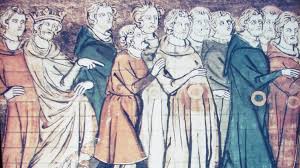
Expulsion of Jews from France
Expulsion of Jews from France On July 22, 1306, King Philip IV of France, also known as Philip the Fair, issued an edict expelling all Jews from the kingdom. The expu...
Explore event →History does not happen in isolation. Explore world events across time, follow the connections between them, and investigate the threads that reveal how one event can lead to another.
TheTimeMap currently follows events across 95 countries and 268 years of history — building a connected archive designed for people who want to look beyond the headline.
We oppose antisemitism, racism, and dehumanization — everywhere.
When people stop feeling, injustice becomes easy.
Expulsion of Jews from France On July 22, 1306, King Philip IV of France, also known as Philip the Fair, issued an edict expelling all Jews from the kingdom. The expu...
Explore event →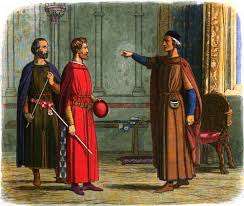
Expulsion of Jews from England On July 18, 1290, King Edward I issued the Edict of Expulsion, ordering all Jews to leave the Kingdom of England. The decree affected J...
Explore event →
13 September 1968 — Albania formally withdraws from the Soviet-led Warsaw Pact following the invasion of Czechoslovakia. The withdrawal confirms Albania's political ru...
Explore research
August–November 1918 — Germany and its allies face military retreat, shortages, exhaustion and growing political instability. Bulgaria, the Ottoman Empire and Austria-...
Explore research
7 March 1914 — Prince Wilhelm of Wied arrives at Durrës to rule Albania. Political rebellion and the approaching European war quickly overwhelm the fragile administrat...
Explore research
29 July 1913 — The Great Powers recognize an independent Albanian principality. The borders they establish leave substantial Albanian-speaking populations outside the ...
Explore research
23 July 1914 — Austria-Hungary presents Serbia with a severe ultimatum designed to suppress anti-Habsburg activity and permit substantial Austro-Hungarian involvement ...
Explore research
29 September 1918 — Bulgaria signs the Armistice of Salonica after Allied breakthroughs in the Balkans. The surrender opens routes toward Austria-Hungary and the Ottom...
Explore research
2 September 1945 — The defeat of Germany and Japan leaves the United States and Soviet Union as the dominant military powers. Soviet control across Eastern Europe, Ame...
Explore research
23 May 1941 — German economic planners develop guidelines that assume food from occupied Soviet territories will be redirected toward Germany and the Wehrmacht. Offici...
Explore research
15 November 1923 — Germany introduces the Rentenmark during the final phase of the hyperinflation crisis. Years of wartime debt, fiscal instability, reparations pressu...
Explore research
1 July 1944 — As German armies retreat through Belarus and Poland, infrastructure, villages and transport networks are frequently destroyed. Nazi occupation has alread...
Explore research
14 October 1933 — Hitler announces Germany's withdrawal from the League of Nations and the World Disarmament Conference. The move rejects an important part of the dipl...
Explore research
2 September 1945 — Japanese representatives sign the Instrument of Surrender aboard USS Missouri in Tokyo Bay. The ceremony formally ends the Second World War. Germany...
Explore research
30 October 1918 — The Ottoman Empire signs the Armistice of Mudros. Ottoman military resistance effectively ends and Allied forces gain extensive rights to occupy stra...
Explore research
30 July 1914 — Tsar Nicholas II approves general mobilization of Russian forces after growing alarm over Austria-Hungary's attack on Serbia. Russian leaders fear that ...
Explore research