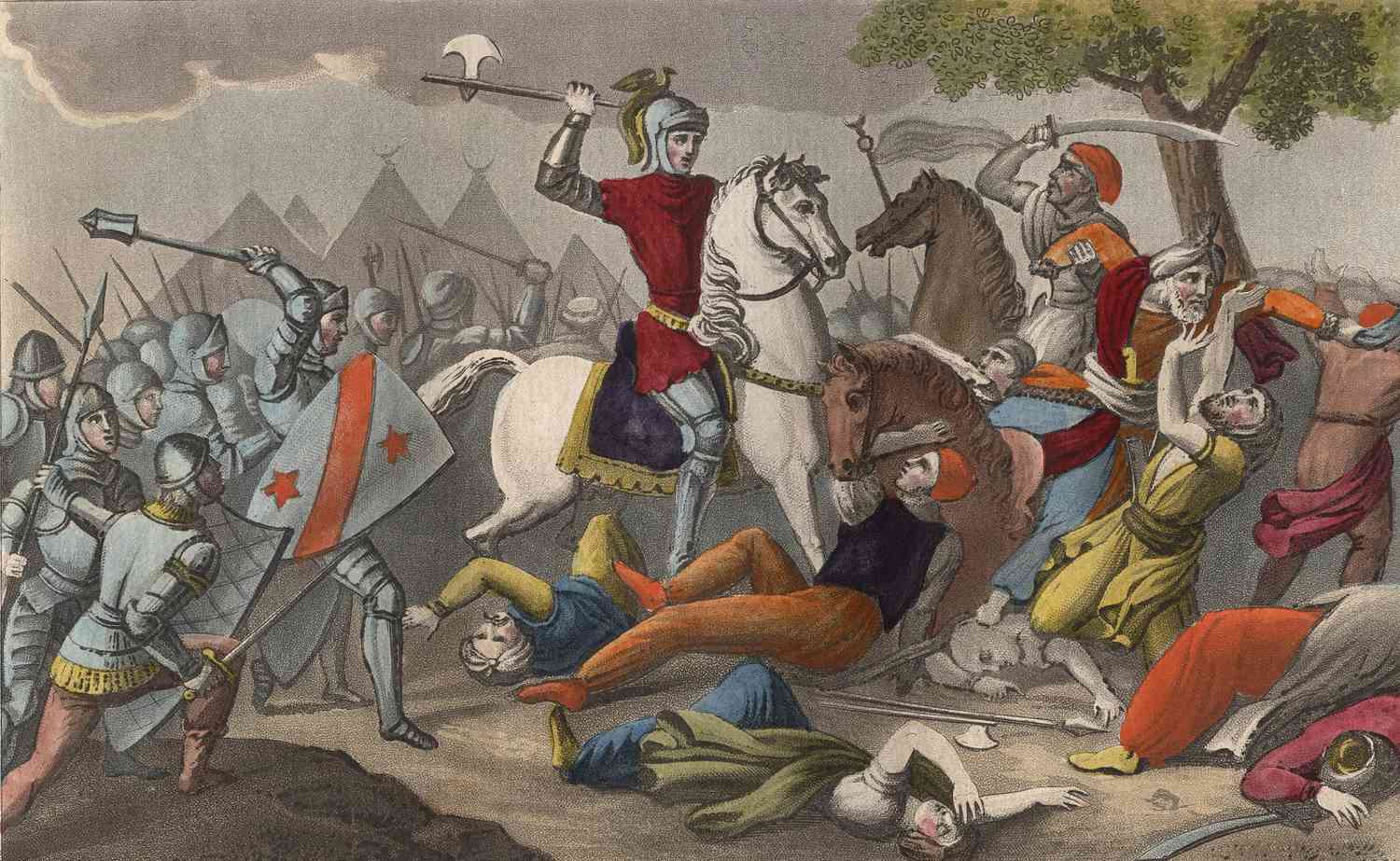
Frankish Campaigns in Aquitaine
The Frankish conquest of Aquitaine began as the Franks expanded their territory into the southwestern region of present-day France. Under the leadership of Clovis I an...
Explore event →History does not happen in isolation. Explore world events across time, follow the connections between them, and investigate the threads that reveal how one event can lead to another.
TheTimeMap currently follows events across 95 countries and 268 years of history — building a connected archive designed for people who want to look beyond the headline.
We oppose antisemitism, racism, and dehumanization — everywhere.
When people stop feeling, injustice becomes easy.
The Frankish conquest of Aquitaine began as the Franks expanded their territory into the southwestern region of present-day France. Under the leadership of Clovis I an...
Explore event →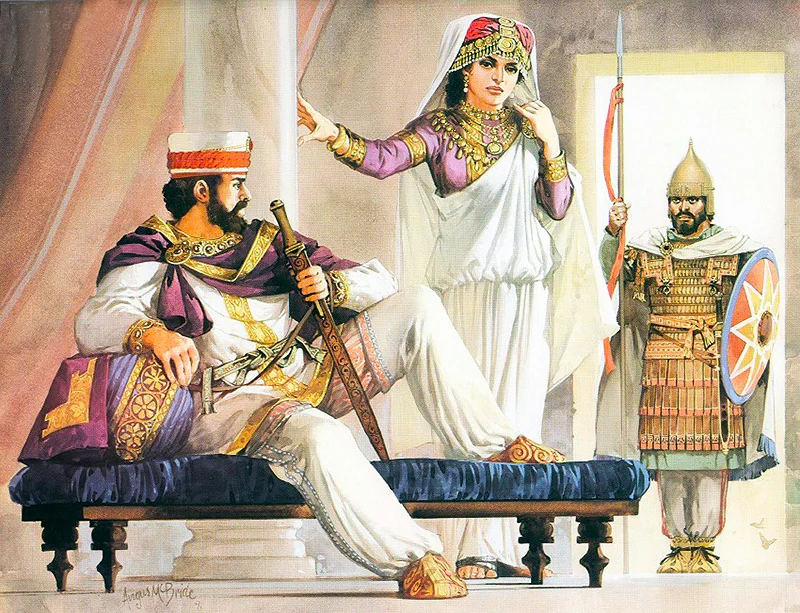
Odaenathus rose to power in Palmyra amid the crisis of the Roman Empire in the mid-3rd century. Following the capture of the Roman Emperor Valerian by the Persians, Pa...
Explore event →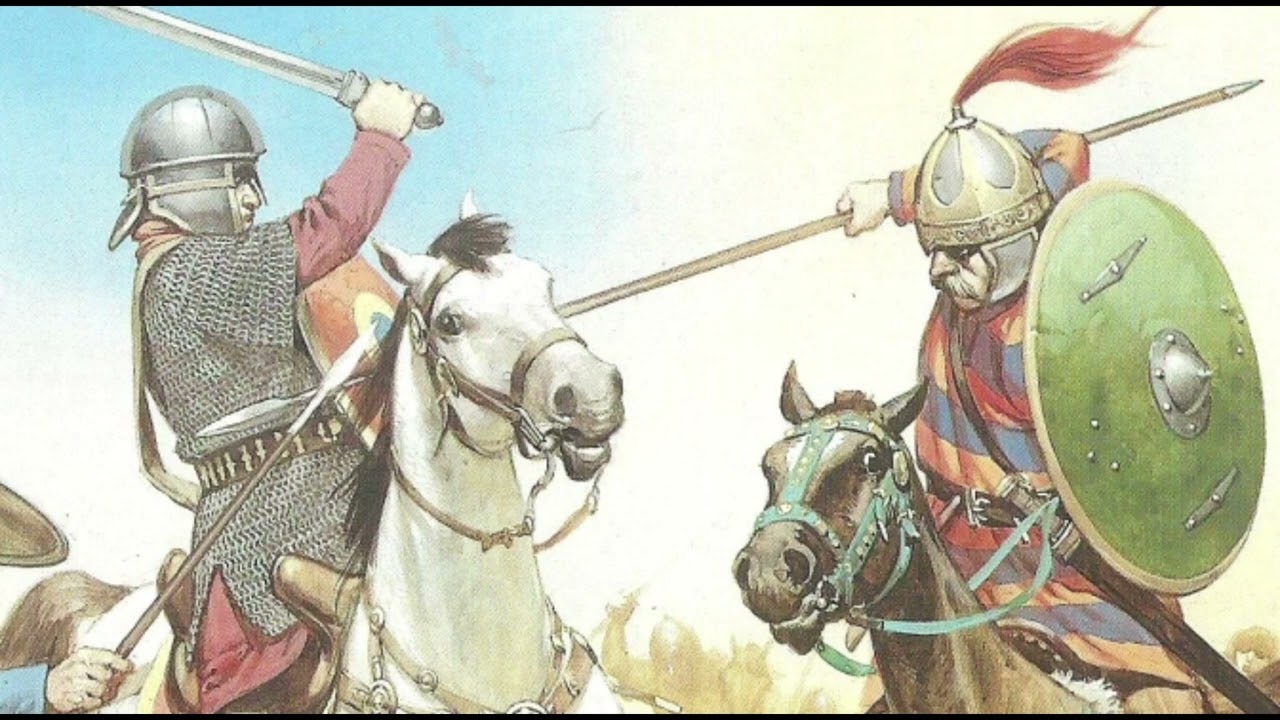
The fall of the Parthian Empire marked the rise of the Sasanian dynasty in ancient Persia. The decisive defeat of the last Parthian king by Ardashir I ended nearly fiv...
Explore event →
The Constitutio Antoniniana was an edict issued by Emperor Caracalla granting Roman citizenship to all free inhabitants of the Roman Empire. This decree dramatically e...
Explore event →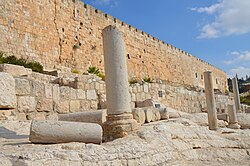
After the suppression of the Bar Kokhba revolt, the Roman Emperor Hadrian refounded Jerusalem as a Roman colony named Aelia Capitolina. The city was rebuilt with Roman...
Explore event →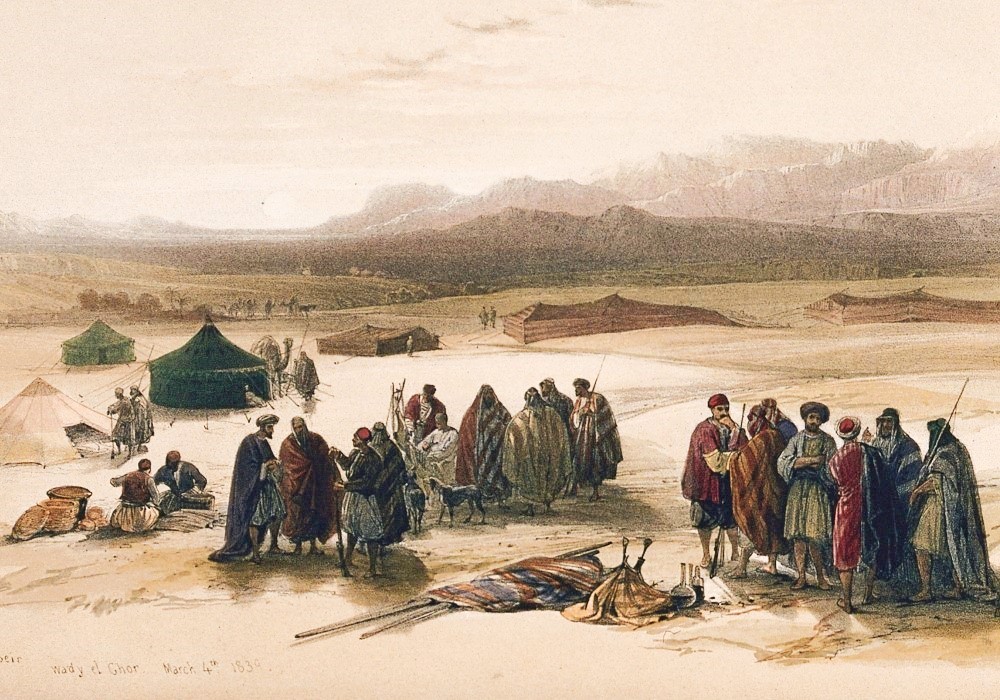
The Edomites, also known in later sources as Idumeans, were an ancient Semitic people who lived in the region south of Judea, historically associated with the descenda...
Explore event →
The province of Mesopotamia was officially established as an administrative region, marking a significant political reorganization in the area. This reconfiguration ai...
Explore event →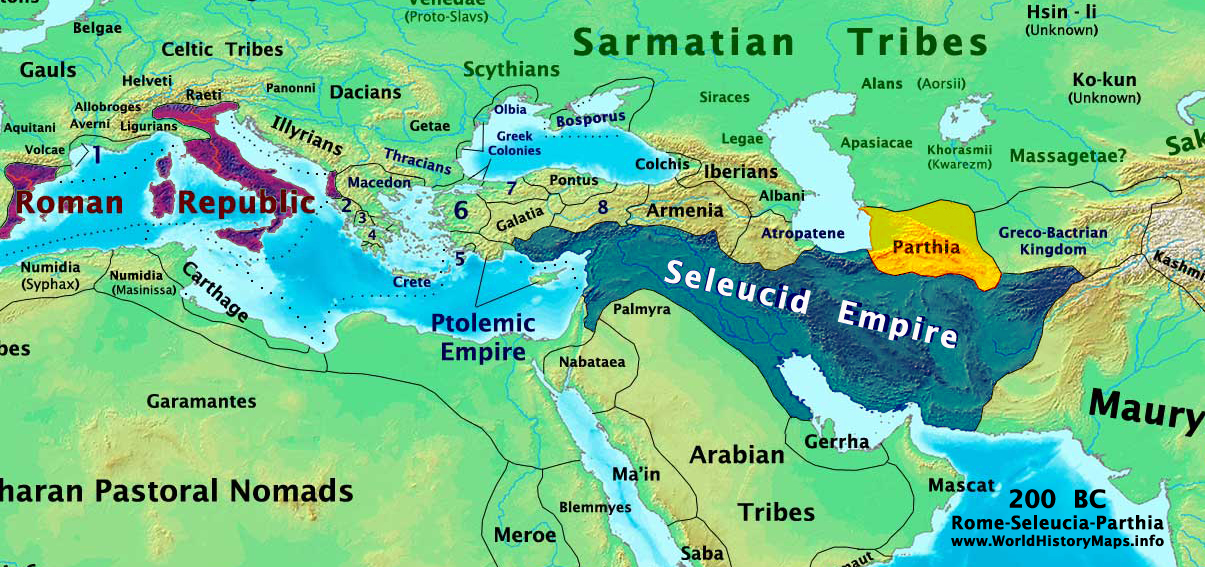
Roman Emperor Trajan launched a military campaign into the Parthian Empire, aiming to expand Roman territory eastward. The campaign marked a major escalation of confli...
Explore event →
The Roman Emperor Trajan launched his first major military campaign against the Dacian Kingdom in early 101 CE. The war was initiated to subdue the powerful Dacian kin...
Explore event →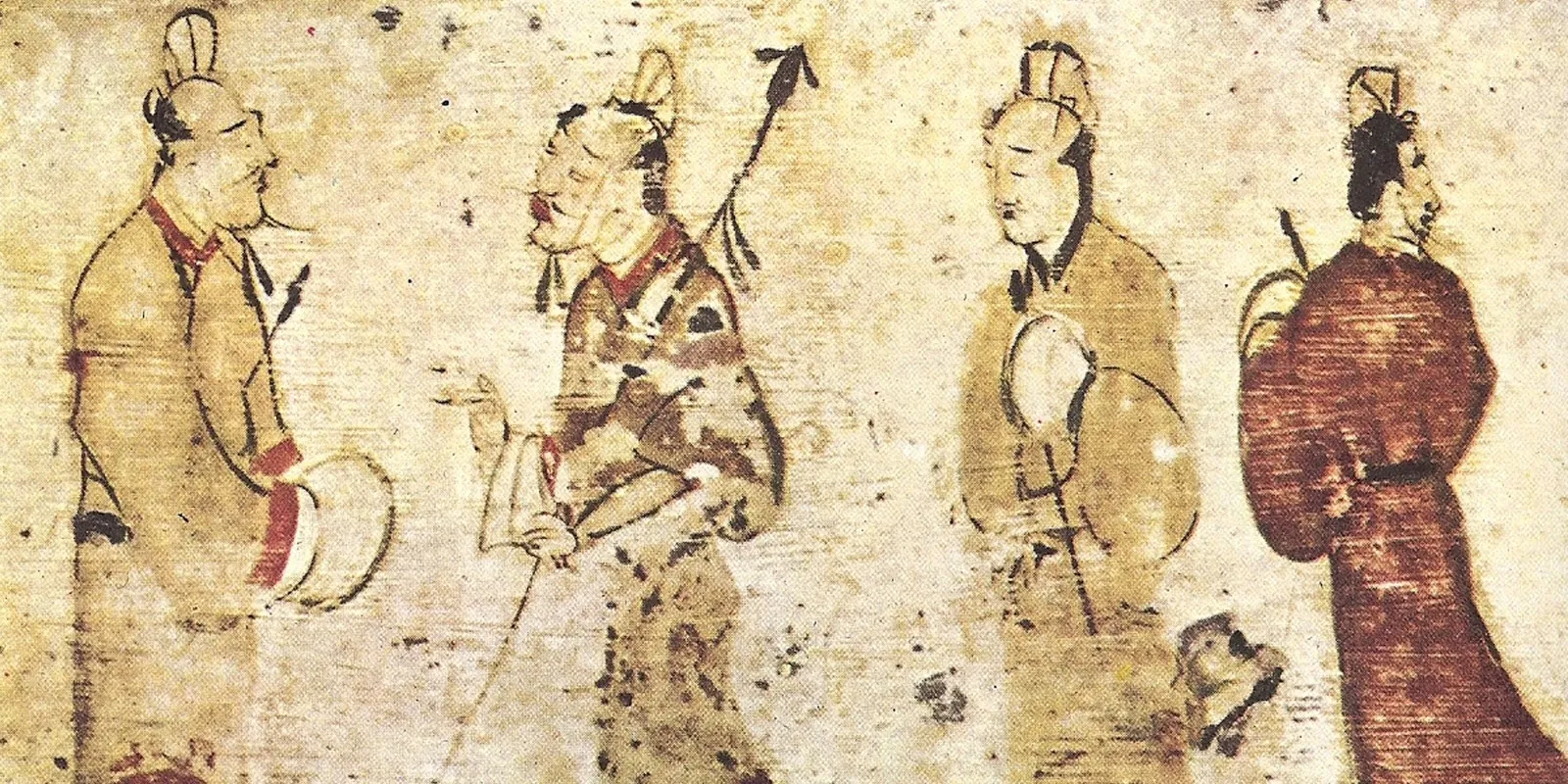
Ban Chao, a general under the Han Dynasty, initiated a series of military campaigns to assert Chinese control over the Western Regions. These expeditions were aimed at...
Explore event →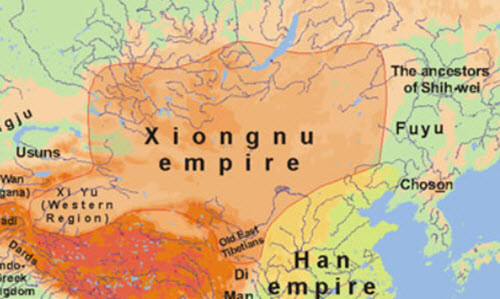
The Southern Xiongnu, a nomadic tribal confederation, migrated and settled within the borders of the Han dynasty during the first century. This movement was part of th...
Explore event →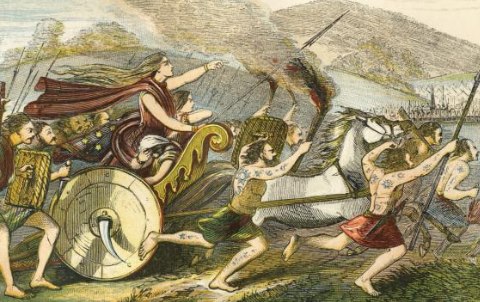
The Roman conquest of Britain began under Emperor Claudius with the landing of Roman forces at Richborough in Kent. This marked the start of a prolonged campaign to br...
Explore event →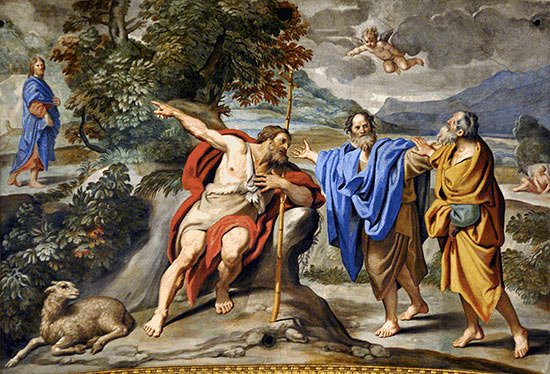
The ministry of John the Baptist marked a significant religious movement in Judea. He preached repentance and baptized followers in the Jordan River.His call for moral...
Explore event →
16th–18th centuries — Islam spreads substantially among Albanian populations under Ottoman rule. Conversion varies greatly by region and period. Catholic communities r...
Explore research
c. 1343–1355 — Stefan Dušan's Serbian Empire expands across much of Albania, Epirus and Macedonia. After Dušan's death, the empire fragments and local noble families i...
Explore research
641–1000 CE — Arabic did not replace Coptic immediately after the conquest. Government, migration, urban life, taxation, religious conversion and social mobility gradu...
Explore research
30 BCE–395 CE — Egypt remains one of the Roman Empire's wealthiest provinces. Alexandria continues as a major commercial and intellectual center while traditional Egyp...
Explore research
Untitled168 BCE–395 CE — The lands of modern Albania are gradually integrated into Roman provincial systems. Cities expand, Latin and Greek cultural influences deepen,...
Explore research
c. 2650 BCE — Djoser's Step Pyramid complex represents a revolutionary leap in monumental stone architecture. Traditionally associated with the official Imhotep, the p...
Explore research
c. 3100 BCE–2026 CE — Modern Egyptians live in the same Nile landscape that supported pharaonic civilization, but language, religion, political institutions and popula...
Explore research
c. 3300–3100 BCE — Larger political systems emerge in the Nile Valley and Delta. Later Egyptian tradition remembers the country as two lands: Upper Egypt in the south ...
Explore research
c. 6000–4400 BCE — Communities along the Nile increasingly depend on farming, fishing, animal husbandry and seasonal river resources. The Nile creates a narrow fertile...
Explore research
1 January 1944 — By 1944 American submarines are destroying Japanese merchant shipping at a rate Japan cannot replace. Oil, food, raw materials and military supplies b...
Explore research
1912–1913 — Greece expands dramatically, gaining Thessaloniki, much of Macedonia, Epirus and several Aegean islands.
Explore research
The first Bilderberg meeting took place at the Hotel de Bilderberg in Oosterbeek, Netherlands, from May 29 to May 31, 1954. David Rockefeller attended Bilderberg meeti...
Explore research
Crusader and Venetian powers control important Greek territories, islands and ports.
Explore research
15 March 1939 — The occupation of the Czech lands gives Germany control over a major Central European industrial base, including important arms factories such as Škoda...
Explore research
10 May 1940 — Germany invades the Netherlands, Belgium, Luxembourg and France. Allied armies move north into Belgium expecting the principal German attack there. Inste...
Explore research
By the 15th century, most of mainland Greece comes under Ottoman control, though some Venetian territories remain.
Explore research
30 September 1938 — Britain, France, Germany and Italy agree that Czechoslovakia must surrender the Sudetenland to Germany. British Prime Minister Neville Chamberlain ...
Explore research
Mycenaean kingdoms, poleis, Macedon, Rome, Byzantium, Ottoman rule and the modern state belong to one landscape but very different political worlds.
Explore research