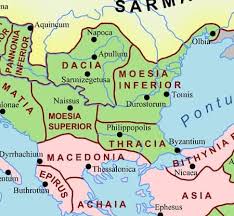
Roman Campaign Against Dacian Kingdom
The Second Dacian War marks the renewed conflict between the Roman Empire and the Dacian Kingdom, led by King Decebalus. Roman Emperor Trajan launched a major military...
Explore event →History does not happen in isolation. Explore world events across time, follow the connections between them, and investigate the threads that reveal how one event can lead to another.
TheTimeMap currently follows events across 95 countries and 268 years of history — building a connected archive designed for people who want to look beyond the headline.
We oppose antisemitism, racism, and dehumanization — everywhere.
When people stop feeling, injustice becomes easy.
The Second Dacian War marks the renewed conflict between the Roman Empire and the Dacian Kingdom, led by King Decebalus. Roman Emperor Trajan launched a major military...
Explore event →
The Roman Emperor Trajan launched his first major military campaign against the Dacian Kingdom in early 101 CE. The war was initiated to subdue the powerful Dacian kin...
Explore event →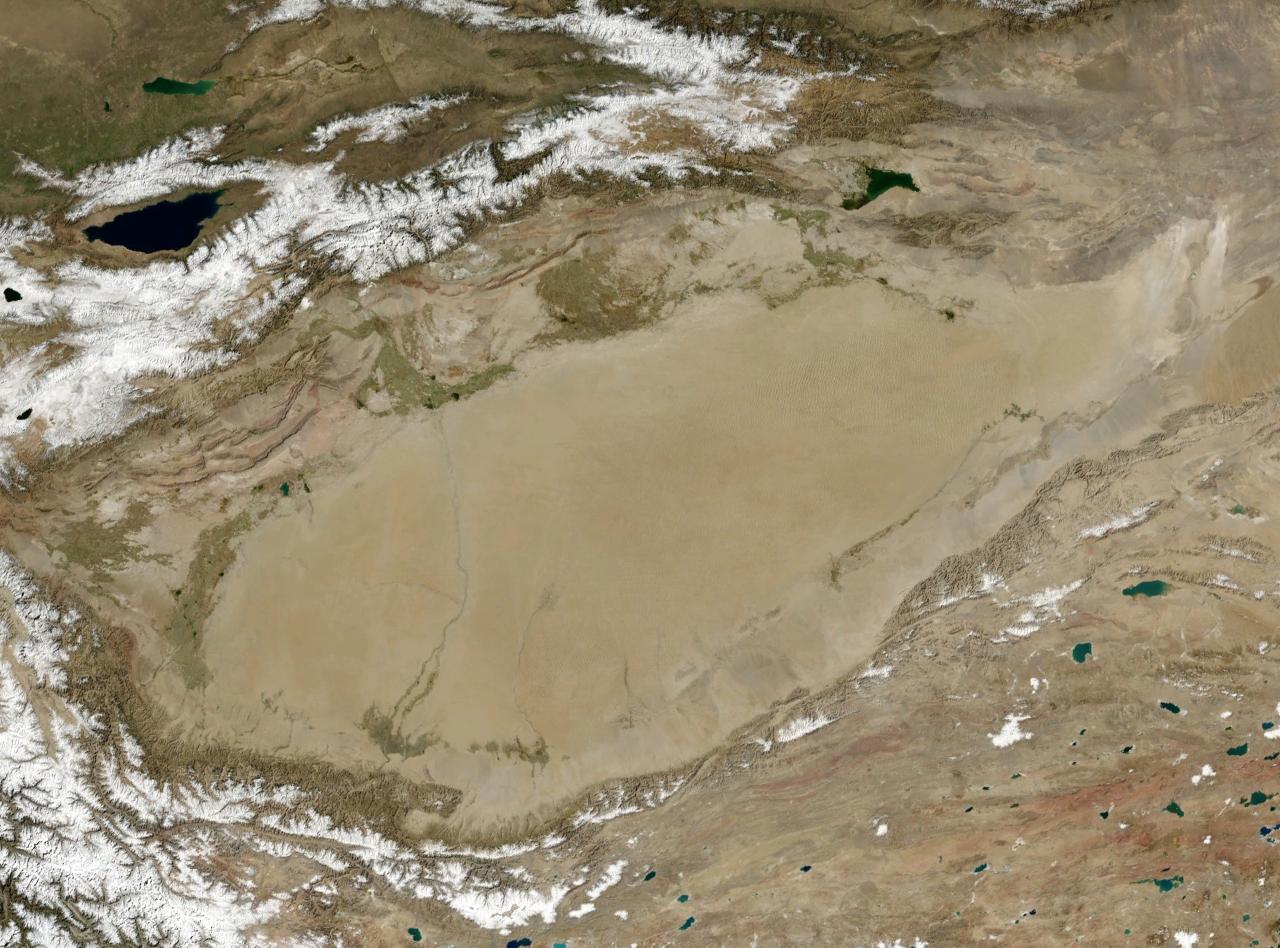
Ban Chao, a renowned Chinese general and explorer of the Eastern Han dynasty, led a significant military and diplomatic expedition to the Tarim Basin. His journey was ...
Explore event →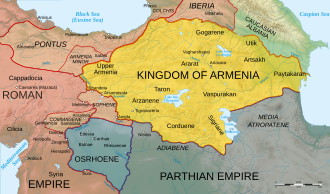
The Roman general Corbulo initiated a military campaign against the Armenian kingdom as part of Rome's efforts to expand influence in the East. This campaign marked th...
Explore event →
Ma Yuan was a prominent Han dynasty general who led campaigns in the southern regions of China to consolidate Han authority over the Nanyue Kingdom. His military exped...
Explore event →
1 September 1928 — Zogu transforms the republic into a monarchy and takes the title Zog I, King of the Albanians. The monarchy seeks modernization and stronger nationa...
Explore research
1922–1953 — Egypt operates as a constitutional monarchy shaped by constant competition among the palace, the Wafd Party and British power. Parliamentary government exi...
Explore research
1272 CE — Charles of Anjou establishes the Regnum Albaniae after securing support among local nobles around Durrës. Angevin power proves uneven, but the kingdom demons...
Explore research
229–228 BCE — Rome sends military forces across the Adriatic against Queen Teuta's kingdom. The war marks Rome's first major armed intervention on the eastern Adriatic...
Explore research
Illyrian ruler whose kingdom came into direct conflict with the expanding Roman Republic.
Explore research
305–30 BCE — The Macedonian Ptolemaic dynasty rules Egypt after the fragmentation of Alexander's empire. Its kings present themselves simultaneously as Hellenistic mon...
Explore research
Powerful Illyrian ruler of the 4th century BCE who built a kingdom capable of challenging Macedonia.
Explore research
4th–3rd centuries BCE — Several Illyrian dynasties consolidate larger kingdoms across the western Balkans. Their rulers compete with Macedonia, Epirus and Greek coasta...
Explore research
Untitledc. 747–656 BCE — Kings from the Nubian kingdom of Kush expand north and eventually control Egypt as the Twenty-Fifth Dynasty. They deliberately present themsel...
Explore research
c. 1070 BCE — Central royal authority weakens while powerful priestly institutions and regional rulers gain influence. Egypt loses much of its empire in the Levant and...
Explore research
c. 1457 BCE — Thutmose III defeats a coalition of Levantine rulers near Megiddo. Egyptian inscriptions provide one of history's earliest detailed military campaign nar...
Explore research
c. 1550–1525 BCE — Ahmose I completes the Theban war against the Hyksos and captures their capital at Avaris. His campaigns reunify Egypt and extend Egyptian power int...
Explore research
c. 1550–1070 BCE — Egypt becomes one of the great imperial powers of the Late Bronze Age. Pharaohs campaign into Nubia and the Levant while wealth flows into enormous ...
Explore research
c. 2055–1650 BCE — Reunified Egypt experiences renewed royal authority, extensive building programs and military expansion into Nubia. Literature flourishes and Egypti...
Explore research
c. 2061–2010 BCE — Mentuhotep II rules from Thebes and defeats the northern rival kingdom. His victory reunifies most of Egypt and establishes the political foundation...
Explore research
c. 2181–2055 BCE — Egypt is politically divided among competing centers, especially Herakleopolis in the north and Thebes in the south. Provincial rulers exercise grea...
Explore research
c. 2200–2181 BCE — Central royal authority weakens as powerful provincial elites gain greater independence. Low Nile floods and climatic instability may have intensifi...
Explore research
c. 2300–2055 BCE — Investigate weakening royal authority, powerful provincial elites, low Nile floods, climate stress and administrative fragmentation. None of these f...
Explore research
c. 2686–2181 BCE — The Old Kingdom becomes the classic age of pyramid construction and highly centralized kingship. The royal court controls extensive agricultural res...
Explore research
c. 3100 BCE — Political consolidation produces a state extending across most of the Nile Valley and Delta. A royal court, taxation system, organized labor force and in...
Explore research
Greek-speaking palace kingdoms rise on the mainland, centered on sites such as Mycenae, Pylos and Tiryns.
Explore research
Greek language, art, science and institutions spread across successor kingdoms after Alexander's death.
Explore research
A powerful political vision seeks to unite Greek populations still living outside the kingdom.
Explore research
Mycenaean kingdoms, poleis, Macedon, Rome, Byzantium, Ottoman rule and the modern state belong to one landscape but very different political worlds.
Explore research