Edomites conversion judaism
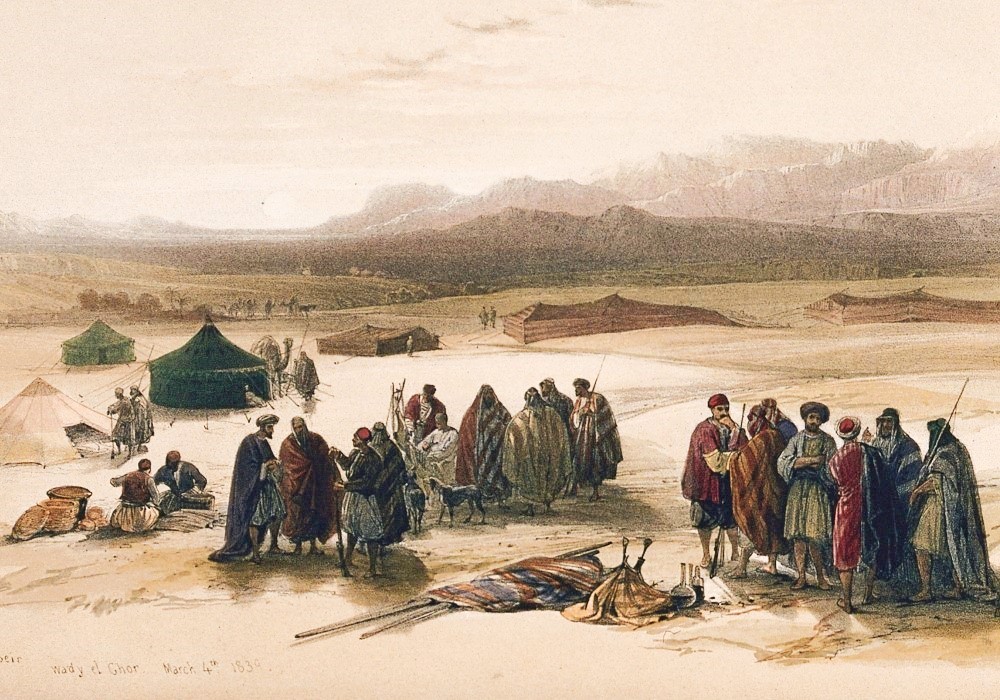
The Edomites, also known in later sources as Idumeans, were an ancient Semitic people who lived in the region south of Judea, historically associated with the descenda...
Explore event →History does not happen in isolation. Explore world events across time, follow the connections between them, and investigate the threads that reveal how one event can lead to another.
TheTimeMap currently follows events across 95 countries and 268 years of history — building a connected archive designed for people who want to look beyond the headline.
We oppose antisemitism, racism, and dehumanization — everywhere.
When people stop feeling, injustice becomes easy.
The Edomites, also known in later sources as Idumeans, were an ancient Semitic people who lived in the region south of Judea, historically associated with the descenda...
Explore event →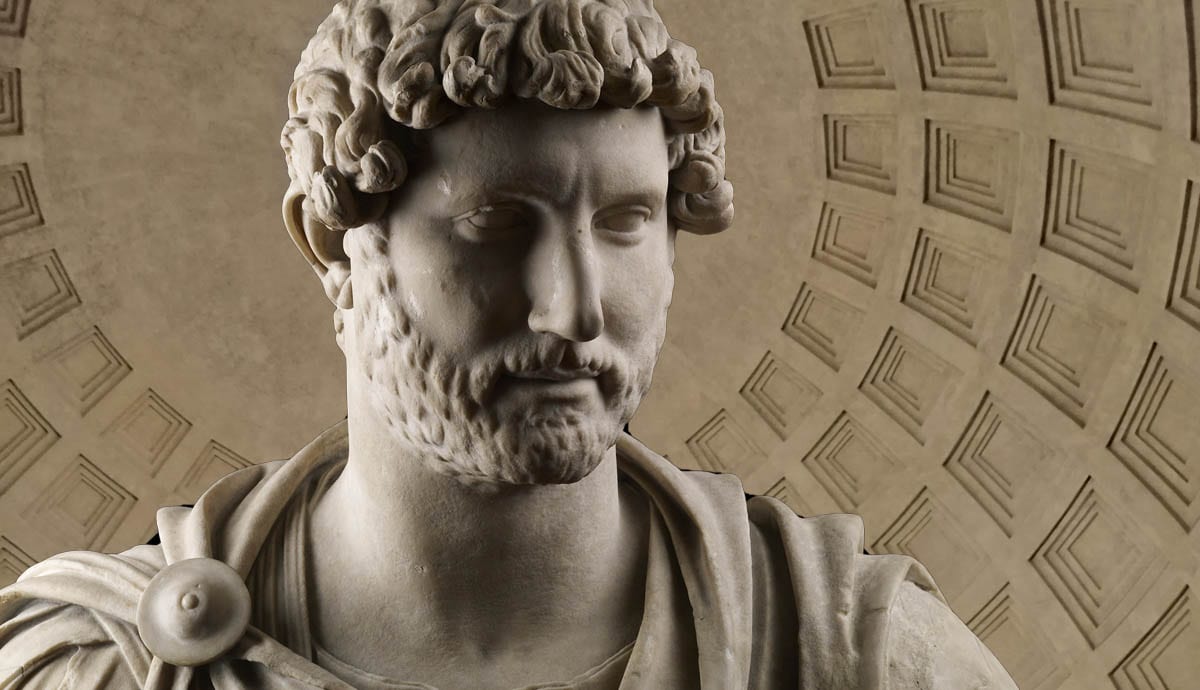
Hadrian was officially declared emperor following the death of his predecessor, Trajan, marking a significant transition in Roman imperial leadership. His accession wa...
Explore event →
Following the death of Emperor Trajan, Hadrian chose to abandon the eastern conquests achieved during Trajan's campaigns. This strategic withdrawal aimed to consolidat...
Explore event →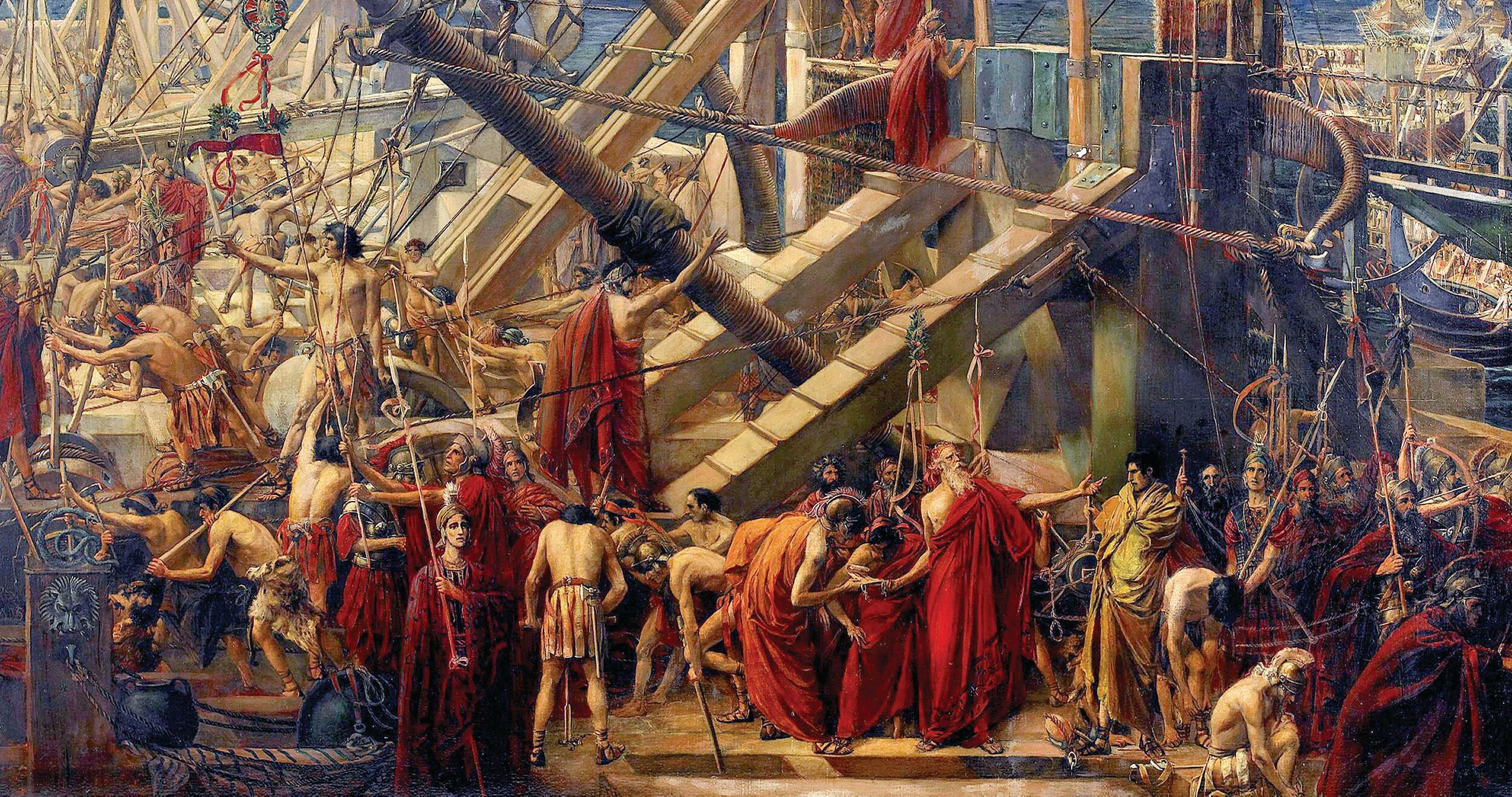
The Roman forces led by Emperor Trajan launched a military campaign across Mesopotamia, culminating in the siege and capture of Seleucia. This event marked a significa...
Explore event →
The province of Mesopotamia was officially established as an administrative region, marking a significant political reorganization in the area. This reconfiguration ai...
Explore event →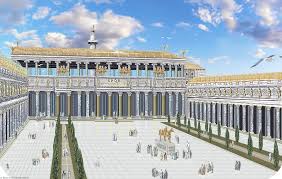
Trajan's Forum was officially inaugurated in Rome, marking the completion of one of the most impressive architectural projects of the Roman Empire. Commissioned by Emp...
Explore event →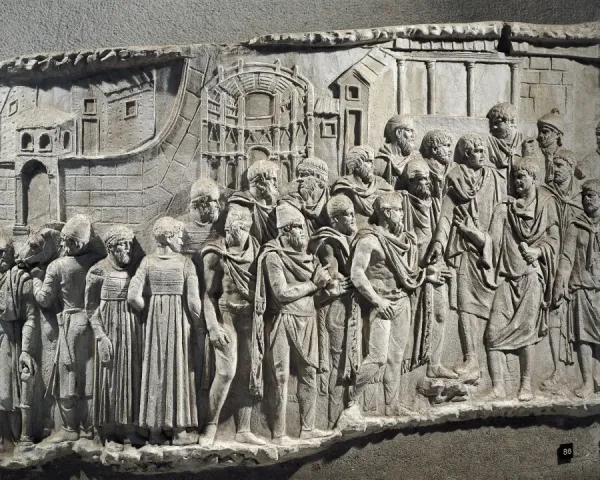
The Roman Empire completed the conquest and annexation of the kingdom of Dacia after a series of military campaigns led by Emperor Trajan. This marked the end of the D...
Explore event →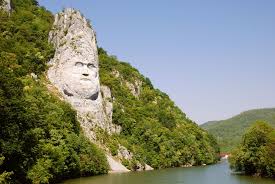
Decebalus, the last king of Dacia, died following the Roman conquest led by Emperor Trajan. His death marked the end of the Dacian Wars and the incorporation of Dacia ...
Explore event →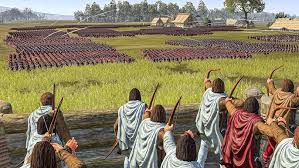
The Fall of Sarmizegetusa marked the decisive Roman victory over the Dacians led by King Decebalus. In early August, Roman legions under Emperor Trajan besieged the Da...
Explore event →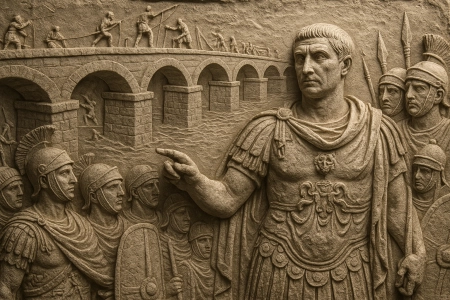
After years of fierce conflict, Dacian King Decebalus ultimately surrendered to the Roman Emperor Trajan. This marked the end of the Dacian Wars, resulting in the anne...
Explore event →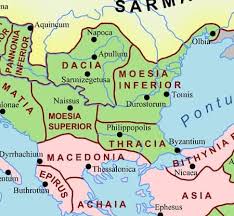
The Second Dacian War marks the renewed conflict between the Roman Empire and the Dacian Kingdom, led by King Decebalus. Roman Emperor Trajan launched a major military...
Explore event →
The Roman Emperor Trajan launched his first major military campaign against the Dacian Kingdom in early 101 CE. The war was initiated to subdue the powerful Dacian kin...
Explore event →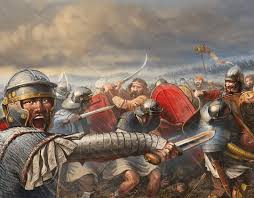
The First Battle of Tapae was a significant conflict between the Roman Empire and the Dacians. It took place at the mountain pass of Tapae, the gateway to the Dacian h...
Explore event →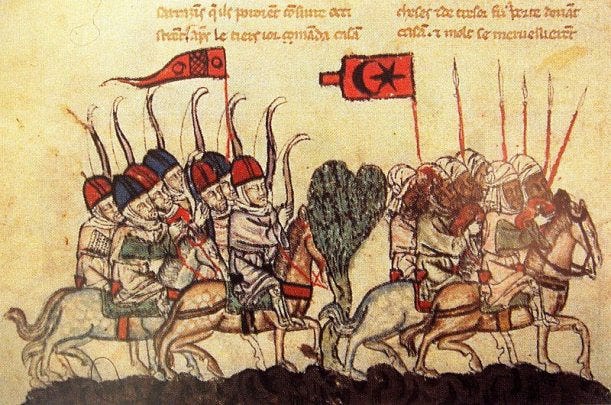
After the murder of Emperor Domitian, the Roman Senate appointed Nerva as emperor, marking a shift from autocratic rule to a more stabilizing governance. Nerva, previo...
Explore event →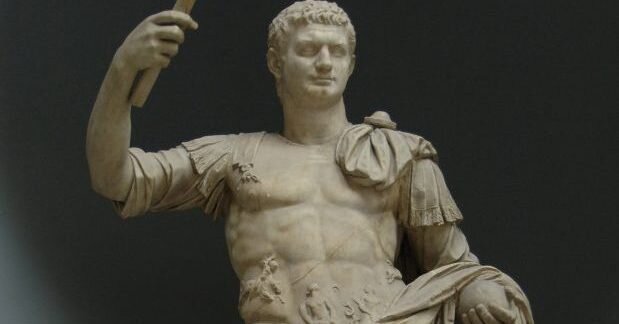
Following the death of Emperor Titus, Domitian, his younger brother, ascended to the throne of the Roman Empire. The accession occurred peacefully, marking the continu...
Explore event →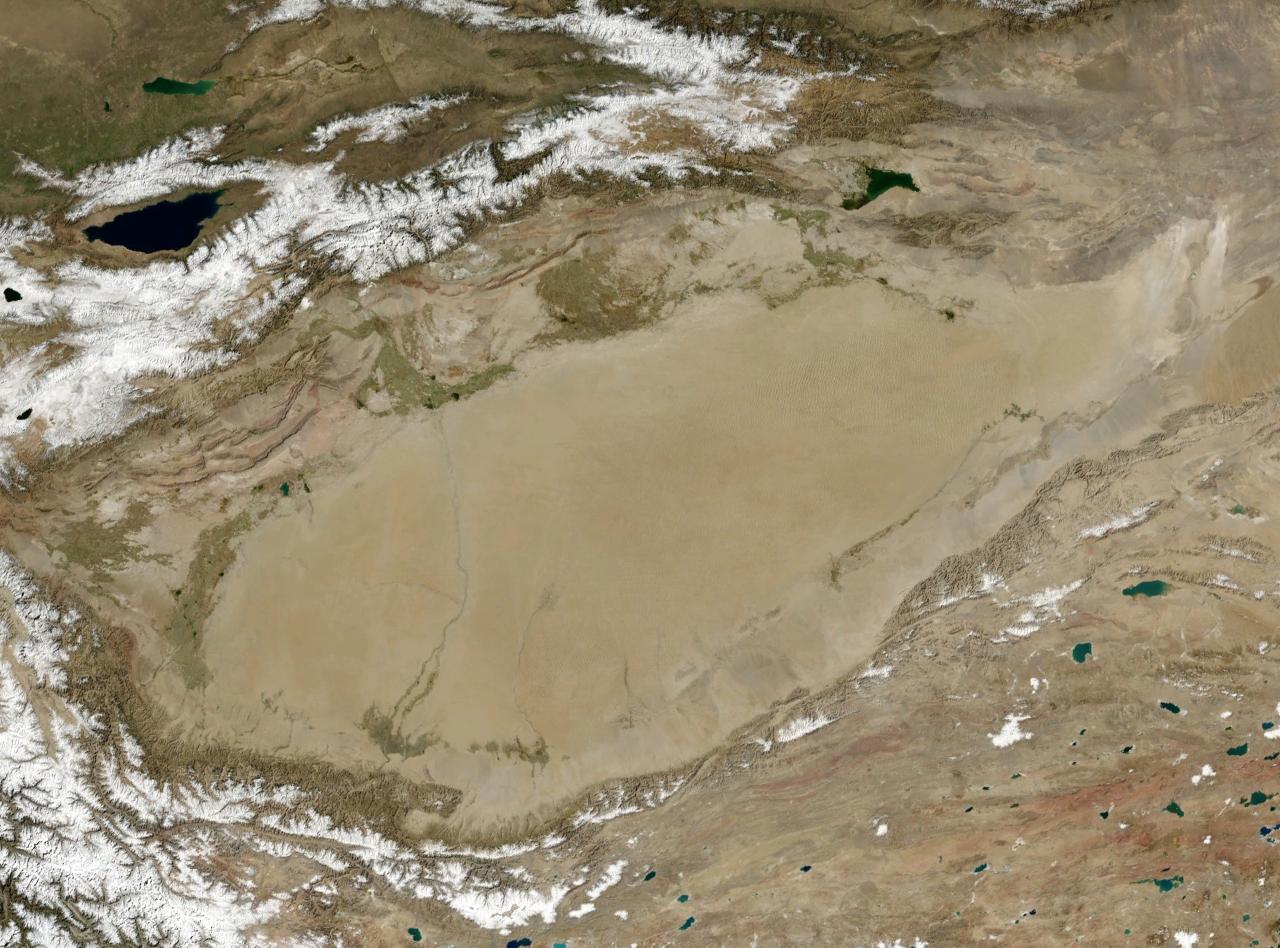
Ban Chao, a renowned Chinese general and explorer of the Eastern Han dynasty, led a significant military and diplomatic expedition to the Tarim Basin. His journey was ...
Explore event →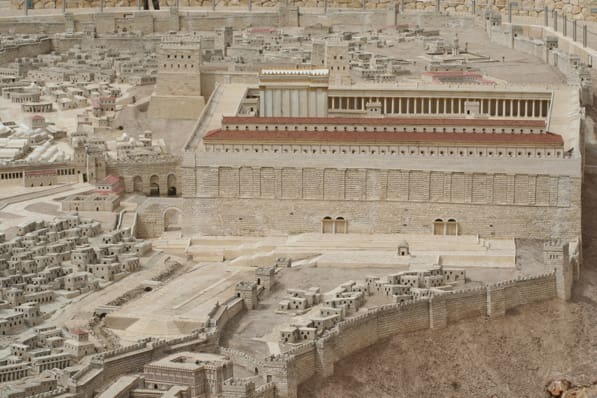
The Roman army, led by Titus, besieged Jerusalem during the First Jewish–Roman War, culminating in the destruction of the Second Temple.The Temple was set ablaze and r...
Explore event →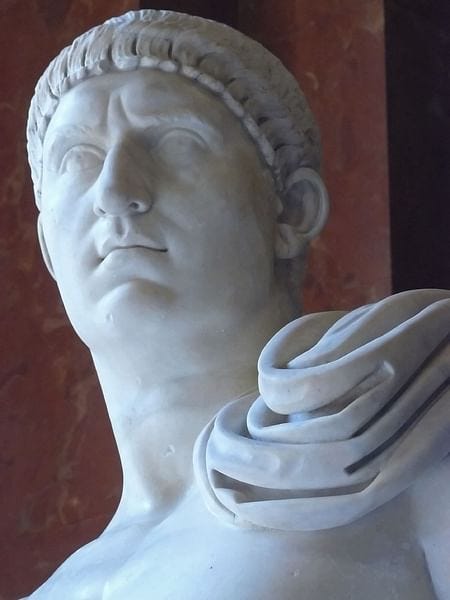
Following the death of Emperor Galba, Otho swiftly ascended to power in Rome, marking a critical juncture in the Year of the Four Emperors. His accession was character...
Explore event →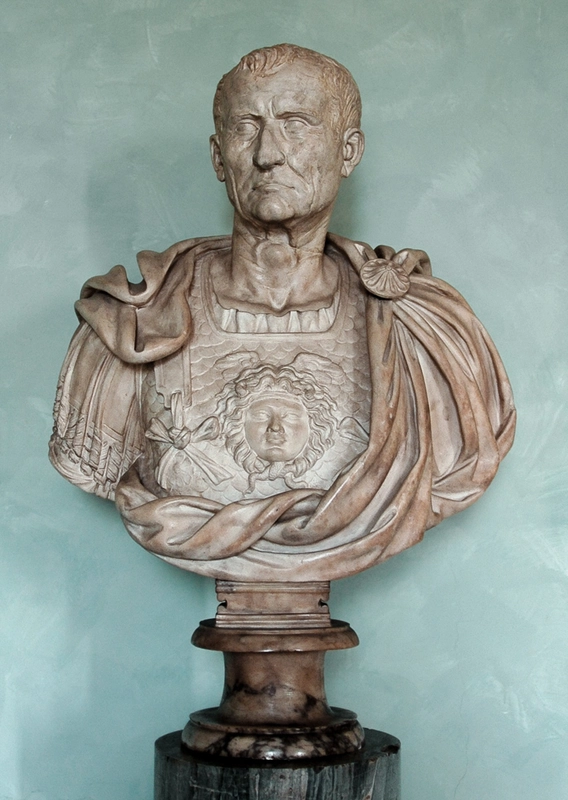
Galba was declared Roman Emperor following the assassination of Nero, marking the end of the Julio-Claudian dynasty. His accession was largely supported by the Senate ...
Explore event →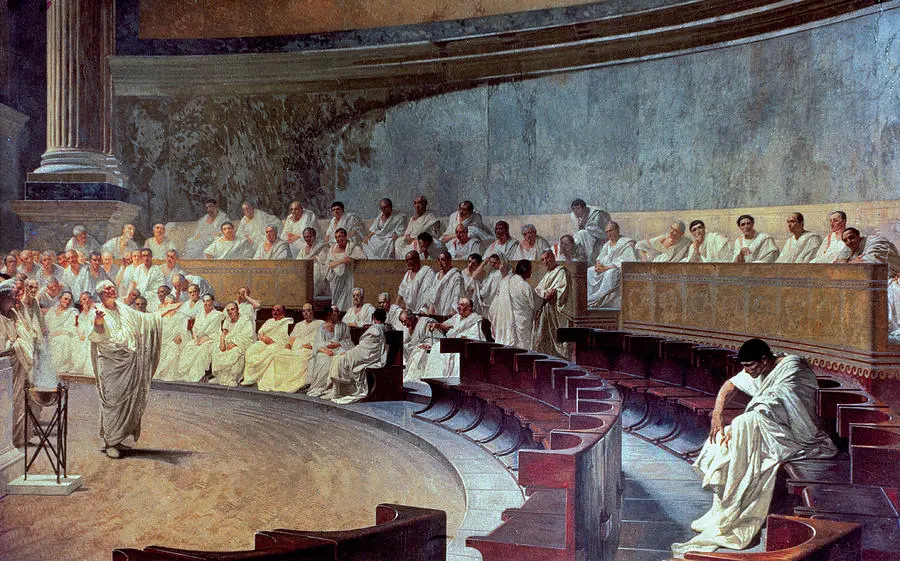
The Year of the Four Emperors was a tumultuous period marking rapid succession of Roman emperors after the fall of Nero. It involved the rise and fall of Galba, Otho, ...
Explore event →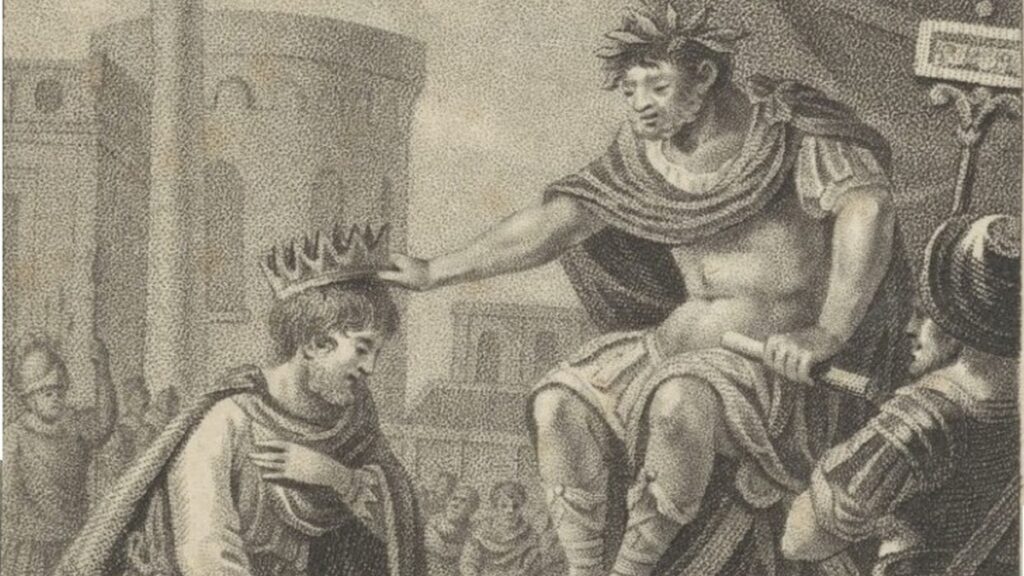
Tiridates I was crowned King of Armenia in the city of Artaxata, solidifying Roman influence in the region. His coronation marked the beginning of a dynasty recognized...
Explore event →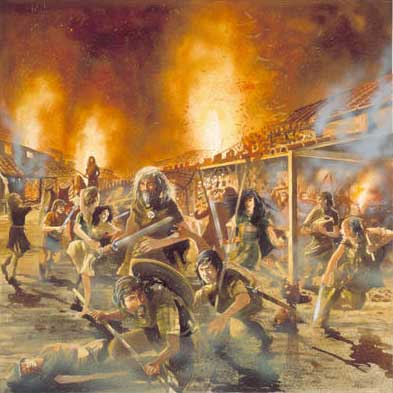
The Iceni tribe, led by Queen Boudica, launched a major revolt against Roman occupation in Britannia. The uprising was provoked by Roman mistreatment following the dea...
Explore event →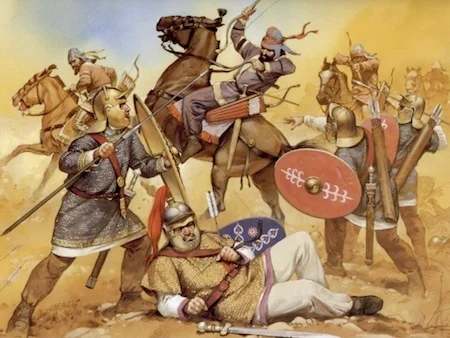
Roman military campaigns against the Parthian Empire resumed under the rule of Emperor Nero, seeking to assert control over the eastern frontier. These efforts aimed t...
Explore event →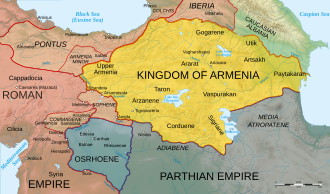
The Roman general Corbulo initiated a military campaign against the Armenian kingdom as part of Rome's efforts to expand influence in the East. This campaign marked th...
Explore event →
17 September 1978 — Sadat and Israeli Prime Minister Menachem Begin sign agreements negotiated under U.S. President Jimmy Carter. The accords establish the framework f...
Explore research
23 July 1952 — Egyptian military officers overthrow King Farouk's government. The movement is driven by dissatisfaction with corruption, political inequality, British ...
Explore research
7 April 1939 — Italian forces invade Albania after King Zog rejects Mussolini's demands for greater Italian control. Zog flees the country and Albania is incorporated ...
Explore research
1 September 1928 — Zogu transforms the republic into a monarchy and takes the title Zog I, King of the Albanians. The monarchy seeks modernization and stronger nationa...
Explore research
28 February 1922 — Britain formally ends its protectorate and recognizes Egypt as an independent sovereign state. Important issues remain under British control, includ...
Explore research
1922–1953 — Egypt operates as a constitutional monarchy shaped by constant competition among the palace, the Wafd Party and British power. Parliamentary government exi...
Explore research
28 July–4 August 1914 — European armies activate enormous prearranged railway timetables to mobilize millions of soldiers. Military planners argue that delaying mobili...
Explore research
1914–1918 wartime production — DuPont becomes one of the most striking American industrial beneficiaries of wartime demand because explosives and propellants are requi...
Explore research
29 July 1913 — The Great Powers recognize an independent Albanian principality. The borders they establish leave substantial Albanian-speaking populations outside the ...
Explore research
1912–1913 — Trace the Balkan Wars, competing territorial claims and Great Power diplomacy that created modern Albania while leaving many Albanian-speaking populations ...
Explore research
Dominant interwar politician who becomes president and later King Zog I.
Explore research
15th–16th centuries — Waves of Albanian-speaking migrants settle in southern Italy and Sicily during the expansion of Ottoman rule. Their descendants, known as the Arb...
Explore research
1272 CE — Charles of Anjou establishes the Regnum Albaniae after securing support among local nobles around Durrës. Angevin power proves uneven, but the kingdom demons...
Explore research
641–1000 CE — Arabic did not replace Coptic immediately after the conquest. Government, migration, urban life, taxation, religious conversion and social mobility gradu...
Explore research
c. 550–650 CE — Slavic-speaking groups settle widely across the Balkans during a period of weakened Byzantine frontier control. Settlement patterns, languages and poli...
Explore research
c. 150 CE — The geographer Claudius Ptolemy records a people called Albanoi and a settlement named Albanopolis in the western Balkans. The similarity to later Albanian...
Explore research
30 BCE — Ancient writers indicate that Cleopatra and Mark Antony were buried together, but their burial place has never been securely identified. Archaeologists have e...
Explore research
51–30 BCE — Cleopatra VII becomes the final active ruler of the Ptolemaic dynasty. She navigates the expanding power of Rome through alliances and relationships first ...
Explore research
168 BCE — Roman forces defeat King Gentius near Scodra after a short campaign. His capture effectively ends the last major independent Illyrian monarchy in the region....
Explore research
Last major Illyrian king defeated by Rome during the Third Illyrian War.
Explore research
229–228 BCE — Rome sends military forces across the Adriatic against Queen Teuta's kingdom. The war marks Rome's first major armed intervention on the eastern Adriatic...
Explore research
Illyrian ruler whose kingdom came into direct conflict with the expanding Roman Republic.
Explore research
305–30 BCE — The Macedonian Ptolemaic dynasty rules Egypt after the fragmentation of Alexander's empire. Its kings present themselves simultaneously as Hellenistic mon...
Explore research
Powerful Illyrian ruler of the 4th century BCE who built a kingdom capable of challenging Macedonia.
Explore research