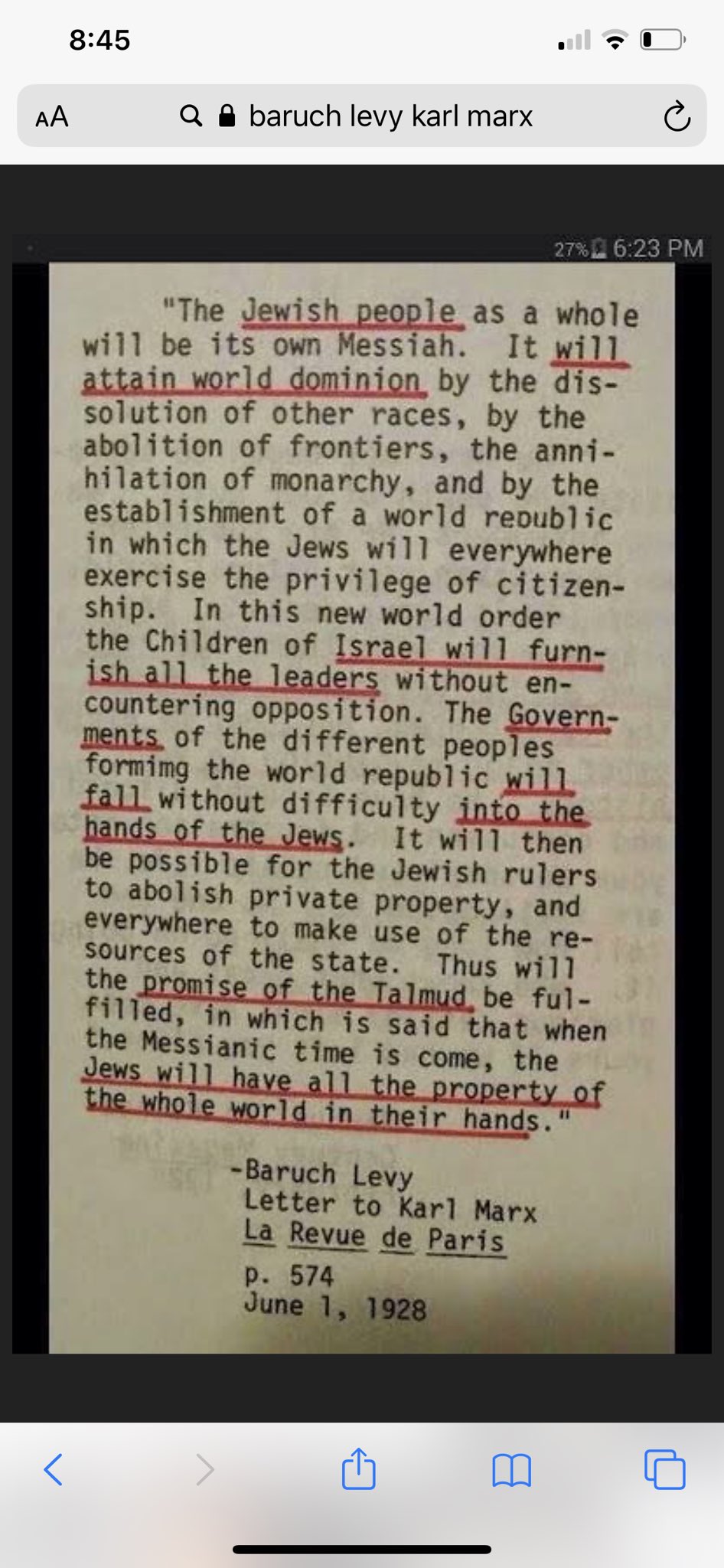
Baruch Levy letter to Karl Marx. Origins, content, and historical status
Baruch Levy letter to Karl Marx
Explore event →History does not happen in isolation. Explore world events across time, follow the connections between them, and investigate the threads that reveal how one event can lead to another.
TheTimeMap currently follows events across 95 countries and 268 years of history — building a connected archive designed for people who want to look beyond the headline.
We oppose antisemitism, racism, and dehumanization — everywhere.
When people stop feeling, injustice becomes easy.
Baruch Levy letter to Karl Marx
Explore event →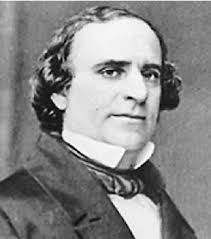
On December 1, 1845, David Levy Yulee was sworn in as one of the first two United States senators from the newly admitted State of Florida, marking a notable moment in...
Explore event →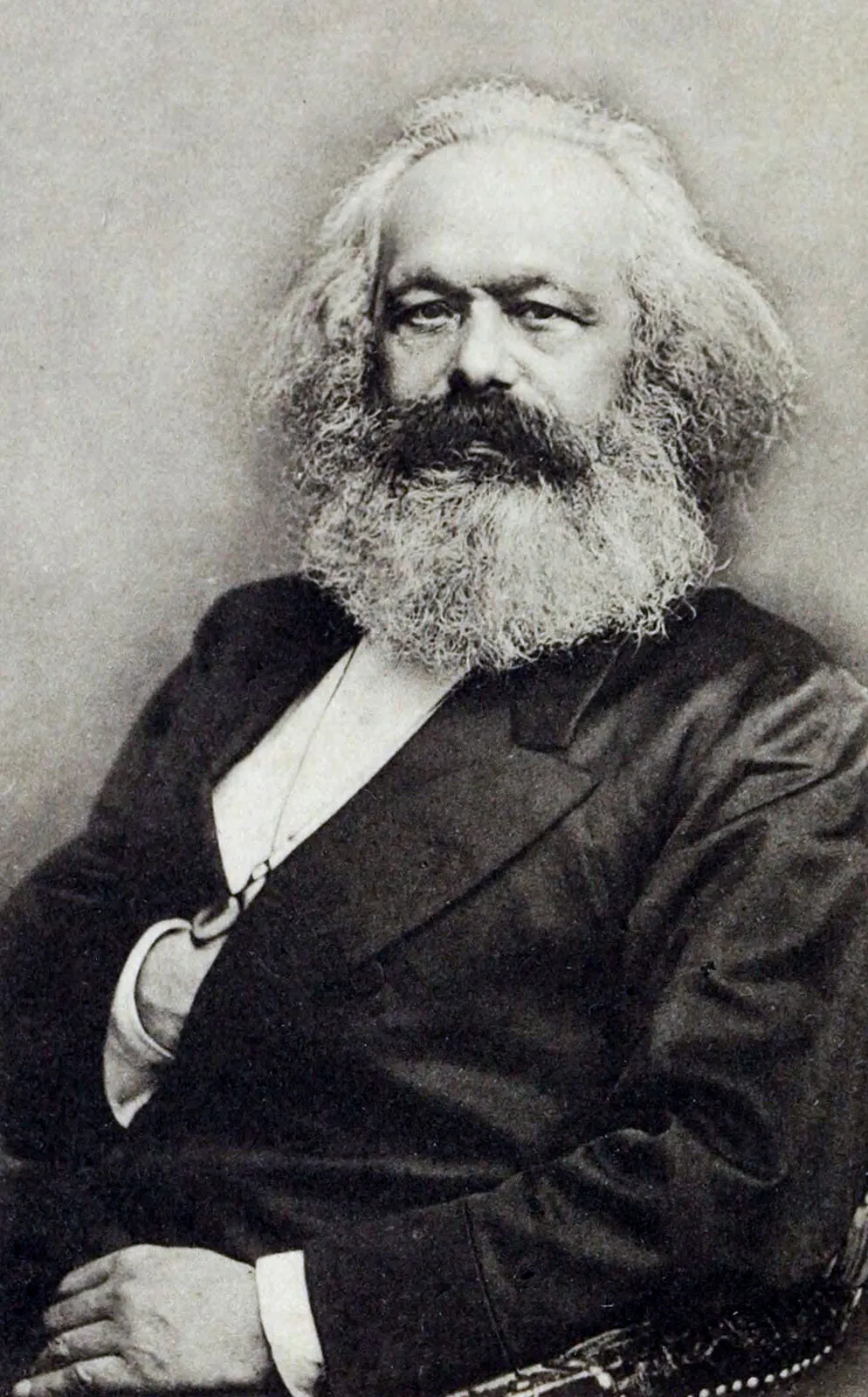
Karl Marx was a German philosopher, economist, and political theorist born in Trier, Prussia, in 1818. His work contributed to the development of socialist and communi...
Explore event →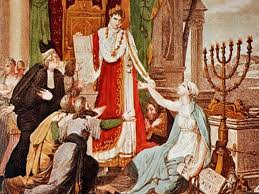
Emancipation of Jews in Russia under Catherine II In 1791, Empress Catherine II of Russia issued policies regulating the settlement and legal status of Jewish populat...
Explore event →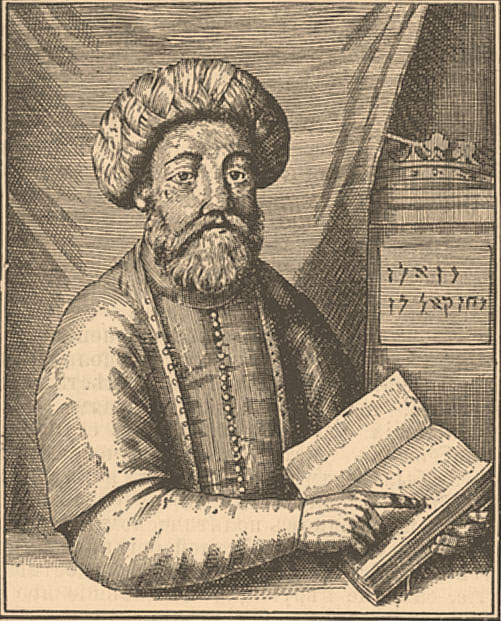
The Dönmeh were a religious community that emerged in the late 17th century within the Ottoman Empire, originating from followers of Sabbatai Zevi, a Jewish rabbi who ...
Explore event →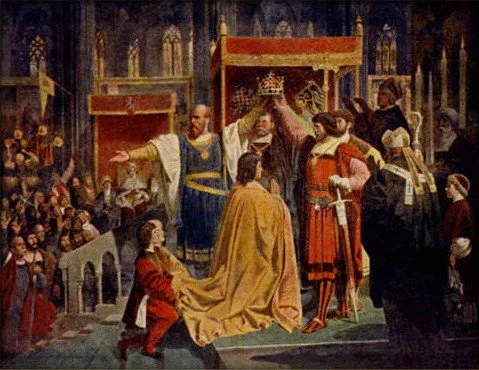
Expulsion of Jews from the Kingdom of Naples In 1540, Jewish communities in the Kingdom of Naples were expelled as the region came under the control of the Spanish cr...
Explore event →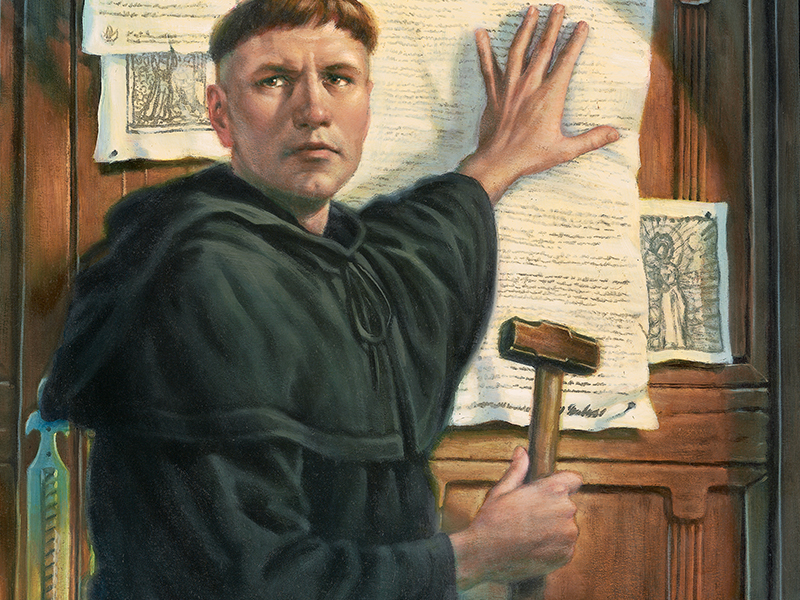
The Ninety-Five Theses body { font-family: Arial, Helvetica, sans-serif; line-height: 1.6; margin: 40px; ...
Explore event →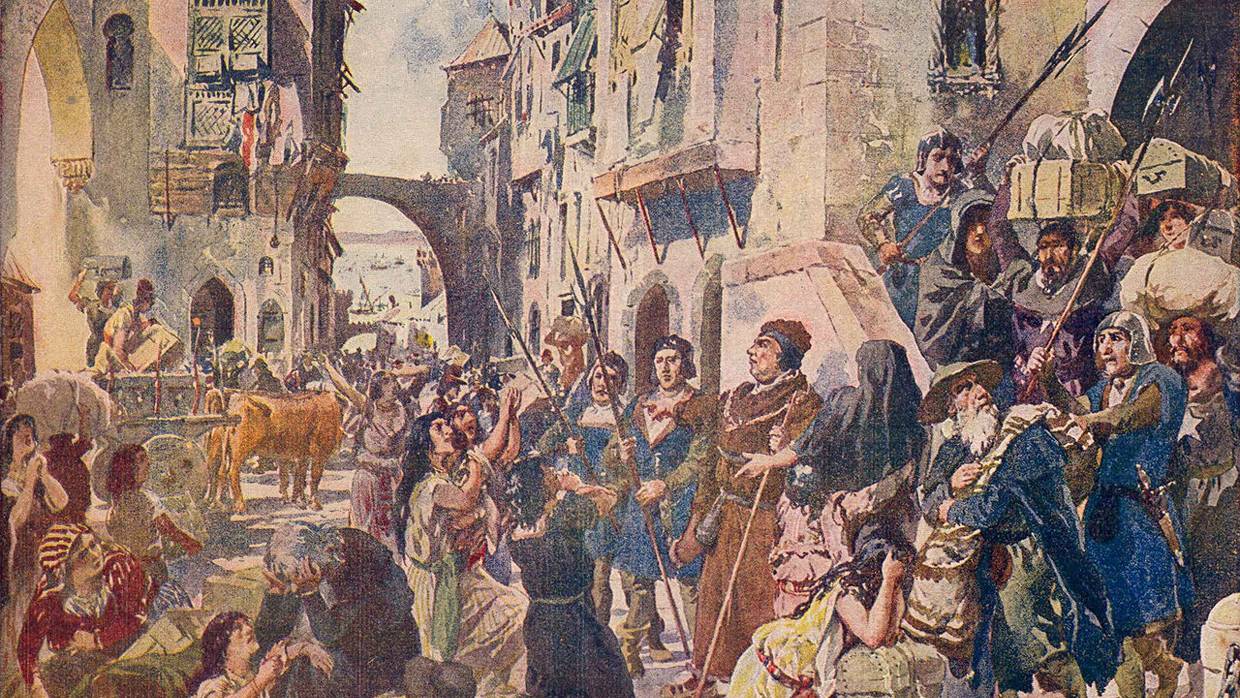
Expulsion of Jews from Portugal On December 5, 1497, King Manuel I of Portugal issued an edict requiring all Jews to either convert to Christianity or leave the kingd...
Explore event →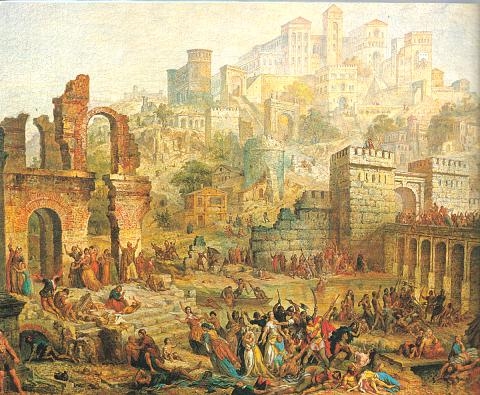
Expulsion of Jews from Speyer On October 15, 1435, the city council of Speyer, a city within the Holy Roman Empire, issued an expulsion order for all Jewish residents...
Explore event →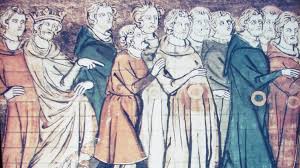
Expulsion of Jews from France On July 22, 1306, King Philip IV of France, also known as Philip the Fair, issued an edict expelling all Jews from the kingdom. The expu...
Explore event →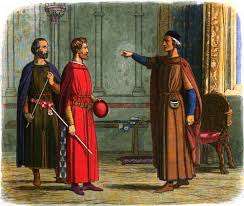
Expulsion of Jews from England On July 18, 1290, King Edward I issued the Edict of Expulsion, ordering all Jews to leave the Kingdom of England. The decree affected J...
Explore event →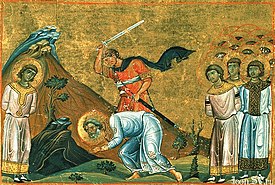
Najran Massacre 523 AD In 523 AD, the Himyarite king Yusuf Asar Dhu Nuwas, a Jewish ruler of the Himyarite Kingdom in present day Yemen, targeted the Christia...
Explore event →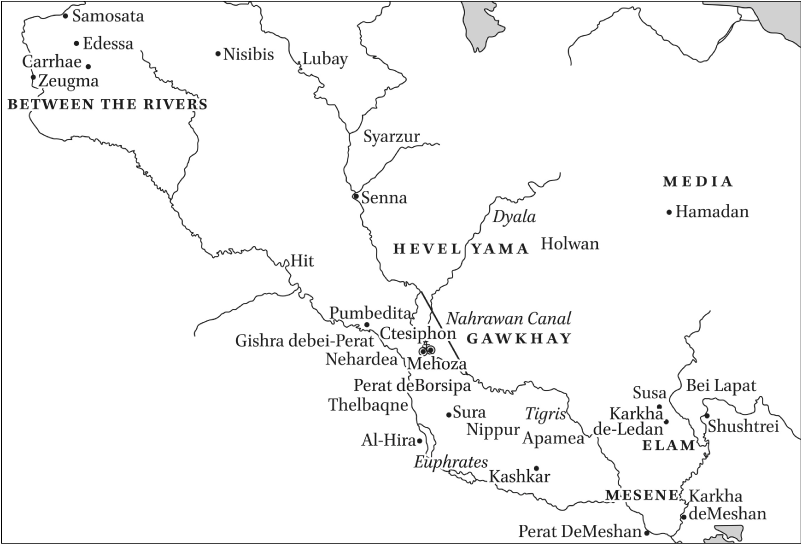
During the early centuries of the Common Era, Talmudic academies in Babylonia underwent significant expansion. These centers of Jewish learning became pivotal in the d...
Explore event →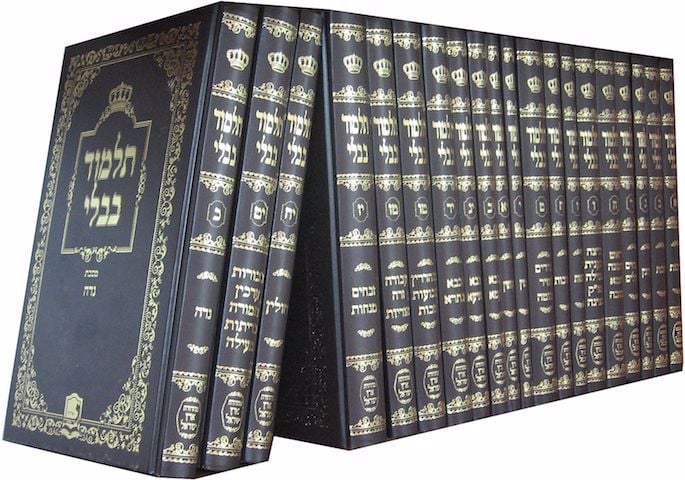
The compilation of the Babylonian Talmud marked a significant advancement in Jewish legal and theological scholarship. Completed around the 5th century CE, this work s...
Explore event →
Rabbinic literature from the Mishnaic and Talmudic periods (approximately 1st–6th centuries CE) includes legal discussions that describe several categories relating to...
Explore event →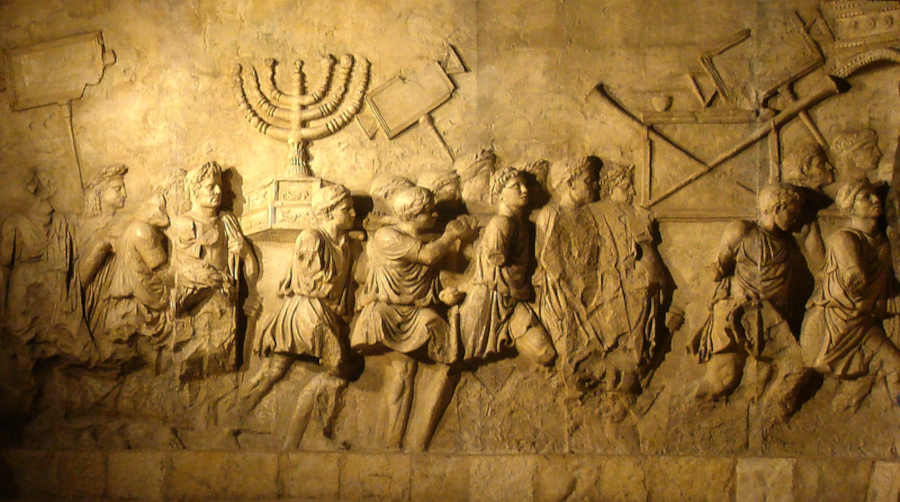
The Bar Kokhba revolt, a major Jewish uprising against Roman rule, ended with the fall of the fortress of Betar. The Roman forces besieged and destroyed the stronghold...
Explore event →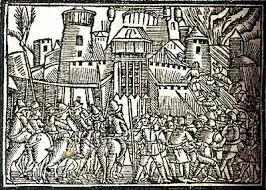
The Siege and Fall of Betar marked a decisive moment in the Bar Kokhba revolt against Roman rule in Judea. The fortress held out for months before falling to Roman for...
Explore event →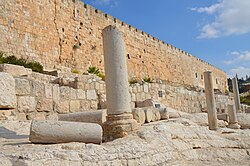
After the suppression of the Bar Kokhba revolt, the Roman Emperor Hadrian refounded Jerusalem as a Roman colony named Aelia Capitolina. The city was rebuilt with Roman...
Explore event →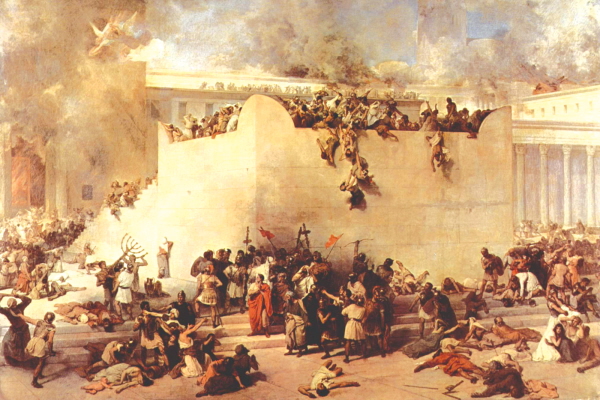
The Bar Kokhba revolt was a major Jewish uprising against the Roman Empire in the province of Judaea. The rebellion started under the leadership of Simon Bar Kokhba wh...
Explore event →
The Edomites, also known in later sources as Idumeans, were an ancient Semitic people who lived in the region south of Judea, historically associated with the descenda...
Explore event →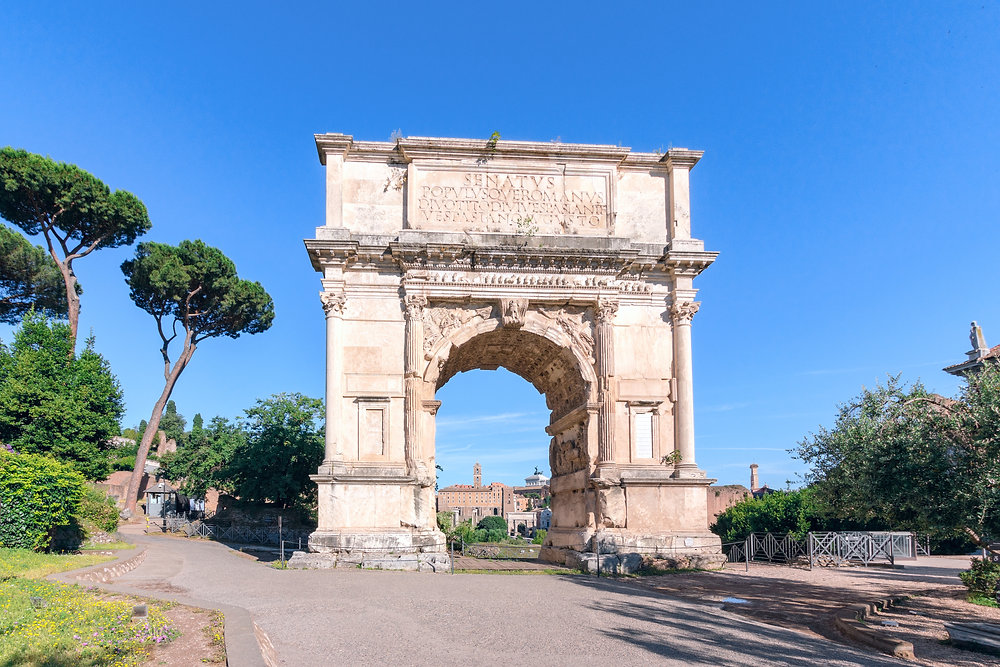
The Arch of Titus was completed in Rome shortly after the death of Emperor Titus. The arch was commissioned by his brother Domitian to commemorate Titus's victories an...
Explore event →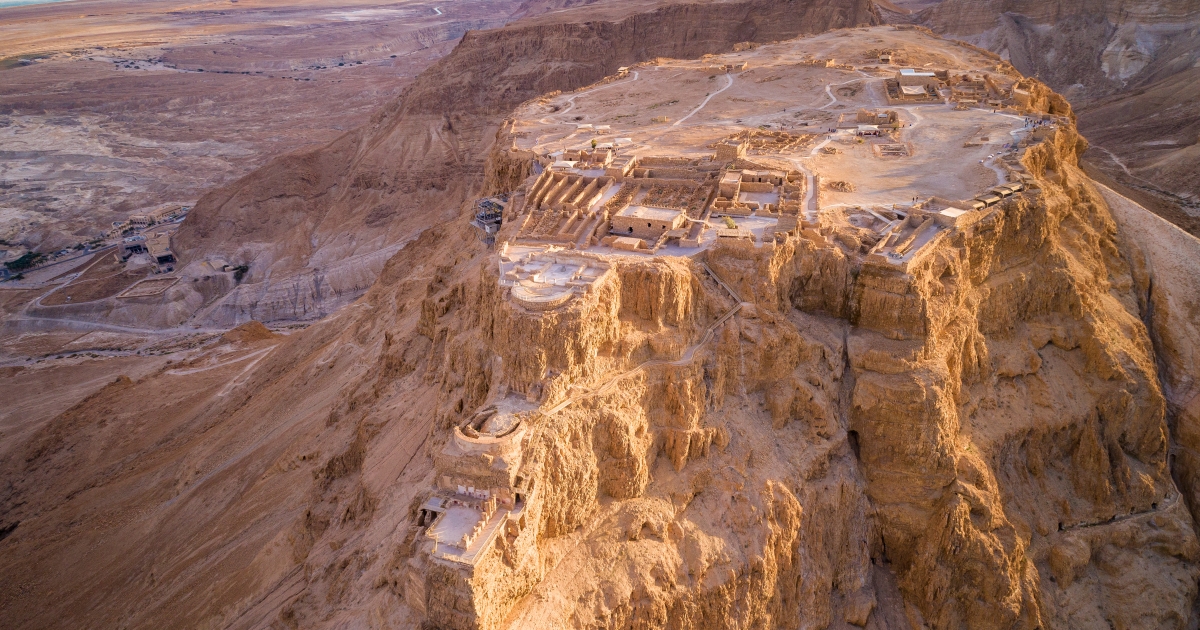
The Siege of Masada was the last stronghold of the Jewish rebels during the First Jewish–Roman War. Roman forces laid siege to the fortress located on a plateau near t...
Explore event →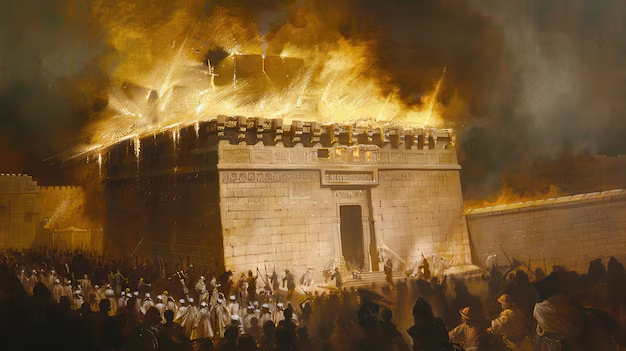
Roman forces led by Titus destroyed the Second Temple in Jerusalem during the Jewish revolt. This event transformed Judaism, ending temple-based worship and accelerat...
Explore event →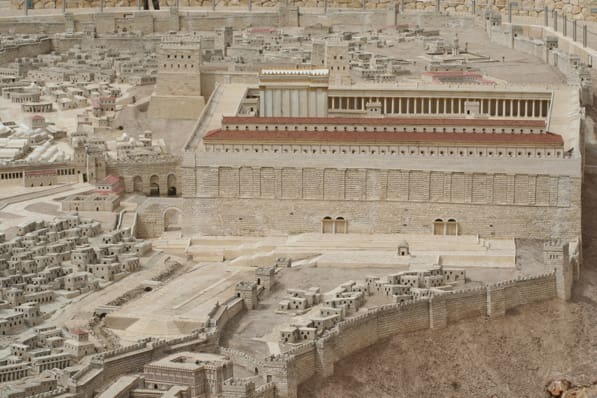
The Roman army, led by Titus, besieged Jerusalem during the First Jewish–Roman War, culminating in the destruction of the Second Temple.The Temple was set ablaze and r...
Explore event →
30 BCE–395 CE — Egypt remains one of the Roman Empire's wealthiest provinces. Alexandria continues as a major commercial and intellectual center while traditional Egyp...
Explore research
22 June 1941 — SS and police killing units move behind German armies. Their operations rapidly expand from targeting Soviet officials toward systematic mass murder of ...
Explore research
9 November 1938 — Nazi-organized violence erupts against Jews throughout Germany and Austria. Synagogues are burned, businesses destroyed, people murdered and tens of ...
Explore research
Untitled22 June 1941 — Special SS and police formations move behind German armies entering the Soviet Union. Their mission quickly expands into mass shootings of Jewis...
Explore research
20 January 1942 — Senior Nazi officials meet near Berlin to coordinate bureaucratic implementation of the so-called Final Solution of the Jewish Question. Mass killing...
Explore research